
World War II killed more people than any other war, an estimated 70 to 85 million. It was fought between the Allies, led by Britain, the Soviet Union and the United States, and the Axis, led by Germany, Italy and Japan. It killed more people than any other conflict, ended with the first use of atomic weapons, and set the shape of the world that followed.
The war occurred from 1939 to 1945. This timeline covers 1919 to 1947, because it also includes the events that led to the war and the events that came out of it.
World War II was fought on almost every continent and killed an estimated 70 to 85 million people, around two thirds of them civilians. The events below run from the peace deal that ended World War I in 1919 to the start of the Cold War in 1947. Most of them are the result of something earlier on the list: a treaty broken with no answer, a border crossed to see who would object, a weapon built in secret.
The twenty years between the peace of 1919 and the invasion of Poland in 1939 are set out here in order. Every event is a step toward a war that nobody in 1919 said they wanted. Each one asks the same two questions: what did a country take, and what did the others do about it?
Germany and the Soviet Union fought from June 1941 to May 1945, and around three quarters of German military deaths happened on this front. It opens in August 1939 with the two countries signing an agreement not to fight each other at all. Less than two years later Germany invaded with more than three million men.
The war in Europe ran from the German invasion of Poland in September 1939 to the German surrender at Reims in May 1945, and this timeline includes the air war over Britain, the campaigns in Italy and France, and the Eastern Front. Two things are worth counting as you read down: how long Britain fought alone, and how long the second front the Soviet Union kept asking for took to arrive.
The Nazis murdered six million Jewish people, along with Roma, disabled people, Soviet prisoners of war and Polish civilians. This timeline begins in 1933 with the laws that stripped Jewish Germans of their rights and ends with the liberation of the camps in 1945. Each step made the next one easier, and almost nobody with the power to stop it objected while the steps were being taken.
What the war left behind is set out here: the conferences that divided Europe, the trials of the men who ran Nazi Germany, and the organizations built to stop it happening again. The countries that won the war together stopped trusting each other within two years, and the events below show how fast it happened.
The war against Japan began in 1931, when Japan invaded Manchuria in northern China, eight years before the war started in Europe. It ended with the Japanese surrender in Tokyo Bay in September 1945. Distance decides almost everything here: this was a war of islands, aircraft carriers and supply lines stretched across an ocean.
How did the Treaty of Versailles and the Great Depression help bring Adolf Hitler to power in Germany?
The rise of the Nazi Party was the process by which Adolf Hitler's party grew from a fringe group into the largest party in the German parliament, between the peace settlement of 1919 and Hitler becoming Chancellor in January 1933.
Why did the League of Nations fail to stop Japan, Italy and Germany in the 1930s?
The League of Nations was an international organization set up in 1920 to settle disputes between countries without war, and it was tested by Japan, Italy and Germany between 1931 and 1936.
How did Germany, Italy and Japan end up on the same side before the war began?
The Axis was the alliance between Nazi Germany, Fascist Italy and Imperial Japan, built through a series of agreements signed between 1936 and 1940.
How did Adolf Hitler turn the office of German Chancellor into a dictatorship during 1933 and 1934?
The Nazi seizure of power was the series of steps that turned the office of German Chancellor into a dictatorship, between January 1933 and August 1934.
Why did Britain and France appease Nazi Germany between 1936 and 1939, and what finally ended appeasement?
Appeasement was the policy of giving Nazi Germany what it demanded in the hope of avoiding another war, followed by Britain and France between 1936 and 1939.
Why did Japan attack Pearl Harbor in 1941, and how did the war in the Pacific turn against Japan?
The Pacific War was the conflict between Japan and the Allies, led by the United States, which began with Japan's search for oil and raw materials in the 1930s and opened in earnest with the attack on Pearl Harbor in December 1941.
Why did Operation Barbarossa, the German invasion of the Soviet Union, end in German defeat?
Operation Barbarossa was the German invasion of the Soviet Union, launched on June 22nd, 1941 with about three million men.
How did Germany conquer Western Europe in six weeks in 1940?
The Battle of France was the German attack on the Netherlands, Belgium and France in May and June 1940, which defeated the French army in six weeks.
How did Britain survive the Battle of Britain and the Blitz in 1940 after the fall of France?
The Battle of Britain was an air battle in World War II between Britain and Nazi Germany, fought over southern England from July to October 1940 and followed by the bombing of British cities known as the Blitz.
How did the German invasion of the Soviet Union and the Japanese attack on Pearl Harbor turn a European war into a world war?
The widening of the war was the point at which a European conflict became a world war, when Germany invaded the Soviet Union in June 1941 and Japan attacked the United States that December.
Why did Germany attack toward the Caucasus in 1942 instead of trying for Moscow again?
Case Blue was the German offensive of 1942 that aimed at the Soviet oil fields in the Caucasus and ended in defeat at Stalingrad.
How far did Japan expand in the six months after Pearl Harbor?
Japan's expansion was the six months of conquest that followed Pearl Harbor, taking Hong Kong, Malaya, Singapore, the Philippines and the Dutch East Indies between December 1941 and May 1942.
How did Italy go from being Mussolini's fascist ally of Nazi Germany to being a battlefield of the Allied invasion?
The Italian campaign was the Allied invasion of Italy, which began in Sicily in July 1943 and turned Nazi Germany's main ally into a battlefield.
Why do historians call 1942 the turning point of World War II, and what happened at Midway, Stalingrad and El Alamein?
The turning point of 1942 was a run of three Allied victories, at Midway in June, El Alamein in October and Stalingrad through the following winter, after which the Axis never regained the advantage.
How did the Allies fight their way back across the Pacific toward Japan?
Island hopping was the American strategy of capturing selected Pacific islands and bypassing the rest, used from Guadalcanal in 1942 to Okinawa in 1945.
How did the Allies open a second front in Western Europe between the Dieppe Raid of 1942 and the Battle of the Bulge?
The second front was the Allied invasion of Western Europe that the Soviet Union demanded from 1941, attempted at Dieppe in 1942 and finally opened in Normandy on June 6th, 1944.
How did Allied deception operations, Mincemeat and Fortitude, shape the invasions of Sicily and Normandy?
Allied deception was the use of false information to hide where an invasion would land, used before the landings in Sicily in July 1943 and in Normandy in June 1944.
How did Nazi persecution of Jewish people in Germany become the Holocaust?
The Holocaust was the persecution and murder of six million Jewish people by Nazi Germany, which developed from laws passed in the 1930s into organized mass killing after 1941.
Who else did the Nazis target besides Jewish people, and how did the mass killing of the Holocaust begin?
Nazi racial policy was the belief that some lives were worth less than others, applied first to disabled patients in German hospitals from 1939 and then to Jewish people, Roma, Soviet prisoners of war and others.
What happened inside the Nazi concentration and death camps of the Holocaust, and who resisted?
The Nazi camps were a system that began in 1933 as prisons for political opponents and grew into the death camps of occupied Poland, where millions of people were murdered between 1941 and 1945.
What did the German invasion of the Soviet Union cost civilians in Leningrad and Warsaw?
The siege of Leningrad and the Warsaw ghetto were two places where German occupation killed civilians in enormous numbers, between 1940 and 1944.
Who resisted Nazi rule inside occupied Europe, and what happened to the Warsaw uprisings and the July Plot against Hitler?
Resistance was the organized opposition to Nazi rule inside occupied Europe, which included the Warsaw ghetto uprising of 1943, the plot to kill Hitler in July 1944 and the Warsaw uprising that August.
How did the war in Europe end, from the failure at Arnhem to the German surrender?
The end of the war in Europe was the eight months between the failed airborne attack at Arnhem in September 1944 and the German surrender in May 1945.
How were Nazi and Japanese leaders held responsible for war crimes after World War II?
The war crimes trials were the courts set up by the Allies to try the leaders of Nazi Germany and Imperial Japan, held at Nuremberg from 1945 and in Tokyo from 1946.
Why did the United States drop atomic bombs on Hiroshima and Nagasaki in 1945?
The atomic bombings were the American attacks on the Japanese cities of Hiroshima and Nagasaki on August 6th and August 9th, 1945, the only use of nuclear weapons in a war.
Which scientific and technical advances changed World War II the most?
The technology of World War II was the set of inventions that decided what each side was able to do, from the radar stations covering Britain in 1940 and the codebreaking machines at Bletchley Park to the jet aircraft, guided rockets and atomic bombs of 1944 and 1945.
How did World War II change daily life for civilians on the British, American and German home fronts?
The home front was civilian life during the war, shaped by rationing, bombing, war work and government control in Britain, the United States and Germany between 1939 and 1945.
How did the Allies plan the peace while the war was still being fought?
The wartime conferences were the meetings at which Britain, the United States and the Soviet Union planned the peace while the fighting was still going on, from the Atlantic Charter in August 1941 to Potsdam in July 1945.
How did the Allied nations of World War II become enemies in the Cold War?
The Cold War was the hostility between the United States and the Soviet Union that followed World War II, and it grew out of what the Allies could not agree at Yalta in February 1945 and Potsdam that July.
What did the Allies build after World War II to stop another world war, and did it work?
The post-war settlement was what the winning countries built to prevent another world war, including the United Nations in June 1945 and the Marshall Plan in June 1947.
World War II began in the peace settlement that ended World War I. The Treaty of Versailles took German territory, capped the German army at 100,000 men and set reparations at 132 billion gold marks. When Germany fell behind on paying, French troops occupied the Ruhr, Germany's main industrial region, and the German currency collapsed. The League of Nations, set up by the same treaty, had no army to stop any of it. Then the Wall Street Crash pushed German unemployment past six million.
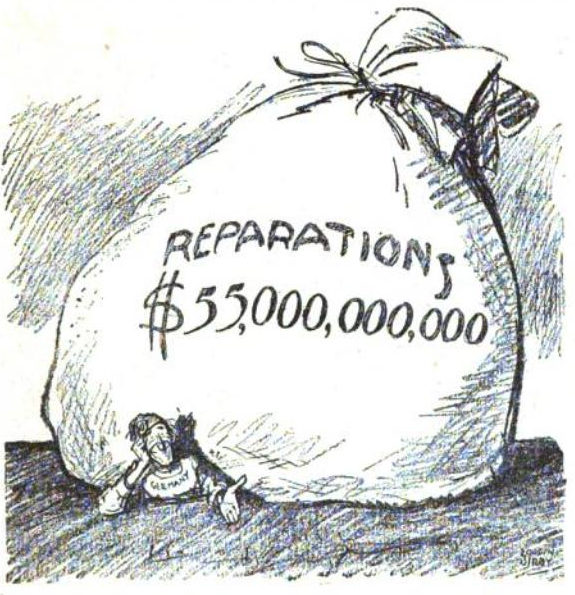
The treaty forced Germany to accept blame for the war, hand over territory, and pay reparations later set at 132 billion gold marks. Germans called it the Diktat, the dictated peace, and resentment of it became the fuel for everything that followed.
LEARN MORESHOW LESSwhy it matters · key numbers · a sourcePOLITICALAlmost every cause of the Second World War can be traced back to this document. It punished Germany hard enough to create lasting anger, but not hard enough to stop Germany rebuilding. Historians still argue about whether a harsher or a gentler peace would have worked better.
IN THEIR OWN WORDS“Germany accepts the responsibility of Germany and her allies for causing all the loss and damage.”
Article 231 of the Treaty of Versailles, June 28th, 1919WHAT TO NOTICEGermany had no say in this wording and signed while the naval blockade was still keeping food out of its cities. This one sentence became the legal basis for the reparations bill, and German politicians spent the next twenty years calling it the war guilt lie.
The same year, an influenza pandemic that killed more people than the war itself was still running through an exhausted world, and Gandhi began his first mass campaign of civil disobedience in India.
Was Versailles too harsh, or not harsh enough?
Too harsh. The terms humiliated Germany, wrecked its economy and handed extremists a grievance they used for twenty years.
Not harsh enough. Germany kept its industry, its unity and its population, so it stayed strong enough to try again. A settlement that neither crippled nor reconciled was the worst of both.
The League was meant to settle disputes before they turned into wars. It had no army of its own, it governed former German and Ottoman territory through a mandate system, the United States never joined, and within fifteen years it had failed every serious test put to it.
LEARN MORESHOW LESSwhy it mattersPOLITICALThe League set the pattern that would repeat all through the 1930s: strong words, no action. Every dictator who tested it learned the same lesson, and each test was bigger than the last.
The reparations bill was finally set at 132 billion gold marks, a sum German governments said was impossible to pay. Every attempt to pay it, and every attempt to avoid it, destabilized the republic further.
LEARN MORESHOW LESSwhy it matters · 1 key figureECONOMICThe bill was set at a sum Germany could not realistically pay. Every German cabinet for the next twelve years had to argue about reparations, and every extremist party had a ready made grievance to campaign on.
Benito Mussolini's Blackshirts marched on the capital and the king handed him the government rather than fight. It was the first time a fascist movement took power in Europe, and Hitler was watching.
LEARN MORESHOW LESSwhy it matters · 1 key figureIDEASFascism ran on nationalism and militarism together, and Mussolini proved that a violent movement could take over a modern European country without winning an election first. Hitler copied him a year later with the Beer Hall Putsch in Munich, which failed and sent him to prison.
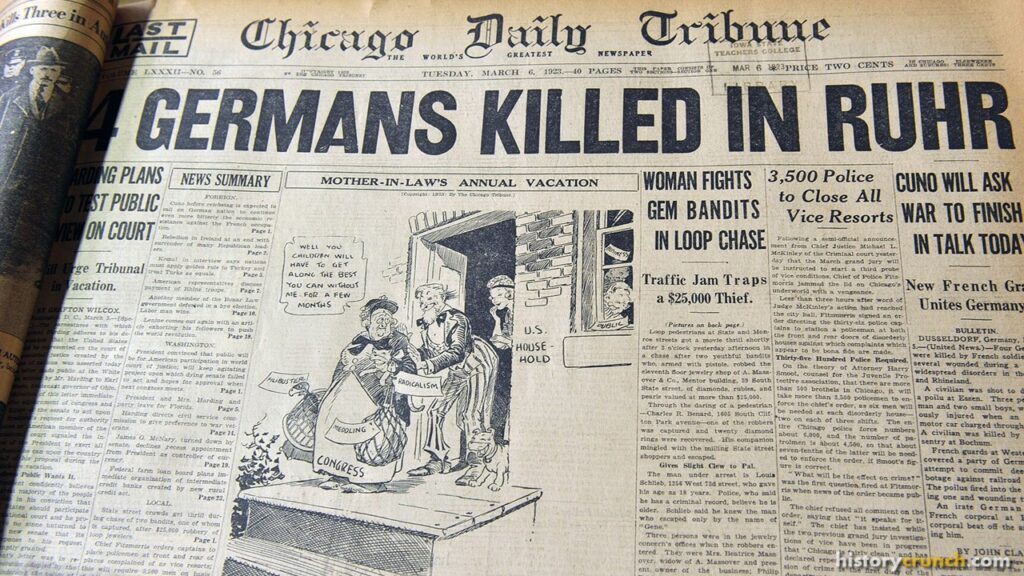
When Germany fell behind on reparations, French and Belgian troops occupied its industrial heartland. German workers went on strike, the government printed money to pay them, and the currency collapsed.
LEARN MORESHOW LESSwhy it mattersECONOMICThe occupation wrecked the German economy and convinced many Germans that their government could not protect them. It is the direct cause of the hyperinflation that came next.
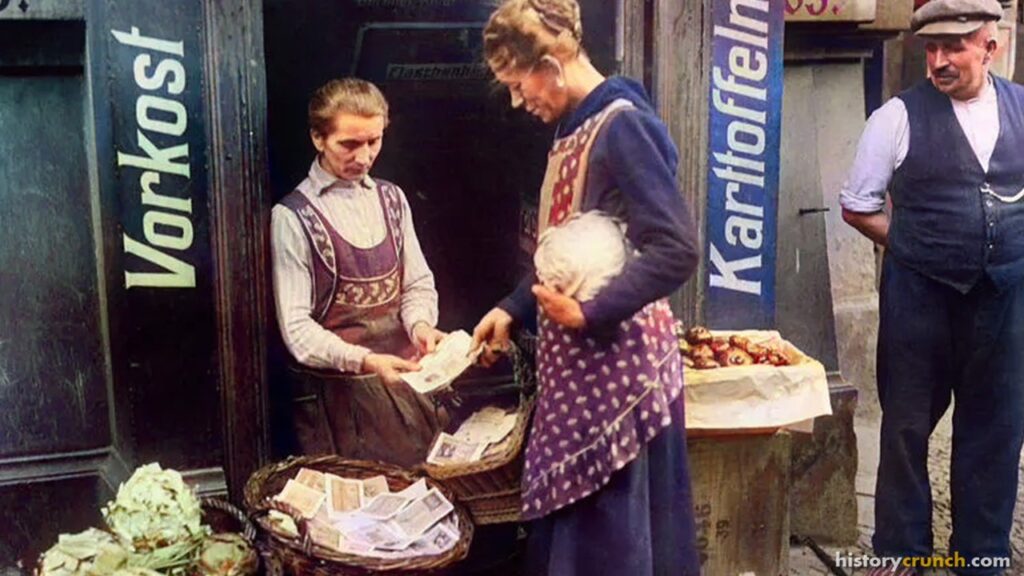
Prices doubled in days and savings built over a lifetime became worthless. A middle class that had trusted the republic stopped trusting it, and many began listening to anyone promising order.
LEARN MORESHOW LESSwhy it matters · key numbersECONOMICMoney that had held a family's savings became worthless in months. Middle class Germans who lost everything in 1923 were among the first to listen to parties promising to tear the whole system down.
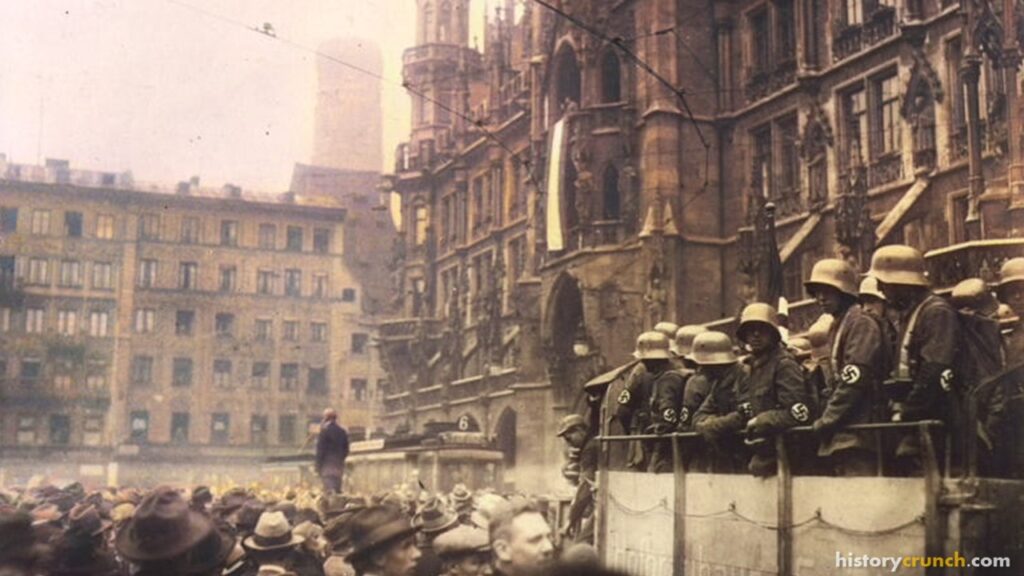
Hitler and the Nazis tried to seize power in Munich and were stopped within a day. He served nine months in prison, wrote Mein Kampf there, and came out convinced the party had to take power legally instead.
LEARN MORESHOW LESSwhy it matters · 1 key figurePOLITICALThe coup failed, but the trial made Hitler famous across Germany and his prison sentence gave him time to write Mein Kampf. He also learned his lesson and decided to take power legally instead.
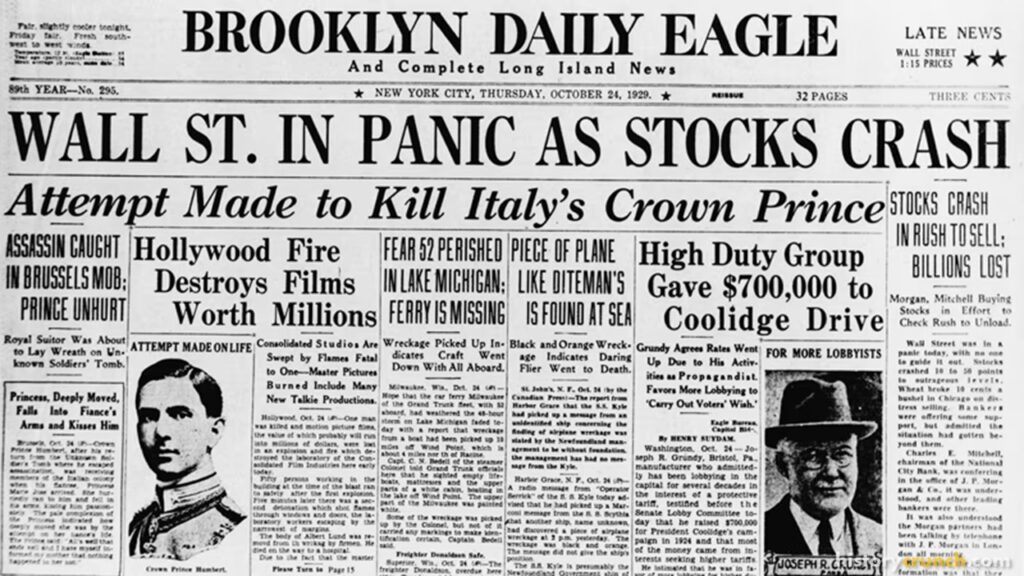
The crash in New York pulled down economies everywhere. In Germany unemployment passed six million, and voters who had ignored the Nazi Party began to listen to it.
LEARN MORESHOW LESSwhy it matters · key numbers · elsewhereECONOMICWithout the Depression there is probably no Nazi government. The party had been shrinking before 1929. Mass unemployment turned a fringe movement into the largest party in the Reichstag, the German parliament, within three years.
The Depression was worldwide. In the United States it produced the New Deal and a bigger federal government; in Germany it produced Hitler. The same shock, two opposite outcomes.
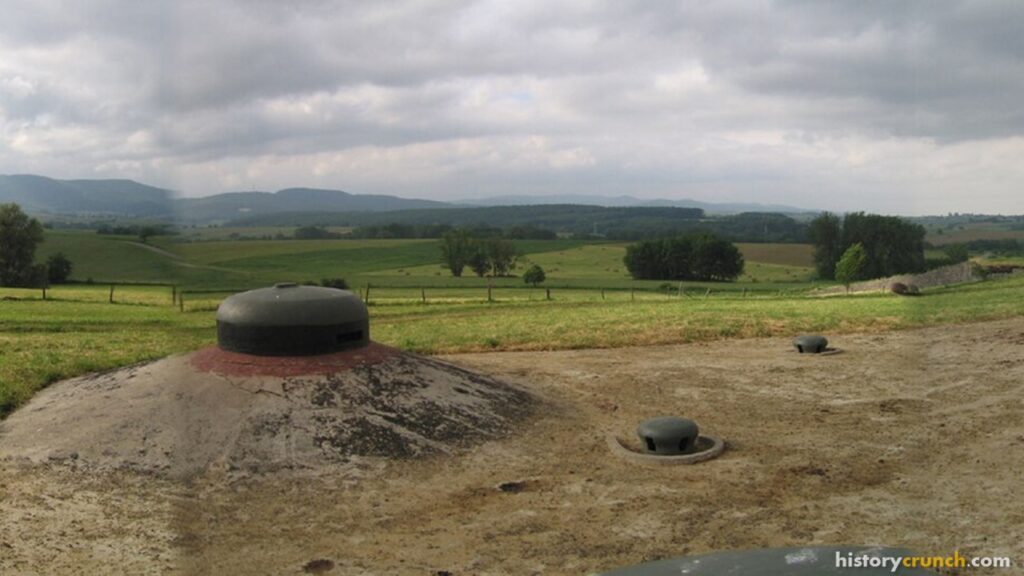
France built a line of concrete forts along its German border and trusted it completely. It was never broken, because in 1940 the Germans simply went around the northern end of it.
LEARN MORESHOW LESSwhy it mattersMILITARYFrance spent enormous sums preparing for the last war rather than the next one. The line worked exactly as designed and was still useless, because the Germans drove around its northern end through the Ardennes forest.
Japan invaded and set up a puppet state in northeast China. The League of Nations condemned it and Japan simply walked out of the League. It was the first act of the expansion that led to the Pacific war.
LEARN MORESHOW LESSwhy it matters · key numbersMILITARYThis was the first test of whether the League of Nations would stop an aggressor, and the League failed it. Japan simply left the League and kept the territory, which told Italy and Germany what to expect.
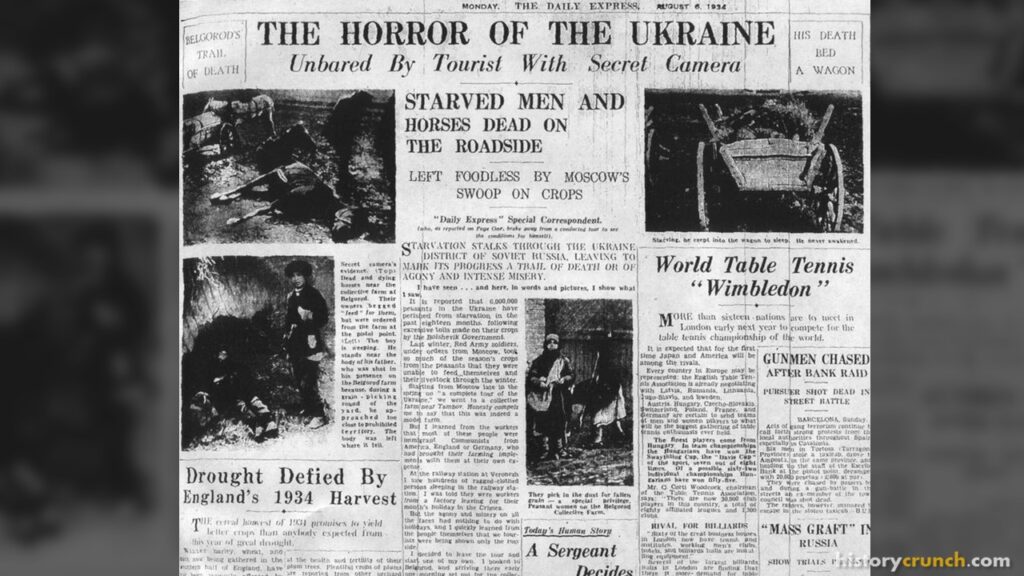
Soviet policy took grain from Ukrainian villages that had none to spare. Millions died, and Joseph Stalin's government denied for decades that it had happened at all.
LEARN MORESHOW LESSwhy it mattersSOCIALStalin's government caused a famine that killed millions of its own citizens. It is a reminder that the Soviet Union, soon to be an Allied power, was already a state that killed on an enormous scale.
Three governments tested how far they could go, and each time nobody stopped them they took more. Japan took Manchuria, a region of northern China, in 1931. Italy invaded Ethiopia in 1935 and faced trade sanctions that left out oil. Germany sent troops back into the Rhineland, its own border region with France, in 1936 with orders to retreat if challenged, annexed Austria in March 1938, and was handed the Sudetenland, the German speaking border region of Czechoslovakia, at the Munich conference that September. Inside Germany, emergency decrees and the Nuremberg Laws had already stripped Jewish citizens of their rights.
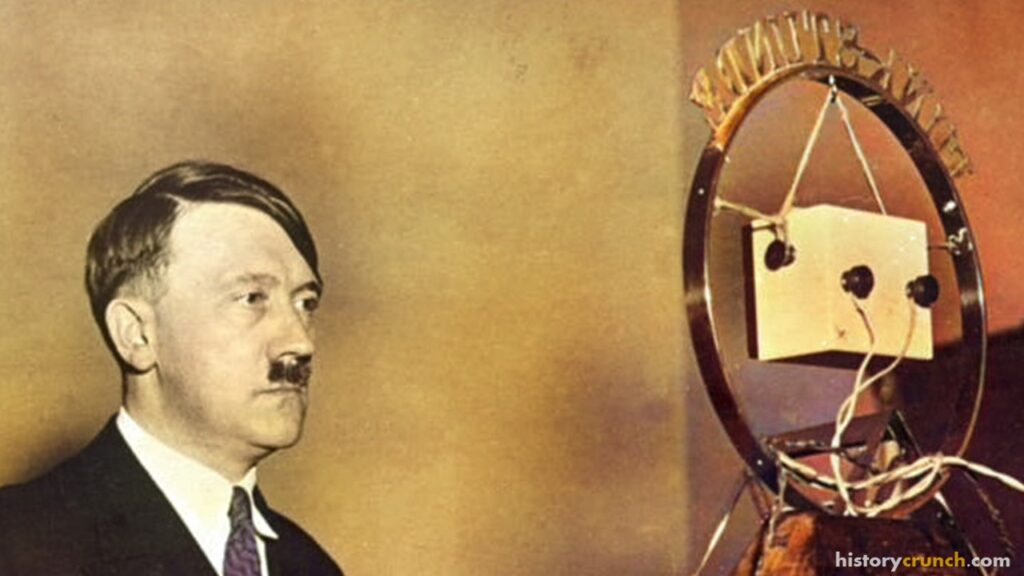
President Paul von Hindenburg appointed Hitler Chancellor on the advice of Franz von Papen, who believed he could be controlled. Within eighteen months Germany was a totalitarian one-party state, with censorship of the press and every rival party was banned and Hitler held total power.
LEARN MORESHOW LESSwhy it matters · elsewhere · 2 key figuresPOLITICALHe was not elected dictator. President Paul von Hindenburg appointed him Chancellor in January 1933, pushed by conservative politicians around Franz von Papen who thought they could use him and then push him aside. It is the clearest example in modern history of how a democracy can be handed away.
Franklin Roosevelt became President of the United States five weeks after Hitler became Chancellor. Both inherited economies in collapse, and the contrast in what they did with the power is a standard comparison.
A fire in the German parliament building was blamed on communists. The next day emergency powers suspended free speech, free press and the right to a fair trial, and they were never restored.
LEARN MORESHOW LESSwhy it matters · 2 key figuresPOLITICALThe emergency decree issued after the fire suspended free speech, free press and protection from arrest. It was never lifted. Legally speaking, Germany stayed in a state of emergency until 1945.
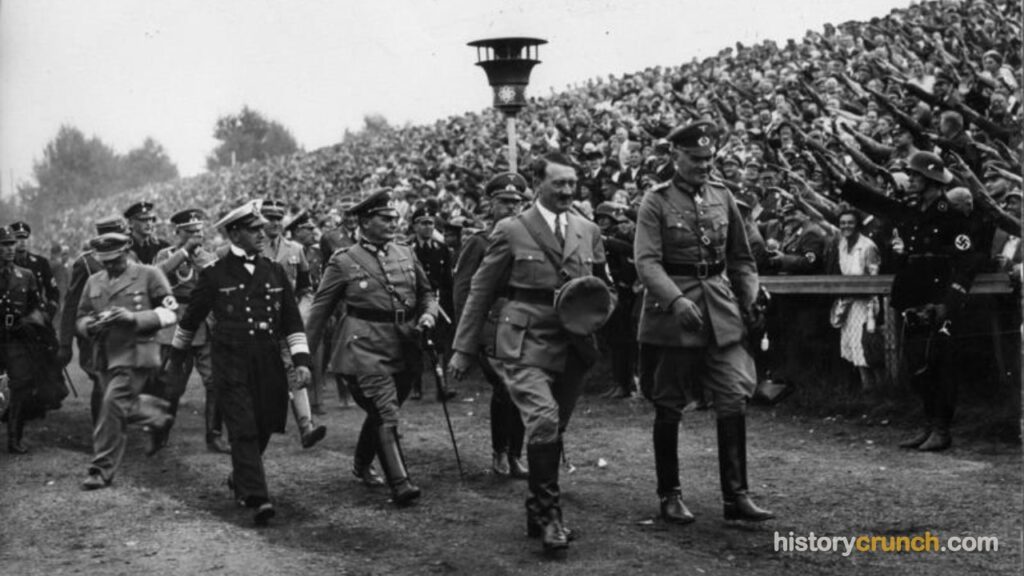
By the end of 1933 the Nazi Party was the only legal party in Germany, and every union, newspaper and youth group had been absorbed or shut down.
LEARN MORESHOW LESSwhy it matters · 2 key figuresPOLITICALWithin about six months of taking office the Nazis had banned every other political party, taken over the trade unions and put opponents in camps. A democracy was dismantled without a civil war.
Parliament voted to let Hitler make laws without it. The Weimar Republic ended not by force but by a vote, which is why the act is studied so closely.
LEARN MORESHOW LESSwhy it matters · 2 key figuresPOLITICALThis is the moment the Weimar Republic ended, and it ended legally. That is why it is on every syllabus: the machinery of democracy was used to dismantle democracy.
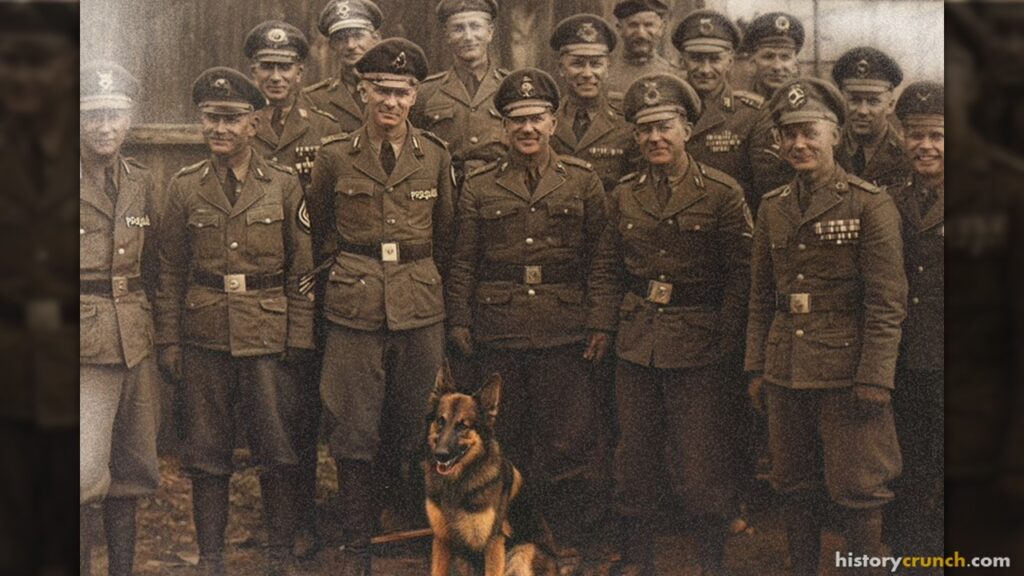
The secret state police were given the power to arrest without charge and imprison without trial. Fear of them did as much work as the arrests themselves.
LEARN MORESHOW LESSwhy it matters · 2 key figuresPOLITICALThe Gestapo could arrest people without a warrant and send them to camps without a trial. Once ordinary Germans understood that, most opposition went quiet, which is exactly what it was built to achieve.
Germany left the League of Nations and the disarmament talks, and nothing happened. It was the first test of whether anyone would enforce the peace, and the answer was no.
LEARN MORESHOW LESSwhy it matters · 1 key figurePOLITICALLeaving the League was Hitler's first open challenge to the postwar settlement, and nothing happened to him. Each time that pattern repeated, the next step got easier.
Over one weekend in June 1934, Hitler had the leaders of his own paramilitary wing, the SA, shot. Around 85 people were killed, including SA chief Ernst Roehm. It bought him the loyalty of the German army and made murder a normal tool of his government.
LEARN MORESHOW LESSwhy it matters · 2 key figuresPOLITICALHitler had his own supporters murdered and the German courts declared the killings legal afterward. From this point there was no law in Germany above him.
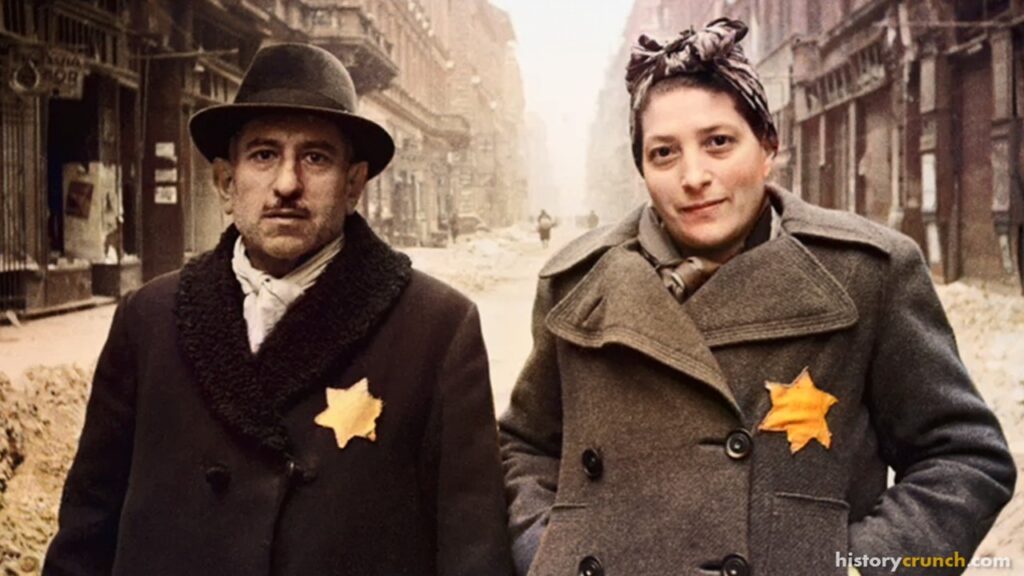
The laws stripped German Jews of citizenship and banned marriage between Jews and other Germans. Persecution was no longer unofficial. It was written into law.
LEARN MORESHOW LESSwhy it matters · 1 key figureSOCIALOnce antisemitism is written into law it stops being something a government does and becomes something a country is. Everything that came after was built on this legal foundation.
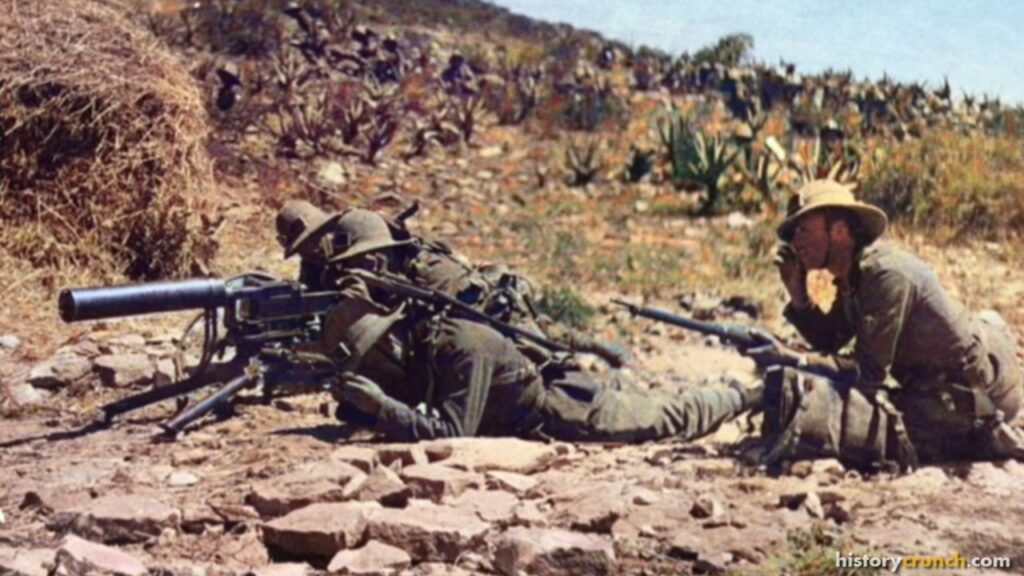
Italy invaded one of the few independent African states, using aircraft and poison gas. The League of Nations condemned it, imposed weak sanctions, and did nothing else.
LEARN MORESHOW LESSwhy it matters · 1 key figureMILITARYThe League condemned Italy and imposed sanctions that deliberately left out oil. Ethiopia fell anyway. It was the clearest proof yet that collective security did not work.
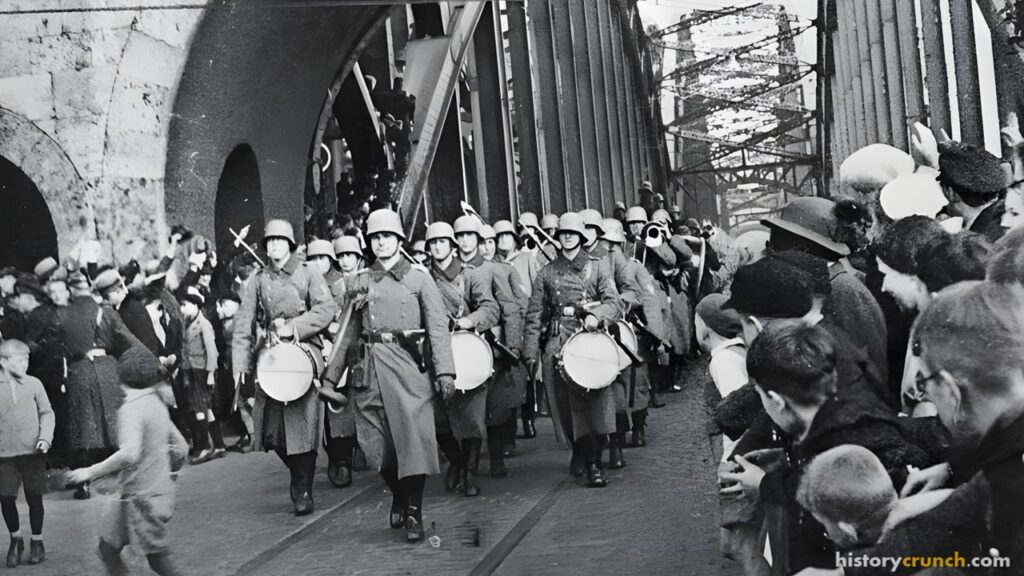
German troops marched in to remilitarize the demilitarized zone on the French border, breaking the treaty outright. They had orders to retreat if challenged. Nobody challenged them.
LEARN MORESHOW LESSwhy it matters · 1 key figureMILITARYGermany's generals expected to be thrown out and had orders to retreat. Nothing happened. Hitler concluded that Britain and France would not fight, and he was right for another three years.
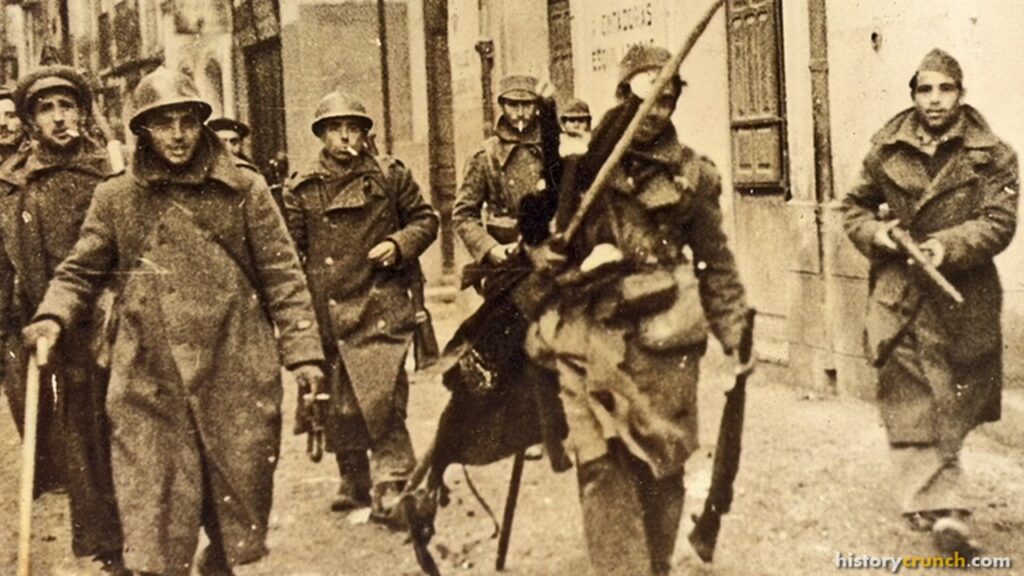
Germany and Italy backed Franco's rebellion while the Soviet Union backed the republic. Both sides used Spain to test the weapons and tactics they would use a few years later.
LEARN MORESHOW LESSwhy it matters · 2 key figuresMILITARYSpain became the practice ground. Germany and Italy tested aircraft, tactics and terror bombing there, while Britain and France stayed out. Guernica showed the world what bombing a city would look like.
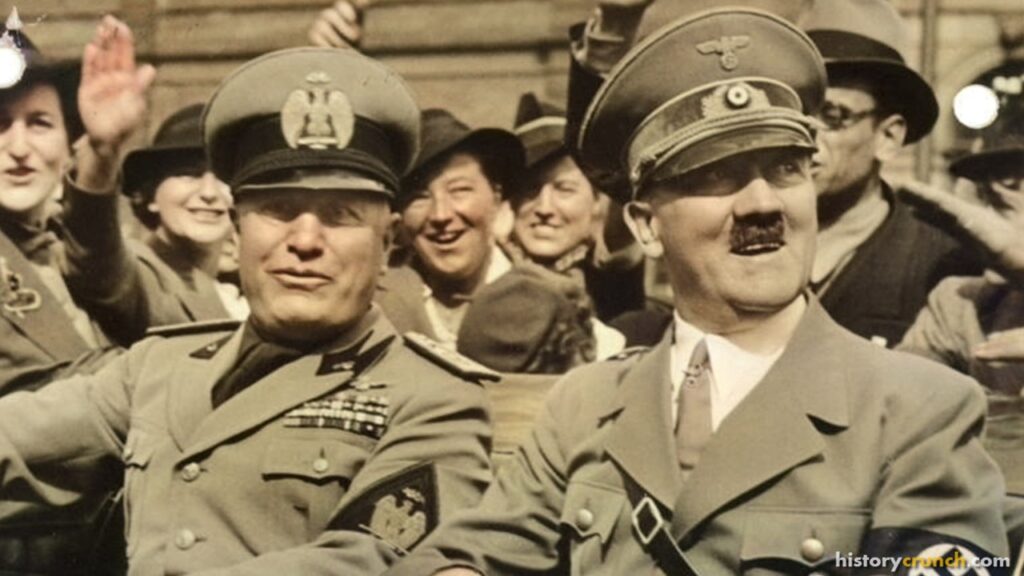
Germany and Italy agreed to work together in foreign policy. The word Axis, which Mussolini used to describe it, ended up naming the whole alliance.
LEARN MORESHOW LESSwhy it matters · 2 key figuresPOLITICALTwo aggressive powers that had been rivals only a year earlier decided to work together instead. The word Axis, used for the enemy side for the rest of the war, comes from this agreement.
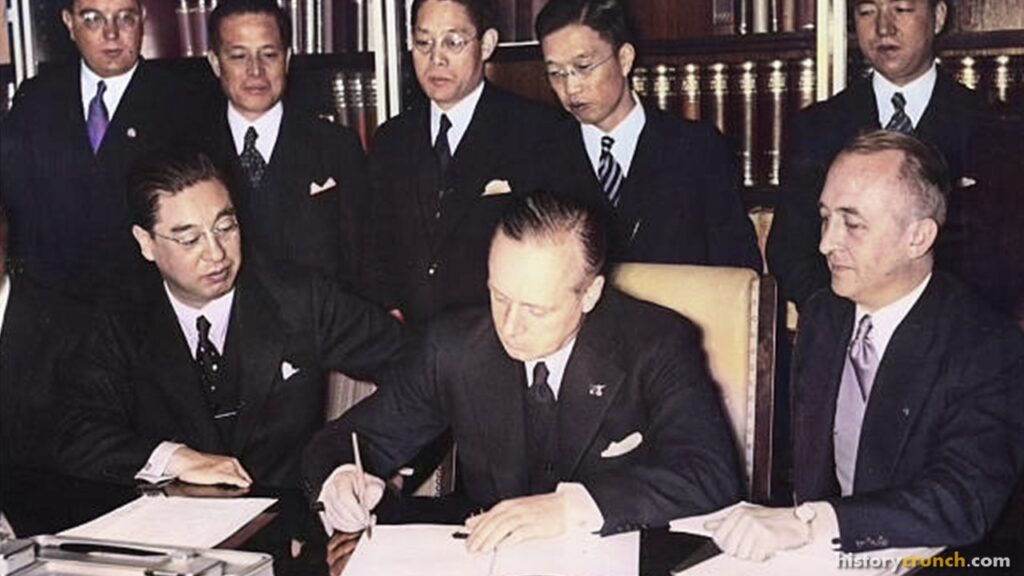
Germany and Japan agreed to oppose the Soviet Union together. It linked the war that was coming in Europe to the war already starting in Asia.
LEARN MORESHOW LESSwhy it matters · 2 key figuresPOLITICALThe pact linked Germany and Japan, at opposite ends of the world, against the Soviet Union. It is the first thread connecting the war that was coming in Europe with the war already starting in Asia.
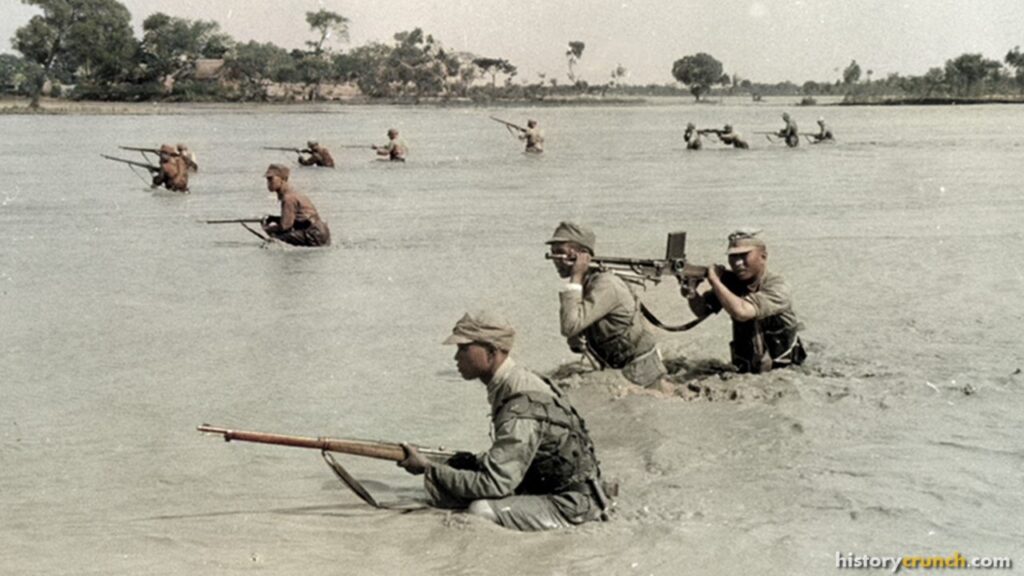
Fighting near Beijing grew into a full invasion of China. For many historians this, not 1939, is where the Second World War actually begins.
LEARN MORESHOW LESSwhy it matters · elsewhere · 2 key figuresMILITARYMany historians count this, not 1939, as the real beginning of the Second World War. China fought Japan for eight years and tied down the bulk of the Japanese army for the entire conflict.
While Europe was still arguing about the Rhineland, the German border region the treaty had left unarmed, and about Austria, full-scale war had already been under way in Asia for two years. Many historians count this, not 1939, as the real start of the war.
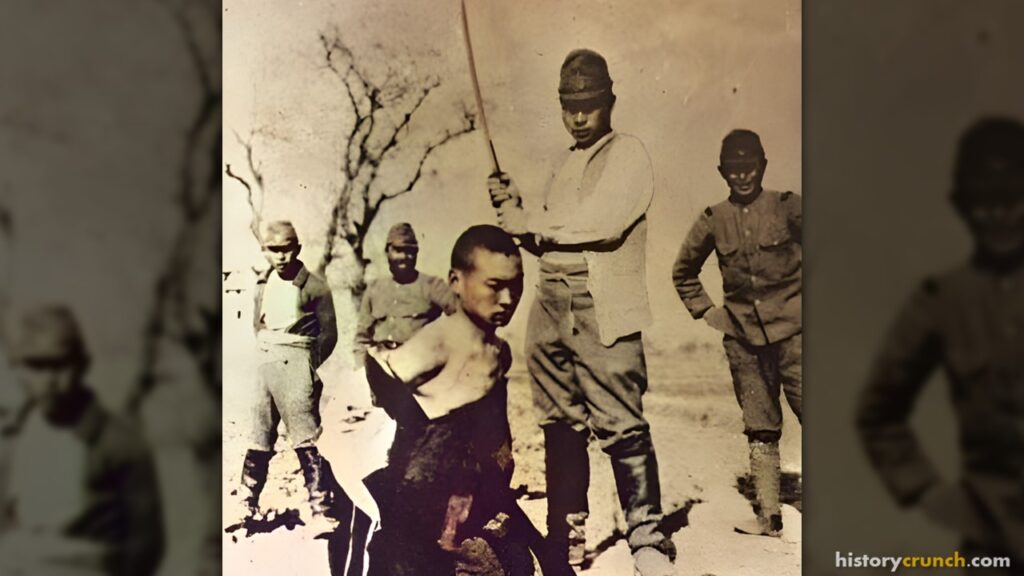
After capturing the Chinese capital, Japanese forces killed an estimated 200,000 civilians and prisoners over several weeks. The killings are still denied or played down by some politicians in Japan today.
LEARN MORESHOW LESSwhy it matters · 2 key figuresSOCIALThe scale of the killing shocked even governments that had ignored the invasion. It also hardened American opinion against Japan years before Pearl Harbor.
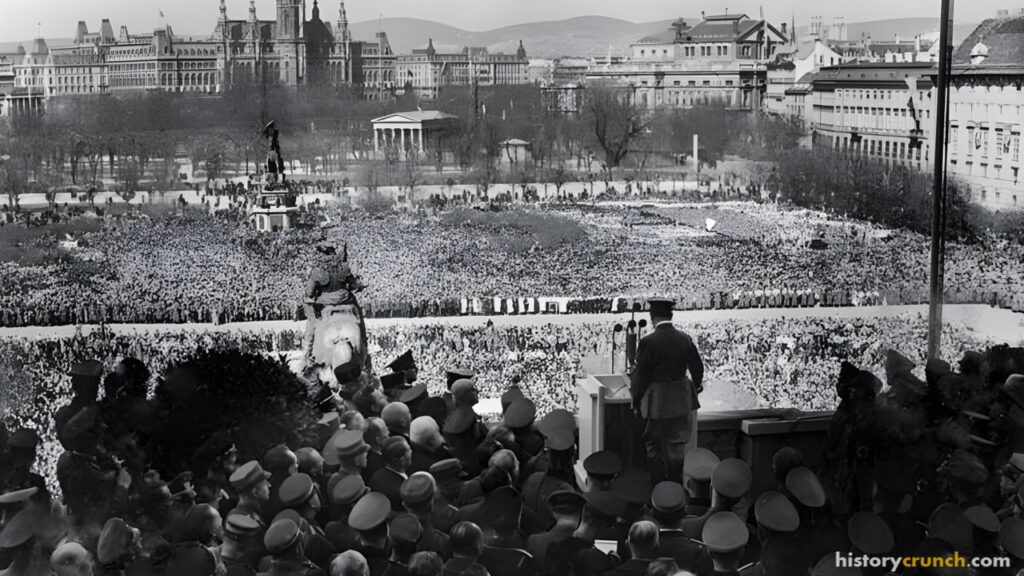
German troops crossed into Austria and it was absorbed into Germany in the union Hitler called the Anschluss. Hitler, an Austrian by birth, returned to Vienna to cheering crowds.
LEARN MORESHOW LESSwhy it matters · 1 key figurePOLITICALGermany annexes an entire country and the response was protest notes. Austria also brought Germany soldiers, factories and gold reserves, so appeasement did not just fail to stop Hitler, it made him stronger.
Thirty two countries met in France to discuss Jewish refugees leaving Germany and Austria. Almost every one of them refused to raise its immigration limits.
LEARN MORESHOW LESSwhy it matters · key numbersPOLITICALNazi leaders watched the conference and drew a conclusion from it: the countries condemning their treatment of Jewish people were not willing to take them in.
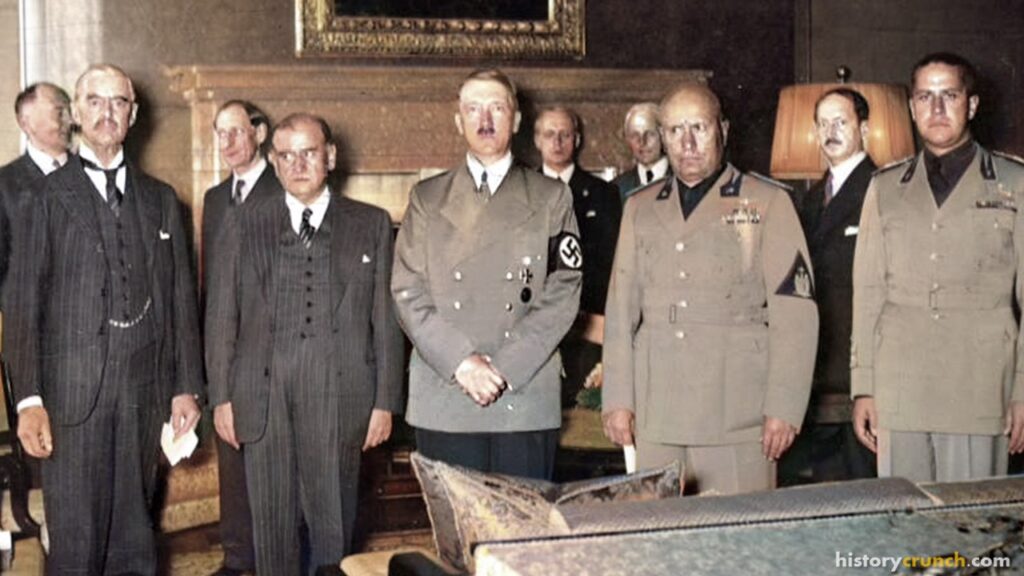
Britain and France agreed to let Germany take the Sudetenland from Czechoslovakia, without Czechoslovakia in the room. Chamberlain came home promising peace for our time.
LEARN MORESHOW LESSwhy it matters · key numbers · a sourcePOLITICALMunich is the reason appeasement became a dirty word. It is also the hardest case in the syllabus, because Britain and France were not ready for war in 1938 and both knew it.
IN THEIR OWN WORDS“My good friends, for the second time in our history, a British Prime Minister has returned from Germany bringing peace with honour. I believe it is peace for our time.”
Neville Chamberlain, Downing Street, September 30th, 1938WHAT TO NOTICEChamberlain said this to a crowd outside Downing Street on the day he flew home. Germany took the rest of Czechoslovakia five months later, and invaded Poland eleven months after that.
Was appeasement a mistake, or the only realistic choice?
A mistake. It rewarded aggression, handed Germany Czech defenses and factories, and convinced Hitler nobody would fight.
Realistic. Britain was not ready for war in 1938, the public would not have supported one, and the year bought was spent building the fighters and radar that won the Battle of Britain.
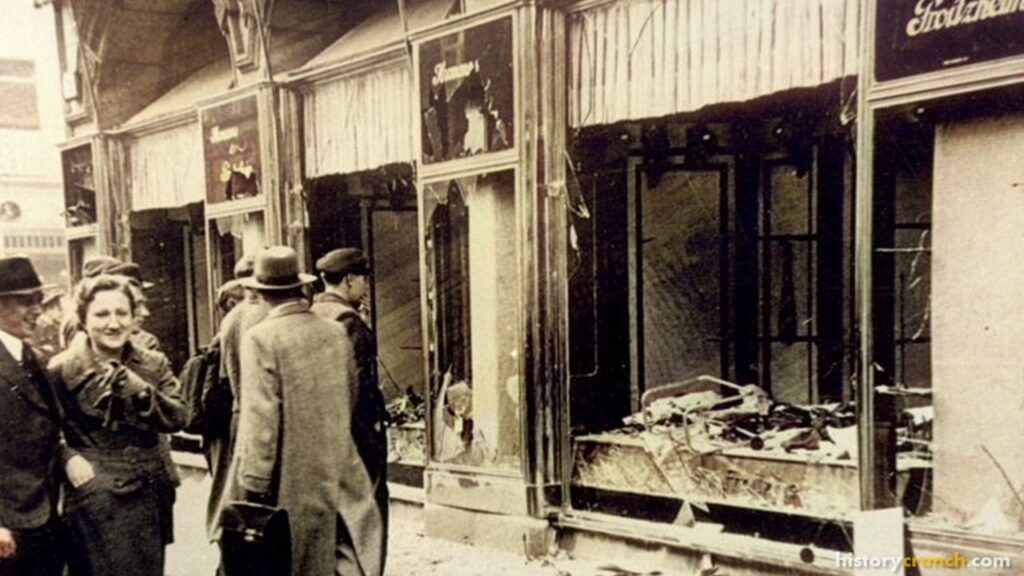
Nazi paramilitaries destroyed Jewish shops, homes and synagogues across Germany in one night. Ninety-one people were killed and 30,000 Jewish men were arrested. Persecution had become open violence.
LEARN MORESHOW LESSwhy it matters · key numbers · 1 key figureSOCIALThis is where persecution turned into violence in the open, watched by ordinary Germans and reported worldwide. Very few countries responded by taking in more refugees.
After Kristallnacht, the state-organized pogrom of attacks on Jewish shops and synagogues across Germany, Britain agreed to admit Jewish children from Germany, Austria and Czechoslovakia without their parents. The first train arrived in December 1938.
LEARN MORESHOW LESSwhy it matters · key numbersSOCIALNearly 10,000 children were saved. Most never saw their parents again, because the adults were not allowed to come with them.
Germany took the rest of Czechoslovakia, which was not German-speaking and had never been part of the Munich deal. Appeasement had visibly failed, and Britain and France began preparing for war.
LEARN MORESHOW LESSwhy it matters · 2 key figuresMILITARYThe Munich agreement had been sold as Hitler's last territorial demand, an ultimatum Britain and France had chosen to believe. Six months later he took the rest of Czechoslovakia, and the argument for appeasement collapsed. Britain began rearming seriously and guaranteed Poland.
Franco's forces took Madrid and the republic surrendered. He stayed in power for another thirty six years.
LEARN MORESHOW LESSwhy it mattersMILITARYFranco won with German and Italian help, which meant a friendly dictatorship on France's southern border. Britain and France had let a war be decided by the powers they would soon be fighting.
A liner carrying more than 900 Jewish refugees was refused entry by Cuba, then by the United States, then by Canada. It sailed back to Europe.
LEARN MORESHOW LESSwhy it matters · key numbersPOLITICALBritain, France, Belgium and the Netherlands took the passengers in. When Germany invaded the west a year later, 254 of them were killed in the Holocaust.
Polish mathematicians had been reading German Enigma messages since 1932. Five weeks before the war they gave Britain and France everything they had, including a working reconstruction of the machine.
LEARN MORESHOW LESSwhy it matters · key numbersSCIENCEBritain did not break Enigma from nothing. The work at Bletchley Park started from what Poland handed over, which is why the meeting is treated as the beginning of Allied code-breaking.
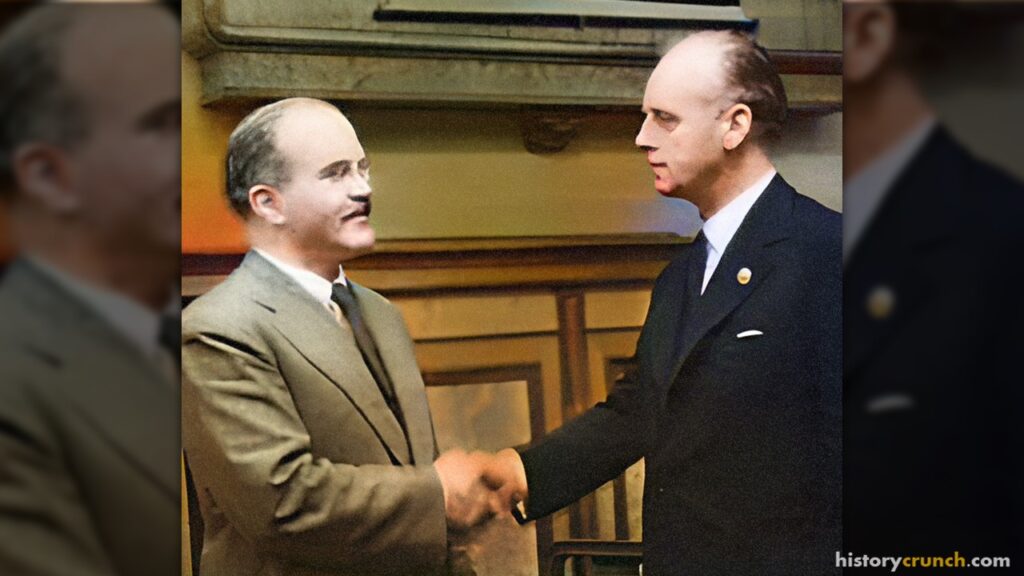
The two great enemies of Europe signed a non-aggression pact, with a secret clause dividing Poland between them. Nine days later the war began.
LEARN MORESHOW LESSwhy it matters · 2 key figuresPOLITICALThe two most bitter enemies in Europe agreed not to fight each other, and secretly agreed to divide Poland. It removed Hitler's last reason to hesitate, and the invasion of Poland came eight days later.
Germany attacked first and covered ground faster than its enemies expected. Poland fell in five weeks, invaded from the west by Germany and from the east by the Soviet Union. After eight quiet months, Denmark, Norway, the Netherlands, Belgium and France fell in a single spring, with German tanks coming through the Ardennes forest where the French had left their line thinnest. Britain lifted 338,000 men off the beaches at Dunkirk, then held off the German air force through the summer.
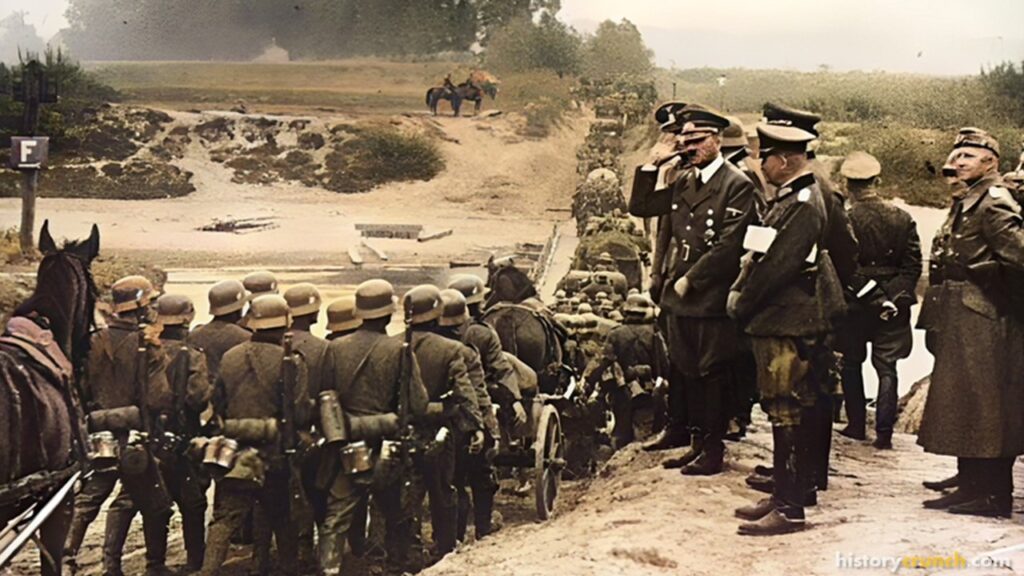
German forces attacked from three directions using tanks, aircraft and radio in a way no army had done before. Poland fought for five weeks.
LEARN MORESHOW LESSwhy it matters · key numbers · a debateMILITARYBlitzkrieg worked so completely that the rest of Europe drew the wrong lesson: that Germany could not be stopped. France would prove the same point again eight months later.
On the other side of the world, Japan had been fighting in China for two years. The two wars would not join up until Pearl Harbor, twenty-seven months later.
When did the Second World War actually begin?
September 1939, when Britain and France declared war and the conflict became European.
1937, or even 1931. Japan's war in China was already killing millions, and treating 1939 as the start is a European way of telling the story.
Britain and France had promised to defend Poland. They declared war two days after the invasion, and then, for eight months, did almost nothing.
LEARN MORESHOW LESSwhy it mattersPOLITICALThe declaration turned a local invasion into a European war. It also came with a promise Britain and France could not keep, because neither did anything to help Poland militarily.
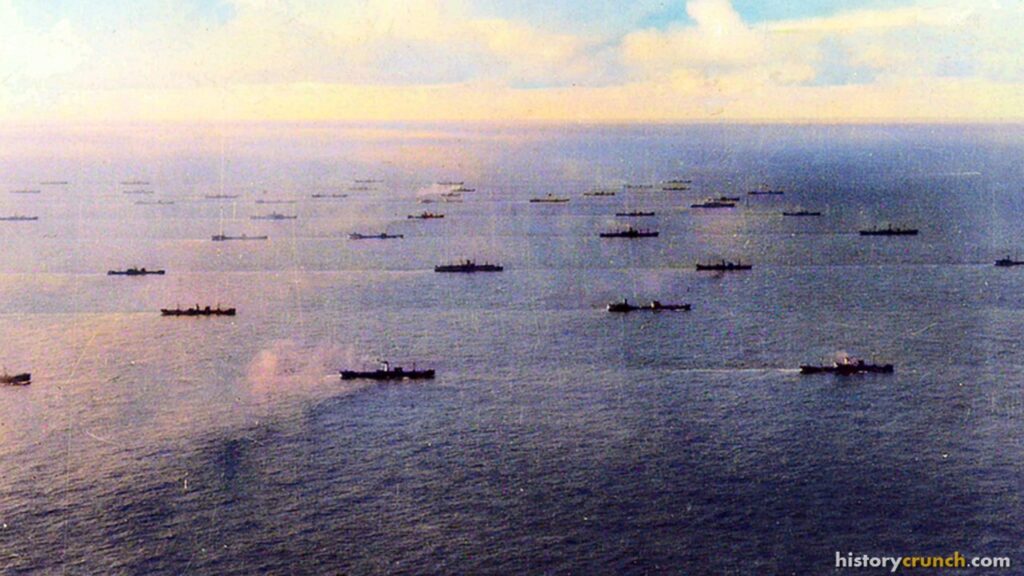
German U-boats tried to cut Britain off from food, fuel and weapons. It ran for the entire war, and Winston Churchill later said it was the only thing that really frightened him.
LEARN MORESHOW LESSwhy it mattersMILITARYBritain imported most of its food and nearly all of its oil. If the submarines had won, Britain would have been starved out and there would have been no base from which to invade Europe in 1944.
Sixteen days after Germany, the Soviet Union invaded Poland from the east under the secret terms of the pact. Poland was divided between them.
LEARN MORESHOW LESSwhy it matters · 1 key figureMILITARYPoland was fighting Germany in the west when the Soviet Union attacked from the east. It ended Polish resistance in weeks and is why Poland spent the whole war divided between two occupying powers.
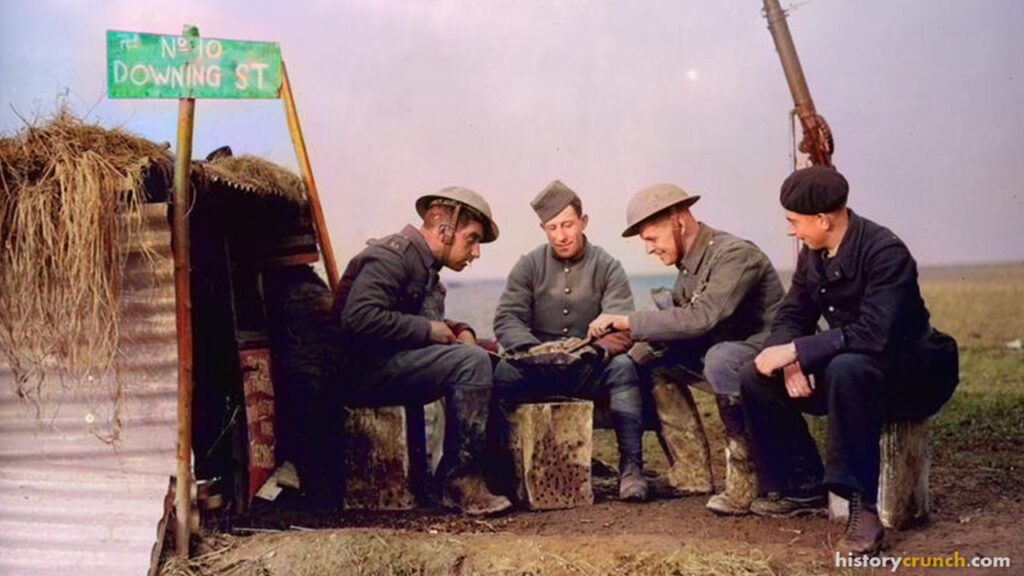
For eight months after war was declared, almost nothing happened on the Western Front. Soldiers dug in, waited, and some began to hope it might end without a fight.
LEARN MORESHOW LESSwhy it matters · 1 key figureMILITARYFor eight months almost nothing happened, and Britain and France used the time badly. When Germany finally moved in the spring of 1940, the Allies were no better prepared than they had been in September.
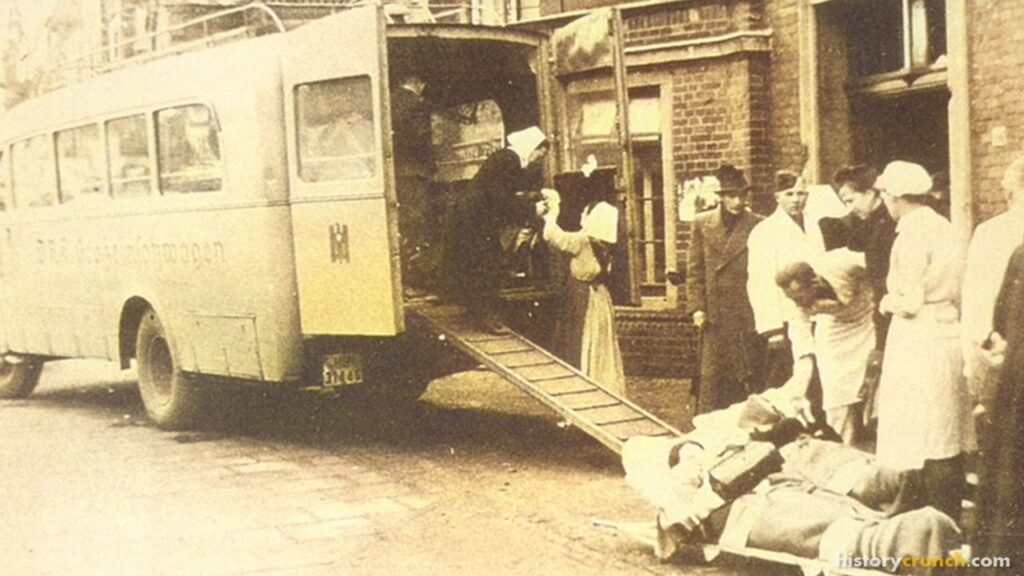
Doctors were authorized to kill disabled patients, and around 70,000 people were murdered before public protest forced the programme underground. The gassing methods developed here were later used in the death camps.
LEARN MORESHOW LESSwhy it mattersSOCIALThe killing of disabled people came first, and it is where the methods later used for genocide in the death camps were developed and staffed. The Holocaust did not begin from nothing.
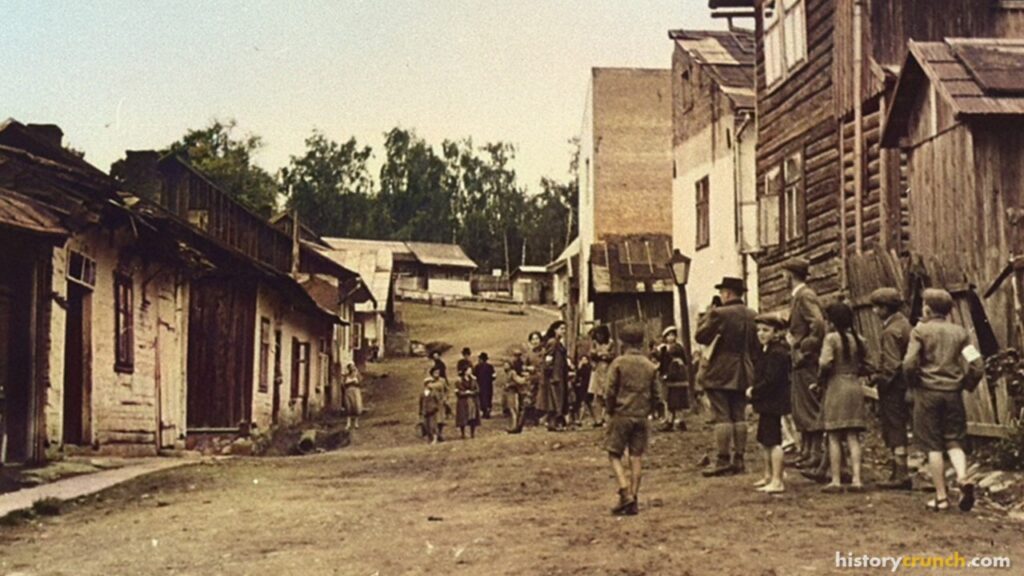
Jewish families across occupied Poland were forced into sealed districts of cities. Over 800 ghettos were created, and starvation and disease killed hundreds of thousands inside them.
LEARN MORESHOW LESSwhy it mattersSOCIALThe ghettos were the step between persecution and murder. They concentrated Jewish families in sealed districts where disease and starvation killed many, and where the rest could be found easily when the deportations began.
The Soviet Union invaded Finland expecting a quick victory and was fought to a standstill by a far smaller army. Hitler drew the conclusion that the Red Army could be beaten.
LEARN MORESHOW LESSwhy it matters · 1 key figureMILITARYFinland held out for three and a half months against an army many times its size, and the Red Army lost around 126,000 dead taking a strip of territory. That performance convinced Hitler the Soviet Union would fall apart in a few months, and it shaped his decision to invade in June 1941.
Germany took Denmark in a single day and Norway in two months, securing its iron ore supply from Sweden and its northern flank. Britain and France sent troops to Norway too late to hold it, and the failure ended Neville Chamberlain's time as British prime minister.
LEARN MORESHOW LESSwhy it mattersMILITARYNorway gave Germany ports on the Atlantic and protected the iron ore route from Sweden. The failure of the British response also brought down Chamberlain's government and put Winston Churchill in office.
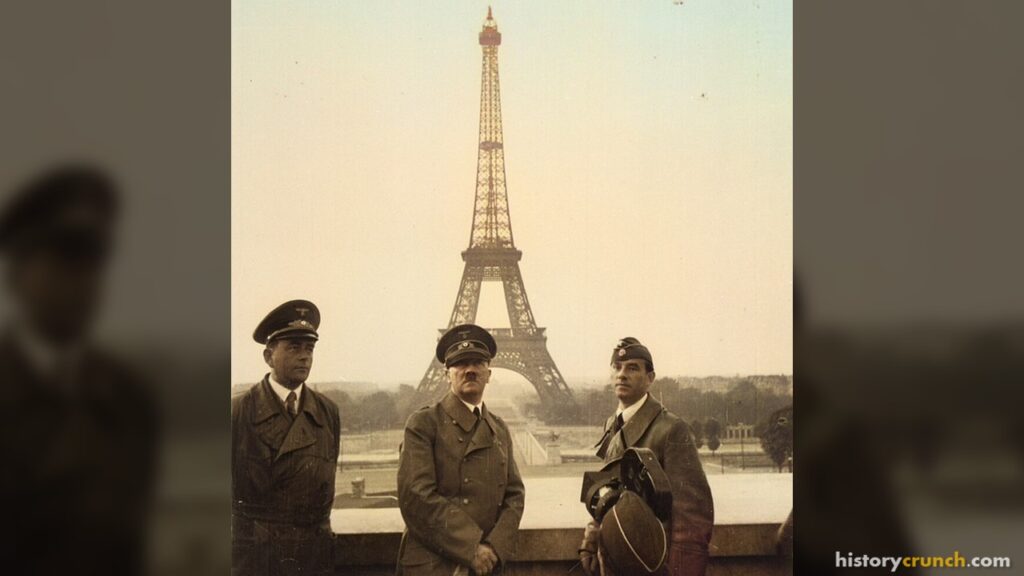
German armour came through the Ardennes forest, which the French had thought impassable, and cut the Allied armies in two. France surrendered in six weeks.
LEARN MORESHOW LESSwhy it matters · 2 key figuresMILITARYThe defeat of France in six weeks was the single greatest shock of the war. It left Britain alone, gave Germany the Atlantic coast, and convinced Hitler the Soviet Union would fall just as fast.
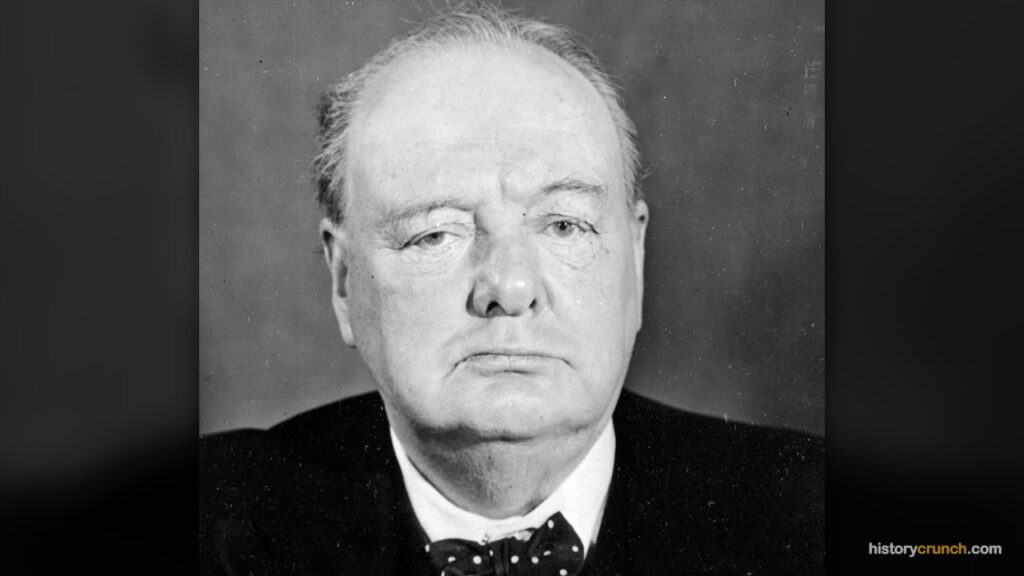
Churchill became Prime Minister on the same day Germany attacked in the west. He refused every suggestion of a negotiated peace, and that refusal kept Britain in the war.
LEARN MORESHOW LESSwhy it matters · 2 key figuresPOLITICALChurchill took over on the day Germany invaded the west. His refusal to negotiate in the summer of 1940, when much of his own cabinet wanted to explore terms, kept Britain in the war.
Using machines called bombes, the code-breakers at Bletchley Park began reading German air force Enigma traffic as it was sent. The intelligence was given the codename Ultra.
LEARN MORESHOW LESSwhy it matters · key numbers · 1 key figureSCIENCEFor the rest of the war the Allies could often read German orders before the units receiving them acted on them. It had to be used carefully, because using it too openly would have revealed that Enigma was broken.
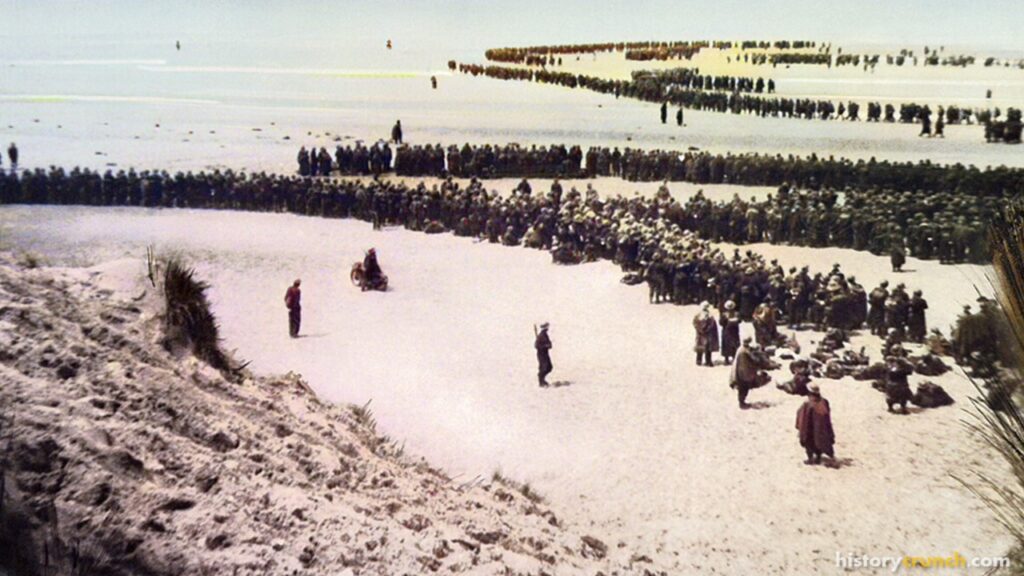
Over 338,000 Allied soldiers were lifted off the beaches by warships, ferries and hundreds of small civilian boats. The army was saved, but all of its heavy equipment was left behind.
LEARN MORESHOW LESSwhy it matters · key numbers · a sourceMILITARYLosing an army would probably have forced Britain to negotiate. Saving it, without its equipment, kept Britain in the war and made everything after 1940 possible.
IN THEIR OWN WORDS“We shall fight on the beaches, we shall fight on the landing grounds, we shall fight in the fields and in the streets, we shall fight in the hills; we shall never surrender.”
Winston Churchill, House of Commons, June 4th, 1940
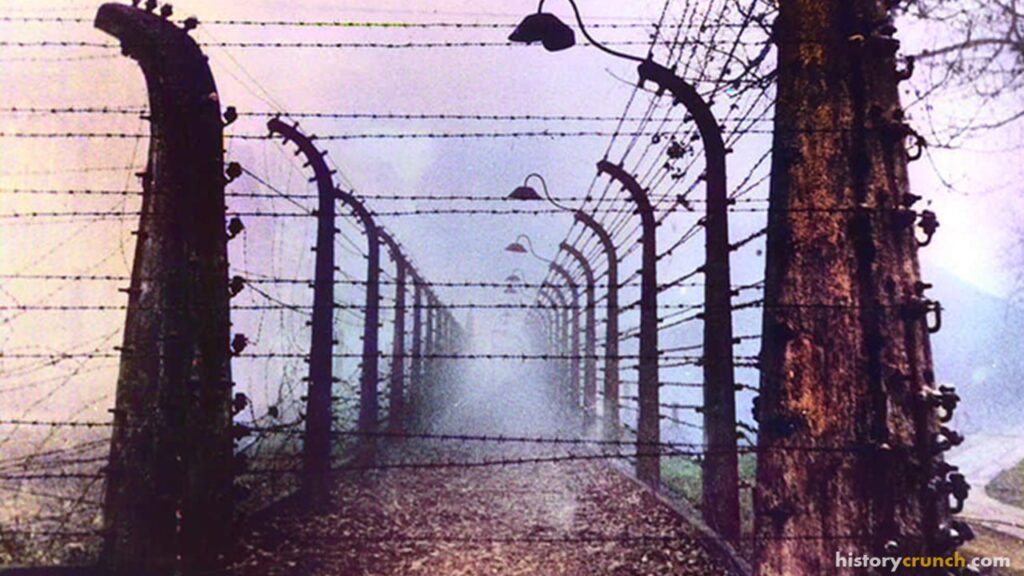
Auschwitz opened as a camp for Polish political prisoners. It grew into the largest of the death camps, where over a million people were murdered.
LEARN MORESHOW LESSwhy it matters · 2 key figuresSOCIALAuschwitz began as a camp for Polish prisoners and grew into the largest killing center of the Holocaust. More people were murdered there than in any other single place in the war.
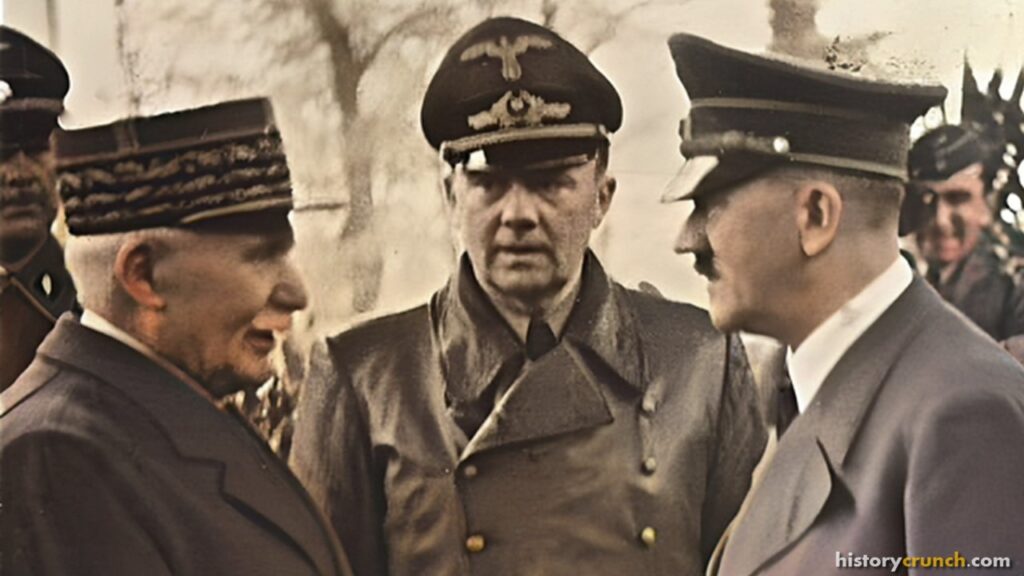
France signed an armistice in the same railway carriage where Germany had surrendered in 1918 at the end of World War I. Germany occupied the north, and the south was left to a French government at Vichy, led by Marshal Philippe Petain, that cooperated with the Germans.
LEARN MORESHOW LESSwhy it matters · a debate · 2 key figuresPOLITICALFrance fell in six weeks, which nobody had expected. Britain was left alone in Europe, the Vichy government's collaboration with Germany split the French, and the French fleet and colonies became a problem the Allies had to worry about for the next two years.
Was Vichy a puppet, or a willing collaborator?
A defeated government with no choice, keeping what independence it could and shielding France from full occupation.
A regime that chose collaboration. It passed its own antisemitic laws before Germany asked, and French police carried out deportations.
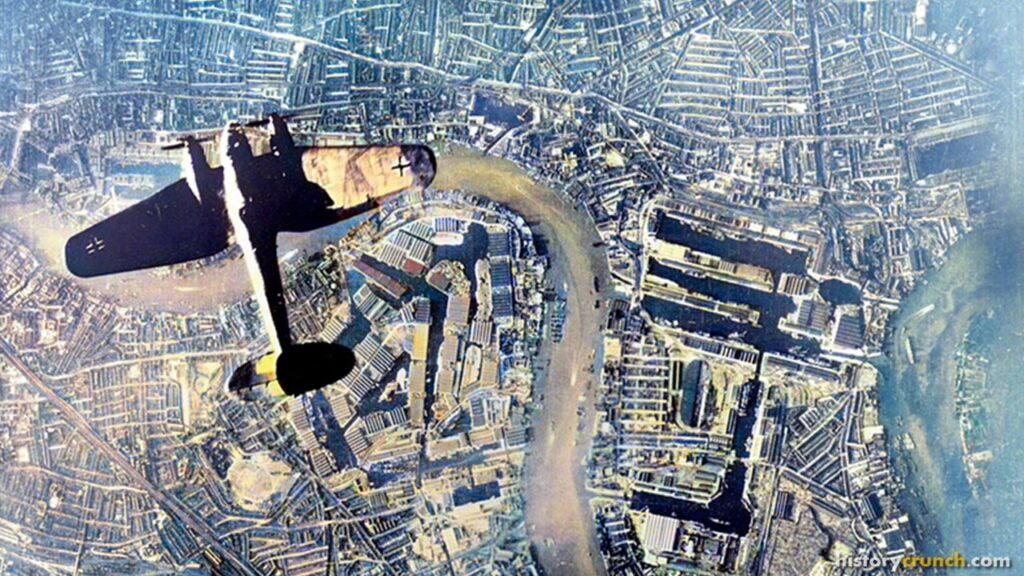
The Luftwaffe, Germany's air force, needed control of the air before Germany could invade. Over three months the RAF, helped by radar and by the fact that it was fighting over home ground, denied it.
LEARN MORESHOW LESSwhy it matters · key numbers · a sourceMILITARYThe first defeat Germany suffered anywhere. It proved the German military could be beaten and kept Britain available as the base from which Europe was invaded four years later.
IN THEIR OWN WORDS“Never in the field of human conflict was so much owed by so many to so few.”
Winston Churchill, House of Commons, August 20th, 1940
Could Germany have invaded Britain in 1940?
Yes, if the RAF had been beaten. Air control was the stated precondition, and the invasion barges were assembled.
No. Germany had no landing craft fleet, no way past the Royal Navy, and no plan for supplying an army across the Channel. The invasion may have been a bluff.
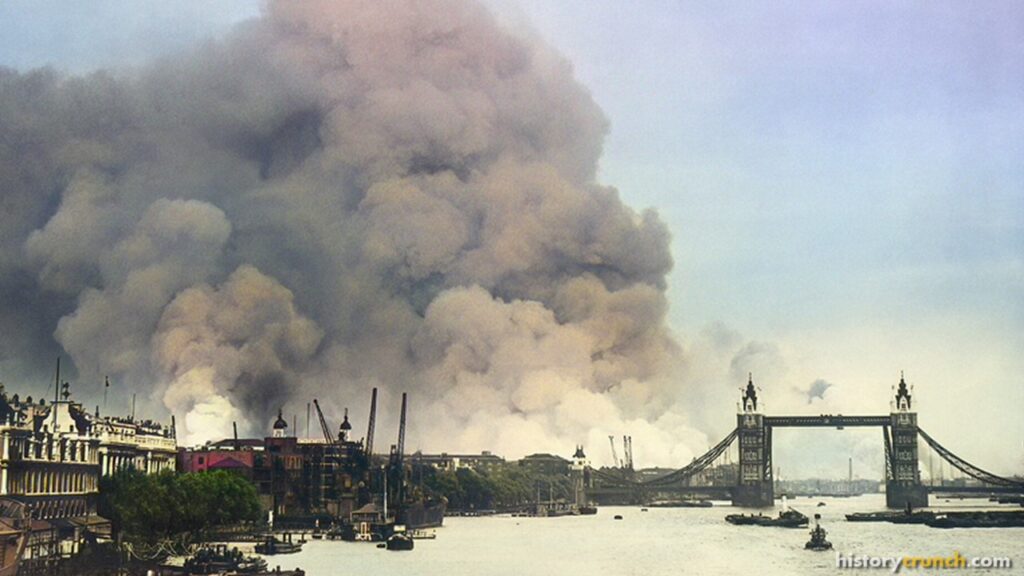
Unable to beat the RAF, Germany turned to bombing cities. London was bombed for 57 nights in a row, and around 40,000 civilians were killed across Britain.
LEARN MORESHOW LESSwhy it matters · key numbers · 2 key figuresSOCIALEight months of bombing did not break British morale or knock out the war industries, and the home front held. The Blitz proved that bombing alone could not win a war, a lesson the Allies then largely ignored themselves.
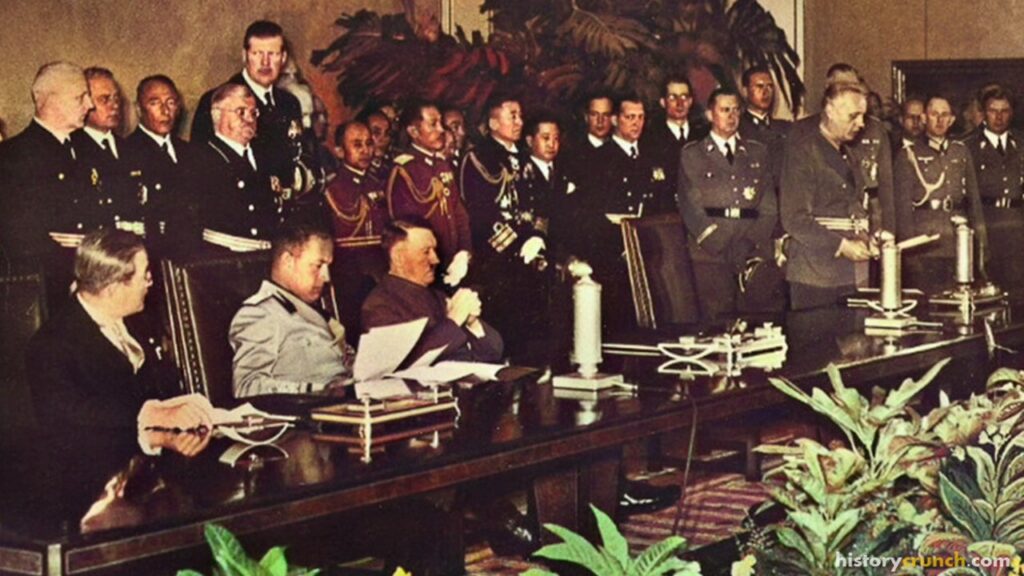
Germany, Italy and Japan formally allied. Each promised to help the others if attacked by a country not already in the war, which was aimed squarely at the United States.
LEARN MORESHOW LESSwhy it mattersPOLITICALThe pact formally tied Germany, Italy and Japan together. It is the reason Hitler declared war on the United States after Pearl Harbor, which turned two separate wars into one.
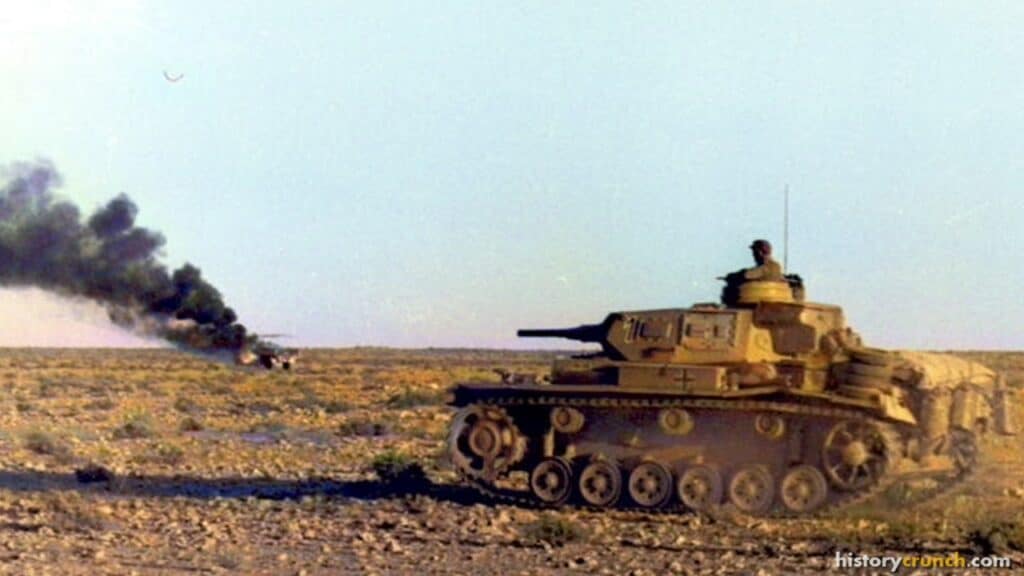
British forces attacked Italian positions in Egypt and drove them back hundreds of miles. Germany sent Erwin Rommel and the Afrika Korps to rescue the situation.
LEARN MORESHOW LESSwhy it matters · 1 key figureMILITARYNorth Africa was where British and later American armies fought Germany while Europe was closed to them. It also protected the Suez Canal and the oil beyond it.
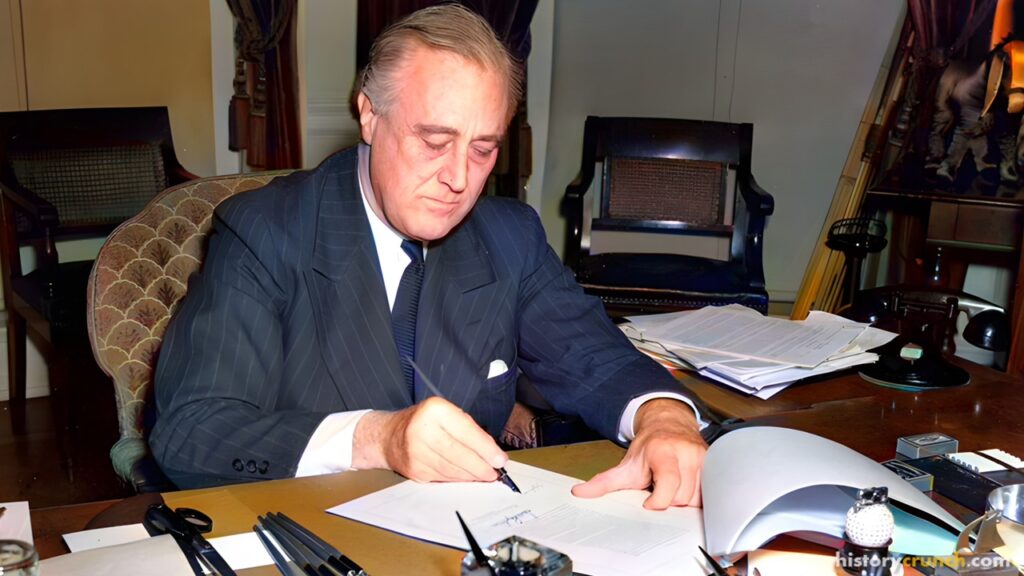
The United States began supplying Britain, and later the Soviet Union, with weapons and equipment without payment. It was neutrality in name only.
LEARN MORESHOW LESSwhy it matters · 2 key figuresECONOMICThe United States was still officially neutral, and isolationism was still the loudest argument in Congress, but Lend-Lease meant American factories were sending armaments to Britain and later the Soviet Union. Neutrality had become a technicality.
Germany invaded to rescue a failing Italian campaign in Greece. It succeeded, but it delayed the invasion of the Soviet Union by several critical weeks.
LEARN MORESHOW LESSwhy it mattersMILITARYThe Balkan campaign was quick, but it delayed the invasion of the Soviet Union by several weeks. Those weeks were later spent in the Russian winter outside Moscow.
British sailors boarded the sinking U-110 and took its Enigma machine and codebooks before it went down. The capture was kept secret for thirty years.
LEARN MORESHOW LESSwhy it matters · key numbersMILITARYThe naval Enigma was the hardest version to break and the one that mattered most in the Battle of the Atlantic, where convoys were being sunk faster than they could be replaced.
Faced with a threatened march on Washington, President Franklin Roosevelt banned racial discrimination by companies holding government war contracts. He did not desegregate the armed forces.
LEARN MORESHOW LESSwhy it matters · key numbers · 1 key figurePOLITICALIt was the first federal action against workplace discrimination since Reconstruction, and it opened war factory jobs to hundreds of thousands of Black workers. The military stayed segregated until 1948.
The Army Air Forces began training Black pilots at Tuskegee, Alabama, in a separate unit. Until then Black Americans had been barred from flying for the military.
LEARN MORESHOW LESSwhy it matters · key numbersSOCIALThe program existed because the Army expected it to fail and end the argument. Nearly a thousand pilots were trained there.
Winston Churchill and Franklin Roosevelt met at sea and set out what they were fighting for, including self-determination and free trade. The United States was not yet in the war, and this became the foundation of the United Nations.
LEARN MORESHOW LESSwhy it matters · 2 key figuresIDEASChurchill and Roosevelt set out what they were fighting for months before America entered the war. The charter became the basis of the United Nations and encouraged independence movements across the European empires.
In six months a European war became a world war. Germany invaded the Soviet Union in June 1941 and was thrown back outside Moscow in December. Behind that front, the Einsatzgruppen shot roughly a million and a half people before a single death camp existed. Japan attacked Pearl Harbor, and Germany declared war on the United States four days later without having to.
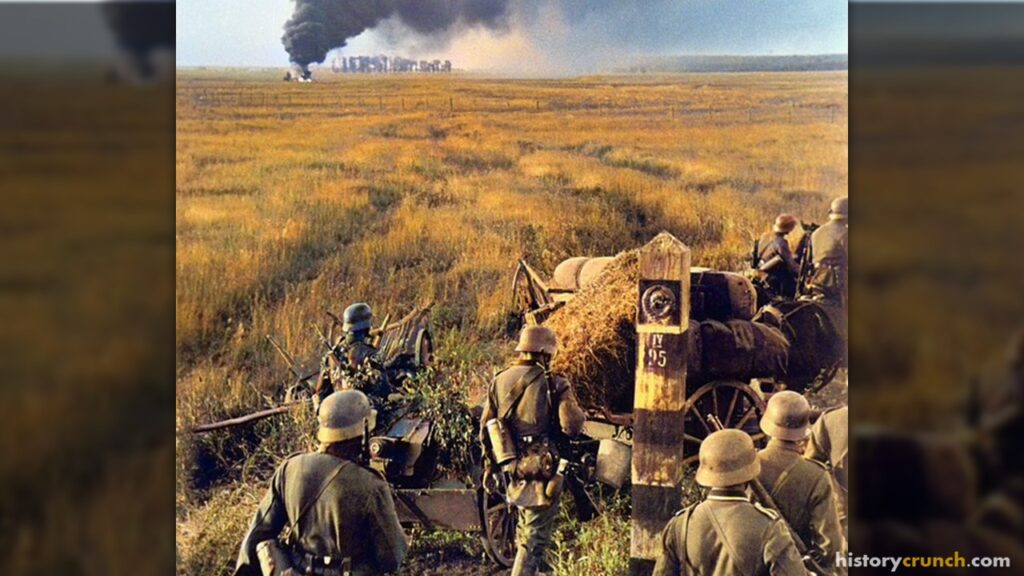
Three million German troops attacked the Soviet Union along a front of 1,800 miles. It was the war for lebensraum, the living space in the east that Hitler had promised in 1925. No invasion before or since has used as many men, and it broke the agreement the two countries had signed two years earlier.
LEARN MORESHOW LESSwhy it matters · key numbers · 2 key figuresMILITARYAs the Red Army fell back it destroyed what it could not carry, a scorched earth retreat that left the Wehrmacht advancing through wreckage. Hitler had opened a second front while Britain was still undefeated, and the Eastern Front went on to consume around three quarters of German losses for the rest of the war.
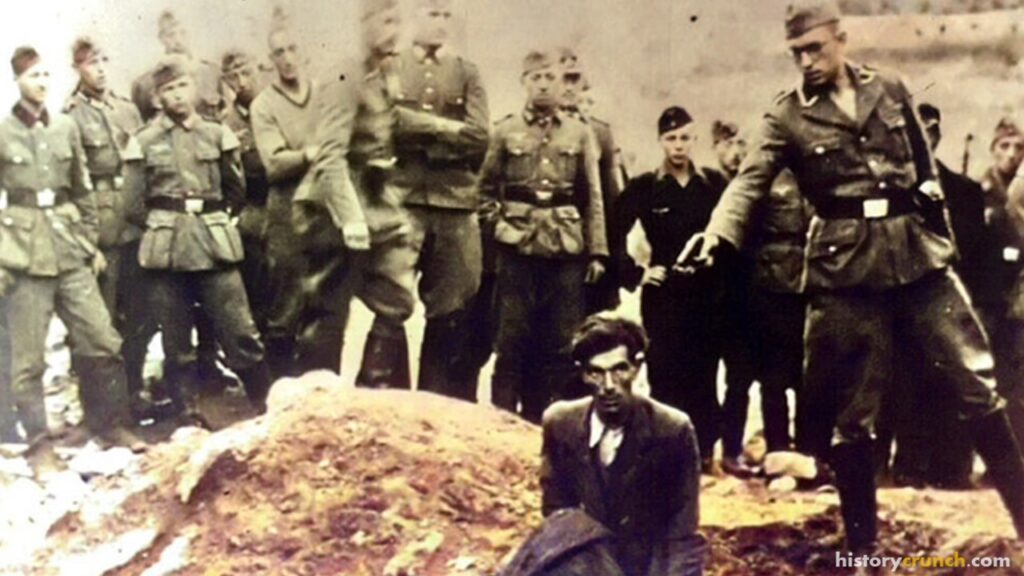
SS death squads followed the army into the Soviet Union and shot Jewish and other civilians in mass graves. Over a million people were murdered this way before the camps were built.
LEARN MORESHOW LESSwhy it matters · 1 key figureSOCIALRoughly a million and a half people were shot in pits behind the front line, before the death camps existed. The Holocaust was already well underway by the time the gas chambers were built.
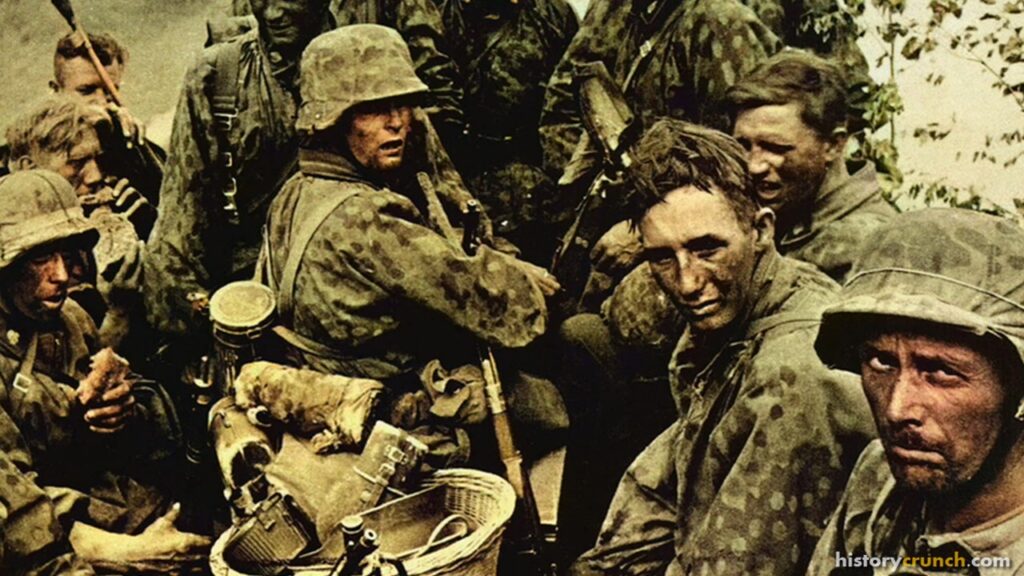
Soviet forces held the road to Moscow for two months. The delay cost Germany the summer weather it needed.
LEARN MORESHOW LESSwhy it matters · 1 key figureMILITARYThe Soviet armies were beaten but they held the Germans up for two months. That delay is one reason the attack on Moscow began in October, with winter closing in.
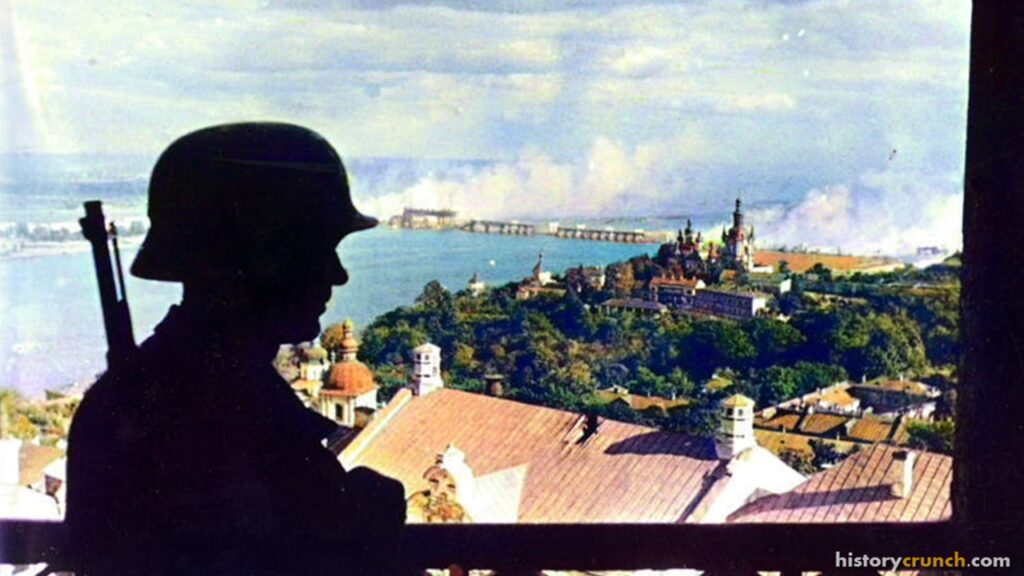
German forces encircled and captured over 600,000 Soviet soldiers, one of the largest surrenders ever recorded. It was a crushing victory that still did not win the war.
LEARN MORESHOW LESSwhy it matters · 1 key figureMILITARYIt was one of the largest encirclements in military history and a crushing Soviet defeat. It also cost Germany weeks it could not spare before turning back toward Moscow.
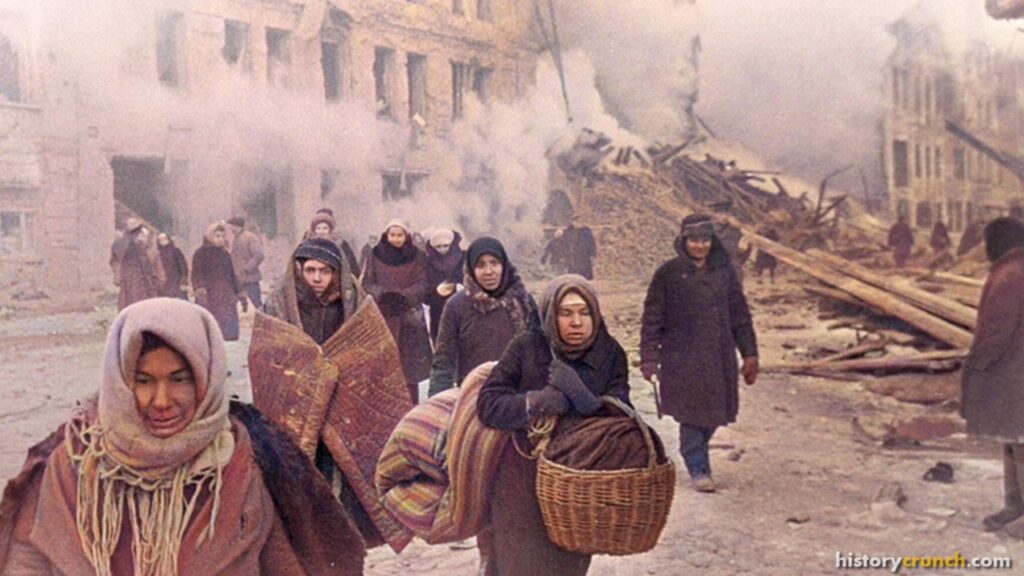
German forces cut the city off rather than storm it. The siege lasted 872 days and around a million civilians died, most of them of starvation.
LEARN MORESHOW LESSwhy it matters · key numbers · 1 key figureMILITARYThe city was not stormed, it was sealed off and starved on purpose. Most of those who died in Leningrad were civilians, which is what makes it one of the clearest examples of how the war in the east was fought.
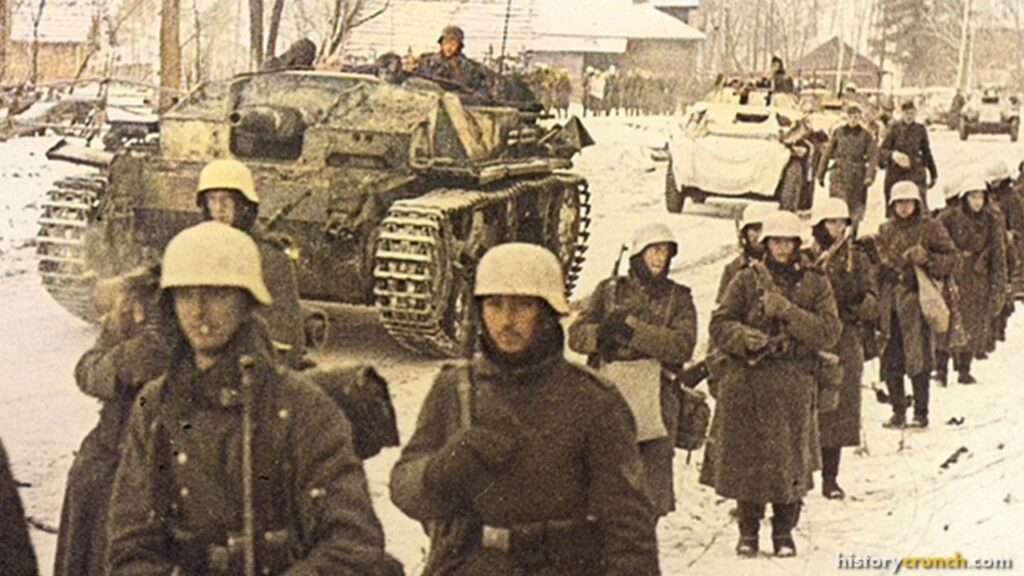
German troops came within sight of Moscow and were stopped by fresh Soviet divisions and the winter. It was the first time the German army had been forced back.
LEARN MORESHOW LESSwhy it matters · 2 key figuresMILITARYThe German army came within sight of Moscow in December 1941 and was then thrown back. It was the first time in the war that a German offensive had been defeated, and it ended any hope of finishing the Soviet Union in a single summer campaign.
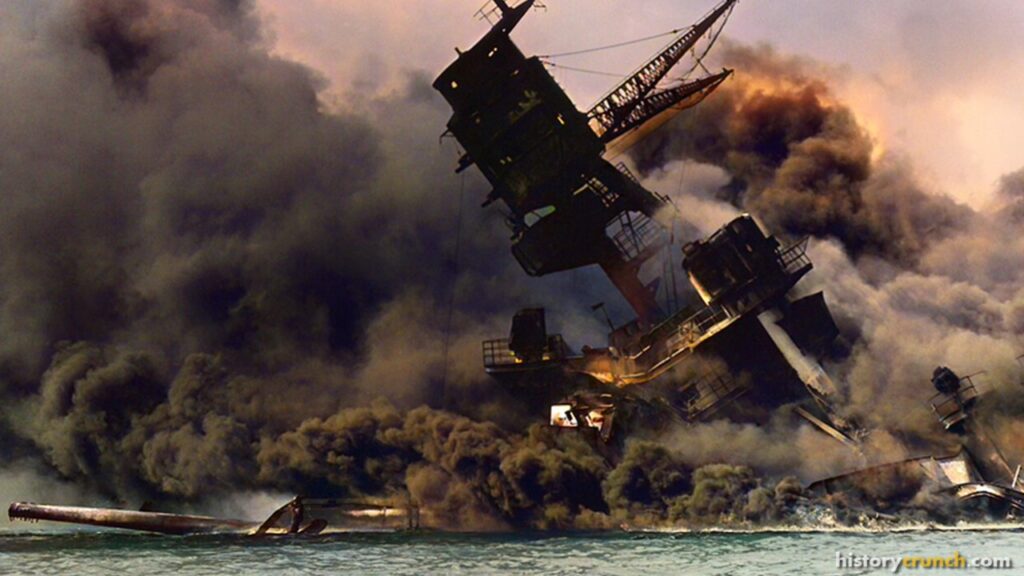
Japanese aircraft struck the American Pacific fleet without warning, killing 2,403 people. The carriers were at sea and survived, which shaped everything that followed.
LEARN MORESHOW LESSwhy it matters · key numbers · a sourceMILITARYIt ended American neutrality in a single morning. It also failed at its actual objective: the carriers were at sea, and carriers, not battleships, decided the Pacific war.
IN THEIR OWN WORDS“Yesterday, December 7th, 1941, a date which will live in infamy, the United States of America was suddenly and deliberately attacked by naval and air forces of the Empire of Japan.”
Franklin D. Roosevelt, address to Congress, December 8th, 1941
Germany was stalled outside Moscow in the snow that same week. Within four days Hitler declared war on the United States, tying the two conflicts into one.
Did Franklin Roosevelt know the attack was coming?
The mainstream view: American codebreakers knew an attack was likely somewhere, but not that it would be Pearl Harbor. The failure was disorganization, not conspiracy.
A minority view holds that warnings were ignored to bring a reluctant public into the war. Historians have found no evidence for it, and it remains a fringe position.
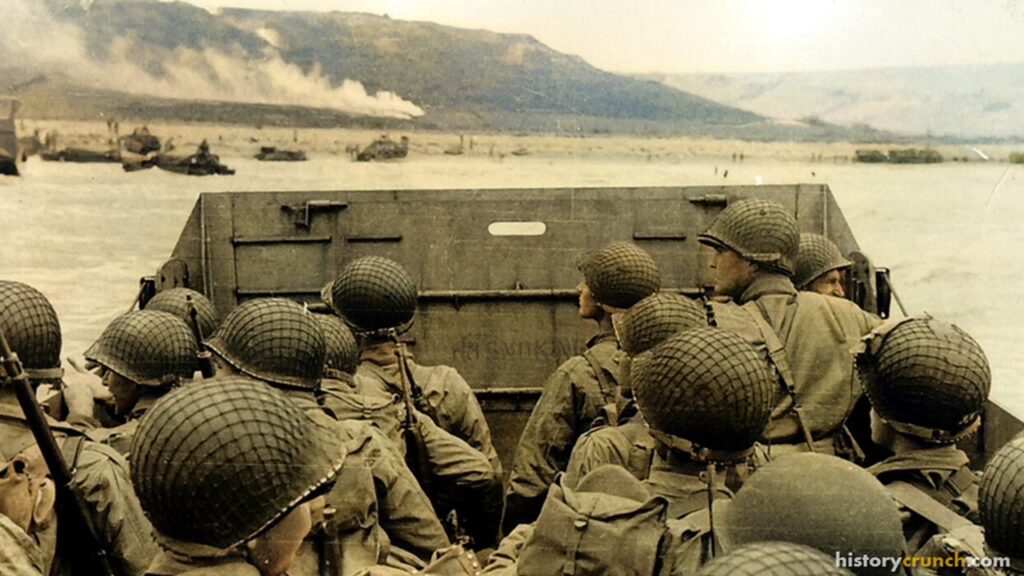
The United States declared war on Japan the next day. Germany declared war on the United States three days later, turning two separate wars into one.
LEARN MORESHOW LESSwhy it matters · 1 key figurePOLITICALGermany declared war on the United States four days after Pearl Harbor, which it did not have to do. That decision brought the largest industrial power in the world into the European war.
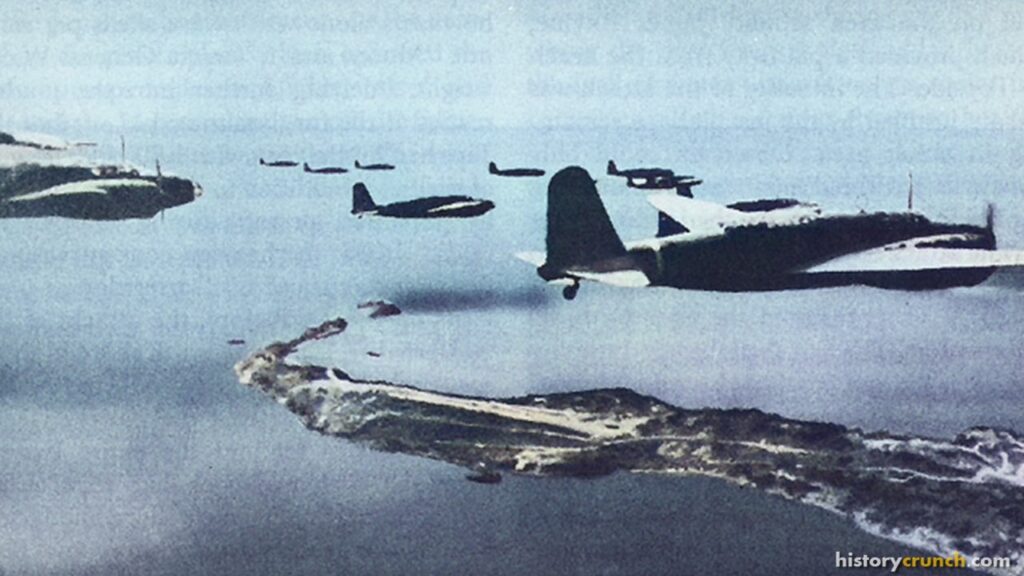
Japan invaded the Philippines hours after Pearl Harbor. American and Filipino forces held out for five months before surrendering.
LEARN MORESHOW LESSwhy it matters · 1 key figureMILITARYThe defeat cost the United States an army and its main base in Asia. MacArthur's promise to return shaped American strategy in the Pacific for the next three years.
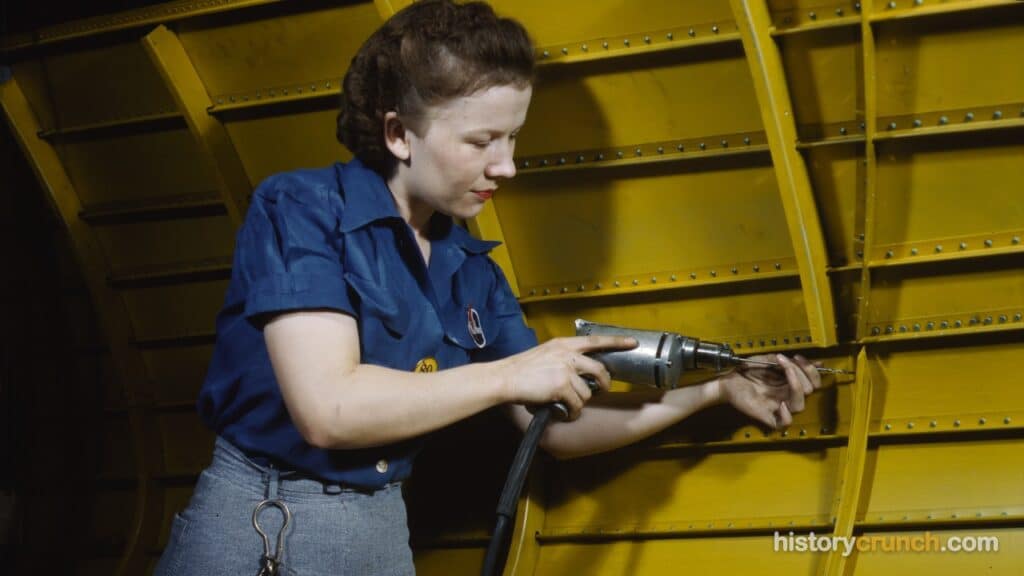
Conscription took the men to the front, and the mobilization of industry that followed moved women into factories, farms, transport and the armed forces in numbers never seen before. Much of it was rolled back in 1945, but the argument had been made.
LEARN MORESHOW LESSwhy it matters · 1 key figureSOCIALMillions of women did work they had been told they could not do, and did it well. The argument that women could not do industrial or technical jobs was much harder to make after 1945.
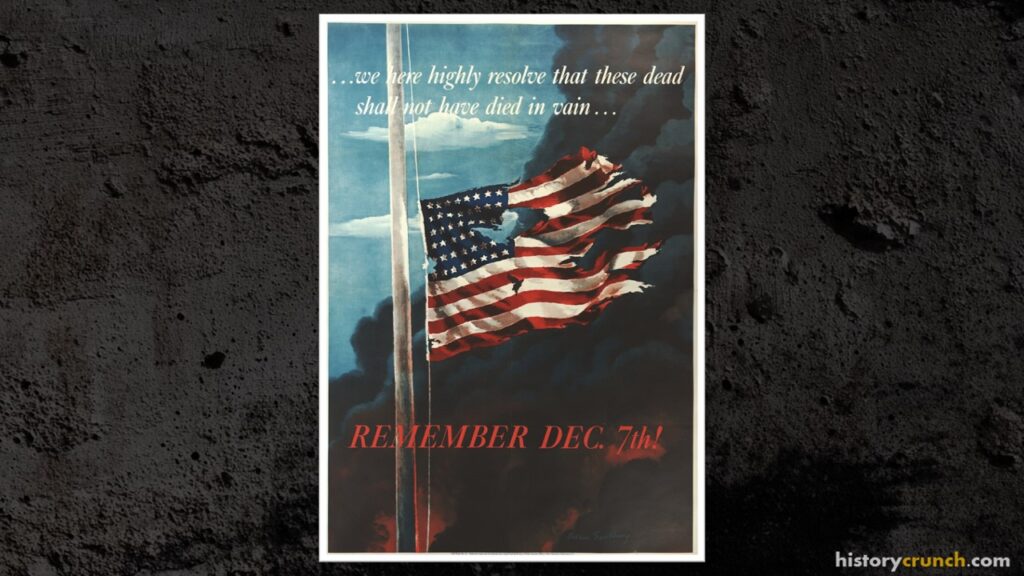
Every government used posters, film and radio to keep people working and keep them angry. It is some of the most studied material of the war precisely because it was designed to persuade.
LEARN MORESHOW LESSwhy it matters · 1 key figureCULTURETotal war needed civilians to accept rationing, long hours and casualty lists. Propaganda is how governments on every side managed that, which is why it is worth learning to read critically.
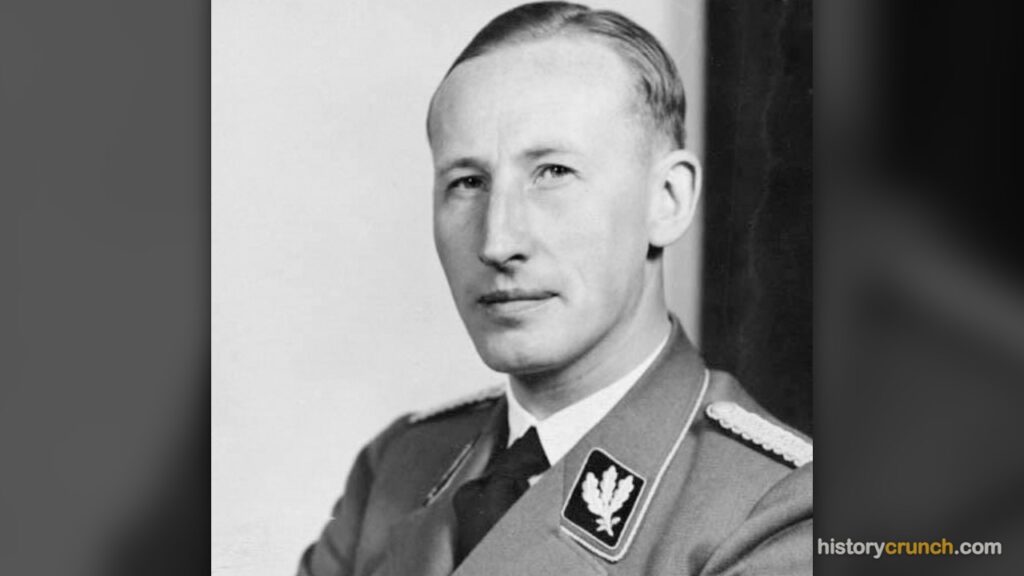
Senior Nazi officials met for ninety minutes over lunch to organize the murder of Europe's Jews. The killing had already begun. What Wannsee did was turn it into an administrative system.
LEARN MORESHOW LESSwhy it matters · elsewhere · 2 key figuresPOLITICALThe murder was already happening. The Final Solution was already happening. What Wannsee did was turn it into a coordinated bureaucratic system across a continent, run by educated men over lunch. That is why it is studied so closely.
At the same time, Japan was taking Singapore and the Philippines. The war was going well for the Axis everywhere, which is the context in which the Final Solution was planned.
Britain's fortress in Asia surrendered with 80,000 troops. Winston Churchill called it the worst disaster in British military history.
LEARN MORESHOW LESSwhy it mattersMILITARYBritain lost its main naval base in Asia and about eighty thousand men surrendered at once. It badly damaged the idea that European empires in Asia were permanent, and independence movements took note.
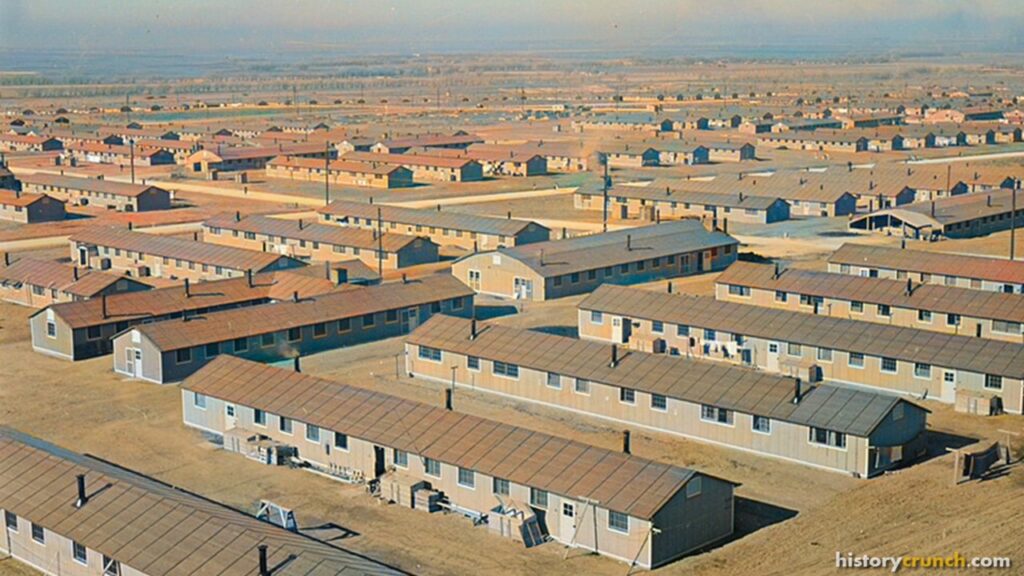
Around 120,000 people of Japanese descent, most of them American citizens, were removed from their homes and held in camps. No one was ever charged with anything.
LEARN MORESHOW LESSwhy it matters · 1 key figureSOCIALAbout one hundred and twenty thousand people, most of them American citizens, were removed from their homes because of their ancestry. No similar order was made against German or Italian Americans.
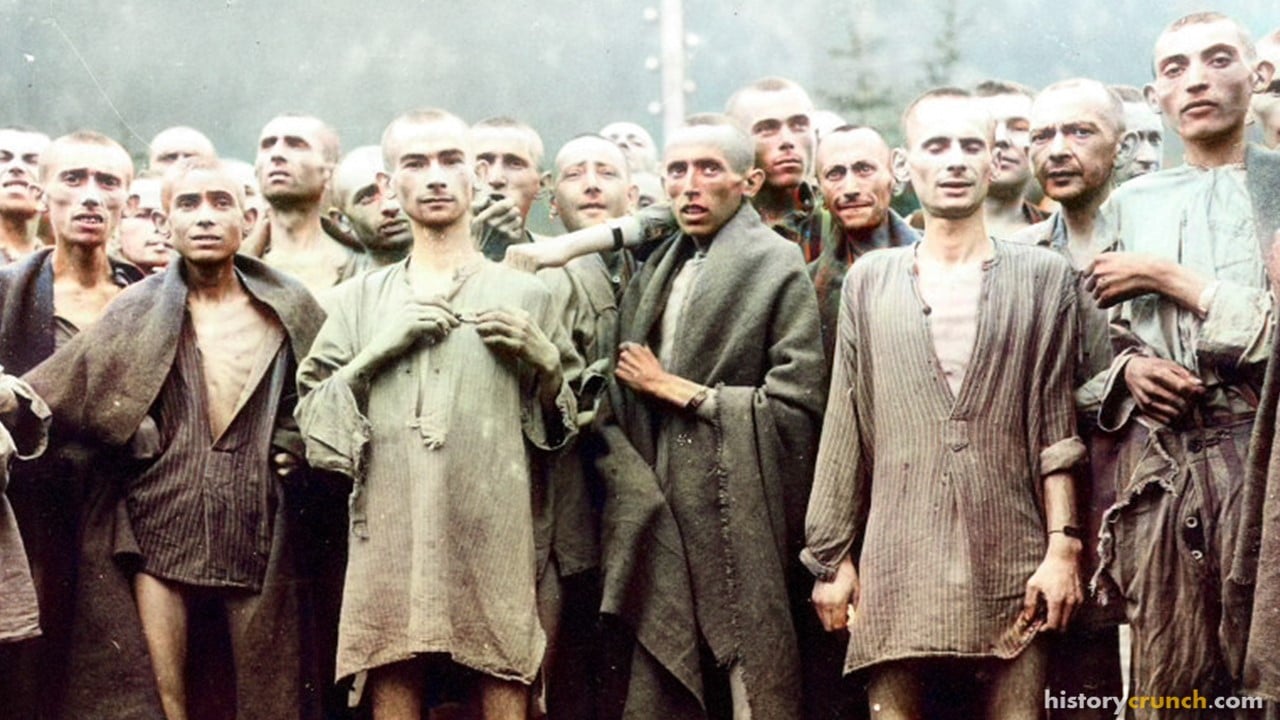
Belzec, Sobibor and Treblinka opened with one purpose. Unlike concentration camps, almost nobody sent to them survived more than a few hours.
LEARN MORESHOW LESSwhy it matters · 3 key figuresSOCIALThese camps existed for one purpose, which was killing. Unlike the concentration camps, almost nobody who arrived at Belzec, Sobibor or Treblinka was meant to leave, and very few did.
With the Burma Road closed, transport aircraft flew supplies from India to China over the eastern Himalayas. Crews called the route the Hump.
LEARN MORESHOW LESSwhy it matters · key numbersSCIENCEIt was the first sustained airlift of a war effort in history. Around 600 aircraft and 1,500 airmen were lost flying it.
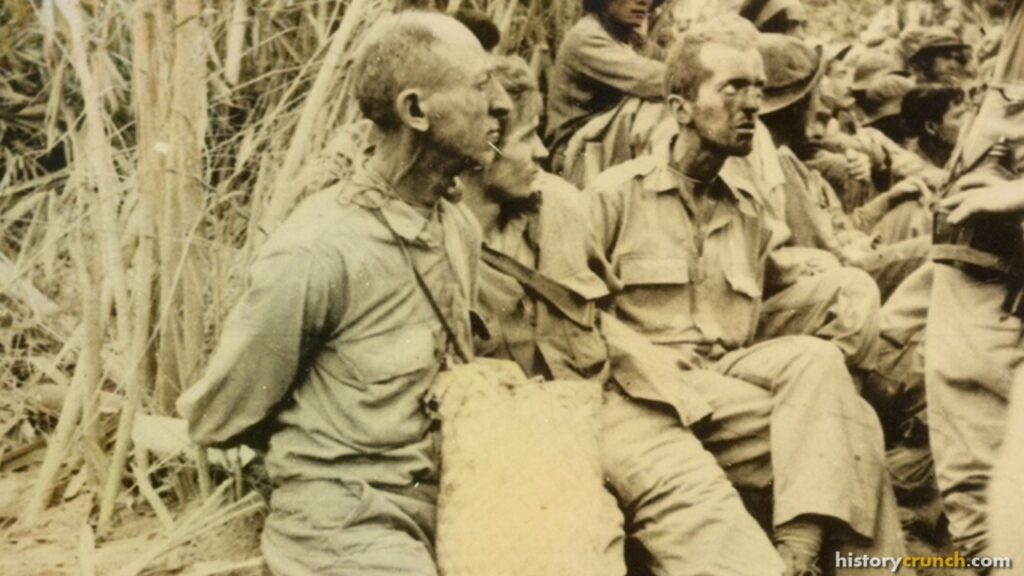
Around 75,000 American and Filipino prisoners were marched sixty miles in tropical heat without food or water. Thousands died on the way and thousands more died in the camps.
LEARN MORESHOW LESSwhy it matters · 1 key figureSOCIALThousands of prisoners died on a march they were forced to make without food or water. When news reached the United States it hardened American attitudes toward Japan for the rest of the war and beyond.
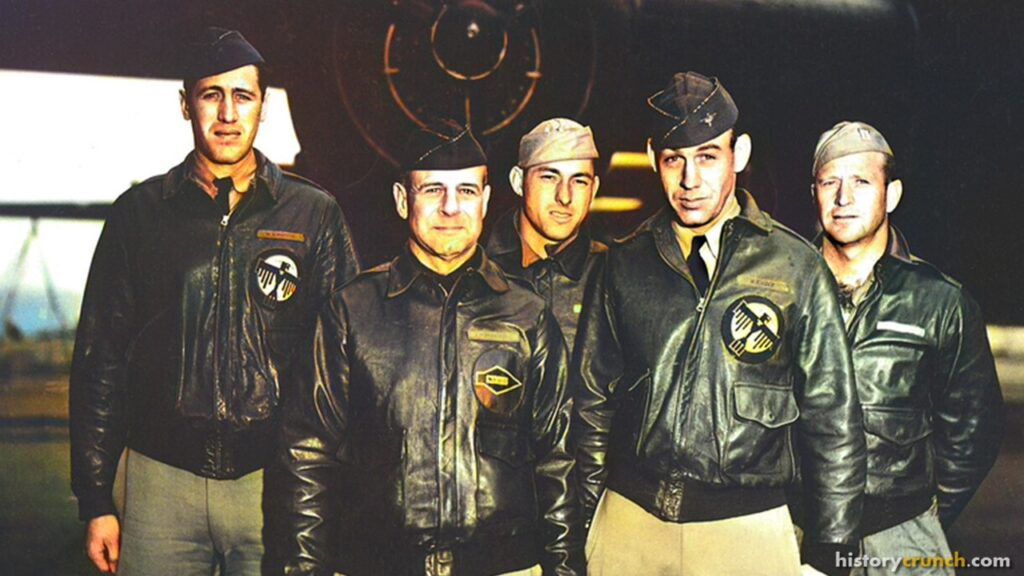
Sixteen American bombers flew off an aircraft carrier to bomb Tokyo. The damage was slight, but it proved Japan could be reached and pushed Japan into the gamble at Midway.
LEARN MORESHOW LESSwhy it matters · 1 key figureMILITARYThe raid did almost no damage, but it proved Japan could be reached. Japanese commanders then extended their defensive line to Midway to prevent it happening again, which set up their worst defeat.
Japanese forces drove the British out of Burma and closed the Burma Road, the last overland supply route into China. China had been fighting Japan since 1937.
LEARN MORESHOW LESSwhy it matters · key numbersMILITARYCutting the road was meant to force China out of the war. Keeping China in it tied down more than a million Japanese troops who were then not available in the Pacific.
The first naval battle in which the ships never saw each other, fought entirely by aircraft. It stopped the Japanese advance toward Australia.
LEARN MORESHOW LESSwhy it mattersMILITARYThe first naval battle in history where the ships never saw each other. It stopped the Japanese advance toward Australia and left one of their carriers unavailable for Midway a month later.
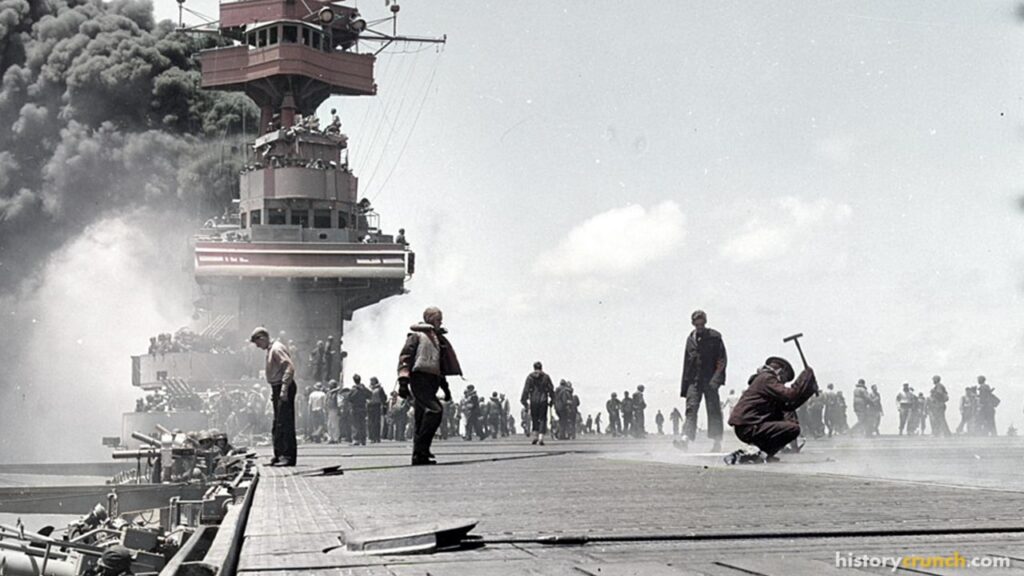
American code-breakers knew where the attack was coming. Japan lost four aircraft carriers in a single day and never went on the offensive in the Pacific again.
LEARN MORESHOW LESSwhy it matters · key numbers · elsewhereMILITARYFour Japanese carriers were sunk in a single day. Japan never mounted another major offensive, and the initiative in the Pacific passed to the United States permanently.
Midway happened while Germany was driving toward Stalingrad and Erwin Rommel was advancing on Egypt. Within six months all three of those advances had been stopped.
In the summer of 1942 Germany did not attack Moscow again. It drove south east instead, toward the oil fields of the Caucasus, and tried to take the city of Stalingrad at the same time. Splitting the advance in two was a decision the German army could not afford.
LEARN MORESHOW LESSwhy it mattersMILITARYSplitting the advance meant neither objective got enough strength. The oil was never taken and the army sent to Stalingrad was destroyed, so the summer offensive of 1942 cost Germany the war in the east.
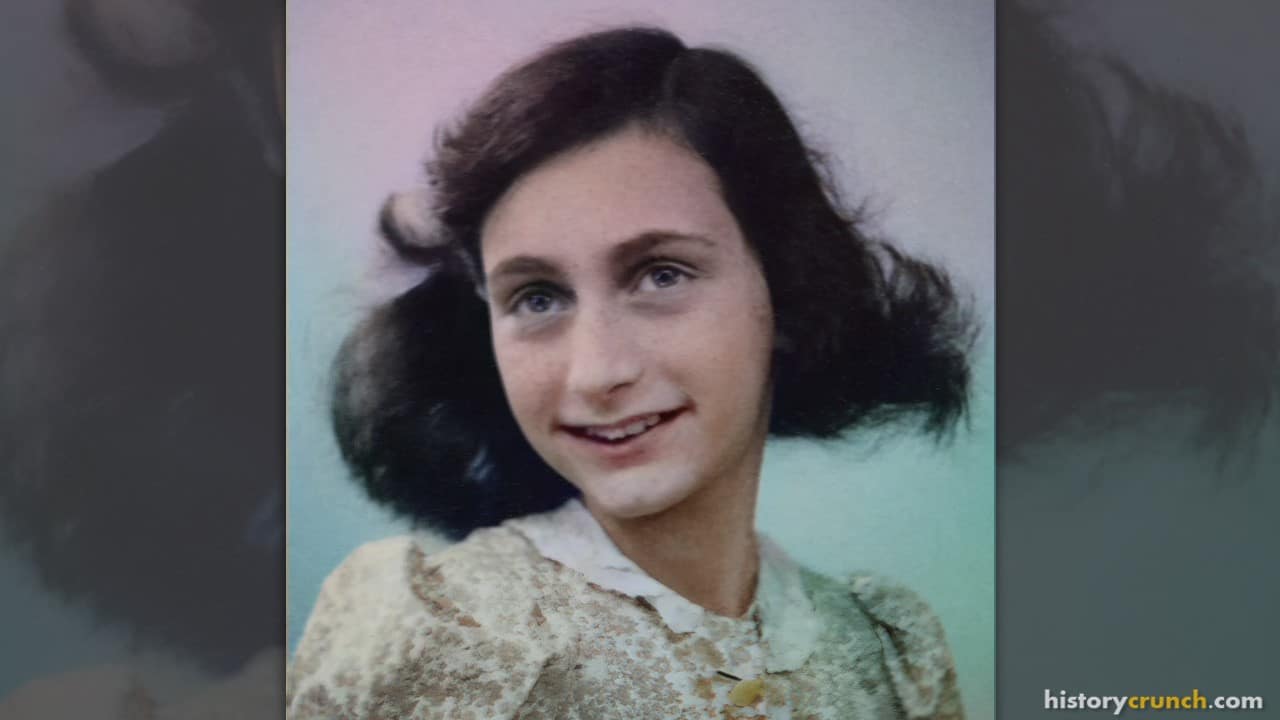
The Frank family hid in rooms behind Otto Frank's business after Anne's sister Margot was ordered to report for a labor camp. Anne was thirteen and kept a diary.
LEARN MORESHOW LESSwhy it matters · key numbers · 1 key figureSOCIALThey were hidden for two years before being discovered. Anne died at Bergen-Belsen in 1945, and the diary her father published became the most widely read account of the Holocaust.
A mostly Canadian force raided the French port of Dieppe and over half became casualties in nine hours. The lessons learned were built into the planning for D-Day two years later.
LEARN MORESHOW LESSwhy it matters · 1 key figureMILITARYThe raid was a disaster, with most of the Canadian force killed or captured. What it taught the Allies about assaulting a defended port shaped how D-Day was planned two years later.
Three battles within six months ended the Axis advance everywhere. Midway cost Japan four carriers in a day. El Alamein broke Erwin Rommel's line in Egypt. Stalingrad drew the German Sixth Army into a city fight it could not win and ended with its surrender. Germany had split its summer offensive between Stalingrad and the Caucasus oil fields and got neither.
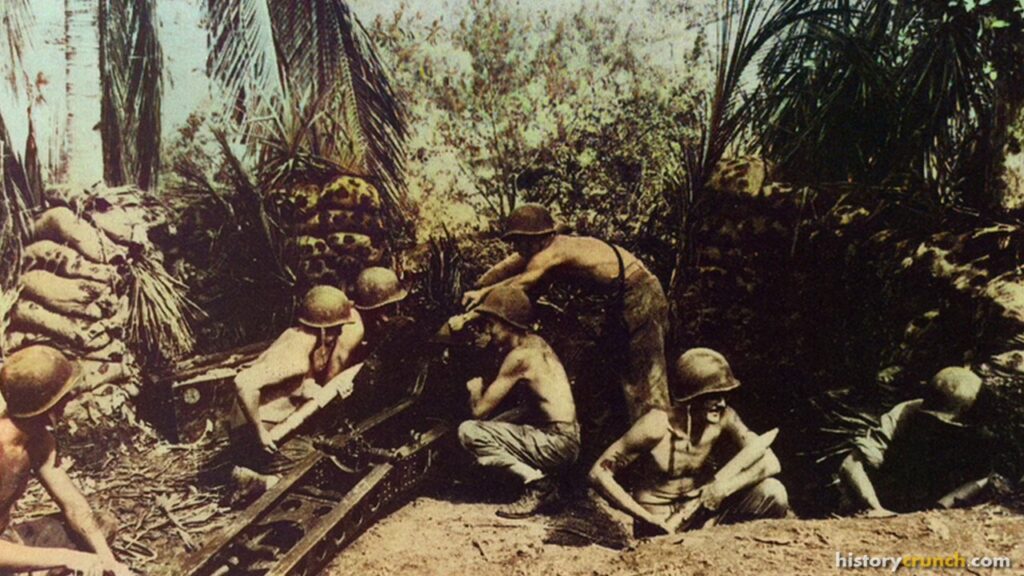
American marines landed on an island most had never heard of and fought for six months to hold its airfield. It was the first Allied land offensive of the Pacific war.
LEARN MORESHOW LESSwhy it matters · 2 key figuresMILITARYSix months of fighting on land, at sea and in the air. It was the first time Japan was forced to give up ground it had taken, and after Guadalcanal the Japanese were on the defensive in the Pacific.
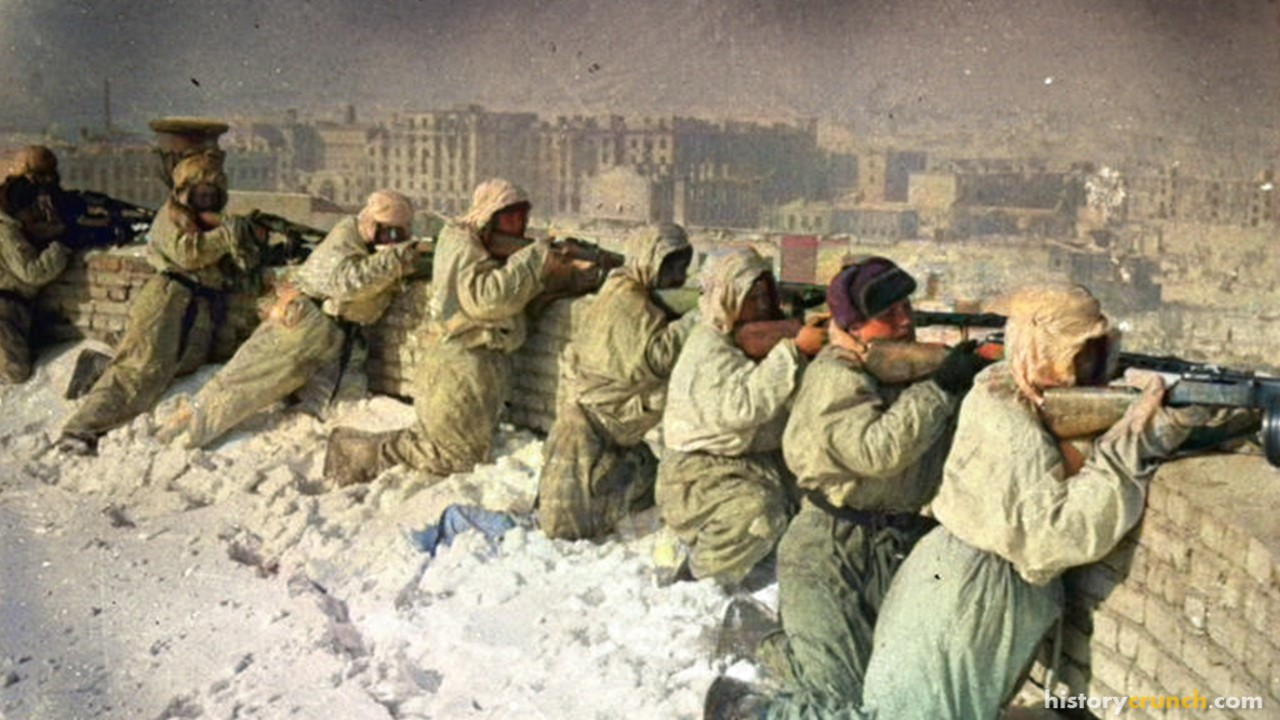
German forces reached the Volga and fought house by house for a city that carried Stalin's name. Neither side could afford to lose it, which is what made it so terrible.
LEARN MORESHOW LESSwhy it matters · elsewhere · 2 key figuresMILITARYThe battle became a contest of attrition and will that neither leader would back down from. It cost Germany an entire army and it is the point at which the German advance in the east stopped for good.
Stalingrad, El Alamein and Guadalcanal were all being fought within weeks of each other. Historians often treat the second half of 1942 as the hinge of the whole war.
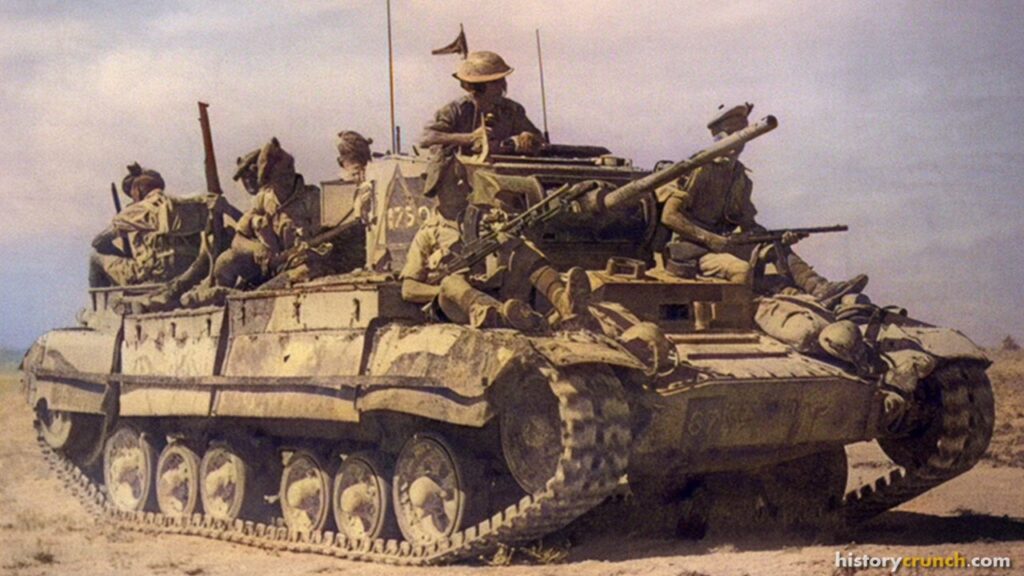
British and Commonwealth forces broke Erwin Rommel's line in Egypt and began pushing him west. Winston Churchill later said it was the end of the beginning.
LEARN MORESHOW LESSwhy it matters · a debate · 2 key figuresMILITARYThe first clear British victory over a German army in the war. Churchill said it was not the end but the end of the beginning, and North Africa was effectively decided from here.
Which theater actually broke Germany?
The Western view once held that El Alamein, Italy and Normandy wore Germany down and forced the collapse.
The evidence points east. Around three quarters of German military deaths happened on the Eastern Front, and Operation Bagration, the Soviet offensive in Belorussia in 1944, destroyed more of the German army than Normandy did.
American and British troops landed in Morocco and Algeria, opening a second front against Germany. It was the first large American land operation against the Germans.
LEARN MORESHOW LESSwhy it matters · 2 key figuresMILITARYThe first large American operation against Germany. It put Allied armies at both ends of North Africa, and it gave American commanders and troops their first hard lessons before they had to face France.
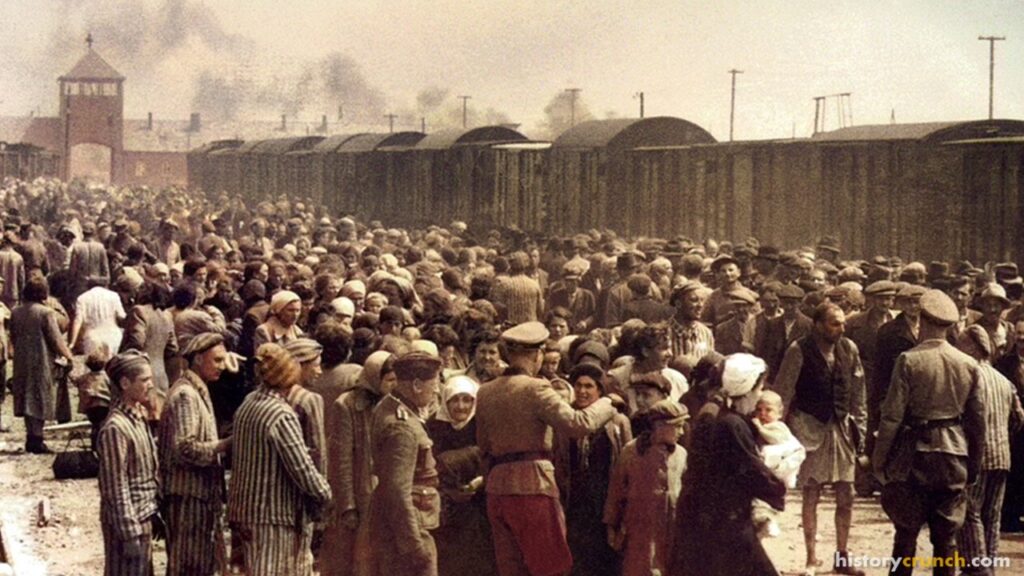
By 1943 the camps, the ghettos and the death squads were operating together across occupied Europe. Six million Jewish people were murdered, along with around five million others.
LEARN MORESHOW LESSwhy it matters · key numbers · a debateSOCIALMore Jewish people were murdered in 1942 and 1943 than in any other period. The killing was at its worst while the Allies were winning, which is part of why the question of what they knew and when still matters.
What did the Allies know, and when?
Reports reached London and Washington from 1942, and were published. Leaders judged that only winning the war could stop the killing.
Enough was known early enough to act. Rail lines and camps were within bombing range by 1944 and were never targeted, and refugee quotas stayed closed.
Franklin Roosevelt and Winston Churchill agreed to accept nothing less than unconditional surrender. It removed any possibility of a negotiated peace and shaped the rest of the war.
LEARN MORESHOW LESSwhy it matters · a debate · 2 key figuresPOLITICALDemanding unconditional surrender meant no negotiated peace was possible. Historians still argue about whether that shortened the war by making the aims clear or lengthened it by removing any reason to give up.
Did unconditional surrender shorten the war or lengthen it?
It shortened it. It kept the alliance together, reassured Stalin nobody would make a separate peace, and made the war aims unmistakable.
It lengthened it. With no terms to negotiate, German and Japanese leaders had no reason to stop, so the fighting ran to the last possible day.
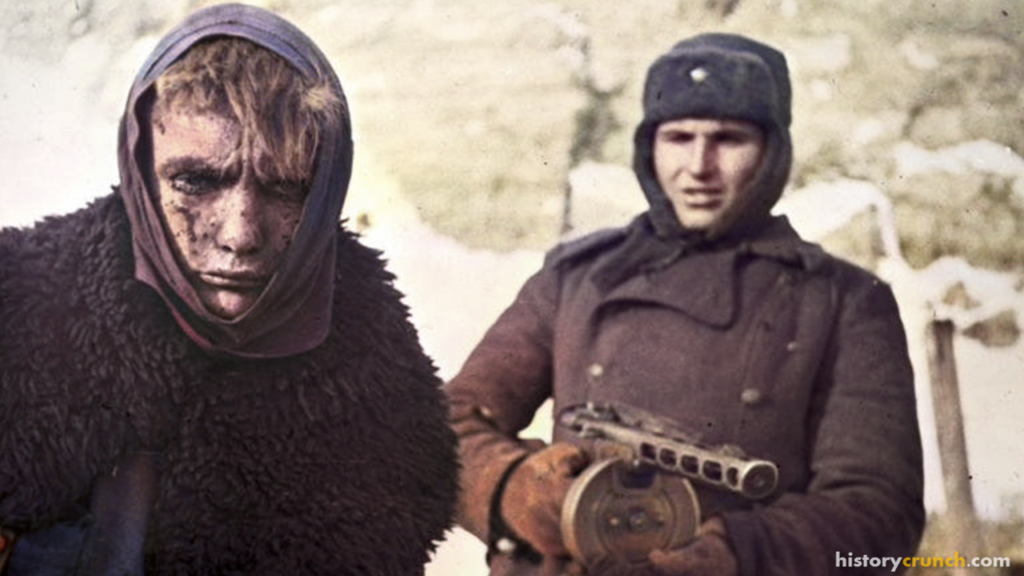
The German Sixth Army was surrounded, refused permission to break out, and surrendered. Around 91,000 men went into Soviet captivity and about 6,000 came home.
LEARN MORESHOW LESSwhy it matters · key numbers · 2 key figuresMILITARYThe German army had never surrendered on this scale. From this point the Eastern Front moved one way only, and it moved toward Berlin.
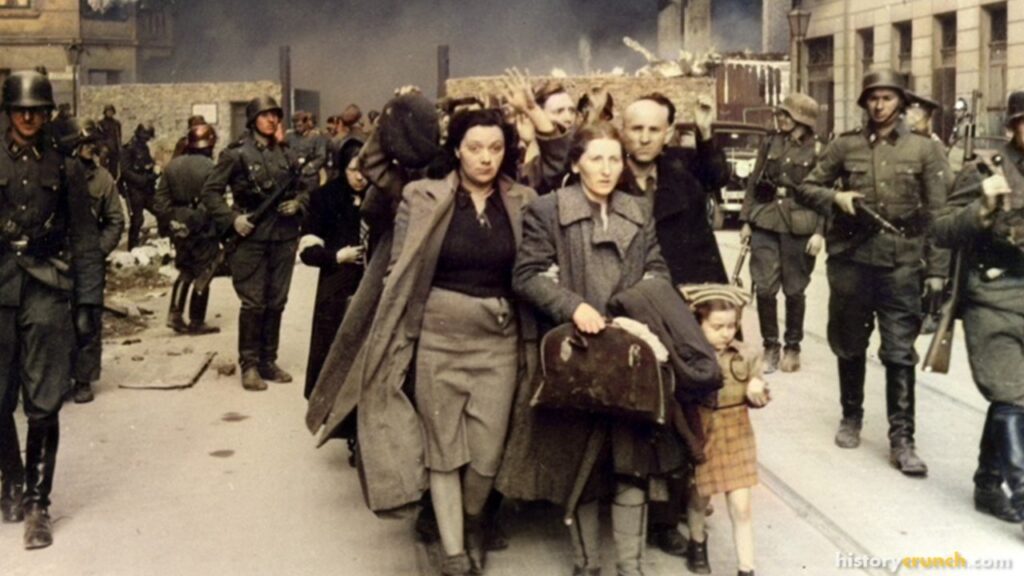
Jewish fighters in the Warsaw ghetto took on the German army with smuggled weapons and held out for nearly a month. Almost all of them were killed, and they knew they would be.
LEARN MORESHOW LESSwhy it matters · 1 key figureSOCIALPoorly armed fighters held out against the German army for nearly a month. It is the best known example of Jewish armed resistance and it answers the question of whether people fought back.
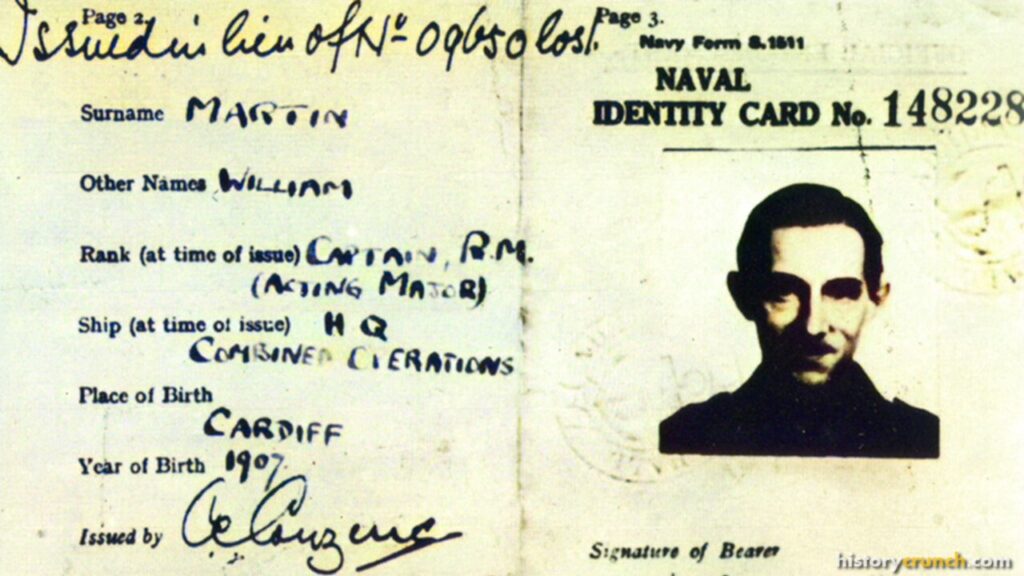
British intelligence let a body carrying false invasion plans wash ashore in Spain. Germany moved troops to Greece, and the Allies landed in Sicily.
LEARN MORESHOW LESSwhy it mattersMILITARYA deception operation using a dead body and false documents pulled German troops away from Sicily. It shows how much of the war was won by intelligence and deception rather than by fighting.
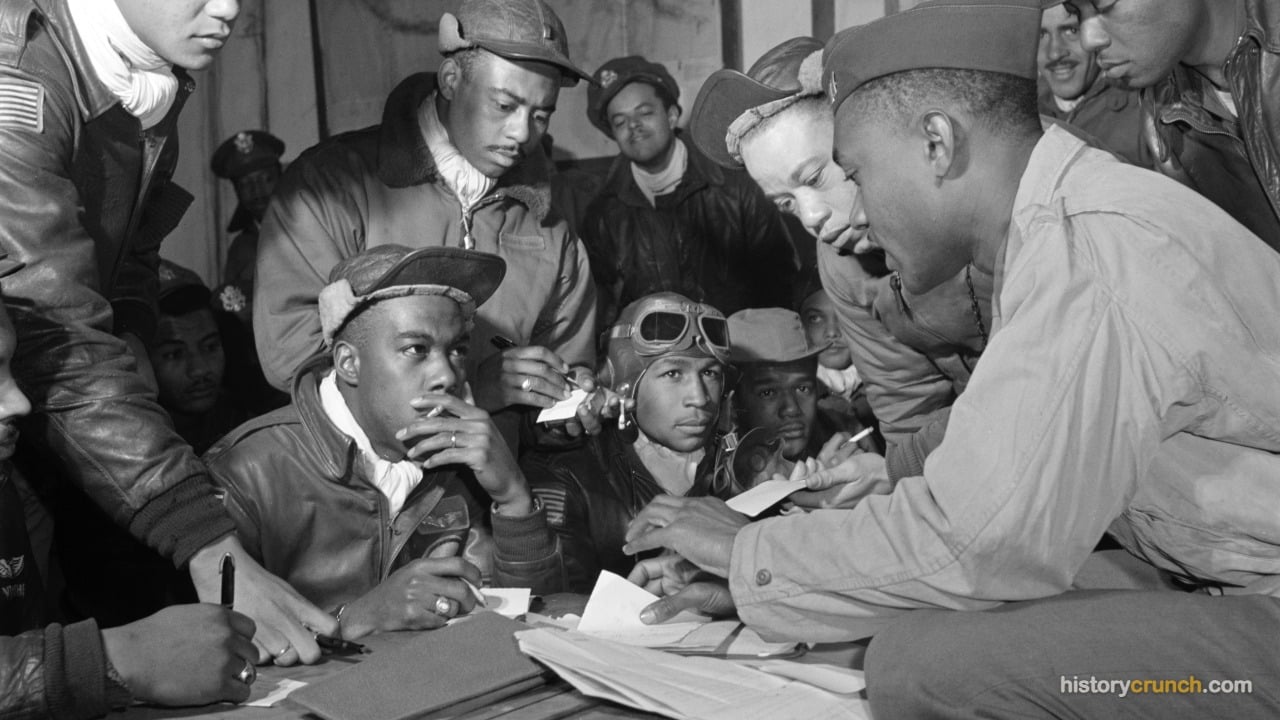
The 99th Fighter Squadron flew its first mission over the Mediterranean. The unit went on to fly more than 15,000 sorties over North Africa, Italy and Germany.
LEARN MORESHOW LESSwhy it matters · key numbersMILITARYTheir record, and the refusal of Black veterans to accept at home what they had not accepted at the front, became the central argument for ending segregation in the American forces, which President Harry Truman ordered in 1948.
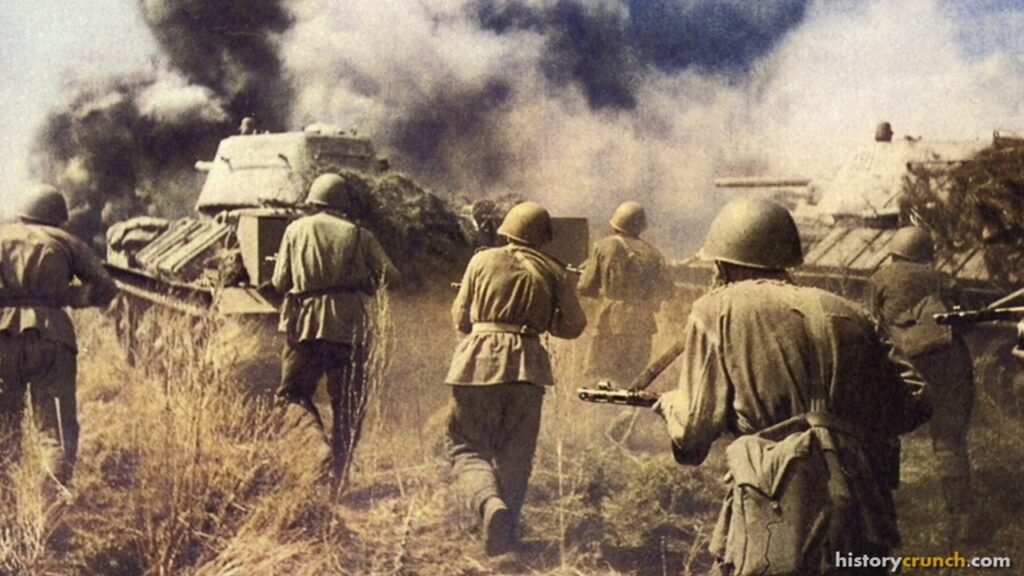
Germany attacked a Soviet bulge in the line and ran into defenses eight miles deep. Around 6,000 tanks fought there, more than in any other battle, and Germany never attacked in the east again.
LEARN MORESHOW LESSwhy it matters · 1 key figureMILITARYGermany attacked, failed, and never mounted a major offensive in the east again. From Kursk onward the initiative belonged permanently to the Soviet Union.
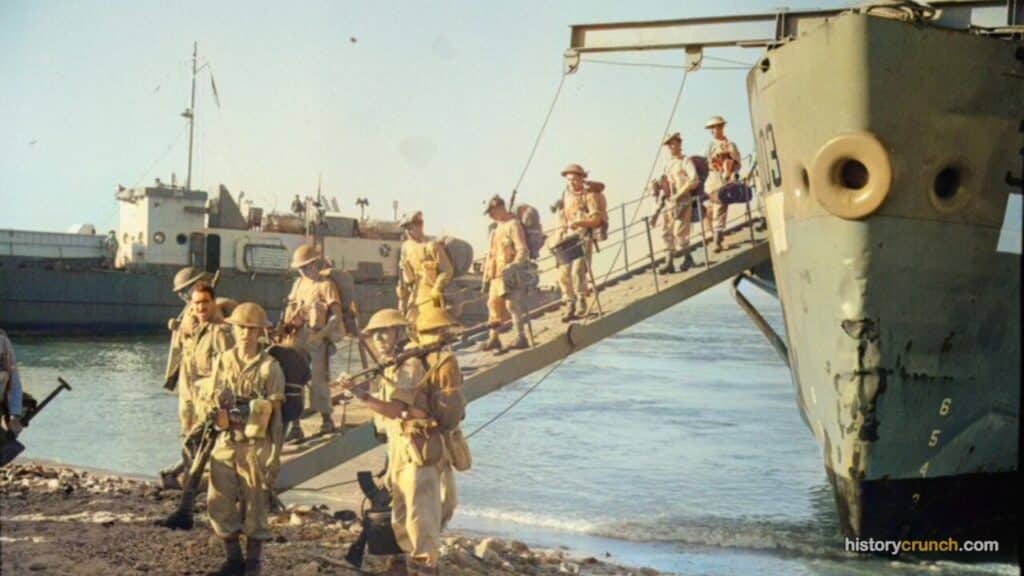
The Allies crossed from North Africa into Sicily and then onto the Italian mainland. It was the first Allied army to fight its way into Europe.
LEARN MORESHOW LESSwhy it matters · 3 key figuresMILITARYThe invasion brought down Benito Mussolini within weeks and opened a second front in Europe. It also tied down German divisions that were badly needed elsewhere.
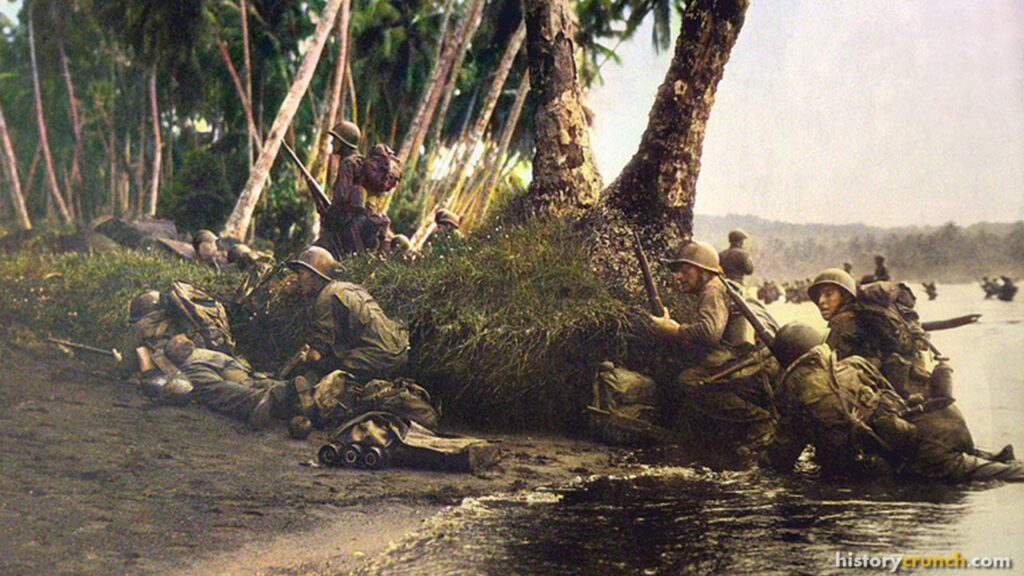
Rather than take every island, American forces captured the ones with airfields and left the rest cut off. It saved lives and moved bombers steadily closer to Japan.
LEARN MORESHOW LESSwhy it mattersMILITARYRather than take every island, the Americans captured the ones they needed for airfields and left the rest cut off. It saved lives and time, and it is how the war reached bombing range of Japan.
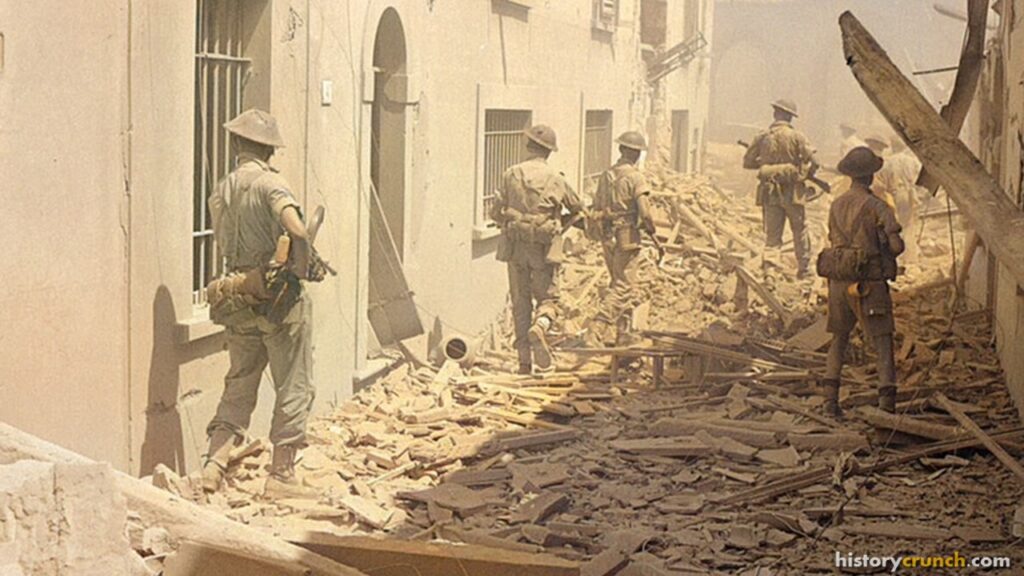
Italy signed an armistice and switched sides. Germany immediately occupied the country, and the fighting there went on for another twenty months.
LEARN MORESHOW LESSwhy it matters · 2 key figuresPOLITICALItaly changed sides, and Germany immediately occupied the country and disarmed the Italian army. What was meant to be a soft underbelly became twenty more months of hard fighting.
After Kursk the Red Army did not stop. It pushed west across Ukraine and took Kiev back in November 1943, a little over two years after losing it. From this point on the Germans were retreating on the Eastern Front and never took the initiative back.
LEARN MORESHOW LESSwhy it mattersMILITARYTaking back the capital of Ukraine showed the Red Army could now mount large offensives in any season. Germany was retreating on the Eastern Front from this point until the end.
Franklin Roosevelt, Winston Churchill and Stalin met face to face for the first time. Stalin got the promise he wanted, a second front in France the following year.
LEARN MORESHOW LESSwhy it matters · 3 key figuresPOLITICALRoosevelt, Churchill and Stalin met face to face for the first time. They agreed on the invasion of France, and the shape of postwar Europe began to be decided here rather than at the end of the war.
The Allies came at Germany from three directions at once. They landed in Normandy in June 1944, helped by a deception that held German reserves at Calais for weeks. Two weeks later Operation Bagration, a Soviet offensive in Belorussia, destroyed German Army Group Center outright, a heavier blow than Normandy. In the Pacific, the capture of the island of Saipan put bombers within range of Japan, and the naval battle of Leyte Gulf destroyed the Japanese fleet.
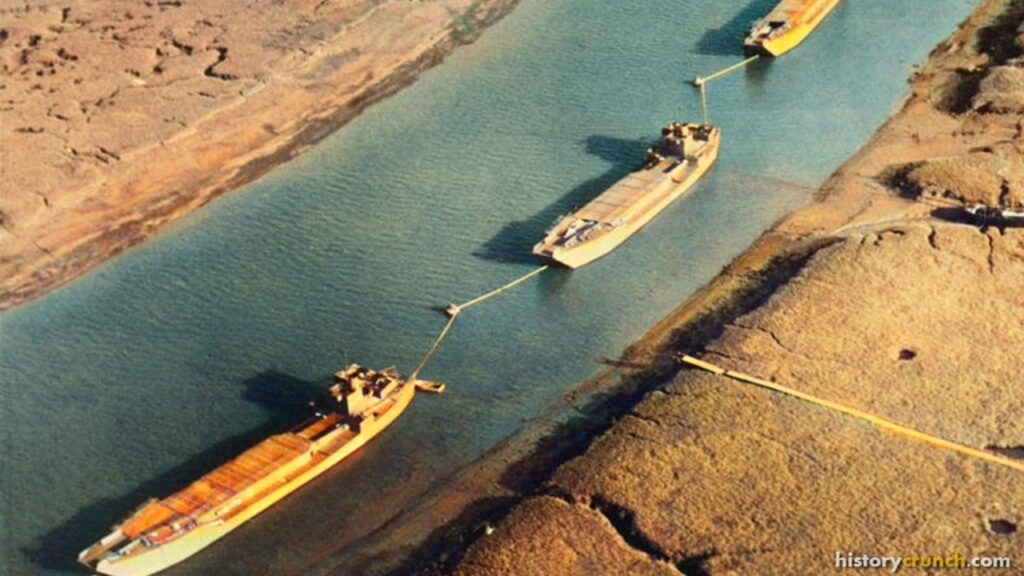
The Allies built a fake army in southeast England, complete with inflatable tanks and invented radio traffic, to convince Germany the invasion would come at Calais. It worked, and German reserves stayed in the wrong place.
LEARN MORESHOW LESSwhy it matters · 2 key figuresMILITARYThe deception convinced Germany the real invasion would come at Calais. German reserves stayed in the wrong place for weeks after D-Day, which is a large part of why the landings held.
Four assaults over four months were needed to take a hilltop monastery blocking the road to Rome. The abbey was bombed to rubble and the Germans then defended the rubble.
LEARN MORESHOW LESSwhy it mattersMILITARYFour assaults over four months to take one position, including the destruction of a historic monastery. It is the clearest example of how slow and costly the Italian campaign turned out to be.
The blockade of Leningrad lasted 872 days. Food ran out in the first winter and people died in the streets. When Soviet forces finally broke the ring in January 1944, hundreds of thousands of civilians had died in the city, most of them from starvation.
LEARN MORESHOW LESSwhy it mattersMILITARYLeningrad is the reminder that the Eastern Front was not only a war between armies. The city was deliberately starved, and most of the people who died there were civilians who never fired a shot.
A Japanese invasion of India was halted at the towns of Imphal and Kohima by British and Indian forces after four months of fighting in monsoon conditions.
LEARN MORESHOW LESSwhy it matters · key numbersMILITARYIt was the largest defeat Japan suffered on land up to that point, and it ended any prospect of Japan reaching India. The army that stopped them was mostly Indian.
156,000 troops landed on five beaches in Normandy in the largest amphibious landing ever attempted, and held the beachhead. By nightfall the Allies were ashore in France and stayed there.
LEARN MORESHOW LESSwhy it matters · key numbers · a sourceMILITARYIt opened the second front the Soviet Union had demanded for three years, and it decided whose armies would be standing where when the war ended, which shaped the next forty years.
IN THEIR OWN WORDS“You are about to embark upon the great crusade, toward which we have striven these many months. The eyes of the world are upon you.”
Dwight D. Eisenhower, order of the day, June 6th, 1944
The Soviet Union launched Operation Bagration, its own offensive in Belorussia, two weeks later, destroying an entire German army group. Germany was now being crushed from both directions at once.
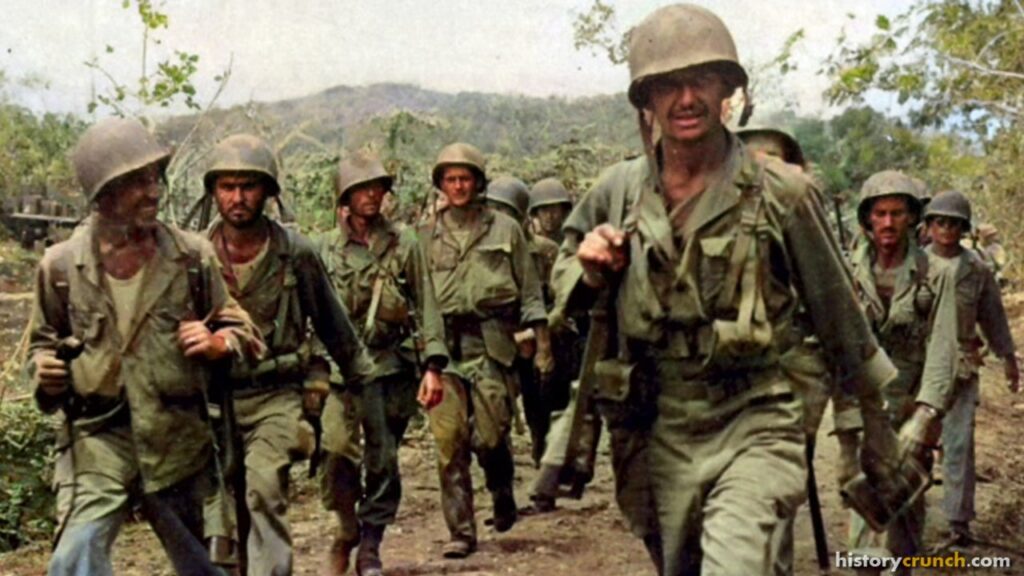
Taking Saipan put American bombers within range of the Japanese home islands. The battle also saw mass civilian suicides that shocked American troops and hardened views about invading Japan.
LEARN MORESHOW LESSwhy it matters · 2 key figuresMILITARYSaipan put American bombers within range of the Japanese home islands. It also forced Prime Minister Hideki Tojo out of office, and the scale of civilian deaths there shaped later American thinking about invading Japan itself.
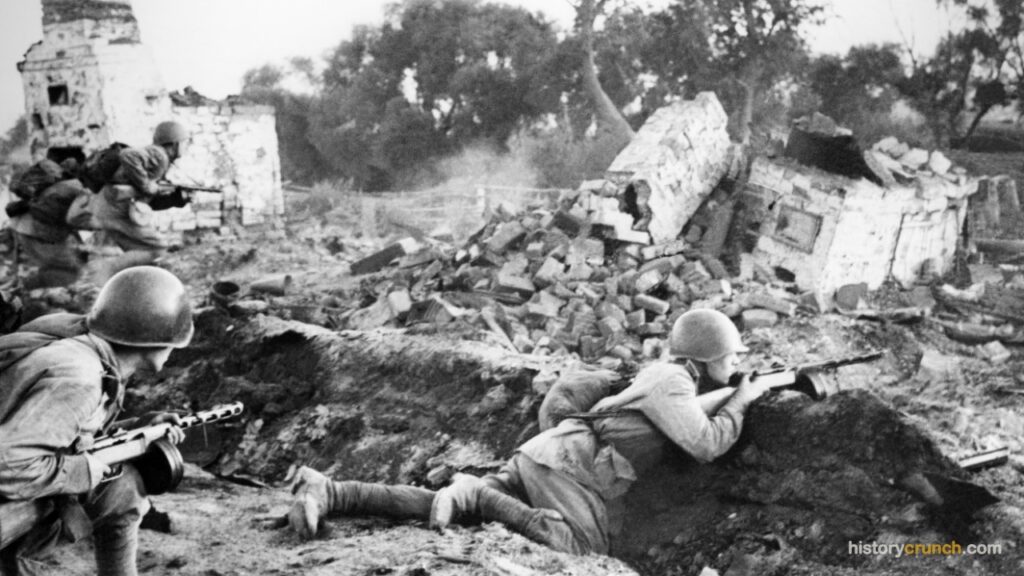
Three years to the day after Germany invaded, the Soviet Union attacked in Belorussia. Operation Bagration destroyed German Army Group Center and carried Soviet armies hundreds of miles west, to the edge of Warsaw. It was the largest defeat the German army suffered in the entire war, and it happened two weeks after D-Day while the world was watching Normandy.
LEARN MORESHOW LESSwhy it mattersMILITARYD-Day gets the attention, but Bagration was the bigger blow. Germany lost more men here in two months than in Normandy, and it is the clearest single piece of evidence for how much of the German army was destroyed in the east rather than the west.
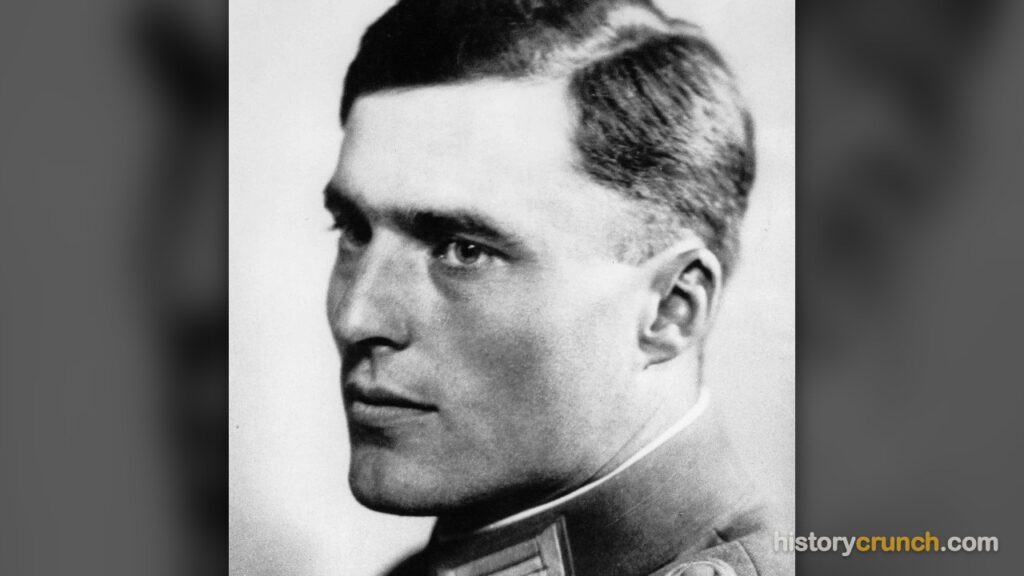
German officers led by Claus von Stauffenberg planted a bomb in Hitler's headquarters. It went off, Hitler survived with minor injuries, and around 5,000 people were executed in the reprisals that followed.
LEARN MORESHOW LESSwhy it matters · 2 key figuresPOLITICALIt is the best-known of roughly forty attempts on Hitler's life, and the strongest evidence that opposition existed inside Germany. Its failure also let Hitler purge the army of anyone he suspected, tightening his grip for the last ten months of the war.
The Polish Home Army rose against the German occupation expecting Soviet help. The Red Army stopped outside the city, the rising was crushed over 63 days, and Warsaw was destroyed.
LEARN MORESHOW LESSwhy it matters · a debateSOCIALThe Polish Home Army rose as Soviet forces reached the far bank of the Vistula, and the Soviets stopped there. The city was destroyed and the Polish resistance with it, which suited Stalin's postwar plans.
Why did the Red Army stop at the Vistula?
It could not go on. Soviet forces had advanced hundreds of miles in six weeks and had outrun their fuel, ammunition and bridging.
It chose not to. A destroyed Polish resistance suited Stalin's plans for a postwar Poland he would control, and Soviet forces waited while the Germans did the destroying.
French and American troops entered Paris after four years of occupation, and the German commander disobeyed orders to burn the city. De Gaulle walked down the Champs-Elysees the next day.
LEARN MORESHOW LESSwhy it matters · 2 key figuresPOLITICALThe liberation was as much political as military. Getting Free French forces into Paris first gave de Gaulle the standing to lead France afterward and helped avoid a fight over who would govern.
Allied paratroopers tried to seize a chain of bridges into Germany and hold them until ground forces arrived. The last bridge at Arnhem was a bridge too far, and the war ran into another winter.
LEARN MORESHOW LESSwhy it matters · 2 key figuresMILITARYThe plan to end the war by Christmas failed at the last bridge. It meant another winter of fighting in Europe, and it left the Dutch population under occupation through a famine.
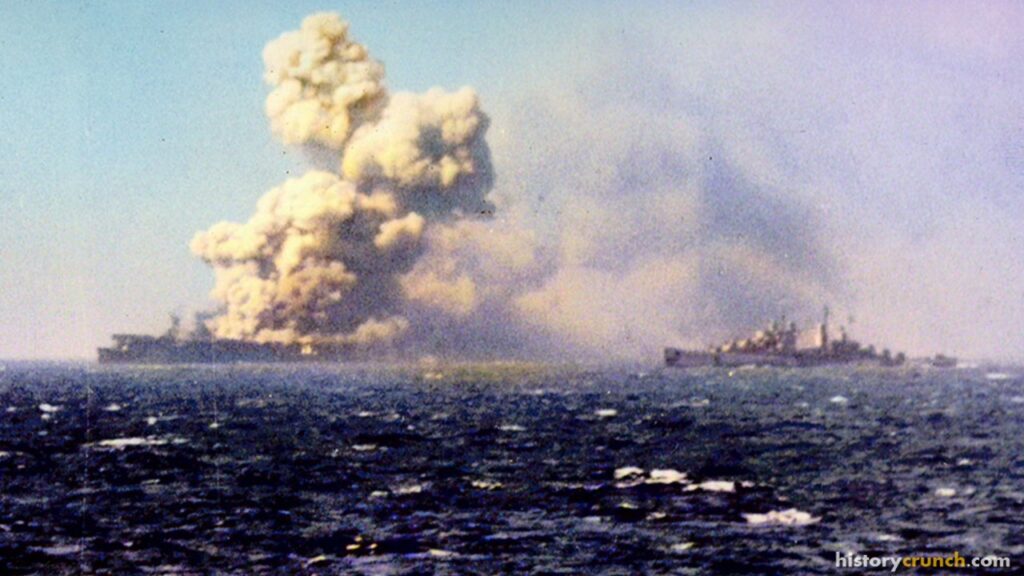
Around 200 American and 70 Japanese warships fought across an area the size of France, and what remained of the Japanese fleet was destroyed. It was also where organized kamikaze attacks began.
LEARN MORESHOW LESSwhy it matters · 3 key figuresMILITARYThe largest naval battle ever fought. After it, Japan no longer had a fleet capable of contesting the Pacific, and the war at sea was effectively over.
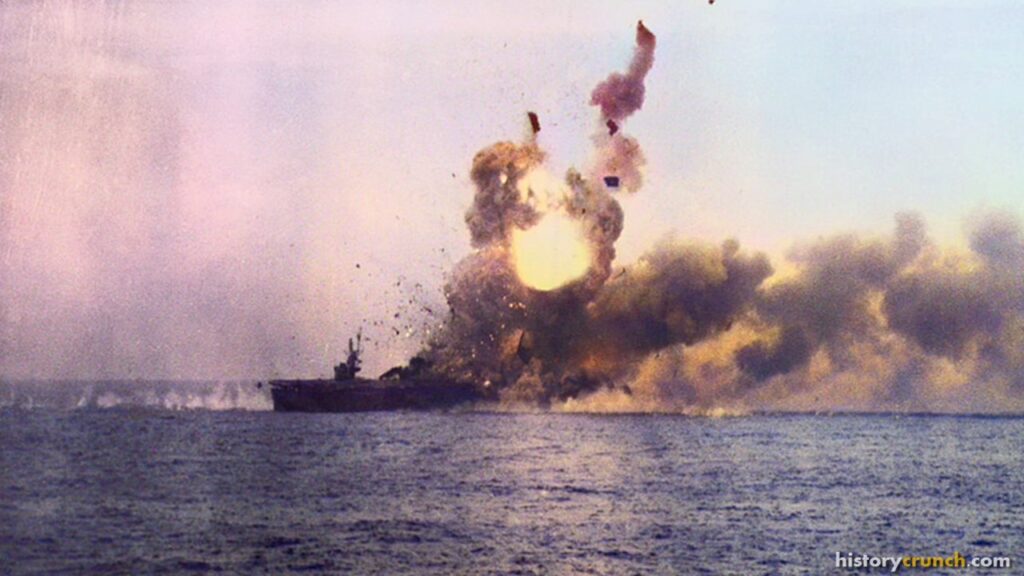
Japanese pilots began deliberately crashing aircraft into Allied ships. Around 3,800 pilots died, and the tactic caused more American naval casualties than any other.
LEARN MORESHOW LESSwhy it mattersMILITARYDeliberate suicide attacks were a sign of how badly the war was going for Japan. They also weighed heavily on American planning for an invasion, and on the arguments made for using the atomic bomb.
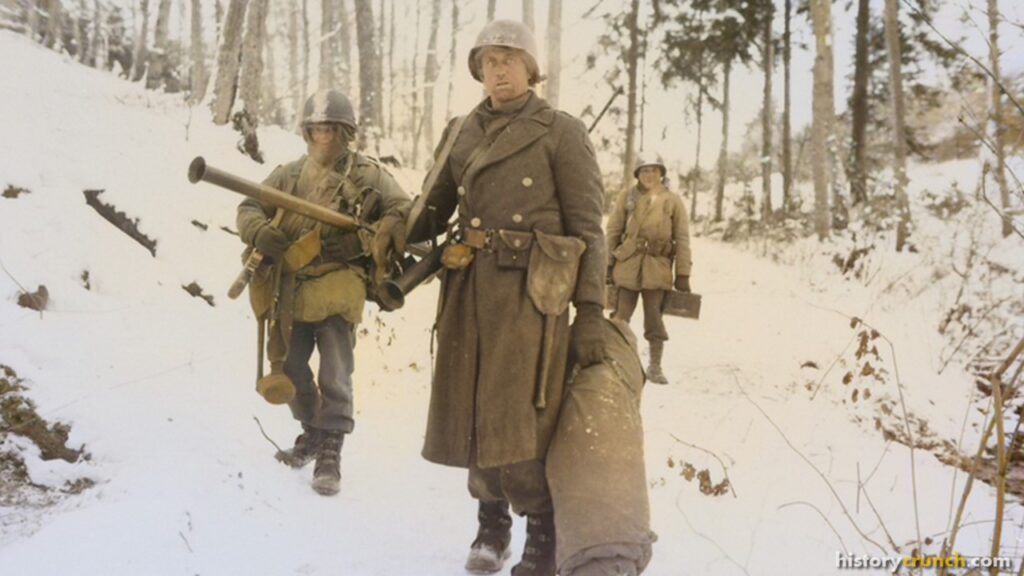
Germany threw its last reserves at the thinly held Ardennes, a hilly forest in Belgium and Luxembourg, in winter fog that grounded Allied aircraft. The line bent, held, and Germany had nothing left afterwards.
LEARN MORESHOW LESSwhy it matters · key numbers · 3 key figuresMILITARYGermany spent its last reserves and gained nothing. After the Bulge there was no force left to slow the advance from either direction.
In January 1945 Soviet forces broke out of their bridgeheads on the Vistula river and reached the Oder in under three weeks. That put the Red Army roughly fifty miles from Berlin, and left the outcome of the war in Europe beyond doubt.
LEARN MORESHOW LESSwhy it mattersMILITARYIn under three weeks Soviet armies covered the distance from central Poland to the German border. It also meant the Red Army, not the western Allies, would be the force that took Berlin.
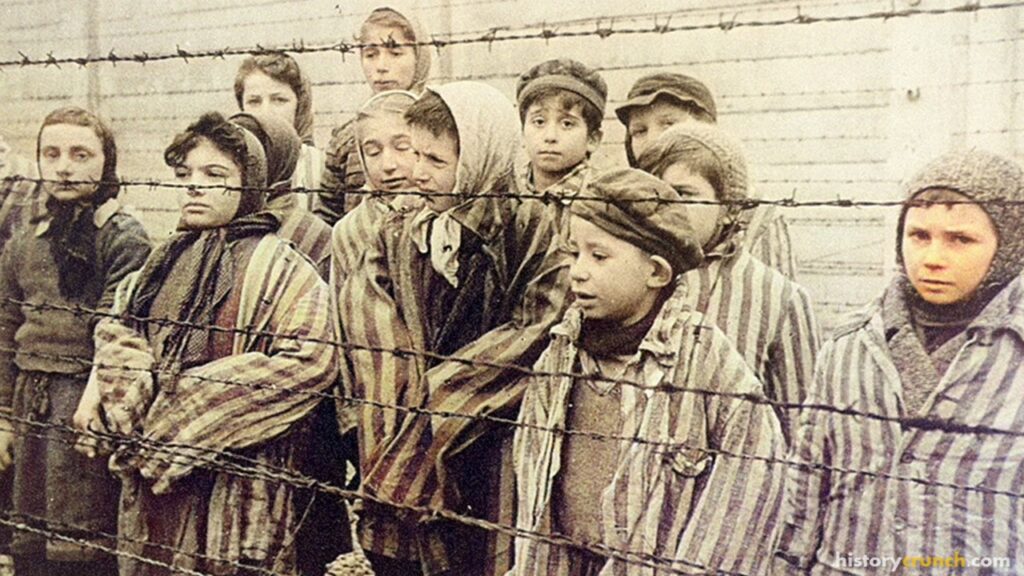
Allied soldiers reached the camps and found what had been rumoured but not believed. What they photographed and recorded became the evidence used at the trials.
LEARN MORESHOW LESSwhy it matters · 3 key figuresSOCIALSoldiers and then newsreel cameras recorded what was inside. That evidence is why the Holocaust could not be denied afterward, and it shaped the trials, the newsreels and the textbooks that followed.
Germany surrendered in May 1945, Japan in August. Soviet and American troops met at the Elbe river in Germany, and Hitler killed himself rather than be captured. The atomic bombs and the Soviet declaration of war came within days of each other, and historians still argue about which mattered more. The Yalta and Potsdam conferences divided Europe, the Nuremberg trials established that individuals answer for waging war, and the alliance collapsed within two years.
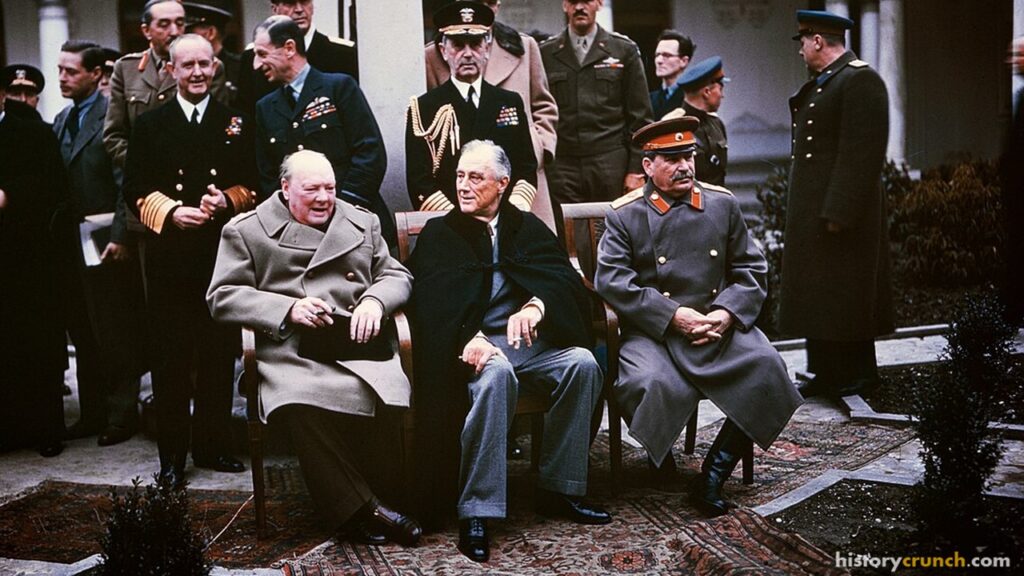
The Big Three met in Crimea to settle what would happen to Germany and to Eastern Europe. The agreements made there drew the lines of the Cold War.
LEARN MORESHOW LESSwhy it matters · 3 key figuresPOLITICALThe Big Three agreed how Germany and eastern Europe would be handled after the war. Much of the map of the Cold War was drawn at this meeting, while the fighting was still going on.
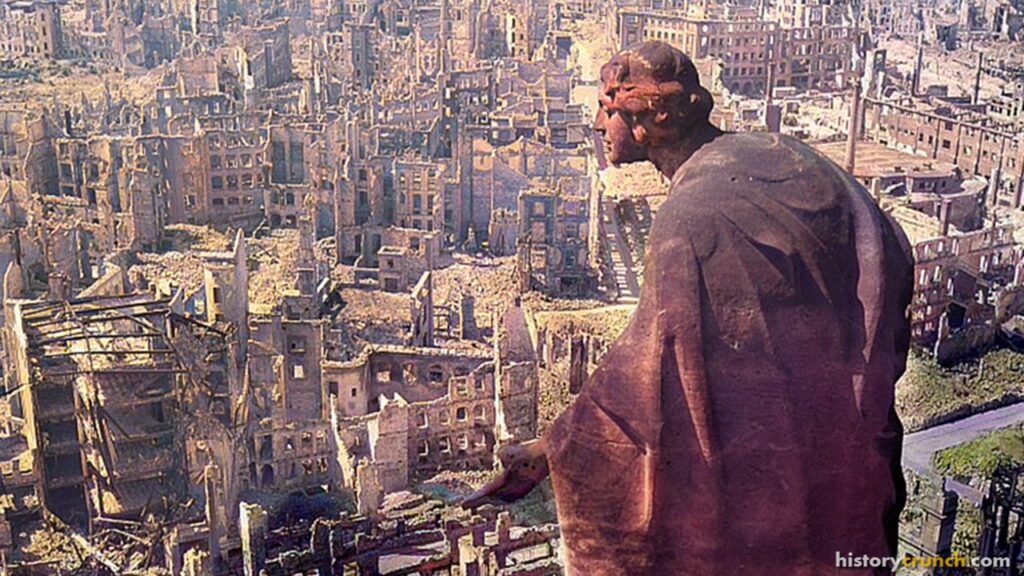
Allied bombers destroyed the city in two nights, raising a firestorm that killed around 25,000 people. It remains the most argued-about Allied action of the war.
LEARN MORESHOW LESSwhy it matters · a debate · 1 key figureMILITARYA city with limited military value was destroyed weeks before the war ended. Dresden is the case people reach for when they ask whether Allied strategic bombing was fought the war justly, and the argument has never settled.
Was the bombing of Dresden justified?
It was a legitimate target. Dresden was a transport and communications hub feeding the Eastern Front, and the raid was requested to help the Soviet advance.
It was not. The city had little military value by February 1945, the war was months from over, and the raid killed tens of thousands of civilians in a firestorm.
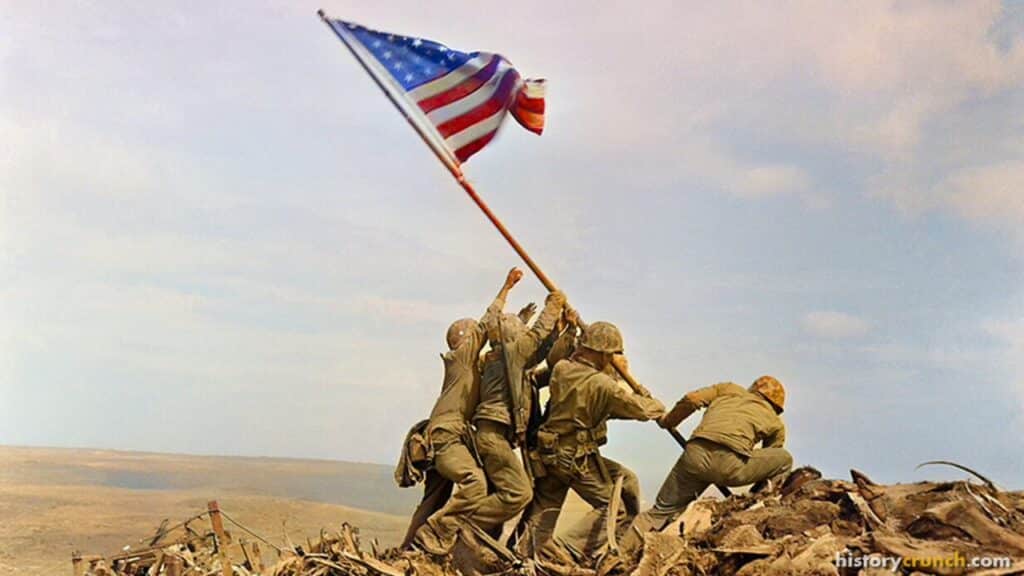
Eight square miles of volcanic rock cost nearly 7,000 American lives. Almost the entire Japanese garrison of 21,000 fought to the death.
LEARN MORESHOW LESSwhy it mattersMILITARYA small island cost tens of thousands of casualties, and almost the entire Japanese garrison fought to the death. It is one of the key pieces of evidence used in arguments about invading Japan.
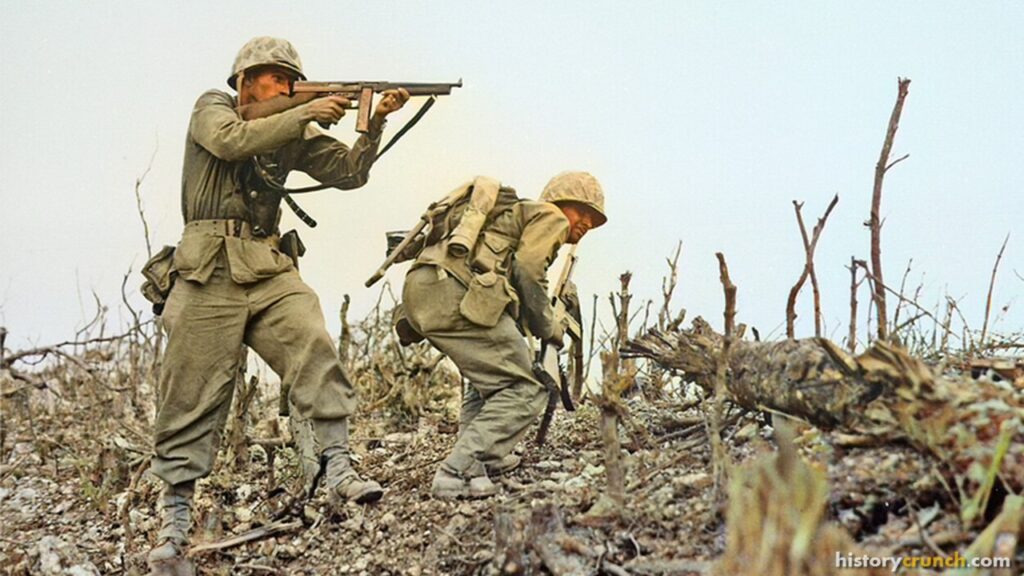
The last great battle of the Pacific killed over 12,000 Americans, 77,000 Japanese soldiers and perhaps 100,000 civilians. It shaped every argument about what invading Japan would cost.
LEARN MORESHOW LESSwhy it mattersMILITARYThe bloodiest battle of the Pacific war, with enormous civilian as well as military losses. American planners looked at Okinawa and multiplied it when they estimated the cost of invading Japan itself.
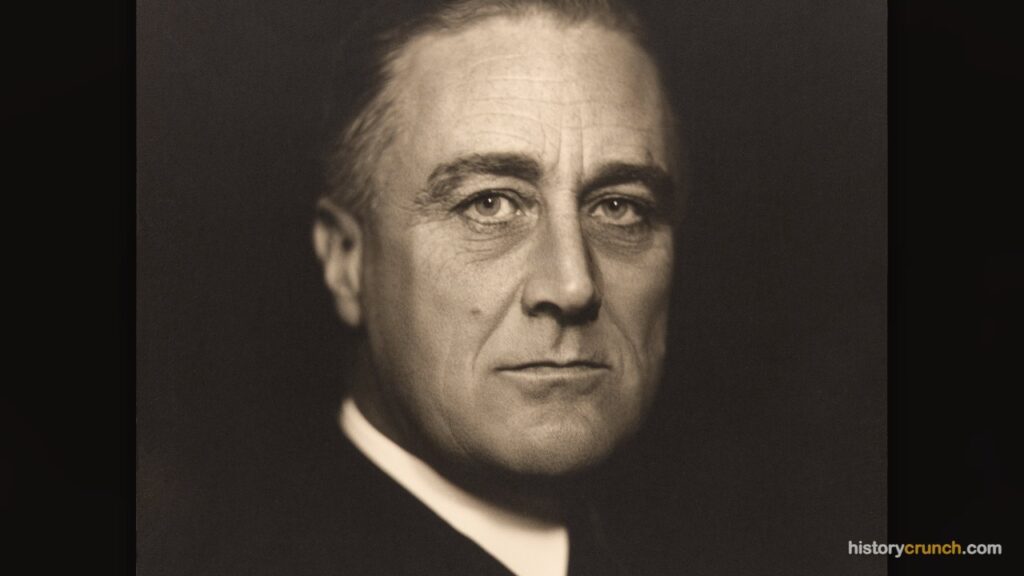
Roosevelt died weeks before the German surrender, having led the United States for twelve years. Harry Truman, who had been Vice President for 82 days, had not been told the atomic bomb existed.
LEARN MORESHOW LESSwhy it matters · 2 key figuresPOLITICALRoosevelt died weeks before victory in Europe. Truman took over knowing almost nothing about the atomic bomb, and within four months he was the one deciding whether to use it.
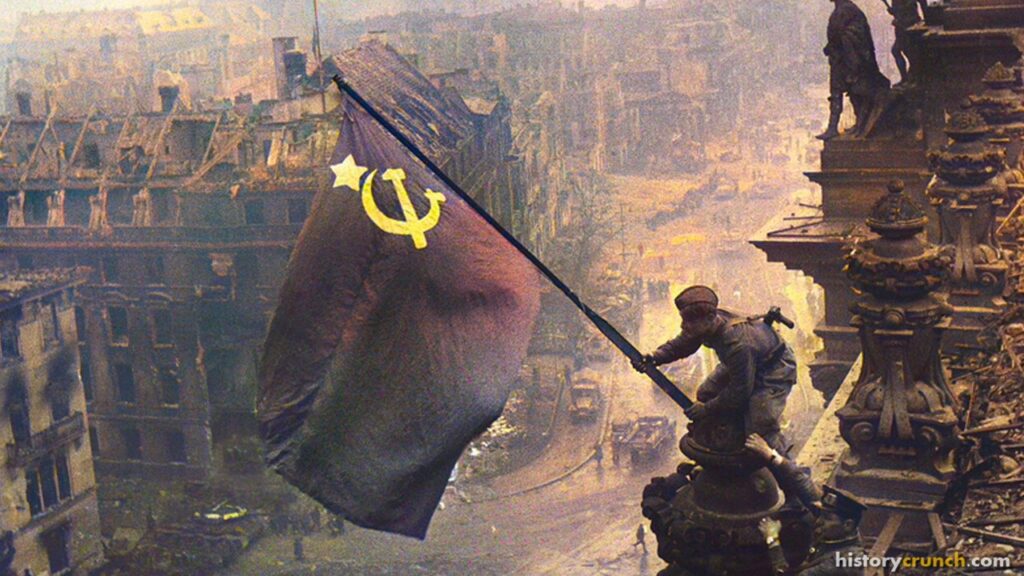
Two and a half million Soviet troops closed on the German capital. The fighting was street by street and cost around 80,000 Soviet lives in two weeks.
LEARN MORESHOW LESSwhy it matters · 1 key figureMILITARYThe final battle in Europe was fought street by street at enormous cost. It also decided who occupied Berlin, which is why the city spent the next forty five years divided.
Soviet and American soldiers met at Torgau on the Elbe river. Germany was now cut in two, and the two armies that had spent years advancing toward each other from opposite ends of Europe were finally face to face. The line where they met became an early sketch of the divide that split Europe for the next forty years.
LEARN MORESHOW LESSwhy it mattersMILITARYThe Cold War is often dated from 1947 or later. The map that made it possible was drawn here, by which army arrived where.
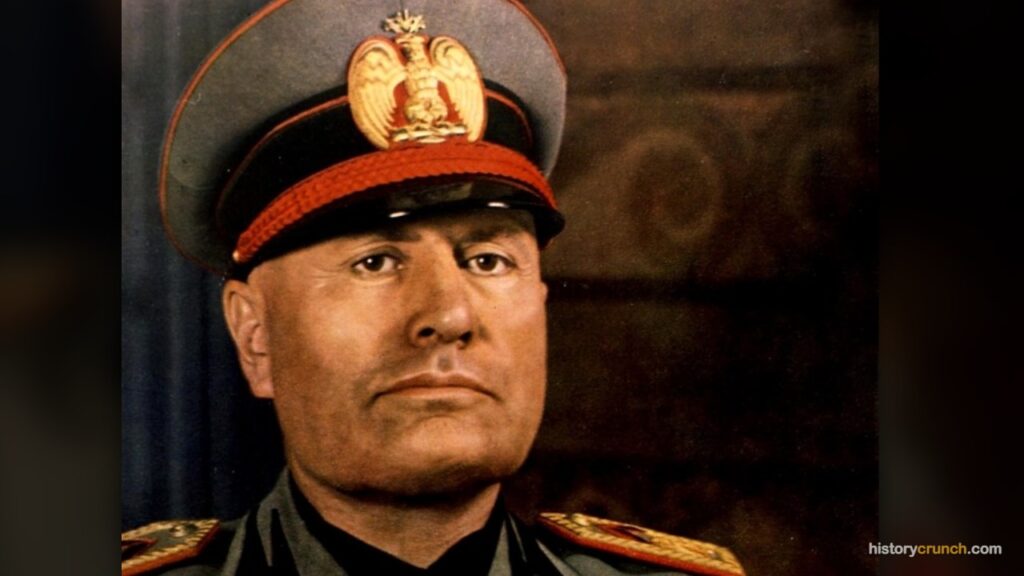
Mussolini was caught trying to escape to Switzerland and shot by Italian partisans. His body was hung in a Milan square.
LEARN MORESHOW LESSwhy it matters · 1 key figurePOLITICALThe man who invented fascism was killed by Italian partisans and his body displayed in Milan. Hitler heard about it two days before his own death, and it is often said to have influenced how he chose to die.
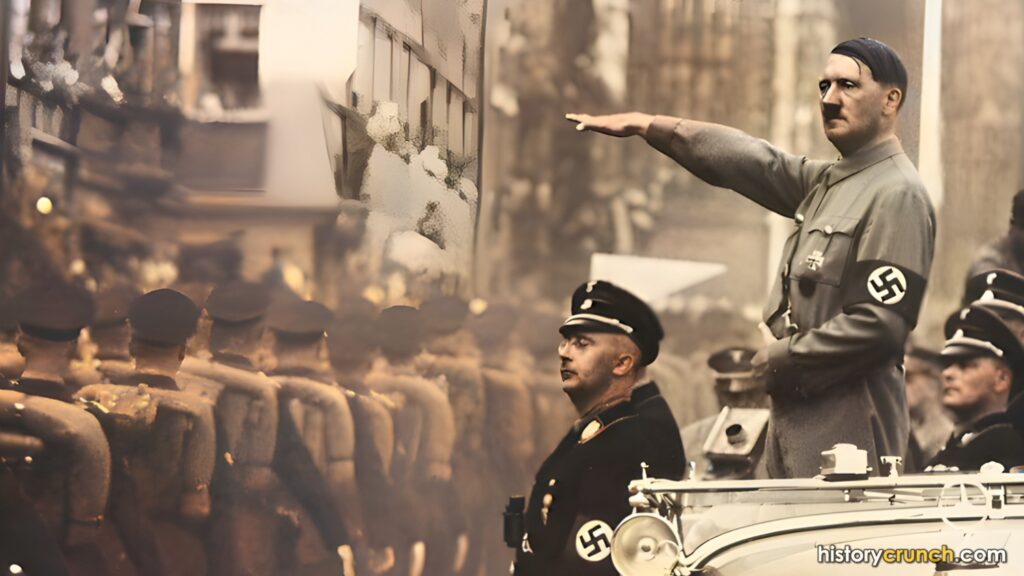
With Soviet troops streets away, Hitler killed himself in his bunker in Berlin. He had been in power for twelve years and four months.
LEARN MORESHOW LESSwhy it matters · 3 key figuresPOLITICALHitler killed himself rather than be captured, and the government he built collapsed within a week. It also meant he never stood trial, so the reckoning at Nuremberg had to happen without him.
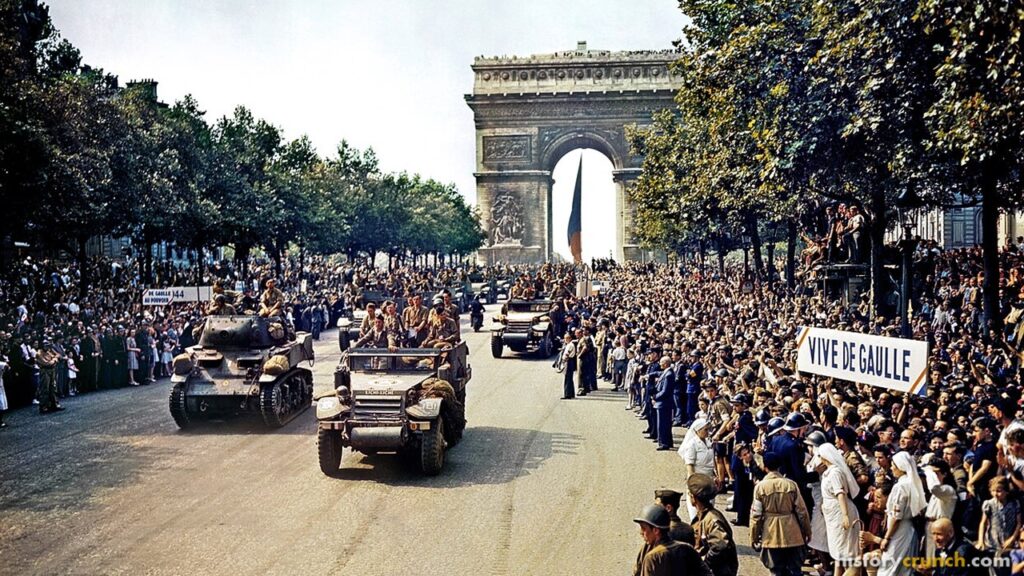
Germany surrendered unconditionally and the war in the European theater ended. Crowds filled the streets of London, Paris, Moscow and New York, while the war against Japan went on.
LEARN MORESHOW LESSwhy it matters · 2 key figuresPOLITICALSix years of war in Europe ended. Around 40 million people had died there, and the continent that had begun the war as the center of world power finished it divided between two others.
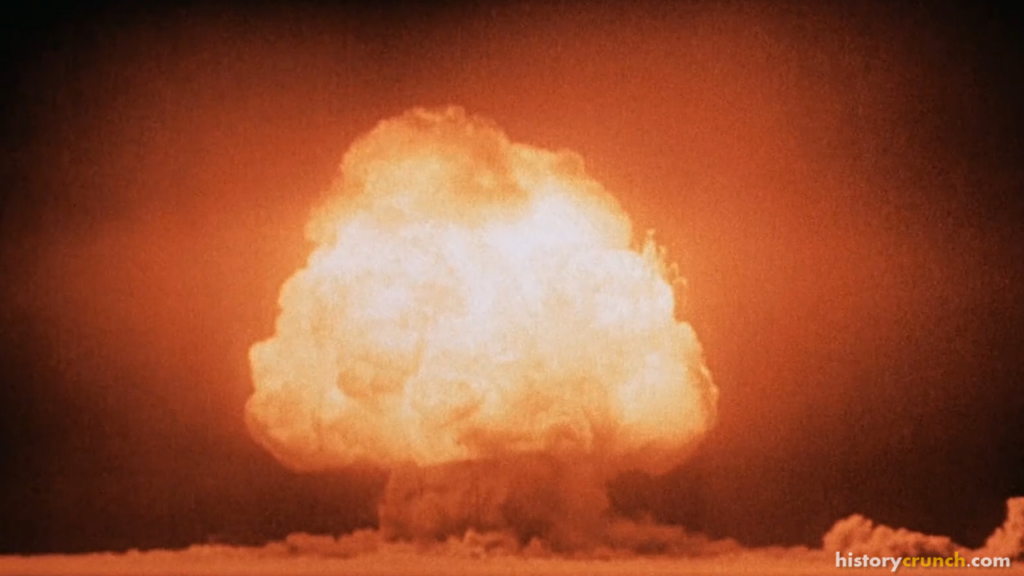
A test bomb was detonated in the New Mexico desert. Oppenheimer, who led the project, said a line from Hindu scripture came into his head: now I am become death, the destroyer of worlds.
LEARN MORESHOW LESSwhy it matters · a source · 2 key figuresSCIENCEThe test proved the bomb worked, and Harry Truman learned of it while meeting Stalin at the Potsdam conference. From that morning the world had a weapon that could destroy a city in a moment.
IN THEIR OWN WORDS“Now I am become death, the destroyer of worlds.”
Robert Oppenheimer, recalling the Trinity test, July 1945
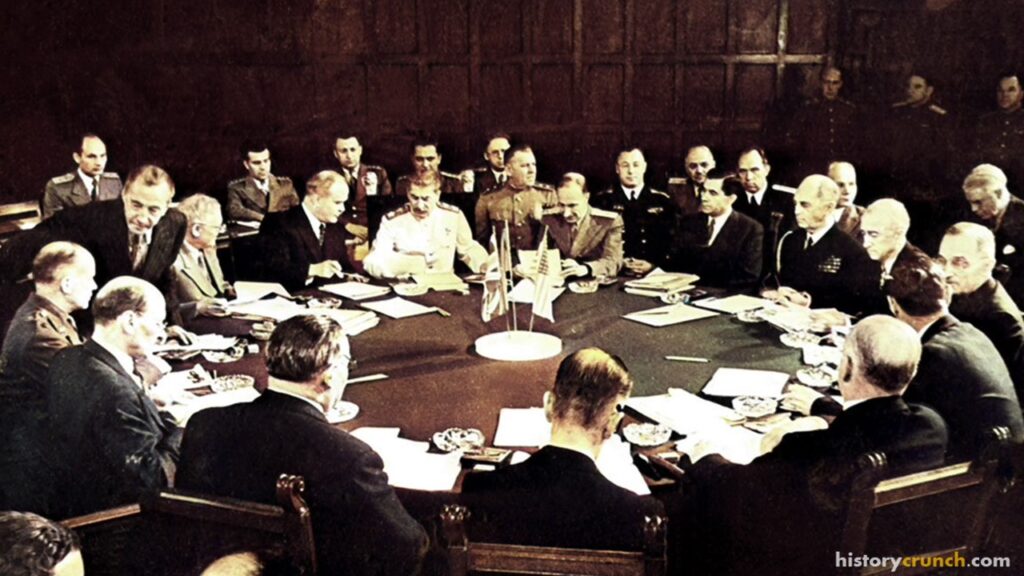
Truman, Winston Churchill and Stalin met to settle post-war Germany and to demand Japan's surrender. It was at Potsdam that Truman told Stalin, vaguely, about a powerful new weapon.
LEARN MORESHOW LESSwhy it matters · 3 key figuresPOLITICALThe last wartime conference, and the mood had changed. The demand for Japan's surrender was issued here, and the disagreements between the Allies at Potsdam are effectively the opening of the Cold War.
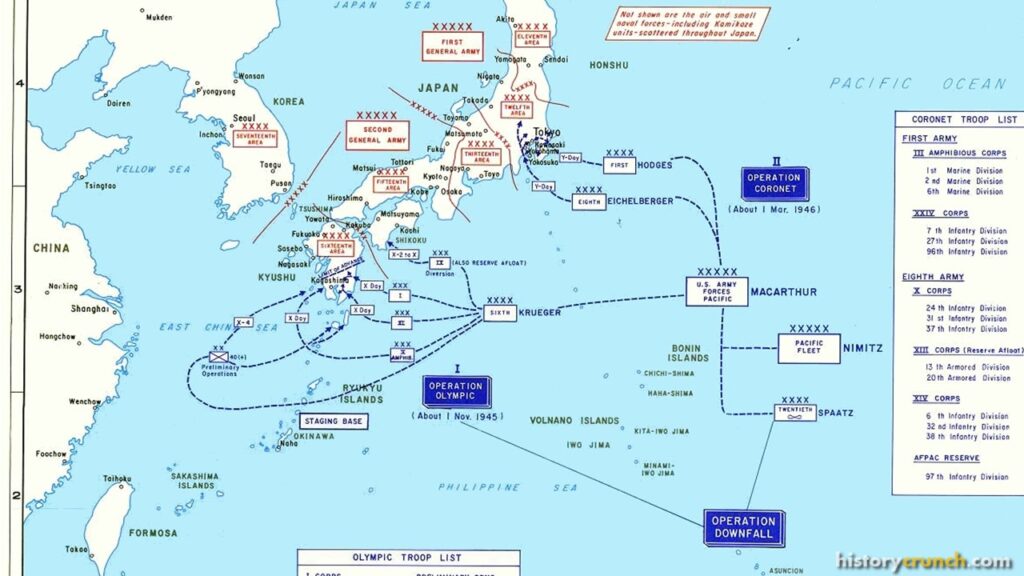
The planned invasion of Japan was never launched. The casualty estimates prepared for it are still central to every argument about whether the bombs were justified.
LEARN MORESHOW LESSwhy it matters · 2 key figuresMILITARYThe planned invasion of Japan was expected to cost enormous numbers of lives on both sides. Those estimates are central to every argument made for and against dropping the atomic bombs.
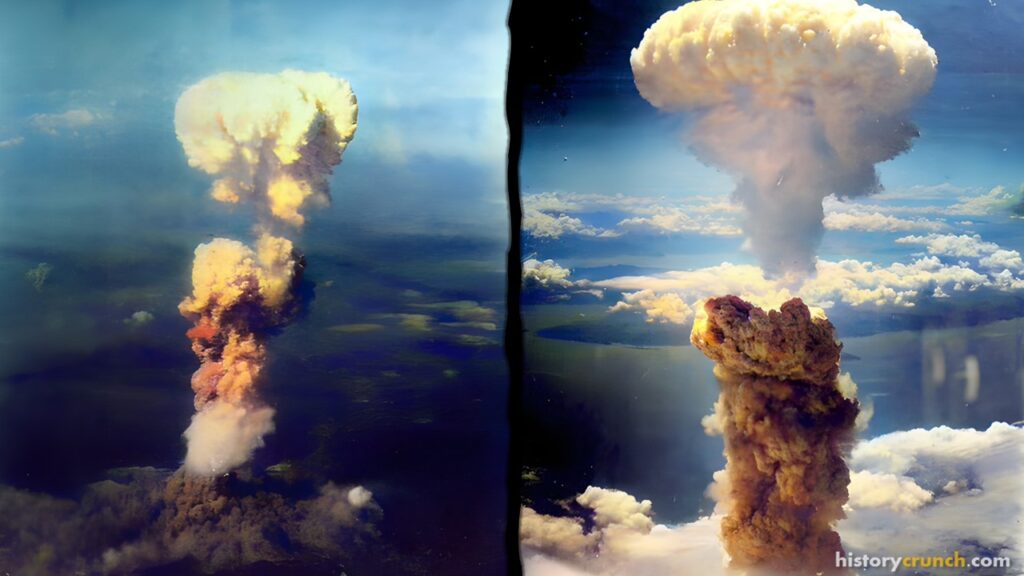
A single bomb destroyed most of Hiroshima and killed around 80,000 people immediately. Tens of thousands more died later from burns and radiation.
LEARN MORESHOW LESSwhy it matters · key numbers · a debateMILITARYThe most argued-about decision of the twentieth century. It ended the war within days and opened the nuclear age, and both of those things are still being debated.
The Soviet Union declared war on Japan two days after Hiroshima. Which of the two, the bombs or the Soviet entry, actually forced the surrender is still genuinely disputed.
Did the atomic bomb have to be used?
Yes. An invasion was expected to cost enormous numbers of lives on both sides, and Japan's army was still refusing to surrender after months of conventional bombing.
No. Japan was already close to collapse, the Soviet declaration of war was the greater shock, and a demonstration or a modified surrender offer was never tried first.
The Soviet Union declared war and invaded Japanese-held Manchuria, a region of northern China, with over a million men. Some historians argue this weighed as heavily on Japan's surrender as the bombs did.
LEARN MORESHOW LESSwhy it matters · 1 key figurePOLITICALThe Soviet attack in Manchuria came between the two atomic bombs. Some historians argue it mattered as much as the bombs in convincing Japan's leaders that there was no way out.
The second bomb was dropped on Nagasaki, killing around 40,000 people immediately. Japan announced its surrender six days later.
LEARN MORESHOW LESSwhy it matters · key numbers · 2 key figuresMILITARYThe second bomb, three days after the first, removed any hope that the United States had only one. Japan announced its surrender six days later.
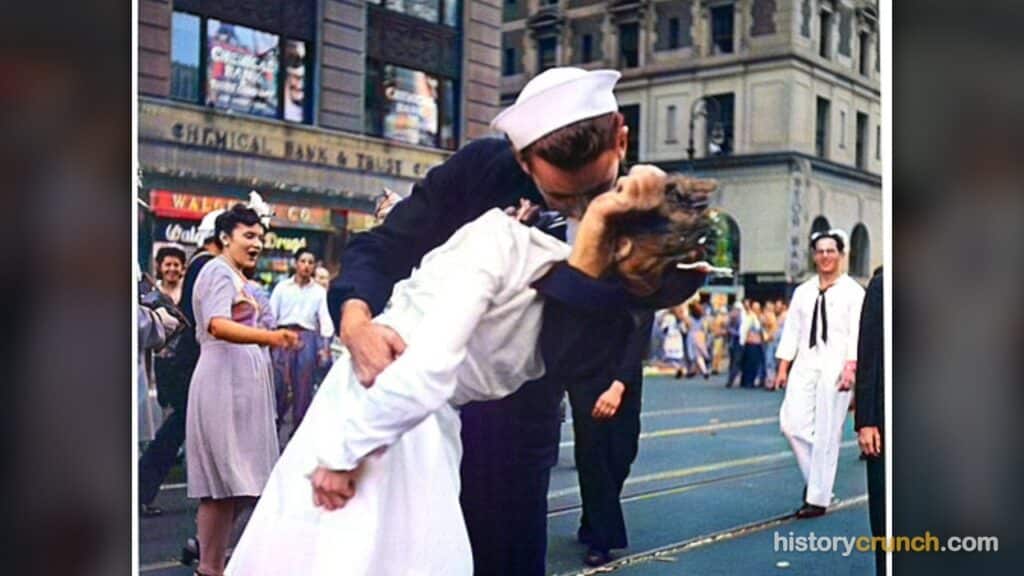
Emperor Hirohito announced the surrender by radio, the first time most Japanese people had heard his voice. Crowds celebrated across the Allied nations.
LEARN MORESHOW LESSwhy it matters · key numbers · 1 key figurePOLITICALThe war was over. What followed was an American occupation that rebuilt Japan as a democracy, an outcome almost nobody predicted in 1945.
Japanese officials signed the surrender aboard an American battleship in Tokyo Bay. The Second World War was formally over, six years and one day after it began.
LEARN MORESHOW LESSwhy it matters · 1 key figurePOLITICALThe formal surrender on the deck of the USS Missouri ended a war that had killed an estimated 70 to 85 million people. The occupation of Japan began the same day and reshaped the country for the rest of the century.
Fifty one countries founded the United Nations, built to succeed where the League of Nations had failed. This time the United States joined.
LEARN MORESHOW LESSwhy it matters · key numbers · elsewherePOLITICALBuilt deliberately to fix what had broken the League: the great powers were given permanent seats and a veto, so that they would stay inside it rather than walk out.
India, Indonesia and Vietnam were all pushing for independence in the same year. The war had drained the European empires, and the world map was about to be redrawn.
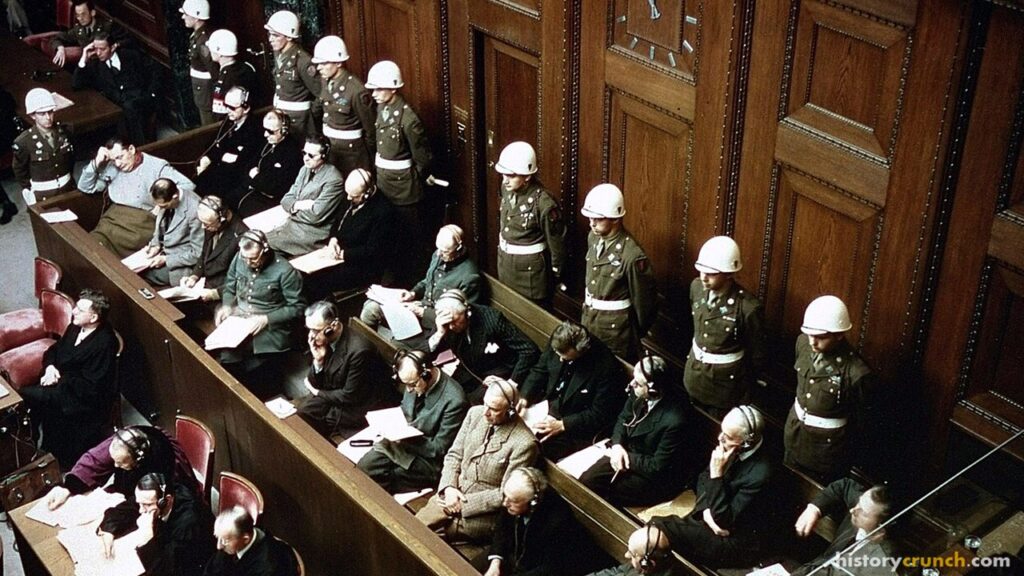
Senior Nazi leaders were tried by an international court for war crimes and crimes against humanity. It established that following orders is not a defense.
LEARN MORESHOW LESSwhy it matters · key numbers · elsewherePOLITICALFor the first time, leaders were tried by an international court for what they did to their own citizens and to civilians. Following orders was ruled to be no defense, and that principle is still the basis of international law.
The Tokyo Trials followed six months later on the same principles, and the Cold War was already dividing the four powers who were jointly running the court.
Japanese military and political leaders were tried in Tokyo on the same principles used at Nuremberg. Twenty five were convicted and seven were executed.
LEARN MORESHOW LESSwhy it matters · 2 key figuresPOLITICALJapanese leaders were tried on the same principle used at Nuremberg, that individuals can be held responsible for waging war. The decision not to try the Emperor is still argued about.
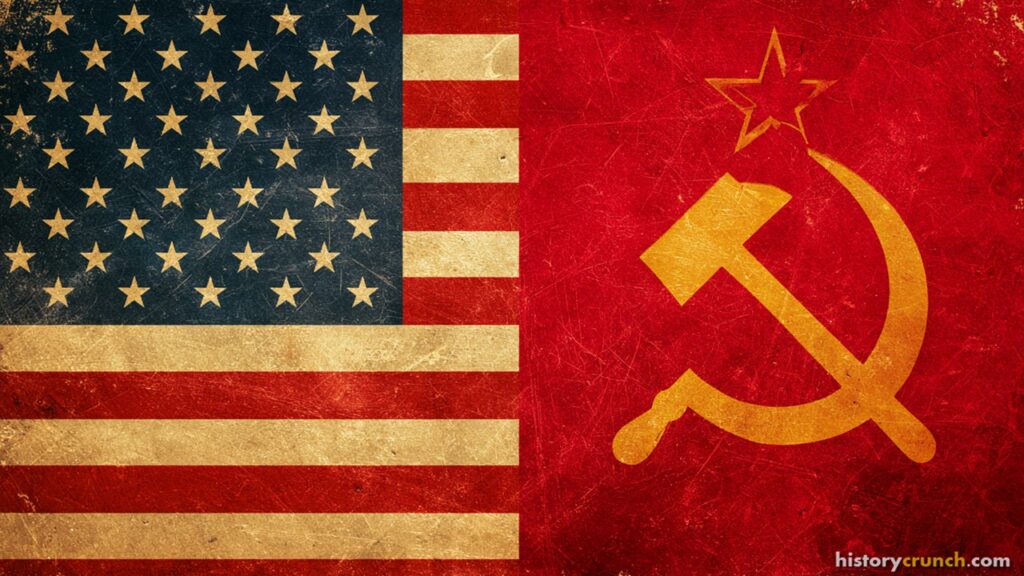
The alliance that beat Germany fell apart almost immediately. Europe was divided between Soviet and Western spheres, and the next forty years were shaped by it.
LEARN MORESHOW LESSwhy it matters · 2 key figuresPOLITICALThe alliance that beat Germany did not survive the peace. Within two years the powers that had fought together were dividing Europe between them along what Winston Churchill named the iron curtain, and the postwar world was set for forty years.
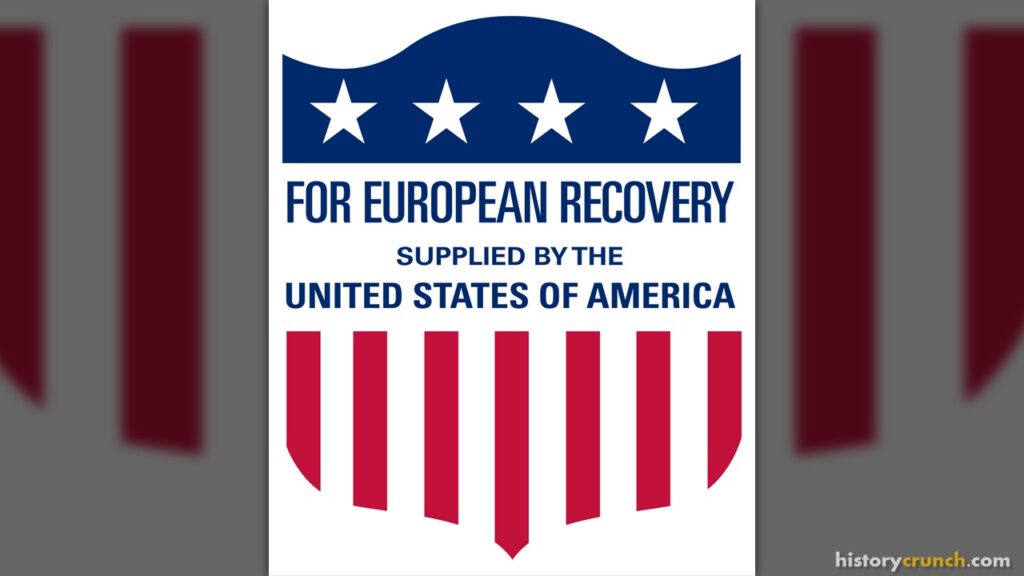
The United States offered 13 billion dollars to rebuild Western Europe, partly out of self-interest, since the ruined economies of the 1930s had helped produce the last war.
LEARN MORESHOW LESSwhy it matters · 1 key figureECONOMICThe United States paid to rebuild western Europe rather than punish it. It is the deliberate opposite of what was done in 1919, and comparing the two is one of the clearest lessons the century offers.

I'm the founder of History Crunch, which I first began in 2015 with a small team of like-minded professionals. I have an Education Degree with a focus in Social Studies education. I spent nearly 15 years teaching history, geography and economics in secondary classrooms to thousands of students. Now I use my time and passion researching, writing and thinking about history education for today's students and teachers.

I'm a passionate history and geography teacher with over 15 years of experience working with students in the middle and high school years. I have an Education Degree with a focus in World History. I have been writing articles for History Crunch since 2015 and love the challenge of creating historical content for young learners!

K.L. is a content writer for History Crunch. She is a fantastic history and geography teacher that has been helping students learn about the past in new and meaningful ways since the mid-2000s. Her primary interest is Ancient History, but she is also driven by other topics, such as economics and political systems.
To cite this timeline as a source, use one of the formats below.
MLA: Millar, B., et al. “World War II Timeline.” HistoryCrunch, 9 September 2026, https://historycrunch.com/world-war-ii-timeline/.
APA: Millar, B., Beck, E., & Woida, K.L. (2026). World War II Timeline. HistoryCrunch. https://historycrunch.com/world-war-ii-timeline/
Chicago: Millar, B., Elias Beck, and K.L Woida. “World War II Timeline.” HistoryCrunch. September 9, 2026. https://historycrunch.com/world-war-ii-timeline/
© History Crunch
How did the Treaty of Versailles and the Great Depression help bring Adolf Hitler to power in Germany?
Historians disagree about how much the Treaty of Versailles mattered. Some argue its terms made another war likely. Others point out that Germany had largely recovered by 1928, and that the Depression, not the treaty, is what put Hitler in reach of power.
Why did the League of Nations fail to stop Japan, Italy and Germany in the 1930s?
Historians disagree about whether the League was doomed by its own design or by its members. Some argue it had no army and no American membership and so could never have worked. Others say Britain and France simply chose not to use the power they had.
How did Germany, Italy and Japan end up on the same side before the war began?
Historians disagree about how real the Axis ever was. Some point to the treaties and the shared enemies. Others note that the three countries rarely coordinated, kept secrets from each other, and fought largely separate wars.
How did Adolf Hitler turn the office of German Chancellor into a dictatorship during 1933 and 1934?
Some historians stress that Hitler was appointed legally, by politicians who believed they could control him. Others argue that Nazi street violence had already made normal government impossible, so the legality was a formality.
Why did Britain and France appease Nazi Germany between 1936 and 1939, and what finally ended appeasement?
Appeasement was treated for years as simple cowardice. Many historians now argue Britain was buying time to rearm. They still disagree about whether the last cheap chance to stop Germany was 1938 or 1936.
Why did Japan attack Pearl Harbor in 1941, and how did the war in the Pacific turn against Japan?
Historians disagree about what Japan's leaders expected. Some argue they knew a long war was unwinnable and gambled on a quick blow and a negotiated peace. Others think they misread American willingness to fight.
Why did Operation Barbarossa, the German invasion of the Soviet Union, end in German defeat?
Historians disagree about what defeated Germany in the east: the distances and the winter, Soviet numbers and factories, or Hitler's own decisions as commander.
How did Germany conquer Western Europe in six weeks in 1940?
Historians disagree about why France collapsed so fast. Some blame the plan and the placing of the reserves. Others argue French forces were divided politically before a shot was fired.
How did Britain survive the Battle of Britain and the Blitz in 1940 after the fall of France?
Historians argue about how close Germany came to invading. Some say the Battle of Britain decided it. Others say the German navy could never have carried an army across the Channel whatever happened in the air.
How did the German invasion of the Soviet Union and the Japanese attack on Pearl Harbor turn a European war into a world war?
Historians disagree about why Germany declared war on the United States when it had no treaty obligation to. Some see a deliberate gamble, others a decision taken with little thought about American industry.
Why did Germany attack toward the Caucasus in 1942 instead of trying for Moscow again?
Historians disagree about whether the drive south was a reasonable gamble for oil or a fatal loss of focus, and about how much blame belongs to Hitler rather than to his generals.
How far did Japan expand in the six months after Pearl Harbor?
Historians disagree about why Japan expanded so far so fast, and about whether the plan was ever to hold that much ground or simply to make retaking it look too expensive.
How did Italy go from being Mussolini's fascist ally of Nazi Germany to being a battlefield of the Allied invasion?
Historians disagree about whether the Italian campaign was worth its cost. Some say it held down German divisions that were needed elsewhere. Others call it a slow and expensive sideshow.
Why do historians call 1942 the turning point of World War II, and what happened at Midway, Stalingrad and El Alamein?
Historians disagree about which battle was the turning point, and some argue there was no single one. On that view the war turned when the United States and the Soviet Union were both in it, and the battles only showed what had already changed.
How did the Allies fight their way back across the Pacific toward Japan?
Historians disagree about whether island hopping saved lives or simply concentrated the killing on fewer islands, and about how much the naval blockade rather than the landings was strangling Japan.
How did the Allies open a second front in Western Europe between the Dieppe Raid of 1942 and the Battle of the Bulge?
Stalin argued the second front came two years late, and some historians agree. Others answer that a landing in 1942 or 1943 would have failed the way Dieppe did.
How did Allied deception operations, Mincemeat and Fortitude, shape the invasions of Sicily and Normandy?
Historians disagree about how much the deception mattered. Some argue Fortitude bought the weeks that made Normandy work. Others say Allied strength would have carried the landings anyway.
How did Nazi persecution of Jewish people in Germany become the Holocaust?
Historians disagree about whether the Holocaust followed a long-held plan or developed step by step during the war. Most now argue it was both: the aim was there from early on, and the method was decided as the invasion of the Soviet Union unfolded.
Who else did the Nazis target besides Jewish people, and how did the mass killing of the Holocaust begin?
Historians disagree about how directly the euthanasia programme led to the death camps. Most now accept that the same personnel and the same methods moved east, but disagree about how early that was intended.
What happened inside the Nazi concentration and death camps of the Holocaust, and who resisted?
Historians disagree about whether the Allies could have done more, and in particular about whether bombing the railways to Auschwitz was practical or would have achieved anything.
What did the German invasion of the Soviet Union cost civilians in Leningrad and Warsaw?
Historians disagree about how to count the civilian dead in the east, and about how much of the starvation at Leningrad was a deliberate German policy rather than a consequence of the siege.
Who resisted Nazi rule inside occupied Europe, and what happened to the Warsaw uprisings and the July Plot against Hitler?
Historians disagree about how much resistance movements changed the military outcome, and about how to weigh that against the reprisals taken on civilians afterwards.
How did the war in Europe end, from the failure at Arnhem to the German surrender?
Historians disagree about the bombing of Dresden: whether it was a legitimate military target late in a war, or a raid whose destruction went far beyond what it achieved.
How were Nazi and Japanese leaders held responsible for war crimes after World War II?
Historians disagree about whether Nuremberg was justice or victors' justice, since no Allied action was ever put on trial.
Why did the United States drop atomic bombs on Hiroshima and Nagasaki in 1945?
Historians disagree about why the bombs were used: to end the war within days, to avoid an invasion of Japan that American planners expected to cost enormous casualties, to limit Soviet gains in Asia, or some mix of the three. They also disagree about how close Japan already was to surrender.
Which scientific and technical advances changed World War II the most?
Historians disagree about which mattered most, and about whether any of it shortened the war on its own. Code-breaking is usually credited with saving years in the Atlantic; others argue Allied industrial output would have decided the war regardless of what anyone read or built.
How did World War II change daily life for civilians on the British, American and German home fronts?
Historians disagree about how lasting the changes were for women, because many were pushed out of the same jobs as soon as the war ended.
How did the Allies plan the peace while the war was still being fought?
Historians disagree about Yalta. Some argue Franklin Roosevelt and Winston Churchill gave away Eastern Europe. Others answer that the Red Army already held it and no agreement was going to change that.
How did the Allied nations of World War II become enemies in the Cold War?
Historians disagree about who started the Cold War, and whether it grew out of Soviet expansion, American power, or both sides misreading each other.
What did the Allies build after World War II to stop another world war, and did it work?
Historians disagree about how much of this was idealism and how much was self-interest. The Marshall Plan rebuilt Europe and also built a market and a wall against Soviet influence, and historians weigh those two motives differently.
No question matches that word.
Research question 1How did the Treaty of Versailles and the Great Depression help bring Adolf Hitler to power in Germany?
Research question 2Why did the League of Nations fail to stop Japan, Italy and Germany in the 1930s?
Research question 3How did Germany, Italy and Japan end up on the same side before the war began?
Research question 4How did Adolf Hitler turn the office of German Chancellor into a dictatorship during 1933 and 1934?
Research question 5Why did Britain and France appease Nazi Germany between 1936 and 1939, and what finally ended appeasement?
Research question 6Why did Japan attack Pearl Harbor in 1941, and how did the war in the Pacific turn against Japan?
Research question 7Why did Operation Barbarossa, the German invasion of the Soviet Union, end in German defeat?
Research question 8How did Germany conquer Western Europe in six weeks in 1940?
Research question 9How did Britain survive the Battle of Britain and the Blitz in 1940 after the fall of France?
Research question 10How did the German invasion of the Soviet Union and the Japanese attack on Pearl Harbor turn a European war into a world war?
Research question 11Why did Germany attack toward the Caucasus in 1942 instead of trying for Moscow again?
Research question 12How far did Japan expand in the six months after Pearl Harbor?
Research question 13How did Italy go from being Mussolini's fascist ally of Nazi Germany to being a battlefield of the Allied invasion?
Research question 14Why do historians call 1942 the turning point of World War II, and what happened at Midway, Stalingrad and El Alamein?
Research question 15How did the Allies fight their way back across the Pacific toward Japan?
Research question 16How did the Allies open a second front in Western Europe between the Dieppe Raid of 1942 and the Battle of the Bulge?
Research question 17How did Allied deception operations, Mincemeat and Fortitude, shape the invasions of Sicily and Normandy?
Research question 18How did Nazi persecution of Jewish people in Germany become the Holocaust?
Research question 19Who else did the Nazis target besides Jewish people, and how did the mass killing of the Holocaust begin?
Research question 20What happened inside the Nazi concentration and death camps of the Holocaust, and who resisted?
Research question 21What did the German invasion of the Soviet Union cost civilians in Leningrad and Warsaw?
Research question 22Who resisted Nazi rule inside occupied Europe, and what happened to the Warsaw uprisings and the July Plot against Hitler?
Research question 23How did the war in Europe end, from the failure at Arnhem to the German surrender?
Research question 24How were Nazi and Japanese leaders held responsible for war crimes after World War II?
Research question 25Why did the United States drop atomic bombs on Hiroshima and Nagasaki in 1945?
Research question 26Which scientific and technical advances changed World War II the most?
Research question 27How did World War II change daily life for civilians on the British, American and German home fronts?
Research question 28How did the Allies plan the peace while the war was still being fought?
Research question 29How did the Allied nations of World War II become enemies in the Cold War?
Research question 30What did the Allies build after World War II to stop another world war, and did it work?