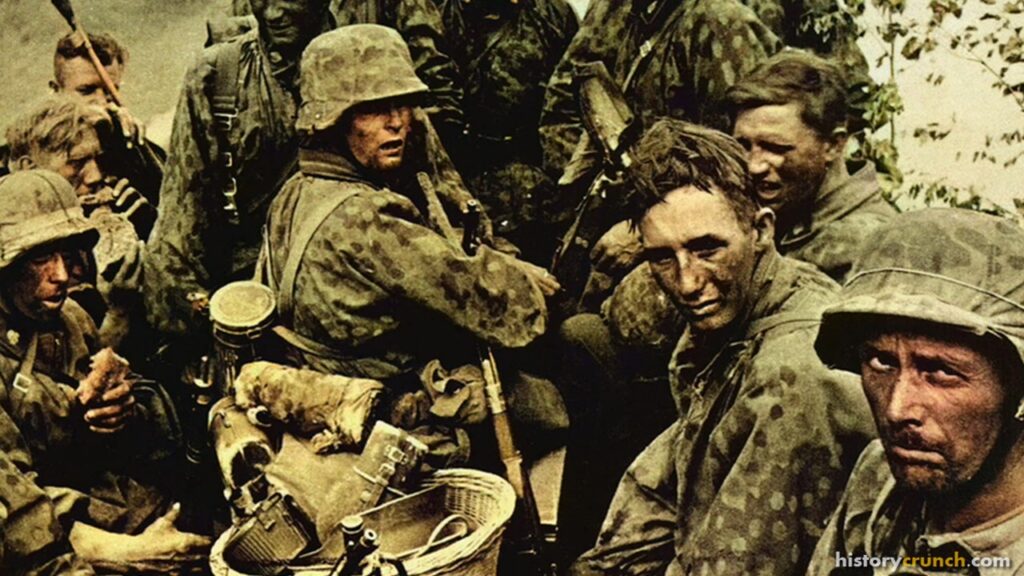
The Battle of Smolensk was one of the most important early battles on the Eastern FrontThe massive theater of World War II fighting between Nazi Germany and the Soviet Union, stretching across Eastern Europe. of World War II. It was fought around Smolensk, Russia, then part of the Soviet Union, during July and August of 1941. Furthermore, some historians consider the wider fighting as lasting until September 10th, 1941, when it ended in a major Nazi German victory but also slowed the German drive toward the Soviet capital of Moscow.
How did the German pincer attack at Smolensk trap Soviet forces in July 1941?

Battle of Smolensk – Background
The Battle of Smolensk took place during Operation Barbarossa, which was Nazi Germany’s invasion of the Soviet Union. After attacking on June 22nd, 1941, German forces advanced very quickly across the western Soviet Union, using blitzkriegA fast, overwhelming military attack combining tanks, aircraft, and infantry to break through enemy lines before they can respond. tactics. Army Group CentreOne of three main German military formations that invaded the Soviet Union, assigned the central push toward Smolensk and Moscow., under Fedor von Bock, was given the main central thrust toward the city of Smolensk, and then on to Moscow. This made Smolensk important because it stood on the main route eastward toward the Soviet capital.
The battle also followed earlier German success at Minsk, Belarus, then part of the Soviet Union. After those early victories, Nazi German commanders expected to keep moving east at high speed. However, the Soviet Union was beginning to recover from the shock of the invasion and tried to build a new defensive line around the Dnieper and Dvina rivers near Smolensk. Therefore, the Battle of Smolensk became one of the first major tests of whether the Red Army could slow the German advance in a serious way.
Battle of Smolensk – the Battle Begins
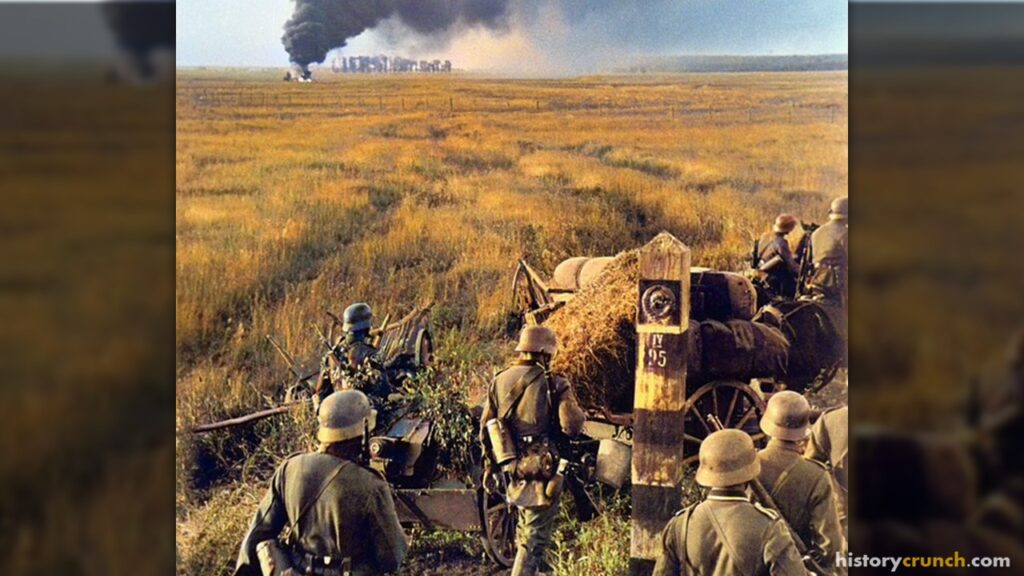
As mentioned above, before the main German attack fully opened, the Soviets launched a large counterattack near Lepiel, Belarus, then part of the Soviet Union, on July 6th, 1941. This attack used about 1,500 tanks, but it ended badly for the Soviets and did not stop the German offensive. On July 10th, 1941, Heinz Guderian’s 2nd Panzer Group attacked across the Dnieper River from the south, while Hermann Hoth’s 3rd Panzer Group pushed from the north. This two-sided movement was meant to trap Soviet forces around Smolensk.
The German pincer attackA military move where two forces advance from opposite sides to trap the enemy between them. moved quickly. By July 13th, Guderian had pushed past Mogilev, Belarus, then part of the Soviet Union, and his leading units were already near Smolensk. At the same time, Hoth’s forces advanced through the Vitebsk, Belarus, then part of the Soviet Union, area and reached Yartsevo, Russia, east of Smolensk, by July 15th. German troops broke into Smolensk in mid-July, and fighting continued inside and around the city as Soviet forces tried to resist and counterattack.
FactsthatCrunch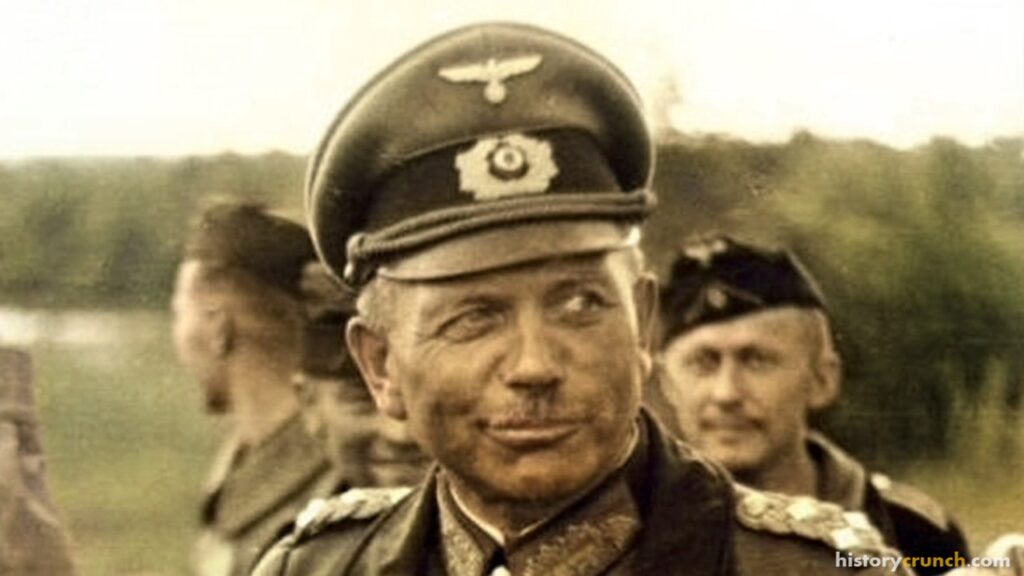
Battle of Smolensk – Encirclement and Soviet Resistance
The main German success at Smolensk came from encirclementA battlefield tactic where attacking forces surround the enemy, cutting off escape and supply routes.. Large parts of the Soviet 16th, 19th, and 20th Armies were trapped as the German armored groups linked up east of the city on July 27th, 1941. Even so, the battle was not a simple collapse. Soviet troops fought hard, and some units managed to break out of the pocket in the days that followed. This is important because Smolensk showed that Soviet resistance was becoming tougher than it had been in the first days of Barbarossa.
The losses were still enormous. It is estimated that roughly 200,000 Soviet prisoners were taken in the immediate Smolensk encirclement, while German reporting by early August claimed even larger totals from the wider operation. Different sources give different numbers, but all agree that the Soviet losses were massive and that the Red Army suffered another major defeat. As such, the Battle of Smolensk was a clear German battlefield victory, even though it did not end Soviet resistance.
FactsthatCrunchAbout 200,000 Soviet soldiers were captured when German armored groups closed the pocket east of Smolensk on July 27th, 1941.
Large parts of the Soviet 16th, 19th and 20th Armies were trapped. Some units still fought their way out in the days that followed, a sign that Soviet resistance was getting tougher than in the first days of Operation Barbarossa.
Battle of Smolensk – Wider Fighting
The Battle of Smolensk was larger than the fall of the city itself. German accounts often treat the main battle as ending in early August, but Soviet histories usually extend the wider Smolensk fighting to September 10th, 1941. This matters because the Soviets kept attacking through August and early September, trying to damage German forces and restore the front before the road to Moscow fully opened.
One important part of this wider struggle was the fighting around Yelnya, Russia. Guderian had pushed forces into the Yelnya salientA section of a battle line that bulges into enemy territory, leaving the troops there exposed to attack from multiple sides., but this exposed German troops to repeated Soviet attacks. The Yelnya fighting became one of the first major coordinated Soviet counteroffensivesA large, organized attack launched by a defending force to push back an enemy that has been advancing. of the war, and the Germans were eventually forced to pull back from the salient. Therefore, even though the Soviets lost badly at Smolensk overall, they also showed that they could regroup and strike back.
FactsthatCrunchBattle of Smolensk – Significance
The Battle of Smolensk was significant because it helped shape the next stage of Operation Barbarossa. Nazi Germany won a major victory and came much closer to Moscow, Russia, but the battle also cost time, men, and equipment. By mid-July, German forces were already within about 200 miles of Moscow, yet the advance did not continue straight away. In August of 1941, Hitler and the German high command argued over strategy, and Hitler decided to turn major effort south toward Ukraine instead of immediately driving on Moscow.
This means the Battle of Smolensk had a double importance. On one hand, it was another disastrous defeat for the Soviet Union and showed how dangerous German encirclement tactics still were in 1941. On the other hand, the stubborn Soviet defense and the continued fighting around Smolensk helped delay the final German push toward Moscow. Later historians have pointed to this as one of the reasons Germany failed to capture the Soviet capital before winter.
The Battle of Smolensk is also important because it shows a larger truth about the Eastern Front. Germany could still win huge battles in 1941, but the Soviet Union was not collapsing as quickly as Hitler had expected. The Red Army kept fighting, kept rebuilding, and kept launching counterattacks even after terrible defeats. In that sense, Smolensk was both a great German victory and an early warning that the war in the Soviet Union would be much longer and harder than Nazi Germany had planned.
FactsthatCrunchTap each impact to read what it led to.
Explore World War II · 1939 – 1945
Keep exploring World War II with these History Crunch resources.
Key Vocabulary
Blitzkrieg
Army Group Centre
Pincer attack
Encirclement
Salient
Counteroffensive
Eastern Front
Frequently Asked Questions
When was the Battle of Smolensk fought?
The Battle of Smolensk was fought during July and August of 1941. Some historians extend the wider fighting to September 10th, 1941, when it ended in a German victory. It took place during Operation Barbarossa, Germany’s invasion of the Soviet Union.
Who won the Battle of Smolensk?
Nazi Germany won the Battle of Smolensk as a clear battlefield victory. German armored groups trapped large parts of three Soviet armies in a giant encirclement. However, the win did not end Soviet resistance, and the Red Army kept fighting.
Why was Smolensk important to the Germans?
Smolensk sat on the main route eastward toward Moscow, the Soviet capital. Capturing it would open the road for the German drive on the city. Army Group Centre, under Fedor von Bock, was given this central thrust.
How many Soviet troops were captured at Smolensk?
Roughly 200,000 Soviet prisoners were taken in the immediate Smolensk encirclement. German reports from early August claimed even larger totals from the wider operation. Different sources give different numbers, but all agree the losses were enormous.
How did the Battle of Smolensk affect the attack on Moscow?
The battle slowed the German drive toward Moscow and cost Germany time, men, and equipment. German forces came within about 200 miles (322 km) of the capital but did not push on at once. In August of 1941, Hitler turned major effort south toward Ukraine instead.
What happened at Yelnya during the battle?
German forces pushed into the Yelnya salient, which left them open to repeated Soviet attacks. The fighting there became one of the first major coordinated Soviet counteroffensives of the war. The Germans were eventually forced to pull back from the salient.
Cite This Article
To cite this article as a source, use one of the formats below.
MLA: Millar, B. “Battle of Smolensk: A Detailed Summary.” HistoryCrunch, 2 October 2026, https://historycrunch.com/battle-of-smolensk/.
APA: Millar, B. (2026). Battle of Smolensk: A Detailed Summary. HistoryCrunch. https://historycrunch.com/battle-of-smolensk/
Chicago: Millar, B. “Battle of Smolensk: A Detailed Summary.” HistoryCrunch. October 2, 2026. https://historycrunch.com/battle-of-smolensk/
Sources
- Max Hastings, Inferno / All Hell Let Loose.
- Gerhard L. Weinberg, A World at Arms.