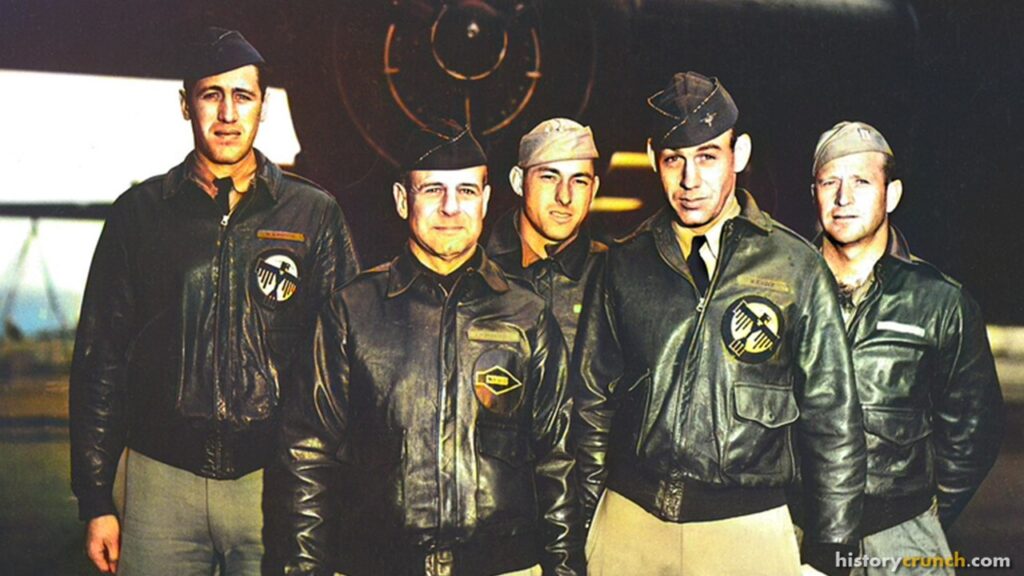
The Doolittle Raid was a significant American military operation of the Pacific Theater of World War II. On April 18th, 1942, a force of sixteen American B-25 MitchellA medium American bomber chosen because it was the largest aircraft that could realistically take off from an aircraft carrier deck. bombers launched from the USS Hornet, an aircraft carrier, and carried out a surprise bombing attack on several cities in Imperial Japan, including Tokyo. The raid was led by Lieutenant Colonel James Doolittle of the United States Army Air Forces and was the first time that American forces had successfully struck the Japanese home islands since the start of the war and the attack on Pearl Harbor. In general, historians consider the Doolittle Raid to have been important for several reasons, including: the direct military damage it caused, its impact on Japanese military strategy, and the way it boosted American morale following the attack on Pearl Harbor in 1941.

What Was the Pacific Theater of World War II?
The Pacific TheaterAll the fighting between Allied nations and Imperial Japan across the Pacific Ocean and Southeast Asia during World War II. of World War II refers to the campaigns and conflicts fought across the Pacific Ocean and Southeast Asia between the Allied Powers and Imperial Japan. The Pacific Theater began on December 7th, 1941, when Japan launched a surprise attack on the American naval base at Pearl Harbor, Hawaii, bringing the United States formally into World War II. In the months that followed the attack on Pearl Harbor, Japan rapidly expanded across the Pacific, capturing key territories including the Philippines, Malaya, Singapore and parts of New Guinea. As such, the early months of the Pacific Theater were characterized by a series of Japanese victories and American setbacks, which made the Doolittle Raid all the more significant when it occurred in April of 1942.
Doolittle Raid – Background
To fully understand the Doolittle Raid, it is first important to understand the circumstances that led to it. Following the attack on Pearl Harbor on December 7th, 1941, the United States suffered a series of significant military defeats across the Pacific. For instance, the fall of the Bataan Peninsula in the Philippines on April 9th, 1942, resulted in the largest surrender under American command in history. At the same time, Japan appeared to be on the verge of extending its control across much of Southeast Asia and the western Pacific. As a result, American military and political leaders were under considerable pressure to demonstrate that the United States was capable of striking back against Japan.
It should also be noted that the attack on Pearl Harbor had inflicted serious damage on the United States Pacific Fleet, but its three aircraft carriers had not been present at Pearl Harbor during the attack and remained operational. As the Battle of Midway would later demonstrate in June of 1942, these carriers were central to the United States’ naval power in the Pacific. In the immediate aftermath of Pearl Harbor, American military planners began searching for ways to strike back at Japan directly. The idea of launching land-based bombers from an aircraft carrier emerged as one possible solution, and it was this idea that eventually became known as the Doolittle Raid.
Why could the United States still strike back at Japan in early 1942, even after the attack on Pearl Harbor?
Doolittle Raid – Planning and Preparation
The planning for the Doolittle Raid began in January of 1942 and was driven primarily by the desire to boost American morale and demonstrate to Japan that its home islands were not beyond the reach of American air power. The operation was authorized by President Franklin D. Roosevelt and Lieutenant Colonel James Doolittle was selected to lead the mission and immediately began training a volunteer crew of airmen for the operation.
One of the main issues for the soldiers was how to carry out the bombing run with land-based bombers. In fact, American land-based bombers were too large and heavy to take off from the deck of an aircraft carrier under normal circumstances. However, the B-25 Mitchell bomber was eventually chosen because it was the largest aircraft that could realistically take off from the deck of an aircraft carrier. Furthermore, the crews had to be trained in a very specific takeoff technique, since the deck of the USS Hornet offered far less space than a normal runway. The plan called for the bombers to take off from the aircraft carrier, bomb their targets in Japan and then continue westward to land at airfields in China. This was because the aircraft would not have enough fuel to return to the carrier after completing the mission.
FactsthatCrunchWhy were B-25 Mitchell bombers chosen for the Doolittle Raid instead of other American aircraft?
Doolittle Raid – The Attack
On April 18th, 1942, the sixteen B-25 bombers launched from the USS Hornet in the North Pacific Ocean, approximately 650 miles (1,050 kilometers) east of Imperial Japan. The launch was made earlier than originally planned because the task forceA temporary military group assembled to carry out a specific operation, here the ships escorting the USS Hornet. had been spotted by a Japanese boat, which raised the possibility that Japan would be alerted to the approaching attack. As a result, the bombers launched at a greater distance from Japan than intended, which significantly reduced the already limited fuel available to each aircraft for the flight to China following the attack.
The bombers flew at low altitude over Japan to avoid Japanese anti-aircraft defenses and reached their targets in the early afternoon of April 18th, 1942. The raid targeted several major Japanese cities, including: Tokyo, Yokohama, Osaka, Kobe and Nagoya. For instance, the bombers struck military and industrial targets, including: factories, oil storage facilities, steel works and power plants. Japanese air defenses were caught almost entirely off guard by the attack, and anti-aircraft fire was largely ineffective. As such, all sixteen aircraft completed their bombing runs and turned westward toward China.
It should also be noted that the results of the raid in purely military terms were relatively modest. The physical damage caused by sixteen medium bombers was limited compared to what a large-scale bombing campaign could achieve. However, the psychological and strategic impact of the raid far outweighed the direct military damage inflicted at the time.
FactsthatCrunchIn what order did these events of the Doolittle Raid happen on April 18th, 1942?
Doolittle Raid – Aftermath
Following the attack, all sixteen bombers continued westward toward China as planned. However, due to the earlier than planned launch, most aircraft ran low on fuel before reaching their intended landing sites. As a result, most crews were forced to either crash land or bail outTo parachute from an aircraft that cannot safely land, as most Doolittle crews had to do over China. over China. For instance, fifteen of the sixteen aircraft came down in or near China, while one crew landed in the Soviet Union, where the crew members were internedHeld inside a foreign country and not allowed to leave, as happened to one crew that landed in the Soviet Union. for over a year. Of the eighty airmen who participated in the raid, the majority survived. Three were killed during the raid itself, and eight more were captured by Japanese forces in China. Of those eight, three were executed by the Japanese and one died in captivity.
James Doolittle himself initially believed the raid had been a failure because all sixteen aircraft had been lost. However, he was awarded the Medal of Honor by President Roosevelt and promoted two ranks to Brigadier General in recognition of the operation’s success. The raid demonstrated that the planning and execution of such a complex mission under extreme conditions was itself a major achievement.
FactsthatCrunch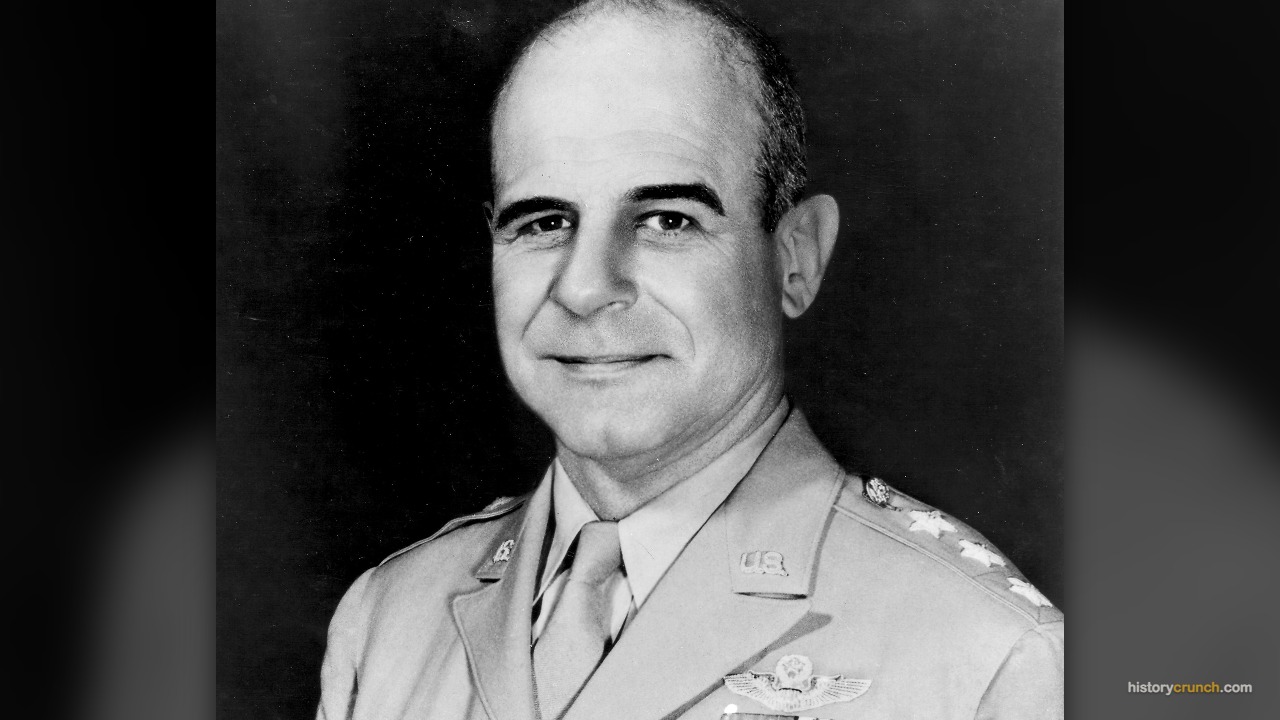
Doolittle Raid – Significance
The Doolittle Raid had several important outcomes for World War II. In terms of its impact on American morale, the raid was enormously significant. Following months of military setbacks in the Pacific, the news that American bombers had struck Tokyo and other Japanese cities provided a major boost to public confidence in the United States.
The raid also had an important impact on Japanese military strategy. More specifically, the fact that American bombers had reached Tokyo demonstrated to Japanese military leaders that the home islands were vulnerable to air attack. As a result, Japan redirected military resources toward strengthening the defense of its home territory and expanded its defensive perimeterAn outer ring of military positions set up to protect territory from enemy attack. in the Pacific. This decision contributed directly to Japan’s decision to attempt a major offensive operation against Midway Atoll in June of 1942, which resulted in the decisiveSo complete and clear that it settles the outcome, used here to describe the American victory at the Battle of Midway. American victory at the Battle of Midway. As such, the Doolittle Raid played an indirect but important role in setting the conditions for one of the most significant turning points of the entire Pacific War.
FactsthatCrunchTap each impact to read what it led to.
Explore World War II · 1939 – 1945
Keep exploring World War II with these History Crunch resources.
Key Vocabulary
Pacific Theater
B-25 Mitchell
Task force
Bail out
Interned
Defensive perimeter
Decisive
Frequently Asked Questions
When was the Doolittle Raid?
The Doolittle Raid took place on April 18th, 1942, during World War II. Sixteen American B-25 bombers took off from the aircraft carrier USS Hornet and attacked cities in Japan. It was the first time American forces struck the Japanese home islands after the attack on Pearl Harbor.
Who was James Doolittle?
James Doolittle was the Lieutenant Colonel of the United States Army Air Forces who led the raid. President Franklin D. Roosevelt authorized the mission, and Doolittle trained a volunteer crew of airmen for it. He later received the Medal of Honor and was promoted two ranks to Brigadier General.
Why did the bombers fly to China instead of returning to the carrier?
The B-25 bombers lacked the fuel to return to the USS Hornet after the attack. The plan called for them to bomb Japan and then continue westward to land at airfields in China. Because a Japanese boat spotted the task force, the planes launched early and farther out, leaving even less fuel for the flight.
What happened to the crews after the raid?
Most of the eighty airmen survived, though the mission cost many of them dearly. Fifteen planes came down in or near China, while one crew landed in the Soviet Union and was interned for over a year. Three airmen died during the raid, and eight were captured by Japanese forces, of whom three were executed and one died in captivity.
Why was the Doolittle Raid important?
The Doolittle Raid mattered most for its effect on morale and strategy, not its physical damage. The attack boosted American confidence after months of defeats in the Pacific. It also pushed Japan to defend its home islands and helped lead to the offensive at Midway, where the United States won a decisive victory in June of 1942.
Cite This Article
To cite this article as a source, use one of the formats below.
MLA: Millar, B. “Doolittle Raid: A Detailed Summary.” HistoryCrunch, 2 October 2026, https://historycrunch.com/doolittle-raid/.
APA: Millar, B. (2026). Doolittle Raid: A Detailed Summary. HistoryCrunch. https://historycrunch.com/doolittle-raid/
Chicago: Millar, B. “Doolittle Raid: A Detailed Summary.” HistoryCrunch. October 2, 2026. https://historycrunch.com/doolittle-raid/
Sources
- Antony Beevor, The Second World War.
- Max Hastings, Inferno / All Hell Let Loose.
- Imperial War Museum