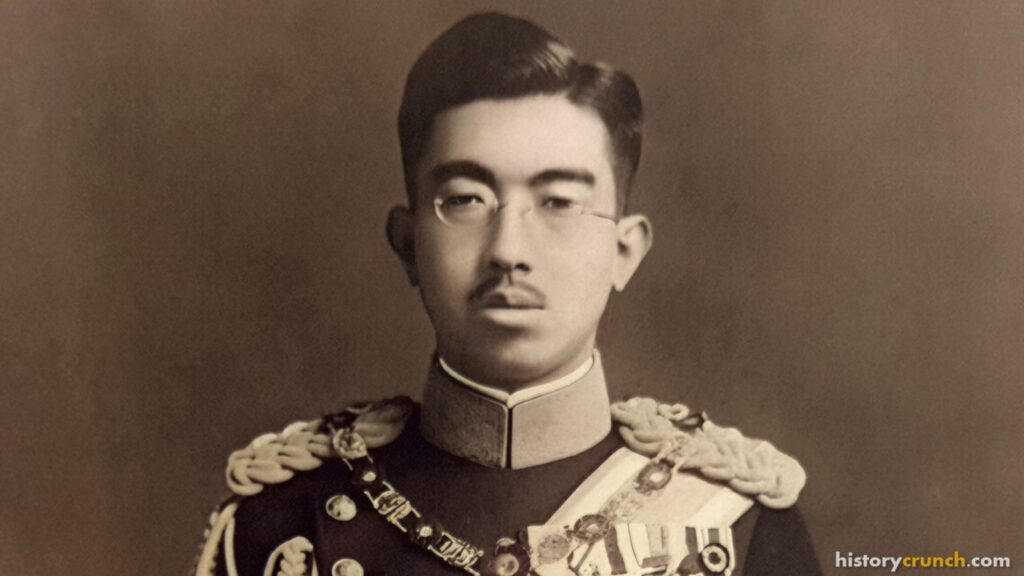
Emperor Hirohito, also known as Emperor Shōwa, was the 124th Emperor of Japan. He reigned from December 25th, 1926 until his death on January 7th, 1989. His reign of 62 years, known as the Shōwa Era, was the longest in Japanese history at the time and was one of the most significant in Japan’s history. For instance, Emperor Hirohito ruled during Japan’s militaristicFocused on building up military power and using it aggressively to achieve national goals. rise in the early 20th century, to the events of World War II. As such, historians consider him to be an important figure in the history of World War II.
 FactsthatCrunch
Hirohito was Japan's longest-reigning emperor and served as head of state throughout World War II, during which Japan fought the United States, China, and the Allied powers across the Pacific and Asia. After Japan's defeat in 1945, he remained emperor under a new constitution that limited his role to ceremonial duties, and he became a symbol of Japan's postwar recovery.
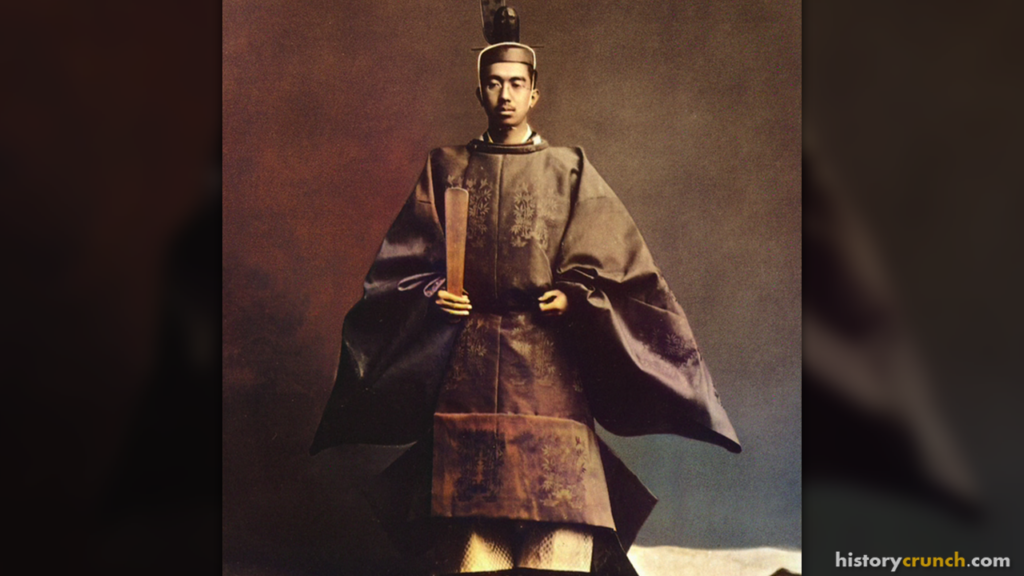
Emperor Hirohito – Early Life
Emperor Shōwa (better known outside of Japan as ‘Hirohito’) was born on April 29th, 1901. Shōwa refers to the name of the era that corresponded to Hirohito’s reign, and when Hirohito died, he was renamed Shōwa to reflect this. Hirohito was born to the Crown Prince, Yoshihito who later became Emperor Taisho, and the Crown Princess Sadako, who later became Empress Teimei.
As a child, he was raised in a strict, traditional environment and educated at the Gakushūin Peers’ School. In fact, he was educated for leadership through both academic and military training. Hirohito was promoted to Lieutenant Commander in the Navy, and Major in the army. A year later, in 1921, he traveled to Europe, becoming the first Japanese crown prince to visit the West, which exposed him to international politics and modern culture. Also, in 1924, he married Princess Nagako Kuni, with whom he had seven children, including Akihito, his successor.
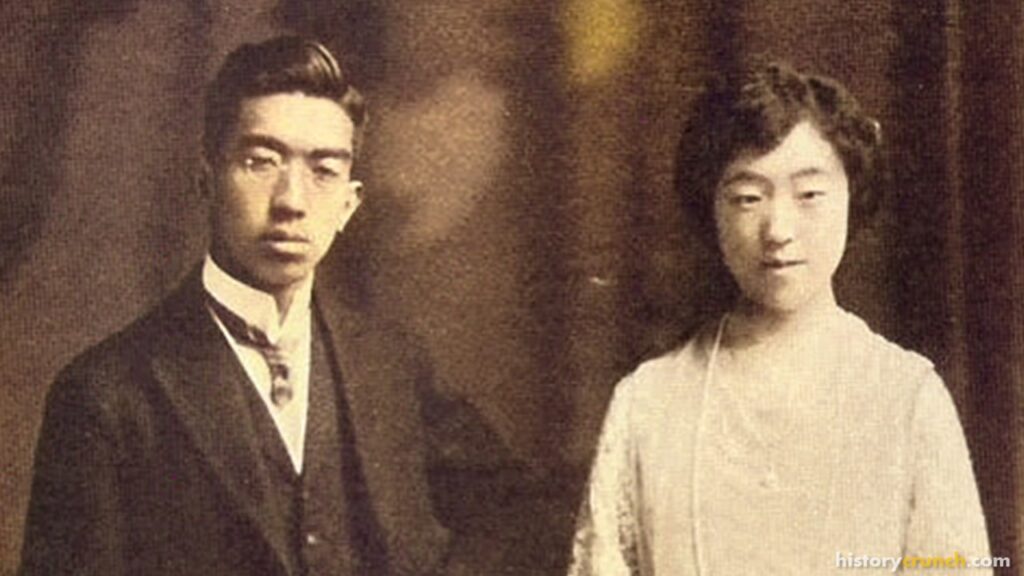
Hirohito married Princess Nagako Kuni in 1924. How many children did the couple have?
Emperor Hirohito – Emperor of Japan
Hirohito became Emperor of Japan in 1926 following the death of his father, Emperor Taisho. His early reign occurred during a period of economic difficulty and political unrest in Japan. In fact, this was a period that saw the rise of military nationalism in Japan. For instance, throughout the 1930s, Japan took a path of imperialist expansionA policy of taking control of other territories or countries to grow a nation’s power.. In fact, Japan invaded Manchuria in 1931 and China in 1937. These actions were followed by Japan’s alignment with Nazi Germany and Fascist Italy, forming the Axis PowersThe alliance of Japan, Nazi Germany, and Fascist Italy that fought together in World War II. of World War II. Although Hirohito was the Emperor at the time, some historians have called into question the amount of authority he actually had over the government of Japan. For instance, Hideki Tojo, the Japanese Prime Minister during World War II, is often considered to be responsible for the actions of the government. As such, it is debated how much direct influence Hirohito had over political and military decisions.
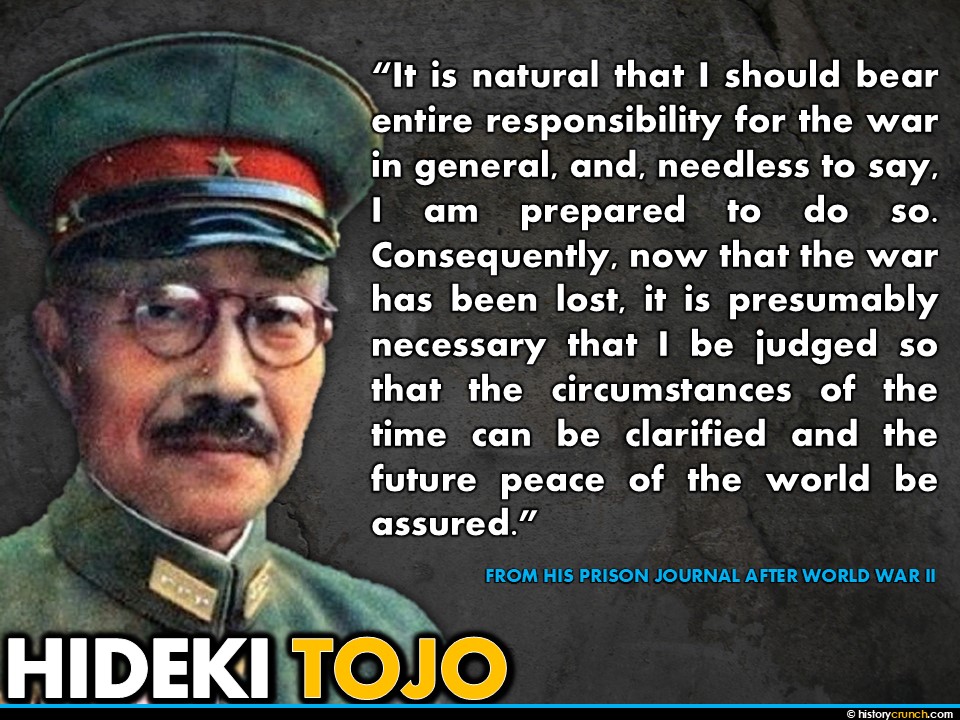
Emperor Hirohito held full control over Japan's government and military decisions throughout the 1930s and World War II.
Emperor Hirohito – World War II
World War II began in 1939 when Nazi Germany invaded Poland and both France and Britain declared war on Germany in the days that followed. The conflict led to two large alliance systems being created between the Allied Powers and the Axis Powers. As stated previously, Japan was part of the Axis Powers alongside Italy and Nazi Germany.
During World War II, Japan’s military engaged in numerous aggressive campaigns across Asia and the Pacific. For instance, one of the most significant of these was the attack on Pearl Harbor in 1941, which led to war with the United States. The Pearl Harbor attack occurred on December 7th, 1941 and was a surprise attack carried out by Japan against the United States. At the time, the United States was not directly involved in the fighting of World War II. As such, the Japanese attack on Pearl Harbor was a shock to the American government and public. In fact, it was the event that brought the United States into the fighting of World War II. Although the exact extent of Hirohito’s involvement remains uncertain to historians, he was kept informed of major decisions. Although, he largely followed the advice of military leaders of the time.
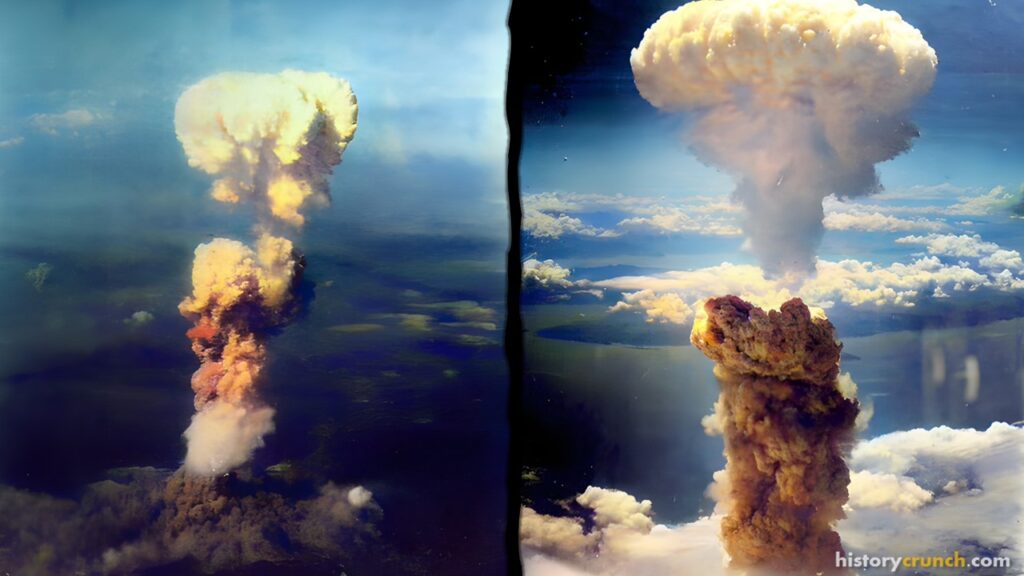
World War II in the Pacific continued through years of brutal warfare, which included significant battles, such as: Battle of Midway, Battle of Guadalcanal, Battle of Iwo Jima and the Battle of Okinawa. Finally, in 1945, the United States made the decision to use two atomic bombs against the Japanese cities of Hiroshima and Nagasaki. These bombings ultimately ended the war in the Pacific and forced Japan to surrender. At the time, Hirohito broke with military leaders and made a historic radio broadcast on August 15th, 1945, announcing Japan’s surrender. This was the first time the Japanese public had ever heard the emperor’s voice.
 FactsthatCrunch
…the war situation has developed not necessarily to Japan's advantage, while the general trends of the world have all turned against her interest.
Emperor Hirohito · Radio broadcast recorded at the Imperial Palace, Tokyo · August 14th, 1945
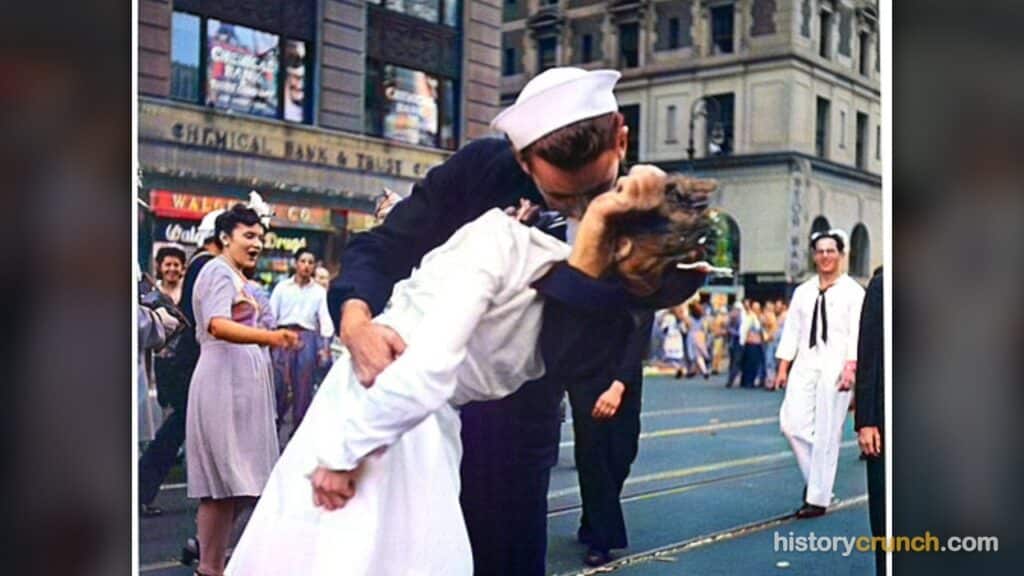
After the atomic bombings of Hiroshima and Nagasaki, Hirohito recorded this message onto phonograph records at the Imperial Palace on the evening of August 14th, 1945, announcing that Japan accepted the Allied surrender terms of the Potsdam Declaration. That night, army officers who opposed surrender raided the palace to try to destroy the recording, but they could not find it, and the broadcast aired by radio at noon on August 15th, 1945. It was the first time the Japanese public had ever heard the emperor's voice, and his formal court language never used the word surrender.
Emperor Hirohito – Post-World War II
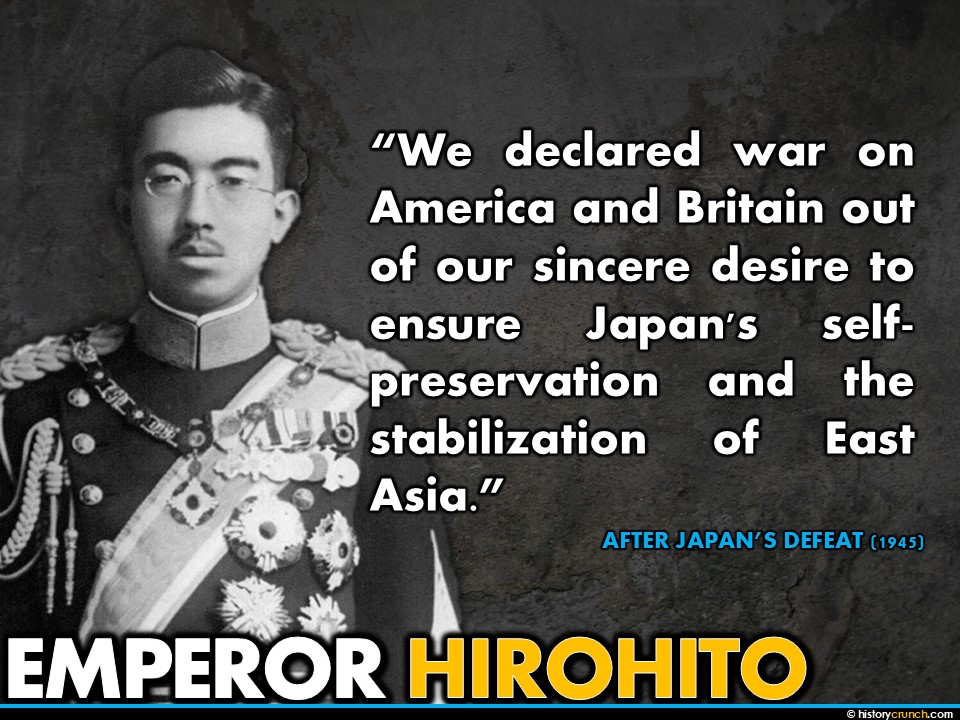
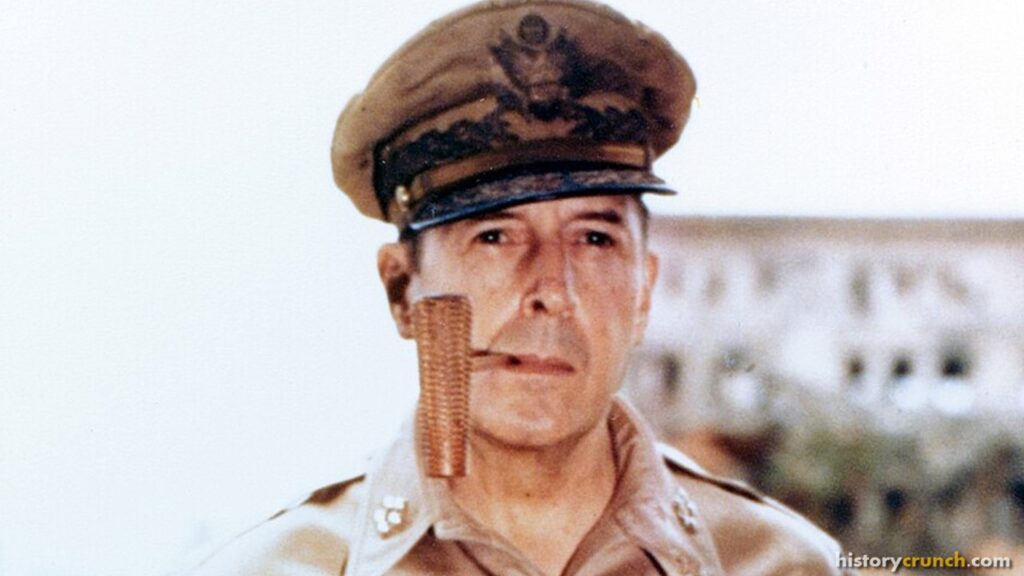
Following Japan’s defeat in World War II, Emperor Hirohito was not prosecuted for war crimes, largely due to General Douglas MacArthur, who believed preserving the emperor would help stabilize post-war Japan. In 1946, Hirohito renounced his divine statusThe belief that the emperor was a god or god-like figure, not an ordinary human being., and a new constitution in 1947 transformed Japan into a constitutional monarchyA system of government where a king or emperor is a symbol only, with no real political power., where the emperor held no political power and served only as a symbol of the nation.
Throughout the 1950s to 1980s, Hirohito supported Japan’s economic reconstruction, modernization, and peaceful international engagement. He made numerous state visits, including trips to Europe and the United States, helping to rehabilitateTo restore a person’s or country’s good reputation after a period of disgrace or wrongdoing. Japan’s image on the global stage.
 FactsthatCrunch
Why was Emperor Hirohito not prosecuted for war crimes after World War II?
Emperor Hirohito – Death and Significance
Emperor Hirohito died on January 7th, 1989, at the age of 87. He was succeeded by his son, Emperor Akihito, marking the beginning of the Heisei Era. Hirohito’s legacy remains complex and controversial. Some view him as a symbol of Japanese tradition and honor, while others criticize his role during the events of World War II and his association with Japanese militarism in the early 20th century.
Despite the fact that some historians think that Emperor Hirohito was responsible for the terrible acts that were committed by the imperial forces in World War II, unlike many other leading governmental figures, such as Hideki Tojo, the war-time Prime Minister of Japan, Hirohito was not prosecuted for war crimes as his involvement was considered negligibleSo small or unimportant that it does not deserve serious consideration or punishment. at the time. After the war, Hirohito became Japan’s symbol of recovery. He helped Japan to rebuild itself, and when he died, Japan had regained its power, and emerged as the world’s second largest economy.
 FactsthatCrunch
How was Hirohito's legacy viewed differently inside Japan and by countries that suffered under Japanese wartime actions?
Key Vocabulary
Militaristic
Imperialist expansion
Axis Powers
Constitutional monarchy
Divine status
Negligible
Rehabilitate
Frequently Asked Questions
Who was Emperor Hirohito?
Emperor Hirohito was the 124th Emperor of Japan and reigned from 1926 until his death in 1989. His reign was known as the Shōwa Era, and at the time it was the longest in Japanese history. He ruled through Japan’s military rise and the events of World War II.
Was Emperor Hirohito responsible for Japan’s actions in World War II?
The amount of control Hirohito had over Japan’s wartime government is still debated by historians. He was kept informed of major decisions but largely followed the advice of military leaders. Prime Minister Hideki Tojo is often seen as responsible for many of the government’s actions.
Why was Emperor Hirohito not put on trial for war crimes?
Hirohito was not prosecuted largely because of General Douglas MacArthur, who led the postwar occupation of Japan. MacArthur believed that keeping the emperor would help stabilize Japan after the war. His involvement was considered minor at the time, so he avoided the fate of leaders like Tojo.
What did Emperor Hirohito do when Japan surrendered?
Hirohito broke with military leaders and announced Japan’s surrender in a radio broadcast on August 15th, 1945. This came after the United States dropped atomic bombs on Hiroshima and Nagasaki. It was the first time the Japanese public had ever heard the emperor’s voice.
What happened to Emperor Hirohito after World War II?
In 1946, Hirohito gave up his divine status under a new constitution that made Japan a constitutional monarchy. He kept no political power and served only as a symbol of the nation. He later supported Japan’s rebuilding and made state visits to help improve its image abroad.
Why is Emperor Hirohito called Emperor Shōwa?
Shōwa is the name of the era that matched Hirohito’s reign, and he was renamed Shōwa after his death. Outside of Japan he is better known by his personal name, Hirohito. The practice of naming an emperor after his era is a Japanese tradition.
Cite This Article
To cite this article as a source, use one of the formats below.
MLA: Beck, Elias. “Emperor Hirohito: A Detailed Biography.” HistoryCrunch, 3 October 2026, https://historycrunch.com/emperor-hirohito/.
APA: Beck, E. (2026). Emperor Hirohito: A Detailed Biography. HistoryCrunch. https://historycrunch.com/emperor-hirohito/
Chicago: Beck, Elias. “Emperor Hirohito: A Detailed Biography.” HistoryCrunch. October 3, 2026. https://historycrunch.com/emperor-hirohito/
Sources
- Gerhard L. Weinberg, A World at Arms.
- Imperial War Museum
- Antony Beevor, The Second World War.