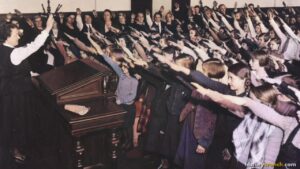
Death camps in the Holocaust (also referred to as ‘extermination camps’) were central to the Nazi German plan to systematically murder Europe’s Jewish population and other groups considered ‘undesirable’. Unlike concentration camps, which used forced labor and imprisonment, death camps were specifically designed for mass killing, primarily using gas chambers. These camps were part of the Nazis’ “Final Solution,” which was a plan to eliminate all Jewish people from Europe.
WHAT WAS THE HOLOCAUST?
The Holocaust is one of the most important events of the 20th century and is perhaps the most significant genocide in human history. Most people who died during the events of the Holocaust were killed in the horrible system of camps created by the Nazi regime. While many people were killed from other Nazi initiatives, such as the Einsatzgruppen, throughout the Holocaust, the Nazi Regime had been seeking a new way of getting rid of the ‘Jewish Problem’ or ‘Jewish Question’. The ‘Final Solution’ or ‘Endlösung’ for the Nazis was the concentration camp system and the death camp system.
DEATH CAMPS IN THE HOLOCAUST – SUMMARY
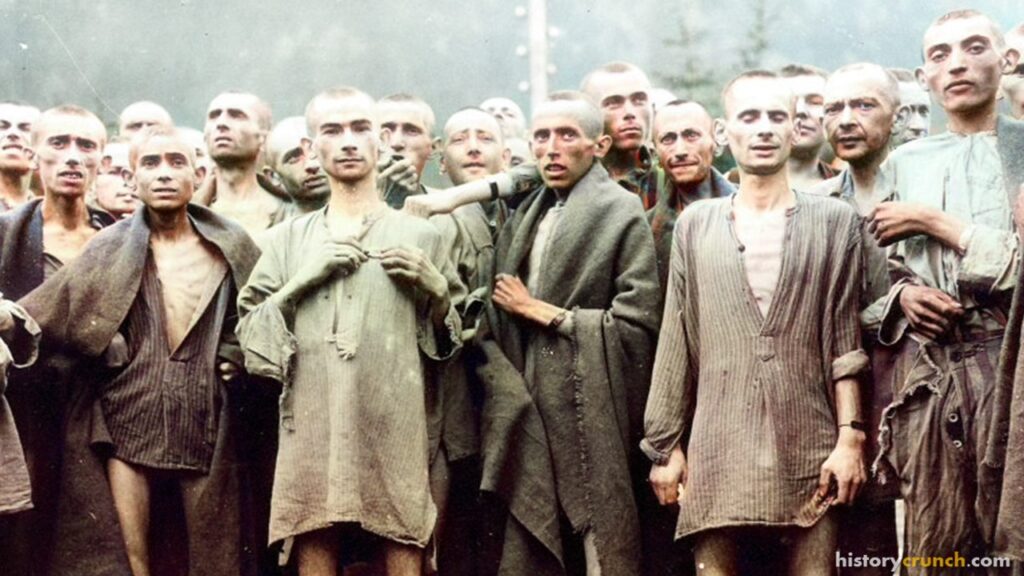
The first death camp, Chelmno, began operations in 1941 but was soon followed by the more famous camps such as: Belzec, Sobibor, and Treblinka. All of these death camps were located in Nazi-occupied Poland, where the majority of Europe’s Jewish population lived. Victims, often deceived into thinking they were being relocated or resettled, were transported by crowded trains and murdered shortly after arrival. Most were gassed, but many also died from starvation, disease, abuse, or executions.
The situation for those sent to death camps was much different than those in concentration camps. Death camps were camps in which people were killed almost immediately after departing the train. This was the final destination for many old, young and sick people considered to be ‘undesirable’ by the Nazi Regime. While many concentration camps were located in Germany, death camps were generally located in Poland since it contained the highest population of Jewish peoples. As well, it allowed the Nazi government to remove the actual death camps from Germany and ‘hide’ their crimes. In 1942, the Nazis opened several famous death camps, including: Belzec, Sobibor and Treblinka. Death camps evolved over time, especially in terms of how they carried out the executions. The death camps were constructed with gas chambers in which people could be locked and killed with a poisonous gas.
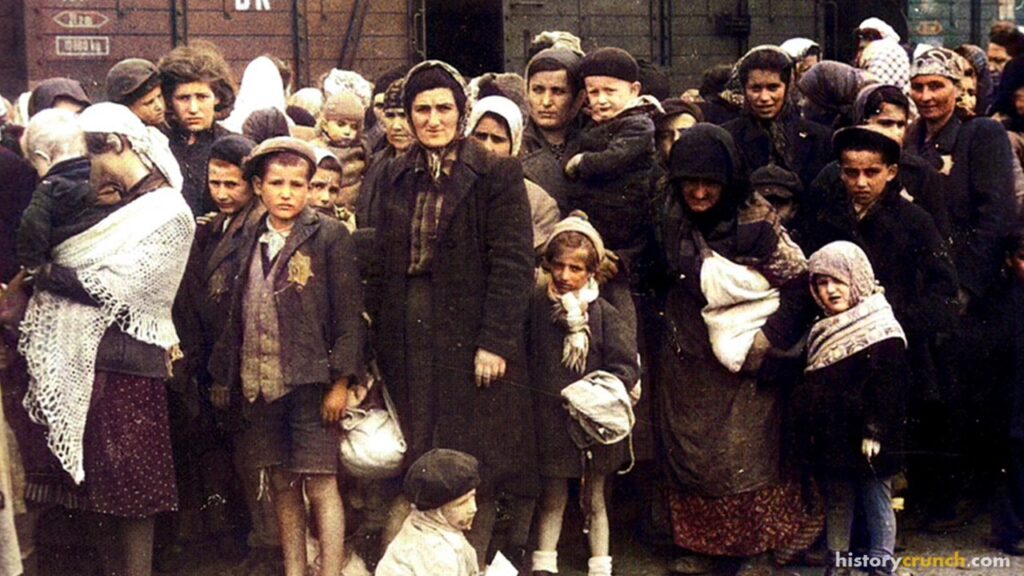
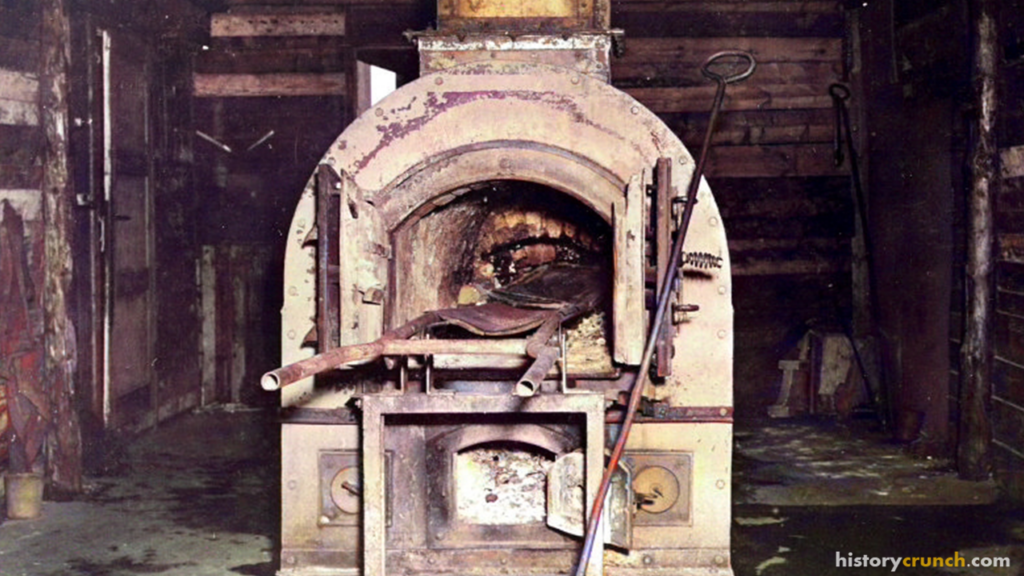
People that had just departed the trains from the ghettoes would be taken into the gas chambers believing they were to have a shower. The Nazis would have them take off their clothes and enter the large room with fake showers. However, instead of having a shower they were killed with a poisonous gas called Zyklon B. After being executed, the Nazis needed to dispose of thousands (and eventually millions) of bodies. At first, the bodies were dumped into mass graves near the death camps; however, this became impractical due to the large numbers of dead. As well, the large mass graves proved frustrating for local people due to the smell and impact on the land. Soon, the Nazis developed a system of incinerators in which the bodies were burned. This was often carried out by Sonderkommando, who were Jewish prisoners who assisted the Nazis for fear of losing their own lives. Sonderkommando were used in a variety of ways, including: helping the Nazi guards to keep prisoners in line, disposing of the bodies in mass graves or the gas chambers and collecting the possessions of the dead, including gold teeth.
The death camps did not exist at the start of the Holocaust, but were created for several reasons. First, they were the most efficient way to execute people in large numbers. Second, they allowed the Nazis to put minimal resources and soldiers in charge of the executions since they were needed for the war effort of World War II. Third, they allowed Nazi soldiers to not personally view the mass executions. Some SS guards had reported struggling with witnessing the mass shooting of people, especially women and children, with the acts carried out by the Einsatzgruppen. The gas chambers allowed the Nazis a way of carrying out mass executions without traumatizing their own soldiers. The most famous camp during the Holocaust was Auschwitz. A sign over the entrance to the camp read “Arbeit Macht Frei” which translates to “work will set you free”. More than 1 million people died at Auschwitz, making it the site of the largest death of people in one place. Auschwitz was so large that it actually consisted of both concentration and death camps. In fact, Auschwitz combined the functions of a labor camp and extermination site, with gas chambers disguised as showers and crematoria to dispose of bodies. Medical experiments were also performed on prisoners by Nazi doctors, including Josef Mengele.
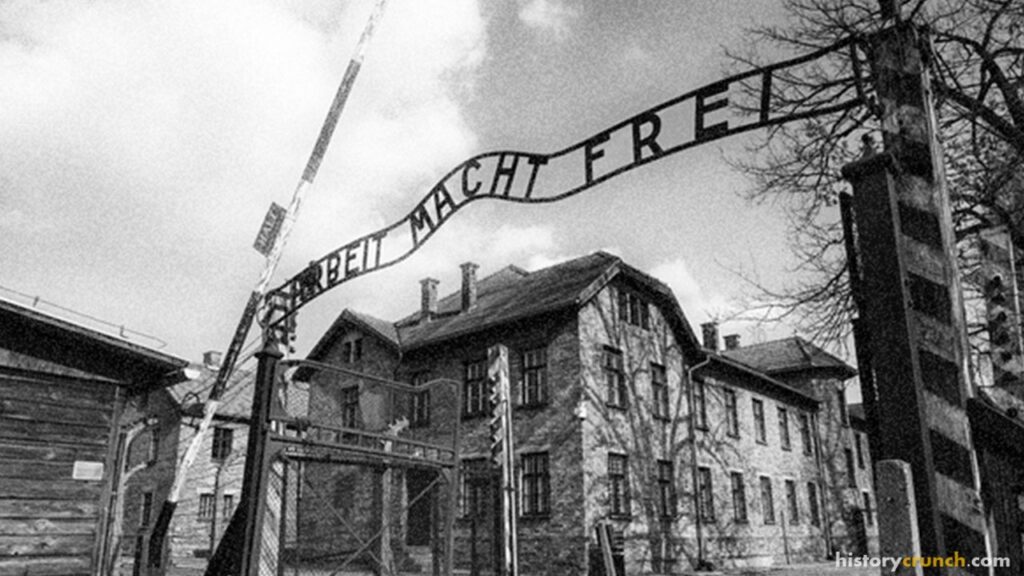
Today, many people remember the Holocaust for the horrible stories and images from the concentration and death camp systems created by the Nazi regime. The stories of survivors and the images of the atrocities remind us what human beings are capable of.
Frequently Asked Questions
What is the difference between a death camp and a concentration camp?
Death camps were built for mass killing, while concentration camps used forced labor and imprisonment. Prisoners at concentration camps were often worked, starved, or held for long periods. At death camps, most victims were killed within hours of arriving. Some sites, like Auschwitz, combined both purposes.
How many death camps did the Nazis build?
The Nazis operated six main death camps, all located in Nazi-occupied Poland. These were Chelmno, Belzec, Sobibor, Treblinka, Majdanek, and Auschwitz. Poland was chosen because it held the largest Jewish population in Europe. The location also let the Nazis hide their crimes away from Germany.
Why did the Nazis use gas chambers instead of shootings?
The Nazis switched to gas chambers because they were faster and needed fewer soldiers. Mass shootings by the Einsatzgruppen used many troops who were needed for the war. Some guards also reported being disturbed by shooting women and children up close. Gas chambers let the Nazis kill in large numbers while keeping their own soldiers apart from the act.
What was Zyklon B?
Zyklon B was the poisonous gas used to kill victims inside the gas chambers. Prisoners were told they were going to take a shower and were made to undress. They entered a large room with fake showerheads, where the gas was then released. This deception helped the Nazis move people into the chambers without panic.
Who were the Sonderkommando?
The Sonderkommando were Jewish prisoners forced to help the Nazis in the death camps. They removed bodies from the gas chambers and burned them in incinerators. They also collected the belongings of the dead, including gold teeth. Most did this work under threat of being killed themselves.
Why is Auschwitz the most famous death camp?
Auschwitz is the most famous camp because more than 1 million people died there. It was the largest site of death in one place during the Holocaust. Auschwitz worked as both a labor camp and an extermination site. Nazi doctors, including Josef Mengele, also performed cruel medical experiments on prisoners there.
Cite This Article
To cite this article as a source, use one of the formats below.
MLA: Beck, Elias. “Death Camps in the Holocaust: A Detailed Summary.” HistoryCrunch, 16 September 2026, https://historycrunch.com/death-camps-in-the-holocaust/.
APA: Beck, E. (2026). Death Camps in the Holocaust: A Detailed Summary. HistoryCrunch. https://historycrunch.com/death-camps-in-the-holocaust/
Chicago: Beck, Elias. “Death Camps in the Holocaust: A Detailed Summary.” HistoryCrunch. September 16, 2026. https://historycrunch.com/death-camps-in-the-holocaust/
Sources
- Gerhard L. Weinberg, A World at Arms.
- The National WWII Museum