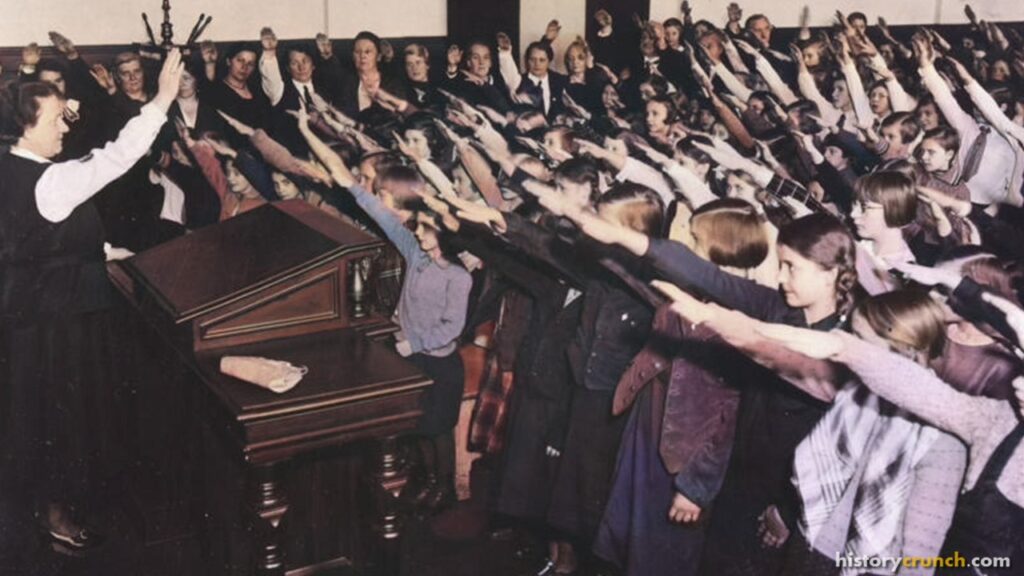
Life in Nazi Germany was shaped by dictatorshipA government where one person or group holds total power and citizens have no real political freedom., propagandaInformation spread by a government to shape what people believe and to promote its own ideas., fear and violence. Nazi Germany refers to the period from January 30th, 1933, when Adolf Hitler became Chancellor of Germany, to May of 1945, when Nazi rule collapsed at the end of World War II. For people living under Nazi rule, everyday life was focused almost entirely on Nazi ideology. It affected what people heard on the radio, what children learned in school, what organizations they joined, what opinions they could safely express, and even whether they were allowed to remain full members of society. This is significant because Nazi rule tried to control both public life and private life in ways that transformed German society.
What Was Nazi Germany?
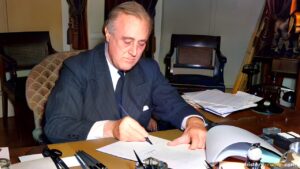
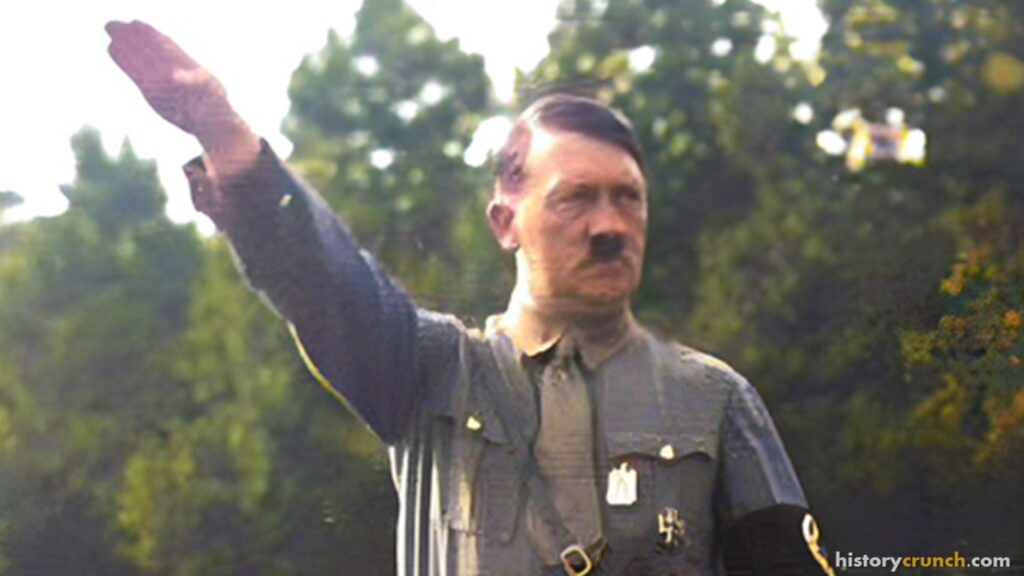
Nazi Germany was the dictatorship created by Adolf Hitler and the Nazi Party after they destroyed democracy in Germany under the Weimar Republic. Hitler became Chancellor on January 30th, 1933, and only a few weeks later the Reichstag Fire took place on February 27th, 1933. In fact, Hitler and the Nazis used the fire to create fear of a communist takeover, and that fear helped them gain more power. Then, on March 23rd, 1933, the German parliament passed the Enabling Act, which gave Hitler authority to make laws without the normal involvement of parliament. This was highly significant because it effectively ended democracy in Germany and allowed Hitler to build a dictatorship.
After that, life in Germany changed quickly. Other political parties were banned, media that criticized the Nazis was censored and public life was brought under Nazi control. When President Paul von Hindenburg died on August 2nd, 1934, Hitler took on even greater power and completed his rise to total rule. This was important because ordinary Germans were no longer living in a democratic state. Instead, they were living in a dictatorship that expected obedience and punished opposition.

Daily Life in Nazi Germany
For many Germans who were not immediately targeted by Nazi racial laws, life under Nazi rule could seem orderly, nationalistic, and highly organized, especially in the earlier years of the regime. The Nazis promoted unity, discipline, and loyalty to the state, and they filled public life with symbols, speeches, rallies, and patriotic ceremonies. In this way, daily life was meant to make people feel that they were part of a powerful national movement. This was significant because it helped the regime win support while also normalizing authoritarian control. Furthermore, this was a central component of Nazi ideology and the type of fascism that Hitler was establishing in Nazi Germany.
At the same time, this apparent order came at the cost of freedom. Germans were expected to conform to Nazi ideas and avoid criticism of the government. Even people who were not arrested still lived in a society where public disagreement was dangerous. Therefore, ordinary life in Nazi Germany often involved a mixture of routine and fear, since many people adjusted to the system while understanding that the regime could punish those who stepped out of line. As such, historians consider the following topics as important to understanding the different aspects of daily life in Nazi Germany: propaganda, children, terror and repression, and racial ideology. These aspects are discussed in the sections below.
FactsthatCrunch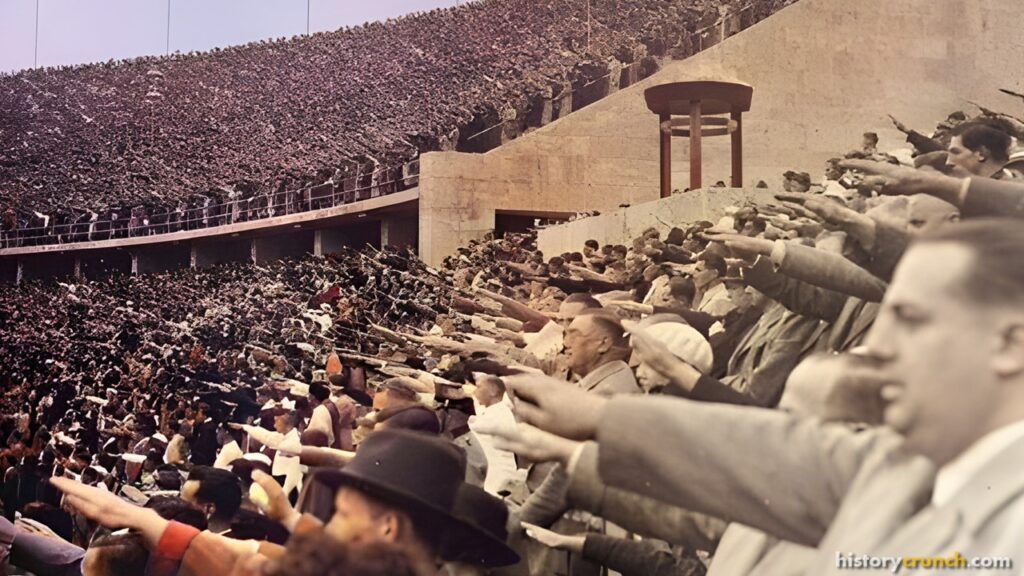 Black & whiteColor
Life in Nazi Germany – Propaganda
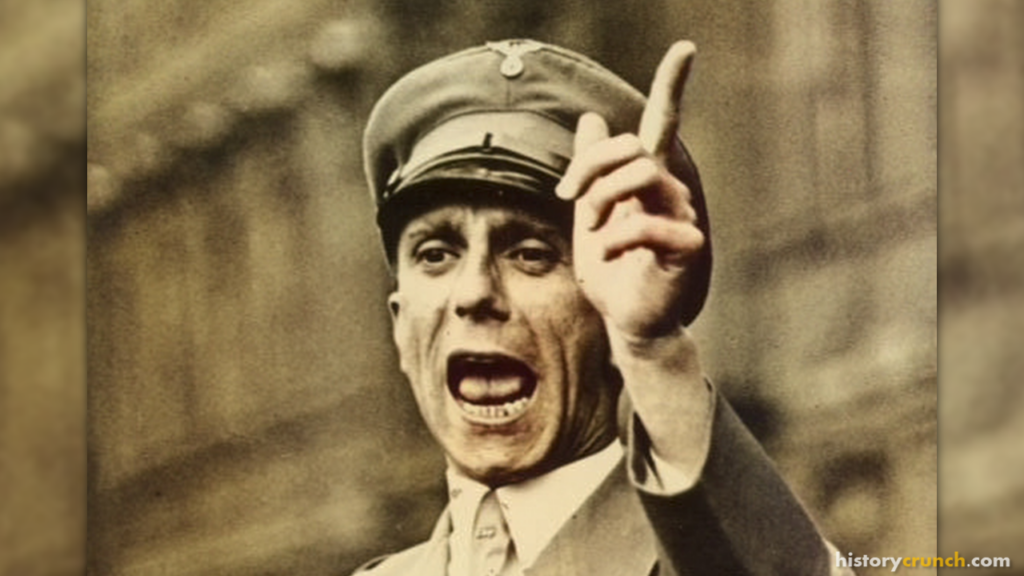
One of the most important features of life in Nazi Germany was propaganda. Joseph Goebbels, who became Hitler’s Minister of Propaganda in March of 1933, helped shape what Germans read, watched, and heard. Newspapers, rallies, posters, films, and radio broadcasts all spread Nazi messages about nationalism, anti-communism, anti-SemitismHatred of or discrimination against Jewish people, which the Nazis made into official government policy., and loyalty to Hitler. This was significant because propaganda helped the Nazis influence how people understood politics, society and even their enemies.
Radio was especially important in everyday life. Nazi leaders took control of radio stations and promoted the spread of cheap radios across Germany. In fact, by 1938, nearly 10 million of these radios had been produced and were in German homes, while foreign radio broadcasts were eventually outlawed. This was important because it allowed the Nazi regime to reach directly into people’s homes and control much of the information they received. In practical terms, life in Nazi Germany meant living in a world where the government worked constantly to shape public opinion.
The Nazis also used propaganda to silence ideas they disliked. For instance, in 1933, Goebbels helped organize book burning rallies against works that the Nazis viewed as dangerous or against their ideology. This was important because it showed that Nazi Germany was not only trying to promote certain ideas, but also trying to erase competing ideas from public life. As a result, culture, education and politics were all pushed in the same ideological direction.
Life in Nazi Germany – Children
Life in Nazi Germany was especially shaped by the regime’s efforts to control young people. The Hitler Youth existed from 1926 to 1945 and became one of the main ways the Nazis indoctrinatedTaught to accept a set of beliefs without questioning them, especially through repeated and controlled instruction. children and teenagers. It included separate branches for boys and girls, and it emphasized physical fitness, obedience, anti-Semitism, and loyalty to the Nazi state over independent thinking. This was significant because the Nazis understood that controlling the next generation would help secure the future of their regime.
By the outbreak of World War II on September 1st, 1939, nearly 8 million German youth were members of the Hitler Youth, and membership had become mandatory by government order. For many children, this meant that growing up in Nazi Germany involved organized activities, ideological training, and preparation for future service to the state. During the war, many Hitler Youth members were assigned roles such as mail delivery, radio service, fire service, and anti-aircraft defense, and by the final stage of the war some were even drawn into combat. This is important because it shows how deeply Nazi rule entered family life and childhood.
Life in Nazi Germany – Terror and Repression
Another major part of life in Nazi Germany was fear of surveillance and punishment. For example, the Gestapo, or secret state police, became one of the regime’s most feared institutions. In April of 1934, Heinrich Himmler took control of the GestapoThe Nazi secret state police, which investigated and punished people suspected of opposing the regime., and in 1936 a special law gave it broad powers that placed it above ordinary courts in important ways. This was significant because it meant that the Nazi state could act against people with very few legal limits. Historians consider this to be an example of a regime using terror and repression to scare and control its own population.
The Gestapo investigated people suspected of opposing the regime, including communists, Jewish people, critics of Nazism, and even people who told anti-regime jokes. It also monitored churches and clergy, especially when church leaders criticized Nazi racial policies or violence. Stories of torture, disappearance, arrest, and imprisonment created an atmosphere in which many Germans learned to watch what they said. Therefore, life in Nazi Germany was not only shaped by open propaganda, but also by the constant possibility of repression.
Life in Nazi Germany – Racial Ideology
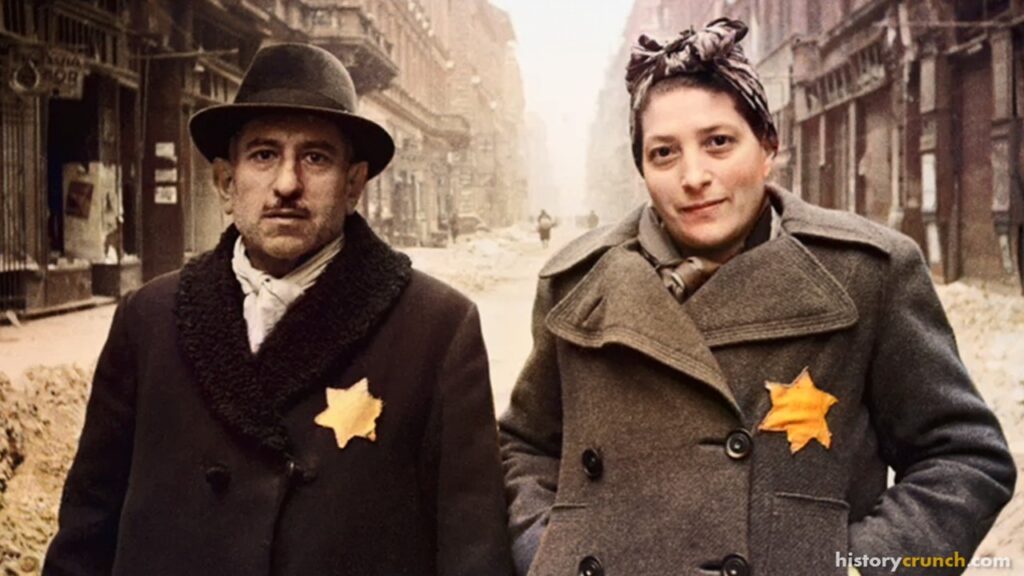
Life in Nazi Germany was far more dangerous for people the regime considered undesirable. The first major legal stage of this persecution was the Nuremberg Laws, passed on September 15th, 1935. These laws made German Jewish people second-class citizens and banned marriage and sexual relations between Jewish people and people of ‘German or related blood’. This was highly significant because it turned anti-Semitism into official law and isolated Jewish people within their own country.
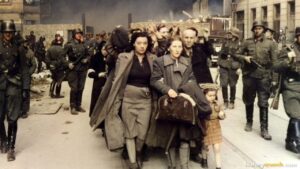
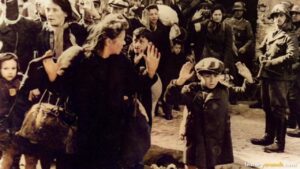
Persecution then became even more violent. On November 9th and 10th, 1938, the Nazis carried out Kristallnacht, or the Night of Broken Glass, during which SA forces attacked Jewish homes, businesses, and synagogues. In total, 91 Jewish people were murdered and another 30,000 Jewish men were arrested and imprisoned. Jewish business owners were then forced to pay for the damage themselves. This is important because Kristallnacht showed that life for Jewish people in Nazi Germany had moved beyond discrimination into organized mass violence.
Other groups were also persecuted. The Holocaust lasted from 1933 to 1945 and targeted Jewish people as well as disabled people, homosexuals, communists, Soviet and Polish prisoners of war, Roma, and other religious and ethnic minorities. One especially brutal example was the Nazi Euthanasia Program, which targeted physically and mentally disabled Germans and used ideas about eugenicsThe idea that some people are biologically superior and that society should control who reproduces, used to justify Nazi murder. to justify murder. This was significant because it reveals that life in Nazi Germany depended heavily on whether the regime considered a person valuable, loyal, and racially acceptable.
Life in Nazi Germany – During World War II
World War II changed daily life in Nazi Germany even for many Germans who were not among the regime’s main victims. As the war continued, propaganda became more intense, work was increasingly directed toward the war effort, and young people and civilians were drawn more deeply into supporting the state. This was significant because it shows that dictatorship and total war became more closely connected as the conflict expanded.
By July 23rd, 1944, Hitler had appointed Goebbels as Reich Plenipotentiary for Total War, and the goal was to close businesses that were not essential and to direct more of society toward military needs. In practical terms, life in Nazi Germany by this stage involved greater pressure, greater sacrifice, and growing awareness that the war was turning against the regime. As Allied armies advanced and cities faced destruction, daily life became more unstable and desperate. This is important because it shows how the promises of Nazi strength eventually led Germany into ruin. For instance, by the time of the Battle of Berlin in 1945, Nazi Germany was regularly sending young German boys to the frontlines of battle, highlighting the desperate times faced by the German people.
Life in Nazi Germany – Significance
Life in Nazi Germany was significant because it showed how a dictatorship can reshape an entire society. Under Hitler and the Nazi Party, the regime tried to control schools, youth groups, media, law, religion, and culture, while also using fear and violence to silence opposition. This was important because it helps explain how authoritarian systems maintain power over ordinary people.
It is also significant because life in Nazi Germany reveals how differently people experienced the same regime. Some Germans experienced rallies, propaganda, and youth organizations, while others experienced exclusion, arrest, terror, and death.
FactsthatCrunchThe German parliament's passage of the Enabling Act on March 23rd, 1933 handed Hitler the authority to make laws without parliament, ending democracy and opening the door to total Nazi control of German society.
Key Vocabulary
Dictatorship
Enabling Act
Propaganda
Indoctrinated
Anti-Semitism
Gestapo
Eugenics
Frequently Asked Questions
When did Nazi Germany begin and end?
Nazi Germany lasted from January 30th, 1933, to May of 1945. It began when Adolf Hitler became Chancellor and ended when Nazi rule collapsed at the close of World War II. During these twelve years, Hitler and the Nazi Party turned Germany from a democracy into a dictatorship. Life for ordinary people was reshaped around Nazi ideology.
How did the Nazis end democracy in Germany?
The Nazis ended democracy mainly through the Enabling Act, passed on March 23rd, 1933. This law let Hitler make laws without the normal involvement of parliament. The Reichstag Fire on February 27th, 1933, had already been used to spread fear of a communist takeover. After President Paul von Hindenburg died on August 2nd, 1934, Hitler gained total control.
What role did propaganda play in daily life?
Propaganda shaped nearly everything Germans read, watched, and heard under Nazi rule. Joseph Goebbels became Minister of Propaganda in March of 1933 and controlled newspapers, films, posters, and radio. By 1938, nearly 10 million cheap radios were in German homes, letting the regime reach people directly. Foreign broadcasts were eventually outlawed to limit outside information.
What was the Hitler Youth?
The Hitler Youth was a Nazi organization used to indoctrinate children and teenagers. It existed from 1926 to 1945 and had separate branches for boys and girls. It stressed physical fitness, obedience, anti-Semitism, and loyalty to the state over independent thinking. By the start of World War II in 1939, nearly 8 million young people were members, and membership had become mandatory.
What were the Nuremberg Laws?
The Nuremberg Laws were anti-Jewish laws passed on September 15th, 1935. They made German Jewish people second-class citizens and banned marriage between Jewish people and those of “German or related blood.” These laws turned anti-Semitism into official policy and isolated Jewish people within their own country. Persecution later grew more violent, as seen during Kristallnacht in November of 1938.
What was the Gestapo?
The Gestapo was the Nazi secret state police and one of the regime’s most feared institutions. Heinrich Himmler took control of it in April of 1934, and a 1936 law placed it above ordinary courts. It investigated communists, Jewish people, critics, and even people who told anti-regime jokes. Fear of arrest taught many Germans to watch what they said in public.
Cite This Article
To cite this article as a source, use one of the formats below.
MLA: Millar, B. “Life in Nazi Germany: A Detailed Summary.” HistoryCrunch, 1 October 2026, https://historycrunch.com/life-in-nazi-germany/.
APA: Millar, B. (2026). Life in Nazi Germany: A Detailed Summary. HistoryCrunch. https://historycrunch.com/life-in-nazi-germany/
Chicago: Millar, B. “Life in Nazi Germany: A Detailed Summary.” HistoryCrunch. October 1, 2026. https://historycrunch.com/life-in-nazi-germany/
Sources
- Imperial War Museum
- Antony Beevor, The Second World War.
- Gerhard L. Weinberg, A World at Arms.