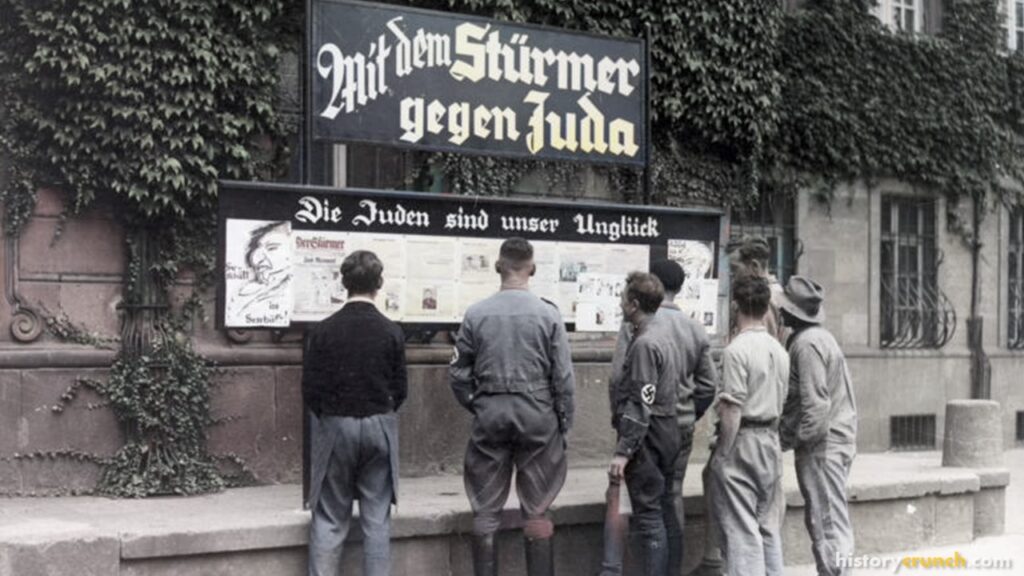
Anti-Semitism in the Holocaust was a central aspect of the persecution and murder of Jewish people in the 1930s and 1940s. In fact, anti-Semitism intensified in Germany after the events of World War I and Jewish people were falsely blamed for Germany’s defeat and resulting economic problems. When Adolf Hitler and the Nazi Party rose to power in 1933, they used state-sponsored propaganda and racist ideology to present Jewish people as a threat to the purity and national unity of Germany.
WHAT WAS THE HOLOCAUST?
The Holocaust was one of the most important events of the 20th century and is perhaps the most significant genocide in human history. It occurred from 1933 to 1945, and over 11 million people were executed as a result of the ideals of Adolf Hitler and the Nazi Party. In total, 6 million were Jewish people, while the other 5 million included several other groups, including: disabled people, homosexuals, communists, Soviet and Polish prisoners of war, Roma, and other religious and ethnic minorities. Historians have identified several causes of the Holocaust, with anti-Semitism being one of the main ones. Anti-Semitism is best defined as a prejudice or hatred of Jewish people.
ANTI-SEMITISM IN THE HOLOCAUST – SUMMARY
Throughout history, anti-Semitism has increased during times of economic crisis. Because they were an isolated minority, who lacked their own nation-state (until 1948 with the formation of Israel), Jewish people were often blamed for society’s problems throughout Europe. Adolf Hitler and the Nazi Party of Germany did not invent anti-Semitism; rather they used it to their advantage, as it already existed for centuries. Historians refer to the Nazi-focused anti-Semitism of the 1930s and 1940s as an example of scapegoating. Scapegoating is when the problems of a nation are redirected towards a different group. It is also referred to as ‘directing popular discontent’.
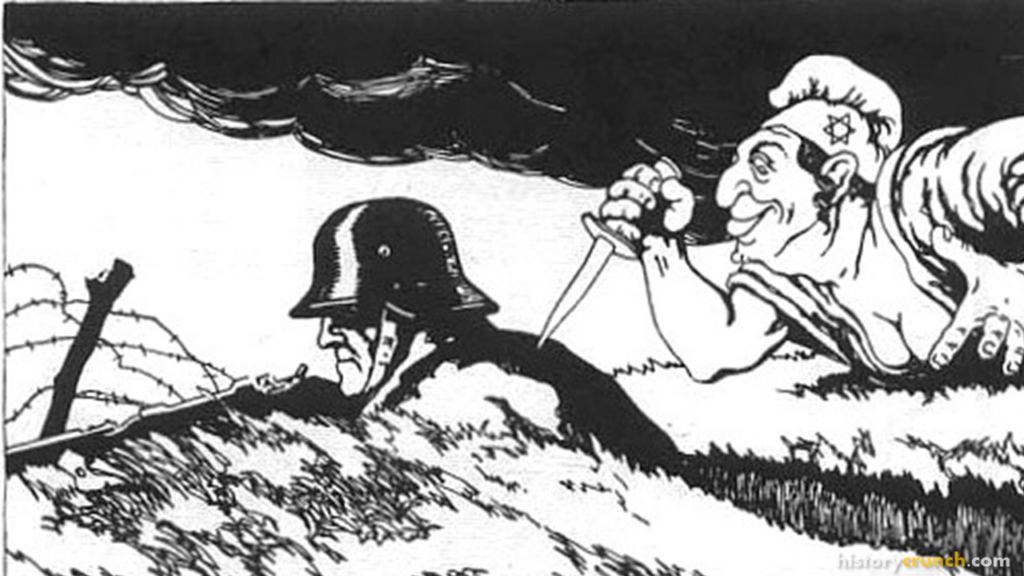
By the 1930s, Europe, and the rest of the world, was in the grips of the Great Depression, which saw unemployment increase rapidly. As well, Germany was experiencing hyperinflation (a loss of value in their currency) due to the reparation payments of the Treaty of Versailles which was forced upon Germany at the end of World War I. These two events combined to set the stage for the growth of anti-Semitism and eventually the Holocaust. Since Jewish people were historically stereotyped as controlling banks and other sources of money they became an easy and convenient target for the source of Germany’s economic problems. Hitler and other prominent Nazis, including Joseph Goebbels, blamed Jewish people for many of Germany’s problems in speeches and rallies throughout the 1930s. For example, Goebbels, who was the Nazi Propaganda Minister, famously declared that “every Jew is a sworn enemy of the German people”. As well, in 1940 the film, The Eternal Jew, was created as a means of showcasing Nazi anti-Semitism.
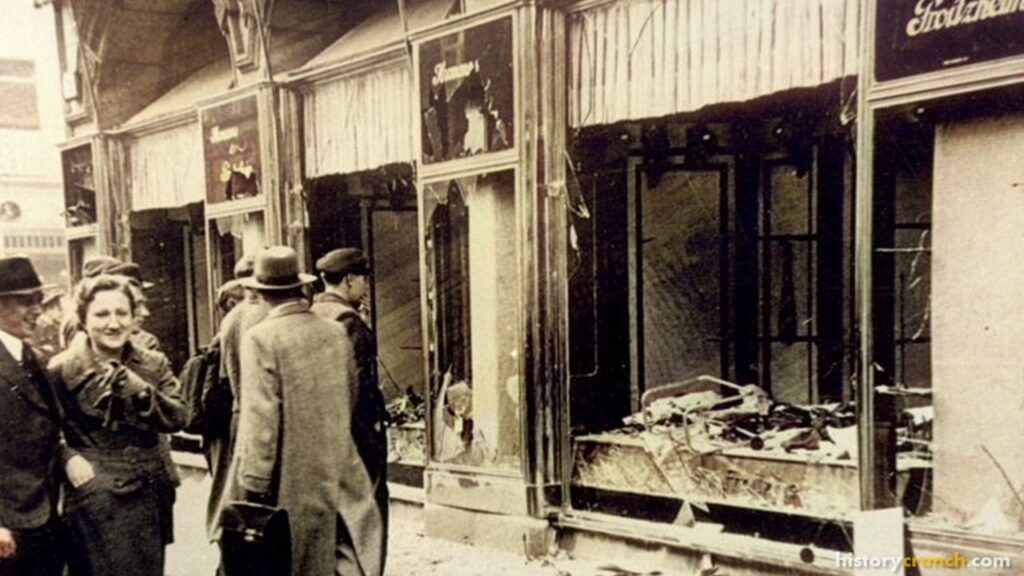
As a result, the Nazi Party implemented anti-Jewish laws, such as the Nuremberg Laws, which stripped Jewish-Germans of their citizenship, banned intermarriage with non-Jews, and excluded them from public life. In fact, throughout the rise to power of the Nazi Party in Germany, Jewish people regularly faced prejudice socially, economically and physically. For instance, the famous events of Kristallnacht (“Night of Broken Glass”) in 1938, highlight the brutality faced by the Jewish people. Kristallnacht was when synagogues were burned, businesses destroyed, and thousands of Jews arrested in Nazi Germany. Historians often consider it to be the first main attack on Jewish people in Nazi Germany.
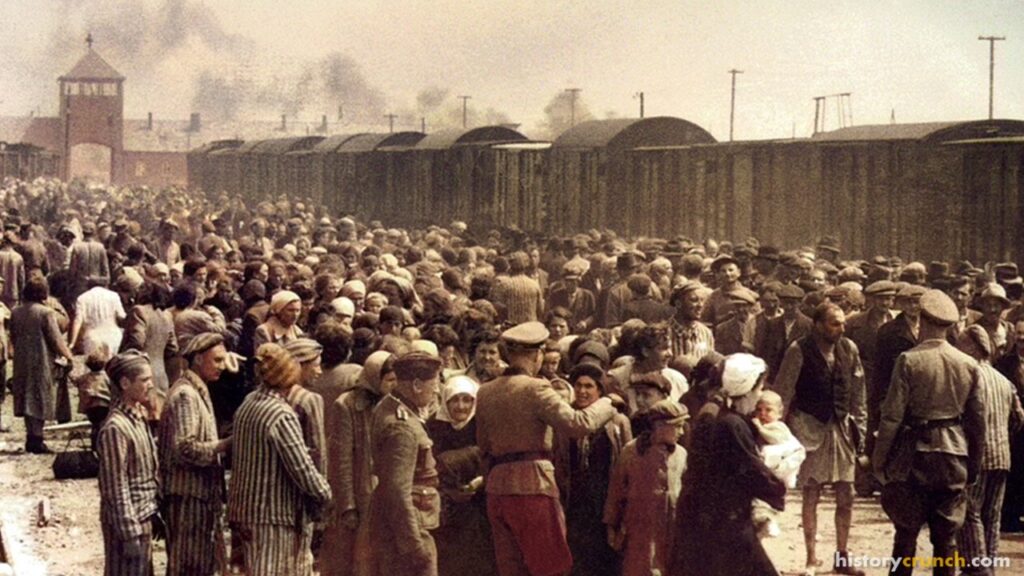
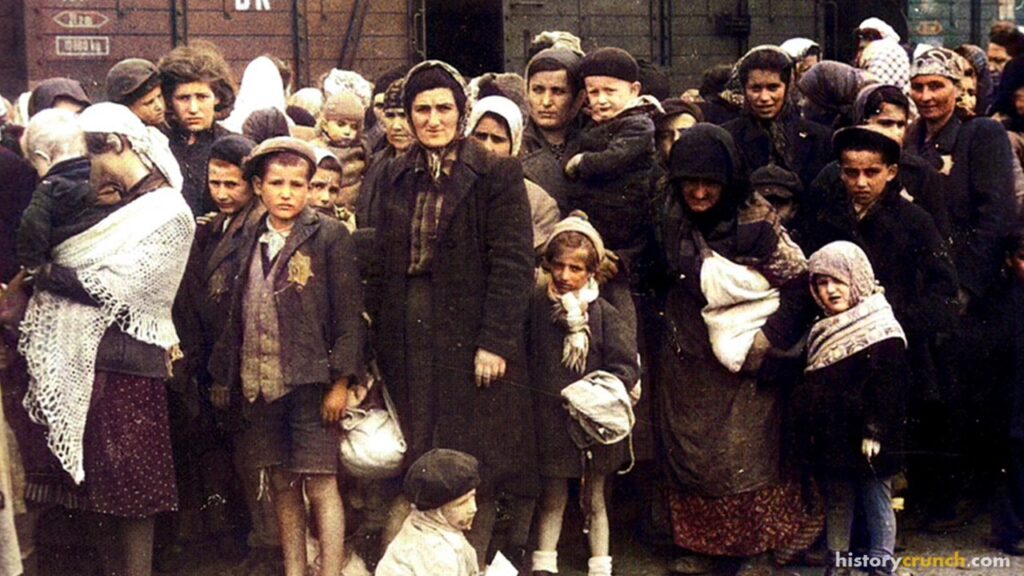
With the outbreak of World War II, Nazi anti-Semitic policies ultimately escalated into genocide. More specifically, Jewish people and others considered undesirable by the Nazi regime were forced into ghettos, deported, and forced to endure starvation, disease and mass shootings by mobile death squads known as Einsatzgruppen. Finally, the anti-Semitic policies of Nazi Germany eventually resulted in the creation of the concentration camps of the Holocaust.
It is important to note that anti-Semitism in the Holocaust led to one of the most horrific genocides in all of human history. As such, the events of the Holocaust and the ideology of the Nazi Party remain as a reminder of the dangers of hatred, racism and anti-Semitic beliefs and policies.
Frequently Asked Questions
What is anti-Semitism?
Anti-Semitism is prejudice against or hatred of Jewish people. It has existed for centuries and was not invented by the Nazi Party. Instead, the Nazis used feelings that already existed across Europe to build support for their own goals.
Why did the Nazis blame Jewish people for Germany’s problems?
The Nazis blamed Jewish people to redirect public anger over Germany’s defeat in World War I and its economic troubles. Historians call this scapegoating, which means blaming one group for a nation’s problems. Jewish people were an easy target because they were a minority who lacked their own country until 1948.
What were the Nuremberg Laws?
The Nuremberg Laws were anti-Jewish laws passed by the Nazi Party in 1935. They stripped Jewish-Germans of their citizenship and banned marriage between Jews and non-Jews. The laws also pushed Jewish people out of public life and daily German society.
What happened during Kristallnacht?
Kristallnacht, or the “Night of Broken Glass,” was a violent attack on Jewish people in 1938. Synagogues were burned, businesses were destroyed, and thousands of Jews were arrested. Historians often see it as the first major physical attack on Jewish people in Nazi Germany.
How did anti-Semitism lead to the Holocaust?
Anti-Semitism began with propaganda and laws, then grew into mass violence after World War II started. Jewish people were forced into ghettos, deported, and killed by mobile death squads called Einsatzgruppen. These policies finally led to the concentration camps where millions were murdered.
How many people died in the Holocaust?
Over 11 million people were killed during the Holocaust, which lasted from 1933 to 1945. About 6 million of the victims were Jewish people. The other 5 million included disabled people, Roma, prisoners of war, and other minority groups.
Cite This Article
To cite this article as a source, use one of the formats below.
MLA: Beck, Elias. “Anti-Semitism in the Holocaust: A Detailed Summary.” HistoryCrunch, 16 September 2026, https://historycrunch.com/anti-semitism-in-the-holocaust/.
APA: Beck, E. (2026). Anti-Semitism in the Holocaust: A Detailed Summary. HistoryCrunch. https://historycrunch.com/anti-semitism-in-the-holocaust/
Chicago: Beck, Elias. “Anti-Semitism in the Holocaust: A Detailed Summary.” HistoryCrunch. September 16, 2026. https://historycrunch.com/anti-semitism-in-the-holocaust/
Sources
- Antony Beevor, The Second World War.
- Gerhard L. Weinberg, A World at Arms.
- Imperial War Museum