The Nazi Euthanasia Program was a campaign of systematic murder carried out by Nazi Germany during the events of World War II and the Holocaust. The program targeted individuals with physical and mental disabilities that were deemed ‘unfit’ for life.
WHAT WAS THE HOLOCAUST?
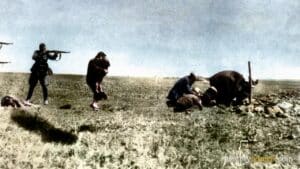
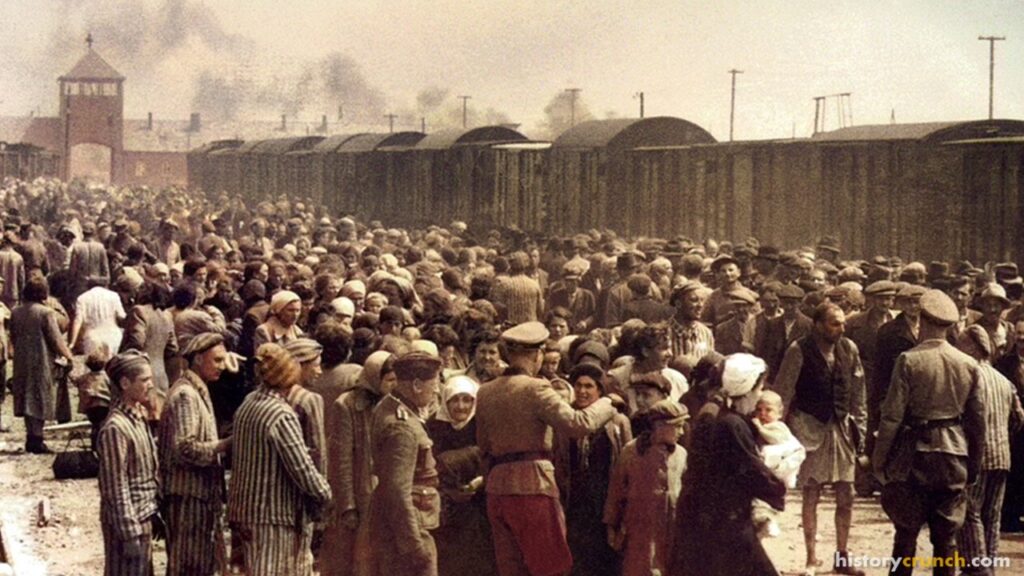
The Holocaust was one of the most important events of the 20th century and is perhaps the most significant genocide in human history. It occurred from 1933 to 1945, and over 11 million people were executed as a result of the ideals of Adolf Hitler and the Nazi Party. In total, 6 million were Jewish people, while the other 5 million included several other groups, including: disabled people, homosexuals, communists, Soviet and Polish prisoners of war, Roma, and other religious and ethnic minorities. The Nazi regime made use of eugenics to carry out the prejudice and death of millions of these people during the events of the Holocaust. One of the ways in which the Nazi regime did this was through the Euthanasia Program.
NAZI EUTHANASIA PROGRAM – SUMMARY
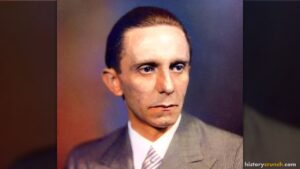
One of the first parts of the Holocaust was the Euthanasia Program carried out by Adolf Hitler and the Nazi Party. A key feature of the Holocaust was the goal of creating a perfect race, called Aryan. For Hitler, Aryans were northern Europeans who had certain ‘superior’ genetic traits, including blonde hair and blue eyes. Hitler believed that Aryan genetic traits should be promoted and that all others should be restricted or removed from society. As such, the Nazis quickly began promoting the idea of eugenics, which involved preventing ‘undesirable’ people from reproducing. Today, historians view the Euthanasia Program in Germany, which began in 1939, as an example of Nazi eugenics.
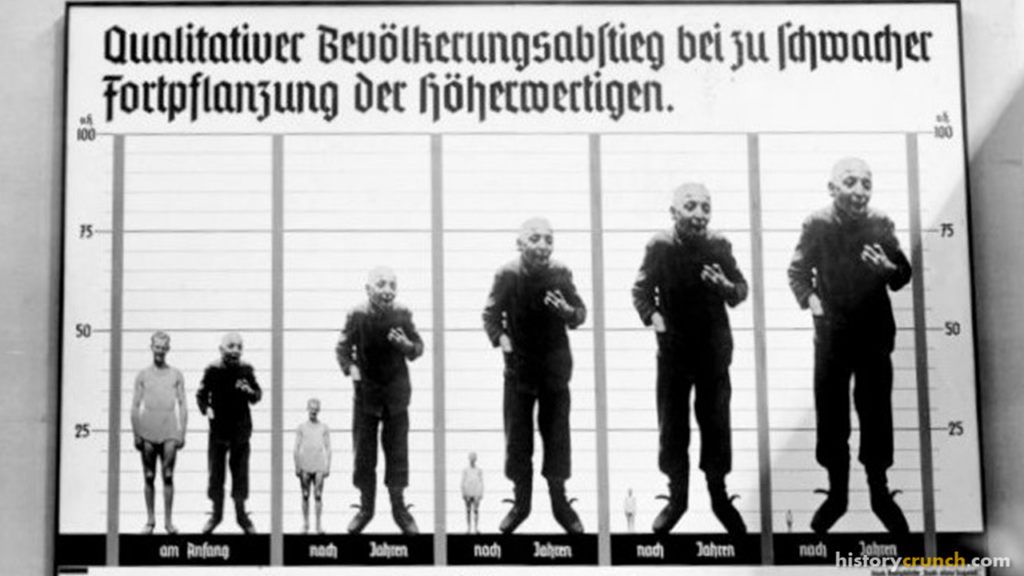
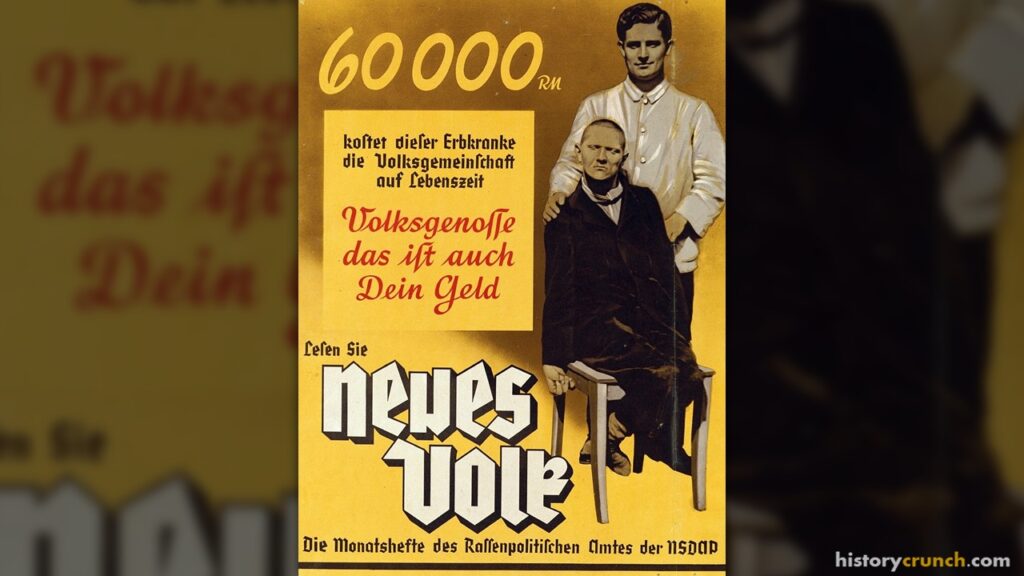
Euthanasia is best understood as the painless death of someone in suffering. In reality, the Nazi Euthanasia Program was a step towards the infamous death camps because they also involved the process of gassing people in contained spaces. The program targeted physically and mentally disabled Germans (adults and children) who the Nazis deemed to be a burden on German society. It was the view of Nazi officials that the care for these people was too expensive and they carried genetic traits that weakened the Aryan race.
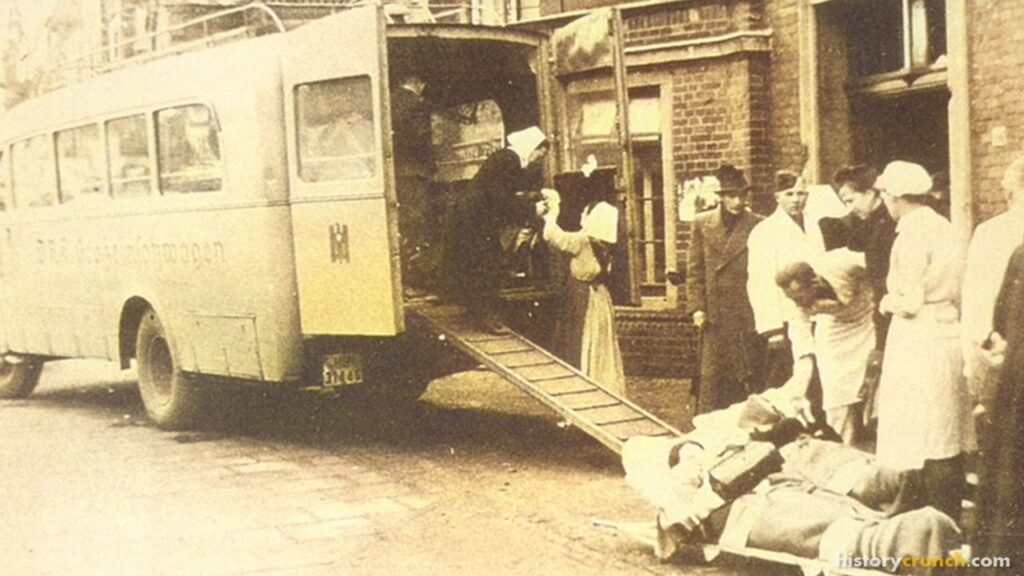
Under the Euthanasia Program Nazi doctors passed judgment on a disabled person based purely on viewing the patient’s file. If 2 out of 3 of the Nazi doctors deemed so, then the patient was euthanized, meaning they were executed. Patients chosen for death were taken by bus to one of six killing centers, such as Hadamar and Grafeneck, where they were gassed with carbon monoxide in rooms disguised as showers. Their families were sent false death certificates. Hitler signed the order for the program in October of 1939 and backdated it to September 1st, the day the war began. Public protest, including a sermon by Bishop Clemens von Galen of Munster in August of 1941, led Hitler to halt the official program on August 24th, 1941, by which time about 70,000 people had been killed. The killing continued more quietly in hospitals until 1945, and the staff and methods of the program were later used in the death camps in Poland. The Euthanasia Program is significant because it highlights the Nazi beliefs that eventually led to the major events of the Holocaust.
Frequently Asked Questions
What was the Nazi Euthanasia Program?
It was a Nazi campaign that murdered people with physical and mental disabilities. The Nazis claimed these people were a burden on German society. The program began in 1939 and was an early stage of the wider Holocaust.
What was the code name for the Nazi Euthanasia Program?
It was often called Aktion T4, or the T4 program. The name came from the address of the office that ran it, Tiergartenstrasse 4 in Berlin. This location helped keep the true purpose of the program hidden from the public.
How were victims chosen and killed?
Nazi doctors judged a disabled person based only on that person’s medical file. If two of three doctors agreed, the patient was marked for death. Victims were then bused to six killing centers and gassed with carbon monoxide in rooms disguised as showers.
How many people were killed in the program?
About 70,000 people were killed before the official program was halted in August 1941. The killing did not fully stop, however, and continued quietly in hospitals until 1945. Families of victims were sent false death certificates to hide the truth.
Why did the Nazis stop the official program in 1941?
Public protest pushed Hitler to halt the official program on August 24, 1941. A sermon by Bishop Clemens von Galen of Munster in August 1941 was one key example of this protest. The staff and methods were later used in the death camps in Poland.
Cite This Article
To cite this article as a source, use one of the formats below.
MLA: Beck, Elias. “Nazi Euthanasia Program: A Detailed Summary.” HistoryCrunch, 16 September 2026, https://historycrunch.com/nazi-euthanasia-program/.
APA: Beck, E. (2026). Nazi Euthanasia Program: A Detailed Summary. HistoryCrunch. https://historycrunch.com/nazi-euthanasia-program/
Chicago: Beck, Elias. “Nazi Euthanasia Program: A Detailed Summary.” HistoryCrunch. September 16, 2026. https://historycrunch.com/nazi-euthanasia-program/
Sources
- German History in Documents and Images (GHDI)
- Richard J. Evans, The Third Reich Trilogy.
- USHMM
- Michael Burleigh, The Third Reich: A New History.