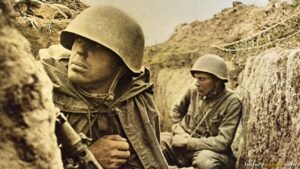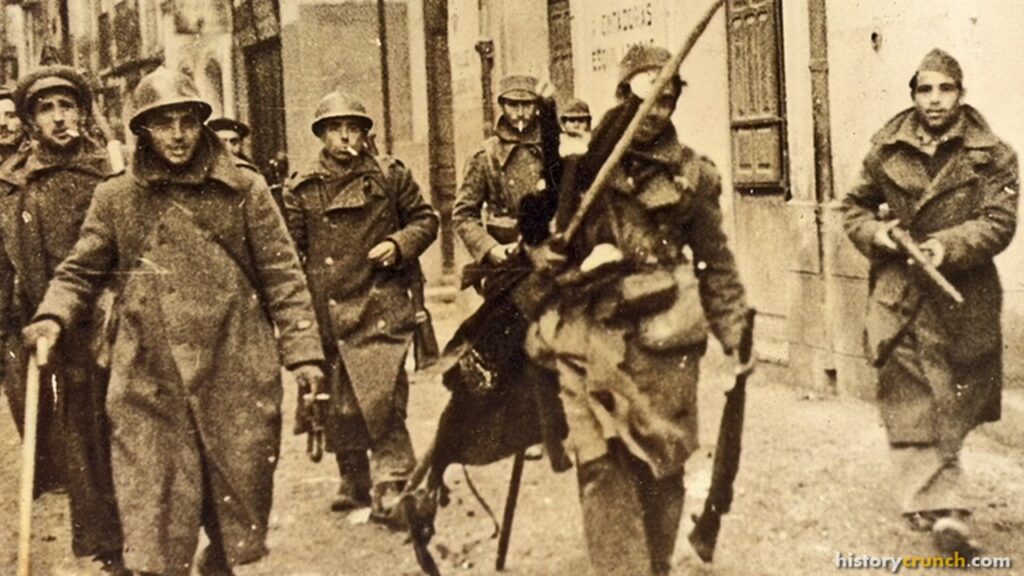
The Spanish Civil War was a brutal conflict that took place in Spain from 1936 to 1939. It was fought between the Nationalist forces, who were led by General Francisco Franco and supported by Nazi Germany and fascist Italy, and the Republican forces, who defended the elected government of Spain and received support from the Soviet Union and international volunteers. The war tore Spain apart along political, social, and ideological lines and resulted in the deaths of hundreds of thousands of people. Its outcome established Francisco Franco as the dictator of Spain and had significant effects for the rest of Europe in the years that followed.
 FactsthatCrunch
What Was the Spanish Civil War?
The Spanish Civil War was a conflict between two opposing sides in Spain that disagreed fundamentally about the direction of the country. On one side were the Republicans, who supported the elected left-wing government of Spain, known as the Popular Front. The Republicans included a wide range of groups such as socialists, communists, anarchists, and supporters of regional independence movements in Catalonia and the Basque Country. On the other side were the Nationalists, who were made up of conservative military officers, members of the Catholic Church, large landowners, monarchists, and members of a Spanish fascist movement called the Falange. The Nationalists opposed the Republican government and wanted to restore conservative, traditional values and strong military authority to Spain.
The war is significant not only for its devastating impact on Spain but also because it became a testing ground for the weapons and tactics that would be used on a much larger scale in World War II. It also represented one of the first major confrontations between fascism and the forces that opposed it, drawing international attention and participation from people and governments across the world.
FactsthatCrunchWhat was the Popular Front that won Spain's election in February 1936?
Causes of the Spanish Civil War
The Spanish Civil War had its roots in the deep political and social divisions that had been building in Spain for decades. By the early 20th century, Spain was a country deeply divided between a traditional conservative establishment made up of the military, the Catholic Church, and large landowners, and a growing left-wing movement made up of workers, peasants, and regional independence groups who wanted significant social and political reform. These two sides had fundamentally incompatible visions for what Spain should be, and the tensions between them had been growing for years before they finally erupted into open conflict in 1936.
Spain became a republic in 1931 after King Alfonso XIII left the country and went into exile. The early years of the republic were characterized by intense political instability, with power shifting back and forth between left-wing and right-wing governments and neither side willing to accept the authority of the other. In February of 1936, a coalition of left-wing parties called the Popular Front won the national elections and formed a government. This victory alarmed conservative elements of Spanish society, particularly within the military, who feared that the left-wing government would introduce radical social reforms and threaten the traditional institutions of the Church, the army, and the established landowning class. The victory of the Popular Front also raised fears among conservatives that Spain might be moving toward a communist revolution similar to what had occurred in Russia in 1917. These fears ultimately pushed a group of military officers to plan a coupA sudden, forceful takeover of a government, usually carried out by military officers. against the elected government, setting the stage for the outbreak of the civil war.
FactsthatCrunchThe Popular Front's election victory on February 16th, 1936 alarmed Spanish conservatives because the left-wing coalition quickly freed political prisoners and restarted land reform that threatened the estates of large landowners.
Major Events of the Spanish Civil War
The Spanish Civil War began in July of 1936 when a group of nationalist military officers launched a coup against the Republican government. The coup was intended to seize power quickly across Spain, but it did not succeed as planned. Rather than collapsing immediately, the Republican government managed to resist in many parts of the country, and Spain split into two zones: areas controlled by the Nationalists and areas controlled by the Republicans. What had been intended as a swift military takeover instead became a prolonged and devastating civil war.
Francisco Franco emerged as the most important leader of the Nationalist forces. In September of 1936 he was appointed GeneralissimoThe title given to the supreme commander of all Nationalist military forces in Spain., or supreme commander, of the Nationalist military, and he gradually consolidated his political authority to become the undisputed leader of the Nationalist cause. The Nationalists received crucial military assistance from Nazi Germany under Adolf Hitler and fascist Italy under Benito Mussolini. Germany sent the Condor LegionA unit of the German Air Force sent by Hitler to fight alongside the Nationalist forces in Spain., a unit of the German Air Force, to support the Nationalist forces, while Italy sent tens of thousands of troops and large amounts of military equipment. Both Hitler and Mussolini saw the Spanish Civil War as an opportunity to test their weapons and military tactics in a real combat environment, and they used the conflict to develop the strategies that they would later employ in World War II.
The most infamous example of this foreign military involvement was the bombing of the Basque town of Guernica on April 26th, 1937, carried out by the German Condor Legion in support of the Nationalist forces. The attack targeted a civilian town on a busy market day and killed hundreds of people. The bombing of Guernica caused international outrage and became one of the most powerful symbols of the horror of modern warfare. The Spanish artist Pablo Picasso famously depicted the bombing in his iconic painting Guernica, which became one of the most important works of art of the 20th century.
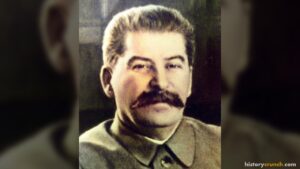
The Republican side received support from the Soviet Union under Joseph Stalin, who supplied weapons, military advisors, and other resources to the Republican forces. The war also attracted thousands of international volunteers from around the world who came to Spain to fight against fascism. These volunteers organized themselves into units known as the International BrigadesUnits of foreign volunteers from many countries who came to Spain to fight against fascism on the Republican side., with fighters coming from countries including France, Britain, the United States, Canada, and many others. The International Brigades saw significant action throughout the war and their participation reflected the wider ideological stakes that people around the world saw in the conflict.
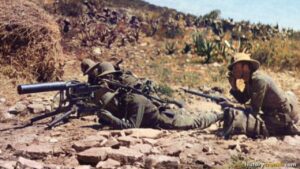
The fighting of the Spanish Civil War was brutal and characterized by atrocitiesExtremely cruel and violent acts, often committed against civilians during a conflict. committed by both sides. Cities and towns were bombed, political opponents were executed, and civilians suffered enormously throughout the conflict. Some of the most significant military engagements of the war included the Siege of Madrid, the Battle of Guadalajara, and the Battle of the Ebro, which was one of the largest battles of the entire war. The Republican forces showed considerable resilience throughout the conflict but were ultimately unable to overcome the military superiority of the Nationalist forces and their foreign allies. By early 1939 the Nationalist forces had gained the upper hand across the country. Madrid, the last major Republican stronghold, fell to the Nationalists on March 28th, 1939, and Franco declared victory on April 1st, 1939, bringing the Spanish Civil War to an end.
Significance of the Spanish Civil War
The significance of the Spanish Civil War extended far beyond the borders of Spain itself. The war was one of the most important events of the 1930s and had consequences that shaped the history of Europe and the world for years afterward.
First, the outcome of the war established Francisco Franco as the dictator of Spain, a position he would hold until his death in 1975. Franco’s regime was authoritarian and repressive, suppressing political opposition, regional languages and cultures, and basic civil liberties. The Spanish Civil War and its aftermath resulted in hundreds of thousands of deaths, with many Republicans and their supporters executed, imprisoned, or forced into exile in the years that followed the Nationalist victory. The devastation caused by the war left deep scars on Spanish society that took generations to heal.
Second, the Spanish Civil War was deeply significant as an early confrontation between fascism and its opponents. The involvement of Nazi Germany and fascist Italy on the side of the Nationalists and the Soviet Union on the side of the Republicans meant that the war became a proxy struggleA conflict where two larger powers back opposing sides instead of fighting each other directly. between the two competing ideologies that were dividing Europe in the 1930s. The war demonstrated the growing aggression and military capabilities of Hitler and Mussolini, and the failure of Britain and France to intervene on behalf of the Republic was seen as another example of the policy of appeasementThe policy of allowing aggressive powers to expand without military opposition, hoping to avoid a larger war. that was allowing fascist powers to expand their influence in Europe unchecked.
Third, the Spanish Civil War served as a testing ground for the weapons and military tactics that would be used in World War II. The German Condor Legion used Spain to develop and refine the aerial bombing tactics that would later be deployed across Europe, most famously in the Blitz against Britain in 1940. The war also helped Germany and Italy assess the effectiveness of their new weapons and military equipment in real combat conditions, giving them a significant advantage when the larger conflict broke out in 1939.
Finally, the Spanish Civil War captured the imagination of people around the world and had a powerful cultural impact. Writers, artists, and intellectuals from many countries were deeply moved by the conflict, viewing it as a fight for democracy and human dignity against the forces of fascism. Among the most famous literary works inspired by the war was the novel For Whom the Bell Tolls by American writer Ernest Hemingway, who had reported on the conflict as a journalist. For all of these reasons, the Spanish Civil War remains one of the most important and studied conflicts of the 20th century.
FactsthatCrunchWhat policy did Francisco Franco follow toward World War II after coming to power in Spain?
Explore World War II · 1939 – 1945
Keep exploring World War II with these History Crunch resources.
Key Vocabulary
Coup
Generalissimo
Condor Legion
International Brigades
Proxy struggle
Appeasement
Atrocities
Frequently Asked Questions
When was the Spanish Civil War fought?
The Spanish Civil War was fought from 1936 to 1939. It began in July of 1936 with a military coup against the elected government. Franco declared victory on April 1st, 1939, after his forces captured Madrid.
Who fought in the Spanish Civil War?
Two sides fought in the war, the Nationalists and the Republicans. The Nationalists were led by General Francisco Franco and included military officers, the Catholic Church, and large landowners. The Republicans defended the elected left-wing government and included socialists, communists, and anarchists.
Which countries supported each side?
Nazi Germany and fascist Italy supported the Nationalists with troops, weapons, and aircraft. The Soviet Union supplied the Republicans with weapons and military advisors. Thousands of foreign volunteers also joined the Republicans in units called the International Brigades.
What happened at Guernica?
Guernica was a Basque town bombed by the German Condor Legion on April 26th, 1937. The attack hit a civilian town on a busy market day and killed hundreds of people. It caused worldwide outrage and inspired a famous painting by Pablo Picasso.
Why is the Spanish Civil War important?
The war made Francisco Franco the dictator of Spain, a role he held until his death in 1975. It was also an early clash between fascism and its opponents. Germany and Italy used the fighting to test weapons and tactics they would later use in World War II.
How did the Spanish Civil War end?
The war ended with a Nationalist victory in the spring of 1939. The Republicans fought hard but could not match the military strength of Franco and his foreign allies. Madrid fell on March 28th, 1939, and Franco declared the war over on April 1st, 1939.
Cite This Article
To cite this article as a source, use one of the formats below.
MLA: Millar, B. “Spanish Civil War: A Detailed Summary.” HistoryCrunch, 1 October 2026, https://historycrunch.com/spanish-civil-war/.
APA: Millar, B. (2026). Spanish Civil War: A Detailed Summary. HistoryCrunch. https://historycrunch.com/spanish-civil-war/
Chicago: Millar, B. “Spanish Civil War: A Detailed Summary.” HistoryCrunch. October 1, 2026. https://historycrunch.com/spanish-civil-war/
Sources
- Antony Beevor, The Second World War.
- Max Hastings, Inferno / All Hell Let Loose.
- The National WWII Museum