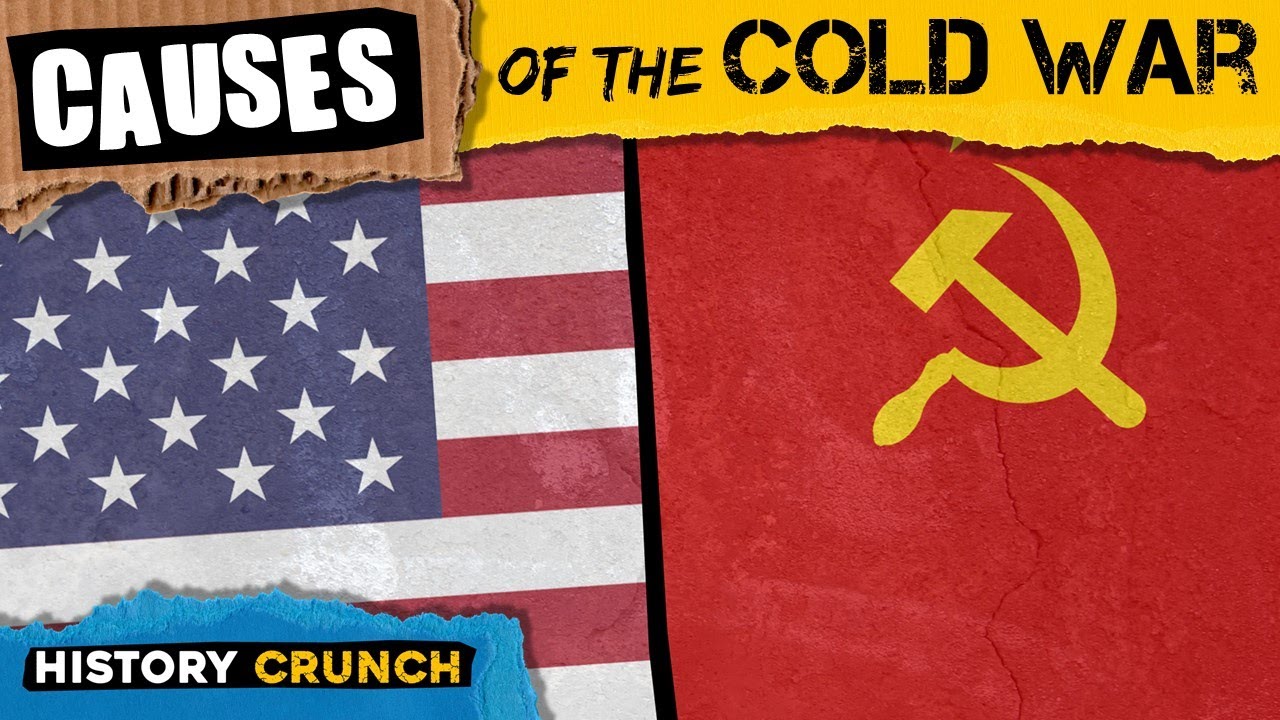
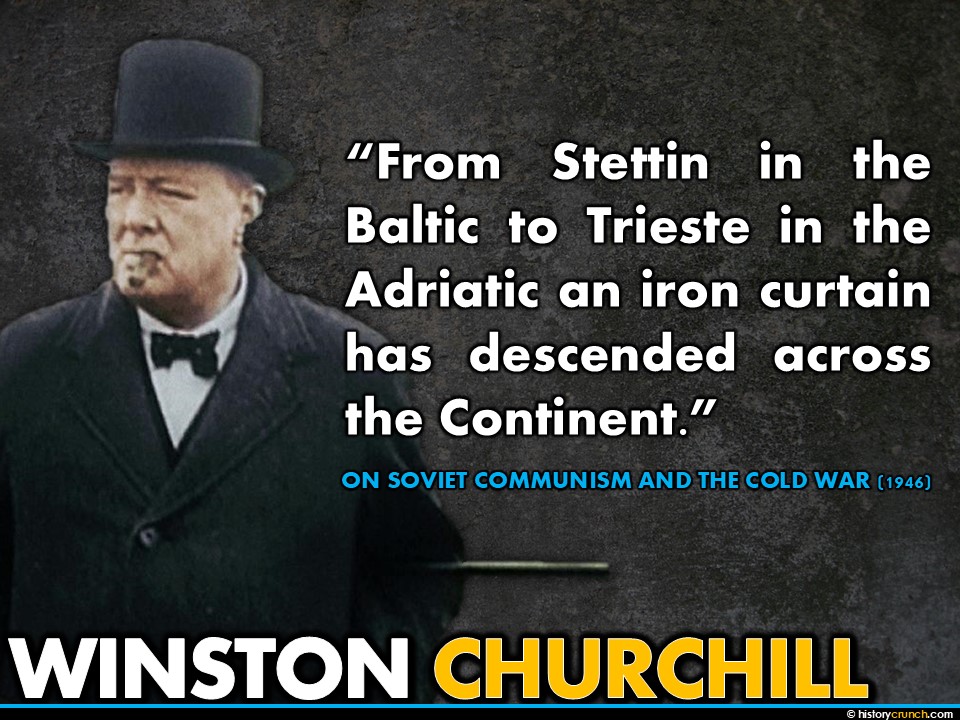
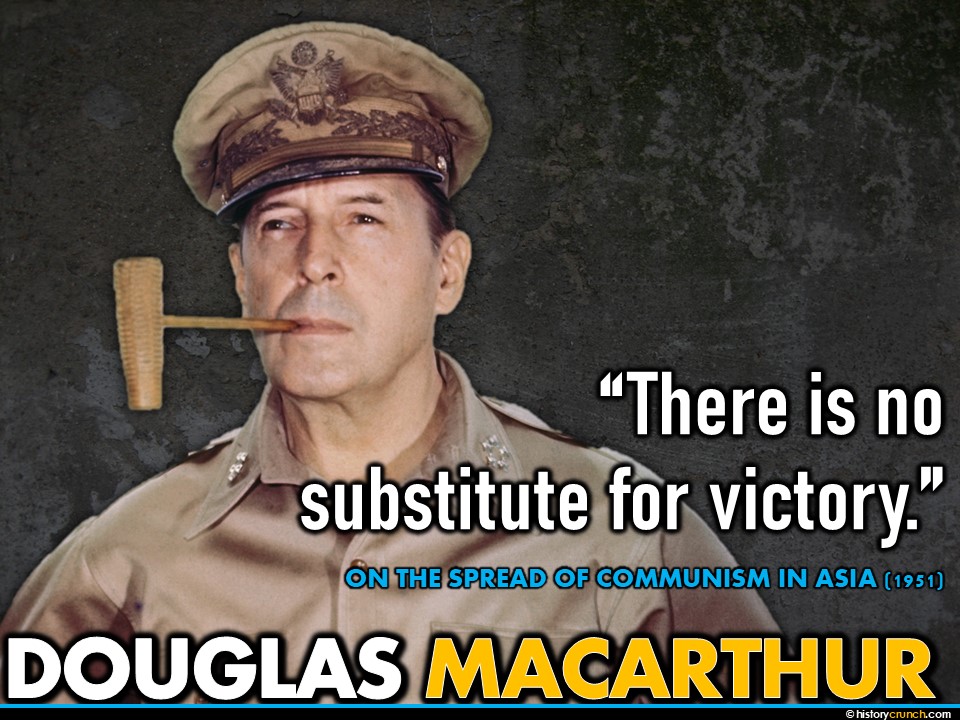
The Cold War was a period of intense political and military tension between the United States and the Soviet Union that lasted from approximately 1947 to 1991. The conflict was called a “cold” war because the two superpowers never engaged in direct military combat against each other. Instead, they competed through proxy wars, espionage, propaganda, and an arms race. The Cold War divided much of the world into two opposing blocs. The United States led the Western capitalist democracies, while the Soviet Union led the Eastern communist nations. Key events included the Berlin Blockade, the Korean War, the Cuban Missile Crisis, the Vietnam War, and the Space Race. Both superpowers developed massive nuclear arsenals, creating a strategy known as mutually assured destruction. The conflict finally ended with the collapse of the Soviet Union in 1991. The Cold War’s legacy continues to influence international relations and global politics today.