The Cold War was one of the most significant events of the 20th century, lasting from the end of World War II in 1945 until the early 1990s. At its heart it was a prolonged political, ideological and military competition between the United States and the Soviet Union that never escalated into direct war between the two superpowers but shaped world events for nearly half a century. Historians have identified several key causes that explain why the two wartime allies became bitter rivals so quickly after the defeat of Nazi Germany. This infographic was designed for students to visually summarize the main causes of the Cold War and is based on the History Crunch article titled Causes of the Cold War.
Causes of the Cold War – Infographic
About This Infographic
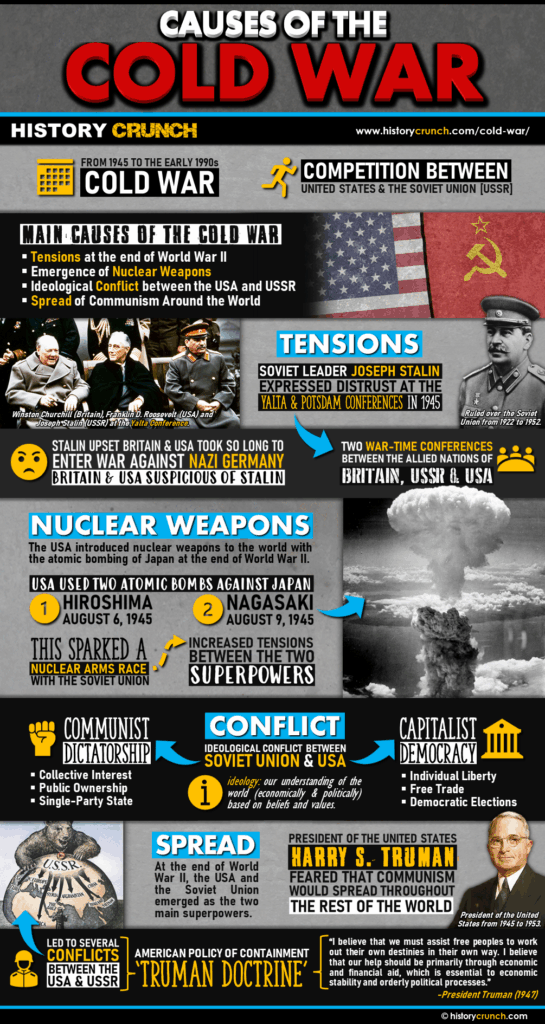
This Causes of the Cold War infographic was created by the History Crunch team to help students and teachers quickly understand the factors that led to the outbreak of one of the defining conflicts of the modern world. It is designed as a visual learning and study tool, summarizing the essential information covered in our full article on the Causes of the Cold War. Teachers may use it as a classroom display, a discussion prompt, or a study aid for students preparing for assessments.
What This Infographic Covers
The infographic covers the four main causes of the Cold War that historians have identified.
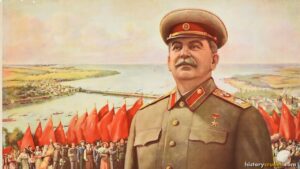
The first cause was the increased tensions between the United States and the Soviet Union at the end of World War II. During the war the two nations had been unlikely allies, united by their shared opposition to Nazi Germany. However, the relationship was never genuinely friendly. The United States had long been suspicious of Soviet communism and the authoritarian rule of Joseph Stalin, while the Soviet Union resented the delay of American entry into the war during which millions of Soviet citizens died. When the Allied powers met at Yalta in February 1945 and Potsdam in July 1945 to discuss the postwar reorganization of Europe, deep disagreements emerged about the future of Germany and Eastern Europe. The Soviet Union established communist satellite governments across Eastern Europe in the years that followed, which alarmed Western leaders and deepened distrust between the former allies.
The second cause was the fundamental ideological conflict between the two superpowers. The Soviet Union was a communist nation based on the principles of collectivism and socialism, with a centrally controlled economy and a one-party government under Stalin’s dictatorship. The United States was a modern liberal democracy based on the principles of individualism, capitalism and free elections. These two worldviews were fundamentally incompatible. Throughout the Cold War the Soviet Union sought to expand communism to other regions of the world while the United States sought to contain it. British Prime Minister Winston Churchill famously described the dividing line between Western and Soviet-controlled Europe as an iron curtain, a term that captured the ideological and physical separation of the two blocs.
The third cause was the emergence of nuclear weapons. The United States had used atomic bombs against Japan at the end of World War II, establishing itself as the most powerful military force on earth. The Soviet Union moved quickly to develop its own nuclear weapons and successfully tested an atomic bomb in 1949. This mutual possession of weapons capable of mass destruction created an atmosphere of fear and suspicion that intensified the rivalry between the two nations and led to a prolonged nuclear arms race throughout the Cold War.
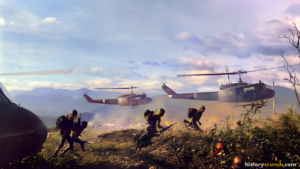
The fourth cause was the American fear of the spread of communism. President Harry S. Truman developed the policy known as the Truman Doctrine, which committed the United States to actively supporting the containment of Soviet communism around the world. This policy was rooted in the Domino Theory, the belief that if one country fell to communism its neighbors were likely to follow. The Truman Doctrine and the policy of containment shaped American foreign policy throughout the entire Cold War and directly led to American military involvement in proxy wars in Korea and Vietnam.
How to Use This Infographic in the Classroom
This infographic works well as a visual introduction to the Cold War before students read the full article on its causes. It can also be used as a review tool before an assessment, or as a discussion prompt asking students to consider which of the four causes they think was most significant in explaining why the Cold War began. Teachers may also use it alongside the Cold War overview articles and infographics on the Korean War and Vietnam War to help students understand how the causes of the Cold War played out in specific events.
Related Articles
To learn more about the topics covered in this infographic, visit the following History Crunch articles: