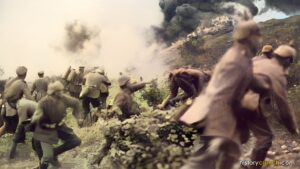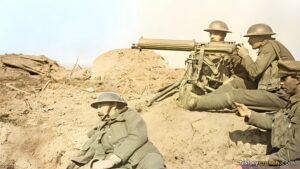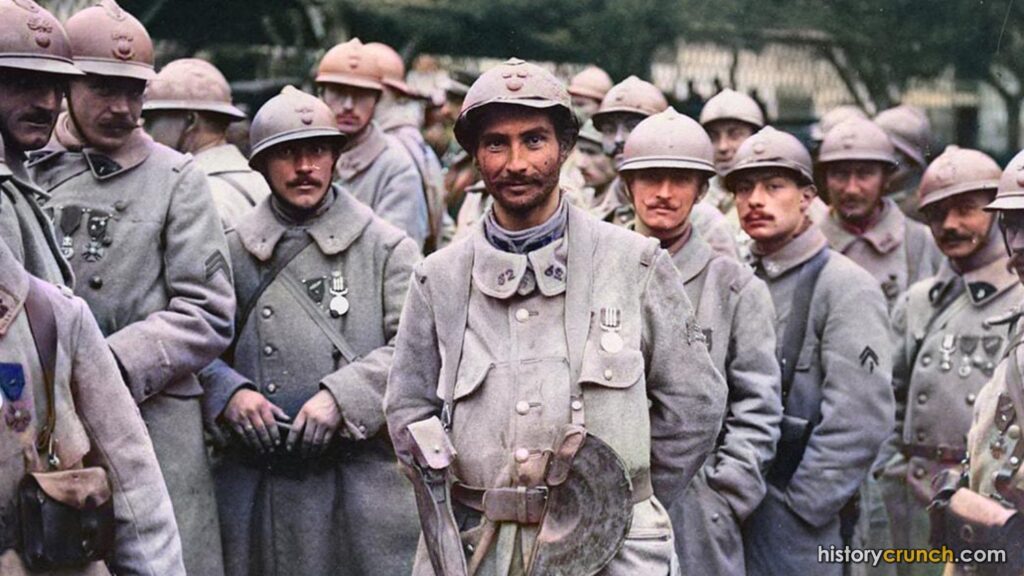
France was one of the main participants in the outbreak and fighting of World War I. In fact, France was one of the main Allied Powers, alongside Britain and Russia. As well, much of the fighting along the trenches of the Western Front occurred in northern France. As such, World War I was important as not only a military conflict but it also affected French society. While the war occurred mostly in Europe, it ultimately became a global war due to the involvement of countries from around the world. For example, at the outbreak of World War I in 1914, France had one of the largest empires in the world, with colonies from around the world. Many of these colonies sent soldiers to the battles of World War I, which made the First World War a truly global war. For its part, French soldiers were present in many of the major battles of the Western Front of World War I.
France Enters World War I
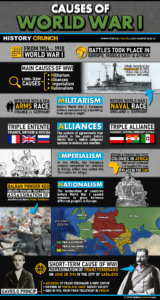
World War I erupted during the summer of 1914 in an event that historians refer to as the July Crisis. In short, this crisis was caused by the assassination of Austrian Archduke Franz Ferdinand, which led to the major European powers engaging in a conflict. For example, France was pulled into the crisis due to its alliance with Britain and Russia, which was called the Triple Entente. During the war, France along with its allies faced off against the Central Powers, which included: Germany, Austria-Hungary, the Ottoman Empire and Bulgaria.

Officially, World War I started on July 28th, 1914 when Austria-Hungary declared war on Serbia. In response, Russia mobilized its forces further on July 30th and began to prepare for war with Austria-Hungary. Having heard of the Russian mobilization against Austria-Hungary, Wilhelm II of Germany ordered German mobilization on August 1st. German troops were readied to invade France, through Belgium with the plan of attack known as the Schlieffen Plan.
In fact, Germany declared war on Russia on August 1st and on France on August 3rd, and German troops invaded Belgium on August 4th. In response, France mobilized its forces and readied for war with Germany. Britain entered the fray on August 4th when it declared war against Germany. At the time, Britain wanted to keep its commitments to France as outlined in the Entente Cordiale, which was an agreement between France and Britain. The Entente Cordiale was part of the Triple EntenteThe military alliance that linked France, Britain, and Russia together before and during World War I. and linked the two countries together.
Finally, Austria-Hungary declared war on Russia on August 6th in retaliation for its support of Serbia. France, already at war with Germany since August 3rd, declared war on Austria-Hungary on August 12th. With that, World War I had begun and Europe was divided.
One of the driving factors behind France’s entry into the fighting of World War I is its history with Germany. Both nations had a history of war against each other and their rivalry caused them to expand their military forces. For example, the Franco-Prussian War had occurred just decades earlier from 1870 until 1871. More specifically, Prussia (the largest Germanic Kingdom before the unification of Germany) defeated France in the Franco-Prussian War. As part of its defeat, France gave up a section of its land called Alsace-Lorraine, which bordered with Germany. Germany’s control over Alsace-Lorraine was a major source of frustration for France and led to heightened tensions between Germany and France. In fact, France had a deep mistrust of Germany in the years before World War I.
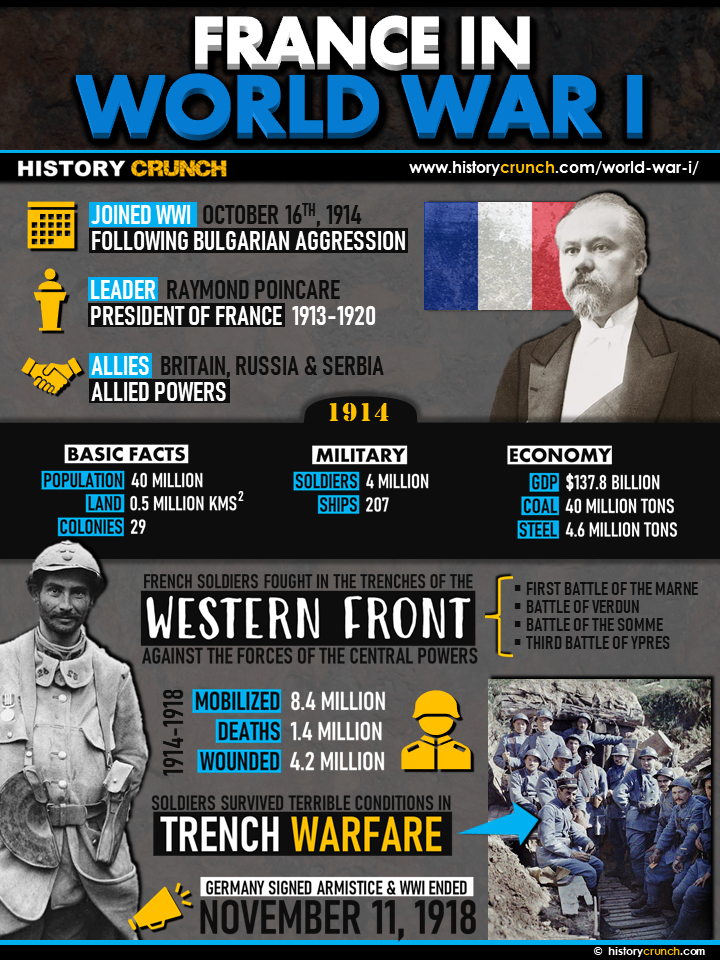
In the decades before World War I, many European countries began to practice militarism and worked to expand and strengthen their military forces. For example, there was an intense arms race and naval race between several European nations in the buildup to World War I. Specifically, France and Germany were heavily involved in an arms race in which each country greatly expanded its army between 1870 and 1914. At the outbreak of fighting in 1914, France had approximately 4 million soldiers while Germany had over 4.5 million. This was significant because most other European countries did not have nearly as many soldiers at the ready to fight.
France in World War I – Army and Recruitment
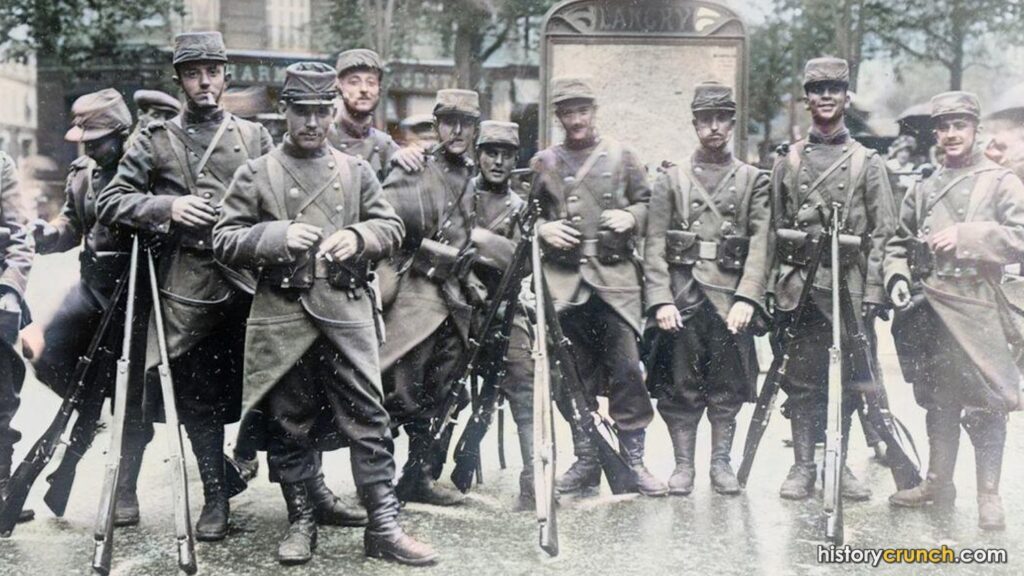
As stated above, France’s army expanded in size and military capacity in the years before the start of World War I. This was due to several factors, including the rise of militarismThe buildup and glorification of a nation’s military forces, which drove an intense arms race before the war. and the arms race with Germany. Another important factor was the use of conscriptionMandatory military service requiring citizens to serve in the armed forces, used widely across Europe. in France. Conscription is mandatory military service, which was a relatively common practice in Europe at the time. For instance, France had a system of universal conscription that they used for men of different ages. In general, men between the ages of 20 and 23 served in the Active Army, while men between the ages of 24 and 48 served in different types of reserve armies. As a result, when war broke out in 1914, France was able to quickly mobilize its forces for action.
The Commander-in-Chief of the French Army in 1914 was General Joseph Joffre. Under his command, the French forces were organized between five armies that were tasked with defending France from the German attack or capturing territories along the shared border between France and Germany. As the war progressed, the French government carried out conscription to a higher degree in order to bolster the French Army and the reserves. Most of these soldiers ended up fighting in the trenches along the Western Front, which were known for their brutal conditions.
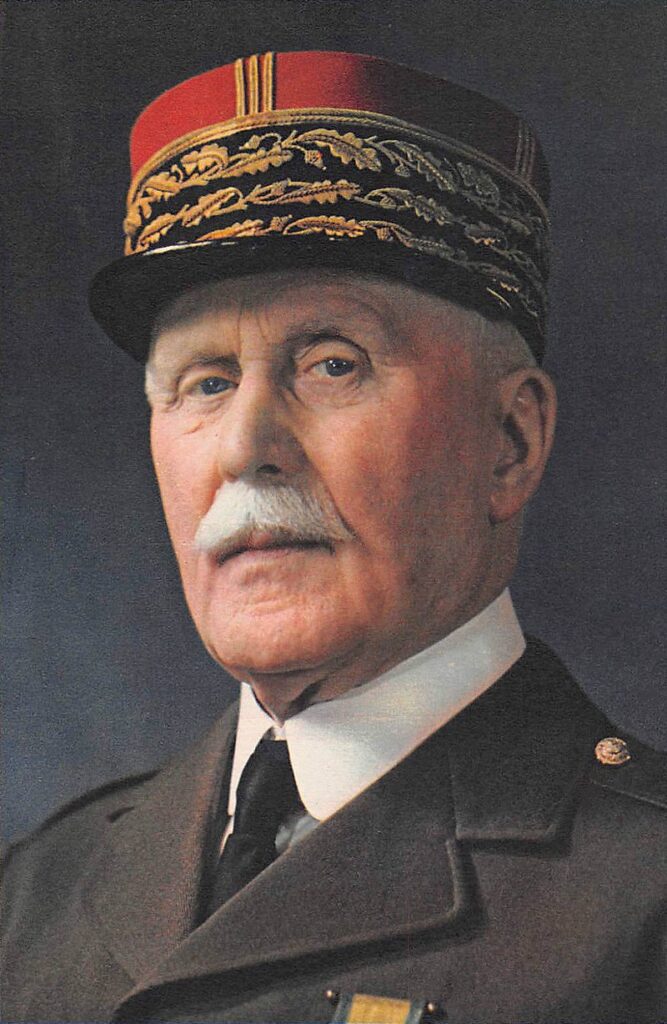
Joseph Joffre was replaced as the Commander-in-Chief of the French Army in 1916 following the terrible French losses at the Battle of Verdun. He was replaced by Robert Nivelle, who only served in the position until 1917. Philippe Pétain became the new Commander-in-Chief of the French Army in May of 1917 and restored the strength of the French Army after a wave of mutinies in 1917. Then, in 1918, Ferdinand Foch was made Supreme Allied Commander and took overall command of the Allied armies, including the French forces. More specifically, Foch organized the French offensives at the end of World War I, which were a contributing factor to Germany’s surrender.
Besides the main French armies, France also deployed forces from across their vast colonial empire. For example, African soldiers from France’s African colonies participated in the fighting in Europe. In fact, historians estimate that as many as 135,000 African soldiers fought in Europe for France, and as many as 30,000 died in World War I.
 FactsthatCrunch
France in World War I – Major Battles
French forces participated in many of the main battles of World War I, but were primarily active on the Western Front. In general, the landscape of Europe in World War I was divided into a few different ‘fronts’. For instance, the Western Front was located on the western-half of Europe and included a line of trenches that stretched throughout much of northern France and Belgium. Besides the Western Front, French forces also fought in other regions such as the Italian Campaign and the Romanian Campaign.
As stated above, French forces participated in many battles of World War I. Some of the most significant battles of World War I that France participated in included:
- Battle of the Frontiers
- First Battle of the Marne
- Race to the Sea
- First Battle of Ypres
- Battle of Verdun
- Battle of the Somme
- Second Battle of the Aisne (Nivelle Offensive)
At the outbreak of World War I in the summer of 1914, France and Germany launched competing plans of attack. For instance, Germany launched the Schlieffen Plan, while France launched Plan XVII. The French battle plan (Plan XVII) was created in the two years before the start of World War I, in the event that a war between France and Germany might occur. In general, the plan focused on mobilizing French forces as quickly as possible to defend specific strongholds, while simultaneously invading German territory. The plan was enacted on August 7th in 1914 by French General Joseph Joffre and directly led to the events of the Battle of the Frontiers.
 FactsthatCrunch
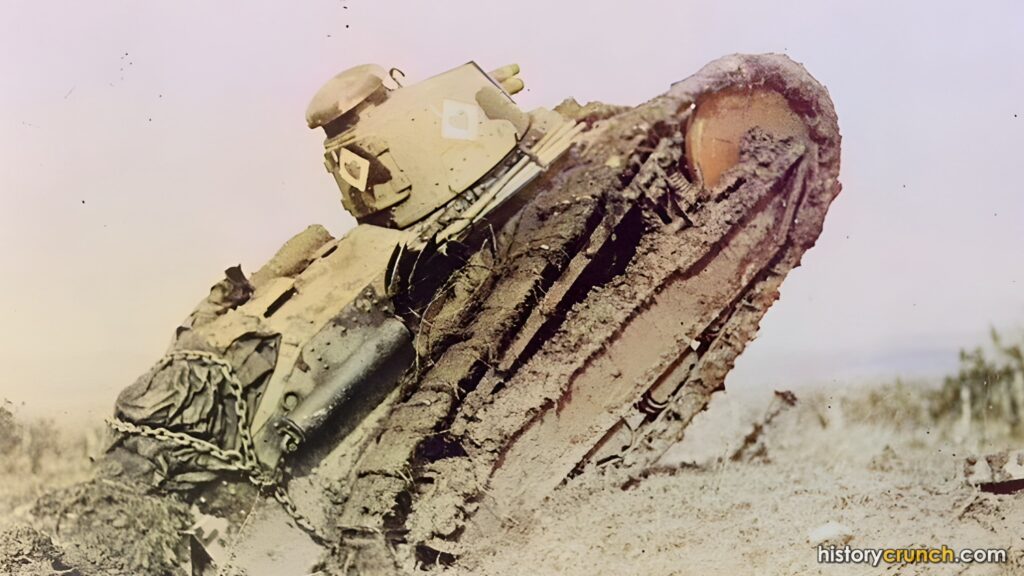
Plan XVII was France's offensive war strategy developed before World War I to attack Germany through the border region of Alsace-Lorraine. The plan placed heavy French forces along the eastern frontier and ordered them to strike aggressively into German-held territory at the start of any war. French commanders believed a bold, fast attack would break through German lines and recover the provinces France had lost to Germany in 1871.
When Germany invaded Belgium in August 1914, Plan XVII sent French armies charging east into Alsace-Lorraine, leaving the northern border dangerously under-defended.
France in the Battle of the Frontiers
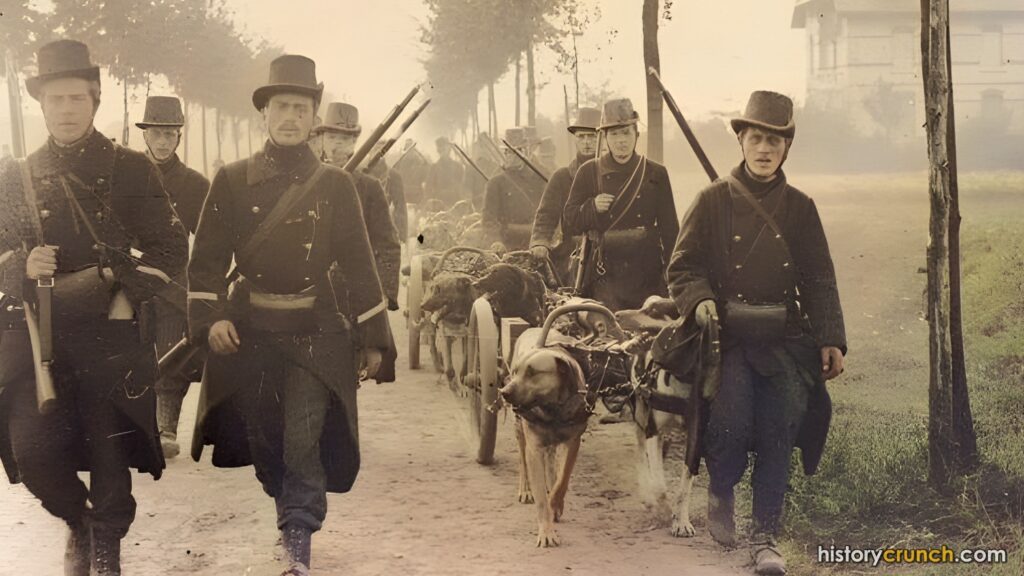
The Battle of the Frontiers was actually a series of battles that took place along the eastern region of France from August 7th until September 6th in 1914. These battles took place throughout most of August and included: Battle of Mulhouse, Battle of Lorraine, Battle of the Ardennes, Battle of Charleroi and the Battle of Mons. In all, the Battle of the Frontiers was a massive failure for the French Army and the British Expeditionary Force (BEF), which had come to support France in the fighting. In fact, the German Army was able to push back the main French and British forces as part of the German plan of attack – Schlieffen PlanGermany’s strategy to invade France by marching through Belgium, then shift forces to fight Russia.. It is estimated that the French Army suffered as many as 260,000 casualtiesThe total number of soldiers killed, wounded, captured, or missing during a battle or campaign. and 75,000 deaths in the Battle of the Frontiers. The German advance was eventually stopped at the First Battle of the Marne.
 FactsthatCrunch
Battle of the Frontiers Begins: France Attacks Mulhouse
On August 7th, 1914, French General Louis Bonneau led an army corps into Alsace and attacked the city of Mulhouse, opening the Battle of the Frontiers and marking the first offensive action by the French Army in World War I. France was following Plan XVII, its strategy for striking into the German-held provinces of Alsace and Lorraine, while Germany was already executing the Schlieffen Plan, a wide sweep through Belgium toward France. The two rival war plans would collide across a front running from Lorraine to Belgium, producing some of the deadliest fighting of the entire war in its very first weeks.
France in the First Battle of the Marne
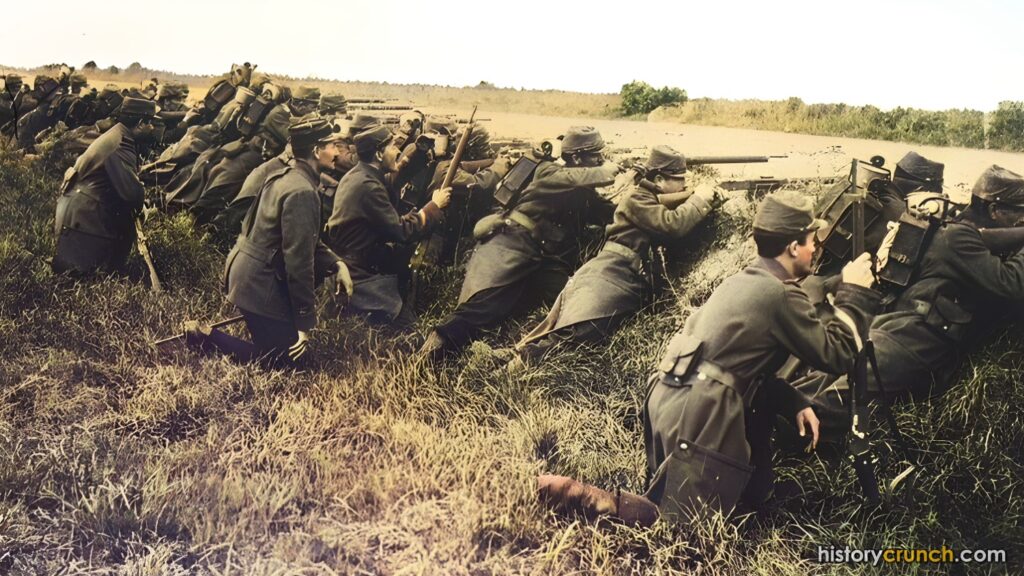
The First Battle of the Marne occurred from September 6th to the 12th in 1914 and was one the first major conflicts of World War I. The First Battle of the Marne is significant for how French forces were able to stop the advancing German Army before they reached Paris. The battle saw defending French troops stop the German Army from carrying out the Schlieffen Plan and led to trench warfare in Northern France. Eventually, the German forces were stopped at the Marne River just 30 miles [48 km] from capturing the French capital. It is estimated that the French and the Germans each suffered 250,000 casualties at the First Battle of the Marne. France also suffered over 80,000 deaths in the battle. While it is remembered as a victory for the Allied forces, it is also the event that led to the continued stalemate of trench warfare that remained on the Western Front for the rest of the war. For instance, the famous ‘Race to the Sea’ occurred immediately following the First Battle of the Marne.
France in the Race to the Sea
The ‘Race to the Sea’ occurred throughout September and October of 1914. The German Army was successfully stopped at the First Battle of the Marne in early September and each side raced north in an attempt to flank the other. British and French forces countered the German push north throughout September and October until the two sides reached the North Sea in Belgium on October 19th. What resulted was a line of trenches that extended throughout much of northern Belgium and France. It was along this line of trenches that some of the most significant battles of World War I took place.
France in the First Battle of Ypres
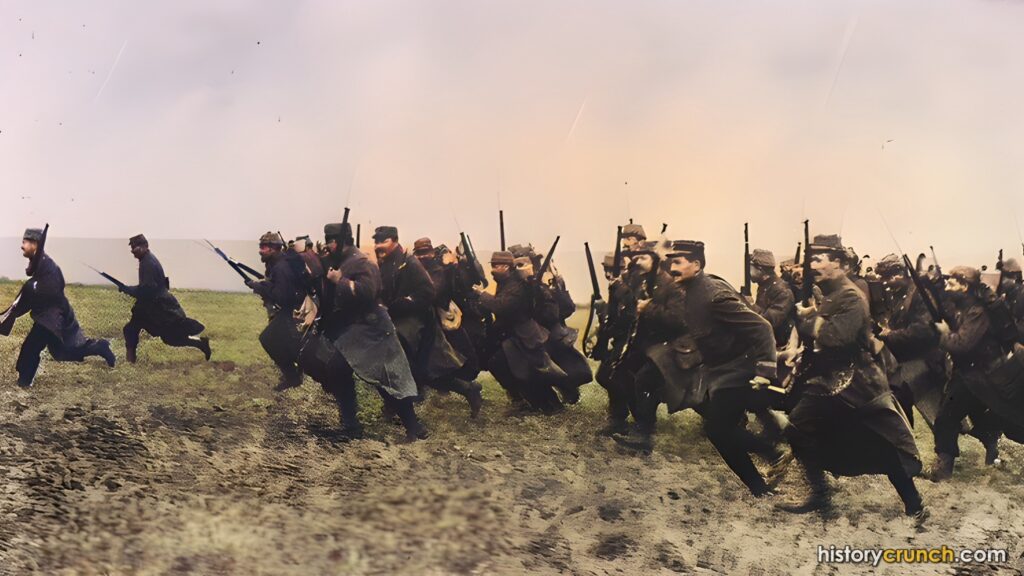
The next significant battle for French forces in World War I was the First Battle of Ypres, which took place from October 19th to November 22nd in 1914. The battle was the result of the end of the Race to the Sea and saw the British, Belgian and French forces engage in battle with the German forces. The battle was deadly on all sides and led to numerous casualties. For instance, it is estimated that France suffered between 50,000 to 80,000 casualties in the battle. In all the battle was characteristic of the conditions at the time, in that defensive fortifications ensured numerous dead and injured with little or no results. Ypres is a town in western Belgium that saw intense fighting in World War I between the Allied and German forces. In fact, the region became known as the Ypres Salient and was the site of several major conflicts throughout World War I.
France in the Battle of Verdun
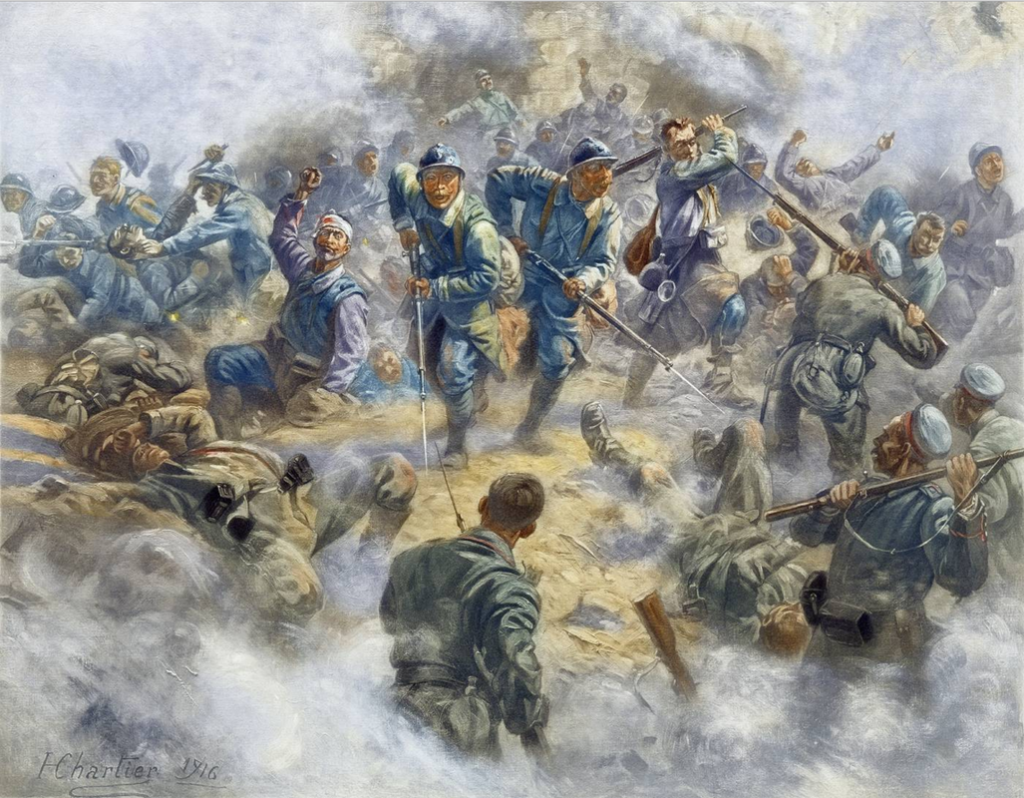
Likely, the most significant French battle from World War I was the Battle of Verdun. The Battle of Verdun was fought from the 21st of February to the 18th of December in 1916 and is remembered as one of the largest battles of World War I on the Western Front. It was fought between France and Germany in a hilly region of north-eastern France near the city of Verdun. The Germans had hoped to capture the region and use the hills of the area as a staging ground for their artillery guns. From the top of the hills, Germany hoped to use their artillery fire to control the entire region, including the city of Verdun.
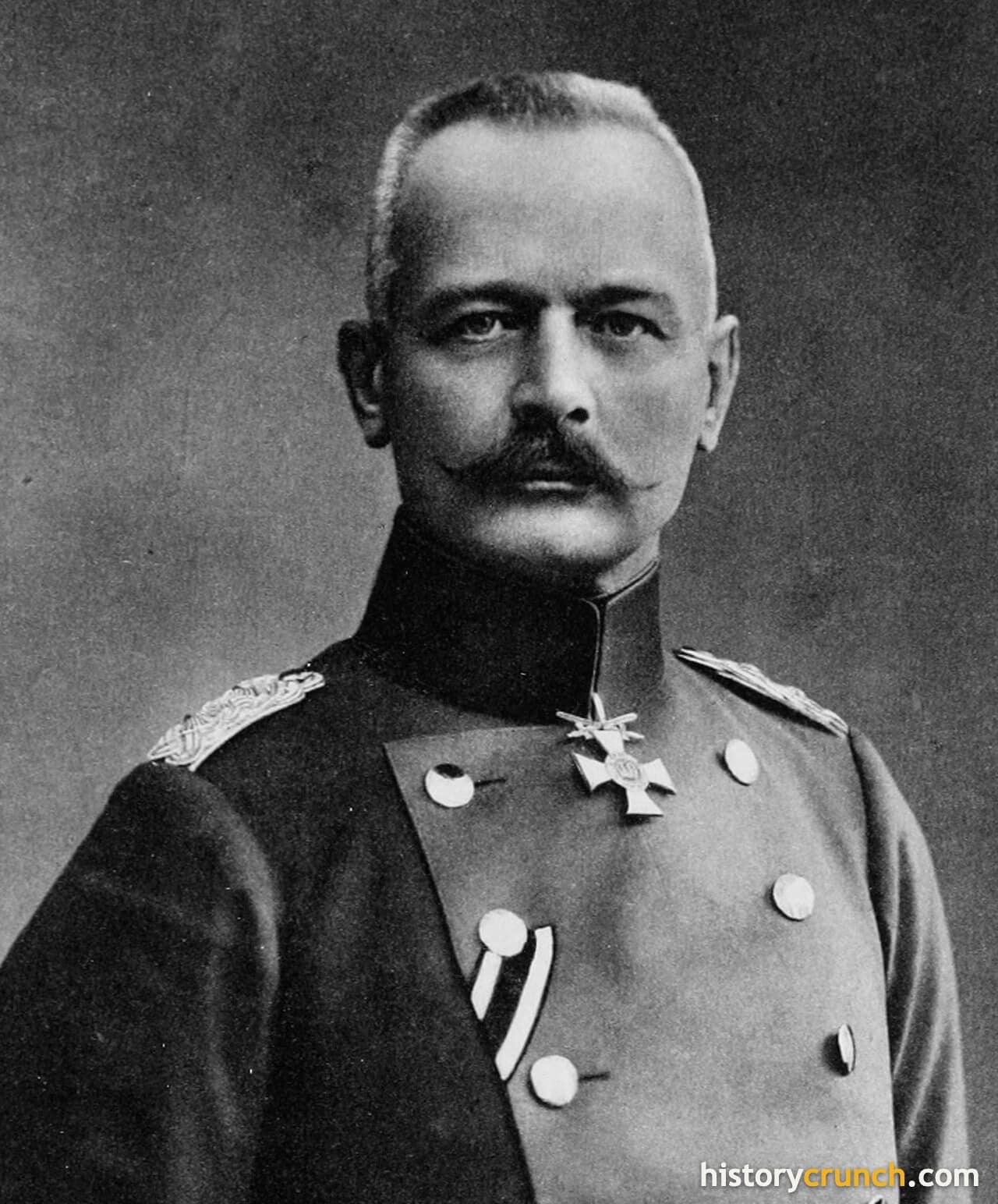
The region around Verdun had many different forts that France had defended to different degrees. The German plan, which was created by German Chief of Staff Erich von Falkenhayn, was to invade the region and begin to capture some of these French forts. This, Germany believed, would draw France into a major battle in the area and bog down the French forces in trying to defend their forts. Next, the German plan called for them to use their artillery power to bombard the French forces and overwhelm the French defenses in the region so that German soldiers could push through and capture the region and the city of Verdun. The French defense in the region would be overseen by French General Philippe Pétain, who would be seen as a war hero for his role in the Battle of Verdun.
The German assault began on February 21st and involved the German artillery launching artillery shells into the region followed by a German offensive of infantry soldiers.
The German soldiers were able to capture several of the forts around Verdun, as the French defenses were weak and unable to stop the German assault. However, French troops began strengthening the French defenses in and around Verdun and soon the French brought re-enforcements into the region to help defend. Despite coming within 2 miles [3 km] of the city of Verdun, the German forces were never able to capture the city during the World War I battle. In July of 1916, the Battle of the Somme also began, which caused Germany to divert troops from Verdun to the Somme. This weakened the German offensive at Verdun to primarily an artillery attack and better allowed the French the ability to defend and even recapture many of the forts that they had earlier lost. By the end of the battle, France was able to push the Germans back and Germany had failed to achieve its goal in the region.
The Battle of Verdun is remembered today as the longest single battle in human history. The battle lasted 302 days and caused devastating casualties for both the French and the Germans. The total casualties in the Battle of Verdun were terrible. For instance, historians estimate that France suffered as many as 400,000 casualties and 163,000 deaths. As well, it is estimated that Germany suffered as many as 350,000 casualties and 143,000 deaths.
 FactsthatCrunch
Erich von Falkenhayn created the German plan for the Battle of Verdun in 1916, aiming to draw French forces into a costly fight around the forts near Verdun and destroy them with German artillery. The plan failed to capture Verdun or break French resistance, and Falkenhayn was relieved of his position as Chief of Staff on August 29th, 1916, before the battle ended.
France in the Battle of the Somme
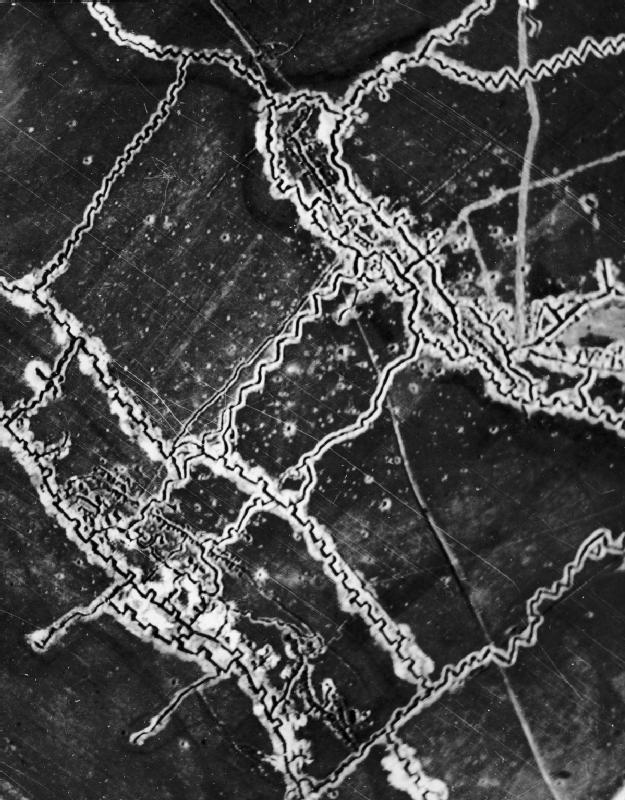
As stated above, the Battle of the Somme occurred alongside the Battle of Verdun. In fact, the Battle of the Somme took place from July 1st, 1916 to November 18th, 1916 and is remembered as one of the bloodiest battles in human history. It was a devastating battle that took place along the River Somme in northern France. It was fought between Allied Powers (France and Britain) and the Central Power of Germany and was a major conflict on the Western Front. France and Britain both hoped that by starting the Battle of the Somme, they would relieve pressure on French defenders in Verdun during the Battle of Verdun where the French were struggling against the German assault on that region. The Allied strategy at the Battle of the Somme was to draw more German troops away from Verdun and into the Somme in hopes of causing Germany to struggle with managing both large battles at the same time. The battle finally came to an end on November 18th, 1916 when the change in weather and arrival of snow made fighting even more difficult.
In the end, the Battle of the Somme was one of the deadliest battles of World War I. The total casualty count numbered over 1 million, with the Allied forces having over 600,000 (with approximately 200,000 of them being French) and the German forces having over 400,000. The Battle of the Somme is one of the most notable battles of World War I due to it being such a brutal and devastating conflict.
France in the Nivelle Offensive
Robert Nivelle replaced Joseph Joffre as the Commander-in-Chief of the French Army in December of 1916. This was significant because Nivelle was responsible for the Allied attack (Nivelle Offensive) that he hoped would bring about an end to the war. In reality the attack was a failure and led to France suffering terrible losses.
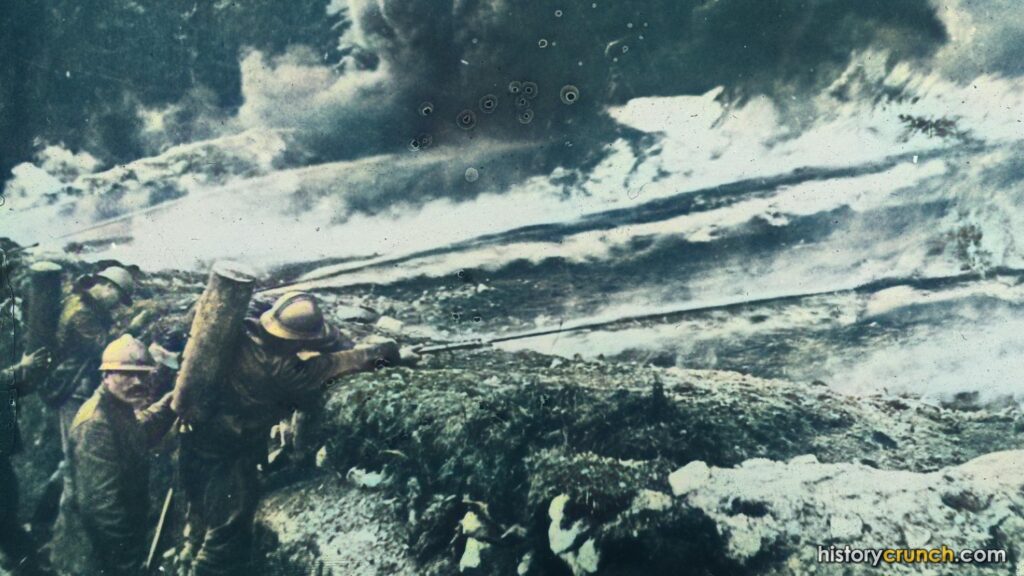
The Nivelle Offensive occurred from April 16th until May 9th in 1917 and was a coordinated attack against Germany by both France and Britain. The goal of the attack was to break through the German defenses and force the German Army back from their trenches. The main part of the Nivelle Offensive occurred during the Second Battle of the Aisne, which took place throughout the spring and fall of 1917. While the Allied attacks of the Nivelle Offensive experienced many successes, it was still an overall failure. This was due to the terrible losses experienced by the Allied forces (French and British) during the attacks. For instance, historians estimate the French Army suffered as many as 187,000 casualties during the offensive. As well, despite several considerable victories in the Nivelle Offensive, it never resulted in a German defeat. As such, the Nivelle Offensive was a failure and actually led to several mutinies by French soldiers. This then led to Robert Nivelle being replaced as the Commander-in-Chief of the French Army by Philippe Pétain in May of 1917.
French forces participated in several more conflicts during the final stages of World War I. For example, French soldiers fought in the Third Battle of Ypres and the Second Battle of the Marne. In fact, French troops were important in the final Allied pushes of the war and helped liberate much of northern France and parts of Belgium.
 FactsthatCrunch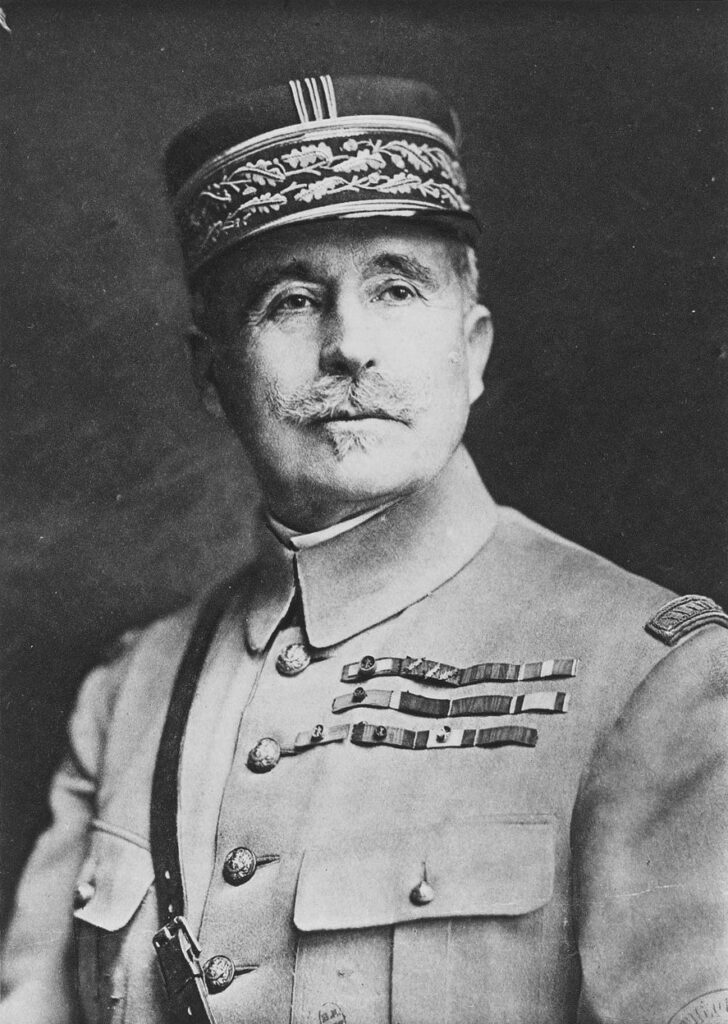
France in World War I – Home Front
An important aspect of the First World War for all of the countries involved was the impact it had on the home front. This was also evident in France, which saw tremendous impacts on daily life for French citizens. In fact, France had a unique home front experience compared to most other nations, because it was the site of many battles. This was due to the line of trenches that stretched through much of northern France on the Western Front of World War I. As such, some French communities were displaced for the duration of the war. This put a terrible amount of stress and frustration on French citizens and workers.
At the same time, the nature of the fighting in France meant that most French citizens supported the war effort in the early years of World War I. In fact, one of the only major oppositions to the outbreak of the war came from the socialist movement in France. However, this anti-war stance soon faded following the assassination of Jean Jaurès on July 31st, 1914. He was the socialist leader in France at the time and openly opposed the war. After his death though, even the socialist movement began to support the French war effort.
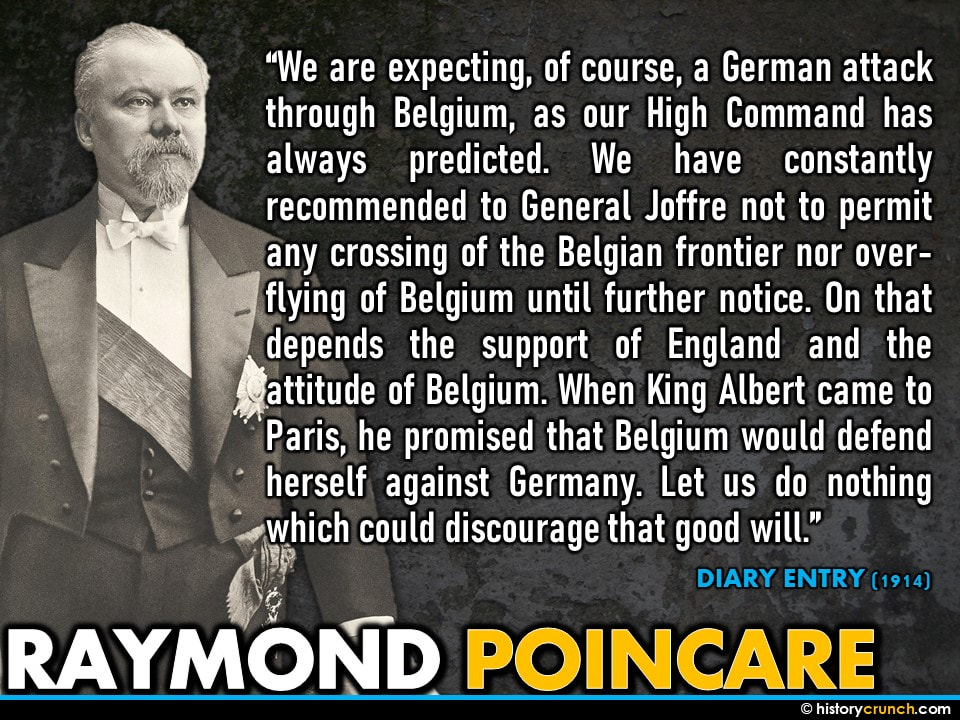
The call to war in France was supported heavily by Raymond Poincaré, the President of France. Poincaré served as the President of France from 1913 to 1920, which meant he served as president during the entirety of the First World War. He held very anti-German views, which was relatively common at the time, and supported Russian mobilization during the events of July Crisis. As such, historians consider him to be a contributing factor in the outbreak of the war in the summer of 1914.
Although French citizens and government supported the war early on, the mood soon changed throughout 1917. In fact, by the later years of the war, many in France had begun to grow weary of continuing the war. This was due to several factors, but the brutal nature of World War I was a key reason. More specifically, France experienced devastating casualties in both the Battle of Verdun and the Battle of the Somme, which led to decreased support for the war.
The difficult life for people in France during the war was heightened by the economic conditions created for France. For instance, industrially, northeastern France was important to both the coal and steel industries in France. As such, during the timeframe of World War I, both industries suffered due to the region being dominated by major battles. This was devastating for industrial businesses and workers and led to economic losses for the country. Another impact was the restrictions placed on resource use, which is referred to as ‘rationingGovernment-controlled limits on how much food and other resources civilians could use, to save supplies for the military.’. For example, the French government created initiatives to control the production and use of resources to ensure that as many resources were being put towards the war effort as possible. As such, citizens on the home front were required to ration food items and other resources in order to make them available for use on the frontlines. It was the belief of military generals that well fed soldiers would help overcome the enemy and bring about an end to the war.
In order to promote rationing and other initiatives, the government of the time used propaganda to convince citizens of certain messages. For example, the French government issued propagandaGovernment-produced messaging designed to shape public opinion, recruit soldiers, and encourage support for the war effort. that worked to recruit soldiers for the war, ration certain items and to demonize the enemy. French citizens on the home front were subjected to constant messaging to ensure they supported the war effort and to maintain the push towards victory.
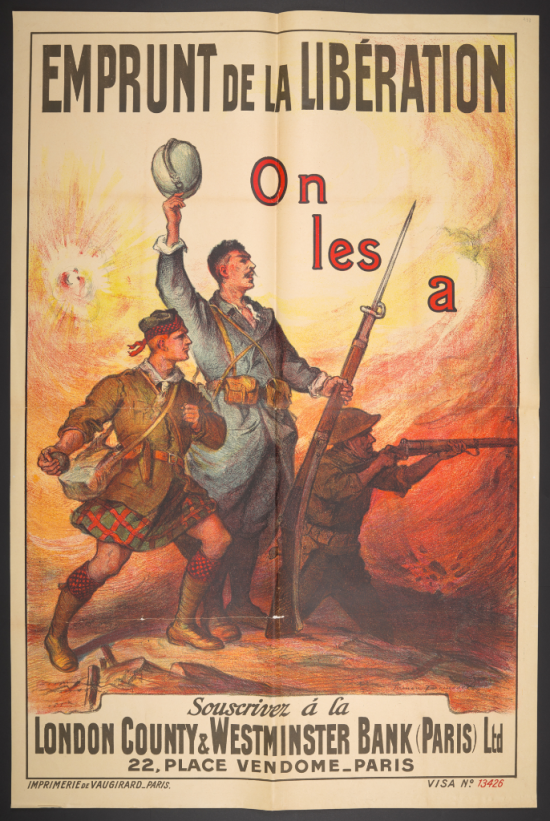
The final main impact on the home front in France during World War I was the destruction caused to the French countryside as a result of the line of trenches on the Western Front. At the end of the war, France was left with considerable damage to homes, businesses and land along northeastern France. These war damages were costly and left France with a large amount of debt to rebuild.
FactsthatCrunchHow Did the Death of Jean Jaurès Affect French Opposition to World War I?
Jean Jaurès was the most prominent French socialist leader and the strongest public voice against going to war in the summer of 1914. On July 31st, 1914, he was shot and killed in a Paris cafe by a French nationalist, removing the most powerful anti-war voice in France just days before the country entered World War I. Without his leadership, the French socialist movement largely set aside its opposition and supported the war effort, making organized resistance to the conflict far weaker from the very start.
France in World War I – Significance
In all, World War I was a highly important event in the history of France. First, and foremost, over 8.4 million French citizens served during World War I, and represented their country bravely on the battlefields in Europe. As well, approximately 1.4 million French citizens died as a result of military action during the war. These numbers are higher when the soldiers from the French African colonies are also factored in.
Second, the brutal and horrendous nature of the fighting in World War I (especially along the trenches of the Western Front) came to characterize much of the war for people in France. For instance, today World War I is remembered as a conflict wherein millions fought, were injured and died for little outcomes. In France, this was especially true in relation to how the Battle of Verdun is remembered.
Beyond this, World War I was highly significant for the country of France due to much of the war occurring on French soil. The trenches of the Western Front snaked through northern France, where many of the most significant battles of the war occurred. In fact, France is still impacted by the battlefields today, since soldiers and equipment from the era are still being found buried in the countryside.
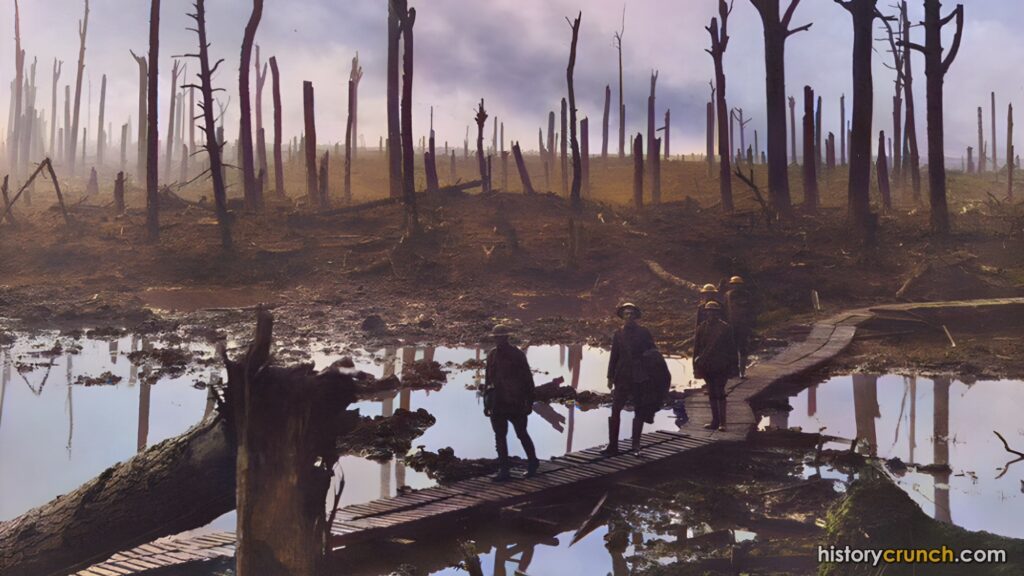
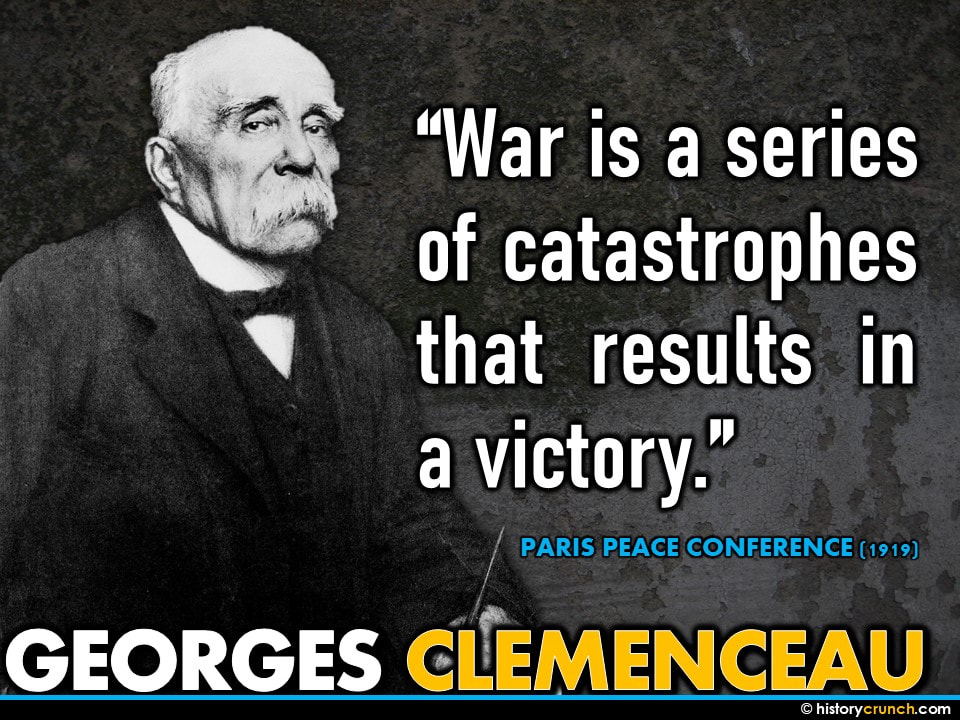
As well, World War I was significant because it set the stage for World War II, which began just two decades later in 1939. In fact, the Treaty of Versailles (the treaty that punished Germany for its role in World War I) was signed at the Palace of Versailles in France. Most historians consider the Treaty of Versailles as one of the main causes of World War II.
World War I timeline · 1914 – 1918
Key Vocabulary
Triple Entente
Schlieffen Plan
Conscription
Militarism
Casualties
Rationing
Propaganda
Frequently Asked Questions
When did France enter World War I?
France mobilized its forces on August 1st, 1914, and Germany declared war on France on August 3rd. France then declared war on Austria-Hungary on August 12th, 1914. France joined the war through its role in the Triple Entente, an alliance with Britain and Russia.
Why did France and Germany hate each other before the war?
France resented Germany because of its defeat in the Franco-Prussian War of 1870 to 1871. As part of that loss, France gave up the region of Alsace-Lorraine to the new German state. This loss caused deep mistrust and fueled an arms race between the two nations for decades.
What was the Battle of Verdun?
The Battle of Verdun was the longest single battle in history, lasting 302 days in 1916. It was fought between France and Germany near the city of Verdun in northeastern France. Germany failed to capture the city, but both sides suffered huge losses, with France counting about 400,000 casualties.
How did France stop the German advance in 1914?
France halted the German advance at the First Battle of the Marne in September of 1914. French troops stopped the Germans about 30 miles (48 km) from Paris. This victory ended the German Schlieffen Plan and began the long stalemate of trench warfare.
How many French people died in World War I?
About 1.4 million French citizens died from military action during World War I. More than 8.4 million French citizens served in the war overall. These numbers rise even higher when soldiers from France’s African colonies are counted.
Did France use soldiers from its colonies?
Yes, France deployed soldiers from across its large colonial empire during the war. Historians estimate that as many as 135,000 African soldiers fought in Europe for France. About 30,000 of these colonial soldiers died in the conflict.
Cite This Article
To cite this article as a source, use one of the formats below.
MLA: Beck, Elias. “France in World War I: A Detailed Summary.” HistoryCrunch, 29 September 2026, https://historycrunch.com/france-in-world-war-i/.
APA: Beck, E. (2026). France in World War I: A Detailed Summary. HistoryCrunch. https://historycrunch.com/france-in-world-war-i/
Chicago: Beck, Elias. “France in World War I: A Detailed Summary.” HistoryCrunch. September 29, 2026. https://historycrunch.com/france-in-world-war-i/
Sources
- Margaret MacMillan, The War That Ended Peace.
- Imperial War Museum
- John Keegan, The First World War.
- Hew Strachan, The First World War.