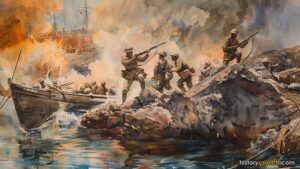
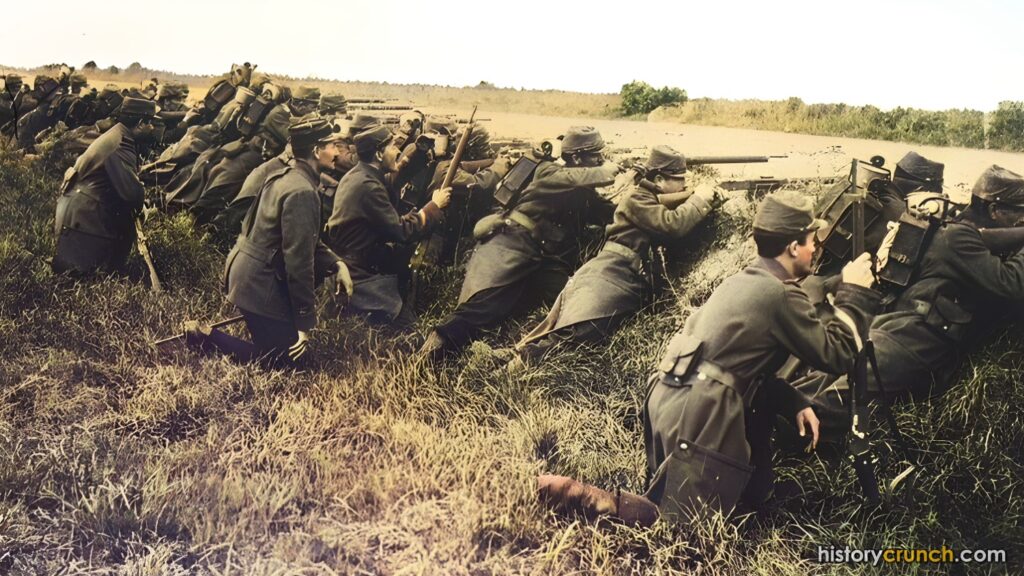
The Battle of the Frontiers was one of the main early battles of World War I along the Western Front, which was the line of trenches that stretched through Belgium and France. It was fought between the Allied Powers of France, Belgium and Britain against the Central Power of Germany. The Battle of the Frontiers was actually a series of battles that took place along the eastern region of France (Lorraine) and the Ardennes Forest of Belgium from August 7th until September 6th in 1914.
 FactsthatCrunch
Battle of the Frontiers Begins: France Attacks Mulhouse
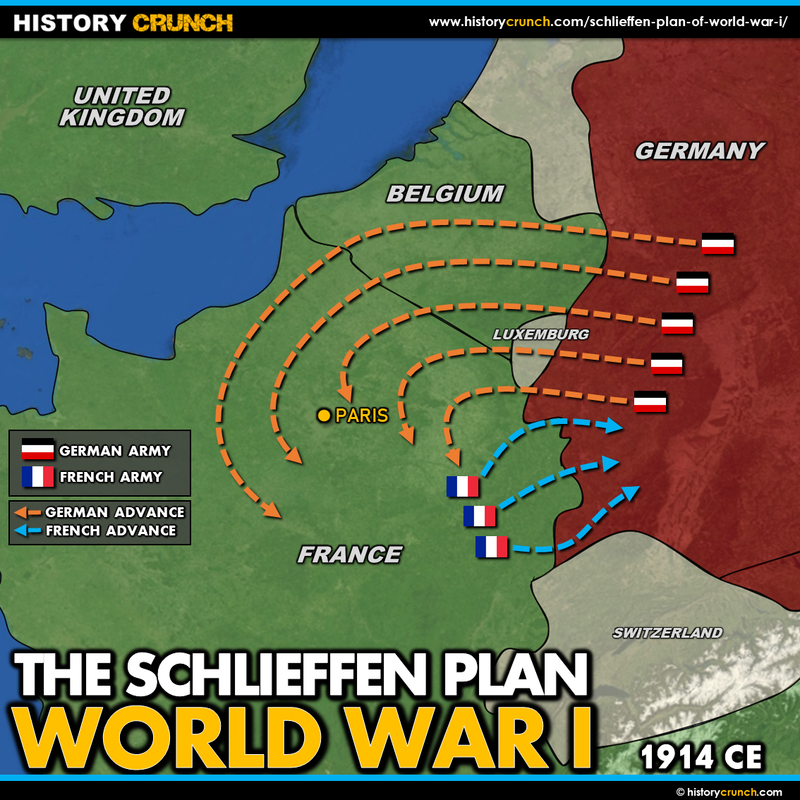
On August 7th, 1914, French General Louis Bonneau led an army corps into Alsace and attacked the city of Mulhouse, opening the Battle of the Frontiers and marking the first offensive action by the French Army in World War I. France was following Plan XVII, its strategy for striking into the German-held provinces of Alsace and Lorraine, while Germany was already executing the Schlieffen Plan, a wide sweep through Belgium toward France. The two rival war plans would collide across a front running from Lorraine to Belgium, producing some of the deadliest fighting of the entire war in its very first weeks.
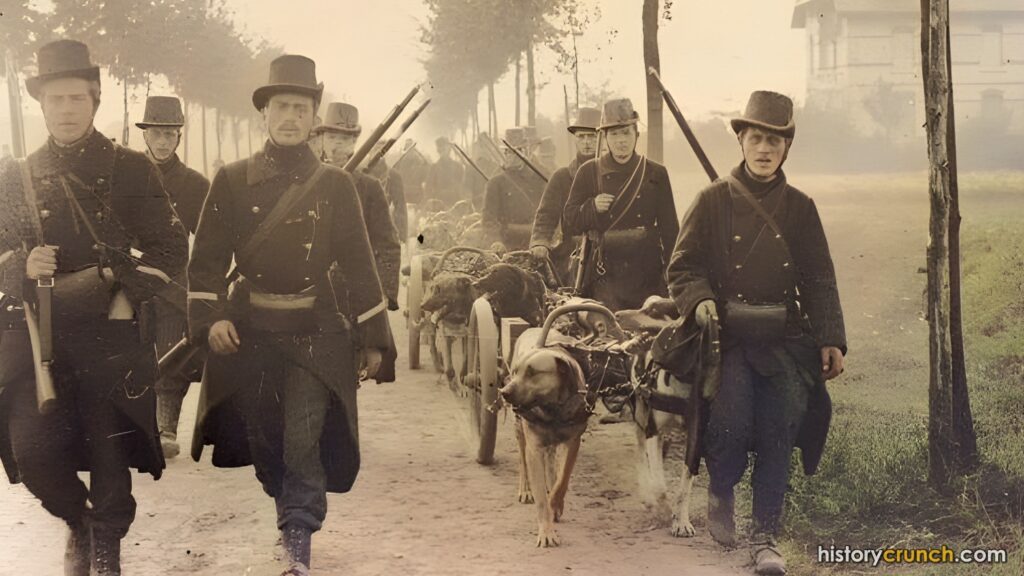
What Led to the Battle of the Frontiers in World War I?
At the outbreak of World War I in the summer of 1914, France and Germany launched competing plans of attack. For instance, Germany launched the Schlieffen Plan, while France launched Plan XVIIFrance’s battle plan, created in the two years before World War I, to mobilize forces quickly and invade German territory.. The French battle plan (Plan XVII) was created in the two years before the start of World War I, in the event that a war between France and Germany might occur. In general, the plan focused on mobilizingGathering and organizing military forces quickly and moving them into position. French forces as quickly as possible to defend specific strongholds, while simultaneously invading German territory. The plan was enacted on August 7th in 1914 by French General Joseph Joffre and directly led to the events of the Battle of the Frontiers.
 FactsthatCrunch
Plan XVII was France's offensive war strategy developed before World War I to attack Germany through the border region of Alsace-Lorraine. The plan placed heavy French forces along the eastern frontier and ordered them to strike aggressively into German-held territory at the start of any war. French commanders believed a bold, fast attack would break through German lines and recover the provinces France had lost to Germany in 1871.
When Germany invaded Belgium in August 1914, Plan XVII sent French armies charging east into Alsace-Lorraine, leaving the northern border dangerously under-defended.
What Happened During the Battle of the Frontiers in World War I?
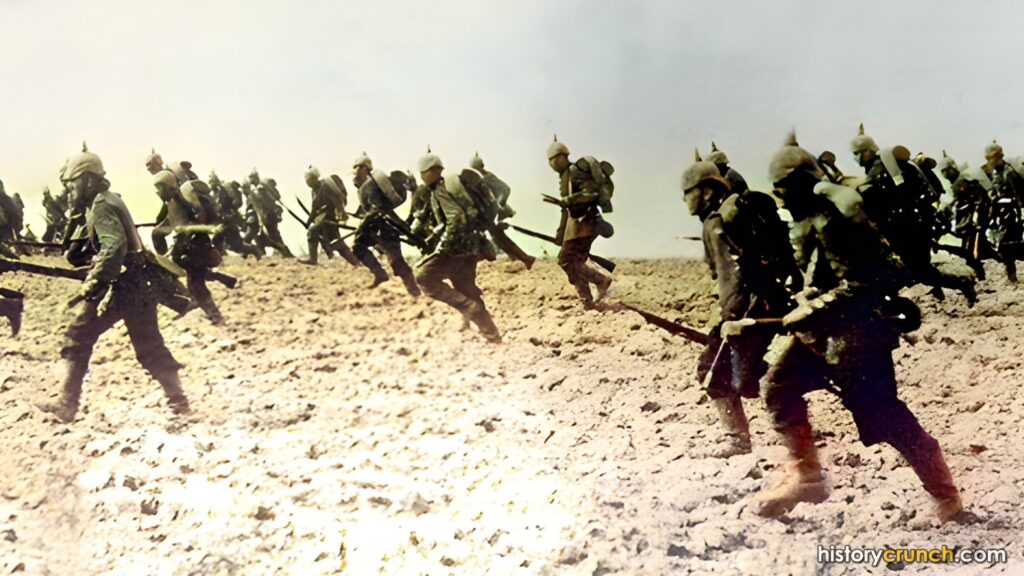
The main battles of the Battle of the Frontiers included: the Battle of Mulhouse (August 7th to the 10th), Battle of Haelen (August 12th), Battle of Lorraine (August 14th to the 25th), Battle of Ardennes (August 21st to the 23rd), Battle of Charleroi (August 21st to the 23rd) and the Battle of Mons (August 23rd). The Battles of Mulhouse, Lorraine, Ardennes and Charleroi were French offensivesMilitary attacks launched by one side against an enemy., while the Battles of Haelen and Mons were German offensives. The French commander-in-chief General Joseph Joffre oversaw the French offensives, and the German actions were directed by Helmuth von Moltke. In all, the battles involved 68 different German divisions, which faced off against 62 French divisions, 6 Belgian divisions and 6 British divisions.
 FactsthatCrunch
How did the Battle of the Frontiers unfold in August 1914?
Tap a point to read its detail.
What Was the Outcome of the Battle of the Frontiers in World War I?
In the end, the Battle of the Frontiers was a massive failure for the French Army and the British Expeditionary ForceThe British army force that fought alongside France and Belgium on the Western Front. (BEF). In fact, the German Army was able to push back the main French and British forces as part of the German plan of attack, the Schlieffen PlanGermany’s strategy of attack at the outbreak of World War I.. This allowed Germany to advance its forces forward into French territory during its push towards Paris, the French capital. With that said, the German advance was eventually stopped in the First Battle of the Marne. As such, the Battle of the Frontiers was important because it led to Germany gaining a significant footholdA strong, early position gained in enemy territory that allows further advance. in France, which eventually led to trench warfare of the Western FrontThe line of trenches that stretched through Belgium and France during World War I.. It is estimated that the French Army suffered as many as 260,000 casualtiesSoldiers lost during battle through death, injury, or capture. and 75,000 deaths in the Battle of the Frontiers. For its part, the British are estimated to have experienced over 29,000 casualties. Whereas, it is believed that Germany endured over 300,000.
 FactsthatCrunch
Why is the First Battle of the Marne in September 1914 considered a turning point in World War I?
World War I timeline · 1914 – 1918
Key Vocabulary
Western Front
Schlieffen Plan
Plan XVII
Mobilizing
Offensives
British Expeditionary Force
Casualties
Foothold
Frequently Asked Questions
When was the Battle of the Frontiers fought?
The Battle of the Frontiers took place from August 7th until September 6th in 1914. It was one of the first major battles of World War I on the Western Front. The fighting happened along eastern France and the Ardennes Forest of Belgium.
Who fought in the Battle of the Frontiers?
The Battle of the Frontiers was fought between the Allied Powers and Germany. France, Belgium, and Britain made up the Allied side against the Central Power of Germany. In total, 68 German divisions faced 62 French, 6 Belgian, and 6 British divisions.
What battles were part of the Battle of the Frontiers?
The Battle of the Frontiers was actually a series of battles rather than a single fight. These included the Battles of Mulhouse, Haelen, Lorraine, Ardennes, Charleroi, and Mons. Some were French offensives, while Haelen and Mons were German offensives.
Who won the Battle of the Frontiers?
Germany won the Battle of the Frontiers, which was a major failure for the French and British forces. The German Army pushed back the Allies and advanced deep into French territory toward Paris. The German attack was later stopped at the First Battle of the Marne.
How many casualties were there in the Battle of the Frontiers?
The Battle of the Frontiers caused huge losses on both sides. The French Army suffered as many as 260,000 casualties, including 75,000 deaths. The British had over 29,000 casualties, and Germany endured over 300,000.
Why was the Battle of the Frontiers important?
The Battle of the Frontiers was important because it gave Germany a strong foothold in France early in the war. This deep advance and the failed Allied plans helped lead to the trench warfare of the Western Front. The battle also tested both France’s Plan XVII and Germany’s Schlieffen Plan.
Cite This Article
To cite this article as a source, use one of the formats below.
MLA: Beck, Elias. “Battle of the Frontiers in World War I: A Detailed Summary.” HistoryCrunch, 29 September 2026, https://historycrunch.com/battle-of-the-frontiers-in-world-war-i/.
APA: Beck, E. (2026). Battle of the Frontiers in World War I: A Detailed Summary. HistoryCrunch. https://historycrunch.com/battle-of-the-frontiers-in-world-war-i/
Chicago: Beck, Elias. “Battle of the Frontiers in World War I: A Detailed Summary.” HistoryCrunch. September 29, 2026. https://historycrunch.com/battle-of-the-frontiers-in-world-war-i/
Sources
- Hew Strachan, The First World War.
- Imperial War Museum
- Fordham Modern History Sourcebook