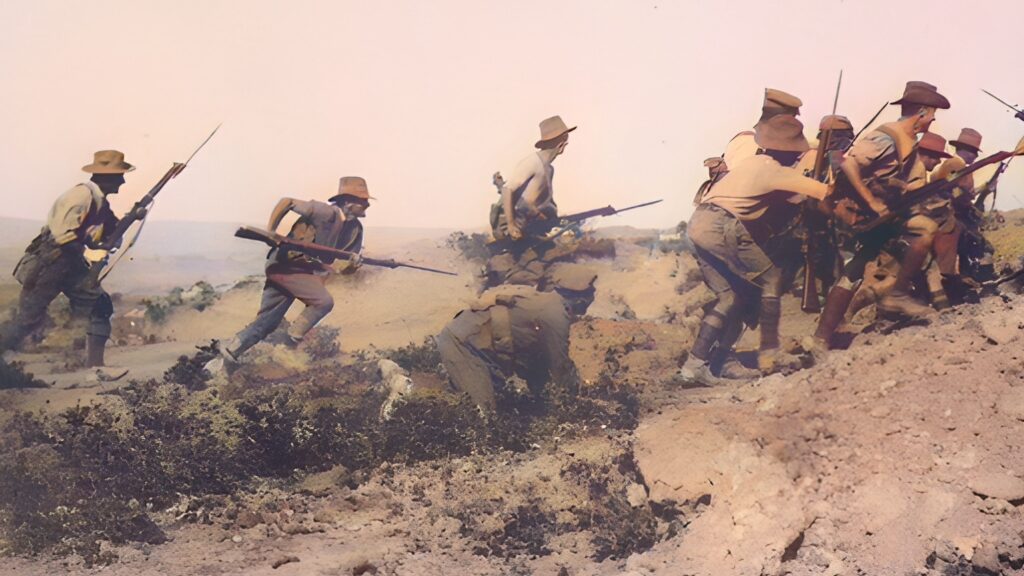
The Gallipoli Campaign of World War I was a major conflict and occurred on the Gallipoli Peninsula in modern-day Turkey. It was primarily fought between the Allied Powers of Britain and France against the Central Powers of the Ottoman Empire and Germany. Today, the Gallipoli Campaign is remembered as one of the most significant events of World War I. For example, it is of particular importance in the history of Australia and New Zealand. This is because both of the nations participated in the Gallipoli Campaign as part of the British Empire.
 FactsthatCrunch
What were the key ANZAC roles and milestones in World War I?
When and Where Did the Gallipoli Campaign Occur?
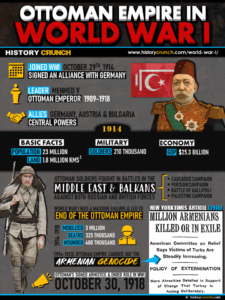
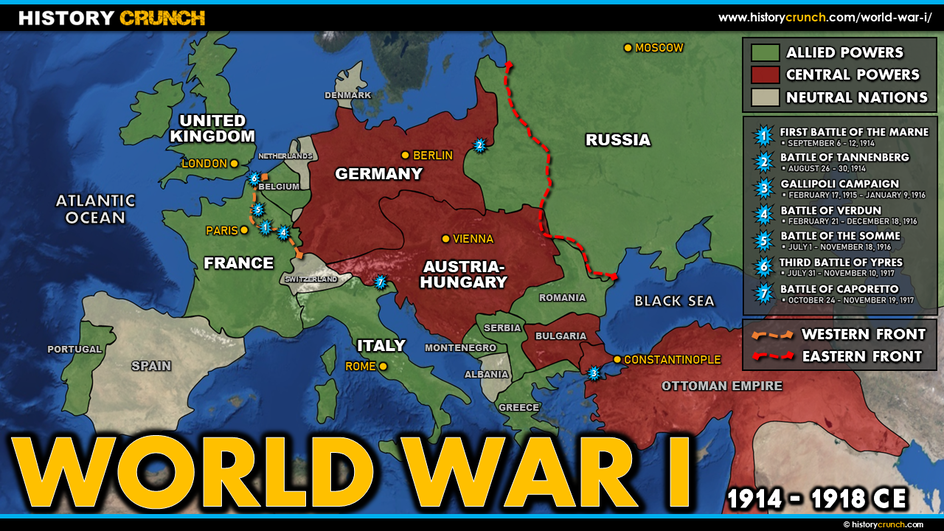
Also known as the ‘DardanellesA narrow strait of water near the Gallipoli Peninsula that controlled access to the Ottoman capital and the Black Sea. Campaign’, the Gallipoli Campaign took place from February 17th, 1915 until January 9th, 1916. It was a major conflict of World War I and occurred on the Gallipoli Peninsula in southeastern Europe, in the modern nation of Turkey. The Gallipoli Campaign was fought between the Allied Powers (the British Empire and France) and the Central Powers (the Ottoman Empire, with support from Germany). Australia played a significant role due to its involvement in the British Empire.
 FactsthatCrunch
What Led to the Gallipoli Campaign of World War I?
The goal of the Gallipoli Campaign was for the Allied Powers to weaken the Ottoman Empire, which exerted a great deal of influence in the southeastern areas of Europe. For instance, the Allied nations wanted to secure waterways in the area in order to ensure that the Ottoman Empire did not prevent necessary shipping routes, especially to Russia. This is because the Black Sea was an important trading route for Russia along its southern border, and the Ottoman Empire had the ability to control the waterways in and out of the Black Sea.
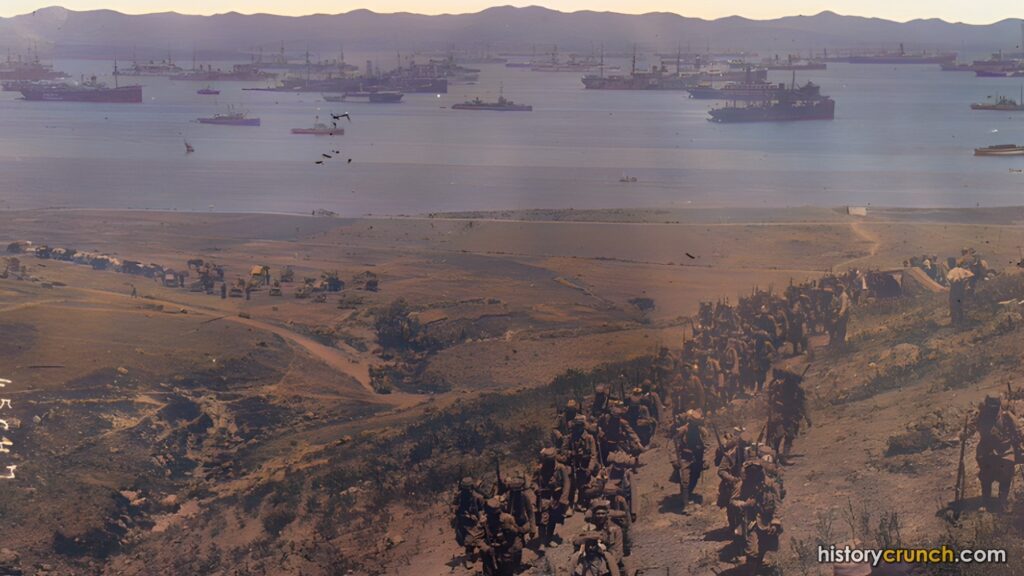
Australian forces first arrived in the region in 1914. For example, they arrived in Egypt in November of 1914 by ship. While there, they defended the Suez Canal against Ottoman attack. The Suez Canal was a vitally important trade route that the British controlled as part of their British Empire. At the same time, Australian forces trained and readied themselves for battle on the Western Front of Europe. In fact, during this period, the Australian Army and the New Zealand Army combined to form the Australian and New Zealand Army Corps (ANZACThe combined Australian and New Zealand Army Corps formed to fight as part of British forces in World War I.) under the command of Lieutenant General William Birdwood. The ANZAC forces became a significant fighting force in World War I. It was believed that ANZAC would participate alongside other British forces in northern Europe. However, the threat of the Ottoman Empire in southeastern Europe caused ANZAC to first deploy there instead. For instance, Winston Churchill argued for an Allied naval attack against the Dardanelles. At the time, Churchill was the First Lord of the AdmiraltyThe top civilian official in charge of the British Royal Navy., for the British Royal Navy.
 FactsthatCrunch
Churchill served as the top civilian official in charge of the British Royal Navy during World War I and pushed for an Allied naval attack against the Dardanelles, hoping to weaken the Ottoman Empire and open a sea route to Russia. When the Gallipoli Campaign failed, Churchill was widely blamed for the disaster and resigned from his post in May 1915.

What Happened During the Gallipoli Campaign of World War I?
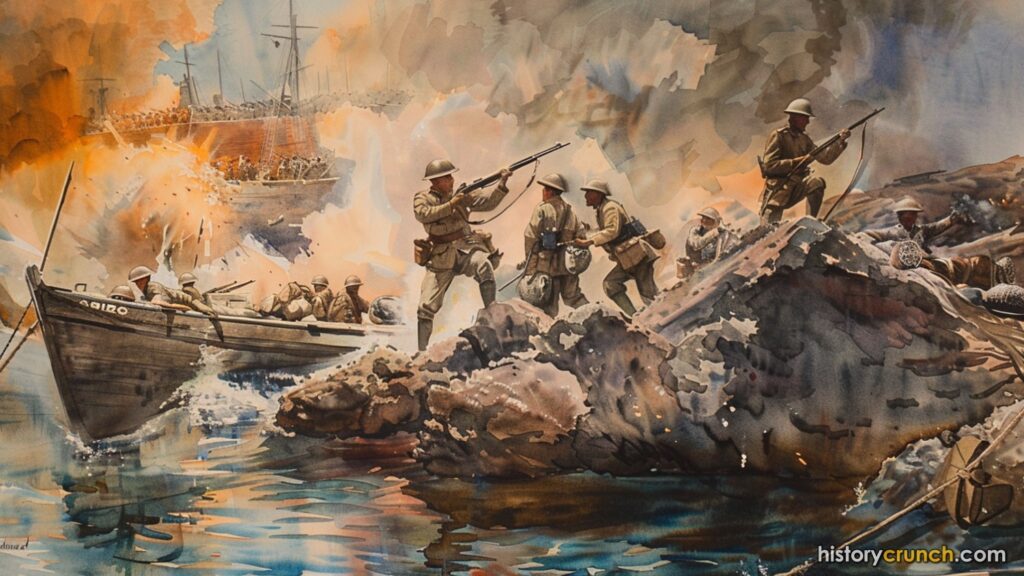
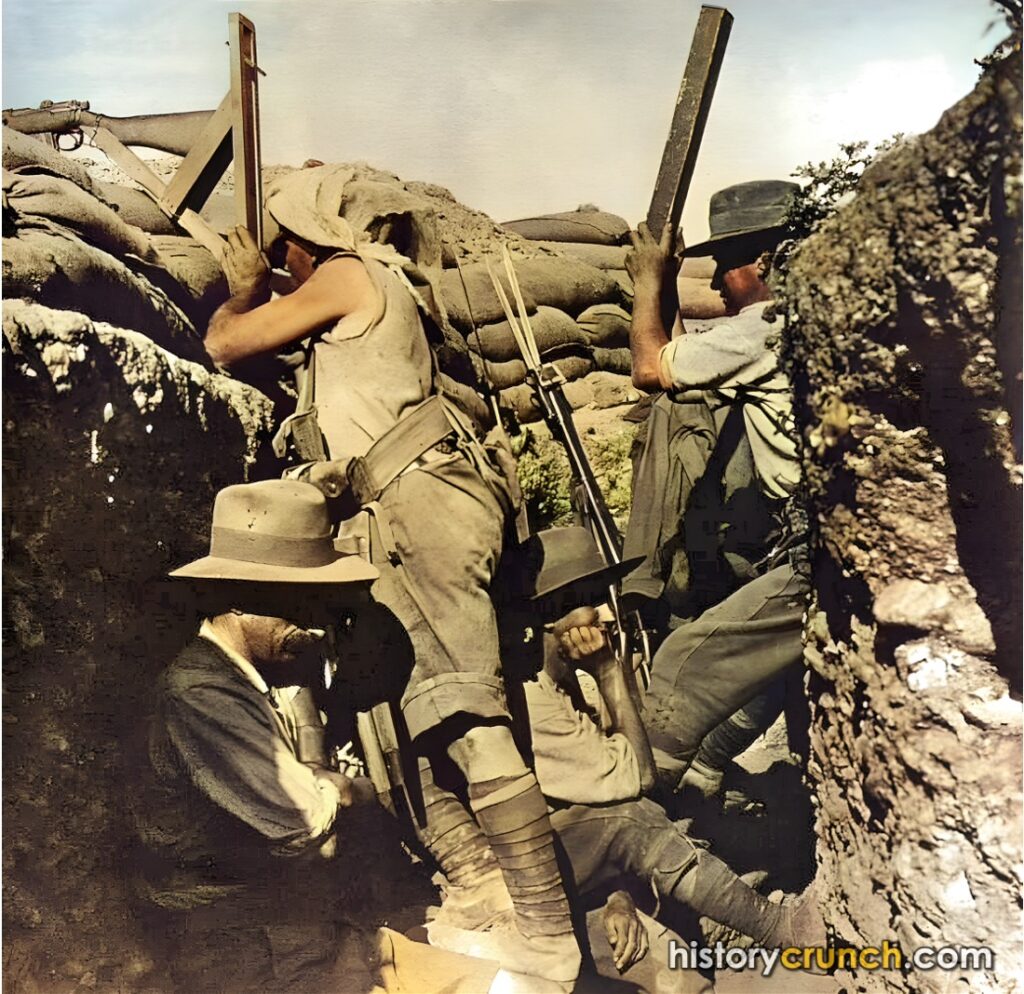
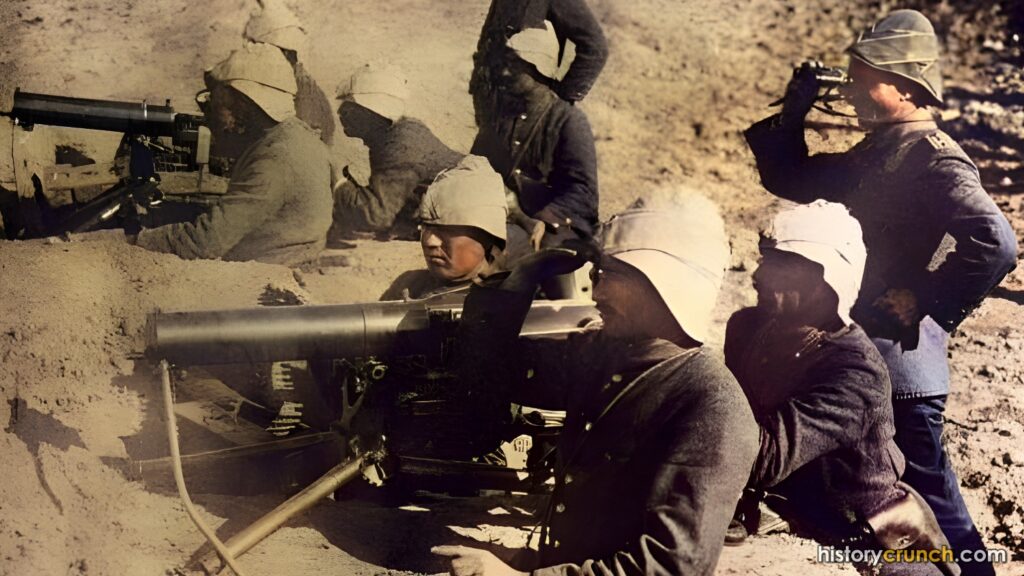
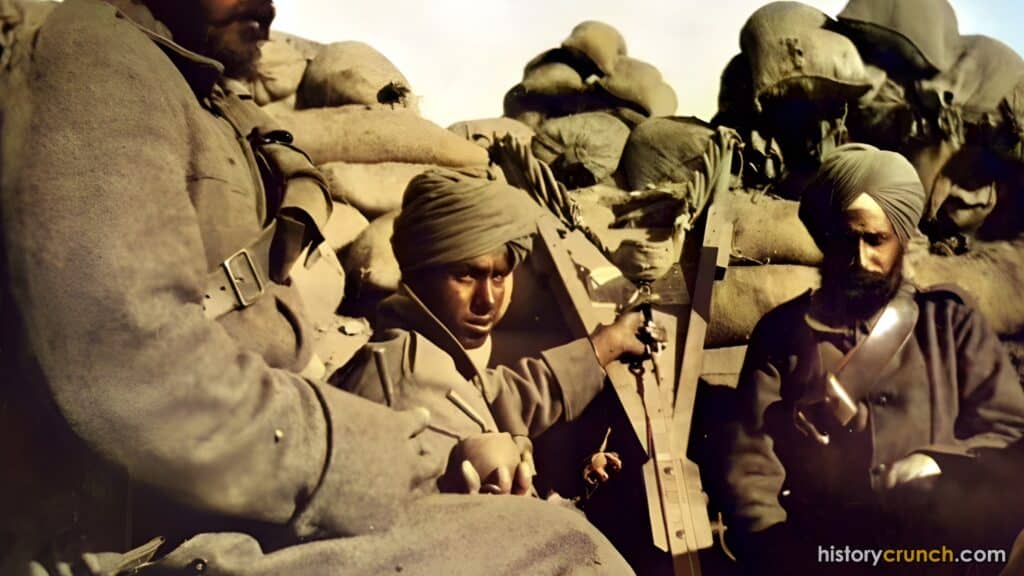
The Allied nations (Britain, France, India, Australia and New Zealand) began their attack against the Ottomans in February of 1915 at the Dardanelles, which was a key entrance to the Ottoman capital of Constantinople (modern-day Istanbul). This Allied attack failed and led to another Allied advance at the Gallipoli Peninsula in April of 1915. The Gallipoli Peninsula is located near the Dardanelles. The goal of the attack was to gain control over Constantinople (Istanbul). The entire campaign was a massive failure for the British and their allies as their troops struggled against the Turkish forces of the Ottoman Empire. The Allied forces abandoned their positions in the region by January of 1916.
What Was the Outcome of the Gallipoli Campaign of World War I?
Today the Gallipoli Campaign is viewed as a major loss for the Allies. In fact, most historians view the Ottoman victory at Gallipoli as incredible due to the perceived inferiority of the Ottoman Army and soldiers. More specifically, the Allied nations were much more industrializedHaving advanced factories and technology that give a country greater military and economic power. and educated than the Ottomans, thus it seemed natural that the Ottoman Army would struggle against a superior force. As well, the Allied nations attacked with superior numbers. It is believed that the Allied nations had as many as 489,000 soldiers in the Gallipoli Campaign, whereas the Ottomans are thought to have had only 315,000. However, the Ottomans were able to withstand the Allied attacks and ultimately proved victorious at Gallipoli.
In total, the Allied forces suffered over 300,000 casualtiesThe total number of soldiers killed, wounded, or otherwise lost during a military campaign. in the battle, including 46,000 deaths. In comparison, historians estimate that the Ottoman Empire suffered approximately 250,000, including over 56,000 deaths. The casualty figures for the Gallipoli Campaign are controversial though, due to dispute among historians and the role of sickness. For instance, many Allied and Ottoman soldiers suffered from diseases that spread easily throughout the duration of the Gallipoli Campaign. These diseases included typhoid, dysenteryA serious intestinal disease that spreads easily and caused many deaths among soldiers during the campaign. and diarrhea. Regardless, the Gallipoli Campaign was a major victory for the Ottoman Empire, and is remembered today as a dramatic loss for the Allies (especially Australia).
 FactsthatCrunch
 Black & whiteColor
What Was the Significance of the Gallipoli Campaign?
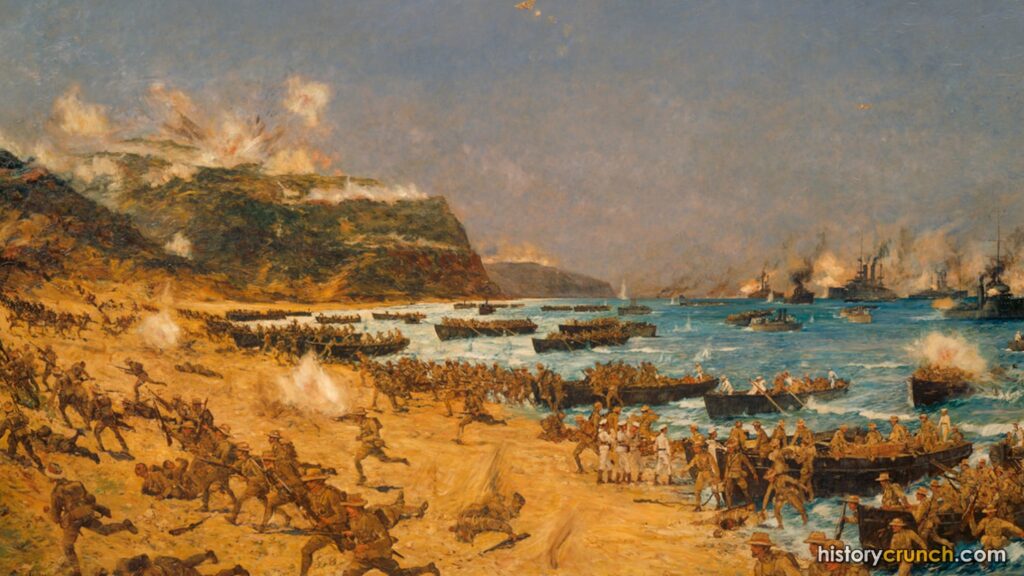
The Gallipoli Campaign has remained a significant event in the histories of both Australia and New Zealand. In fact, the Gallipoli Campaign has become an important symbol of Australia’s national identity and is viewed as significant to the promotion of Australian nationalismStrong pride in one’s country that can drive people to seek independence or a separate national identity.. For instance, Australian losses in the Gallipoli Campaign included over 26,000 casualties and 8,100 deaths. In fact, the event is honored every April 25th with ‘Anzac Day’ in both Australia and New Zealand. Anzac Day is a national day of remembrance in which they remember those that have fought and died in conflict. The significance of April 25th is that it marks the initial landings made by the ANZAC forces in the Gallipoli Campaign. As such, the Gallipoli Campaign is an important moment in the history of both Australia and New Zealand. The growth of nationalism that both countries experienced due to events like the Gallipoli Campaign arguably led to the independence movement from the British Empire.
 FactsthatCrunch
Australia suffered over 26,000 casualties and 8,100 deaths at Gallipoli, and the weight of that loss transformed the campaign into a founding symbol of Australian national identity.
World War I timeline · 1914 – 1918
Key Vocabulary
Dardanelles
ANZAC
First Lord of the Admiralty
Industrialized
Casualties
Nationalism
Dysentery
Frequently Asked Questions
When did the Gallipoli Campaign take place?
The Gallipoli Campaign lasted from February 17th, 1915 until January 9th, 1916. It was fought on the Gallipoli Peninsula in what is now Turkey. The fighting took place in southeastern Europe near a narrow strait called the Dardanelles.
Why did the Allies attack Gallipoli?
The Allies attacked to weaken the Ottoman Empire and open a sea route to Russia. The Ottomans controlled the waterways leading in and out of the Black Sea. Securing these routes would keep vital shipping and trade moving to Russia along its southern border.
Who won the Gallipoli Campaign?
The Ottoman Empire won the Gallipoli Campaign, and it was a major defeat for the Allies. Many historians view the Ottoman victory as surprising because the Allies had more soldiers and more industry. The Allied forces gave up their positions and withdrew by January of 1916.
How many soldiers died at Gallipoli?
The Allies suffered over 300,000 casualties, including about 46,000 deaths. The Ottomans lost roughly 250,000, including more than 56,000 deaths. These numbers are debated because disease killed many men, including cases of typhoid, dysentery and diarrhea.
What is ANZAC and why is Gallipoli important to Australia?
ANZAC stands for the Australian and New Zealand Army Corps, formed under Lieutenant General William Birdwood. Gallipoli became a symbol of national identity for both countries. Anzac Day, held every April 25th, honors the day the ANZAC troops first landed on the peninsula.
Cite This Article
To cite this article as a source, use one of the formats below.
MLA: Beck, Elias. “Gallipoli Campaign of World War I: A Detailed Summary.” HistoryCrunch, 29 September 2026, https://historycrunch.com/gallipoli-campaign-of-world-war-i/.
APA: Beck, E. (2026). Gallipoli Campaign of World War I: A Detailed Summary. HistoryCrunch. https://historycrunch.com/gallipoli-campaign-of-world-war-i/
Chicago: Beck, Elias. “Gallipoli Campaign of World War I: A Detailed Summary.” HistoryCrunch. September 29, 2026. https://historycrunch.com/gallipoli-campaign-of-world-war-i/
Sources
- John Keegan, The First World War.
- Margaret MacMillan, The War That Ended Peace.