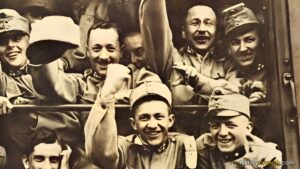
The signing of the Treaty of Versailles was one of the most significant historical events from the first half of the 20th century. First, it formally ended World War I and laid out punishments for Germany. While World War I came to an end on November 11th, 1918 with the signing of the armisticeAn agreement to stop fighting, used here to mean the ceasefire that halted World War I on November 11th, 1918., it was the Treaty of Versailles that truly ended the war.
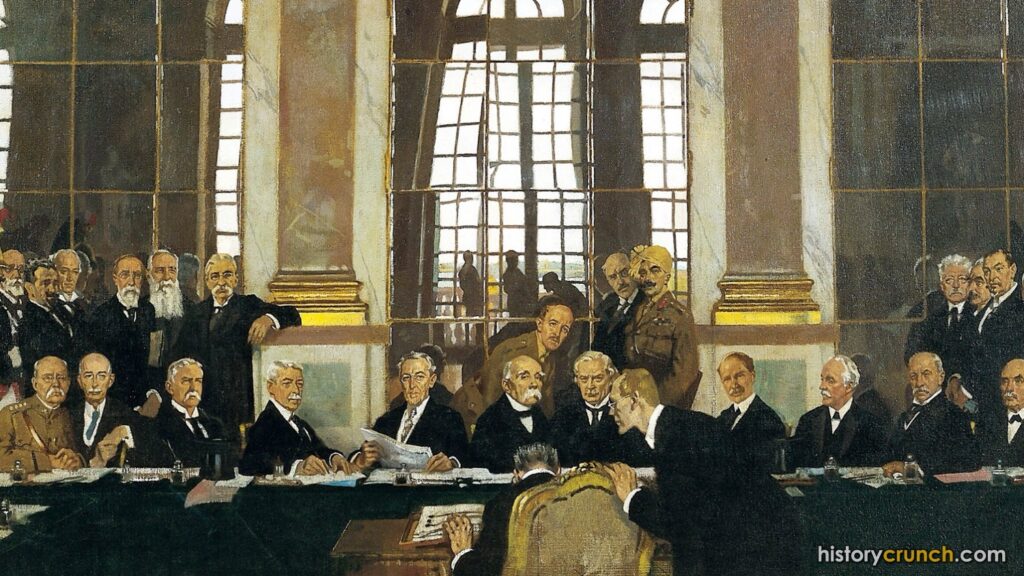
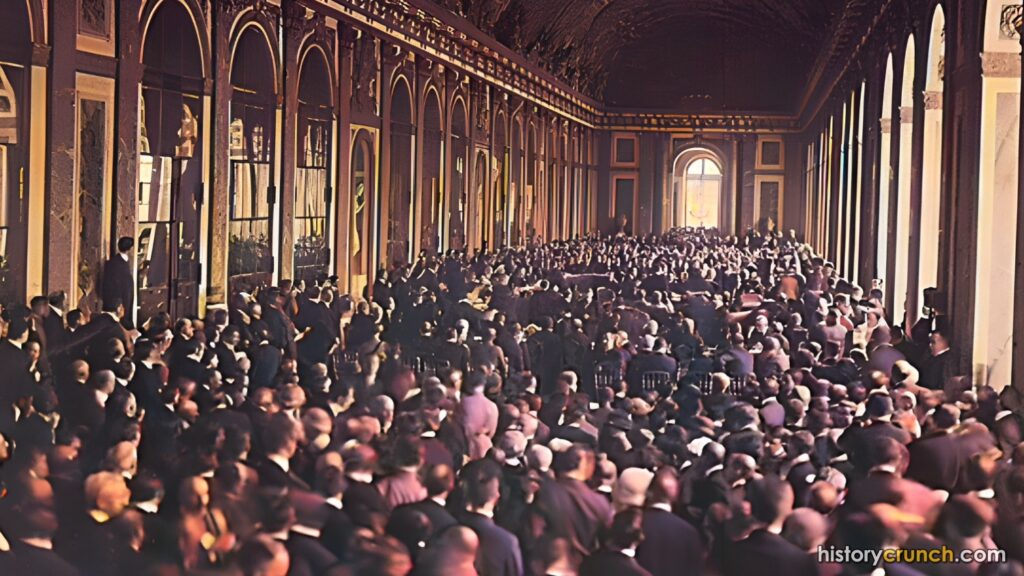
The treaty was a document that ended the war between the Allied Powers (Britain, France and the United States) and Germany, which was a member of the Central Powers. The Treaty of Versailles was signed on June 28th, 1919 in the Hall of Mirrors at the Palace of Versailles in France. The palace was one of the largest buildings in Europe and was used because it provided the space needed to house all of the representatives of the participating nations.
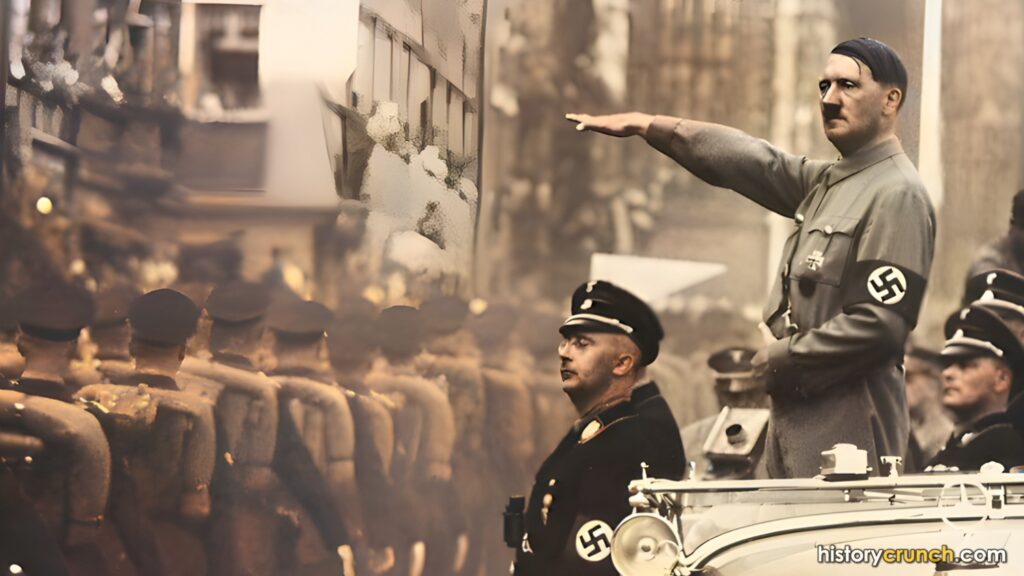
Second, the Treaty of Versailles is considered to be one of the main causes of World War II. For instance, Adolf Hitler rose to power in Germany following World War I based on anger in Germany from the terms of the Treaty of Versailles. Therefore, the Treaty of Versailles is a significant document to both the First World War and Second World War.
The Treaty of Versailles was the sole cause of World War II.

World War I
World War I was a major conflict that divided Europe along two main alliances. On one side was the Allied nations of Britain, France, Italy and Russia. On the other side was the Central Powers of Germany and Austria-Hungary. The war began in 1914 and lasted until 1918 when an armistice was finally reached on November 11th. Throughout the years of the war, millions of soldiers participated from countries all over the world. For example, notable nations included: Australia, Canada, Japan, the Ottoman Empire and the United States.
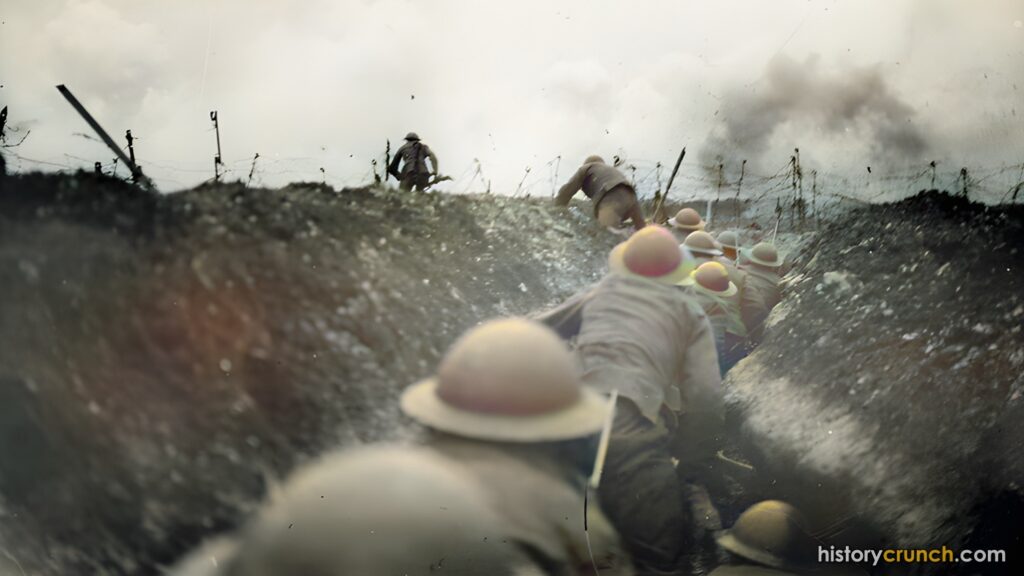
In all, it is estimated that as many as 10 million people died as a direct result from the military actions of World War I. For instance, the trenches of the Western Front were notorious for their terrible and deadly conditions. At the end of the war, Germany essentially stood alone against the Allied nations. As such, Germany ultimately decided to reach peace with the Allied nations and sought to bring an end to the fighting. This resulted in the later signing of the Treaty of Versailles.
Major Nations of the Treaty of Versailles
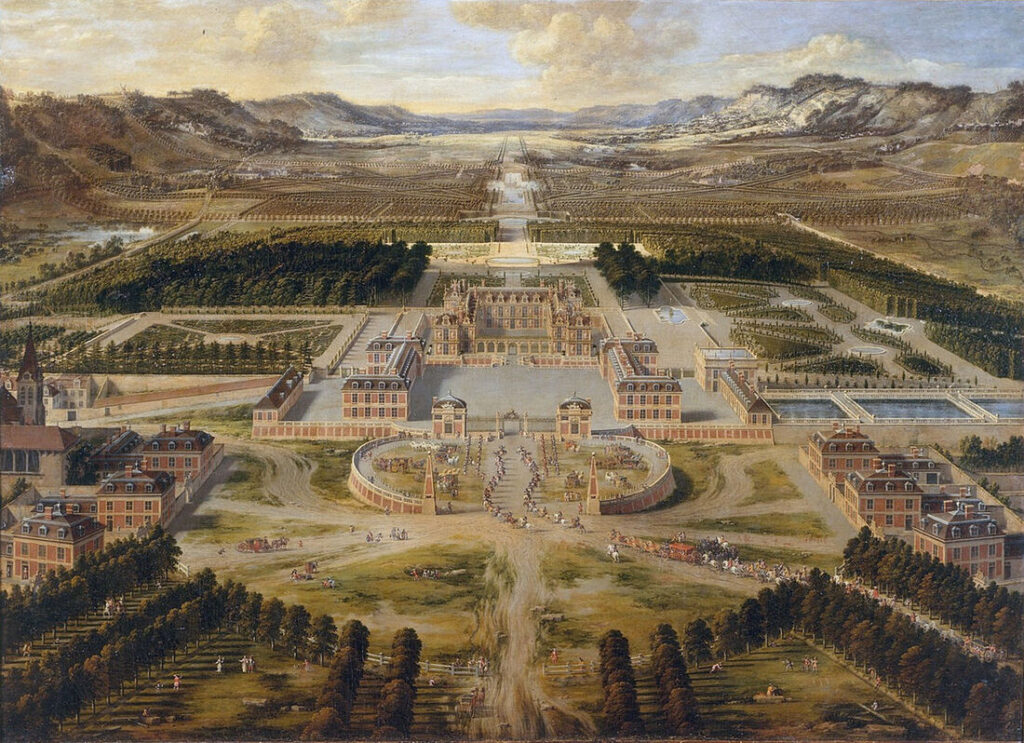
As stated above, the Treaty of Versailles was signed on June 28th, 1919 in the Hall of Mirrors at the Palace of Versailles in France. The Palace of Versailles has a long and storied past in French history, as it was once a palace for the French Royal Family. In fact, the last French Monarch to use the Palace of Versailles was Louis XVI, who was famously executed during the time of the French Revolution.
The palace was still one of the largest buildings in Europe at the time and was used because it provided the space needed to house all of the representatives of the participating nations. In fact, there were many nations present during the negotiations for the Treaty of Versailles, with several delegates for each nation. More specifically, there were over 20 nations involved in establishing the terms. With this said, the negotiations were driven by just a few main countries that had been on the Allied side of World War I.
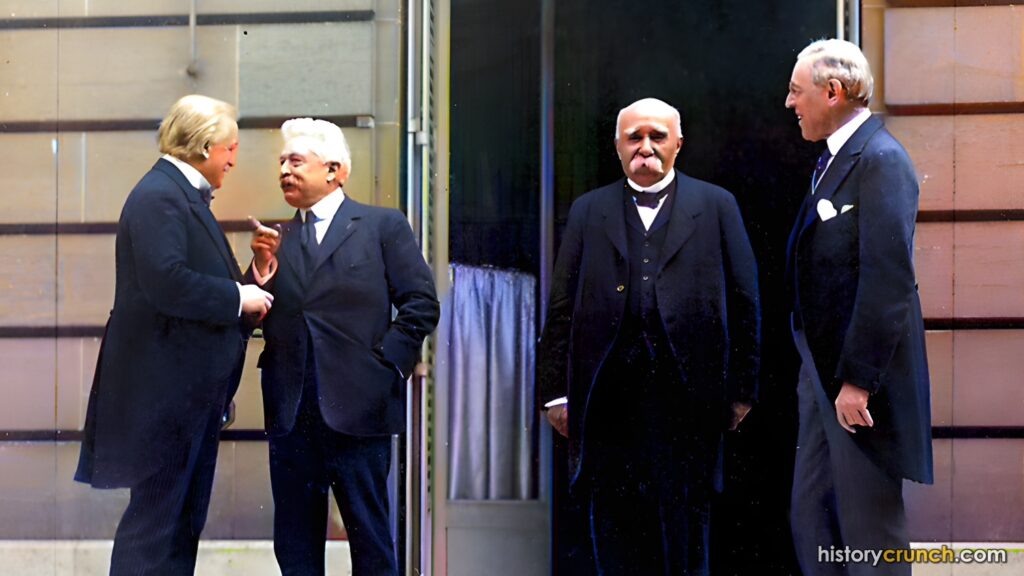
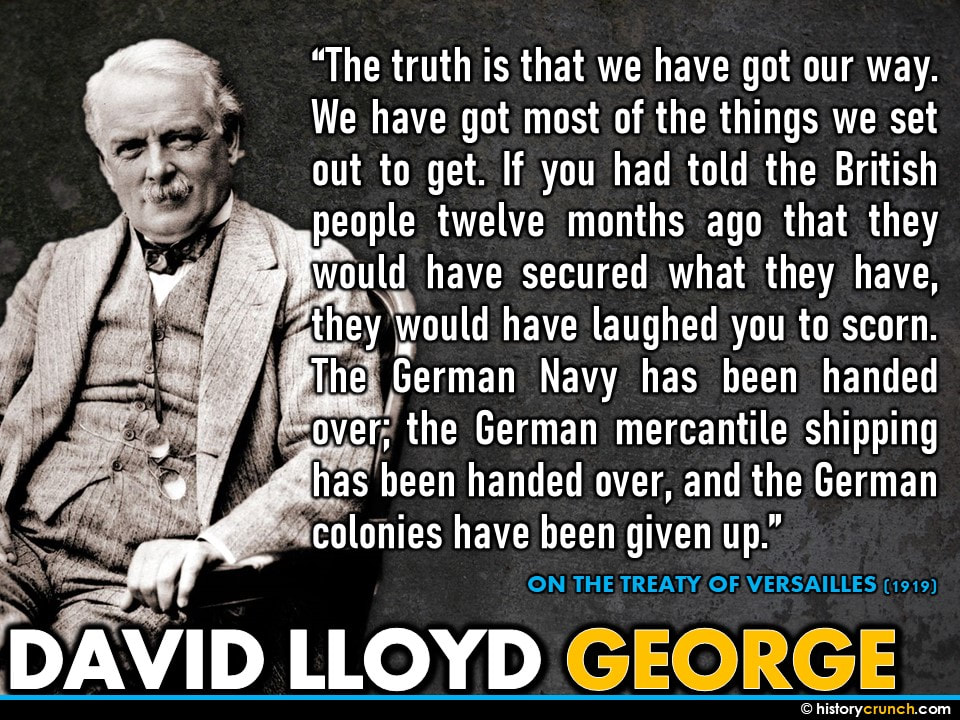
The three main politicians that participated in the signing of the Treaty of Versailles were: Woodrow Wilson of the United States, David Lloyd George of Britain and Georges Clemenceau of France. Each leader had their own view on how to handle the end of World War I and to what degree Germany should be punished.
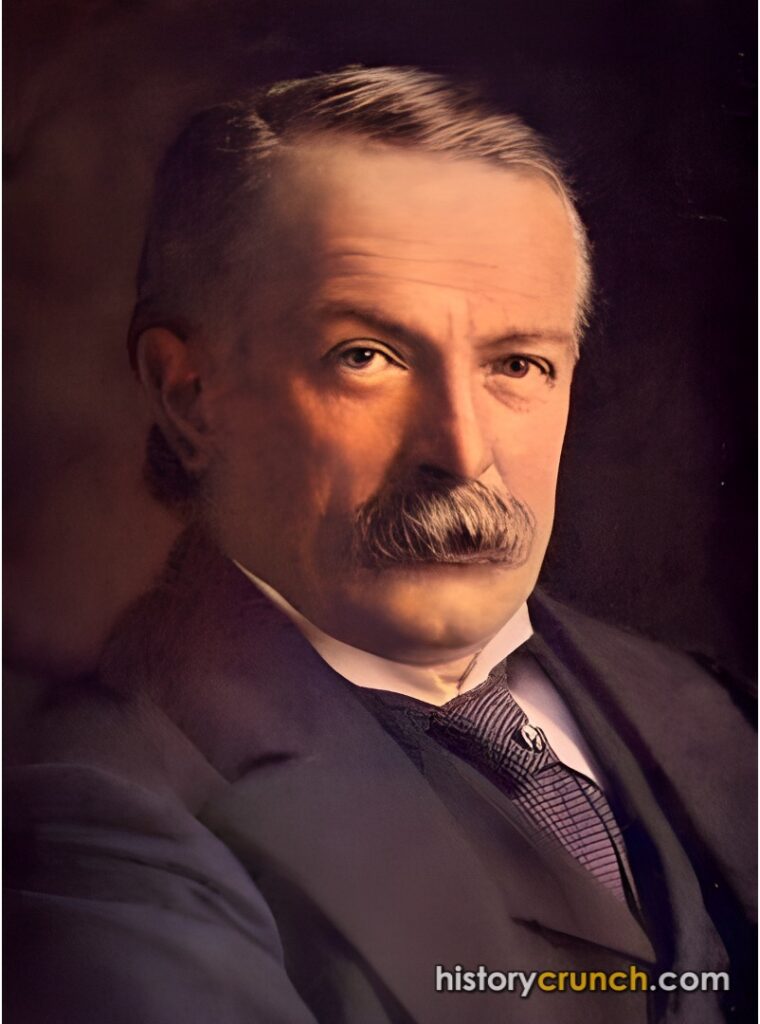
David Lloyd George of Britain wanted to see Germany punished for its role in World War I. The idea that Germany should be punished was a popular view in Britain at the time and David Lloyd George supported the view as it was politically important. However, he was fearful for the spread of communism in Europe, which had found a foothold in Russia following the Russian Revolution of 1917. He feared that a weakened Germany might turn to communism and that the ideology would spread across the continent.
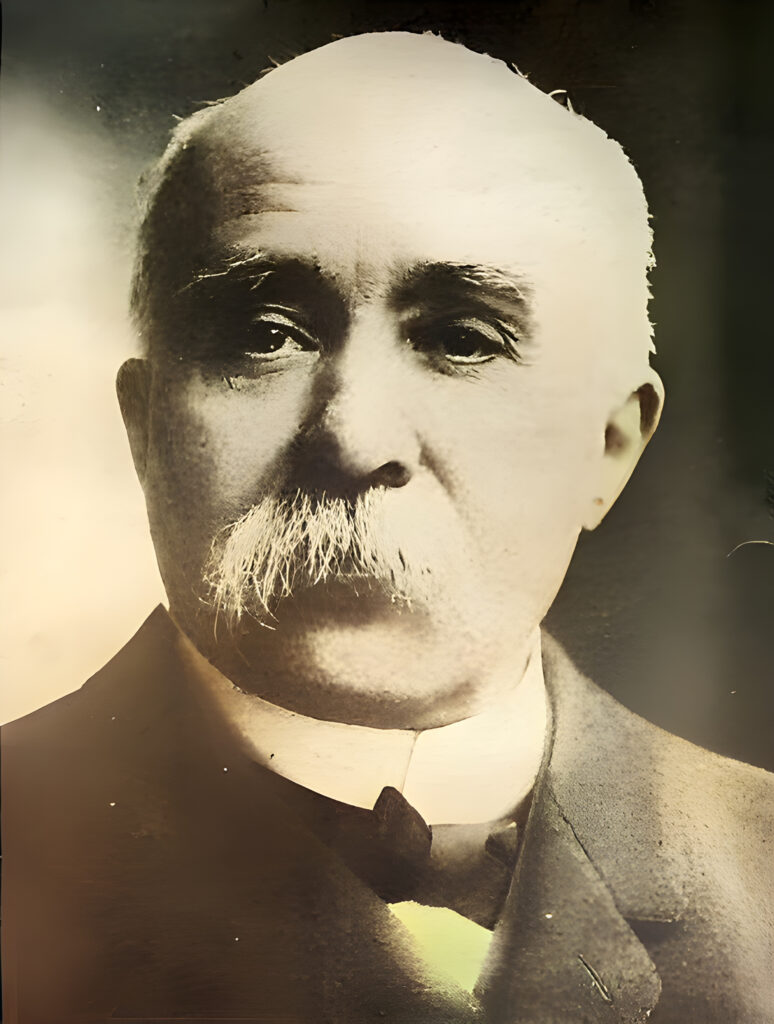
Georges Clemenceau of France argued that Germany should be severely punished such that it would be unable to wage a future war again. This was a popular view in France at the time, especially considering that World War I was the second major war between France and Germany in 50 years with the first war being the Franco-Prussian War of 1870. As well, most of the trench warfare of World War I occurred on French soil so France wanted revenge for nearly 4 years of German troops within its borders.
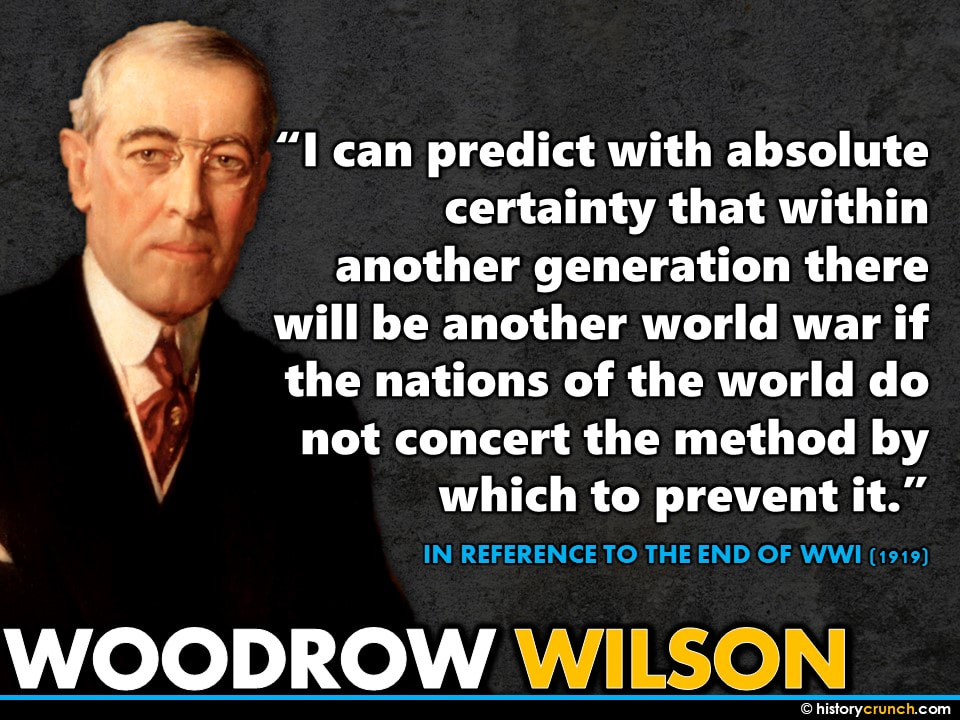
Woodrow Wilson of the United States differed from Britain and France in that he did not support the idea of punishing Germany for its role in World War I. At the end of the war Woodrow Wilson issued his 14 Points (commonly known as Wilson’s 14 Points) in which he laid out a framework for ensuring peace in Europe. As part of his 14 Points, Wilson fundamentally opposed the idea of revenge or punishment for Germany and instead supported the idea that any German punishment should aim to rebuild Europe and lead to reconciliation.
 FactsthatCrunch
Clemenceau wanted terms harsh enough to prevent Germany from ever threatening France again. Wilson believed that severe punishment would damage long-term peace rather than protect it.
Terms of the Treaty of Versailles
The Treaty of Versailles was a large document with approximately 440 individual articles. Germany was presented with the list of demands that make up the 440 articles. Germany protested the demands of the Treaty of Versailles but their concerns were mainly ignored in favor of the wishes of the Allied powers.
Despite consisting of 440 articles, the Treaty of Versailles is significant for just a few main demands, including:
- Germany had to give up control over its overseas colonies. For example, Germany was forced to give up its colonies in Africa.
- Germany lost land and territory in Europe. For example, Germany lost control of territory in the east that it had gained from the Treaty of Brest-Litovsk with Russia. As well, Poland was re-created partly out of former German territory in Europe. As well, Alsace-Lorraine was given back to France. Finally, Germany was forced to hand over control of its coalfields in the Saar region.
- Germany was forced to make war reparation payments. Germany was to pay the equivalent of $33 billion (US) to cover civilian damages during the war. ReparationsPayments a defeated country is forced to make to cover damages caused during a war. are a war debt.
- Germany was forced to limit its army to 100,000 soldiers. As well, the German army was not allowed to develop any tanks. Germany was not allowed to have an air force and was limited to have no submarines and just six battleships in its navy.
- Germany was made to demilitarizeTo remove all military forces and weapons from a specific area, here the Rhineland bordering France. its territory that bordered France to the west. (Rhineland)
- Germany was made to accept the ‘War Guilt ClauseThe treaty term that forced Germany to officially accept full blame for starting World War I.‘ which meant that it was to accept blame for World War I.
- Germany was forbidden from uniting with Austria.
- Germany was forbidden from joining the newly created League of Nations which sought to create peace in the world and to avoid another similar global war.
In the Treaty of Versailles after World War I, did each of these terms impose a military limit on Germany or take away German territory?
Impacts of the Treaty of Versailles
The Treaty of Versailles created a legacy for Germany and Europe in the years after World War I. The treaty is now viewed by many as too severe of a punishment towards Germany in the years after World War I and is often viewed as a cause of World War II and the rise to power of Adolf Hitler and fascism in Germany. More specifically, the Treaty of Versailles left a legacy that had economic and political implications.
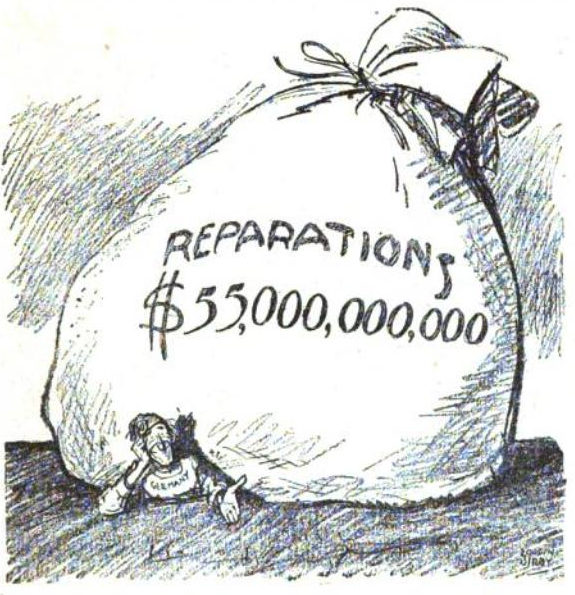
Economically, the German economy struggled to cope with the high reparations, loss of land (Saar coalfields), and the ongoing Great Depression of the 1930s. As stated above, Germany was forced to pay reparations as a term of the Treaty of Versailles. Simply put, reparations are a form of war debt that Germany was made to pay to the Allied nations. This was because Germany was blamed for starting the war, and as such was made to pay for the damages to the Allied nations.
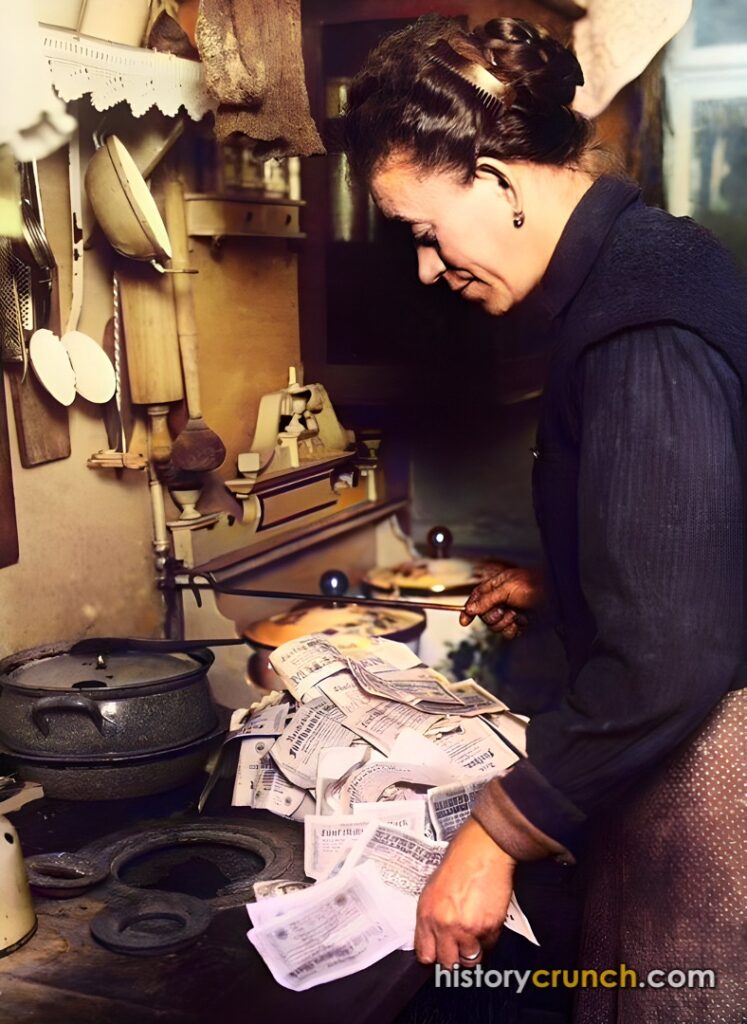
In actuality, France received most of the reparation payments, since most of the fighting of World War I occurred in the area of northern France. As Germany struggled to pay for its reparations, it printed off more of the German Mark which devalued the currency and led to hyperinflationWhen a currency loses its value so rapidly that ordinary goods become unaffordably expensive.. Hyperinflation is when a currency (money) loses its value very quickly. This occurred in Germany to such an extent that Germans needed large sums of money to buy everyday items such as groceries. Some Germans burned their money because it was more valuable as a way of heating their home than as a means of spending.
Politically, Germany underwent some major political changes in the years after World War I and the Treaty of Versailles. Germany’s first democracy (Weimar Republic) was the government in Germany following the signing of the Treaty of Versailles and would be the focus of German anger for the results of the treaty. The Weimar RepublicGermany’s first democratic government, which took power after World War I and struggled to manage the country’s crises. struggled to respond to the economic crisis and many Germans began looking for alternative governments to solve their crisis. Germans were unhappy with democracy and instead turned to fascist dictator Adolf Hitler to restore their economy and national pride. Because of this, the Treaty of Versailles is often considered to be one of the main causes of World War II.
 FactsthatCrunch
Explore World War I · 1914 – 1918
Keep exploring World War I with these History Crunch resources.
Key Vocabulary
Armistice
Reparations
War Guilt Clause
Demilitarize
Hyperinflation
Weimar Republic
Fascism
Frequently Asked Questions
When and where was the Treaty of Versailles signed?
The Treaty of Versailles was signed on June 28th, 1919, in the Hall of Mirrors at the Palace of Versailles in France. The palace was chosen because it was large enough to hold delegates from all the nations taking part. It had once been home to French kings, including Louis XVI.
What were the main terms of the Treaty of Versailles?
The treaty forced Germany to accept blame for the war, pay heavy reparations, and give up land and colonies. Germany also had to shrink its army to 100,000 soldiers and give up most of its navy, tanks, and air force. It could not unite with Austria or join the League of Nations.
Who were the main leaders at the Treaty of Versailles?
The three main leaders were Woodrow Wilson of the United States, David Lloyd George of Britain, and Georges Clemenceau of France. Each had a different view on how harshly Germany should be treated. Clemenceau wanted the toughest punishment, while Wilson favored rebuilding and peace.
How much did Germany have to pay in reparations?
Germany was ordered to pay the equivalent of about $33 billion (US) to cover civilian damage from the war. France received most of these payments because much of the fighting had happened on French soil. Struggling to pay, Germany printed more money, which caused terrible hyperinflation.
Why is the Treaty of Versailles seen as a cause of World War II?
Many people view the treaty as too harsh, which left Germans angry and struggling for years afterward. The weak Weimar Republic could not fix the economic crisis, so many Germans looked for a new kind of leader. This anger helped Adolf Hitler rise to power in the 1930s.
What was the War Guilt Clause?
The War Guilt Clause forced Germany to accept full blame for starting World War I. This term was deeply resented by the German people. It also served as the reason Germany was made to pay large reparations to the Allied nations.
Cite This Article
To cite this article as a source, use one of the formats below.
MLA: Beck, Elias. “Treaty of Versailles: A Detailed Summary.” HistoryCrunch, 30 September 2026, https://historycrunch.com/treaty-of-versailles/.
APA: Beck, E. (2026). Treaty of Versailles: A Detailed Summary. HistoryCrunch. https://historycrunch.com/treaty-of-versailles/
Chicago: Beck, Elias. “Treaty of Versailles: A Detailed Summary.” HistoryCrunch. September 30, 2026. https://historycrunch.com/treaty-of-versailles/
Sources
- Fordham Modern History Sourcebook
- Margaret MacMillan, The War That Ended Peace.
- Hew Strachan, The First World War.
- John Keegan, The First World War.