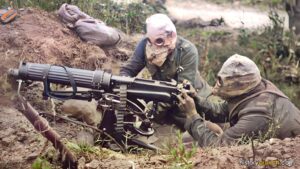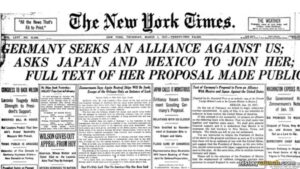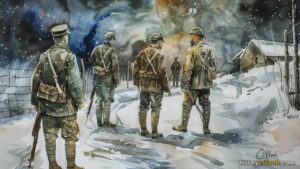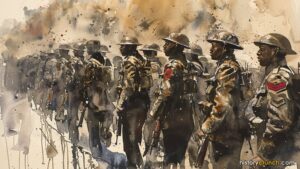
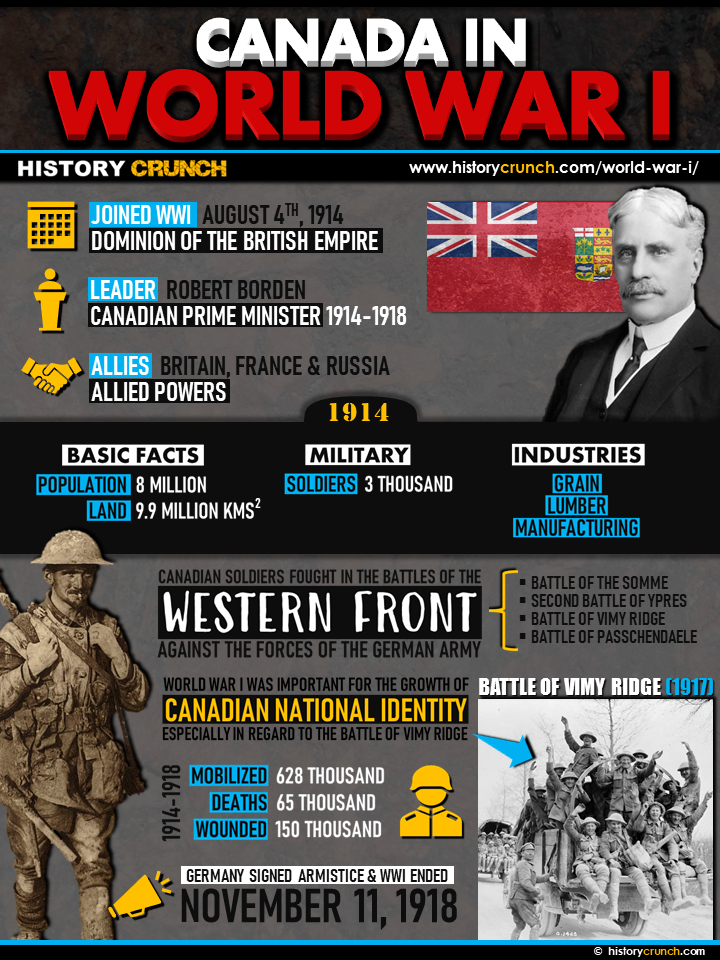
Canada played an important role in the events of World War I. In fact, the First World War was an important event in history for many different countries, including Canada. While the war was primarily a European conflict, it ultimately became a global war due to the involvement of countries from around the world. For example, Canada joined World War I in 1914 due to its status as a DominionA partly independent nation still under the broader control of the British Empire. of the British Empire. As such, Canadian soldiers were present in many of the major battles of the Western Front of World War I and fought in the trenches of northern Europe. World War I was not only a major event in world history but was also significant in Canada’s history as a nation, since it had a major impact on Canadian national identity at the time.
Canada Enters World War I
World War I erupted during the summer of 1914 in an event that historians refer to as the July Crisis. In short, this crisis was caused by the assassination of Austrian Archduke Franz Ferdinand, which led to the major European powers engaging in a conflict. For example, Britain was pulled into the crisis when Germany invaded Belgium, whose neutrality Britain had promised to protect. Britain was also linked by agreement to France and Russia in the Triple Entente.
As stated above, Canada was considered to be a Dominion of the British Empire at the time. A ‘dominion’ is considered to be a partially independent nation under the wider control of the vast British Empire.
At the time, the status of ‘dominion’ was given to several nations or regions within the British Empire, including: Canada, Australia, New Zealand, Newfoundland, and South Africa. As a result of being a Dominion of the British Empire, when Britain declared war on August 4th, 1914, Canada was also automatically pulled into the fighting of World War I.
With that said, support for the war was widespread across Canada. This was due to much of the population feeling a sense of national identity to England. In fact, many of the soldiers who fought for Canada in World War I had been born in England.
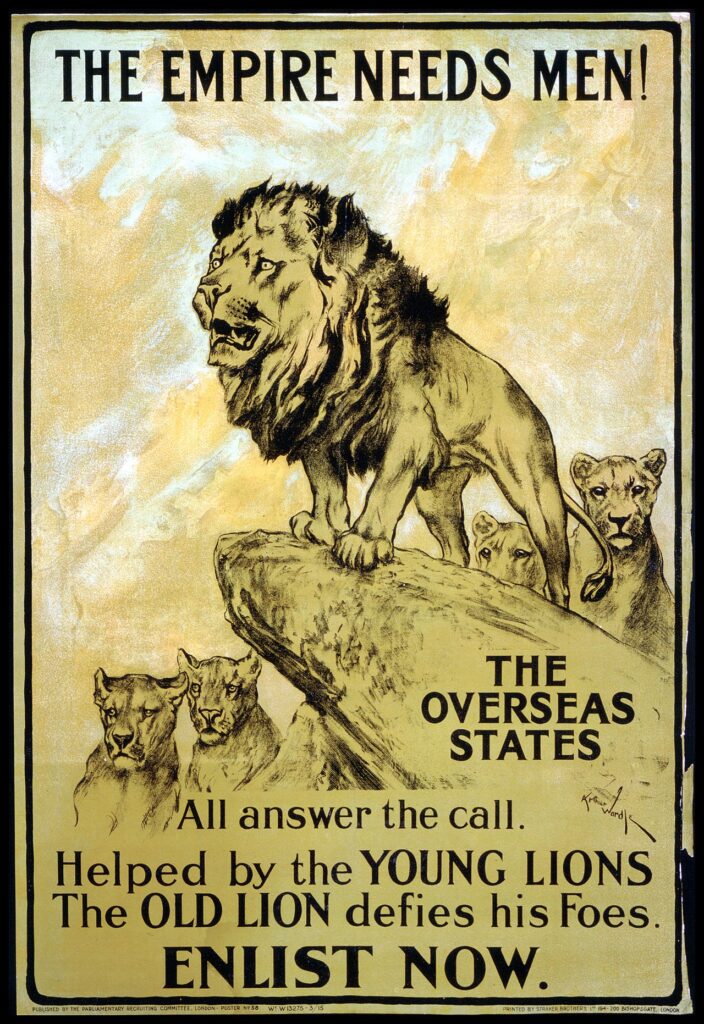
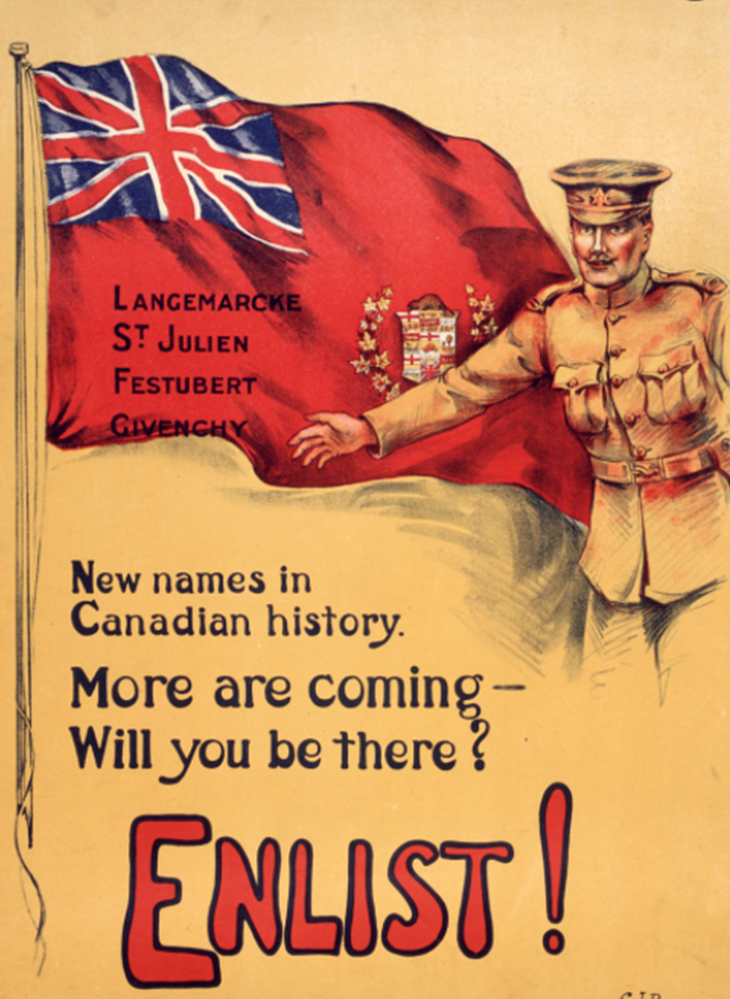
As such, Canada quickly moved to mobilize its forces to assist in the war effort of World War I. In fact, Prime Minister Robert Borden, promised the mobilization of half a million soldiers from Canada for the war effort in Europe. This was a massive commitment from a country that only had around 3,000 soldiers in the years before the start of World War I. Regardless, thousands of Canadian men volunteered for service and led to the creation of the Canadian Expeditionary Force (CEF). In total, 600,000 Canadians participated in World War I by the end of the war in 1918. In all, Canadians participated as soldiers, sailors, doctors, nurses and leadership personnel.
Canada played a significant role in World War I, especially in relation to the battles of the Western Front. World War I was primarily a European conflict, as it involved the major European powers of the time including: Austria-Hungary, Britain, Bulgaria, France, Germany, Ottoman Empire and Russia. When war broke out in 1914, there were two sets of alliances. First was the Allied Powers, which included Britain, France and Russia. Due to its status as a Dominion of the British Empire, Canada participated alongside these other powers. On the other side was the alliance of the Central Powers, which included Austria-Hungary, Bulgaria, Germany and the Ottoman Empire. These nations were the major enemies that Canada and the other Allied Powers faced off against in the battles of World War I.
 FactsthatCrunch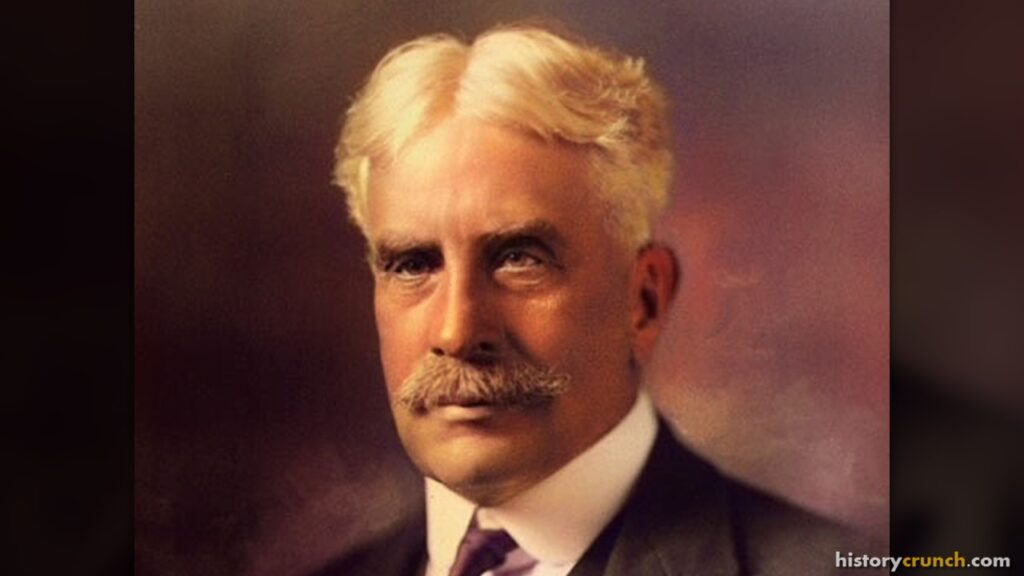
Canada in World War I – Army & Recruitment
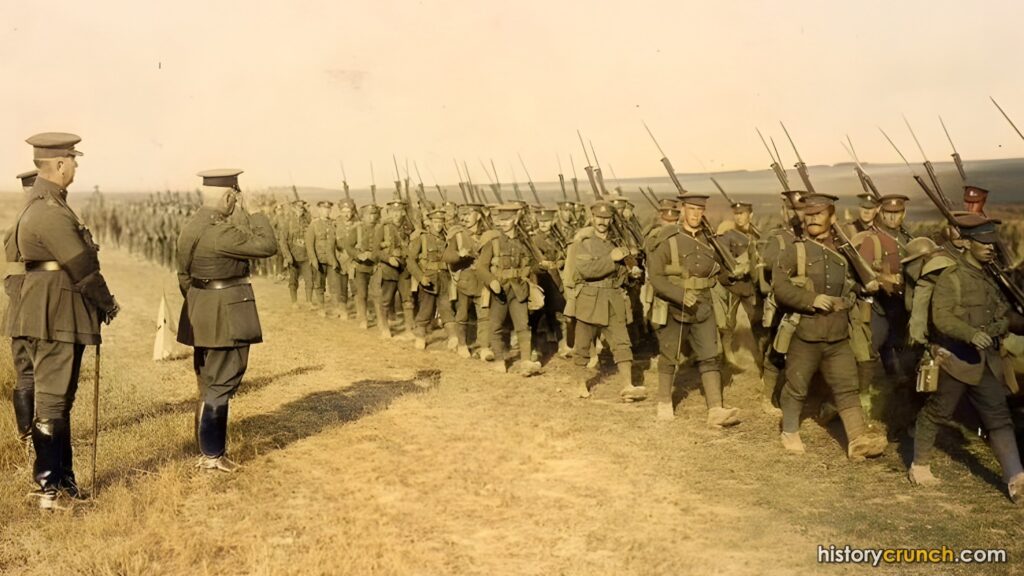
Canada created the Canadian Expeditionary Force (CEF) in response to its goal of sending thousands of soldiers to fight in World War I. These were the first Canadian soldiers sent to the trenches of the Western Front in Europe. The CEF was made up of over 600,000 soldiers, which were divided into 260 infantry battalions. Initially, thousands of Canadians volunteered for service in World War I, and as a result the CEF was primarily made up of volunteers.
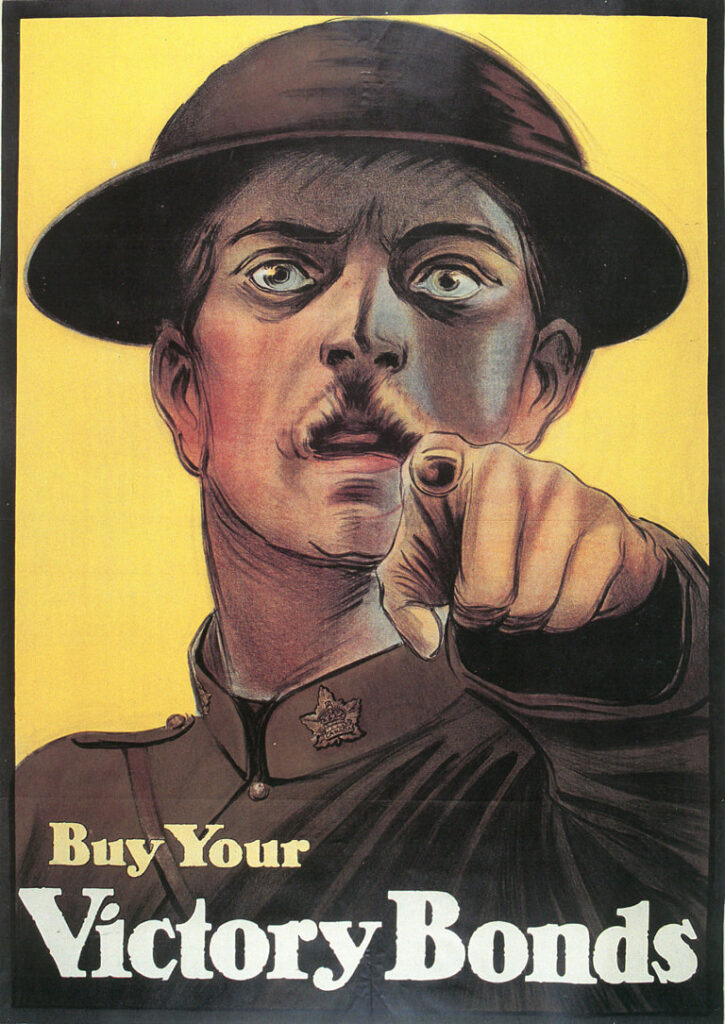
To promote more volunteers, the Canadian government promoted a strong recruitment campaign throughout the early period of the war. This included recruitment posters that called on Canadians to sign up and participate in the war. At first, there was quite a bit of excitement for the war among people across Canada. This ‘excitement for World War I’ was a common feature for many of the nations that participated in World War I and was based on several different factors.
For instance, one of the main reasons for the excitement of the war was that many viewed it as an adventure. They read stories about soldiers bravely marching into battle and dying heroically on the battlefields for their countries. For many of these young soldiers, they viewed the Great War as their opportunity to play a role in the ‘glory of war’ and follow in the path of earlier soldiers in earlier European conflicts. To them, war seemed adventurous and a show of bravery that many claimed they ‘did not want to miss’.
As well, many also participated in the war due to a strong sense of nationalism and patriotism for Canada and Britain. They had been taught in school to be ready to answer the call of war for their country at any time and to be ready to serve and die for their country if necessary. As such, patriotism and a sense of nationalistic pride drove many to join the armed forces.
Finally, it was widely believed at the time that the war would be over relatively quickly. Since the fighting began in the summer of 1914, many pronounced that the war would surely be over by December of that year. So for many of the young men, they believed that they were heading off to a short adventure and to represent their country.
As the war progressed and a stalemateA situation in which neither side in a conflict can make progress against the other. in the trenches of northern France caused the conflict to extend into 1915, the excitement that many had for the war began to change. The realities of trench warfare were brutal and the image of war no longer had an adventurous or exciting feeling. As such, the Canadian government struggled to gather the necessary volunteers for service in the Canadian Expeditionary Force (CEF). As a result, this led to the government of Canada using conscriptionA government policy that forces eligible men to join the military rather than relying on volunteers. as a means of expanding the fighting force in the later years of World War I. This decision to use conscription proved to be a controversial one, and led to the Conscription Crisis of 1917. The issue of conscription is discussed below under the ‘Canadian Home Front in World War I’ heading.
The CEF had a few different commanders throughout the time period of World War I, including: Edwin Alderson from 1915 to 1916, Julian Byng from 1916 to 1917, and Arthur Currie from 1917 to 1919.
Canada in World War I – Major Battles
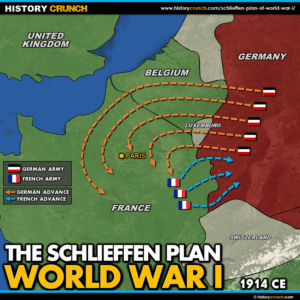
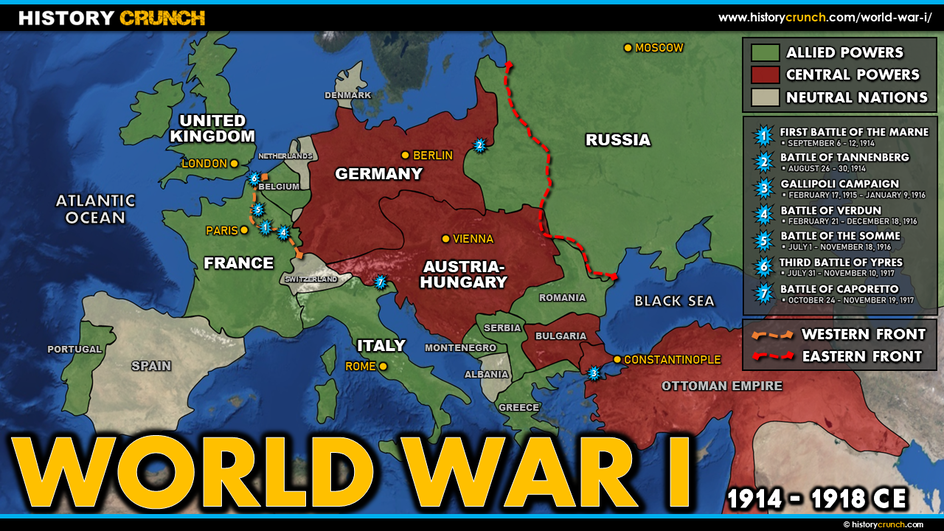
The Canadian Expeditionary Force (CEF) participated in several of the main battles of the Western Front. In general, the landscape of Europe in World War I was divided into a few different ‘fronts’. For instance, the Western Front was located on the western-half of Europe and included a line of trenches that stretched throughout much of northern France and Belgium. The Western Front was the location of Canada’s involvement in World War I. The Eastern Front of World War I was on the eastern-half of Europe and between Germany and Russia.
The major battles of World War I that Canada participated in included:
- Second Battle of Ypres
- Battle of the Somme
- Battle of Vimy Ridge
- Battle of Passchendaele
- Canada’s Hundred Days
 FactsthatCrunch
How did the Western Front and Eastern Front of World War I compare?
Canada in the Second Battle of Ypres in World War I
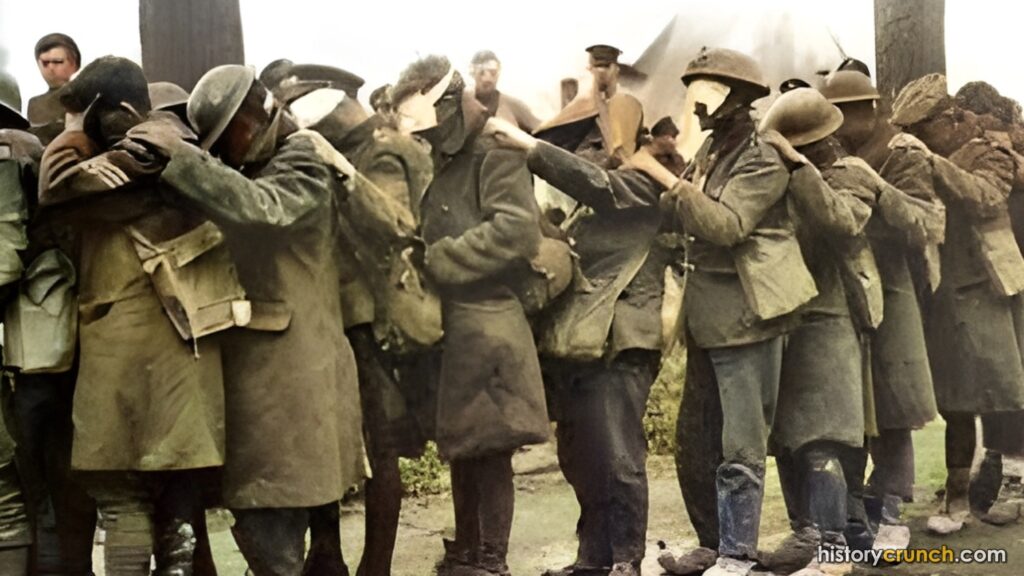
The first major conflict that the Canadian forces participated in was the Second Battle of Ypres, which occurred in 1915. More specifically, the Second Battle of Ypres was fought from April 22nd until May 25th in 1915. Ypres is a town in western Belgium that saw intense fighting in World War I between the Allied and German forces. The Second Battle of Ypres followed the First Battle of Ypres, which occurred in October and November of 1914. The Second Battle of Ypres was significant because it is remembered today as the first use of poisonous gas on the Western Front. Germany introduced chlorine gas canisters into the battle on the first day of fighting, when they used the deadly gas against the French troops.
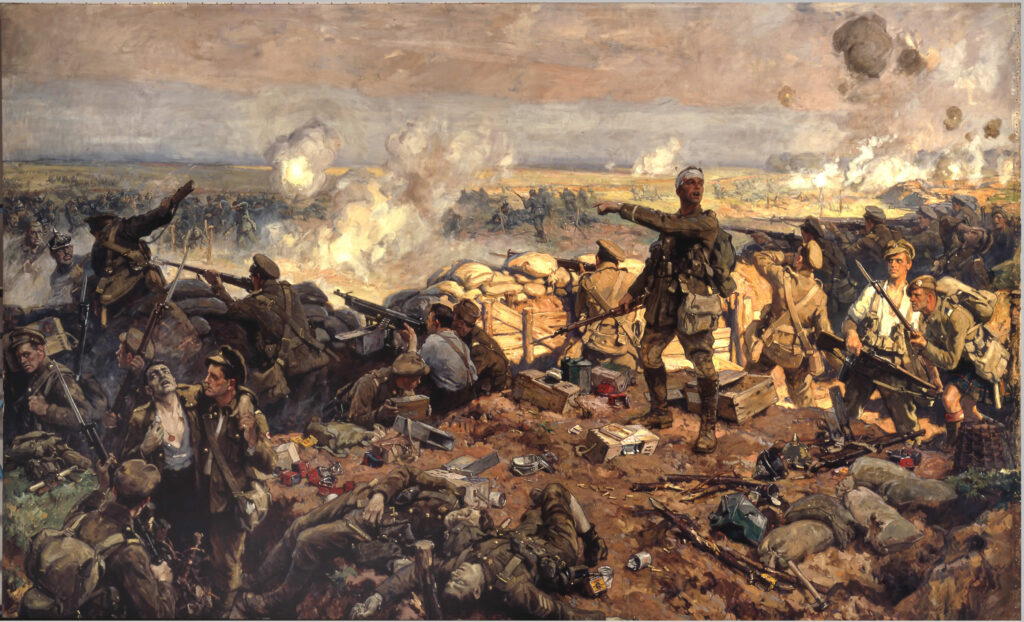
The Second Battle of Ypres was also significant because it was the first major battle for Canadian soldiers in World War I. For example, after the German gas attack on the first day of the battle, Canadian soldiers were the primary defenders of the Allied flank at Ypres. Canadian soldiers defended the town of St. Julien and withstood the gas attacks by the German soldiers. Famously, Canadians urinated on cloths that they used to cover their faces when the gas attacks began to try to prevent breathing in the poison. The ammonia present in urine helped to counteract the effects of the chlorine gas. Regardless, Canadian soldiers, despite facing heavy gas attacks and German advances, were mostly able to hold back the German advance and prevent Germany from making inroads into Allied held territory. While the battle is viewed as an Allied victory, it still cost the lives of many people on both sides. German casualties totaled over 34,000, French casualties totaled about 18,000 and Canadian casualties totaled almost 6,000.
 FactsthatCrunch
Canada in the Battle of the Somme in World War I
The next major World War I battle that involved Canadian soldiers was the Battle of the Somme, which took place from July 1st, 1916 to November 18th, 1916 and is remembered as one of the bloodiest battles in human history. It was a devastating battle that took place along the River Somme in northern France. It was fought between Allied Powers of France and Britain (along with Canadian and Newfoundland forces) and the Central Power of Germany and was a major conflict on the Western Front. France and Britain both hoped that by starting the Battle of the Somme, they would relieve pressure on French defenders in Verdun during the Battle of Verdun where the French were struggling against the German assault on that region. The Allied strategy at the Battle of the Somme was to draw more German troops away from Verdun and into the Somme in hopes of causing Germany to struggle with managing both large battles at the same time.
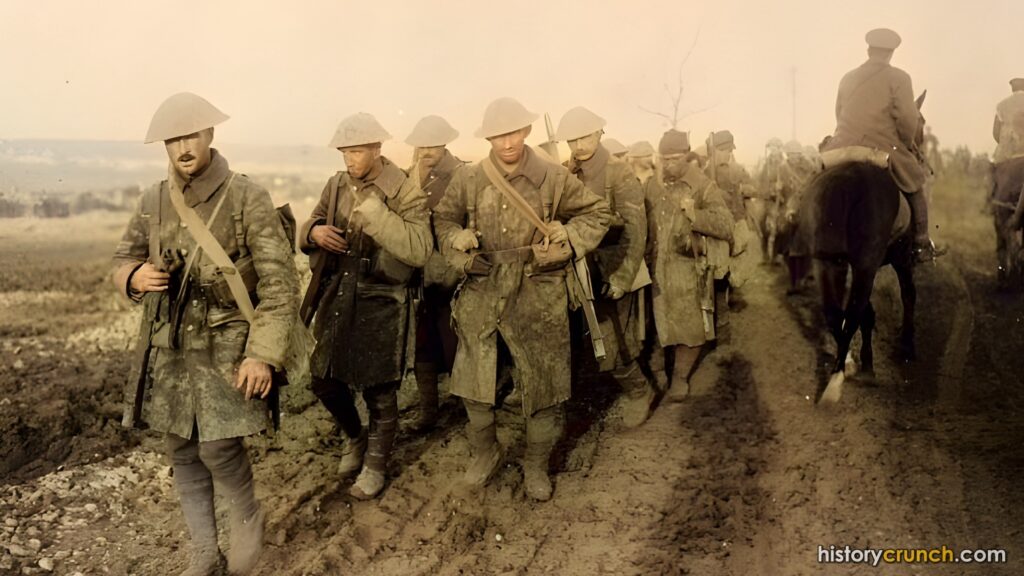
From a Canadian perspective, the Battle of the Somme was vitally important to Newfoundland. At the time, Newfoundland was not part of Canada, and was its own Dominion within the British Empire. Today, Newfoundland is a province on the eastern coast of Canada. Regardless, on the opening day of the Battle of the Somme (July 1st 1916), the Newfoundland Regiment was ordered ‘over the top’ and advanced on the German line of trenches. The attack was a disaster and almost all of the soldiers in the Newfoundland Regiment were killed in action. In fact, of the 801 Newfoundland soldiers that participated in the July 1st attack, only 68 returned. The Canadian forces (Canadian Corps) didn’t enter the battle until September of 1916, when they were tasked with securing a defensive line against German advances in the region. In all, the Battle of the Somme was deadly for the Canadian forces, and led to over 24,000 Canadian casualties. Regardless, the Battle of the Somme was an important event for Canada because it led to the Canadian forces gaining a reputation for their fierceness in battle. For example, British Prime Minister David Lloyd George stated the following about Canada at the Battle of the Somme and the impact that it had on their reputation:
“The Canadians played a part of such distinction that thenceforward they were marked out as shock troops; for the remainder of the war they were brought along to head the assault in one great battle after another. Whenever the Germans found the Canadian Corps coming into the line they prepared for the worst.”
Canada in the Battle of Vimy Ridge in World War I
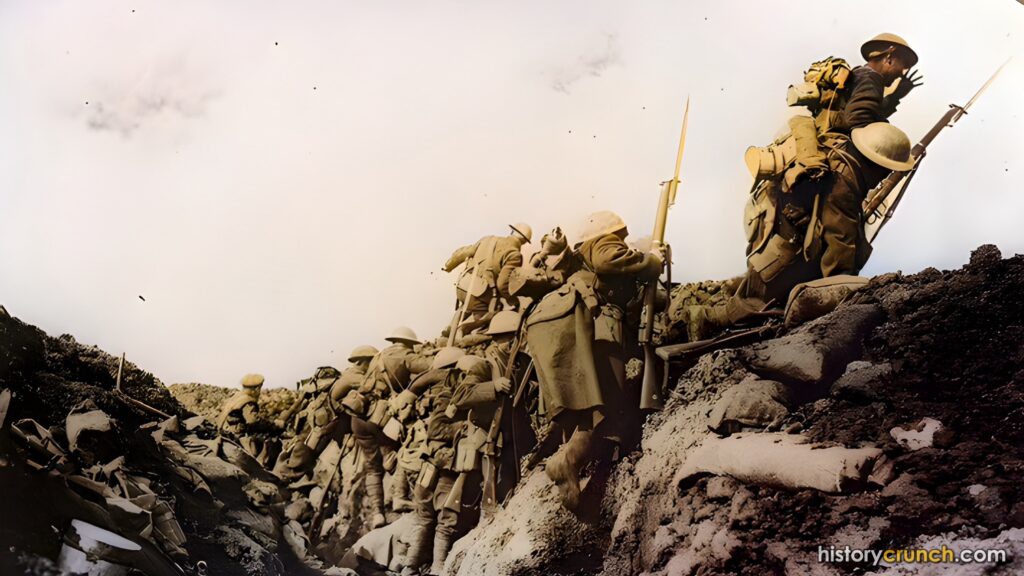
The next major battle for the Canadian forces was the Battle of Vimy Ridge. It was fought from April 9th to April 12th in 1917 and was primarily fought between Canadian and German forces. The Canadian forces were assembled together as a single unit for the first time in Canada’s history and ordered to capture the German controlled ridge. Previously in World War I, Canadian forces had been separated from each other and each were attached to different sections of the British forces.
Many Canadians today look back upon the Battle of Vimy Ridge as a defining moment in the country and a time when the country expressed its nationhood separate from that of Great Britain and the British Empire. More specifically, the capture of Vimy Ridge is a symbolically important event in Canadian history. It was the first time that Canadian soldiers were united in battle and those soldiers were able to successfully carry out their strategy. As well, it was a boost to Canada’s sense of nationalism since Canadian troops were able to capture a point that both French and British forces had struggled to capture. At the time, both France and Britain were considered militarily strong, while Canada was viewed as a smaller nation that was still strongly linked to Britain. The Canadian victory at Vimy Ridge in World War I, led many Canadians to believe that they should be considered equals on the world stage with other strong nations.
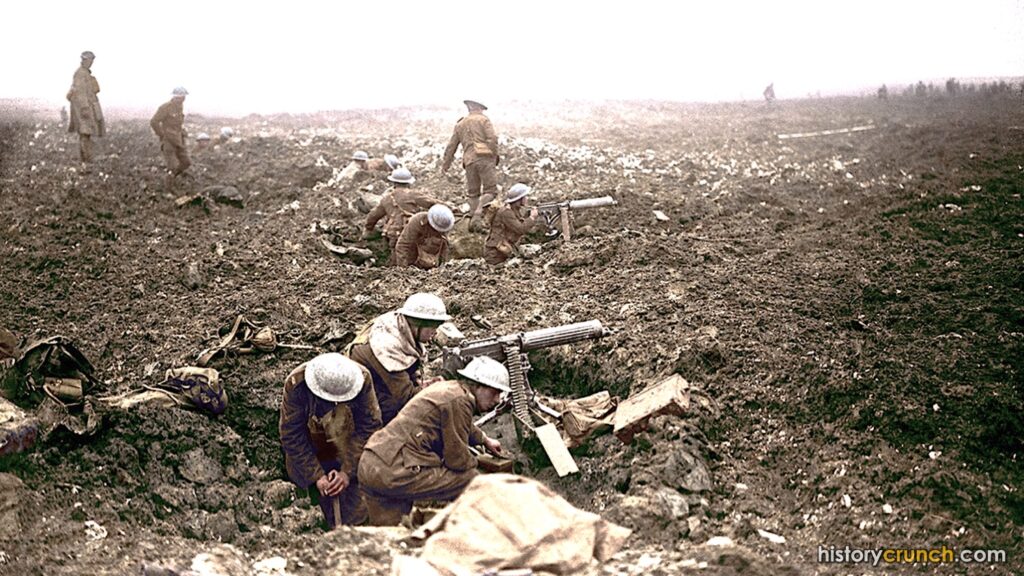
As well, Canada would use the victory at Vimy Ridge as a reason to request its independence from Britain and the control of the British Empire. At the outbreak of World War I, Canada was immediately drawn into the war because it was viewed as a colony of Britain. With the victory at Vimy Ridge by divisions of all Canadian soldiers, Canada began to view itself as separate from Britain and began to push for independent representation on the world stage.
 FactsthatCrunch
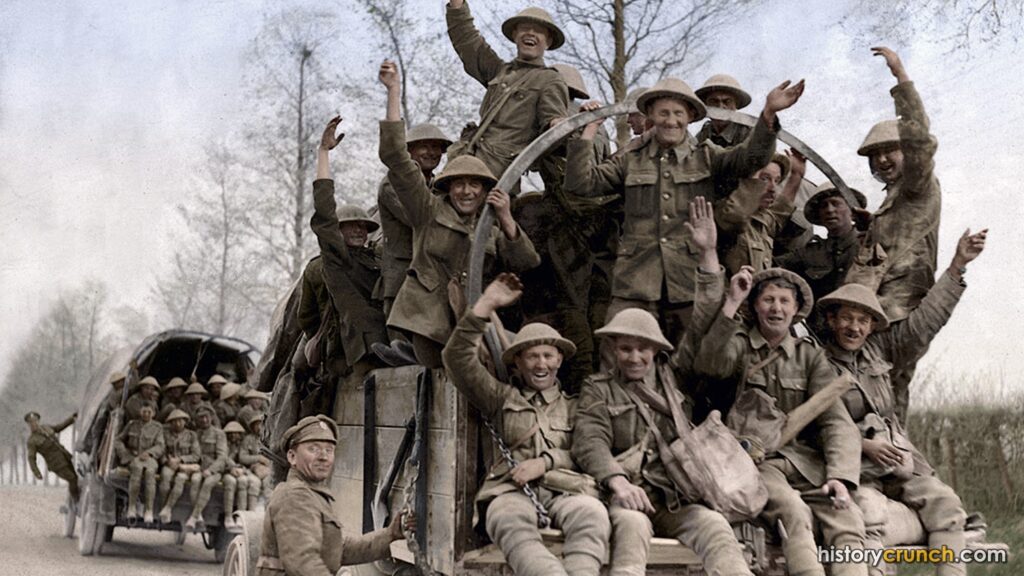
In April 1917, all four divisions of the Canadian Corps attacked Vimy Ridge together for the first time, capturing the ridge from German forces in a battle that Canadians came to see as the moment their country proved itself as a nation in its own right.
Canada fought as part of the British Empire, with many soldiers still tied to a British identity
Canadians began to see their military effort as proof of a distinct national identity, separate from Britain
Canada in the Battle of Passchendaele in World War I
Another significant battle for World War I that relates to Canada was the Battle of Passchendaele. Also known as the ‘Third Battle of Ypres’, the Battle of Passchendaele was fought between the Allied Powers and Germany from July 31st to November 10th in 1917. The battle took place close to the Belgian city of Ypres and was a major battle on the Western Front. The goal of the battle was for Allied forces (including: British, Canadian, Australian, New Zealand, South African, Indian, French and Belgian) to push German forces out of the area. The Germans had a strong hold of a ridge that overlooked the city of Ypres. British commander, General Douglas Haig, wanted to carry out an attack of the area in the hopes of pushing back German forces and hopefully capturing coastal ports north of the region.
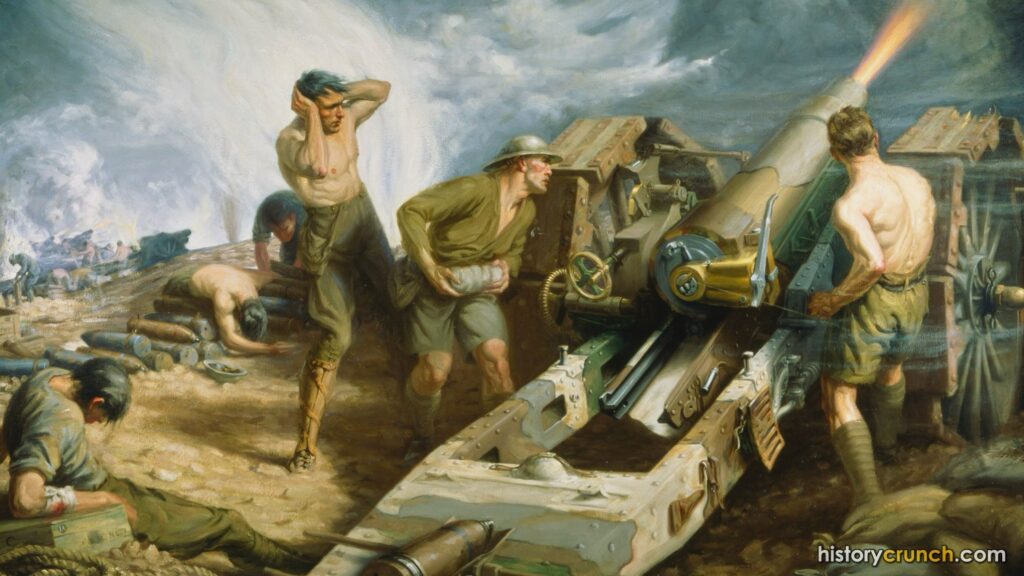
Eventually, the British called in the support of Canadian forces, which after many weeks of fighting were finally able to capture the ridge at Ypres from the Germans. The Canadians captured the ridge in November of 1917 following a series of advances carried out by all four divisions of the Canadian Corps. In short, each division of the Canadian Corps was used to flank the German forces in the town of Passchendaele. The fighting was fierce and difficult due to the muddy conditions of the battlefields and trenches. In all, the fighting took place over 16 days and cost the lives of over 4,000 Canadian soldiers. Once again, the Canadian forces had proven their ability on the battlefields of World War I and furthered their reputation as a formidable foe.
Canada in the Hundred Days Offensive in World War I
The last major Canadian-related battle from World War I was the Hundred Days Offensive, which is also referred to in Canada as ‘Canada’s Hundred Days’. The Hundred Days Offensive was a major push by Allied forces, near the end of World War I, against the German forces in northern France. It took place from August 8th to November 11th in 1918. The Allied victories of the Hundred Days Offensive eventually led to the end of World War I, when Germany agreed to the November 11th armisticeA formal agreement between opposing sides to stop fighting, ending a war or battle..
In terms of Canada, the Hundred Days Offensive or ‘Canada’s Hundred Days’ was a major undertaking and saw the Canadian Corps play an important role in the military advances for the Allies near the end of World War I. In fact, Canadian forces fought as part of the British Army and carried out significant operations in several battles on the Western Front, including: Battle of Amiens, Second Battle of the Somme, Battle of the Scarpe, Battle of the Canal du Nord, Battle of Cambrai, Battle of the Selle, Battle of Valenciennes, and the Pursuit to Mons. The goal of these battles for the Canadians (and other Allied forces) was to push throughout the German defensive line known as the ‘Hindenburg Line’. The Germans had established the Hindenburg Line along the Western Front in late 1916 and early 1917 as a means of preventing an Allied push into German-held territory. However, the Canadians and other Allied forces advanced past the Hindenburg Line in September of 1918, which ultimately pressured Germany to seek an armistice that ended the fighting of World War I. In all, the Canadian Corps of the Hundred Days Campaign included over 100,000 soldiers, and resulted in nearly 46,000 casualties.
FactsthatCrunchThe Hindenburg Line was a major German defensive barrier built along the Western Front during World War I. Germany constructed it in late 1916 and early 1917 to block Allied forces from pushing into German-held territory in northern France. It relied on deep trenches, concrete bunkers, and dense barbed wire to slow any Allied advance.
Allied forces broke through the Hindenburg Line in September of 1918, which pressured Germany to seek the armistice that ended World War I.
Canada in World War I – Home Front
An important aspect of the First World War for all of the countries involved was the impact it had on the home front. This was also evident in Canada, which saw tremendous impacts on the life of those people that stayed in Canada during the duration of World War I.
The first main impact of World War I on the Canadian home front was the changes for the lives and roles of women in Canadian society. World War I is considered to be an example of a total war, which involves all aspects of society being used towards the war effort. For example, during World War I many men volunteered for war while agriculture and factories on the home front were all producing to further the cause of war. Since many of the men in Canada were gone to the frontlines, World War I saw Canadian women enter the workforce in large numbers for the first time. These women took jobs in factories that produced the weapons of war, in office buildings and other positions. This new role for Canadian women occurred at the same time as popular feminist and suffrageThe legal right to vote in elections. movements across North America and Europe wherein women fought for and won the right to vote in general elections. As such, the years of World War I (1914 to 1918) saw Canadian women fight for and gain the right to vote. For instance, Canadian women in Manitoba, Saskatchewan, and Alberta gained the right to vote in 1916.
Finally in 1918, the federal government of Canada gave most women the right to vote (suffrage) in federal elections. The women suffrage movement in Canada occurred at roughly the same time as similar suffrage movement in other countries, such as Britain and the United States.
The second impact on the Canadian home front was the restrictions placed on resource use. For example, the Canadian government created initiatives to control the production and use of resources to ensure that as many resources were being put towards the war effort as possible. For example, citizens on the home front were required to ration food items and other resources in order to save them for use on the frontlines. It was the belief of military generals that well fed soldiers would help overcome the enemy and bring about an end to the war. Furthermore, Canada’s status as a Dominion of the British Empire, meant it was called upon to help supply the British war effort with shipments of supplies and raw materials. The rationing of food included items such as: sugar, butter, meat and bread.
In order to promote rationing and other initiatives, the government of the time used propaganda to convince citizens of certain messages. For example, the Canadian government issued propaganda that worked to recruit soldiers for the war, ration certain items and to demonize the enemy. Canadian citizens on the home front were subjected to constant messaging to ensure they supported the war effort and to maintain the push towards victory.
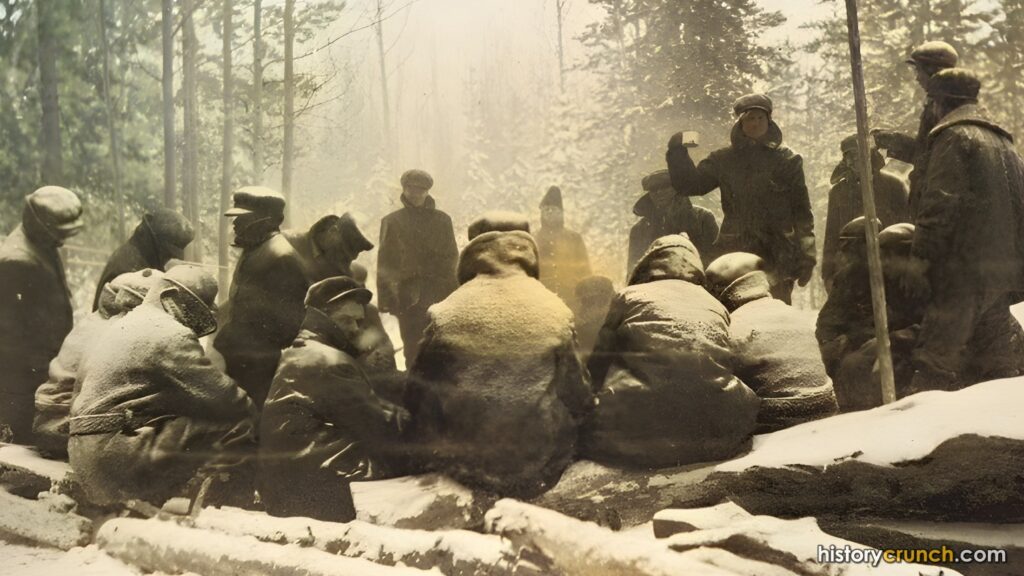
The third impact experienced on the Canadian home front during the timeframe of World War I was the internmentThe forced confinement of people, usually civilians, in camps during a time of war or emergency. of Ukrainian Canadians. During the leadership of Canadian Prime Minister Robert Borden, the Canadian government enacted the War Measures Act. The War Measures Act was a security act, which allowed the Canadian government to limit Canadian citizens’ rights in an effort to maintain security. As such, the War Measures Act was passed in 1914, and the government used it to intern Canadians of Ukrainian descent, who were classified as ‘enemy aliens’ due to their links to the European nation of Austria-Hungary. At the time, the modern nation-state of Ukraine fell partially within the borders of the Austro-Hungarian Empire of 1914. This caused the Canadian government to fear that these people may be dangerous for Canadian society. As a result, the Canadian government suspended the rights of these people, using the War Measures Act, to intern them in camps. In all, about 8,500 people were interned in Canada from 1914 until 1920, most of them Ukrainian Canadians. Most of those that were interned were men, but the camps also included some women and children. There were 24 internment camps located across most regions of Canada.
The final main impact on the lives of people in the Canadian home front was the Conscription Crisis of 1917. In general, there was widespread support in Canada for World War I when it first started in 1914. In fact, thousands of Canadians volunteered for service in the war and helped establish the Canadian Expeditionary Force (CEF), which was sent to Europe as part of Canada’s commitment to help Britain in the war. However, fewer Canadians volunteered as the events of World War I unfolded and people began to learn about the terrible conditions for soldiers in the trenches of the Western Front. For example, the trenches were known for being muddy, dirty and rat infested. The soldiers in the trenches suffered under these terrible conditions and many suffered from physical and emotional trauma.
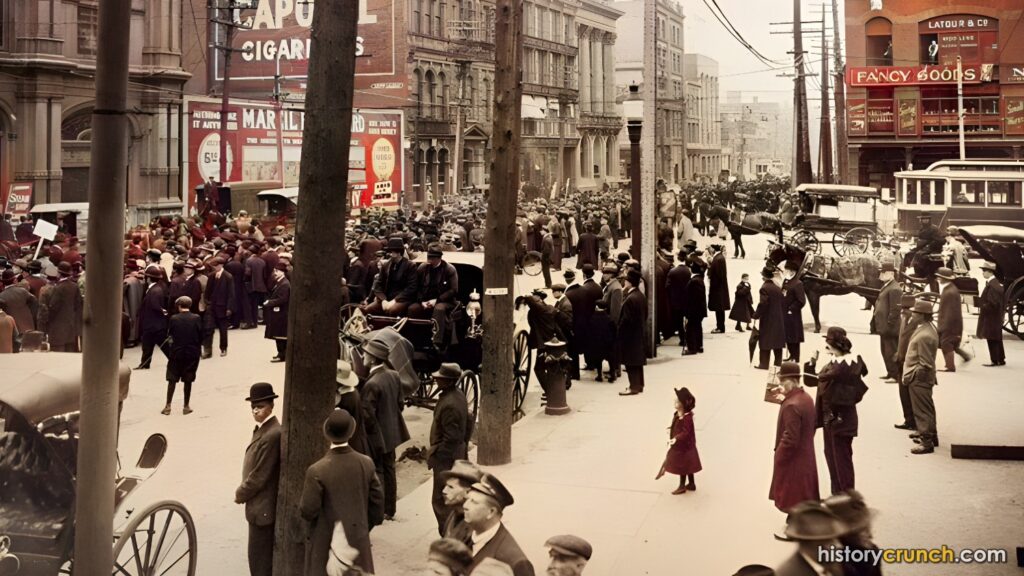
As a result of fewer Canadians volunteering for service, the Canadian government began the process of conscripting men. For example, Canadian Prime Minister, Robert Borden, introduced the Military Service Act in 1917 as a means of conscripting men into the Canadian Corps and increasing Canada’s contributions to the war effort. In general, the Military Service Act made all Canadian men between the ages of 20 and 45 eligible for military service. The passage of the Military Service Act sparked a controversy in the country over forced military service and led to the Canadian Conscription Crisis of 1917.
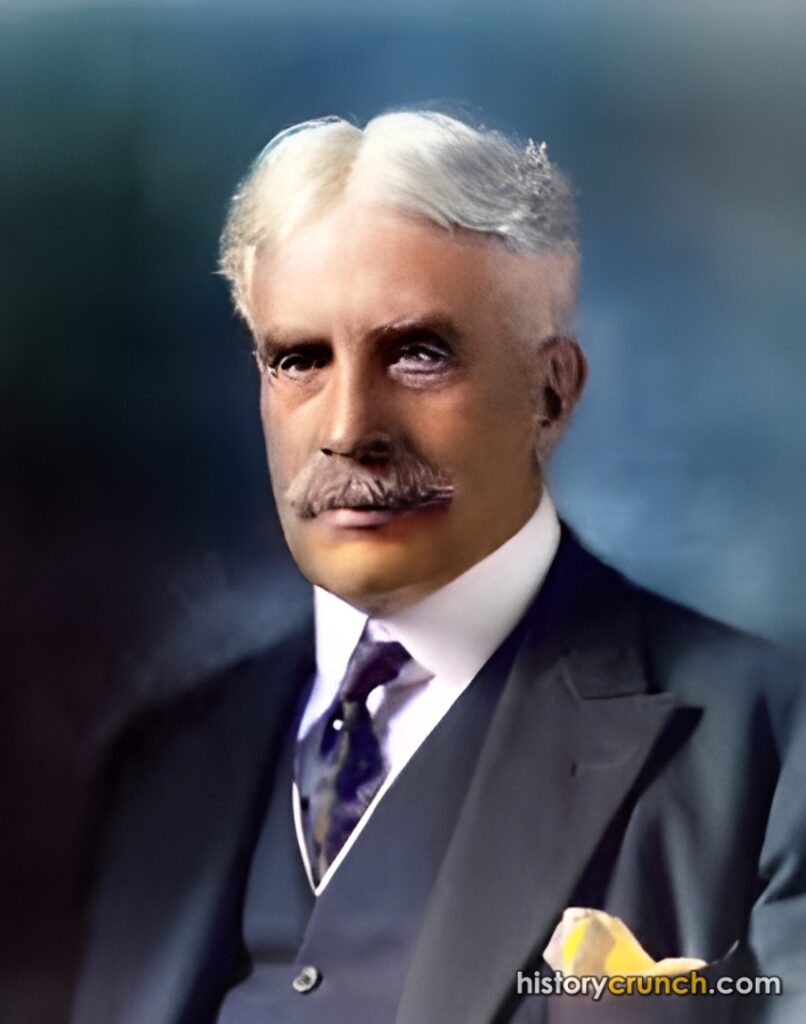
In short, the Conscription Crisis of 1917 was caused due to differing support for the war. For instance, most people in English-speaking Canada supported the war and the call for conscription. Whereas the idea of conscription in French-speaking Canada (Quebec) was very unpopular. This was due to people in Quebec not sharing a sense of national loyalty to Britain or France. Rather, the most popular view in Quebec at the time was towards loyalty for Canada alone. Thus, feeling that World War I was a European conflict, the idea of the conscription of Canadian men for the war effort was not viewed in a positive light. The Conscription Crisis eventually led to protests and riots in 1917 and 1918, and impacted the federal election of 1917. Ultimately, Robert Borden’s ‘Unionist’ government won the election on a pro-Conscription platform. In the end, however, only around 48,000 Canadians, who were conscripted, were sent to Europe.
In fact, the war ended in November of 1918, and many that were conscripted, did not serve any time in the frontlines. Regardless, the Conscription Crisis of 1917 divided Canada along nationalist and linguistic lines and highlighted some of the major issues facing Canada on the home front of World War I.
FactsthatCrunchThe women of Manitoba were the first in Canada to win the right to vote, on January 28th, 1916, in the middle of World War I.
Saskatchewan and Alberta followed later in 1916. By 1918, the federal government had given most Canadian women the right to vote in federal elections, as their work on the home front helped make the case for suffrage.
Canada in World War I – Significance
In all, World War I was a highly important event in the history of Canada. First, and foremost, over 600,000 Canadians served during World War I, and represented their country bravely on the battlefields in Europe. As well, approximately 65,000 Canadians died as a result of military action during the war.
Second, World War I is now viewed as the time that Canada ‘matured’ as a nation and separated itself from the British Empire. As stated previously, in World War I, Canada was still considered to be a Dominion of the British Empire, which limited its ability to self-determination and control over its own affairs.
However, at the conclusion of World War I, the Canadian Prime Minister, Robert Borden, argued that Canadians had earned their sovereignty on the battlefields of World War I.
For example, Canada used the victory from the Battle of Vimy Ridge (and other battles) as a reason to request its independence from Britain and the control of the British Empire. With the victory at Vimy Ridge by divisions of all Canadian soldiers, Canada began to view itself as separate from Britain and argued for independent representation on the world stage. More specifically, when World War I ended and Germany was forced to accept the terms of the Treaty of Versailles, the Allied Powers all signed the treaty in recognition of the demands placed on Germany. Canada was initially not invited to participate in the signing of the Treaty of Versailles, as Britain determined that it would sign the treaty on behalf of Canada. However, Prime Minister Robert Borden argued that based on Canada’s role in the battles of the Western Front, it should be allowed to sign the Treaty of Versailles for itself. In the end, Canada was allowed to represent itself at the Treaty of Versailles signing and the Treaty of Versailles is the first international document that Canada signed without the representation of Britain. Therefore, for Canada, this was a moment that many now look to as the country’s independence from British control. As such, World War I was a defining moment in Canada’s history and led to an increase in Canada’s sense of national identity.
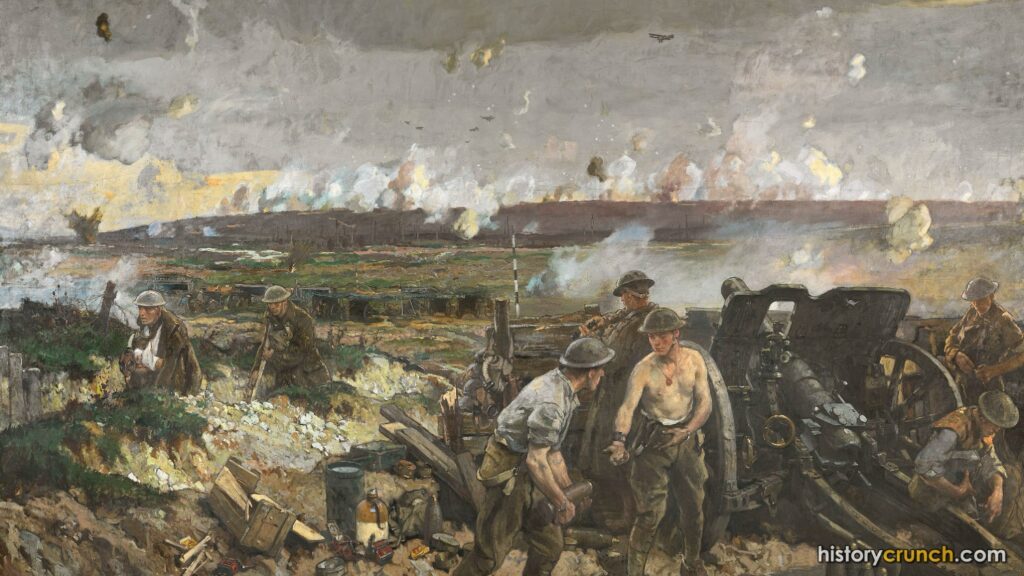 FactsthatCrunch
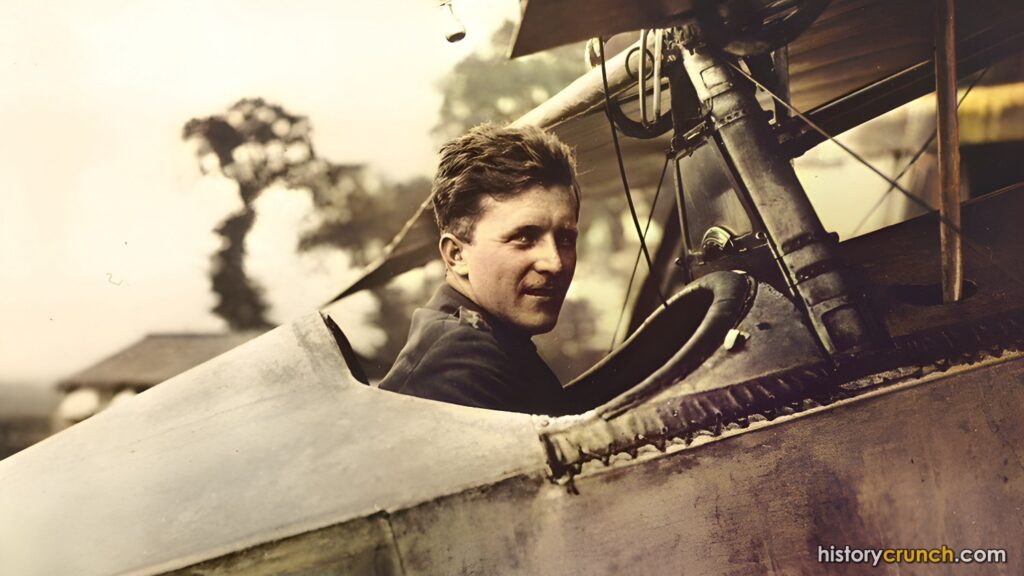 Black & whiteColor
Explore World War I
Keep exploring World War I with these History Crunch resources.
Key Vocabulary
Dominion
Conscription
Stalemate
Suffrage
Internment
Armistice
Frequently Asked Questions
Why did Canada join World War I in 1914?
Canada joined World War I automatically because it was a Dominion of the British Empire. When Britain declared war on August 4th, 1914, Canada was pulled into the fighting too. A dominion was a partly independent nation still under the wider control of Britain. Support for the war was strong, partly because many Canadians felt a bond with England.
How many Canadians served in World War I?
About 600,000 Canadians took part in World War I by the time it ended in 1918. They served as soldiers, sailors, doctors, nurses, and leaders. This was a huge effort for a country with only around 3,000 soldiers before the war. Sadly, roughly 65,000 Canadians died as a result of military action.
Why was the Battle of Vimy Ridge important to Canada?
The Battle of Vimy Ridge, fought April 9th to 12th in 1917, was the first time all Canadian divisions fought together as one force. They captured a ridge that both French and British troops had failed to take. Many Canadians see it as the moment their country came of age. Canada later used the victory to push for more independence from Britain.
What was the Conscription Crisis of 1917?
The Conscription Crisis of 1917 was a national conflict over forcing men to join the army. As fewer people volunteered, Prime Minister Robert Borden introduced the Military Service Act in 1917. Most English-speaking Canadians backed it, but many people in Quebec strongly opposed it. The crisis led to riots and divided the country along language and identity lines.
How did World War I change life for women in Canada?
World War I brought Canadian women into the workforce in large numbers for the first time. With many men at the front, women took jobs in factories, offices, and other roles. These changes happened alongside a growing movement for the right to vote. Women in Manitoba, Saskatchewan, and Alberta gained the vote in 1916, and the federal government gave most women the right to vote in federal elections in 1918.
Why did Canada sign the Treaty of Versailles on its own?
Canada signed the Treaty of Versailles by itself because Prime Minister Robert Borden argued it had earned that right on the battlefield. At first Britain planned to sign the treaty for Canada. Borden pointed to Canada’s role in the battles of the Western Front as proof it deserved its own voice. It became the first international document Canada signed without Britain speaking for it.
Cite This Article
To cite this article as a source, use one of the formats below.
MLA: Beck, Elias. “Canada in World War I: A Detailed Summary.” HistoryCrunch, 30 September 2026, https://historycrunch.com/canada-in-world-war-i/.
APA: Beck, E. (2026). Canada in World War I: A Detailed Summary. HistoryCrunch. https://historycrunch.com/canada-in-world-war-i/
Chicago: Beck, Elias. “Canada in World War I: A Detailed Summary.” HistoryCrunch. September 30, 2026. https://historycrunch.com/canada-in-world-war-i/
Sources
- Hew Strachan, The First World War.
- Fordham Modern History Sourcebook