The U-2 Spy Plane Incident occurred in May of 1960 during the height of the Cold War. As such, historians consider it to be an important aspect of the overall Cold War and highlighted the significance of espionage in the Cold War. For instance, it significantly damaged the diplomatic relations between the United States and the Soviet Union.
 FactsthatCrunch
The U-2 Incident of May 1st, 1960 collapsed the Paris Summit before it began, proving that a single espionage failure could wipe out months of diplomatic progress between the United States and the Soviet Union.
Pilot Francis Gary Powers was captured alive after Soviet surface-to-air missiles shot down his U-2 plane, giving Premier Khrushchev physical proof that directly contradicted President Eisenhower's cover story about a weather aircraft.
The public exposure of the lie embarrassed the United States on the world stage and forced Eisenhower to admit the U.S. had been running secret surveillance flights over Soviet territory.
Khrushchev walked out of the Paris Summit after Eisenhower refused to apologize or end the spy flights, ending a meeting that had been planned to reduce Cold War tensions between the two superpowers.
Powers was convicted of espionage and held in the Soviet Union until 1962, when he was exchanged for Soviet spy Rudolf Abel in the first known spy swap between the two sides, showing that espionage had become a formal, structured part of the Cold War rivalry.
What Was the Cold War?
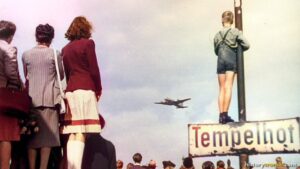
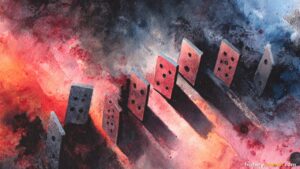
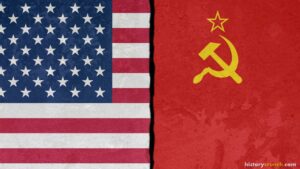
The Cold War was a major world event that took place from approximately 1945 until 1991. In general, the Cold War was a period of increased tensions and hostility between the superpowers of the United States and the Soviet Union (USSR). It was characterized by a global struggle between capitalism and communism, with both sides competing for influence around the world. Although it never escalated into direct war between the superpowers, it involved proxy wars, nuclear arms races, and ideological confrontations. Many of the major events of the Cold War increased the tensions between the two nations, including: Cuban Missile Crisis, Vietnam War, Korean War and the nuclear arms race. EspionageThe practice of spying to gather secret information about another country’s military or government. was important to the superpowers through all of these events. The U-2 Spy Plane Incident was a significant example of espionage in the Cold War.
U-2 Spy Plane Incident – Background
As stated above, in the context of the Cold War, both the United States and the Soviet Union wanted to show their strength to the other in case a full-blown war broke out between the two sides. This increased a desire to know what was going on behind the scenes of their opposition, leading to the usage of spies by both sides. For instance, during President Eisenhower’s time in office (1953 to 1961), he was informed of rapid developments of technology in the Russian military. Alarmed by this, Eisenhower approved a plan to consistently send high-altitudeFlying at very great heights above the earth, used here to avoid being detected or shot down. spy planes, known as U-2s, on flights over USSR military bases to try and gain information about the Soviet advancements. This is the backdrop that eventually led to the events of the U-2 Spy Plane Incident.
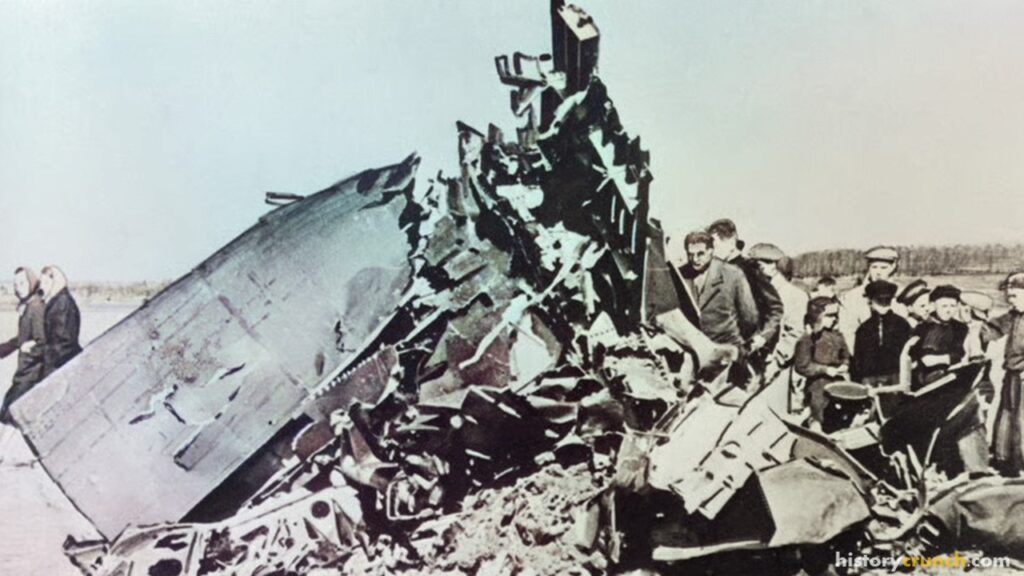
FactsthatCrunch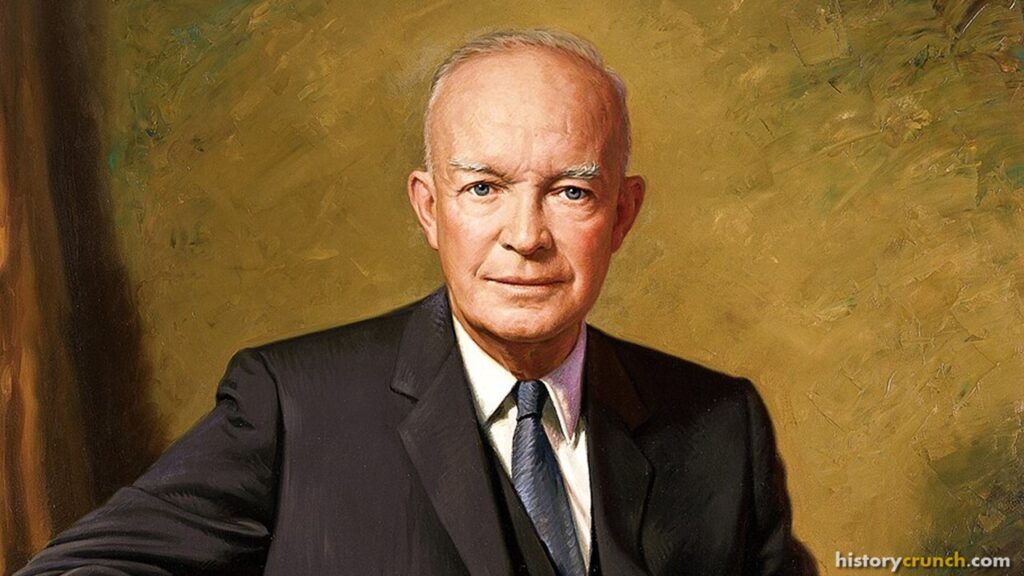 Evidence Photo
U-2 Spy Plane Incident – Summary
The U-2 Spy Plane Incident began when an American U-2 high-altitude spy plane was shot down by a Soviet surface-to-air missileA weapon launched from the ground designed to destroy aircraft flying overhead. while flying deep into Soviet airspace. The U-2 plane was on a secret mission to gather photographic intelligence on Soviet military facilities, including nuclear missile sites, as part of a broader American effort to monitor Soviet military capabilities during the Cold War.
On May 1st, 1960, the newly developed S-75 Dvina (SA-2) surface-to-air missiles were fired by a Soviet military base and they took down the American U-2 spy plane flown by pilot Francis Gary Powers. Powers was able to bail out of the plane, but was ultimately stranded in Soviet-controlled territory. As such, Powers was captured by the Soviet forces and taken into custody.
After Powers was captured, President Eisenhower publicly denied that the U-2 aircraft was a spy plane and instead claimed it was a weather plane that had accidentally flown off course. Khrushchev, the Premier of the Soviet Union, quickly refutedProved that a claim or statement made by someone else is wrong or false. this claim by showing pictures of Powers and surveillanceClose, secret observation or monitoring of a person, place, or military site. evidence that clearly showed the aircraft was a spy plane. This forced the United States to admit to conducting surveillance flights over the Soviet Union and was embarrassing for President Eisenhower. It also had a negative impact on the United States’ standing on the world stage.
The U-2 Spy Plane Incident occurred just days before a planned summit in Paris between President Eisenhower and Soviet Premier Khrushchev, which was intended to ease Cold War tensions between the two superpowers. However, tensions increased dramatically after Khrushchev demanded an apology and an end to American spy flights, demands that Eisenhower refused. As a result, the incident escalated Cold War tensions.
Powers was later tried and convicted of espionage in the Soviet Union. After two years of imprisonment in the Soviet Union, Powers was released in the first ever ‘spy swapA prisoner exchange in which each side trades captured spies from the other country.‘ between the two sides. As such, Powers was returned to the United States in 1962 in exchange for Soviet spy Rudolf Abel.
Can you put the key events of the U-2 Spy Plane Incident in the correct order, from the shootdown to the spy swap?
U-2 Spy Plane Incident – Significance
The U-2 Spy Plane Incident is remembered as a turning point that highlighted the intensity of Cold War espionage, and the tensions between the United States and the Soviet Union.
It led to the collapse of the Paris Summit between President Eisenhower and Premier Khrushchev in 1960. As a result, this severely hurt the diplomatic progress toward easing Cold War tensions between the two superpowers. Furthermore, the incident embarrassed the United States internationally, as it had initially tried to cover up the mission.
Explore Cold War · 1947 – 1991
Keep exploring Cold War with these History Crunch resources.
Key Vocabulary
Espionage
Surface-to-air missile
High-altitude
Surveillance
Refuted
Proxy wars
Spy swap
Frequently Asked Questions
What was the U-2 Spy Plane Incident?
The U-2 Spy Plane Incident happened on May 1st, 1960, when the Soviet Union shot down an American spy plane. The high-altitude U-2 plane was photographing Soviet military sites deep inside Soviet airspace. The event damaged relations between the United States and the Soviet Union during the Cold War.
Who was Francis Gary Powers?
Francis Gary Powers was the American pilot flying the U-2 plane that was shot down in 1960. He bailed out but was captured by Soviet forces in Soviet-controlled territory. He was tried and convicted of espionage and held in the Soviet Union for about two years.
Why did the United States fly spy planes over the Soviet Union?
The United States flew U-2 planes to gather secret information about Soviet military strength. President Eisenhower was alarmed by reports of fast advances in Russian military technology. The flights photographed bases and nuclear missile sites to track what the Soviets were building.
How did the incident affect the Paris Summit?
The incident led to the collapse of the Paris Summit between Eisenhower and Khrushchev in 1960. The meeting was meant to ease Cold War tensions between the two superpowers. Khrushchev demanded an apology and an end to spy flights, but Eisenhower refused.
What was the first spy swap?
The first spy swap returned Francis Gary Powers to the United States in 1962. In exchange, the Americans handed over Soviet spy Rudolf Abel to the Soviet Union. This trade became the first known prisoner exchange of its kind between the two sides.
Cite This Article
To cite this article as a source, use one of the formats below.
MLA: Woida, K.L. “U-2 Spy Plane Incident: A Detailed Summary.” HistoryCrunch, 9 October 2026, https://historycrunch.com/u-2-spy-plane-incident/.
APA: Woida, K. L. (2026). U-2 Spy Plane Incident: A Detailed Summary. HistoryCrunch. https://historycrunch.com/u-2-spy-plane-incident/
Chicago: Woida, K.L. “U-2 Spy Plane Incident: A Detailed Summary.” HistoryCrunch. October 9, 2026. https://historycrunch.com/u-2-spy-plane-incident/
Sources
- Wilson Center Digital Archive
- Vladislav Zubok, A Failed Empire.
- State Department — Office of the Historian
- John Lewis Gaddis, The Cold War: A New History.