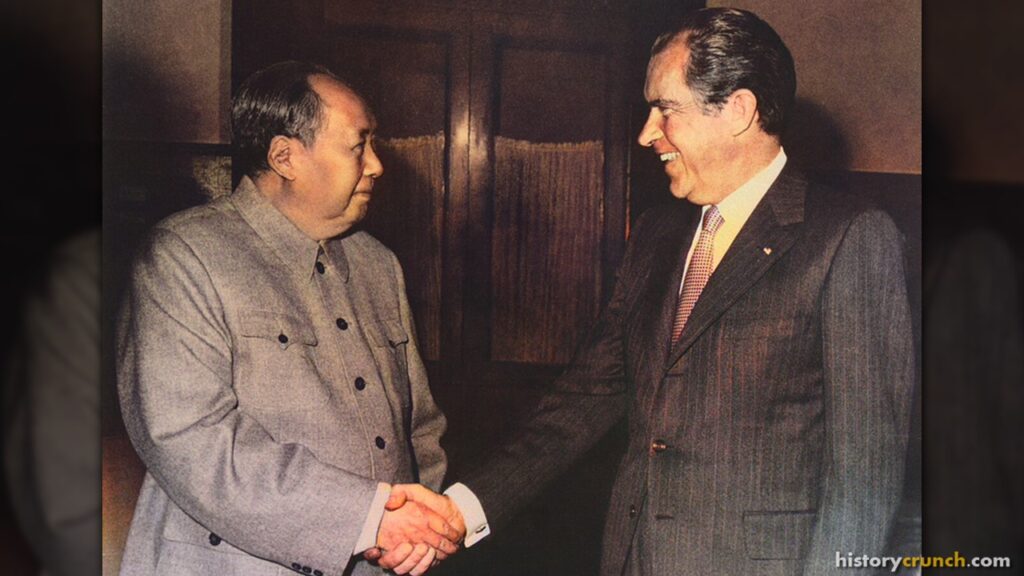
DetenteA French word meaning ‘relaxation’ or ‘easing,’ used to describe the period of reduced tensions between the US and USSR in the 1970s. in the Cold War refers to a period of relaxed tensions and improved diplomatic relations between the United States and the Soviet Union during the 1970s. For instance, this period was marked by efforts to reduce the risk of nuclear conflict and competition between the two superpowersThe two most powerful nations in the world during the Cold War: the United States and the Soviet Union.. In fact, diplomacy and agreements were the main methods of this era in the Cold War. Key events of detente in the Cold War included the signing of disarmament agreements, President Nixon’s visit to Moscow in 1972, and increased trade and cultural exchanges.
The word detente is a French term that means “relaxation” or “easing,” and is used historically to refer to the era of reduced tensions between the United States and the Soviet Union in the Cold War.
What Was the Cold War?
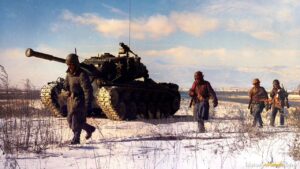
The Cold War was a major world event that took place from approximately 1945 until 1991. In general, the Cold War was a period of increased tensions and hostility between the superpowers of the United States and the Soviet Union (USSR). It was characterized by a global struggle between capitalism and communism, with both sides competing for influence around the world. Although it never escalated into direct war between the superpowers, it involved proxy wars, nuclear arms races, and ideological confrontations. Many of the major events of the Cold War increased the tensions between the two nations, including: Cuban Missile Crisis, Vietnam War, Korean War and the nuclear arms race. However, some of these events or periods of time helped to decrease tensions between the two. This period of decreased tensions is known to historians as detente. Simply put, detente refers to a reduction in the tensions between the two superpowers and it occurred primarily in the later years of the Cold War.
Detente in the Cold War – Summary
The main events that historians focus on when discussing detente during the Cold War are the series of agreements and treaties that the two superpowers agreed to throughout the 1960s and 1970s. The most significant of these treaties are collectively known as the disarmament agreements. The disarmament agreementsTreaties in which the US and USSR agreed to limit or reduce the creation of new warheads and weapons of mass destruction. were treaties in which the two superpowers agreed to limit or reduce the creation of new warheads and weapons of mass destruction. This is considered to be an example of detente because it involved the two countries discussing and working together to meet a common goal. In the past, the two had generally been very competitive and combative towards one another, which increased tensions. The best examples of detente during the Cold War are SALT I, SALT II, the Anti-Ballistic Missile Treaty and the Helsinki Accords.
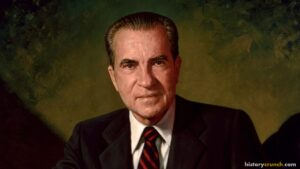
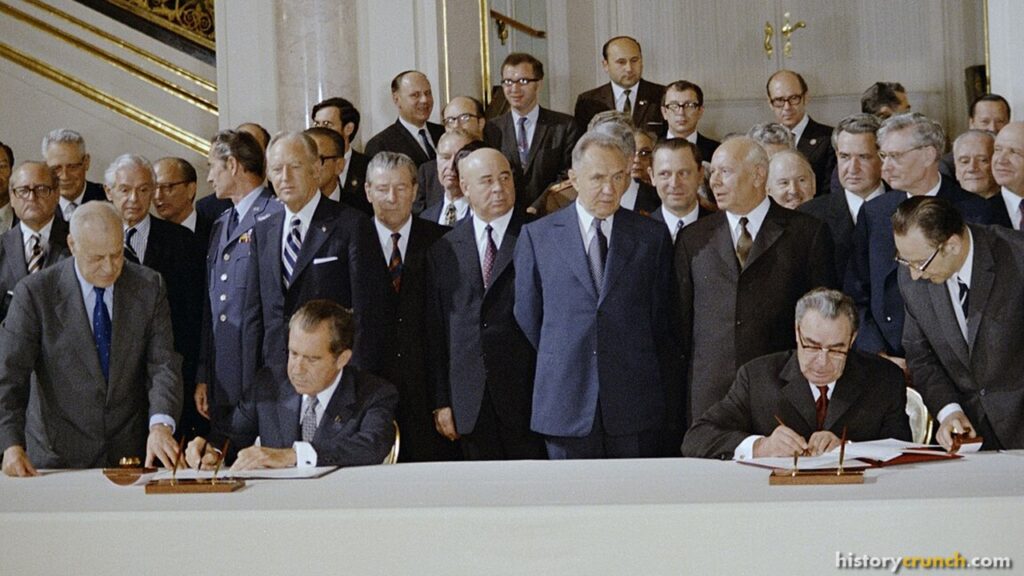
The first Strategic Arms Limitation Talks Agreement (SALT I) was signed on May 26th, 1972 after considerable discussions between the United States and the Soviet Union beginning in November of 1969. In general, SALT I saw the superpowers freeze the number of strategic ballistic missile launchersLong-range rocket systems capable of carrying nuclear warheads across continents. at their current levels. While there were allowances for each country to increase some missile production, it placed caps and saw each nation also commit to dismantling older style weapons with the production of newer ones. For example, SALT I concluded with the signing of the Anti-Ballistic Missile Treaty (ABM Treaty) between the United States and Soviet Union on May 26th, 1972. The ABM Treaty limited each nation in terms of the number of anti-ballistic missile systems and missiles. The treaty was signed during the 1972 Moscow Summit by American President Richard Nixon and the leader of the Soviet Union Leonid Brezhnev. In fact, President Nixon’s visit to Moscow in 1972 was a historic moment in Cold War diplomacy and marked the first time an American president visited Moscow. The visit also led to agreements on trade, science, and space cooperation. It symbolized a major step toward detente, reducing Cold War tensions and opening a new chapter in American-Soviet relations.
Following the conclusion of SALT I, the two superpowers shifted and began a new series of talks that historians refer to as the second round of the Strategic Arms Limitation Talks (SALT II). SALT II focused on limiting the creation of strategic nuclear weapons and the talks began in 1972 and continued until 1979. While the overall hope of SALT II was to limit the production of nuclear missiles it ultimately failed due to the Soviet invasion of Afghanistan in 1979. American President Jimmy Carter actually signed an agreement in relation to SALT II on June 18th, 1979 with Soviet leader Leonid Brezhnev, but the terms of the agreement were never ratifiedFormally approved by a governing body, such as the United States Senate, making an agreement officially binding. by the United States Senate. Before the United States Senate could review and ultimately approve the agreement, Soviet forces invaded the nation of Afghanistan. Historians consider this event to be the end of the détente period of the Cold War since the conflict renewed tensions between the two superpowers. Throughout the 1980s, tensions increased until finally the Cold War ended in the late 1980s and early 1990s with the fall of the Berlin Wall and the reforms of ‘perestroika’ and ‘glasnost’ in the Soviet Union.
During the period of SALT II, another major event related to detente occurred called the Helsinki Accords. Also called the Helsinki Final Act, the agreement was signed by 35 member nations including the United States, Canada, Soviet Union and most of Europe. The act dealt with a range of significant global issues and, therefore, was important in the overall Cold War. The discussions for the Helsinki Final Act began in 1972 and continued with the formation of the Conference on Security and Cooperation in Europe (CSCE) in July of 1973. The act dealt with a variety of issues important at the time, including: political and military issues, economic issues, human rights and future negotiations between the member countries. Similar to SALT I and SALT II, the Helsinki Final Act was an important part of detente because it involved the United States and the Soviet Union working together, which resulted in a decrease of tensions at the time.
Detente in the Cold War – Significance
Detente was significant in the Cold War because it marked a strategic shift from competition to cooperation between the United States and the Soviet Union. This was important because it helped to reduce the immediate threat of nuclear war through disarmament agreements. The early years of the Cold War were known for their high-stakes tensions, especially through events such as: Berlin Blockade, Korean War, Vietnam War and the Cuban Missile Crisis. However, the development of ‘detente’ throughout the 1970s led to a period of cooperation that reduced tensions between the two superpowers.
Detente in the Cold War also opened up trade and cultural exchanges. However, it also revealed the limits of cooperation between the two nations, as underlying rivalries and conflicts persisted. As such, while the period of detente saw a reduction in tensions, it’s still important to note that the Cold War continued for several more years and did not begin to decline until 1989 with the fall of the Berlin Wall.
 FactsthatCrunch
Detente mattered because it proved that the two superpowers could replace open hostility with negotiated agreements, lowering the risk of nuclear war without either side surrendering its core interests.
It produced real, binding limits on nuclear weapons. SALT I froze the number of strategic ballistic missile launchers each side could operate, and the Anti-Ballistic Missile Treaty capped defensive missile systems, giving both nations a concrete stake in arms control rather than unchecked buildup.
President Nixon's 1972 visit to Moscow opened diplomacy that went beyond weapons. The trip produced agreements on trade, science, and space cooperation, showing that rival governments could work together in practical areas even while disagreeing on ideology.
The Helsinki Accords brought the United States, the Soviet Union, Canada, and most of Europe to the same table to address military security, economic ties, and human rights together, widening the scope of cooperation beyond just arms control.
Detente also showed the clear limits of superpower cooperation. The Soviet invasion of Afghanistan in 1979 collapsed progress that had taken a decade to build, and tensions rose sharply through the 1980s, proving that agreements alone could not resolve the deeper rivalry.
Key Vocabulary
Detente
Superpowers
Disarmament agreements
Strategic ballistic missile launchers
Ratified
Proxy wars
Perestroika
Frequently Asked Questions
What does the word detente mean?
Detente is a French word that means “relaxation” or “easing.” Historians use it to describe a time of reduced tensions between the United States and the Soviet Union. This period took place mainly during the 1970s, in the later years of the Cold War.
What were the SALT agreements?
The SALT agreements were treaties that limited the number of nuclear weapons each superpower could build. SALT I was signed on May 26th, 1972, and froze the number of strategic missile launchers. SALT II followed from 1972 to 1979 but was never approved by the United States Senate.
Why was Nixon’s visit to Moscow important?
President Richard Nixon’s 1972 visit was the first time an American president traveled to Moscow, the Soviet capital. During the trip he signed the Anti-Ballistic Missile Treaty with Soviet leader Leonid Brezhnev. The visit also brought agreements on trade, science, and space, which helped ease tensions.
What ended the period of detente?
The Soviet invasion of Afghanistan in 1979 is widely seen as the end of detente. It happened before the United States Senate could approve the SALT II agreement. The invasion renewed tensions, and the two superpowers grew more hostile throughout the 1980s.
What were the Helsinki Accords?
The Helsinki Accords, also called the Helsinki Final Act, were signed by 35 nations in 1975. The signers included the United States, Canada, the Soviet Union, and most of Europe. The act covered military issues, trade, and human rights, and it supported cooperation during detente.
How did detente affect the overall Cold War?
Detente shifted the Cold War from competition toward limited cooperation between the superpowers. It lowered the immediate threat of nuclear war and opened trade and cultural exchanges. However, deep rivalries remained, and the Cold War did not truly decline until 1989 with the fall of the Berlin Wall.
Cite This Article
To cite this article as a source, use one of the formats below.
MLA: Beck, Elias. “Detente in the Cold War: A Detailed Summary.” HistoryCrunch, 9 October 2026, https://historycrunch.com/detente-in-the-cold-war/.
APA: Beck, E. (2026). Detente in the Cold War: A Detailed Summary. HistoryCrunch. https://historycrunch.com/detente-in-the-cold-war/
Chicago: Beck, Elias. “Detente in the Cold War: A Detailed Summary.” HistoryCrunch. October 9, 2026. https://historycrunch.com/detente-in-the-cold-war/
Sources
- Odd Arne Westad, The Global Cold War.
- John Lewis Gaddis, The Cold War: A New History.
- State Department — Office of the Historian
- Vladislav Zubok, A Failed Empire.