China’s entry into the Korean War in the fall of 1950 was one of the most important turning points of the entire conflict. When Chinese forces poured across the border into North Korea, they transformed a war that United Nations troops had nearly won into a long and bloody stalemateA situation where neither side can win or make progress, leaving both stuck in place.. The decision brought the newly established communist government of China into direct combat against the United States and its allies, and it widened the Cold War struggle in Asia in a lasting way.
The Korean War itself was a conflict fought between communist North Korea and non-communist South Korea in the early 1950s. North Korea had the support of the Soviet Union and China, while South Korea was backed by the United States and other United Nations members. China’s involvement refers specifically to the moment in late 1950 when hundreds of thousands of Chinese soldiers crossed the Yalu RiverThe river forming the border between China and North Korea, which Chinese forces crossed to enter the war., the river that forms the border between China and North Korea, and attacked the advancing United Nations forces.
 FactsthatCrunch
Chinese People's Volunteer Army Crosses the Yalu River into North Korea
On the night of October 19th, 1950, the first Chinese soldiers began crossing the Yalu River into North Korea in secret, moving only after dark to avoid being spotted by UN aircraft. They were called the People's Volunteer Army, a name China used to disguise the fact that its official military had entered the Korean War. UN commanders did not realize the true size of the force, and Chinese troops launched their first attacks on UN forces on October 25th, 1950.
What Was the Korean War?
The Korean War was the first major armed conflict of the Cold War, the long period of tension and rivalry between the United States and the Soviet Union. Its roots reached back to the end of World War II in 1945, when the Soviet Union liberated the northern half of the Korean Peninsula from Japanese control and American forces liberated the southern half. By 1948, Korea had been divided into two separate governments along a line called the 38th parallelThe line of latitude that divided Korea into a communist north and a non-communist south..
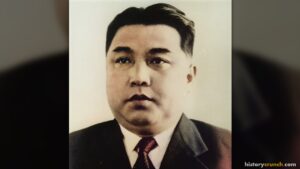
North Korea was ruled by the communist dictator Kim Il-Sung, while South Korea was led by the anti-communist president Syngman Rhee. Tensions between the two sides grew steadily until June of 1950, when North Korean troops invaded the South and pushed deep into its territory. In response, the United States led a United Nations force to defend South Korea, viewing the war as part of its overall policy of containmentThe US policy of preventing communism from spreading to new countries during the Cold War., which aimed to stop the spread of communism around the world.
For the first months of the war, the fighting swung wildly back and forth. North Korean forces nearly overran the entire peninsula before a daring United Nations landing at Inchon in September of 1950 turned the tide. Understanding this dramatic reversal is the key to understanding why China felt it had no choice but to enter the war.
How Did United Nations Forces Reach China’s Border?
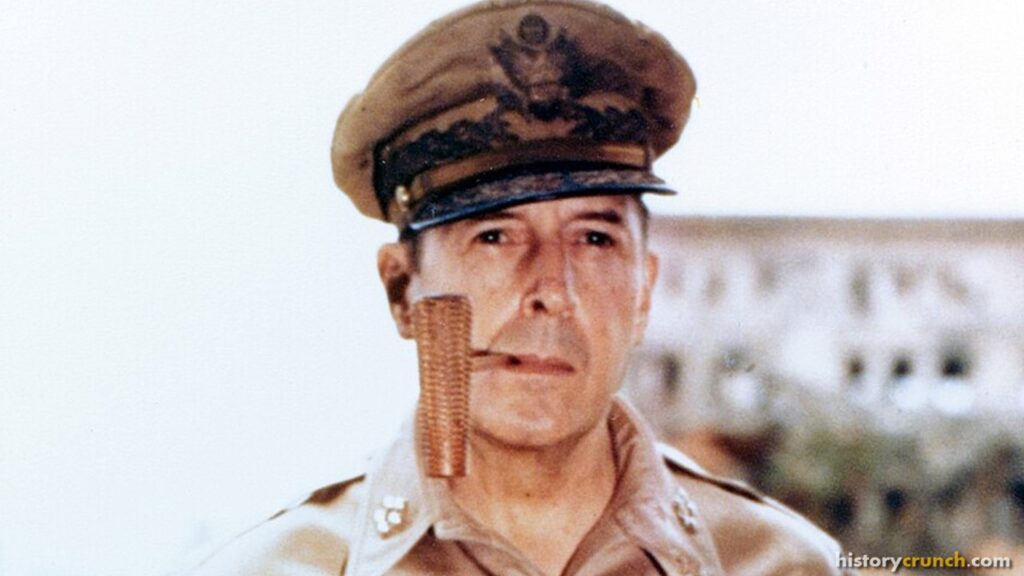
The situation changed rapidly after the United Nations landing at Inchon on September 15th, 1950. Led by American General Douglas MacArthur, the landing cut off North Korean supply lines near the capital city of Seoul and forced the North Korean army into a full retreat. Within weeks, the United Nations forces had recaptured Seoul and pushed the invaders back across the 38th parallel.
Rather than stopping at the original border, MacArthur decided to press on into North Korea itself. The goal was now to destroy the North Korean government entirely and unite the whole peninsula under a single non-communist government. United Nations troops captured the North Korean capital of Pyongyang in October of 1950 and continued marching north toward the Yalu River.
As the advance reached the Chinese border, MacArthur grew confident that the war was nearly over. In fact, he famously promised that the troops would be “home by Christmas.” This confidence would soon prove to be a serious mistake, because the leaders of China were watching the approaching army with alarm.
Why Did China Decide to Enter the War?
The main reason China entered the Korean War was fear. The Chinese leader Mao Zedong did not want foreign armies, especially American forces, occupying territory right up against China’s border. To Mao, a hostile power sitting on the Yalu River was a direct threat to the security of his newly founded communist government, which had only come to power in China in 1949.
Mao made it clear that China would enter the fighting in Korea if it needed to. In fact, the Chinese premier, Zhou Enlai, warned more than once that if United Nations troops approached the Yalu River, China would join the war. American leaders, and MacArthur in particular, largely ignored these warnings, believing that China would not dare to fight the powerful United States.
There were other reasons behind China’s decision as well. Both the Soviet leader Joseph Stalin and the North Korean leader Kim Il-Sung sent messages to Mao in October of 1950 asking for China’s military help. Stalin wanted to avoid a direct clash between the Soviet Union and the United States, while Kim Il-Sung was desperate for any assistance because of his mounting losses. Ideology also played a role, since Mao saw the war as a chance to defend a fellow communist nation and to strike a blow against Western influence in Asia. All of these factors together led to China entering the Korean War on the side of North Korea.
FactsthatCrunchIn early October 1950, China's premier Zhou Enlai warned through India's ambassador in Beijing that China would enter the Korean War if American troops crossed the 38th parallel, but American leaders, including General Douglas MacArthur, dismissed the warning and pushed north toward the Yalu River anyway.
Zhou Enlai's warning came before UN forces crossed the 38th parallel, and American leaders chose to treat it as a bluff. That miscalculation turned what looked like a quick UN victory into a new and much longer conflict.
How Did China Enter the Korean War?
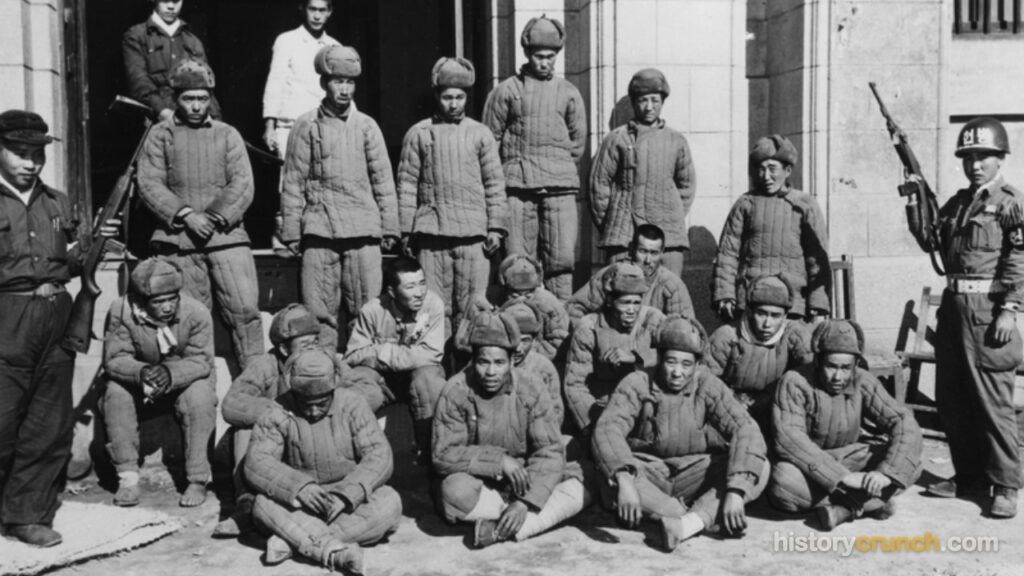
China entered the war in secret. Chinese forces quietly crossed the Yalu River into North Korea in late October of 1950, moving mostly at night and hiding during the day to avoid being spotted from the air. Because they were not officially recognized as the regular Chinese army, these soldiers were called the People’s Volunteer ArmyThe name China used for its troops to disguise that its official military was at war., a name meant to suggest that the troops were fighting on their own rather than by order of the Chinese government.
Within days of crossing the river, the Chinese launched a surprise attack on the United Nations forces in North Korea. The first clashes came in late October of 1950, before Soviet aircraft began providing hidden air support in November. These early attacks were a warning, but United Nations commanders did not fully grasp how large the Chinese force truly was.
The full weight of China’s entry came in late November of 1950. Just after MacArthur announced a major offensiveA large, planned military attack meant to push the enemy back or end a conflict. he hoped would end the war, hundreds of thousands of Chinese soldiers stormed forward in a massive assault. As stated above, the United Nations forces were caught completely off guard, and the sudden appearance of such an enormous army threw them into a chaotic retreat.
FactsthatCrunchThe People's Volunteer Army was the Chinese military force that fought in the Korean War beginning in late October 1950. China called it a volunteer force rather than a regular army so that it could send soldiers into Korea without making an official declaration of war against the United States. The name was a political cover, since the troops were directed by the Chinese government and commanded by General Peng Dehuai.
The People's Volunteer Army crossed the Yalu River in late October 1950, moving at night to avoid detection, and launched a surprise assault that drove United Nations forces out of North Korea.
What Happened After China Entered the War?
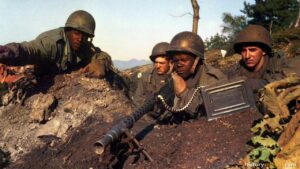
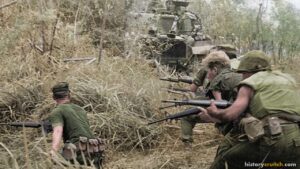
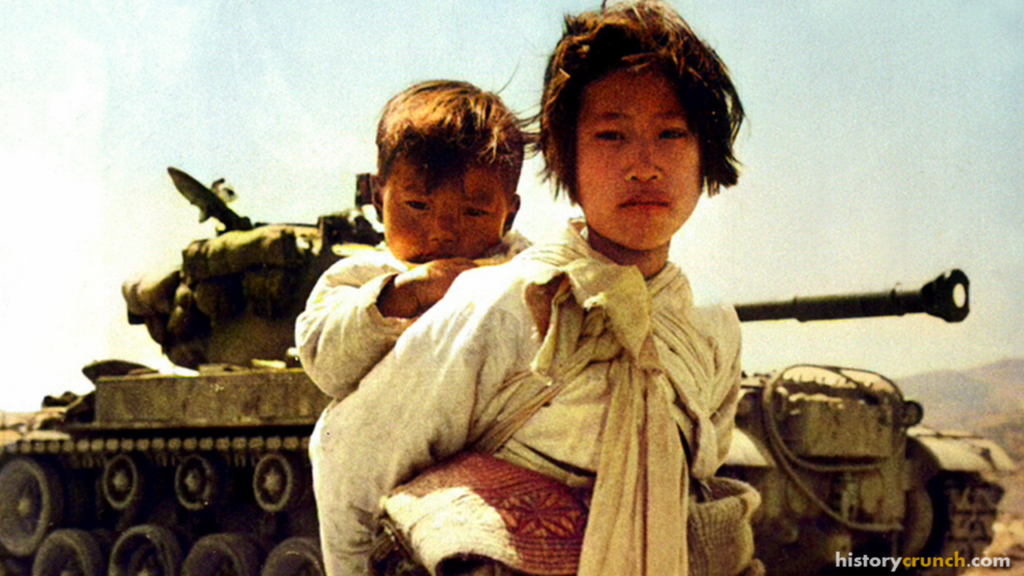
The Chinese offensive drove the United Nations forces back down the peninsula. Facing an army far larger than expected, the troops were forced into a long and difficult retreat that carried them out of North Korea entirely. MacArthur was forced to admit that the situation had completely changed, describing it as an entirely new war.
With Chinese help, the North Koreans pushed the United Nations forces back across the 38th parallel and even recaptured Seoul in early 1951. United Nations forces eventually regrouped and retook Seoul once more that March, pushing the front line back toward the original border. After these dramatic swings, the war settled into a grinding stalemate near the 38th parallel that lasted for the next two years.
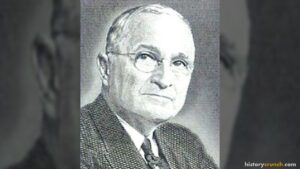
China’s entry also deepened a bitter disagreement between MacArthur and American President Harry S. Truman. MacArthur wanted to widen the war against China and even favored using atomic weapons, while Truman wanted to avoid a larger war that might drag in the Soviet Union. In reality, this conflict grew so serious that Truman fired MacArthur in April of 1951 for refusing to follow his orders. The war finally ended with the signing of an armisticeAn agreement by both sides to stop fighting, ending the active combat of a war. on July 27th, 1953, leaving Korea divided almost exactly where it had been before the fighting began.
FactsthatCrunchIn late November 1950, hundreds of thousands of Chinese soldiers had just smashed into United Nations forces across North Korea in the Korean War, sending them into a chaotic retreat. General Douglas MacArthur's Home-by-Christmas offensive had collapsed overnight, and by early January 1951 Chinese and North Korean troops had pushed south across the 38th parallel with momentum that seemed impossible to stop. Seoul, the South Korean capital, was about to fall to communist forces for the second time in the war.
Significance of China Enters the Korean War
The significance of China entering the Korean War is difficult to overstate. Before China’s intervention, the United Nations forces appeared close to total victory and the unification of Korea under a non-communist government. China’s entry reversed that outcome and guaranteed that North Korea would survive as a communist state, a division that still shapes the Korean Peninsula today.
China’s role also made the war far longer and far bloodier. The fighting dragged on for two and a half more years after the Chinese attacks began, and roughly three million Chinese troops took part over the course of the conflict, with hundreds of thousands killed. The war ended not in victory for either side but in a stalemate near the same border where it had started.
In a wider sense, China’s entry expanded the Cold War in Asia and reshaped the world’s understanding of communist China as a serious military power. It created a deep wound in relations between China and the United States that would take more than two decades to heal. For these reasons, China entering the Korean War stands as one of the most important events of the early Cold War era.
Korean War timeline · 1950 – 1953
Key Vocabulary
Stalemate
38th parallel
Containment
People’s Volunteer Army
Armistice
Offensive
Frequently Asked Questions
When did China enter the Korean War?
China entered the Korean War in late October of 1950, when its forces first crossed the Yalu River in secret. The largest attacks came in late November of 1950, when hundreds of thousands of Chinese troops struck at the same time. Chinese forces would remain involved for the rest of the war, and some units did not leave Korea until years after the fighting stopped.
Why was it called the People’s Volunteer Army?
China used the name People’s Volunteer Army to hide the fact that its regular army was officially at war. By claiming the soldiers were volunteers acting on their own, the Chinese government hoped to avoid a full declaration of war between China and the United States. In truth, the troops were organized and commanded by the Chinese military under Mao Zedong’s direction.
Did the United States expect China to enter the war?
Most American leaders did not expect China to enter the war in force. General MacArthur in particular believed China would not risk fighting the United States, and he dismissed repeated warnings from Chinese officials. This mistaken belief left United Nations forces unprepared for the massive attacks that followed and contributed to their sudden retreat.
How many Chinese soldiers fought in the Korean War?
Roughly three million Chinese troops took part in the Korean War over its course. Chinese losses were extremely heavy, with an estimated several hundred thousand soldiers killed during the fighting. These huge numbers show how deeply committed China became to the conflict once it decided to intervene.
How did China’s entry change the outcome of the war?
China’s entry saved North Korea from being conquered and turned a near United Nations victory into a long stalemate. Chinese forces pushed the United Nations troops out of North Korea and helped hold the front line near the 38th parallel until the war ended in 1953. As a result, Korea remained divided into two separate countries, a division that continues to this day.
Cite This Article
To cite this article as a source, use one of the formats below.
MLA: Millar, B. “China Enters the Korean War: A Detailed Summary.” HistoryCrunch, 15 August 2026, https://historycrunch.com/china-enters-the-korean-war/.
APA: Millar, B. (2026). China Enters the Korean War: A Detailed Summary. HistoryCrunch. https://historycrunch.com/china-enters-the-korean-war/
Chicago: Millar, B. “China Enters the Korean War: A Detailed Summary.” HistoryCrunch. August 15, 2026. https://historycrunch.com/china-enters-the-korean-war/
Sources
- Chen Jian, China’s Road to the Korean War: The Making of the Sino-American Confrontation.
- Fordham East Asian History Sourcebook