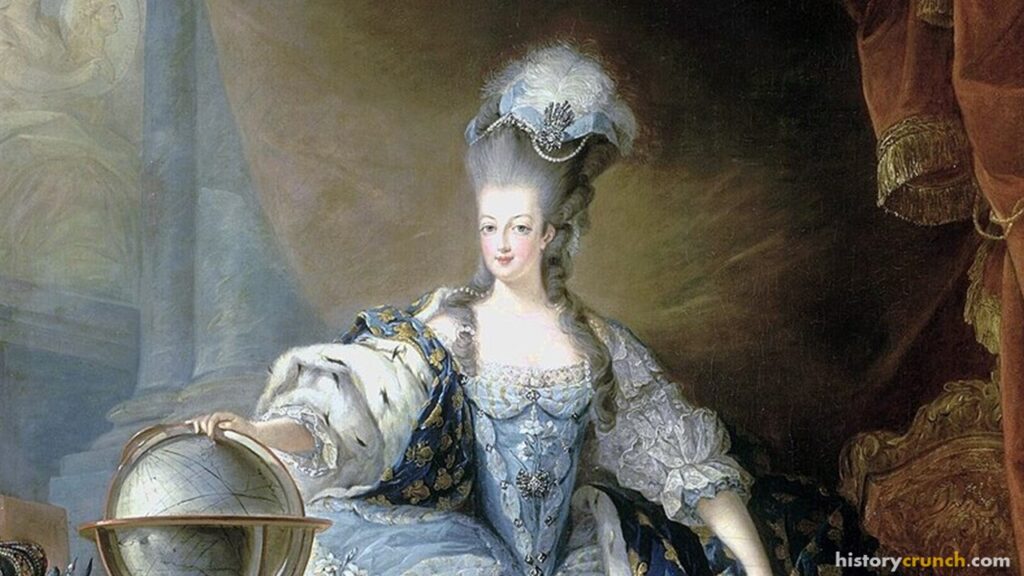
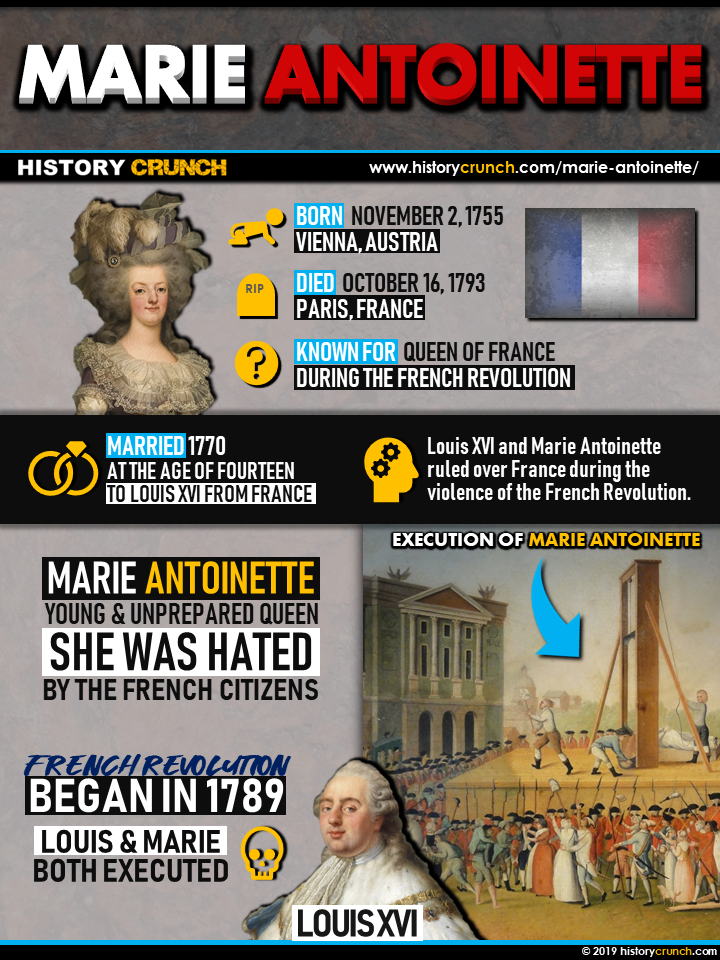
Marie Antoinette was the Queen of France and the wife of King Louis XVI during the time of the French Revolution. She was known for her lavishSpending or doing things in a very expensive, extravagant way that most people cannot afford. lifestyle, especially when put in contrast to the lives of the French commoners. As such, she became a symbol of the monarchy’s excesses and was widely unpopular among the French people, especially during the country’s financial crisis. Despite efforts to support her husband during the Revolution, she was arrested, tried, and executed by guillotine in 1793.
 FactsthatCrunch
Marie Antoinette became queen of France at age 19 and was widely blamed for the country's financial troubles because of her lavish spending on clothes, jewels, and parties, earning her the nickname 'Madame Deficit.' She was put on trial by the Revolutionary Tribunal for treason and theft, convicted, and executed by guillotine in 1793, marking the end of the Bourbon monarchy's hold on France.
Marie Antoinette – Early Life
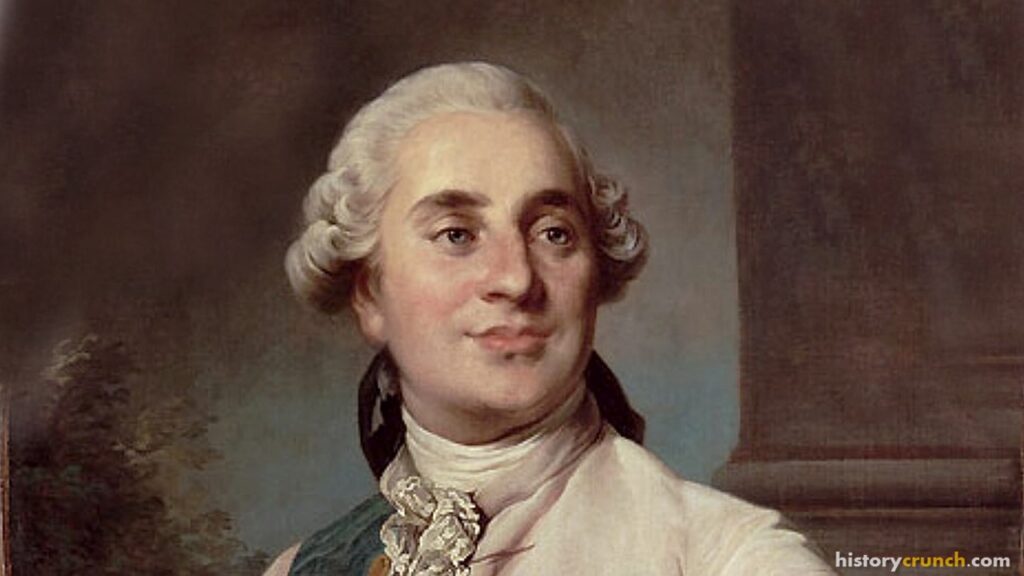
Marie Antoinette was born on November 2nd, 1755, in Vienna, Austria. She was the fifteenth child of Empress Maria Theresa and Emperor Francis I of Austria. As a member of the powerful Habsburg Dynasty, she was raised in luxury and educated in music, languages, and court etiquette. At just 14 years old, she was married to the future King Louis XVI of France to strengthen the alliance between Austria and France. Her early life was shaped by royalty, diplomacy, and preparation for her role as queen. However, her life is best remembered today as related to the French Revolution, which saw the people of France overthrow the absolute monarchy of Louis XVI and reject the traditions of feudalism.
 FactsthatCrunch
Marie Antoinette – Queen of France
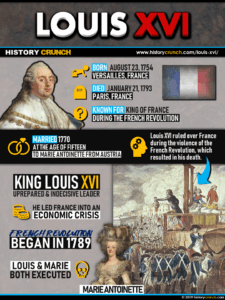
Louis XVI, who belonged to the Royal House of Bourbon, became King of France in 1774 when his grandfather Louis XV died. Earlier, in 1770, at the age of fifteen, Louis XVI married Marie Antoinette, the fourteen year old daughter of the Emperor and Empress of Austria. The marriage was arranged to strengthen the alliance between France and Austria. Upon her marriage to Louis she became the DauphineThe title given to the wife of the heir to the French throne. of France.
The personalities of Louis XVI and Marie Antoinette differed tremendously. Louis XVI was introverted, shy and indecisive. As well, he enjoyed solitary activities, such as: reading and metalwork. Whereas, she was outgoing and craved social encounters such as parties.
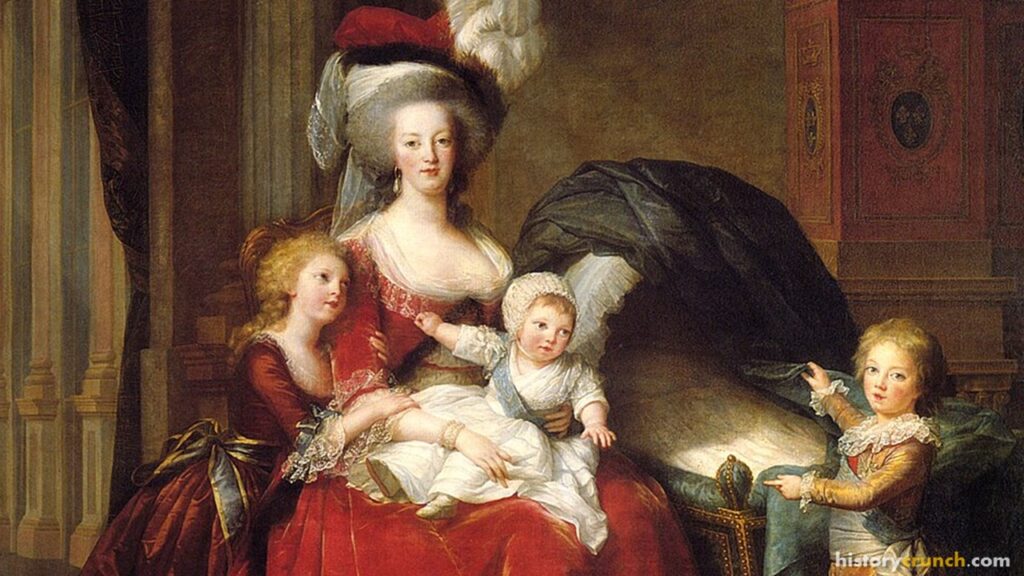
During the first few years of the marriage, Marie Antoinette became very unpopular with the people of France. First, Louis and Marie failed to produce any children for the first 8 years of marriage. This caused the people to spread rumors about her and accuse her of being promiscuousAccused of having many sexual partners, used here as a rumor spread about Marie Antoinette.. Second, she was young when she became queen and liked to indulge herself by extravagant spending of jewels, clothes and parties. This did not sit well with the working class people of France who were struggling under the estates systemThe French social structure that divided people into classes, leaving commoners burdened with heavy taxes and hardship.. For this reputation she earned the nickname “Madame Deficit”. As the anger of the French people reached incredibly high levels they began to blame her for the large debts of the country and its financial crisis. In the years before the French Revolution, the country was struggling from an economic crisis and the royal family was often blamed for its lavish lifestyles.
In 1785, Marie Antoinette was accused of buying a diamond necklace worth 1,600,000 livresThe unit of money used in France before the Revolution.. Although it would be eventually proved that she did not buy the necklace, she had already lost the confidence of the French people. As financial crisis and poor harvests gripped France in the 1780s, Marie Antoinette’s extravagant lifestyle helped create a growing sense of anger from the people of France towards the French monarchy. Countless cartoons and pamphlets accused the Queen of extramarital affairs and overspending.
For his part, Louis XVI was ultimately ignorant of the crisis that the people of France faced and the growing opposition in France to himself and his Queen. Many historians blame Louis XVI for not recognizing the issues facing his country at the time and for responding so poorly to the plight of the third estate citizens.
Marie Antoinette – French Revolution
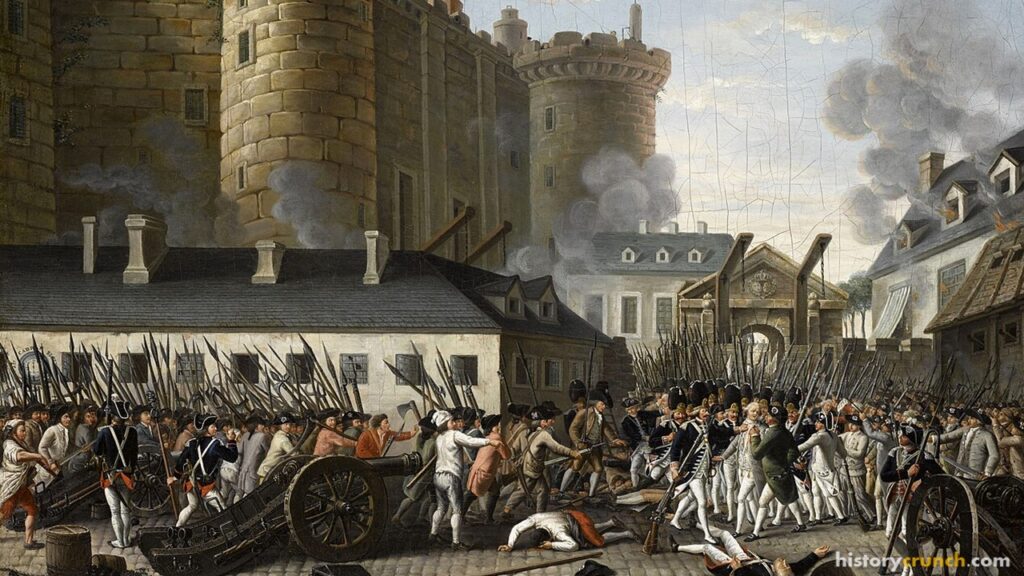
As the crisis worsened the major events of the French Revolution unfolded, which would eventually find both Louis XVI and Marie Antoinette arrested. First, on July 14th, 1789 Parisians stormed the Bastille prison marking the beginning of the French Revolution. Later, a crowd of French citizens (mostly women) marched from Paris to the Palace of Versailles and demanded the King and Queen return to Paris. Afterwards they were essentially imprisoned in their palace in Paris.
 FactsthatCrunch
By late October 1789, during the French Revolution, Marie Antoinette and King Louis XVI had been forced by a crowd of marchers to leave the Palace of Versailles and travel to Paris. Once there, the royal family was held inside the Tuileries Palace, watched closely by revolutionary guards, with Marie Antoinette's movements tightly controlled and her unpopularity growing every day. She was now effectively a prisoner in her own capital city, with no clear path forward.
Marie Antoinette – Execution
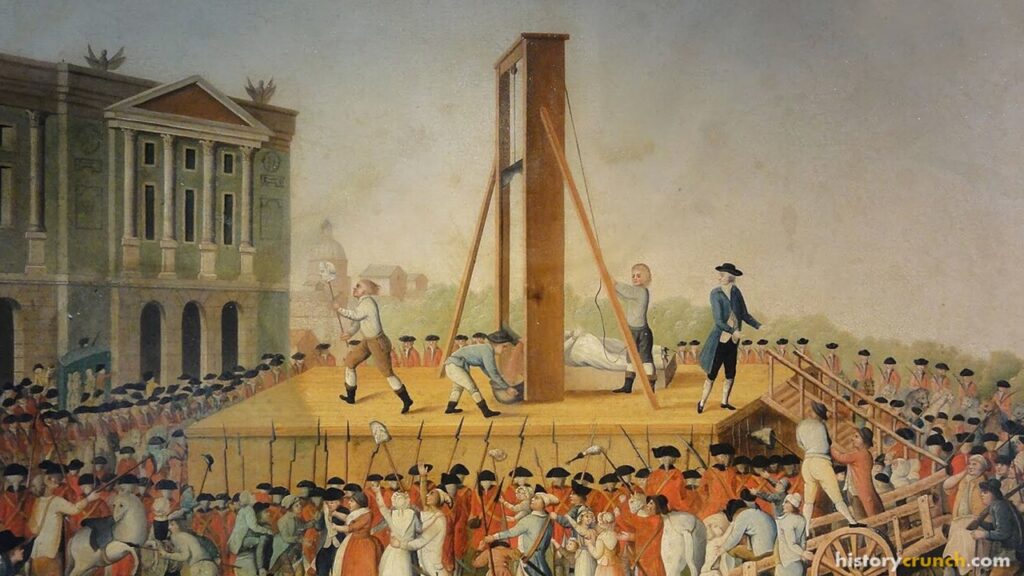
As the chaos of the French Revolution unfolded Louis XVI failed to respond to the uprising and remained indecisive on how to respond. In 1793, the radical new republic, called the National Convention, put Louis XVI on trial for treasonThe crime of betraying one’s country or ruler, the charge used to put Louis XVI and Marie Antoinette on trial.. He was convicted and executed by guillotineA device with a heavy blade used to execute people by beheading, widely used during the French Revolution. on January 21st, 1793. Marie Antoinette was put on trial several months later for treason and theft, as well as false and disturbing charges of sexual abuse against her own son. She was executed by guillotine on October 16th, 1793 as the last queen of France.
 FactsthatCrunch
Marie Antoinette's trial before the Revolutionary Tribunal opens in Paris
On October 14th, 1793, the Revolutionary Tribunal opened Marie Antoinette's trial in Paris on charges of treason and theft, as well as false charges added by radical journalist Jacques Hebert. More than forty witnesses were heard over roughly twenty hours, yet the jury needed only about one hour to return a guilty verdict. Marie Antoinette and her defense lawyer Claude-Francois Chauveau-Lagarde had been given less than one full day to prepare, far less time than Louis XVI had received at his own trial months earlier.
Marie Antoinette – Significance
Marie Antoinette’s life is significant for several reasons. First, she symbolized, for the French people, the extravagance of royal life and the massive inequality that led up to the French Revolution. Her lavish spending, and elaborate parties, made her a target of public anger, earning her the nickname ‘Madame Deficit’. As a result, she became a central figure in revolutionary propaganda, which represented her as an example of excess and corruption of the monarchy of France.
Also, her trial and execution in 1793 marked a powerful moment in the events of the French Revolution. For instance, it showed that even the queen was not above the will of the people. Her and Louis XVI’s executions were central to the revolutionary goals of the French people and highlighted the shifting political order of France and the Western world. As such, historians consider her life and death to be important for the development of individual rights and democracy.
 FactsthatCrunch
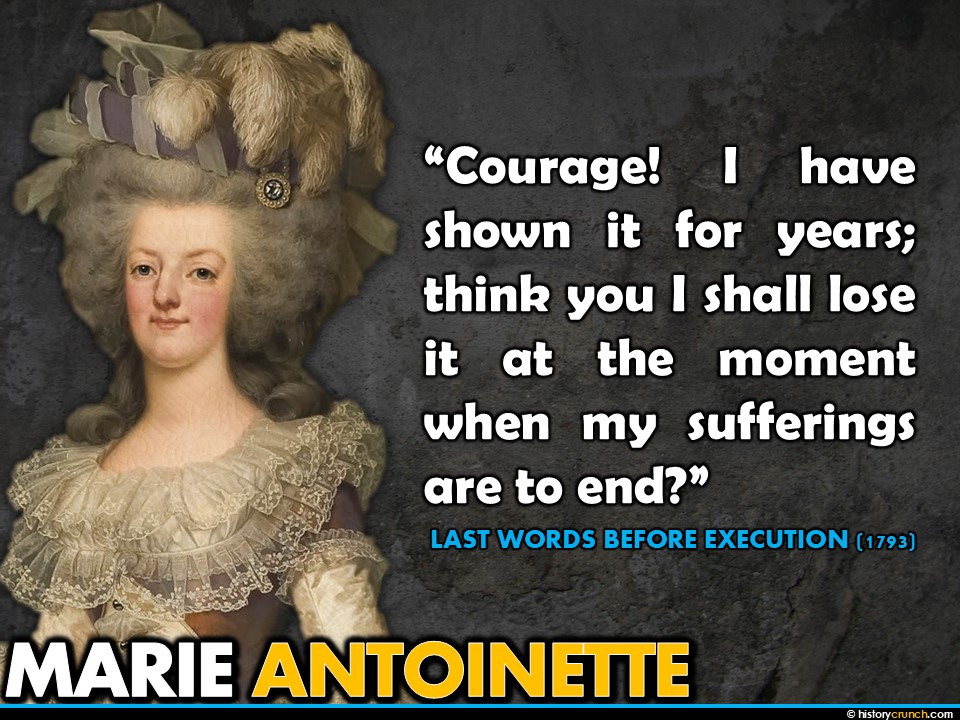
Marie Antoinette's reputation was damaged far more by deliberate propaganda than by her actual spending habits.
Marie Antoinette – Infographic
French Revolution timeline · 1789 – 1799
Key Vocabulary
Promiscuous
Dauphine
Estates system
Livres
Treason
Guillotine
Frequently Asked Questions
Why was Marie Antoinette so unpopular in France?
Marie Antoinette was disliked mainly for her lavish spending while many French people lived in poverty. She bought costly jewels, clothes, and threw grand parties during a time of debt and hunger. This earned her the nickname “Madame Deficit.” Her Austrian background also made many French people distrust her.
When and how did Marie Antoinette die?
Marie Antoinette was executed by guillotine on October 16th, 1793, in Paris. She had been put on trial for treason, theft, and other false charges by the National Convention. Her husband, Louis XVI, had been executed the same year, on January 21st, 1793. She died as the last queen of France.
Did Marie Antoinette really say “let them eat cake”?
There is no real proof that Marie Antoinette ever said “let them eat cake.” The phrase spread as part of revolutionary propaganda meant to paint her as heartless. Many cartoons and pamphlets attacked her with such stories during the crisis. The quote helped turn public anger against the monarchy.
Who was Marie Antoinette married to?
Marie Antoinette was married to King Louis XVI of France, who ruled starting in 1774. The marriage was arranged to strengthen the alliance between Austria and France. She wed the future king at just 14 years old. Their personalities were very different, as he was shy while she loved social events.
What was the Diamond Necklace Affair?
The Diamond Necklace Affair was a 1785 scandal in which Marie Antoinette was accused of buying a necklace worth 1,600,000 livres. She was later proven innocent, since she had not actually bought it. Even so, the scandal damaged her reputation for good. Many French people already believed she wasted money on luxury.
Cite This Article
To cite this article as a source, use one of the formats below.
MLA: Beck, Elias. “Marie Antoinette: A Detailed Biography.” HistoryCrunch, 22 September 2026, https://historycrunch.com/marie-antoinette/.
APA: Beck, E. (2026). Marie Antoinette: A Detailed Biography. HistoryCrunch. https://historycrunch.com/marie-antoinette/
Chicago: Beck, Elias. “Marie Antoinette: A Detailed Biography.” HistoryCrunch. September 22, 2026. https://historycrunch.com/marie-antoinette/
Sources
- Peter McPhee, Liberty or Death: The French Revolution.
- Jeremy D. Popkin, A New World Begins: The History of the French Revolution.
- Fordham Modern History Sourcebook
- William Doyle, The Oxford History of the French Revolution.