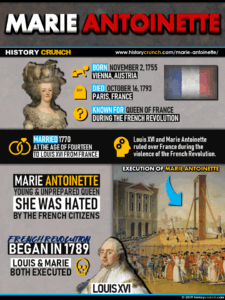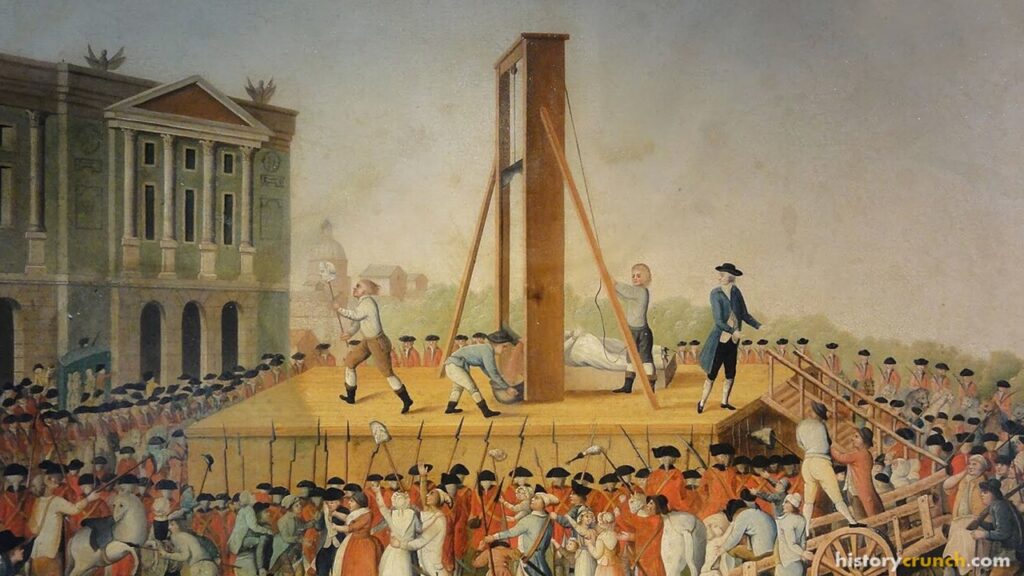
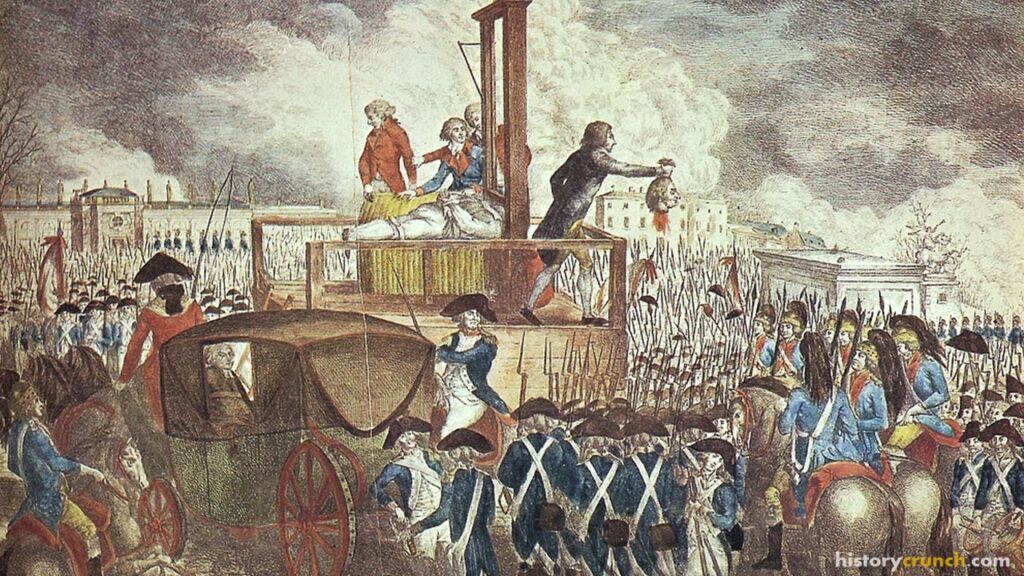
The guillotine and the French Revolution are symbolically tied together through history. In fact, the guillotine became the most infamousWell known for something bad or shocking, making it stand out in a negative way. symbol of the French Revolution since it was used as the primary method of execution during the Reign of Terror. Designed for quick and supposedly humaneCausing as little pain or suffering as possible. death, it was seen as a tool of justice and equality. Thousands, including King Louis XVI and Queen Marie Antoinette, were executed by guillotine during the events of the French Revolution.
The guillotine was invented to make execution equal and less painful for all people, regardless of social class.

What Was the Guillotine?
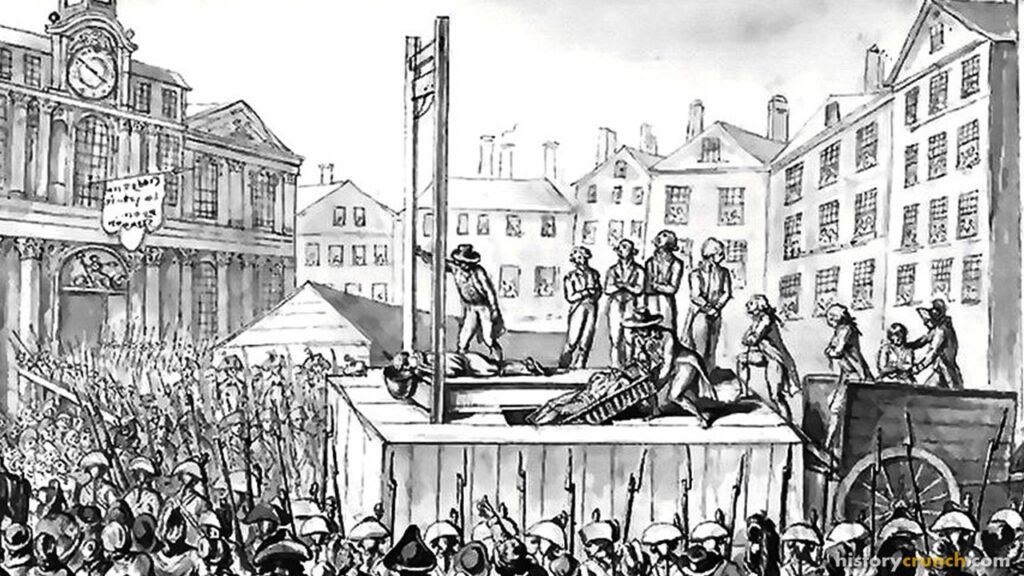
Europe had a long history of using execution devices before the French Revolution, but the guillotine came into widespread use during the years of the revolution. In general, the guillotine was a device that beheaded an individual with the use of a large blade. The blade would be pulled to the top of a large frame, under which the individual’s head, neck and shoulders would be placed. The person would be held into place by stocksA wooden frame that locked a person’s head and limbs in place during execution. and the blade would be released to fall on their neck, decapitatingCutting off a person’s head, usually with a blade or other sharp tool. the person. A basket was usually placed below the device to catch the head as it was removed from the body.
 FactsthatCrunch
How did the guillotine carry out an execution during the French Revolution?
Guillotine and the French Revolution – Summary
The guillotine was introduced to France at the beginning of the French Revolution. French physician Joseph-Ignace Guillotin introduced the idea of the guillotine to the National Assembly in October of 1789 as a simple, yet effective means of execution. The National Assembly established a committee to investigate a new execution method that would apply to all people regardless of their class in society. Traditionally, the French monarchy had used all sorts of forms of capital punishmentThe legal killing of a person by the government as a penalty for a crime., with beheading being reserved for the nobilityThe highest social class in a monarchy, such as lords and ladies, who had special privileges.. The goal was to end the torturous forms of capital punishment and instead, introduce a new method that executed the person with as little pain as possible while treating all in society as equals. This is why the guillotine earned the name of the “National Razor”.
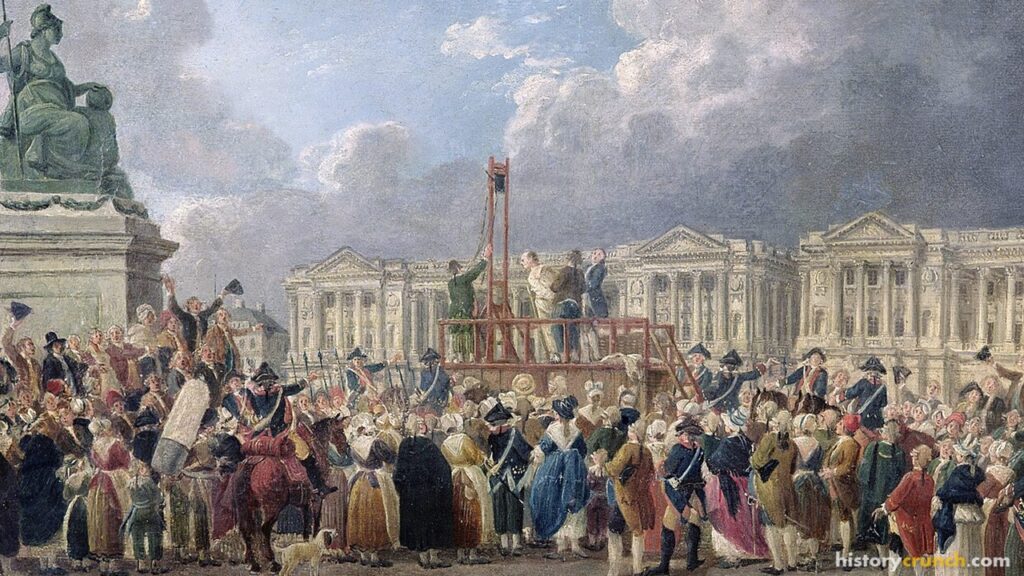
Eventually, the National Assembly adopted the guillotine as the only method of execution in France and a platform was constructed in Paris in order to carry out all public executions. Throughout the French Revolution, the guillotine would see widespread use, but was most notable during the Reign of Terror. The Reign of TerrorA period of extreme violence during the French Revolution when tens of thousands were executed. occurred from September of 1793 until July of 1794, and was a time period of extreme violence and paranoia during the French Revolution that resulted in the executions of tens of thousands of people. This time period caused the guillotine to be associated with the excesses of the revolution and some called for an end to all of the executions.
Regardless, the guillotine would continue to be used throughout the revolution and was still used in France until 1977 when the last person was executed by the device.
 FactsthatCrunch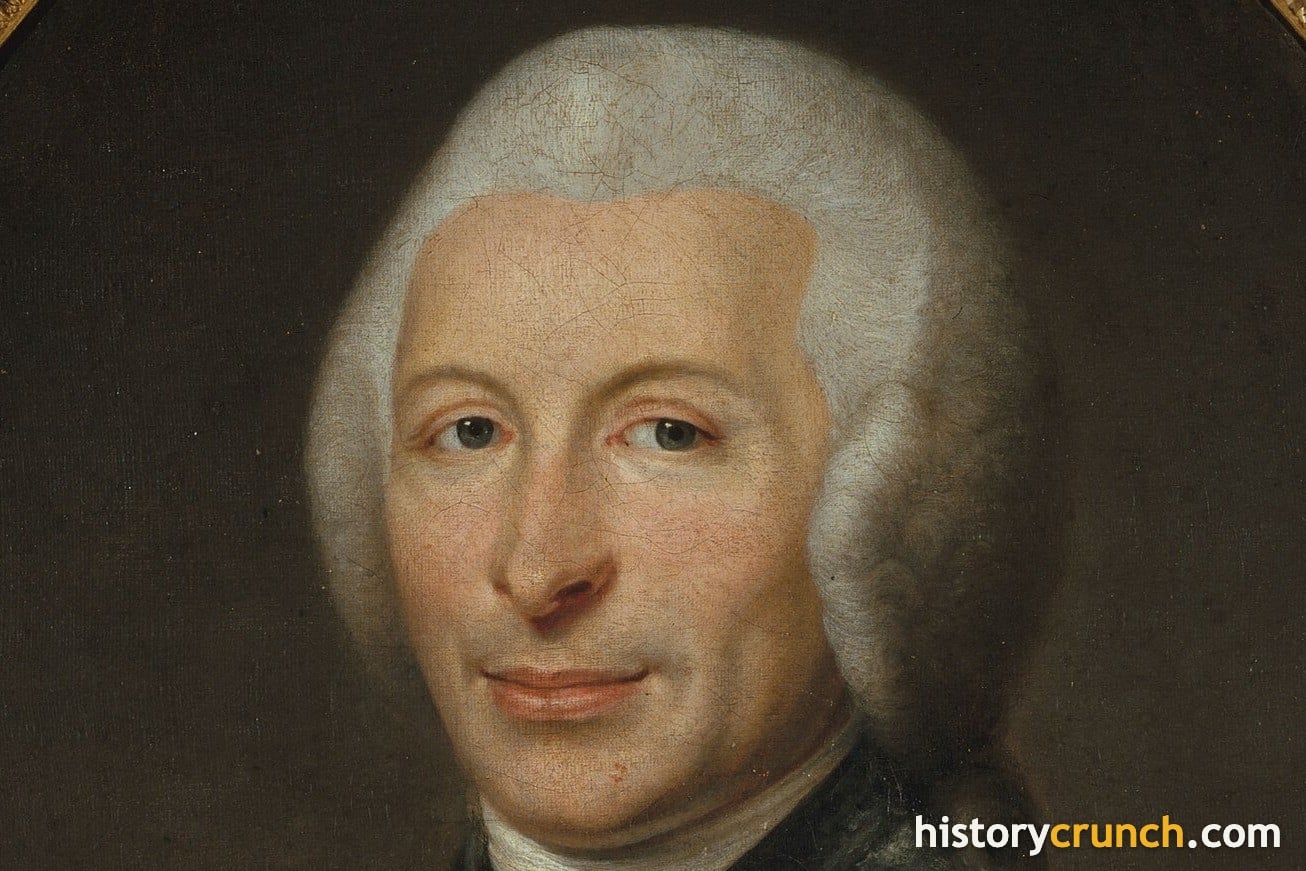
French Revolution timeline · 1789 – 1799
Key Vocabulary
Humane
Decapitating
Stocks
Capital punishment
Nobility
Infamous
Reign of Terror
Frequently Asked Questions
Who invented the guillotine?
French physician Joseph-Ignace Guillotin proposed the device to the National Assembly in October of 1789. He did not build it himself, but he suggested a fast and equal method of execution. The machine later took his name, which he reportedly disliked.
Why was the guillotine created?
The guillotine was created to make executions quick, painless, and equal for all people. Before the revolution, the French monarchy used harsh forms of capital punishment, and beheading was reserved for nobles. The new device applied the same method to everyone, no matter their class. This idea of equality earned it the nickname the “National Razor.”
How did the guillotine work?
The guillotine beheaded a person by dropping a large blade down a tall wooden frame. The victim’s head and neck were locked in place with stocks below the blade. When released, the blade fell and cut off the head in an instant. A basket was placed underneath to catch the head.
Who was executed by guillotine during the French Revolution?
King Louis XVI and Queen Marie Antoinette were among the most famous people executed by guillotine. Thousands of others also died on the device during the revolution. Most of these deaths came during the Reign of Terror, from September of 1793 to July of 1794. That period saw tens of thousands of executions across France.
When was the guillotine last used in France?
France used the guillotine until 1977, when the last person was executed by the device. This means it stayed in use for nearly two centuries after the French Revolution. The country later ended the death penalty in 1981. Today the guillotine is remembered mainly as a symbol of the revolution.
Cite This Article
To cite this article as a source, use one of the formats below.
MLA: Beck, Elias. “Guillotine and the French Revolution: A Detailed Summary.” HistoryCrunch, 22 September 2026, https://historycrunch.com/guillotine-and-the-french-revolution/.
APA: Beck, E. (2026). Guillotine and the French Revolution: A Detailed Summary. HistoryCrunch. https://historycrunch.com/guillotine-and-the-french-revolution/
Chicago: Beck, Elias. “Guillotine and the French Revolution: A Detailed Summary.” HistoryCrunch. September 22, 2026. https://historycrunch.com/guillotine-and-the-french-revolution/
Sources
- William Doyle, The Oxford History of the French Revolution.
- Peter McPhee, Liberty or Death: The French Revolution.
- Liberty, Equality, Fraternity (revolution.chnm.org), George Mason
- Jeremy D. Popkin, A New World Begins: The History of the French Revolution.