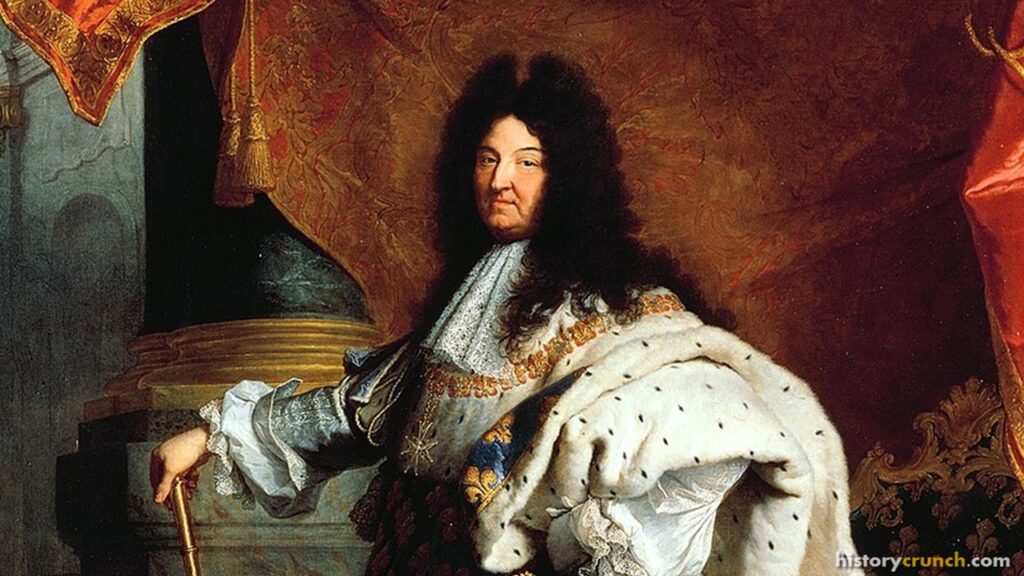
An Absolute Monarchy is a form of government that was popular during medieval Europe and up until the end of the 18th century. It involved society being ruled over by an all-powerful king or queen. The monarch had complete control over all aspects of the society, including: political power, economics, and all forms of authority.
 FactsthatCrunch
Absolute Monarchy – Main Principles
The main principles of absolute monarchy center on complete authority by a king or queen. For instance, absolute monarchies often contained two key features: ‘hereditary rule‘ and ‘divine right of kings‘. Hereditary ruleReceiving a position of power automatically through family birth, passed down from one generation to the next. meant that the monarch received their position due to their birth and as one in a long family line of monarchs. As well, medieval European absolute monarchs included the practice of divine right of kingsThe belief that a monarch’s authority comes directly from God, making their rule unchallengeable by ordinary people., meaning that the monarch derived his or her power from God. This furthered the power of a monarch because it ensured that the king or queen did not get their power from the people, and therefore the people had no control or say over the monarch’s rule.
The monarch was able to maintain absolute control over the society with the addition of feudalismA medieval system placing people into ranked social groups—clergy, nobility, and peasants—each with different power and duties., which involved people being placed into different estates of power, such as: clergy, nobility and peasants. In fact, the absolute monarch maintained control over society by using feudalism and the class structures of the time to control the social, political and economic lives of the different classes of people.
FactsthatCrunchThe three estates divided society under absolute monarchy into ranked groups, each with fixed duties and privileges that kept the king at the top of the whole system.
Absolute Monarchy – History and Examples
As stated above, absolute monarchy was a common form of government in Medieval Europe and lasted well into the 18th century. In fact, as feudalism declined and centralized states emerged, monarchs began to take more power for themselves. During the Age of Absolutism, which was approximately from the 1500s to the 1700s, kings and queens across Europe sought to control every aspect of political, social, and economic life. In fact, they often weakened the power of nobles and other important societal institutions to strengthen their rule. This period followed years of religious conflict, such as the Protestant Reformation, which divided many European countries. Rulers claimed that strong, centralized authority was necessary to maintain order and unity. Even prominent thinkers of the time, such as Thomas Hobbes, argued in favor of a strong absolute monarch, as necessary to maintain security of society.
There were several famous examples of absolute monarchs in history. In fact, an absolute monarchy can best be seen in the words of Louis XIV in France when he proclaimed “I am the state”. Louis XIV, who was king of France from 1643 until 1715 and governed personally from 1661, was expressing his absolute control over the society at the time by stating that he ruled over all aspects of the country and therefore was the highest and most powerful authority of the state. Under his rule, France became one of the most powerful nations in Europe, though his extravagant spending and wars also left the country in debt.
Another example is Peter the Great of Russia, who ruled from 1682 to 1725. He modernized Russia’s government, military, and society, expanding its territory and transforming it into a major European power.
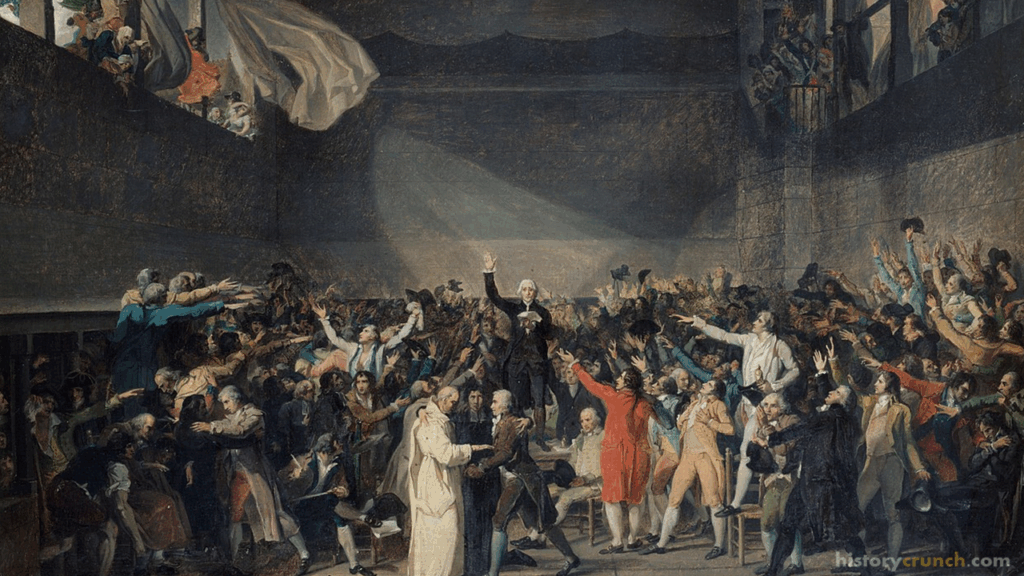
The Enlightenment and its ideals of liberty greatly impacted the ability of absolute monarchs to continue to rule as they had. Influential Enlightenment thinkers questioned the traditional authority and right to rule of monarchs and began a wave of change across much of the Western world, including: the birth of capitalism and democracy. The American Revolution and the French Revolution are often cited as significant examples of when absolute monarchies were rejected and/or overthrown. Today, very few nations continue to exist with an absolute monarch, but a few examples remain, such as: Qatar, Saudi Arabia, Oman, and Brunei.
 FactsthatCrunch
Both Louis XIV of France and Peter the Great of Russia worked to weaken the power of their noble classes. Which method did Louis XIV use that Peter the Great did not?
Absolute Monarchy – the Rise of Absolute Monarchy
The rise of absolute monarchy in Europe was not a sudden event but the result of several long-term changes that unfolded over many centuries. During the Middle Ages, power in Europe was fragmented among feudal lords, the Catholic Church, and local noble families. Kings existed but often had limited authority over their own territory, as powerful nobles controlled land, armies, and the loyalty of the common people.
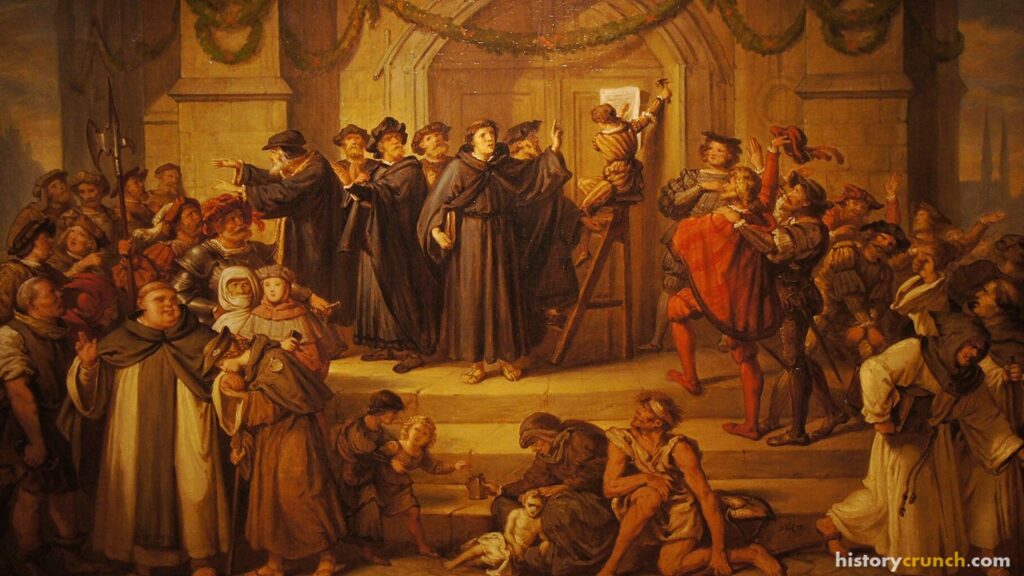
Several developments gradually shifted this balance in favor of kings. First, the decline of feudalism weakened the noble class and reduced their independent military and economic power. Second, the Protestant Reformation of the 16th century weakened the authority of the Catholic Church across much of Europe, removing one of the most important checks on royal power. Third, the rise of professional armies meant that monarchs who could afford to pay soldiers no longer had to rely on the loyalty of nobles who provided troops under the feudal system. As a result, by the early 17th century, several European kings had consolidated enough power to govern their kingdoms with little meaningful opposition.
 FactsthatCrunch
Over several centuries, the growth of centralized tax systems, the decline of feudal nobles, and the spread of professional armies gave kings the money and force needed to govern without sharing power.
From roughly the 12th through the 17th centuries CE, European kings gradually shifted power away from feudal lords. These three long-term changes, in finance, military force, and administration, allowed monarchies to become the dominant form of government across the continent.
Absolute Monarchy – How Absolute Monarchs Ruled
Absolute monarchs used several key tools to maintain their power and keep control over their kingdoms. The most important of these was control over the military. A monarch who controlled the army could crush rebellions, defend the kingdom from foreign enemies, and use the threat of force to enforce royal commands.
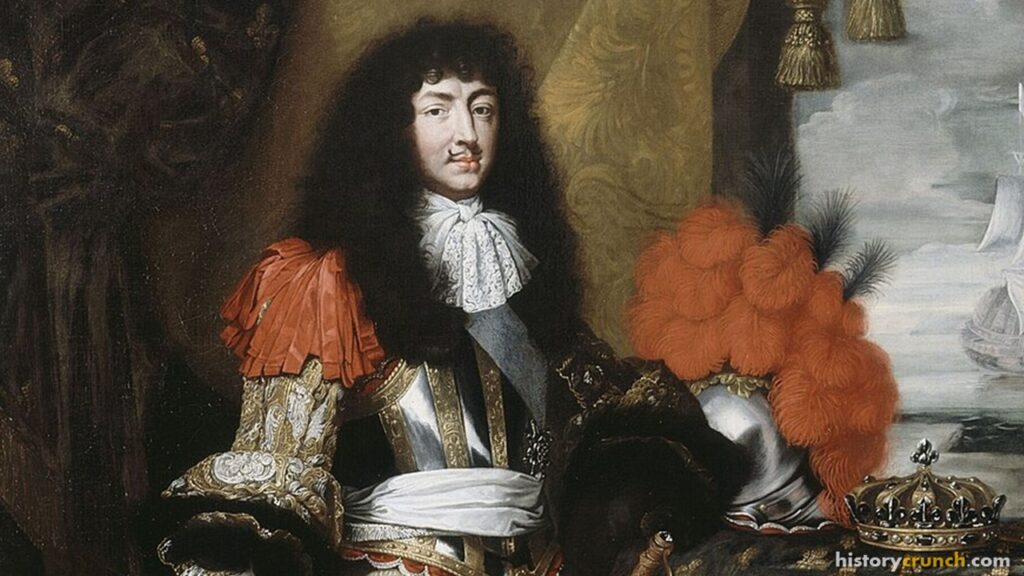
Absolute monarchs also relied heavily on loyal administrators and officials to govern their large territories. Rather than depending on the old nobility, many absolute monarchs appointed ministers and bureaucrats from less powerful backgrounds who owed their positions entirely to the crown. For instance, Louis XIV of France deliberately chose ministers from outside the highest ranks of the nobility so that they would remain dependent on royal favor. This system allowed monarchs to govern large kingdoms more directly and efficiently than had been possible under the feudal system.
Furthermore, absolute monarchs often used religion as a tool of control. By presenting themselves as divinely appointed rulers, they made opposition to their authority seem not just politically wrong but morally sinful. Many absolute monarchs also used their position to control the church within their kingdoms, directing religious institutions in ways that reinforced royal power. In this way, the political and religious authority of an absolute monarch were closely intertwined.
 FactsthatCrunch
What were the positives and negatives of centralized royal power in absolute monarchy?
Absolute monarchy let rulers make quick decisions, maintain order, and carry out large projects like building armies or canals without waiting for approval from nobles or assemblies. The biggest drawback was that power had no checks, so a weak or cruel ruler could cause serious harm to the country and its people with no legal way to stop them. Countries like France under Louis XIV showed both sides: strong central rule brought national unity, but heavy taxes and no political voice left ordinary people with little protection.
Absolute Monarchy – Enlightened Absolutism
Not all absolute monarchs ruled in the same way. During the 18th century, a new style of absolute monarchy emerged that historians call enlightened absolutismAn 18th-century form of absolute rule where monarchs used Enlightenment ideas like reason and education while keeping total personal power.. Enlightened absolute monarchs accepted some of the ideas of the Age of Enlightenment, such as the importance of reason, education, and the welfare of the people, while still maintaining complete personal control over the state.
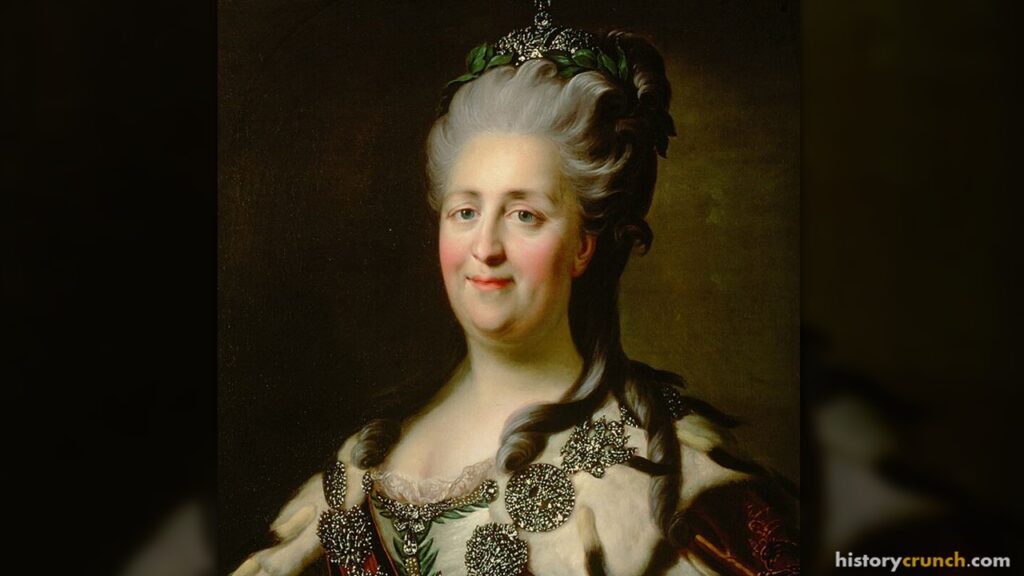
The most well-known examples of enlightened absolutismA style of government in which a single ruler holds complete, unlimited control over all parts of society. were Frederick the Great of Prussia, who ruled from 1740 to 1786, and Catherine the Great of Russia, who ruled from 1762 to 1796. Frederick the Great introduced legal reforms, promoted religious tolerance, and took a genuine interest in the arts and philosophy, while at the same time commanding one of the most powerful armies in Europe and tolerating no meaningful challenge to his authority. Catherine the Great corresponded with Enlightenment philosophers, reorganized Russia’s legal system, and expanded education, while continuing to govern as an absolute ruler and relying on the support of the Russian nobility.
In reality, enlightened absolutism was still absolutism. These rulers adopted Enlightenment ideas selectively, using them to improve the efficiency and strength of their states rather than to genuinely share power with their people. Nevertheless, enlightened absolutism represented an important shift in how European monarchs justified their authority, moving away from pure divine right and toward the idea that a ruler’s legitimacy depended at least partly on governing well.
 FactsthatCrunch
Frederick the Great of Prussia and Catherine the Great of Russia both ruled as enlightened monarchs in the 1700s, using Enlightenment ideas to shape their governments while keeping firm personal control.
Absolute Monarchy – Decline of Absolute Monarchy
The decline of absolute monarchy in Europe was driven primarily by the spread of Enlightenment ideas and the political upheavals they helped produce. Thinkers such as John Locke, Voltaire, and Jean-Jacques Rousseau challenged the idea that any ruler should hold unlimited power and argued instead that governments existed to serve the people. These ideas spread widely across Europe during the 17th and 18th centuries and helped create a climate in which absolute rule became increasingly difficult to justify.
The most dramatic example of this process was the French Revolution, which began in 1789. France under Louis XVI had accumulated enormous debts, and ordinary people faced heavy taxation and widespread poverty while the king and nobility lived in luxury. When revolution broke out, Louis XVI was eventually put on trial and executed in 1793. The French Revolution showed that absolute monarchy could be not just challenged but completely overthrown, and its impact was felt across Europe.
In England, absolute monarchy had already been rejected much earlier. The Glorious Revolution of 1688 permanently established Parliament as the supreme governing authority, creating a constitutional monarchyA system where a king or queen’s power is formally restricted by laws and a governing body such as a parliament. in which the king’s power was formally limited by law. England’s example influenced Enlightenment thinkers and later reformers who argued that constitutional government was a more just and stable arrangement than absolute rule. As such, the gradual replacement of absolute monarchy by constitutional monarchy and democratic government across Europe was one of the most significant political transformations of the modern world.
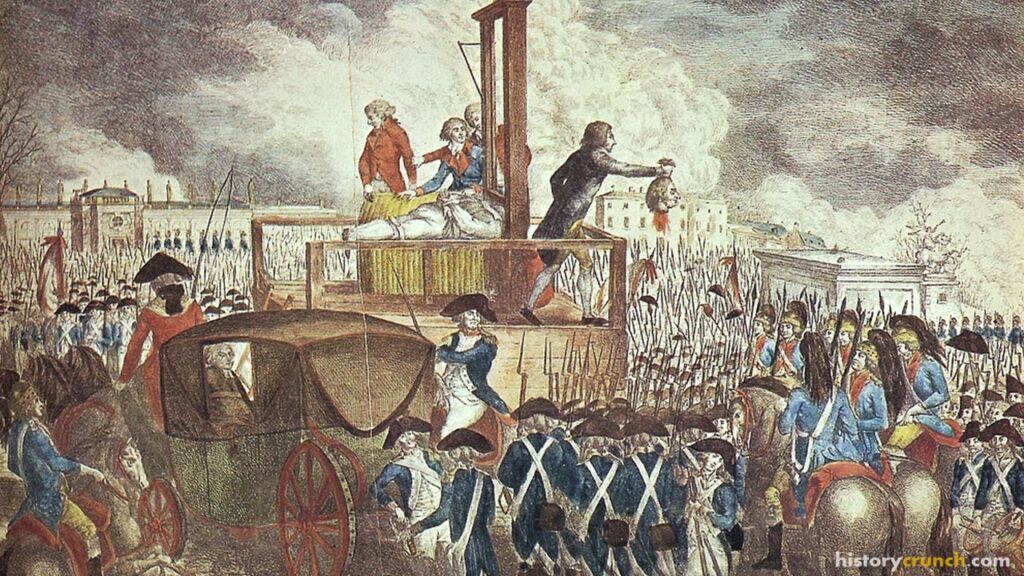 FactsthatCrunch
How did the French Revolution most directly challenge absolute monarchy in France?
Absolute Monarchy – Age of Enlightenment
As mentioned previously, the Age of Enlightenment had a profound impact on the history of absolute monarchies in Europe. The Age of Enlightenment, which took place during the 17th and 18th centuries, was a period when thinkers in Europe began to emphasize reason, science, and individual rights over tradition and absolute authority. Philosophers such as John Locke, Voltaire, Jean-Jacques Rousseau, and Baron de Montesquieu challenged the idea that kings ruled by divine right and argued instead that governments should exist to serve the interests of the people. Their ideas promoted equality, freedom of speech, and separation of powersThe division of government authority into separate branches so that no single person or group holds unchecked control., which directly threatened the foundations of absolute monarchy, where rulers held unchecked power.
As Enlightenment ideas spread, many people began to question the authority of their monarchs and demand reforms. Some rulers, like Frederick the Great of Prussia and Catherine the Great of Russia, adopted certain Enlightenment principles, earning the title of “enlightened despots” because they tried to modernize their countries while maintaining strong control. However, for many absolute monarchs, Enlightenment thinking weakened their power and inspired movements for democracy and revolution. This was most notable in the American and French Revolutions. In this way, the Enlightenment marked a turning point that helped shift Europe from monarchy to more democratic forms of government.
 FactsthatCrunch
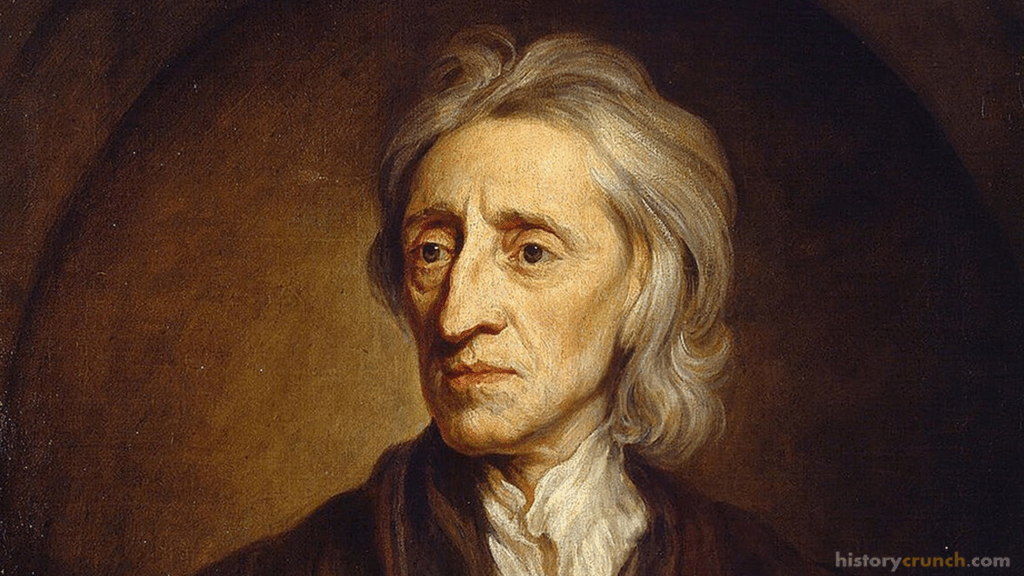
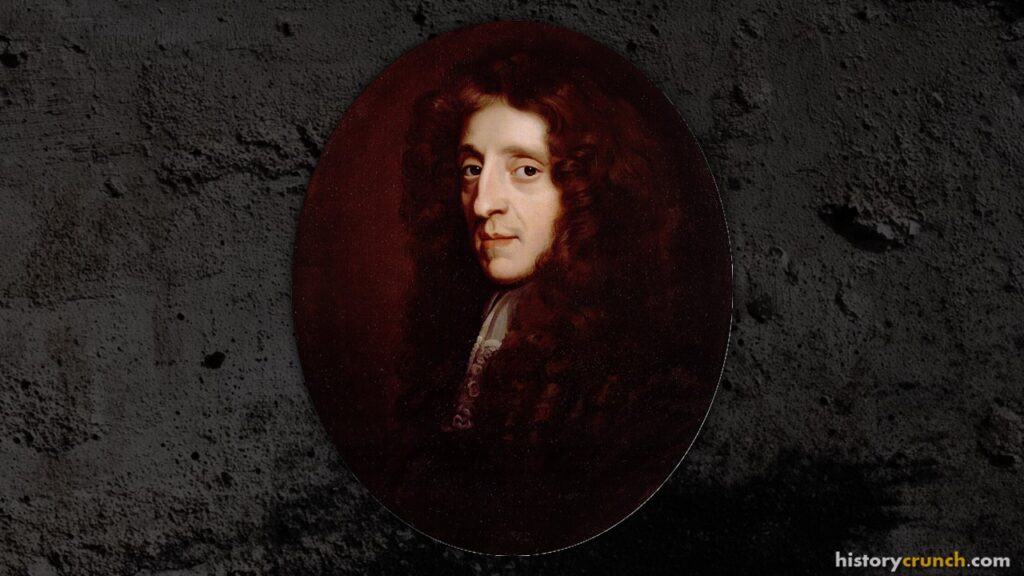
Can you name this mystery person before the photo develops? Click through the hints and lock in your guess.
Key Vocabulary
Hereditary rule
Divine right of kings
Feudalism
Absolutism
Enlightened absolutism
Constitutional monarchy
Separation of powers
Frequently Asked Questions
What is an absolute monarchy in simple terms?
An absolute monarchy is a government where a king or queen holds complete power over society. The ruler controls political, economic, and social life without any real limits. There is no elected body or law that can override the monarch’s decisions.
What is the divine right of kings?
The divine right of kings was the belief that a monarch received power directly from God. This idea meant the people had no say over how the ruler governed. It also made opposing the king seem sinful, not just illegal, which strengthened royal control.
Who were some famous absolute monarchs?
Louis XIV of France is the most famous example, ruling from 1643 to 1715 and governing personally from 1661. Peter the Great of Russia ruled from 1682 to 1725 and modernized his country. Frederick the Great of Prussia and Catherine the Great of Russia are also well known.
What was enlightened absolutism?
Enlightened absolutism was a style of rule where monarchs accepted some Enlightenment ideas but kept full personal control. These rulers promoted reason, education, and public welfare while sharing no real power. Frederick the Great and Catherine the Great are the best known examples of this approach.
Why did absolute monarchy decline?
Absolute monarchy declined mainly because Enlightenment ideas questioned unlimited royal power. Thinkers like John Locke and Rousseau argued that governments should serve the people. The French Revolution of 1789 and the earlier Glorious Revolution of 1688 in England showed that monarchs could be limited or overthrown.
Do any absolute monarchies still exist today?
Yes, a few absolute monarchies still exist in the modern world. Examples include Saudi Arabia, Qatar, Oman, and Brunei. In most other nations, absolute rule has been replaced by constitutional monarchy or democratic government.
Cite This Article
To cite this article as a source, use one of the formats below.
MLA: Beck, Elias. “Absolute Monarchy: A Detailed Summary.” HistoryCrunch, 21 September 2026, https://historycrunch.com/absolute-monarchy/.
APA: Beck, E. (2026). Absolute Monarchy: A Detailed Summary. HistoryCrunch. https://historycrunch.com/absolute-monarchy/
Chicago: Beck, Elias. “Absolute Monarchy: A Detailed Summary.” HistoryCrunch. September 21, 2026. https://historycrunch.com/absolute-monarchy/
Sources
- J.M. Roberts & Odd Arne Westad, The Penguin History of the World.
- Jerry Bentley & Herbert Ziegler, Traditions & Encounters: A Global Perspective on the Past.