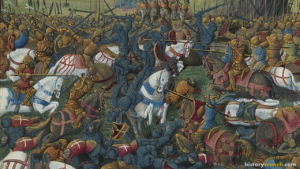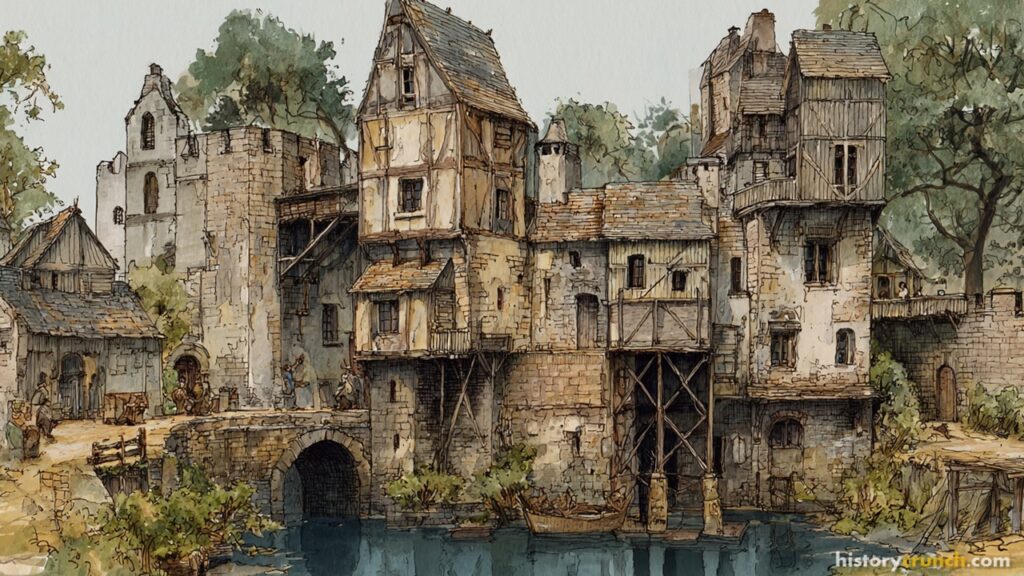
Europe before the Renaissance was largely shaped by the medieval feudal systemA rigid social structure where kings and nobles held power and most people were peasants who farmed land for local lords., with power concentrated in the hands of kings, nobles, and the Church. Most people lived in rural areas and worked in agricultural production. This period of time was known as the Middle Ages and was the precursorSomething that comes before and helps lead to a later event or development. to the events of the Renaissance.
What Was the Renaissance?
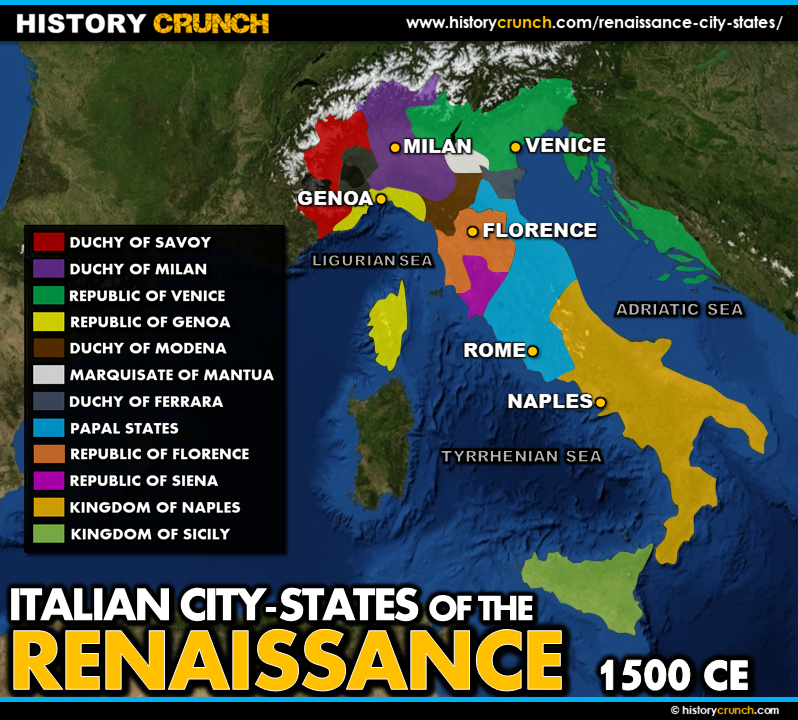
The Renaissance is an important event in European history that stretched from the 14th century to the 17th century. It was preceded by the Middle Ages in Europe and eventually led to the major events of the Age of Enlightenment. In historical terms the Renaissance is important because it led to a major shift in European thought and worldview. This shift eventually led to the developments of the Enlightenment and set the stage for the modern Western worldview. While the Renaissance is considered to have begun in the city-states of the Italian peninsula in the 14th century, the main ideas of the movement eventually spread to all of Europe by the 16th century. The most significant changes that emerged as a result of the Renaissance can be seen in European architecture, art, literature, mathematics, music, philosophy, politics, religion, and science. Intellectual thought in these fields flourished during the timeframe of the Renaissance and led to many people questioning long held beliefs about each.
This created an environment of discovery and curiosity in which new ideas were constantly being introduced and tested. With that said, the term ‘renaissance’ in French means ‘rebirth’. This is in relation to the idea that the intellectual culture of the Renaissance was sparked by the rediscovery of ancient Greek and Roman philosophy which had largely been ignored in Europe throughout the Middle Ages. As such, the history of the Middle Ages is considered to be an important cause of the Renaissance.
What Was the Middle Ages?
As stated above, the Renaissance first began in the 14th century on the Italian peninsula and quickly spread to the rest of Europe by the 16th century. The period of time that came before the Renaissance in Europe is called the Middle Ages or Medieval Period. It lasted for approximately 1000 years from the 5th century to the 15th century. Due to its timeframe, the Middle Ages in Europe is divided into three smaller periods referred to as the Early, High and Late Middle Ages.
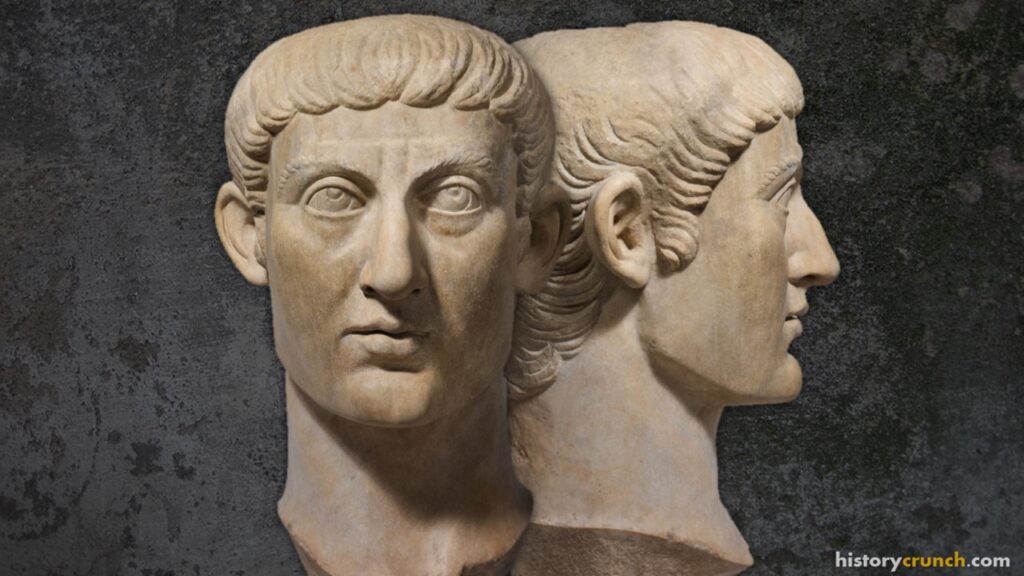
The Early Middle Ages began in the 5th century during the decline of the Roman Empire. Europe at the time was ruled by many different kingdoms and did not have large unified countries such as those in modern times. The Byzantine Empire (or Eastern Roman Empire) remained in the eastern sections of Europe and parts of the Middle East and was formed in the 4th century, before the Western Roman Empire collapsed. For example, the capital of the Byzantine Empire was Constantinople (modern-day Istanbul in Turkey), named after Emperor Constantine, when he transitioned the power of the Roman Empire to its eastern sections. The Byzantine Empire remained until the 15th century when it was overthrown by the Ottoman Empire.
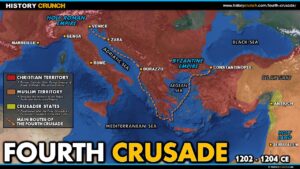
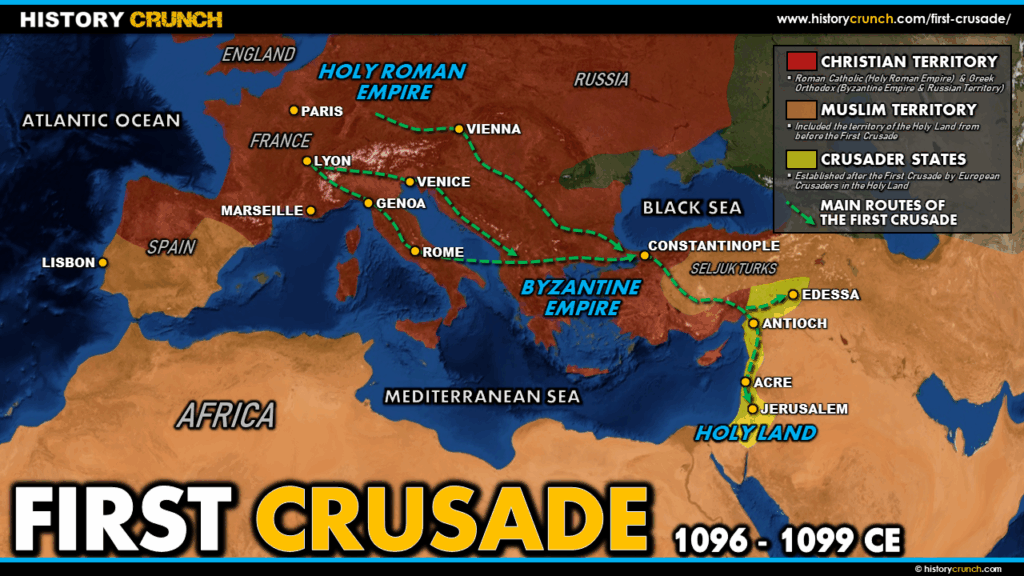
The High Middle Ages began at the start of the 11th century and included some of the most prominent events and elements of the whole Middle Ages. For example, life in the High Middle Ages was characterized by religious faith in the Catholic Church and the social structure of feudalism. Feudalism was a form of government common during medieval Europe that involved society being structured in a very rigid and hierarchicalOrganized in ranked levels, where people at the top have more power than those below them. way. It was popular in European society from the 9th century until the 15th century, and the country was dominated by a monarch in whom all power was held. The monarch would rule over the country while the rest of the people were bound by a hierarchicalOrganized in ranked levels, where people at the top have more power than those below them. system in which people were placed into classes in which they were born. For example, under feudalism, most people were peasants who worked tirelessly on farms of local lords. A major event of the High Middle Ages was the crusadesA series of religious wars where European Christian knights traveled to the Middle East to capture the Holy Land.. The crusades are one of the most significant events in the history of Europe and the Middle East. They were a series of religious wars carried out by Christian crusaders from Europe during the timeframe of the Middle Ages. Beginning in 1095 CE, the crusades saw European knights and noblemen travel to the Middle East in an attempt to capture the Holy Land away from Muslim people that had controlled the region for the previous centuries. The crusades display the importance of religious faith in the lives of people during the High Middle Ages.
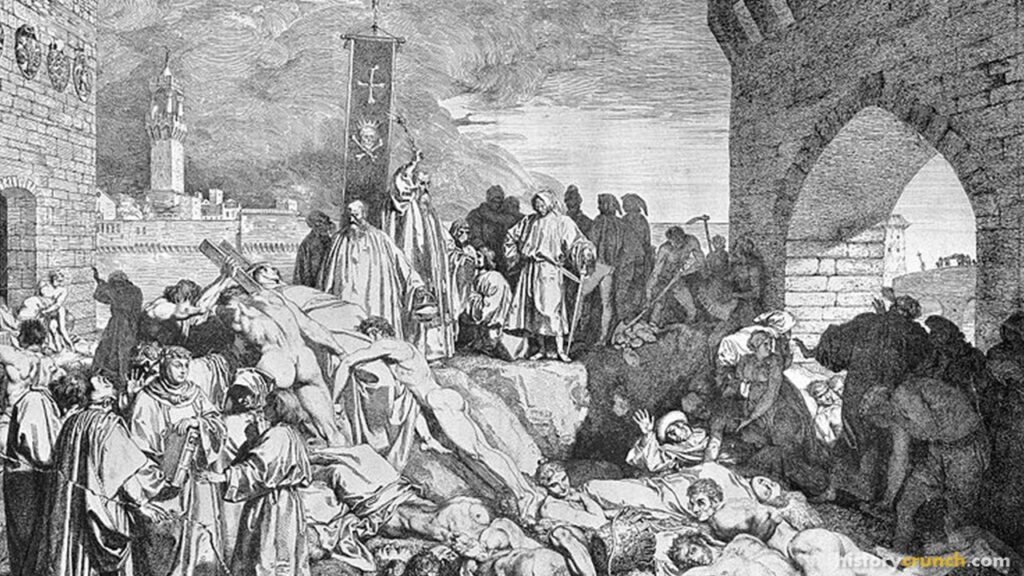
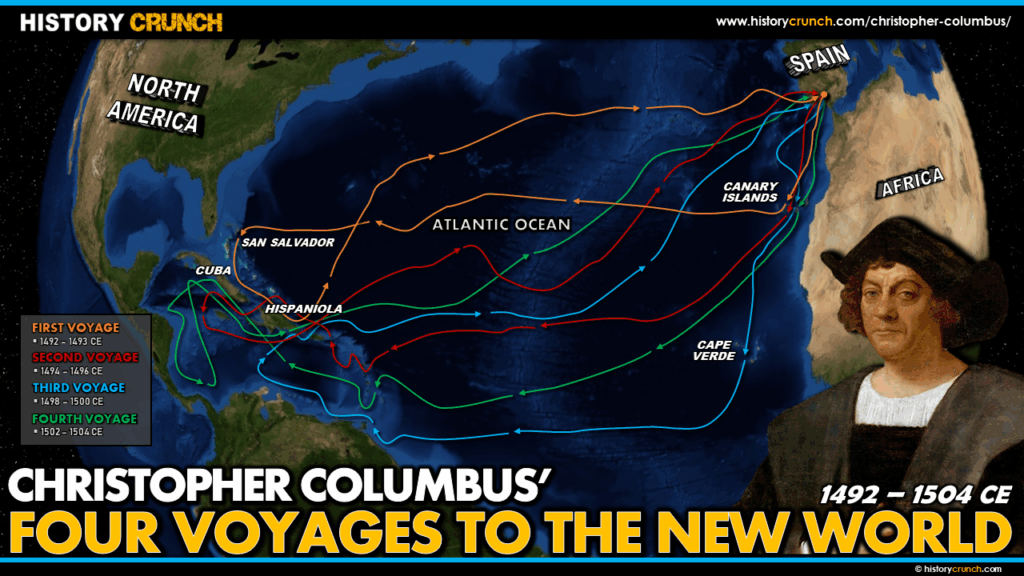
The final period of the Middle Ages is called the Late Middle Ages and is considered to have occurred from the start of the 14th century to the end of the 15th century. The Late Middle Ages was a difficult time for most people in Europe and the surrounding areas. This is due to the spread of the bubonic plagueThe infectious disease responsible for the Black Death, which killed millions of people across Asia and Europe. that led to the events of the Black Death. The Black Death is one of the most important events in Western history and is the most famous pandemicThe spread of an infectious disease across a very wide area, including potentially the entire planet. in all of human history. A pandemic is the term used to describe the spread of an infectious disease over a wide area including the entire planet. The Black Death occurred during the 14th century and ravaged human populations throughout Asia and Europe as it spread along trade routes and through trading ports. Throughout history it has also been referred to as the ‘Great Mortality’ and ‘Great Pestilence’. The death toll of the Black Death is a debated topic and different historians have offered different views on the issue. Regardless, the reported death tolls are massive with some suggesting that it resulted in the deaths of between 75 and 200 million people in Europe and Asia. These high numbers suggest that between 30% and 60% of people died due to the infectious disease. Some regions suffered more than others, but in general it is widely accepted that approximately half of Europeans died as a result of the disease. For example, it has been recorded that both Paris, France and London, England saw half of their populations succumb to the pandemic. The Black Death also had devastating results in the Middle East and Asia with equally dramatic death tolls. While the Black Death was a horrific event that caused widespread death there were also several major developments during the time period of the Late Middle Ages. First, the Age of Exploration (or Age of Discovery) began at the end of the Late Middle Ages. For example, Christopher Columbus arrived in the New World on his first famous journey in 1492. Second, the Renaissance in Europe emerged out of the Late Middle Ages.
In conclusion, the time before the Renaissance in Europe is referred to as the Middle Ages. Life during this time was dominated by religious faith, the Catholic Church, feudalism, the crusades, and the Black Death. The Renaissance was important because it was fundamentally concerned with challenging the worldview of Europeans at the time and led to many drastic changes in architecture, art, literature, mathematics, music, philosophy, politics, religion and science.
Key Vocabulary
Feudal system
Hierarchical
Crusades
Pandemic
Bubonic plague
Precursor
Frequently Asked Questions
What period came before the Renaissance in Europe?
The Middle Ages came before the Renaissance in Europe. This era, also called the Medieval Period, lasted about 1,000 years from the 5th to the 15th century. Historians divide it into three parts known as the Early, High, and Late Middle Ages.
How was life organized in Europe before the Renaissance?
Life before the Renaissance was organized around feudalism, a rigid system of social classes. Kings held power at the top, while most people lived as peasants who farmed the land of local lords. The Catholic Church also shaped daily life and held great influence over kings and nobles.
What were the Crusades?
The Crusades were a series of religious wars fought during the High Middle Ages. Beginning in 1095 CE, Christian knights and nobles traveled from Europe to the Middle East to capture the Holy Land. These wars showed how strongly religious faith shaped the lives of medieval people.
How deadly was the Black Death?
The Black Death killed a huge share of the population, with estimates ranging from 75 to 200 million people in Europe and Asia. Some historians believe about half of all Europeans died from the disease. Cities like Paris and London each lost around half of their residents.
Why is it called the Renaissance?
The word “renaissance” means “rebirth” in French. It refers to the renewed interest in ancient Greek and Roman ideas that had been mostly ignored during the Middle Ages. This rediscovery sparked new thinking in art, science, and philosophy across Europe.
What major changes marked the end of the Middle Ages?
The Late Middle Ages ended with two big developments beyond the Black Death. The Age of Exploration began, and Christopher Columbus reached the New World in 1492. At the same time, the Renaissance grew out of this period and reshaped European thought.
Cite This Article
To cite this article as a source, use one of the formats below.
MLA: Beck, Elias. “Europe Before the Renaissance: A Detailed Summary.” HistoryCrunch, 15 September 2026, https://historycrunch.com/europe-before-the-renaissance/.
APA: Beck, E. (2026). Europe Before the Renaissance: A Detailed Summary. HistoryCrunch. https://historycrunch.com/europe-before-the-renaissance/
Chicago: Beck, Elias. “Europe Before the Renaissance: A Detailed Summary.” HistoryCrunch. September 15, 2026. https://historycrunch.com/europe-before-the-renaissance/
Sources
- The Met (Heilbrunn Timeline)
- John Hale, The Civilization of Europe in the Renaissance.