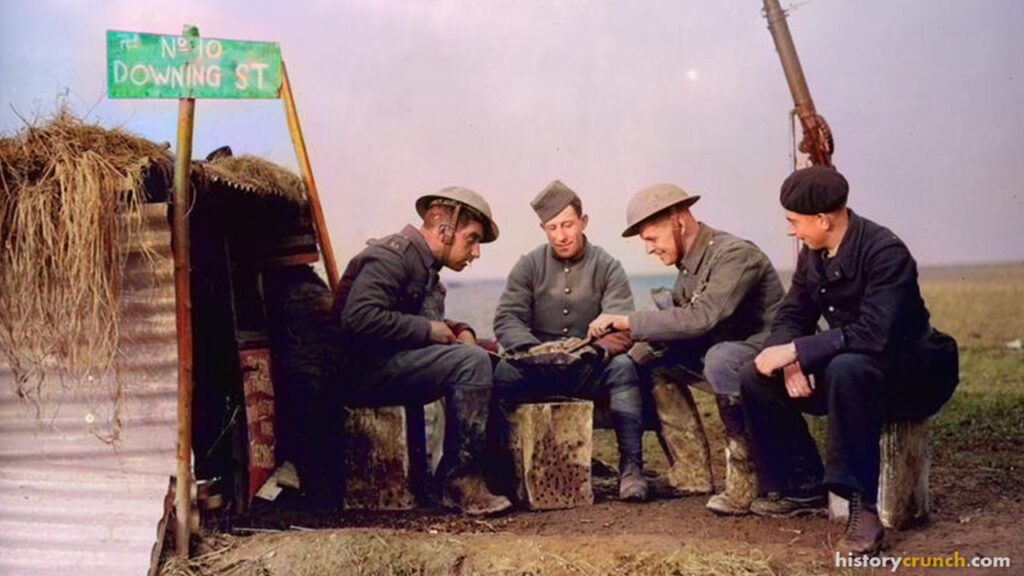
The Phoney War refers to the early period of World War II when there was very little actual military action between the Allied nations and the Axis nations. More specifically, it was a period of ‘waiting’ between the actual declarations of war in early September of 1939 and when fighting first began. As such, this phase saw the Allied powers and Nazi Germany prepare for conflict without directly engaging in significant ground battles in Western Europe. This made it an important part of the early years of World War II.
 FactsthatCrunch
Why was the early period of World War II called the Phoney War?
Phoney War – Background
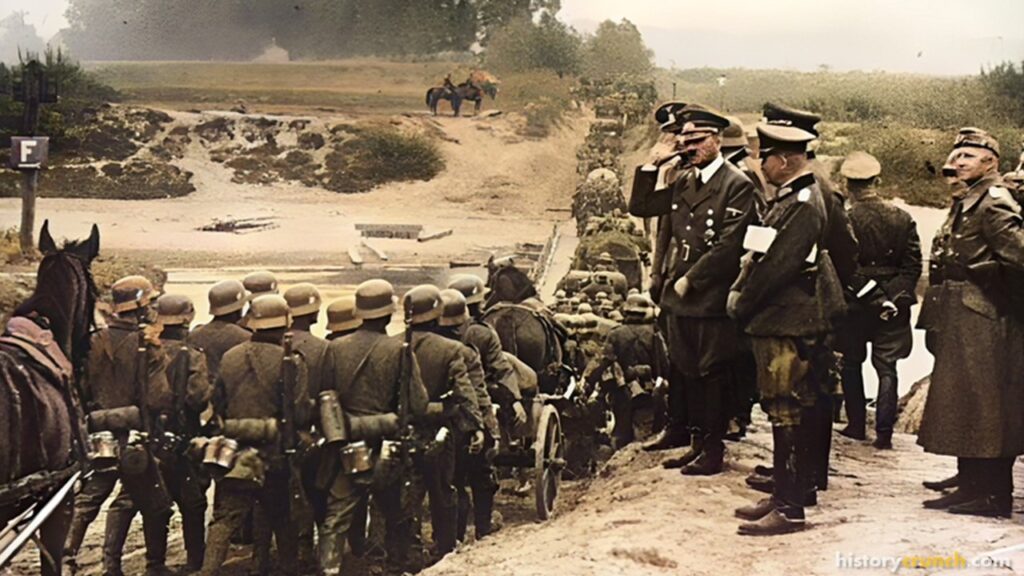
World War II began on September 1st, 1939 when Nazi Germany invaded the country of Poland. Although, Britain and France declared war against Germany just a few days later, on September 3rd, no actual fighting occurred in Western Europe until Nazi Germany’s invasion of France during the Battle of France in May of 1940. This period of relative calm after the dramatic outbreak of war was surprising to many, especially considering the rapid Nazi German military aggression in the east.
 FactsthatCrunch
Britain and France had spent the 1930s using appeasement, giving in to Adolf Hitler's territorial demands in hopes of avoiding war, which left them unprepared and reluctant to launch any major attack when war was finally declared in September 1939.
The Phoney War lasted from September 1939 to May 1940, a nine-month stretch when Britain and France were officially at war with Germany but avoided major ground combat in the west. Years of appeasement had weakened Allied readiness and resolve at the very moment when bold action might have mattered most.
Phoney War – Summary
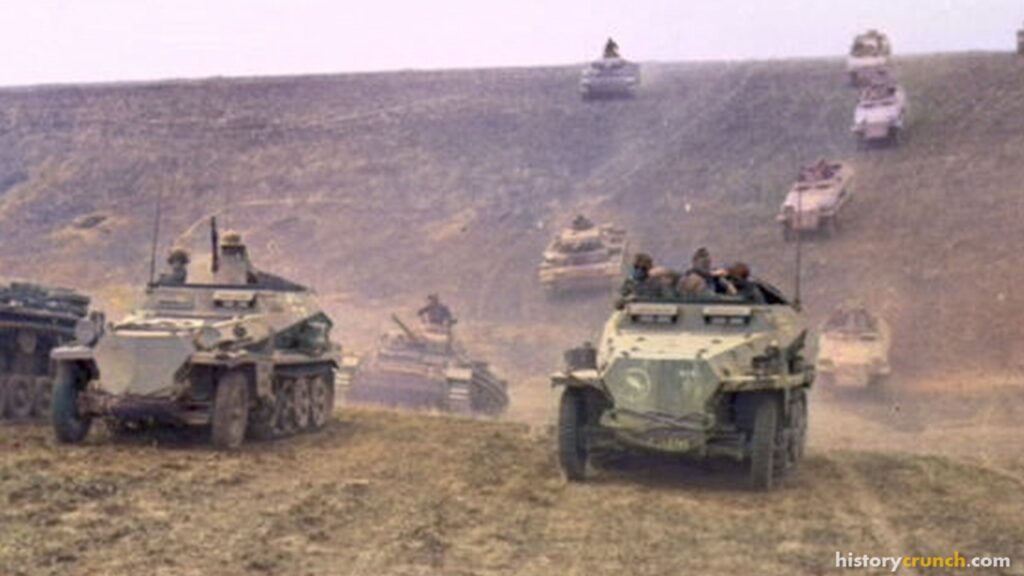
As stated above, the Phoney War is considered to have occurred from roughly September of 1939 to May of 1940. The nine-month period of the Phoney War was marked by a few key events that would help set the stage for the remainder of World War II. For its part, Germany spent the early part of the Phoney War unleashing its ‘blitzkrieg‘ tactics against Poland. The term ‘blitzkriegA German military tactic using extreme speed and overwhelming force to quickly defeat an enemy.‘ refers to the speed and overwhelming force of the Nazi Germany Army. As well, German u-boatsGerman submarines used to attack Allied ships, especially in the North Atlantic. began participating in the Battle of the Atlantic, which was a series of naval battles between Nazi Germany and the Allied powers in the North Atlantic. Finally, Germany began to reinforce its border with France in preparation for the future battles that would occur.
Meanwhile, Britain and France began to deploy troops to the Maginot Line to build up the defenses of France. The Maginot LineA fortified line of French defenses built along the France-Germany border after World War I. was the fortified line of French defenses along the border between France and Germany. It was constructed in the years after World War I as a deterrent to any future conflicts with Germany. The Allied nations believed that a Nazi German offensive into France would resemble the stalemateA situation in which neither side can make progress or gain an advantage over the other. conditions of trench warfare, such as in World War I. As such, they focused their efforts on a defensive line to stop any German aggression. This, unfortunately, proved foolish and the Nazi German forces were easily able to maneuver around the Maginot Line. Also, both Britain and France began to purchase munitionsMilitary weapons, ammunition, and equipment purchased or produced for use in war. from the United States in order to quickly build up their supplies. Furthermore, British and French leaders were hesitant to engage in a large-scale attack without full mobilizationThe process of assembling and preparing a country’s military forces for active service.. This is because of the devastation that was caused by World War I, which led many politicians and citizens in Britain and France to hope for a negotiated settlement.
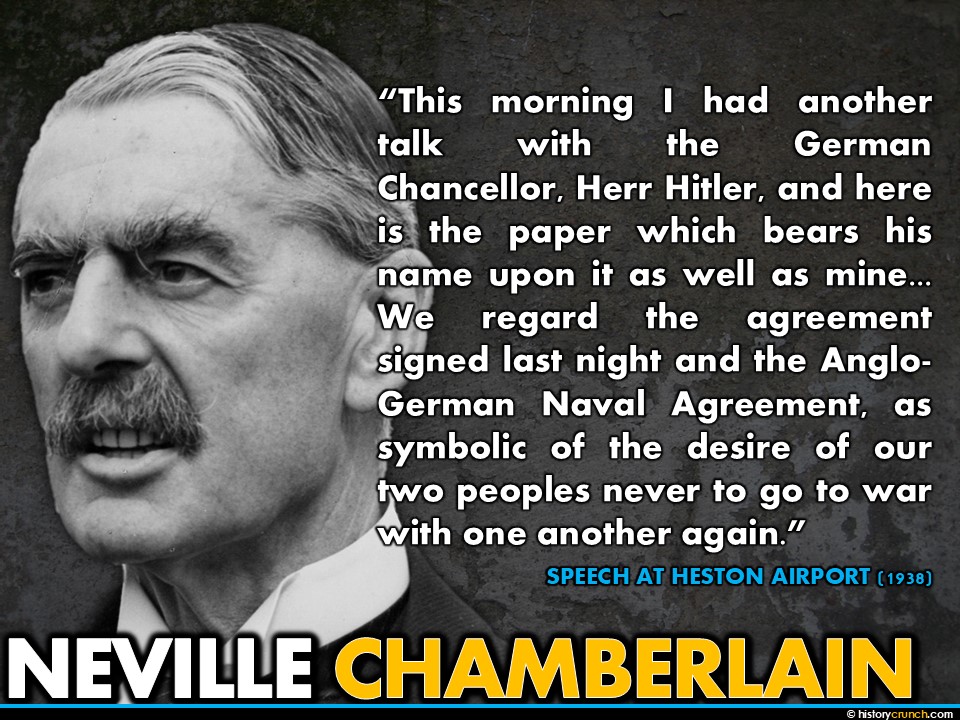
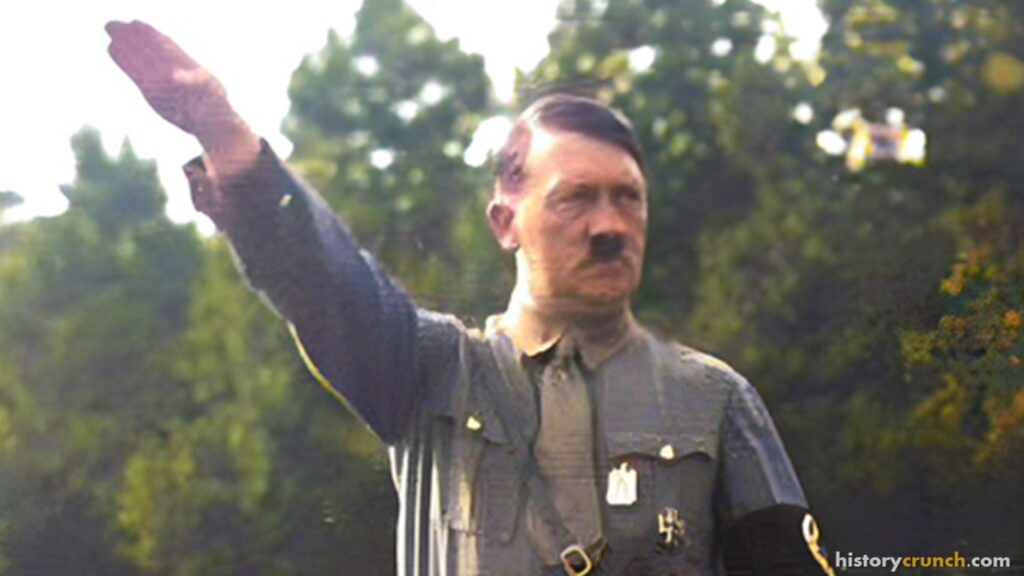
Finally, the Phoney War saw Britain undergo a political change when Winston Churchill replaced Neville Chamberlain as the Prime Minister of Britain. Neville Chamberlain was the British Prime Minister in the years before the start of World War II and is best known for his policy of ‘appeasement‘. This strategy saw the British essentially give in to the aggressive territorial demands of Adolf Hitler, the Nazi German leader. The policy of appeasementA policy of giving in to an aggressor’s demands in hopes of preventing further conflict. is generally seen as a failure, since it failed to prevent the outbreak of war. Once World War II had begun, the British people were seeking a change, which led to Winston Churchill.
While the Phoney War is known for being a time of limited military action in World War II, it should still be noted that some small-scale assaults did occur. For instance, France launched a minor assault into the Saar region of Germany in September of 1939 but quickly retreated. As well, the Battle of the Atlantic began almost immediately, as Nazi German U-boats attacked Allied shipping routes. For instance, Nazi Germany sank the British liner SS Athenia just hours after Britain declared war on September 3rd, 1939.
The Phoney War ended in the spring of 1940 when Nazi Germany invaded Denmark and Norway. This operation marked the start of full-scale conflict in Western Europe. One month later, on May 10th, 1940, Germany launched its invasion of France, Belgium, Luxembourg, and the Netherlands, using blitzkrieg tactics.
 FactsthatCrunch
It is September 3rd, 1939, and you are a senior Allied military commander advising the governments of Britain and France at the start of World War II. Germany has just invaded Poland and the two Allied nations have declared war, but no Allied troops have crossed into Germany. You must advise whether to strike Germany now while its army is occupied in Poland, to build up defenses and wait, or to push for a negotiated peace before full-scale war begins. The choice will shape how ready the Allies are when Germany turns its forces west.
Phoney War – Significance
As stated above, the Phoney War was an important part of the early months of World War II. In general, it displayed the lack of preparedness for war by Britain and France. They had been using the strategy of appeasement to try to avoid the outbreak of war. Appeasement saw the British and French essentially give in to Adolf Hitler’s territorial demands. The hope was that if given what he wanted, then Hitler would stop his aggressive expansionist actions. However, this strategy proved to be a failure, as it allowed Nazi Germany to rebuild its territory and military capabilities throughout the 1930s. The Phoney War displays the lack of military preparedness by the Allied nations, in that they were openly trying to avoid war throughout the 1930s.
Also, the Phoney War displayed the failure of the Allied nations to properly prepare and defend. As stated previously, Britain and France put much of their efforts into building and strengthening the Maginot Line. However, this proved to be a misguided use of resources because the Nazis avoided the main defenses of the Maginot Line when they pushed through the Ardennes Forest during the Battle of France. As such, the Phoney War revealed the flaws in Allied military planning.
Explore World War II · 1939 – 1945
Keep exploring World War II with these History Crunch resources.
Key Vocabulary
Blitzkrieg
U-boats
Maginot Line
Stalemate
Appeasement
Munitions
Mobilization
Frequently Asked Questions
What was the Phoney War?
The Phoney War was the early part of World War II when little fighting happened in Western Europe. It lasted from the declarations of war in September of 1939 until Germany attacked in the west in 1940. Both sides prepared for battle but avoided large ground clashes during this time.
When did the Phoney War take place?
The Phoney War ran from roughly September of 1939 to May of 1940, about nine months. It began after Britain and France declared war on Germany on September 3rd, 1939. It ended when Germany invaded Denmark and Norway in the spring of 1940.
Why was there so little fighting during the Phoney War?
British and French leaders were slow to attack because they feared another war as deadly as World War I. Many hoped for a negotiated settlement instead of a major battle. They also focused on defense, building up the Maginot Line rather than striking at Germany.
What was the Maginot Line?
The Maginot Line was a fortified line of French defenses along the border between France and Germany. France built it after World War I to deter a future German attack. It failed because German forces simply went around it through the Ardennes Forest in 1940.
How did the Phoney War end?
The Phoney War ended when Nazi Germany invaded Denmark and Norway in the spring of 1940. This marked the start of full-scale fighting in Western Europe. On May 10th, 1940, Germany launched a blitzkrieg attack on France, Belgium, Luxembourg, and the Netherlands.
Why is the Phoney War important?
The Phoney War showed how unprepared Britain and France were for war after years of appeasement. Their heavy focus on the Maginot Line proved to be a poor use of resources. It revealed major flaws in Allied military planning before the Battle of France.
Cite This Article
To cite this article as a source, use one of the formats below.
MLA: Beck, Elias. “Phoney War: A Detailed Summary.” HistoryCrunch, 2 October 2026, https://historycrunch.com/phoney-war/.
APA: Beck, E. (2026). Phoney War: A Detailed Summary. HistoryCrunch. https://historycrunch.com/phoney-war/
Chicago: Beck, Elias. “Phoney War: A Detailed Summary.” HistoryCrunch. October 2, 2026. https://historycrunch.com/phoney-war/
Sources
- Max Hastings, Inferno / All Hell Let Loose.
- Imperial War Museum
- Gerhard L. Weinberg, A World at Arms.
- The National WWII Museum