AppeasementA foreign policy strategy of giving in to an aggressive country’s demands in hopes of preventing war. before World War II refers to the foreign policy strategy used primarily by Britain and France in the 1930s to avoid conflict with Nazi Germany. The policy essentially worked by conceding to some of Adolf Hitler’s, the Nazi leader, demands. It was driven by the desire to maintain peace in Europe, especially in relation to the death and destruction caused by the events of World War I. Appeasement reached its peak under British Prime Minister Neville Chamberlain, who believed that giving into some of Hitler’s territorial demands would prevent another large-scale war. All of this eventually culminated in the Nazi Germany invasion of Poland in September of 1939, and the outbreak of World War II. As such, historians consider the failure of appeasement as a significant cause of World War II.
 FactsthatCrunch
Why Did Britain and France Follow a Policy of Appeasement?
Britain and France used appeasement because both nations had reduced their armies during the interwar years and faced serious economic problems that made them unwilling to fight. The memory of the massive death and destruction from World War I made leaders like British Prime Minister Neville Chamberlain extremely reluctant to enter another large-scale war. Giving in to some of Hitler's demands seemed, at the time, like a way to keep peace in Europe without the cost of armed conflict.
Appeasement Before World War II – Background
As stated above, the policy of appeasement was used in the years after World War I but before World War II. This time is known as the ‘interwar years‘ and is the general time frame for when the Nazi Party and Adolf Hitler took control of Germany. After rising to power in Germany, Hitler began to carry out aggression towards other nation-states in Europe and Hitler carried out actions that went against the general terms of the Treaty of Versailles.
The Western European democracies of Britain and France did not want to enter into a military conflict with Germany at this time as both had been reducing their armies and ability to wage war. Furthermore, the two countries also were facing economic struggles that made them reluctant to go to war. This lack of will to fight pushed both countries towards the policy of appeasement which involved giving into the demands of an aggressive country in the hopes that the aggression could be contained. The policy is closely linked to Neville Chamberlain who was the British Prime Minister at the time, as he is the one who proposed it as the best means of containing Nazi aggression and avoiding a world war.
 FactsthatCrunch
Appeasement Before World War II – Rhineland
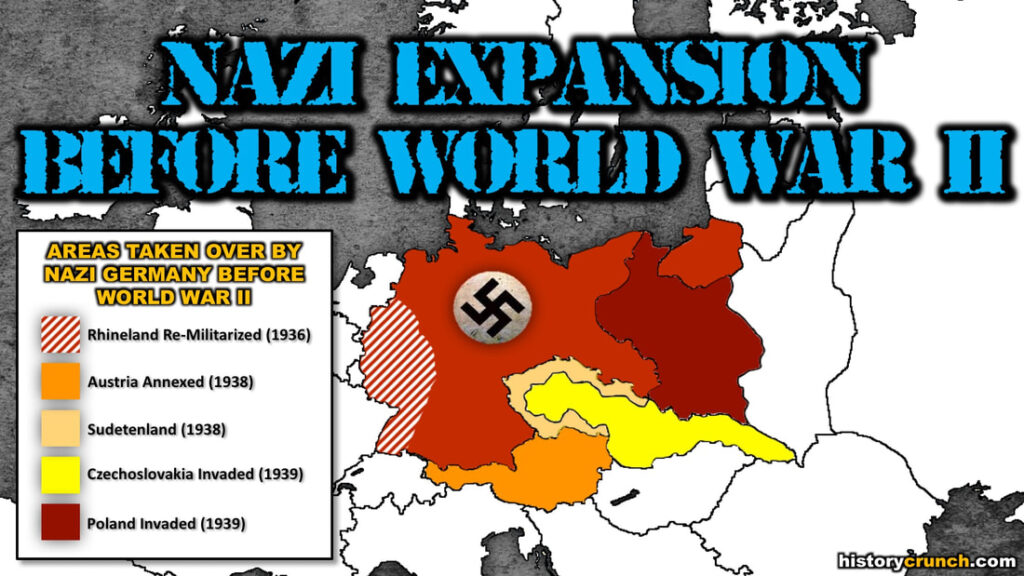
As stated previously, the policy of appeasement that was carried out by Britain and France is often considered to be one of the main causes of World War II. For instance, it began by Germany carrying out actions against the basic terms of the Treaty of Versailles, which Germany was forced to accept at the end of World War I. For example, one of the first steps Nazi Germany took during this period was to remilitarize the Rhineland.
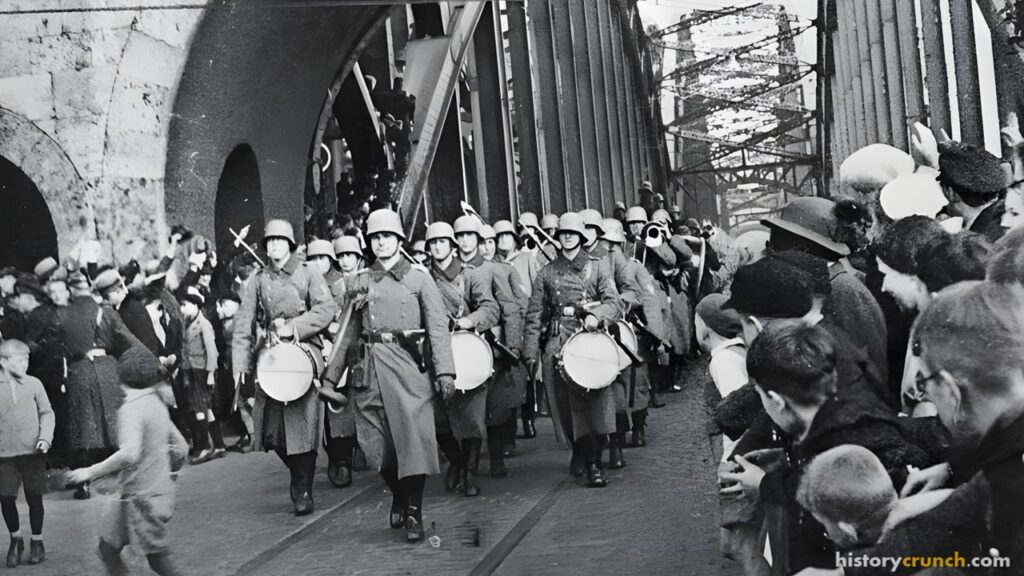
The Treaty of Versailles required Germany to keep the Rhineland (a region in Germany that bordered with France) free of any kind of military forces. However, on March 7th of 1936, Nazi Germany remilitarized the Rhineland under the direction of Adolf Hitler. France was angered by the move but lacked the ability to respond and did not have the support of Britain as Britain did not fully denounce the move. This lack of a response by both Britain and France to the remilitarization of the Rhineland only confirmed for Hitler that he would not be challenged as he expanded his aggression. As such, his success in remilitarizing the Rhineland emboldened him to carry out further aggressions.
 FactsthatCrunch
France lacked both the military readiness and British diplomatic backing needed to push back when Germany sent troops into the Rhineland in early 1936.
The Treaty of Versailles required Germany to keep the Rhineland free of military forces. On March 7th, 1936, Germany sent troops into the Rhineland in violation of that requirement. France was angry but did not act, and Britain did not fully condemn the move. This non-response was an early sign that the policy of appeasement was taking hold.
Appeasement Before World War II – Annexation of Austria
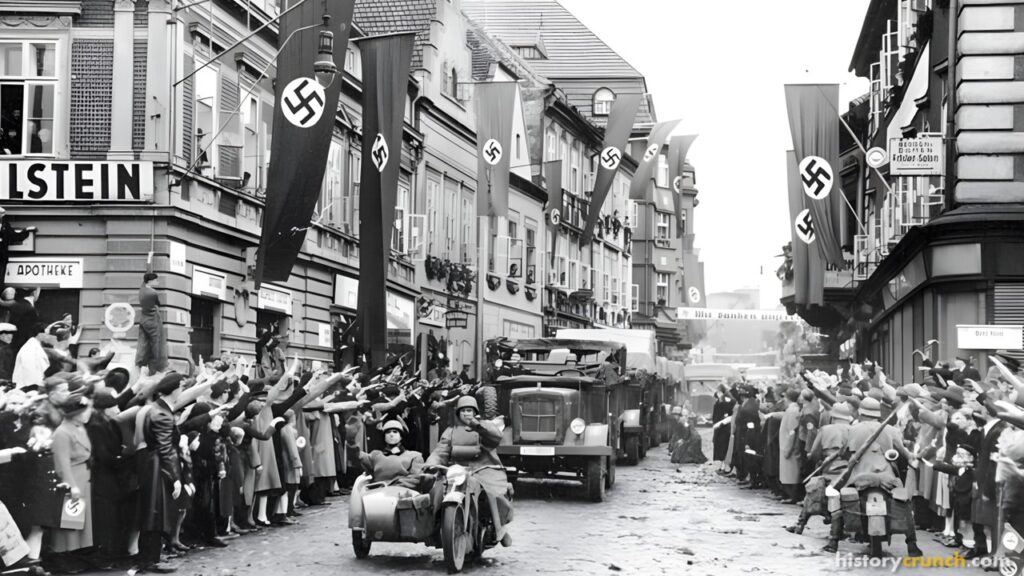
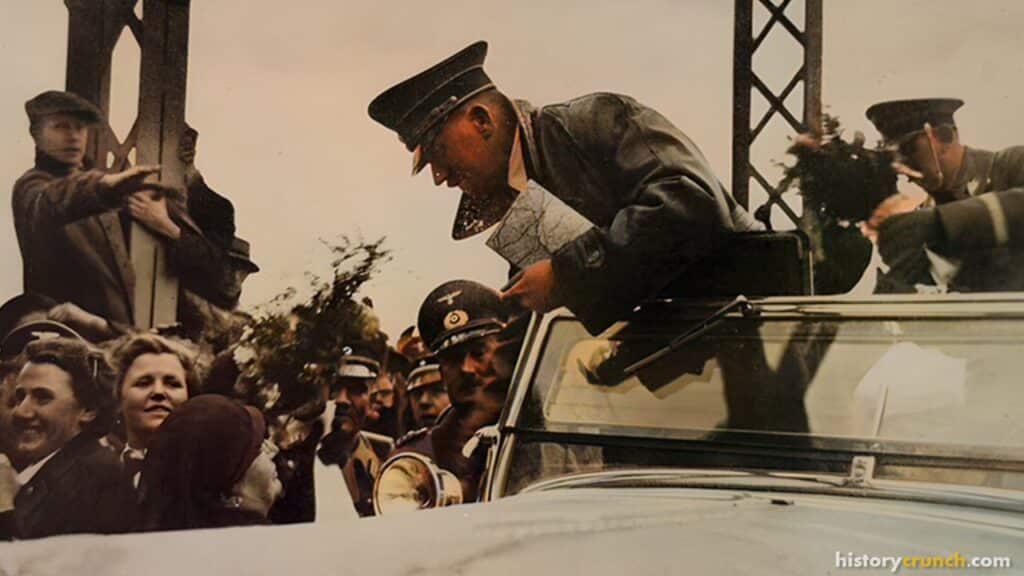
Next, Nazi Germany carried out the annexation of Austria in 1938. The Treaty of Versailles forbade Germany from uniting with Austria but Hitler, who was born in Austria, wanted to unite all German speaking people under his control. The German annexation of Austria was known as the ‘AnschlussThe Nazi German term for uniting all German-speaking people in the region, used to describe the annexation of Austria.‘ which was the Nazi German term for ‘bringing together all German speaking people’ in the region. In order to conquer Austria, Hitler threatened invasion of the nation-state and forced the Austrian Chancellor to hand power of the country over to the Austrian Nazi Party. After obtaining power the Austrian Nazis ‘invited’ the German forces into the country and the annexation of Austria was complete. Britain and France protested the move by Germany but did not respond in any meaningful way, which furthered Hitler’s belief that the Allied nations would not stop his aggression.
 FactsthatCrunch
What were the main effects of the Anschluss on Austria and its people after Nazi Germany took control in 1938?
Appeasement Before World War II – Munich Conference
The policy of appeasement unfolded again with the German aggression towards Czechoslovakia in 1938. Czechoslovakia, as a country, was created after World War I and parts of it included German-speaking people, such as the SudetenlandA region of western Czechoslovakia with a large ethnic German population that Hitler demanded control over.. Again, Hitler pressured Europe with his military aggression in the goal of uniting all German-speaking peoples under the control of the Nazis.
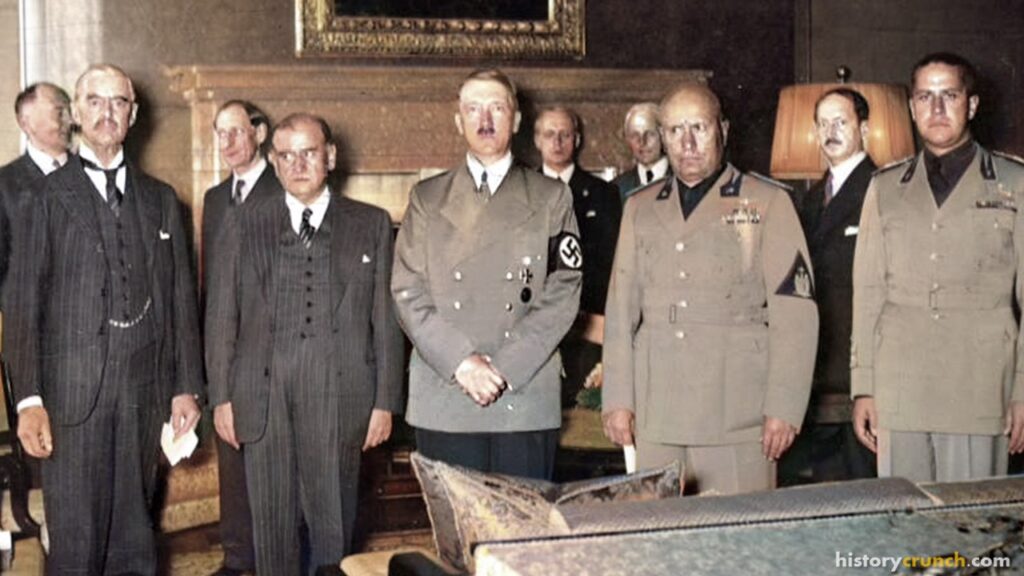
A two-day conference in Munich was held in 1938 in which the leaders of Britain, France, Italy and Germany met to discuss Germany’s desire to take over the Sudeten region. The deal was an even bigger defeat for the Western powers, as they allowed Hitler with no resistance to take over the Sudeten region. As well, the outcome of the conference angered Czechoslovakia as they were not allowed to represent themselves and their interests at the time. Western powers had pledged to protect Czechoslovakia, but failed to follow through and left the meeting relying on Hitler’s written promise that Germany would not seek any more territory in Europe.
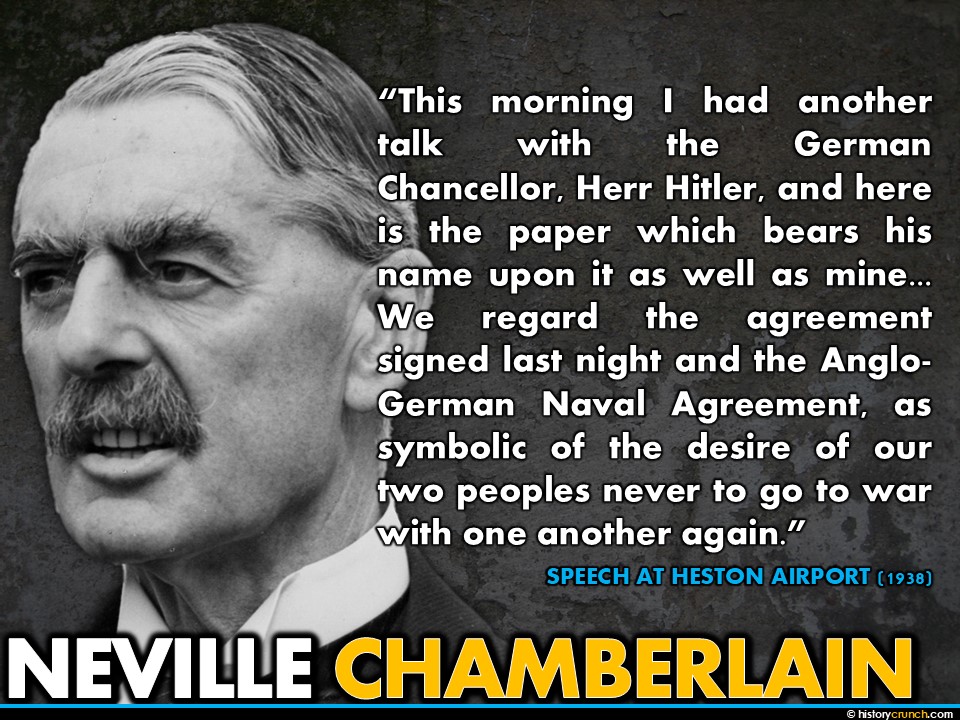
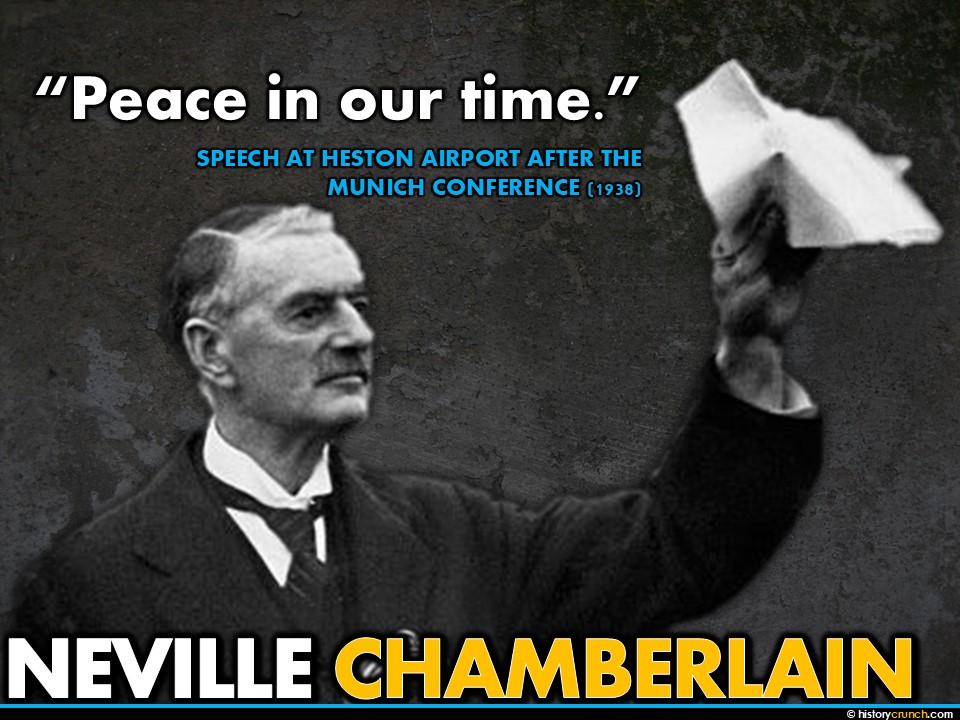
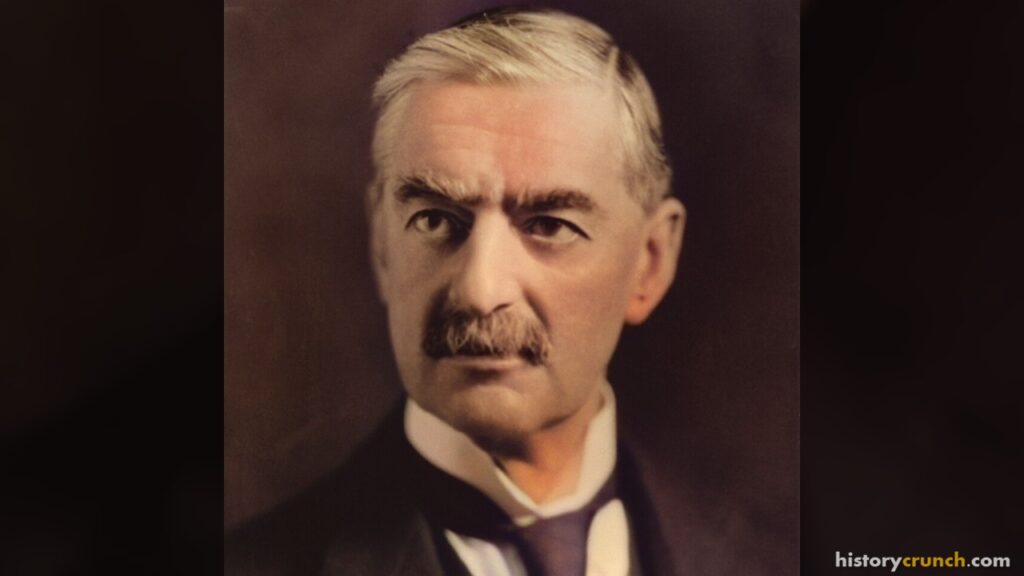
The Munich Conference was an embarrassment for Neville Chamberlain, who returned to Britain and announced that he had helped ensure ‘peace in our time’ while holding up the agreement signed by Hitler. For Hitler, the conference furthered his belief that the Western democracies were weak and that they would not act in the face of Nazi aggression. Germany soon took control over the remainder of Czechoslovakia through a series of invasions.
Appeasement Before World War II – Czechoslovakia
Initially, under the terms of the Munich Conference of 1938, Britain and France allowed Hitler to annex the Sudetenland, which was a region of western Czechoslovakia with a significant ethnic German population. Despite promises that he had ‘no more territorial demands’, Hitler violated the terms of the Munich Conference just six months later. On March 15th, 1939, German troops invaded and occupied the rest of Czechoslovakia, including Bohemia and Moravia. Meanwhile, Slovakia was forced to declare independence as a German puppet state. This displayed the failure of appeasement as a foreign policy, as Hitler’s ambitions were clearly not limited to German-speaking lands.
FactsthatCrunchOn March 15th, 1939, Germany took over the rest of Czechoslovakia, less than six months after the Munich Agreement.
It was the first time Hitler seized land where most people were not German, and it convinced Britain and France that appeasement had failed. Two weeks later, on March 31st, 1939, Britain and France promised to defend Poland.
Appeasement Before World War II – Nazi Germany Invasion of Poland
Controlling Czechoslovakia was not Hitler’s final wish as he also wanted to take Poland. Poland was also created at the end of World War I and actually divided parts of Germany from one another. East Prussia was divided from the rest of Germany when Poland was granted a corridor of land so that it could have access to the sea. In hopes of further avoiding a conflict with the major powers of Europe Hitler signed a non-aggression pactAn agreement between two countries promising not to attack each other, such as the Molotov-Ribbentrop Pact. (Molotov-Ribbentrop Pact) with Joseph Stalin of the Soviet Union. The Soviet Union had a mutual defense agreement with France and Hitler hoped that a non-aggression pact with the Soviet Union would help Germany avoid fighting a two-front war should the other powers of Europe move to stop German aggression.
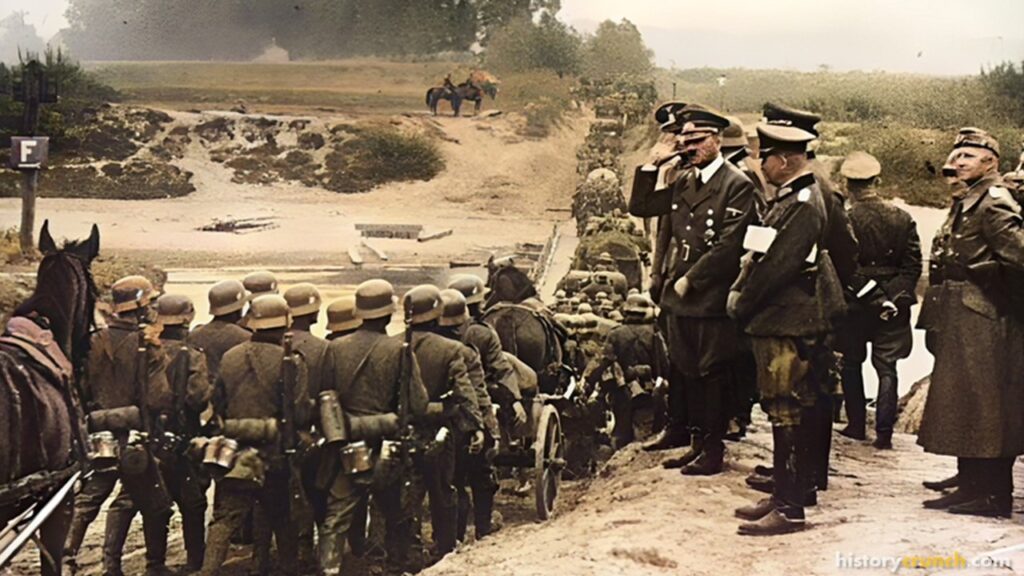
Next, German forces invaded Poland on September 1st, 1939 and used blitzkriegA rapid, overwhelming military attack using fast-moving forces, used by Germany when invading Poland. tactics to conquer the nation. This action was what finally caused the Allied nations to stand up against Germany as Britain and France both declared war on Germany on the 3rd of September. Europe was again at war, only two decades after the end of the First World War.
Can you put these steps of Nazi expansion before World War II in the correct order?
Appeasement Before World War II – Significance
Once World War II was over, the policy of appeasement that was practiced before the war was criticized because it was thought that it directly and indirectly helped Nazi Germany to strengthen its economy and military. Some historians have argued that if the British and French had acted earlier than the German invasion of Poland, then they may have been able to stop Hitler and the Nazis and avoided the devastation of World War II. As such, many now look to the failure of appeasement as a reason to not use the same foreign policies in modern-day global conflicts. On the other hand, defenders of the policy argued that appeasement was a reasonable approach to avoid the bloodshed of global war and that Britain and France were faced with no other alternative since they lacked the military forces to properly confront Germany.
 FactsthatCrunch
Key Vocabulary
Appeasement
Interwar years
Remilitarize
Anschluss
Sudetenland
Blitzkrieg
Non-aggression pact
Frequently Asked Questions
What was the policy of appeasement?
Appeasement was a foreign policy that gave in to some of Adolf Hitler’s demands to avoid war. Britain and France used it mainly in the 1930s, during the years between the two world wars. The goal was to keep peace in Europe and prevent another conflict like World War I.
Why did Britain and France use appeasement?
Britain and France used appeasement because they wanted to avoid another costly war. Both nations had reduced their armies and faced serious economic problems in the 1930s. The memory of the death and destruction of World War I also made leaders very reluctant to fight.
What happened at the Munich Conference?
At the Munich Conference in 1938, Britain and France let Hitler take the Sudetenland region of Czechoslovakia. The leaders of Britain, France, Italy, and Germany met, but Czechoslovakia was not allowed to speak for itself. Neville Chamberlain returned home claiming he had secured “peace in our time,” but the peace did not last.
Why did appeasement fail?
Appeasement failed because Hitler kept breaking his promises and seizing more territory. Just six months after Munich, German troops took the rest of Czechoslovakia on March 15th, 1939. This showed that his ambitions reached beyond German-speaking lands, and giving in only made him bolder.
What finally ended the policy of appeasement?
The German invasion of Poland on September 1st, 1939 ended appeasement. Britain and France had promised to protect Poland and could no longer ignore Hitler’s aggression. Both nations declared war on Germany on September 3rd, 1939, which began World War II in Europe.
What were the first steps Hitler took against the Treaty of Versailles?
One of Hitler’s first moves was to remilitarize the Rhineland on March 7th, 1936. The Treaty of Versailles had required this region near France to stay free of military forces. France was angry but did not act, and Britain did not fully condemn the move, which encouraged Hitler to push further.
Cite This Article
To cite this article as a source, use one of the formats below.
MLA: Beck, Elias. “Appeasement Before World War II: A Detailed Summary.” HistoryCrunch, 1 October 2026, https://historycrunch.com/appeasement-before-world-war-ii/.
APA: Beck, E. (2026). Appeasement Before World War II: A Detailed Summary. HistoryCrunch. https://historycrunch.com/appeasement-before-world-war-ii/
Chicago: Beck, Elias. “Appeasement Before World War II: A Detailed Summary.” HistoryCrunch. October 1, 2026. https://historycrunch.com/appeasement-before-world-war-ii/
Sources
- Gerhard L. Weinberg, A World at Arms.
- Antony Beevor, The Second World War.
- Imperial War Museum