Despite the fact that Germany was a powerful country at the start of World War I in 1914 it was still unable to win the overall war. The outcome of World War I was influenced by a combination of factors, including military strategies, economic conditions and morale. Germany, despite early successes in the First World War, ultimately faced defeat due to a combination of internal and external factors. This article delves into the key reasons and aims to answer the question: ‘Why did Germany lose World War I?’
 FactsthatCrunch
Britain held a clear lead in dreadnoughts by 1914, with 29 to Germany's 17, while Germany held the edge in total army size. The two sides built up their forces in direct response to each other, deepening the rivalry that helped push Europe toward war.
Why Did Germany Lose World War I? – Military Reasons
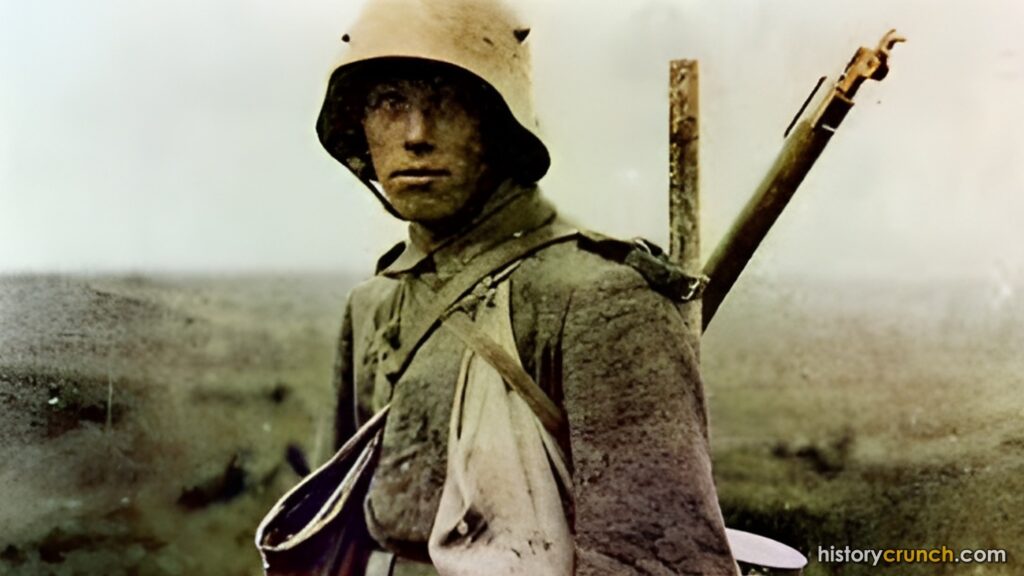
At the outbreak of the war Germany’s army was well-trained and had over 4 million soldiers. The country was well-known for its military might in the years before the outbreak of World War I and proved a difficult opponent on the battlefields of Europe. Its army is what helped Germany last through the miserable four years of fighting on the Western and Eastern Fronts of the war.
However, Germany lacked the colonies of both France and Britain which meant that it did not have the vast natural resources or colonial populations that either of those countries had. In 1914, Britain and France both had far larger overseas empires than Germany. Having these empires allowed both Britain and France to continue fighting for much longer as they were able to use the colonial resources to restock the war effort and they were able to use soldiers from their empires to help fight on the fronts in Europe.
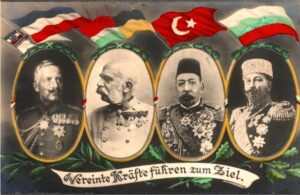
In fact, in World War I Germany found itself facing a strong coalitionA group of different countries that join together to fight a shared enemy. of Allied Powers, including France, Britain, Russia, and later the United States. The combined resources, manpower, and industrial capacity of the Allies outweighed those of Germany and its Central Powers allies. The Allies coordinated their efforts effectively, launching offensives on multiple fronts and gradually wearing down German forces.
 FactsthatCrunch
In 1914, Britain and France both had far larger overseas empires than Germany, and that difference mattered once the war dragged on.
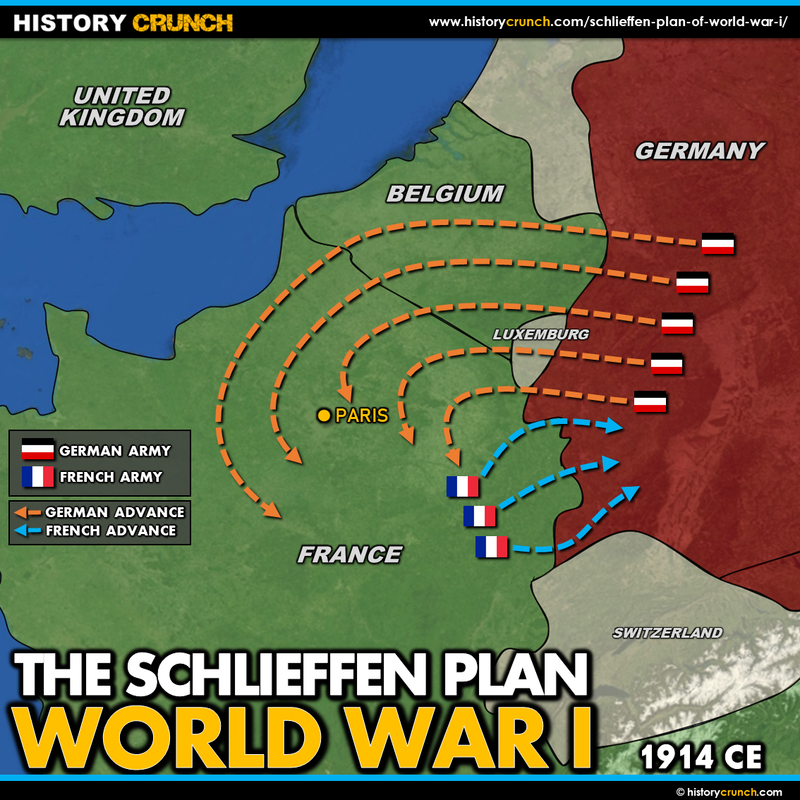
Why Did Germany Lose World War I? – Failure of the Schlieffen Plan
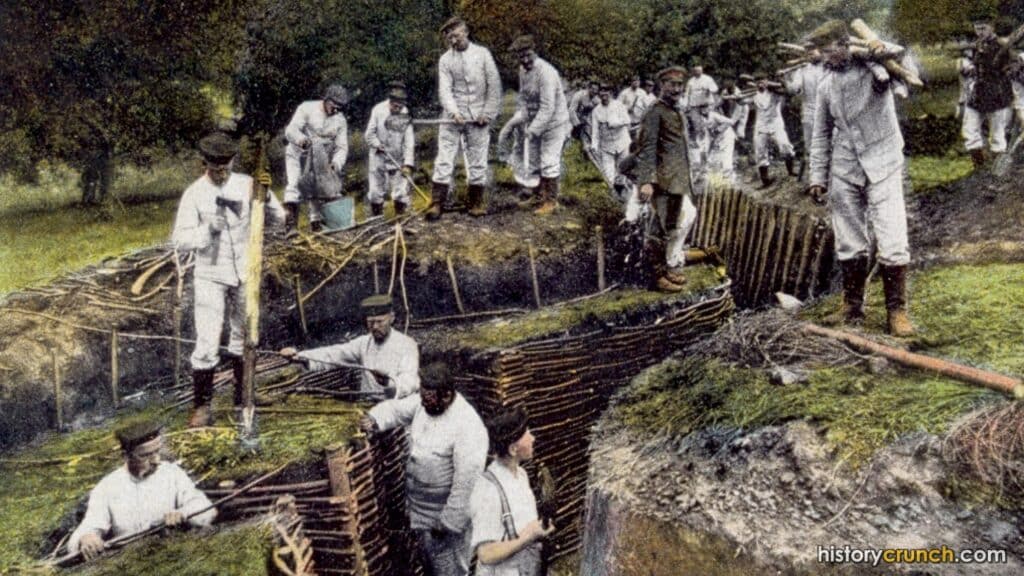
At the start of the war in 1914, Germany planned to end the war as quickly as possible. For instance, Germany attempted to knock France out of the war first through the use of the Schlieffen Plan. The German plan of attack called for Germany to invade France through Belgium and to force France out of the fighting of the war. Then Germany could turn its attention towards Russian forces in the east and avoid fighting a two-front war. The Schlieffen PlanGermany’s strategy to quickly defeat France by invading through Belgium before turning to fight Russia. failed due, in part, to French resistance at the First Battle of the Marne on the Western Front. This ultimately resulted in four years of trench warfare, which World War I has become known for. The failure of the Schlieffen Plan ultimately forced Germany to fight a two-front war from which they could not overcome and did not have the colonies or production to support the war effort over a prolonged period.
 FactsthatCrunch
Why Did Germany Lose World War I? – Naval Warfare
The next reason for Germany’s failure in World War I was related to naval warfare in the North Atlantic. For instance, the British had naval superiority at the time of World War I and carried out a naval blockadeA military action where one country uses its ships to stop supplies from reaching an enemy nation. that effectively cut off Germany from crucial imports of food, raw materials, and other resources. This blockade, combined with the British Royal Navy’s control of sea lanes, severely hindered Germany’s ability to sustain its war effort. The resulting shortages, inflation, and economic hardship destabilized German society and undermined morale on the home front.
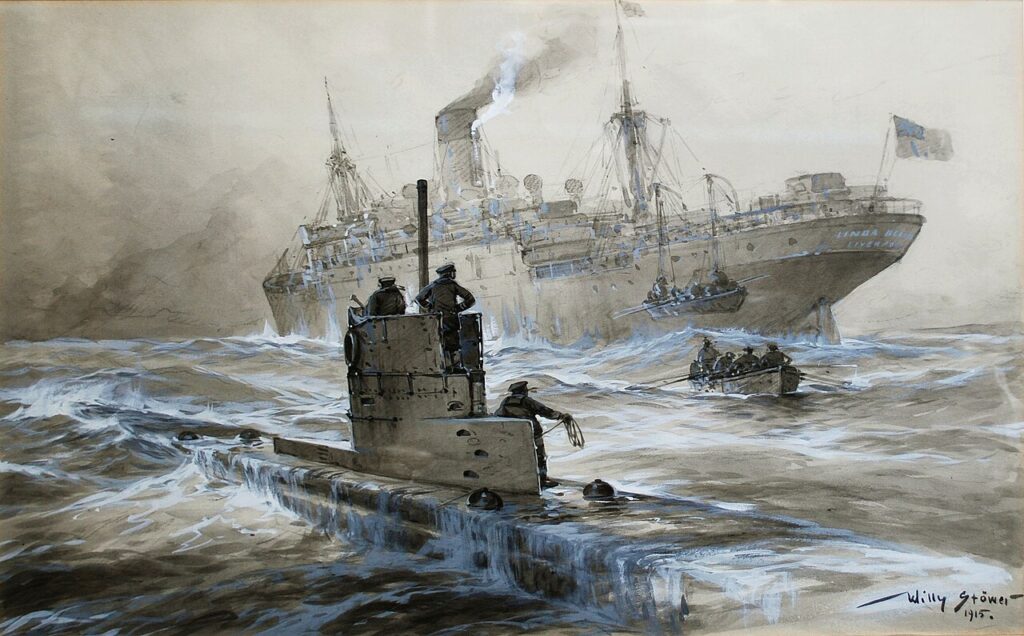
As well, Germany’s decision to carry out submarine attacks against Allied merchant ships in the Atlantic Ocean during the war also proved disastrous. For example, Germany launched numerous U-boatsGerman submarines used during World War I to attack Allied and neutral merchant ships. (submarines) during World War I and used them to try to force Britain from the war. Britain, an island nation, depended upon merchant ships from Canada and the United States to maintain its supplies for the war effort and for the home front. Germany hoped that by attacking these merchant ships they could force Britain to withdraw from the war and help improve the German situation in the trenches of the Western Front.
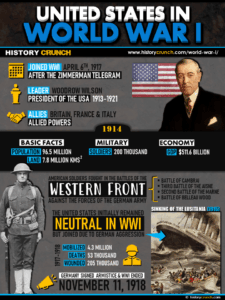
However, the German plan ultimately caused the United States to join the war effort on the side of the Allied Powers after German U-boats repeatedly sunk ships that contained American citizens. The arrival of American troops to the frontlines of World War I in 1917 helped drive the Allied advance in the final stages of the war. This ultimately caused Germany to accept the terms of the armisticeAn agreement between enemies to stop fighting, ending a war without a formal peace treaty. on November 11th, 1918.
 FactsthatCrunch
All sea traffic in the zones around Great Britain, France, Italy and in the Eastern Mediterranean will, from February 1, 1917 onward, be prevented. All ships within these zones will be exposed to all means of warfare.
What made Germany's decision to resume unrestricted submarine warfare in World War I a turning point that ultimately hurt Germany's own war effort?
Why Did Germany Lose World War I? – Internal Issues
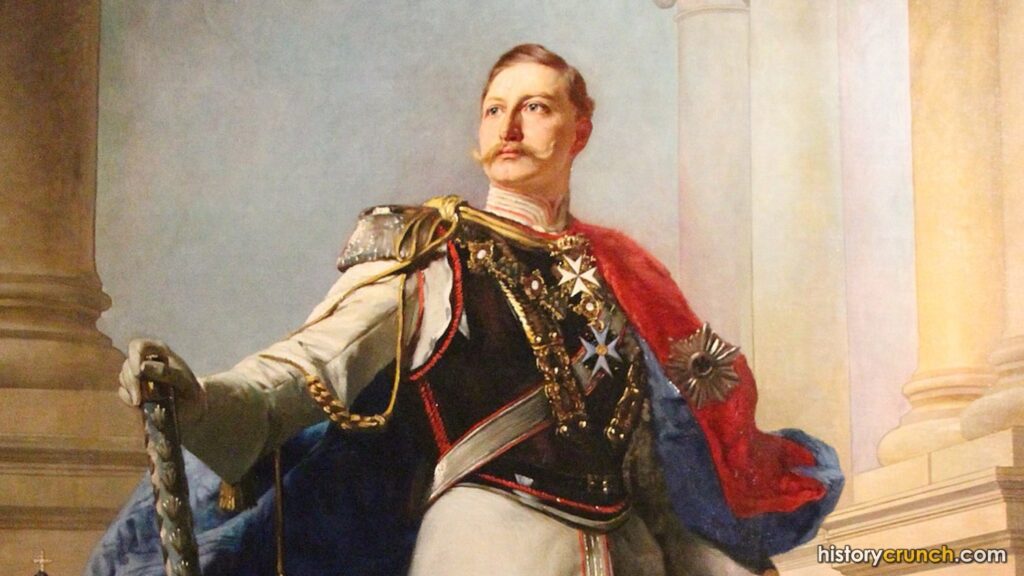
Finally, Germany faced internal dissent and revolutionary upheaval on the home front, further weakening its war effort. Widespread anger among the German population, fueled by food shortages, low morale for the continuation of the war, erupted into strikes and protests among soldiers and civilians. In fact, the November Revolution of 1918 led to the abdicationWhen a ruler officially gives up their throne and power. of German Kaiser Wilhelm II and the establishment of the Weimar Republic, paving the way for Germany’s surrender.
 FactsthatCrunch
Abdication is when a ruler formally gives up their throne and all official power that comes with it. The ruler steps down and can no longer act as the head of government or state. This is a permanent and official act, not a temporary absence.
In November 1918, as strikes and protests spread across Germany during the November Revolution, Kaiser Wilhelm II abdicated the throne, ending the German monarchy and leading to the creation of the Weimar Republic.
Key Vocabulary
Coalition
Schlieffen Plan
Naval blockade
U-boats
Abdication
Armistice
Weimar Republic
Frequently Asked Questions
When did Germany lose World War I?
Germany accepted the terms of the armistice on November 11th, 1918, which ended the fighting. By then, its army was exhausted and its people faced food shortages and unrest at home. The November Revolution of 1918 had also forced Kaiser Wilhelm II to give up his throne.
Why did the Schlieffen Plan fail?
The Schlieffen Plan failed partly because of French resistance at the First Battle of the Marne. Germany hoped to defeat France quickly by attacking through Belgium, then turn east to face Russia. When the plan broke down, Germany was trapped in a two-front war and years of trench fighting.
How did the British naval blockade affect Germany?
The British naval blockade cut Germany off from food, raw materials, and other vital imports. This caused shortages, rising prices, and economic hardship across the country. Over time these problems lowered morale at home and made it harder for Germany to keep fighting.
Why did the United States join World War I?
The United States joined the Allies after German U-boats repeatedly sank ships carrying American citizens. Germany had used submarines to attack merchant ships supplying Britain, hoping to force Britain out of the war. Instead, American troops arrived in 1917 and helped drive the final Allied advance.
How did colonies give the Allies an advantage?
Britain and France held far more colonies than Germany, which gave them more resources and manpower. In 1914, Britain had five times as many colonies as Germany, and France had over two times as many. These empires let the Allies restock their war effort and bring in soldiers from overseas.
How large was Germany’s army at the start of the war?
Germany began World War I in 1914 with a well-trained army of more than 4 million soldiers. This military strength made Germany a tough opponent on both the Western and Eastern Fronts. Even so, it could not match the combined resources and industry of the Allied Powers.
Cite This Article
To cite this article as a source, use one of the formats below.
MLA: Beck, Elias. “Why Did Germany Lose World War I?: A Detailed Summary.” HistoryCrunch, 28 September 2026, https://historycrunch.com/why-did-germany-lose-world-war-i/.
APA: Beck, E. (2026). Why Did Germany Lose World War I?: A Detailed Summary. HistoryCrunch. https://historycrunch.com/why-did-germany-lose-world-war-i/
Chicago: Beck, Elias. “Why Did Germany Lose World War I?: A Detailed Summary.” HistoryCrunch. September 28, 2026. https://historycrunch.com/why-did-germany-lose-world-war-i/
Sources
- Margaret MacMillan, The War That Ended Peace.
- John Keegan, The First World War.
- Fordham Modern History Sourcebook
- Hew Strachan, The First World War.