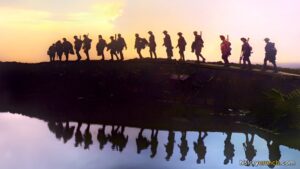
The Italian Front of World War I was the line of fighting that occurred along the northern border of Italy with Austria-Hungary. World War I was a global conflict that was fought on several fronts, including the Western Front, Eastern Front and Italian Front. The Italian Front was also referred to as the ‘Alpine Front’ because much of the fighting took place in mountainous regions and along valleys in the Alps Mountains. The Italian Front developed when Italy joined the war effort in 1915 and continued until 1918 when World War I ended. During that time, the Italian Front primarily resulted in fighting and battles between Italy and Austria-Hungary.
Formation of the Italian Front of World War I
World War I erupted during the summer of 1914 in an event that historians refer to as the July Crisis. In short, this crisis was caused by the assassination of Austrian Archduke Franz Ferdinand, which led to the major European powers engaging in a conflict. As stated above, prior to the start of World War I, Italy was actually a member nation of the Triple Alliance, alongside Germany and Austria-Hungary. However, at the start of the war in 1914, Italy remained neutralChoosing not to join or support either side in a war or conflict. and eventually joined the Allied Powers in 1915.
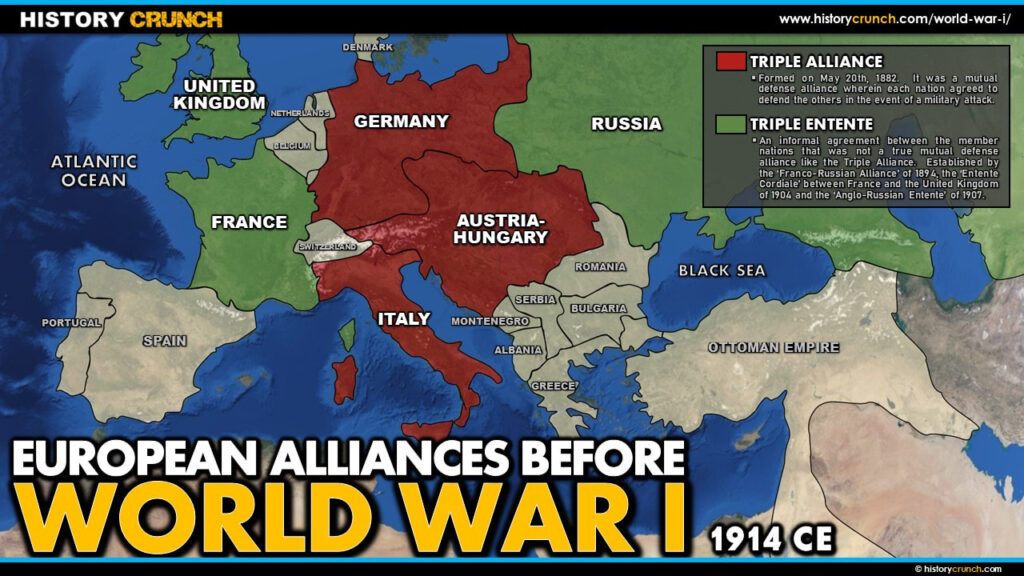
Italy sided with the Triple Entente as it considered Austria-Hungary to be the aggressor in the lead up to World War I. This is because, following Ferdinand’s death, Austria-Hungary began taking aggressive actions against Serbia, which was located in the Balkans. As a result, Italy later declared war against Austria-Hungary and joined the Allied Powers alongside France, Britain and Russia. More specifically, Italy officially left the Triple AllianceA pre-war agreement binding Italy, Germany, and Austria-Hungary together as allied nations. on May 3rd, 1915. This was following the secret agreement between Italy and the Triple Entente powers that led to the Treaty of LondonA secret April 1915 agreement that brought Italy into the war on the side of the Allied Powers., which occurred in April of 1915. On May 23rd, 1915, Italy declared war on Austria-Hungary and joined the war effort on the side of the Allied nations. This effectively created the Italian Front.
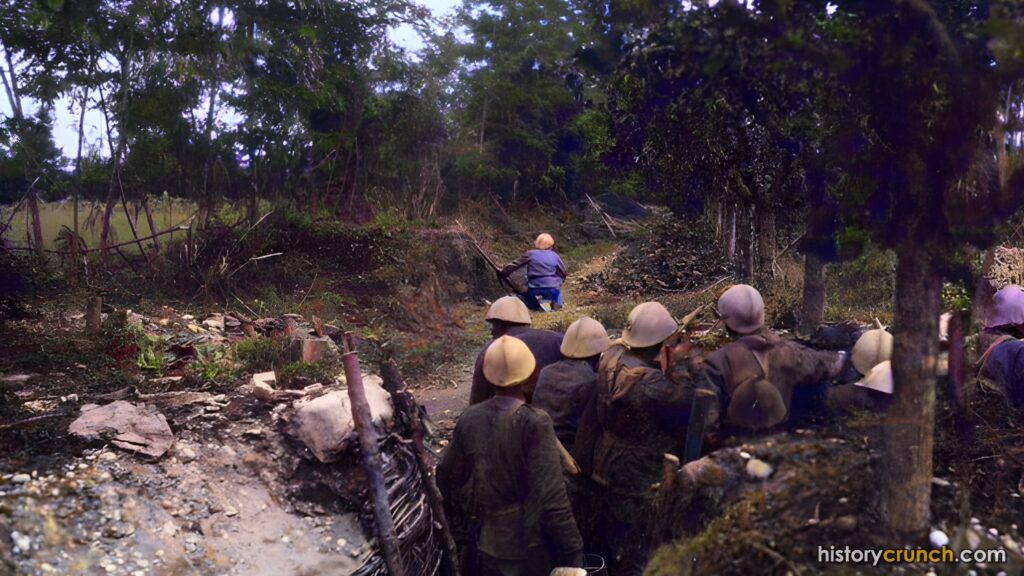
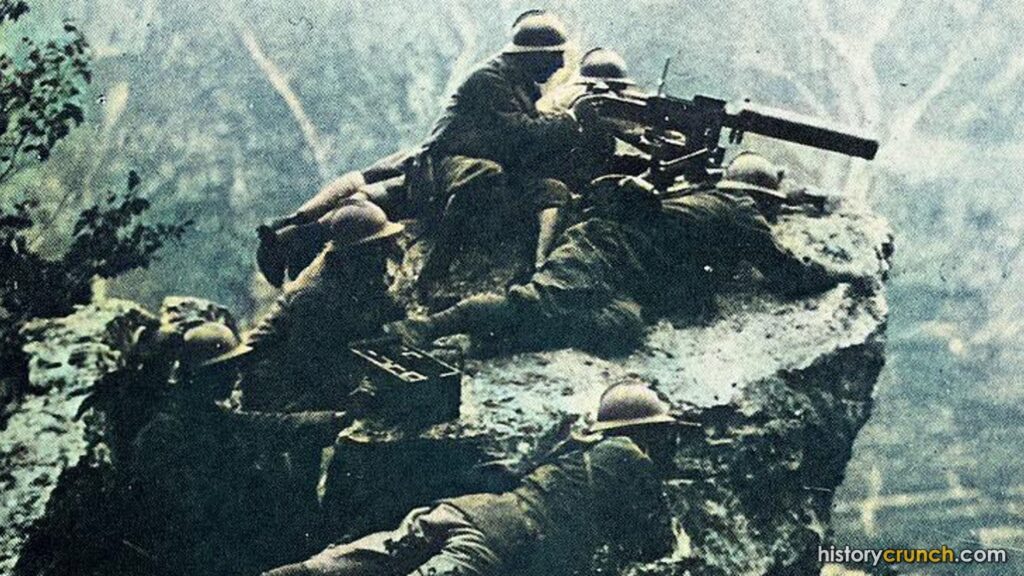
The Italian Front was mostly centered in northeastern Italy on its border with Austria-Hungary. The location was mountainous due to the geography of the Alps Mountains. At the time, Italy wanted to gain control over sections of the region due to a rising sense of nationalism. The terrain of the region was very mountainous. As such, many of the battles that Italy and Austria-Hungary participated in occurred on mountain ranges and in valleys.
 FactsthatCrunch
Battles of the Italian Front of World War I
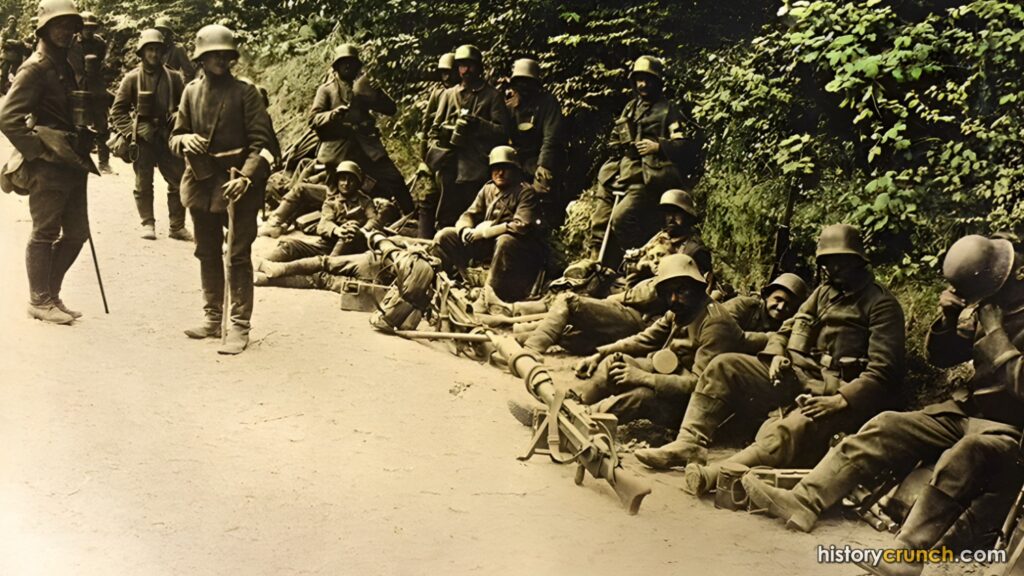
The Italian Front was not as large or complex as the Western Front or Eastern Front but it was the site of some significant battles of World War I. In fact, the Italian Front involved fighting from 1915 until 1918. For example, the most significant battle of the Italian Front is the Battle of Caporetto and is included in the list below. While there were many more battles than this, the Battle of Caporetto was the most important. Other significant battles of the Italian Front included the Twelve Battles of Isonzo and the Battle of Vittorio Veneto. In fact, the Battle of Caporetto was the Twelfth Battle of Isonzo. Click on the links below to learn more information about the Battle of Caporetto.
Which World War I battle was also known as the Twelfth Battle of the Isonzo?
Trenches of the Italian Front of World War I
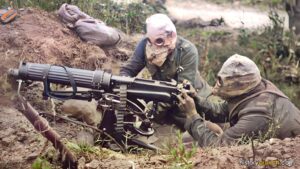
A common feature of warfare in World War I was the construction of trenches. Trenches were long ditches that the respective armies dug into the ground in an attempt to gain defensive protection from enemy fire. Throughout World War I, the trench system was used on all fronts of the war, including the Italian Front. With that said, the Italian Front differed greatly from the more famous Western Front in terms of the extent of the trench systems and the movement of the front.
The Western Front was dominated by trench warfare and developed into a stalemateA deadlock in which neither side can gain ground or win, so the fighting stops moving. between the different sides that saw little or no movement of the front for the duration of most of World War I. On the other hand, the trench system on the Italian Front never developed to the same degree. This was due mostly to the geography of the Italian Front, which differed greatly from the other fronts of World War I.
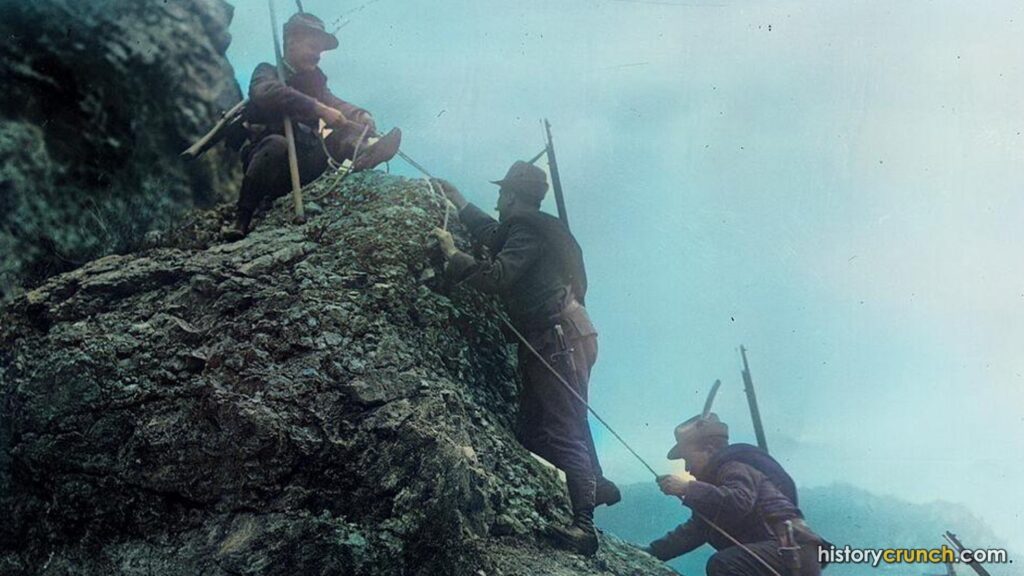
For example, the geography of the Italian Front was extremely mountainous. The Italian Army faced off against the Austro-Hungarian Army in the Alps Mountains, which involved high alpine conditions. As such, the soldiers of the Italian Front had to contend with much different conditions than those on other fronts. For instance, the trenches of the Italian Front were often cut straight into the sides of the mountain, and were generally constructed out of rock. The respective armies positioned their trenches on mountainsides and in valleys in hopes of gaining the high ground against their enemy. As a result, mountain climbing and other high altitude strategies were important tactics used by the soldiers. Furthermore, glaciers and snow-capped mountaintops were also a common feature of the Italian Front. As such, not only was geography different for the soldiers on the Italian Front, but so was the climate.
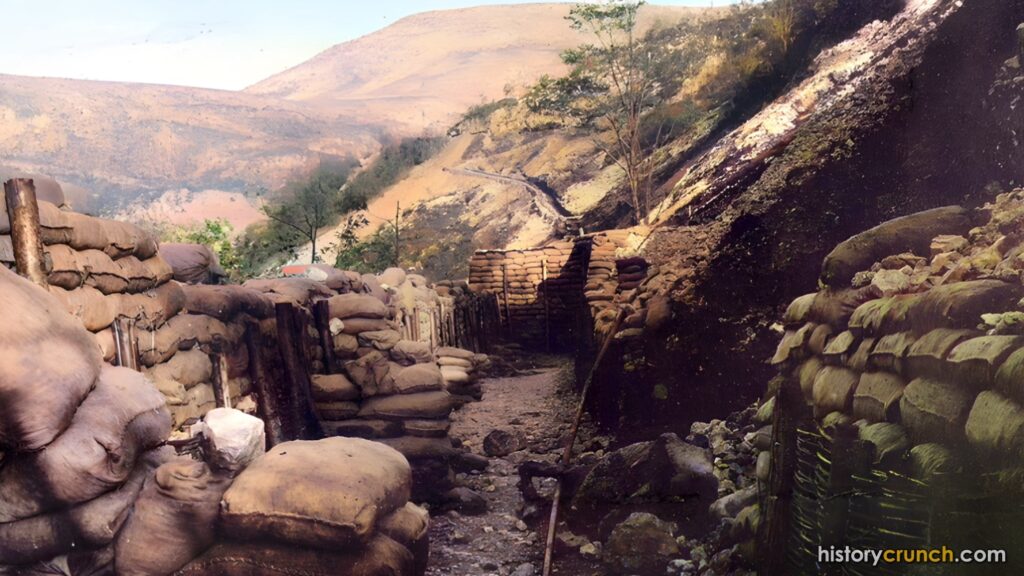
Tunneling was also an important part of the warfare on the Italian Front. Italian and Austro-Hungarian miners tunneled through the rock and mountains of the region in order to gain protection and cover from enemy fire. The tunnels were also used as a means of storage for supplies and men. For instance, the armies sometimes mined tunnels as a means of creating living quarters for officers and soldiers. Finally, tunneling was used in the Italian Front as a direct means of warfare. For example, soldiers from both sides would tunnel into, and under, no man’s land, in order to plant explosives. These explosives were then detonated as a means of destroying the enemy line of trenches.
 FactsthatCrunch
Tap each impact to read what it led to.
Significance of the Italian Front of World War I
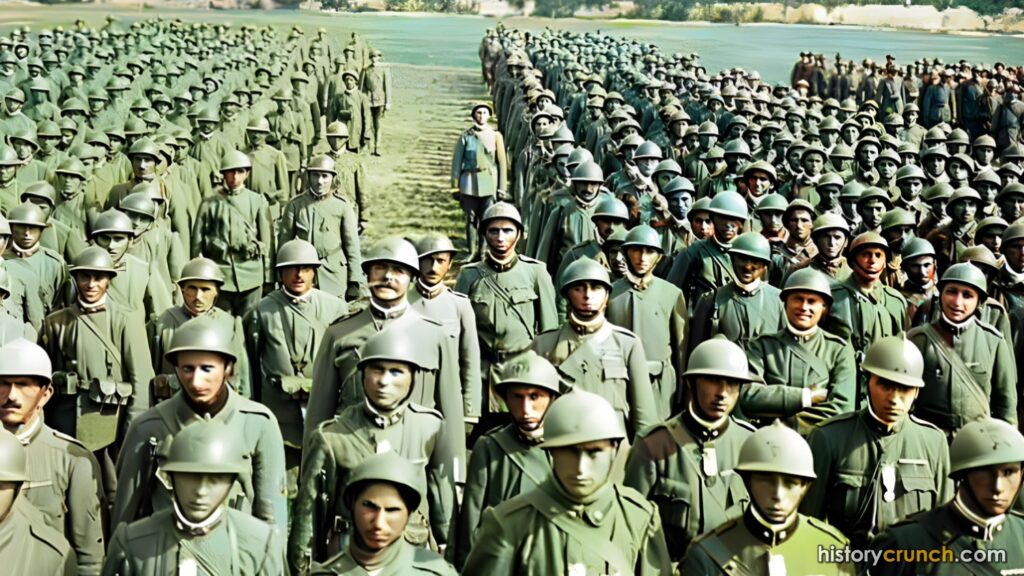
The Italian Front was an incredibly significant conflict in the overall events of World War I. For instance, the Italian Front was active in fighting and involved some important battles of the war. The fighting along the Italian Front occurred from May 23rd, 1915 until November 4th, 1918. During this time, millions of soldiers participated for both the Allied Powers and the Central Powers in the battles, which led to many casualtiesSoldiers and civilians killed, wounded, captured, or missing because of war. of the war. For example, historians estimate that the Allied Powers suffered approximately 2.1 million casualties and the Central Powers suffered 2.3 million casualties. There were also numerous civilian losses, especially for Italy.
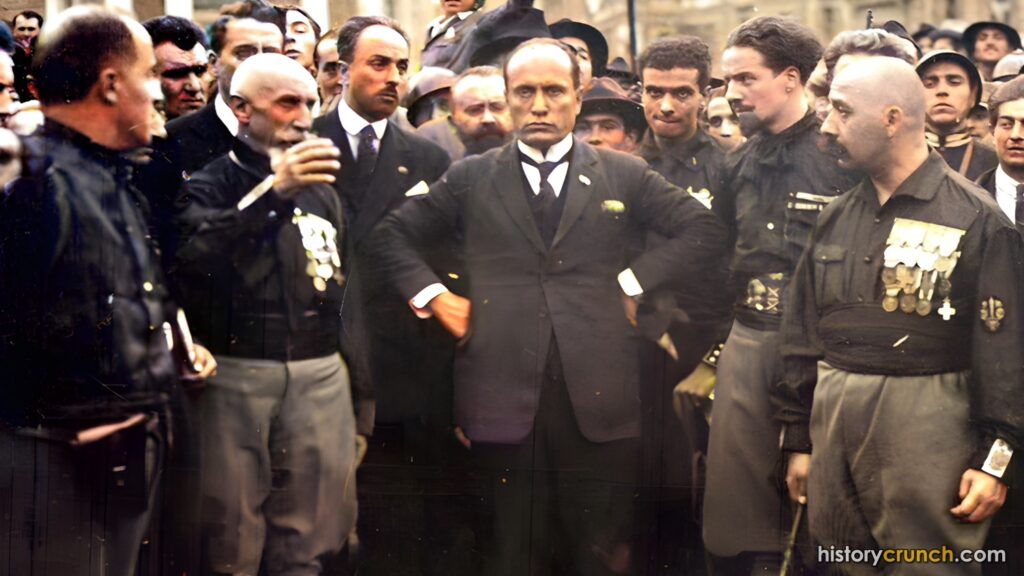
While the Italian Front was not as large or devastating as the Western Front or Eastern Front, it was still important to the overall events of World War I. For instance, nationalism played a key role on the Italian Front in World War I, and eventually led to the events of World War II. Nationalists in Italy wanted the country to gain control over more territory on its northern border that had previously been controlled by the Austro-Hungarian Empire. At the end of the war, Italy sought to gain access to this land and argued for more control in the region. In fact, some of Italy’s frustrations at the end of World War I were due to it not receiving control over more of these new territories. This led to further increases in Italian nationalism and the rise of more extremist forms of nationalism. For example, Benito Mussolini and his fascistRelating to an extreme nationalist movement that demands total loyalty to the state and a single strong leader. ideology rose to prominence in Italy in the early 1920s, just after the end of World War I. Mussolini was a key figure in the events of World War II.
 FactsthatCrunch
Both sides suffered millions of casualties on the Italian Front between May 23rd, 1915 and November 4th, 1918, but the two sides differed in their forces, losses, and roles.
Key Vocabulary
Triple Alliance
Neutral
Treaty of London
Stalemate
No man’s land
Casualties
Fascist
Frequently Asked Questions
Why did Italy join World War I on the side of the Allies?
Italy joined the Allies because it saw Austria-Hungary as the aggressor before the war. Italy had been part of the Triple Alliance with Germany and Austria-Hungary, but it stayed neutral in 1914. After signing the secret Treaty of London in April of 1915, Italy declared war on Austria-Hungary on May 23rd, 1915.
Where was the Italian Front located?
The Italian Front ran along Italy’s northeastern border with Austria-Hungary. Much of the fighting took place in the Alps Mountains, so it was also called the “Alpine Front.” Soldiers battled across steep mountainsides and valleys instead of the flat ground seen on other fronts.
What was the most important battle of the Italian Front?
The Battle of Caporetto was the most important battle of the Italian Front. It was also the Twelfth Battle of Isonzo, part of a long series of clashes along the Isonzo River. Other major battles included the Twelve Battles of Isonzo and the Battle of Vittorio Veneto.
How was trench warfare on the Italian Front different?
Trenches on the Italian Front were often cut straight into rock on the sides of mountains. The rocky, high-altitude terrain meant the trench system never grew as large as the one on the Western Front. Soldiers also faced glaciers, snow, and freezing weather that added to the danger.
How many casualties did the Italian Front cause?
The Allied Powers suffered about 2.1 million casualties and the Central Powers about 2.3 million on the Italian Front. Italy also lost many civilians during the fighting. The front was active from May 23rd, 1915 until November 4th, 1918.
How did the Italian Front connect to the rise of Mussolini?
Italian nationalism grew stronger because Italy felt cheated out of promised territory after the war. This anger helped fuel more extreme forms of nationalism in the early 1920s. Benito Mussolini and his fascist movement rose to power in this period and later shaped World War II.
Cite This Article
To cite this article as a source, use one of the formats below.
MLA: Beck, Elias. “Italian Front (Alpine Front) of World War I: A Detailed Summary.” HistoryCrunch, 29 September 2026, https://historycrunch.com/italian-front-of-world-war-i/.
APA: Beck, E. (2026). Italian Front (Alpine Front) of World War I: A Detailed Summary. HistoryCrunch. https://historycrunch.com/italian-front-of-world-war-i/
Chicago: Beck, Elias. “Italian Front (Alpine Front) of World War I: A Detailed Summary.” HistoryCrunch. September 29, 2026. https://historycrunch.com/italian-front-of-world-war-i/
Sources
- John Keegan, The First World War.
- Margaret MacMillan, The War That Ended Peace.
- Imperial War Museum