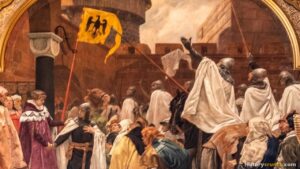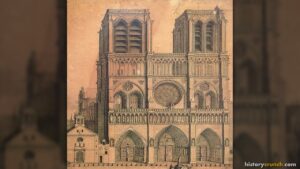
Housing in the Middle Ages varied greatly depending on a person’s social class and the region of Europe in which they lived. While the wealthy nobility lived in grand castles and manor houses, the vast majority of people in medieval Europe were peasants who lived in simple and often uncomfortable homes. In general, housing in the Middle Ages reflected the deep social divisions of medieval European society and was closely connected to the feudal system and the Manor System that organized the lives of most people during the medieval period.
 FactsthatCrunch
How did social class shape the comfort of a medieval home?
What Were the Middle Ages?
The Middle Ages, also known as the Medieval Period, refers to the period of European history that stretched from the 5th century to the 15th century. More specifically, historians generally place the beginning of the Middle Ages at 476 CE, with the fall of the Western Roman Empire, and its end at approximately 1500 CE, with the start of the Renaissance. Due to its length, the Middle Ages is divided into three smaller periods, including: the Early Middle Ages, the High Middle Ages and the Late Middle Ages. Housing in the Middle Ages changed and developed across all three of these periods, as new building techniques, materials and social conditions shaped the way people constructed and lived in their homes throughout the medieval period.
Peasant Housing in the Middle Ages
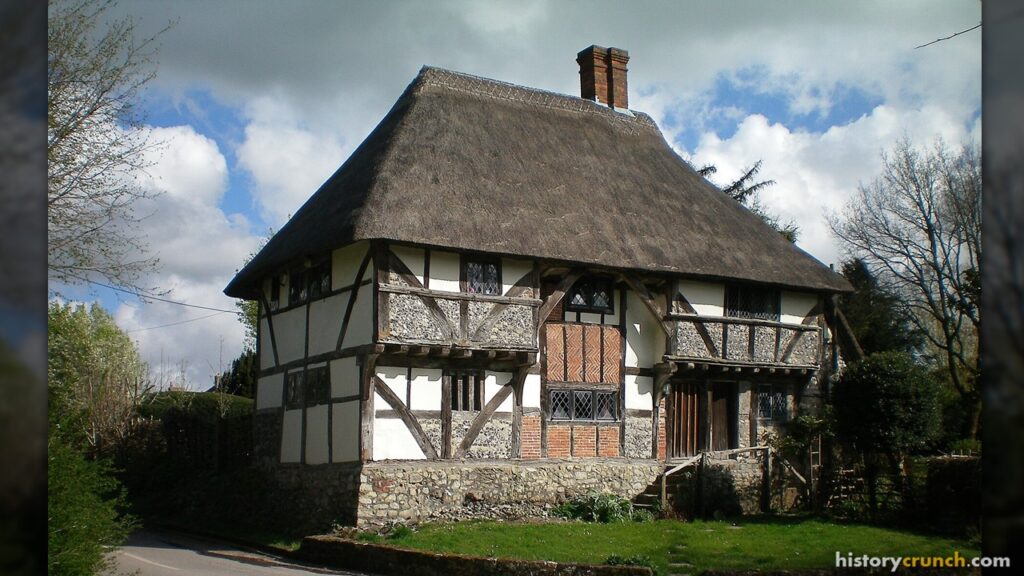
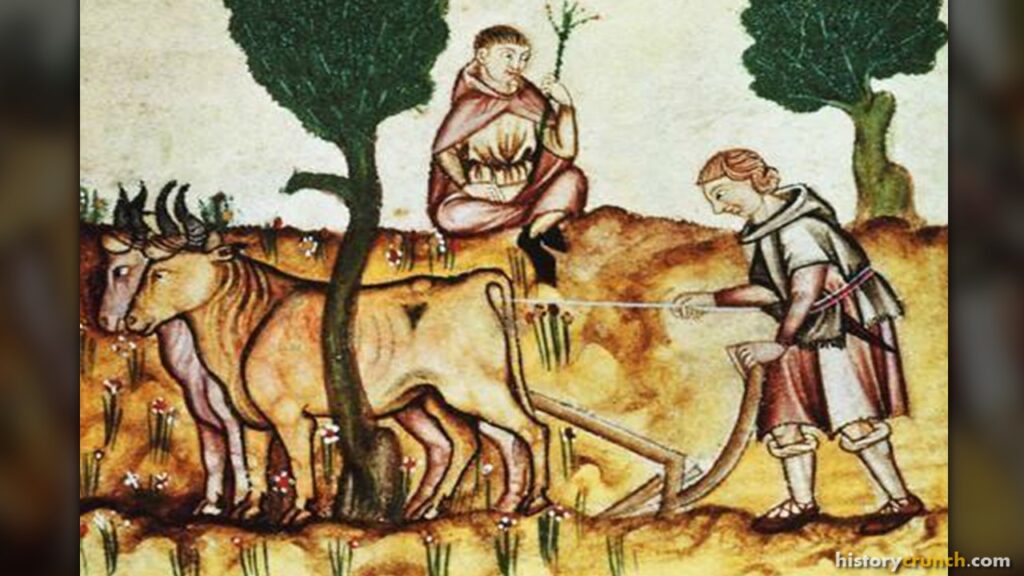
The vast majority of people in the Middle Ages were peasants who lived in simple homes that were very different from the houses most people live in today. Peasant homes in the Middle Ages were typically small, dark and poorly ventilatedHaving fresh air able to move through a space freely., and were built from whatever materials were locally available. In most parts of Europe, peasant homes were constructed using a timber frame filled in with wattle and daubA cheap building material made from woven sticks covered with a paste of mud, clay, straw, and animal dung., which was a mixture of woven sticks and branches covered with a paste made from mud, clay, straw and animal dung. This material was cheap and relatively easy to work with but provided poor insulationMaterial that keeps heat from escaping a building, keeping it warmer inside. and was vulnerable to damp and decay over time.
Peasant homes in the Middle Ages were generally made up of a single room that served as a living space, kitchen and sleeping area all at once. For instance, the entire family, which could include parents, children and sometimes elderly relatives, would eat, sleep and spend most of their time in this single room. A fire was kept burning in the center of the room or against one wall for cooking and warmth, but since chimneys were rare in peasant homes during the Early and High Middle Ages, the smoke had to escape through a hole in the roof or through gaps in the walls and roof. As such, peasant homes were often smoky, smelly and uncomfortable by modern standards.
The floor of a typical peasant home in the Middle Ages was usually made of packed earth rather than wood or stone. In many cases, straw or rushes were spread on the floor to provide a degree of insulation and comfort underfoot. Furniture was minimal and simple, typically consisting of a rough wooden table, benches and a straw-filled mattress or pallet for sleeping. Most peasant families also kept their livestock, such as chickens, pigs and cattle, either in a separate area of the home or in an attached outbuilding. This was partly for convenience and partly because the body heat of the animals helped to warm the home during the cold winter months. As such, the living conditions of most peasants in the Middle Ages were very basic and very different from the standard of housing that most people in the modern world take for granted.
Housing in Medieval Towns
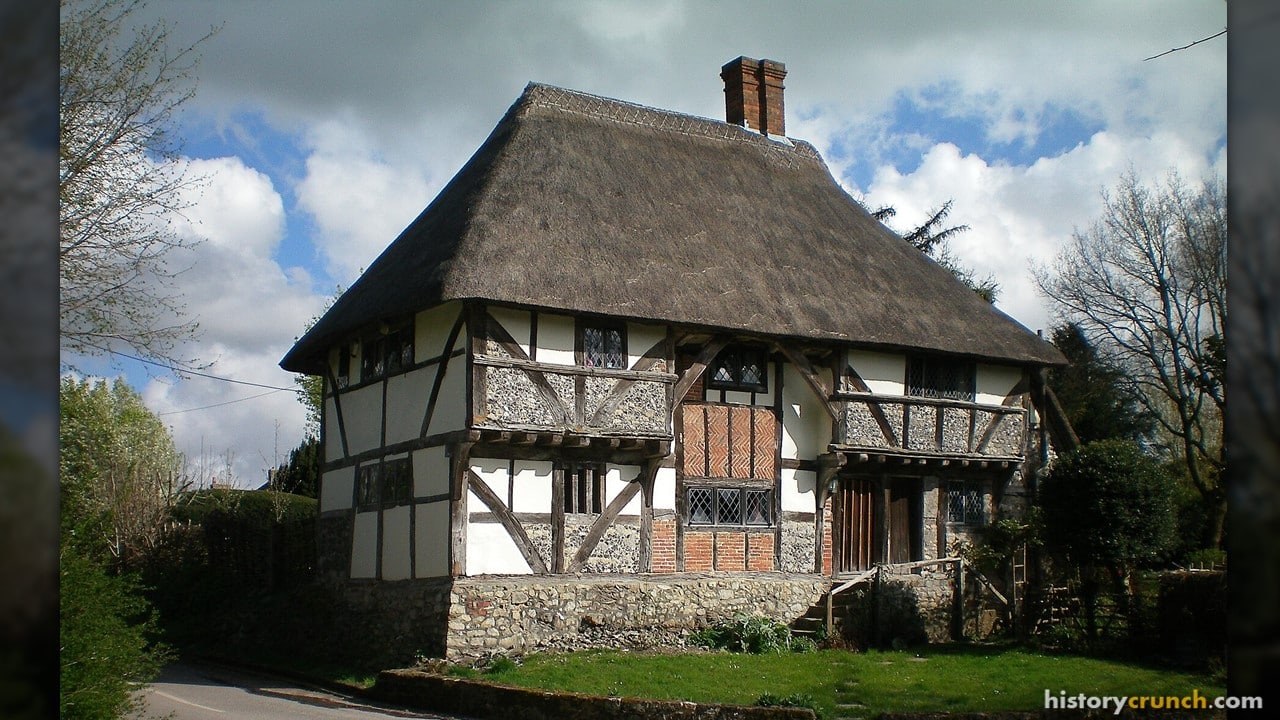
As towns and cities grew in size during the High and Late Middle Ages, a new form of housing developed to accommodate the growing urban population. Town housing in the Middle Ages was generally built more closely together than rural peasant housing, as land within the walls of a medieval town was limited and expensive. For instance, town houses were typically narrow and tall, with several stories built one on top of another to make the most of the available space. The upper stories of town houses often projected out over the street below, which meant that the upper floors of houses on opposite sides of a narrow street could almost touch each other, blocking out much of the light at street level.
Town houses in the Middle Ages were usually built from timber and wattle and daub in the same way as rural peasant homes, though wealthier town dwellers could afford to build in stone. The ground floor of a town house was often used as a workshop or shop, where the owner carried out their trade or craft, while the upper floors served as living quarters for the family. As well, towns in the Middle Ages were often overcrowded and lacked effective systems for the disposal of waste and sewage, which meant that living conditions in medieval towns could be very unhealthy. For instance, the lack of clean water and proper sanitation in medieval towns contributed to the rapid spread of diseases such as the bubonic plague, which caused the devastating Black Death in the 14th century.
FactsthatCrunch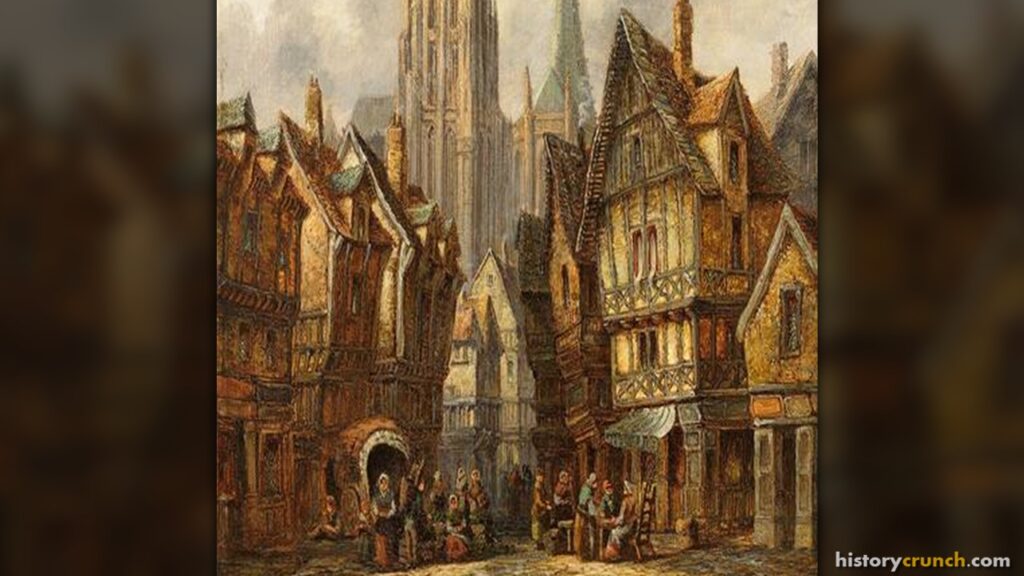
Manor Houses in the Middle Ages
Above the peasants in the social hierarchy of the Middle Ages were the lords of the manor, who lived in larger and more comfortable homes known as manor houses. A manor house was the home of a feudal lord and the administrative center of the manor, which was the basic unit of rural organization under the Manor System. Manor houses were generally much larger and better constructed than the homes of the peasants who lived and worked on the lord’s lands, though they varied enormously in size and quality depending on the wealth and status of the lord.
In the Early Middle Ages, manor houses were often built from wood and were relatively simple in design. Over time, as building techniques improved and the wealth of the nobility increased, manor houses became more elaborate and were increasingly built from stone. A typical manor house in the High Middle Ages might include a great hall, which was the main room of the house used for eating, entertaining and conducting the business of the manor, as well as private chambers for the lord and his family, a kitchen, a chapel and various outbuildings for storage and agriculture. As such, while manor houses were significantly more comfortable and spacious than peasant homes, they were still relatively simple by modern standards and lacked many of the comforts that people today take for granted.
FactsthatCrunchWhat were the different rooms of a medieval manor house and what did people use them for?
Castles in the Middle Ages
At the top of the social hierarchy of the Middle Ages were the kings and the most powerful nobles, who lived in castles. Castles were large fortified structures built primarily for military defense and to serve as the residence of a lord or monarch. They were a central feature of the feudal system and were among the most significant and impressive buildings of the Middle Ages. Throughout the medieval period, castles evolved significantly in terms of their design and construction, becoming increasingly sophisticated and comfortable as well as more difficult to capture.
Early castles in the Middle Ages were often built from wood and were relatively simple in design. For instance, one of the most common early castle designs was the motte-and-baileyAn early castle design with a wooden tower on a raised earth mound connected to a walled courtyard. castle, which consisted of a raised mound of earth known as a motte with a wooden tower on top, connected to a walled courtyard known as a bailey. These wooden castles were relatively quick and cheap to build but were vulnerable to fire and attack. As a result, by the High Middle Ages most significant castles were built from stone. Stone castles featured thick walls, towers, gatehouses and often a water-filled ditch known as a moatA water-filled ditch surrounding a castle to make it harder for attackers to reach the walls. that surrounded the castle to make it more difficult to attack.
The interior of a medieval castle was organized around a great hall, which was the main room of the castle and served as the center of the lord’s household. The great hall was used for eating, entertaining guests and conducting the business of the estate. As well, castles contained private chambers for the lord and his family, a chapel, a kitchen and various storerooms and workrooms. While castles were the most impressive and comfortable form of housing available in the Middle Ages, they were also cold, damp and draughty by modern standards, as the thick stone walls that made them so effective as military fortifications also made them difficult to heat. As such, life in a medieval castle, while significantly more comfortable than life in a peasant home, was still very different from the standards of housing that most people enjoy today.
FactsthatCrunchStone castles with thick walls, towers, and moats replaced wooden fortifications across Europe
Monasteries as Housing in the Middle Ages
Another important form of housing in the Middle Ages was the monastery. Monasteries were communities of monks who dedicated their lives to religious practice, study and work, and the buildings that housed these communities were among the most significant and well-constructed buildings of the medieval period. A typical medieval monastery contained a range of different buildings organized around a central courtyard known as a cloisterA covered central courtyard around which the buildings of a monastery were organized., including a church, a chapter house, a refectoryThe dining room in a monastery where monks ate their meals together. where meals were eaten and a dormitory where the monks slept.
Monasteries were generally well-built and maintained compared to most other forms of housing in the Middle Ages, as the Church had the resources and organizational ability to invest in high-quality construction. For instance, many monasteries were built from stone and featured sophisticated architectural elements such as vaulted ceilings and stained glass windows. As well, monasteries often had access to clean water from wells or nearby streams and maintained gardens and farms that provided food for the community. As such, the standard of housing and living conditions in a medieval monastery was generally higher than that enjoyed by most of the general population, though the monks who lived there were subject to a strict religious rule that governed every aspect of their daily lives.
FactsthatCrunchKey takeaways
Medieval monasteries were among the best-built and best-maintained buildings of the Middle Ages. The Church had the resources and organizational ability to invest in high-quality stone construction.
Monks ate together in the refectory, slept in a communal dormitory, and gathered for community business in the chapter house, all connected by the central cloister courtyard.
Although monks lived more comfortably than most people of the era, their daily routines were strictly controlled by religious rules that left little personal freedom.
Changes in Housing at the End of the Middle Ages
Toward the end of the Middle Ages, housing in Europe began to change as a result of several important developments. For instance, the growth of trade and the rise of the merchant class during the High and Late Middle Ages created new sources of wealth that allowed more people to invest in better quality housing. Wealthy merchants in the growing towns and cities of medieval Europe began to build larger and more comfortable homes that reflected their economic success and social aspirations. As well, improvements in building techniques, including the wider use of brick and stone in domestic construction, allowed for the construction of more durable and comfortable homes than had been possible in the earlier centuries of the Middle Ages.
Furthermore, the Black Death, which devastated Europe in the 14th century, had an unexpected impact on housing by reducing the population so dramatically that surviving peasants found themselves with access to more land and resources than before. This allowed some peasants to improve their housing and living conditions in the aftermath of the plague. As such, the changes in housing that took place toward the end of the Middle Ages were part of the broader social and economic transformation that accompanied the transition from the medieval period to the modern era.
FactsthatCrunchAfter the Black Death, peasant housing visibly improved across Europe. What hidden pressures actually made that rebuilding possible?
Significance of Housing in the Middle Ages
In conclusion, housing in the Middle Ages reflected the deep social divisions and the practical realities of life in medieval European society. From the simple mud-and-straw homes of peasants to the grand castles of the nobility, the housing of the Middle Ages told the story of a society organized around rigid social hierarchies and the demands of the feudal system. As such, understanding housing in the Middle Ages is important for gaining a complete picture of what daily life was like for people across all levels of medieval European society.
Explore Middle Ages · 476 – 1500 CE
Keep exploring Middle Ages with these History Crunch resources.
Key Vocabulary
Wattle and daub
Ventilated
Insulation
Motte-and-bailey
Moat
Cloister
Refectory
Frequently Asked Questions
What were peasant homes made of in the Middle Ages?
Most peasant homes were built from a timber frame filled with wattle and daub. Wattle and daub was a mix of woven sticks covered with mud, clay, straw, and animal dung. This material was cheap and easy to use, but it offered poor insulation and rotted over time. Builders used whatever materials they could find nearby.
Why were medieval peasant homes so smoky?
Peasant homes were smoky because chimneys were rare during the Early and High Middle Ages. A fire burned in the center of the room for cooking and warmth, so smoke escaped through a hole in the roof or gaps in the walls. This made the single-room home smelly and uncomfortable. Families often kept animals inside too, partly for extra heat.
What was the difference between a manor house and a castle?
A manor house was the home of a feudal lord and the center of the manor, while a castle was a fortified building meant for military defense. Castles were built for kings and powerful nobles and had thick walls, towers, and often a moat. Both usually had a great hall at their center. Castles offered more protection, but they were cold and damp inside.
What was a motte-and-bailey castle?
A motte-and-bailey castle was an early castle design built mostly from wood. It had a raised mound of earth called a motte with a wooden tower on top, joined to a walled courtyard called a bailey. These castles were quick and cheap to build but burned easily and were hard to defend. By the High Middle Ages, most important castles were built from stone instead.
Why were medieval towns unhealthy places to live?
Medieval towns were unhealthy because they were crowded and lacked good systems for removing waste and sewage. Town houses were built tall and close together, and upper floors often blocked light from the street below. The lack of clean water and sanitation helped diseases spread quickly. These conditions aided the spread of the bubonic plague during the Black Death in the 14th century.
How did housing change at the end of the Middle Ages?
Housing improved near the end of the Middle Ages as trade grew and a wealthy merchant class appeared. Richer townspeople built larger, more comfortable homes to show their success. Better building methods and the wider use of brick and stone made homes more durable. The Black Death also left some surviving peasants with more land, which let them improve their homes.
Cite This Article
To cite this article as a source, use one of the formats below.
MLA: Millar, B. “Housing in the Middle Ages: A Detailed Summary.” HistoryCrunch, 16 October 2026, https://historycrunch.com/housing-in-the-middle-ages/.
APA: Millar, B. (2026). Housing in the Middle Ages: A Detailed Summary. HistoryCrunch. https://historycrunch.com/housing-in-the-middle-ages/
Chicago: Millar, B. “Housing in the Middle Ages: A Detailed Summary.” HistoryCrunch. October 16, 2026. https://historycrunch.com/housing-in-the-middle-ages/
Sources
- Barbara Rosenwein, A Short History of the Middle Ages.
- Chris Wickham, Medieval Europe.
- The Met (Heilbrunn Timeline): medieval art