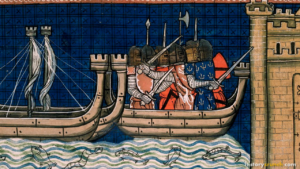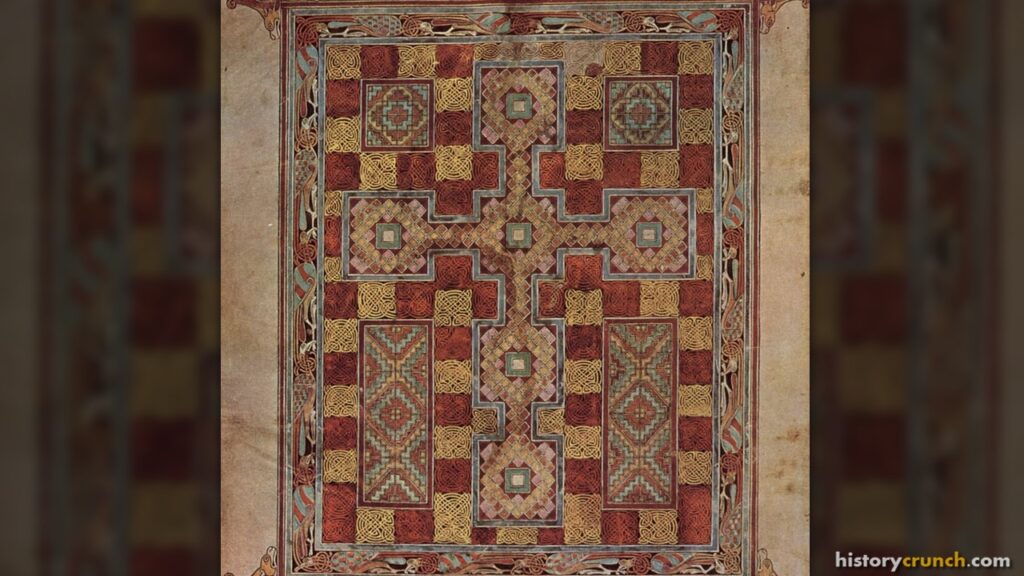
The Early Middle Ages was the first period of the Middle Ages in European history, lasting from approximately the 5th century to the 10th century CE. It began with the fall of the Western Roman Empire in 476 CE and ended with the beginning of the High Middle Ages around the 11th century. The Early Middle Ages was a time of significant change across Europe, including the rise of new Germanic kingdoms, the spread of Christianity, the development of the feudal systemA way of organizing society in which people gave loyalty and service to local lords in exchange for land and protection., and the reign of powerful rulers such as Charlemagne.
What Were the Middle Ages?
The Middle Ages, also known as the Medieval Period, was a period of European history that lasted from approximately 500 CE to 1500 CE. It began with the fall of the Western Roman Empire and ended with the beginning of the Renaissance. Historians generally divide the Middle Ages into three smaller periods: the Early Middle Ages, the High Middle Ages, and the Late Middle Ages. The Early Middle Ages refers to the first of these periods and covers roughly the 5th century to the 10th century CE. During this time, Europe went through major changes as the power and organization of the old Roman Empire gave way to a new world of smaller kingdoms, strong religious institutions, and a new social and political structure based on the feudal system.
Fall of the Western Roman Empire
To understand the Early Middle Ages, it is important to understand what happened at the end of the Roman Empire. The Western Roman Empire had ruled much of Europe for centuries, providing a common system of law, government, trade, and culture across a vast territory. As well, the Roman Empire had built roads, cities, and institutions that connected people across enormous distances. By the 4th and 5th centuries CE, however, the Western Roman Empire was under increasing pressure from both internal problems and external attacks by groups of people that the Romans called barbariansA Roman term for any people who lived outside the Roman world and did not share its culture or laws., which was a term they used for people outside of the Roman world.
Various Germanic tribes, including the Visigoths, Vandals, Franks, and Saxons, moved into Roman territories and gradually took control of different regions of the empire. These groups had their own laws, customs, and systems of government that were very different from those of Rome. In 476 CE, the last emperor of the Western Roman Empire, Romulus Augustulus, was overthrown by the Germanic leader Odoacer, which is the event historians traditionally use to mark the end of the Western Roman Empire and the beginning of the Early Middle Ages. As stated above, the Eastern Roman Empire, also known as the Byzantine Empire, continued to survive in the east with its capital at Constantinople and remained an important power throughout the Early Middle Ages.
 FactsthatCrunch
Rise of Germanic Kingdoms
Following the fall of the Western Roman Empire, Europe was divided among many different Germanic kingdoms, each controlling different regions of the former Roman territory. For example, the Visigoths took control of Spain and parts of southern France, the Vandals settled in North Africa, the Ostrogoths ruled Italy, and the Angles and Saxons moved into England. These kingdoms were often smaller and less organized than the Roman Empire had been, and they frequently fought among themselves for control of land and resources.
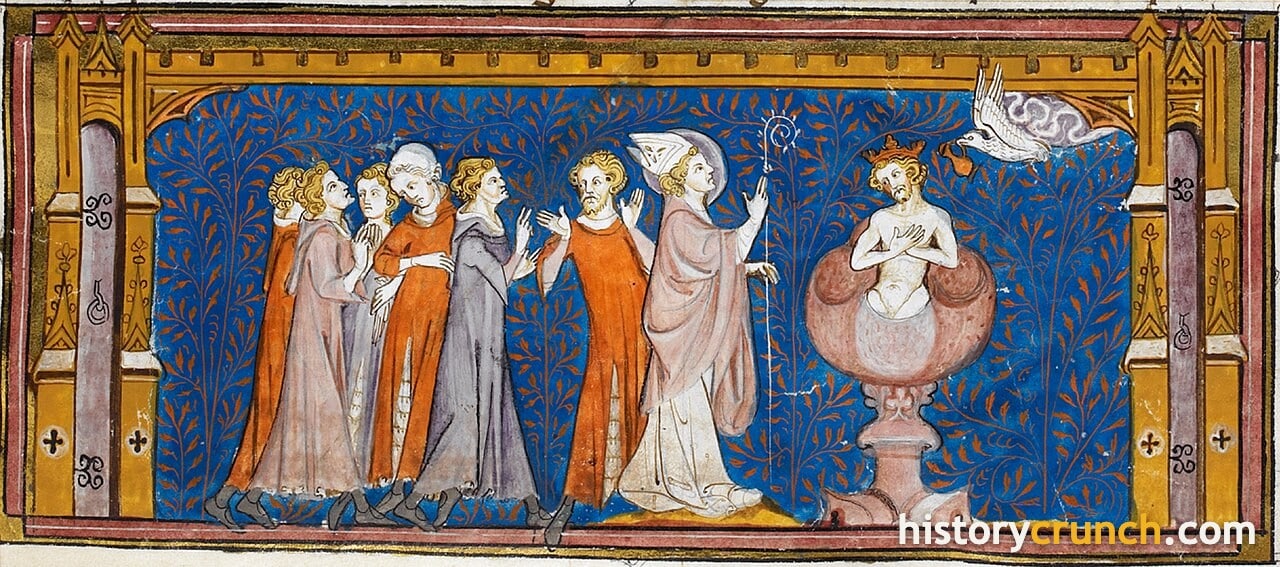
Of all the Germanic groups that established kingdoms in the former Western Roman Empire, the most successful and important were the Franks, who set up a kingdom in the region of modern-day France and western Germany. The Frankish king Clovis I, who ruled from 481 CE, was an important figure in the Early Middle Ages because he converted to Christianity and brought his people into the Catholic faith. This made the Franks natural allies of the Catholic Church in Rome, which was an enormous advantage in a world where religious authority carried great power. For instance, the partnership between the Frankish kings and the Catholic Church helped to shape much of the political and religious landscape of the Early Middle Ages and laid the groundwork for the empire of Charlemagne that followed.
FactsthatCrunchClovis I built the Frankish kingdom into the most powerful Germanic state in the former Western Roman Empire, uniting Frankish tribes under a single ruler and expanding control across the region of modern-day France and western Germany. His conversion to Catholic Christianity made the Franks close allies of the Church in Rome, which gave the Frankish kingdom a religious authority that other Germanic kingdoms lacked and shaped the political and religious structure of Europe for centuries.
Role of the Catholic Church
One of the most important features of the Early Middle Ages was the growing power and influence of the Catholic Church. With the fall of the Roman Empire, many of the political and social institutions that had organized European life disappeared. In their place, the Catholic Church stepped in as one of the few stable and consistent forces across Europe. The Church provided people with a shared set of beliefs, moral guidelines, and a sense of belonging to a larger Christian community at a time when political borders were constantly shifting.
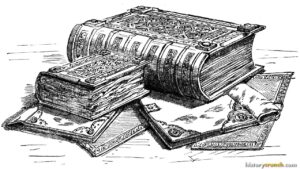
MonasteriesReligious communities where monks lived and worked together, serving as major centers of education and learning. played an especially important role during this period. Monasteries were religious communities where monks lived, prayed, and worked together, and they became major centers of education and learning during the Early Middle Ages. For instance, monks copied and preserved ancient books and manuscripts that might otherwise have been lost, including many important works from ancient Greece and Rome. As well, monasteries often ran schools, provided food and shelter to travelers and the poor, and served as centers of agricultural production in the surrounding countryside. In many parts of Europe, a monastery was the most educated and organized institution in the region, which gave the Church enormous influence over everyday life.
FactsthatCrunchDuring the Early Middle Ages, monasteries were often the only organized centers of education and learning in entire regions of Europe.
After the fall of the Western Roman Empire, political institutions collapsed across much of Europe, and monasteries stepped in as stable, reliable centers of community life.
Monks copied and preserved ancient books and manuscripts, including works from ancient Greece and Rome, that might otherwise have been lost.
Monasteries ran schools, fed and sheltered travelers and the poor, and managed agricultural production in the surrounding countryside.
Because a monastery was frequently the most educated and organized institution in its region, the Catholic Church gained enormous influence over everyday life across Europe.
Reign of Charlemagne
The most important ruler of the Early Middle Ages was Charlemagne, also known as Charles the Great, who became king of the Franks in 768 CE. Charlemagne was an ambitious and highly effective ruler who spent much of his reign launching military campaigns to expand his territory and convert neighboring peoples to Christianity. By 800 CE, his empire covered most of modern-day France, Germany, northern Italy, and parts of Spain and central Europe, making it the largest political unit in western Europe since the fall of the Roman Empire.
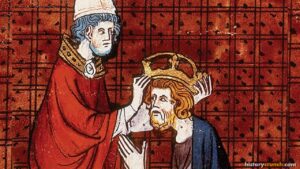
In December of 800 CE, Pope Leo III crowned Charlemagne as Holy Roman Emperor in Rome, which was a landmark moment in the history of the Early Middle Ages. This coronationThe formal ceremony in which a ruler is officially crowned, here used when Pope Leo III crowned Charlemagne emperor in 800 CE. symbolized the close partnership between the Catholic Church and the political rulers of Europe and established the idea of a Christian empire in the west that would influence European politics for centuries. As well, Charlemagne worked to improve government, education, and the church within his empire. He brought scholars to his court, promoted literacy, reformed the way coins and weights were used across his territories, and worked to standardize Christian practices throughout his lands. For instance, historians refer to this cultural revival during Charlemagne’s reign as the Carolingian RenaissanceA revival of education, literacy, and culture that took place during Charlemagne’s reign over the Frankish Empire..
With that said, Charlemagne’s empire did not long survive his death in 814 CE. His son Louis the Pious struggled to maintain control, and when Louis died in 840 CE, his three sons divided the empire among themselves through the Treaty of Verdun in 843 CE. This division broke Charlemagne’s empire into three separate kingdoms that eventually became the foundations of modern France, Germany, and a middle region that included parts of Italy and the Low Countries. The breakup of the Carolingian Empire left Europe once again divided and vulnerable to attack from outside.
FactsthatCrunchCharlemagne crowned himself emperor in 800 CE without the Pope.
Invasions and Instability
The later part of the Early Middle Ages was marked by a series of invasions that caused significant disruption across Europe. Three main groups posed serious threats to European kingdoms during this period: the Vikings from Scandinavia, the Magyars from central Asia, and Muslim forces from the south.
The Vikings, also known as Norsemen, were seafaring warriors from Scandinavia who began raiding the coasts of Britain, France, Ireland, and other parts of Europe from the late 8th century onward. For example, in 793 CE, the Viking raid on the monastery of Lindisfarne off the northeastern coast of England is often used to mark the beginning of the Viking Age. The Vikings were skilled sailors and fighters who attacked coastal towns and monasteries, carrying off treasure and sometimes taking people as slaves. As well, the Magyars, a nomadic people from the steppes of central Asia, raided into central Europe from the east, threatening kingdoms in what is now Germany and northern Italy. Meanwhile, Muslim armies had already taken control of much of Spain in the early 8th century and posed a threat to the rest of Europe from the south. In 732 CE, the Frankish leader Charles Martel defeated a Muslim force at the Battle of Tours in modern-day France, which historians consider one of the most important battles of the Early Middle Ages in stopping the spread of Muslim control into western Europe.
These repeated invasions made life very difficult and dangerous for ordinary people across Europe. In response, many people turned to local lords for protection, which helped accelerate the development of the feudal system as the primary way of organizing society during the Early Middle Ages.
FactsthatCrunchIn what order did these invasions and battles of the later Early Middle Ages happen?
Significance of the Early Middle Ages
The Early Middle Ages was a period of enormous change and challenge for Europe. The fall of the Western Roman Empire created a power vacuumA situation in which no strong authority exists to control a region after a ruling power has collapsed. that took centuries to fill, and the period was marked by political instability, frequent warfare, and a general decline in trade and urban life compared to the height of the Roman Empire. With that said, it was also a period in which the foundations of modern Europe were being laid. The Germanic kingdoms that developed during this period eventually grew into the nations of medieval and modern Europe. The Catholic Church became a unifying institution that shaped culture, education, and daily life across the continent. The feudal system provided a new way of organizing society that would dominate Europe for centuries. And the reign of Charlemagne demonstrated that it was possible, at least for a time, to bring much of western Europe together under a single powerful ruler.
In general, historians view the Early Middle Ages not as a simple period of decline and darkness but as a time of difficult transition in which Europe gradually moved from the world of ancient Rome toward the world of the High Middle Ages and eventually the Renaissance.
FactsthatCrunchExplore Middle Ages · 476 – 1500 CE
Keep exploring Middle Ages with these History Crunch resources.
Key Vocabulary
Barbarians
Monasteries
Feudal system
Carolingian Renaissance
Power vacuum
Coronation
Frequently Asked Questions
When did the Early Middle Ages begin and end?
The Early Middle Ages lasted from about the 5th century to the 10th century CE. Historians usually mark its start at 476 CE, when the last Western Roman emperor was overthrown. It ended around the 11th century with the beginning of the High Middle Ages.
Why are the Early Middle Ages sometimes called the Dark Ages?
The term “Dark Ages” came from the decline in trade, cities, and written records after Rome fell. Many historians now avoid the term because it is misleading. Monasteries preserved learning, and the period laid the foundations for later European nations.
Who was the most important ruler of the Early Middle Ages?
Charlemagne, also called Charles the Great, was the most important ruler of the period. He became king of the Franks in 768 CE and built the largest empire in western Europe since Rome. Pope Leo III crowned him Holy Roman Emperor in December of 800 CE.
What role did monasteries play during this period?
Monasteries were major centers of education and learning during the Early Middle Ages. Monks copied and saved ancient books that might otherwise have been lost. They also ran schools, fed travelers and the poor, and farmed the land around them.
Which groups invaded Europe during the Early Middle Ages?
Three main groups threatened Europe in the later Early Middle Ages. The Vikings raided from Scandinavia, the Magyars came from central Asia, and Muslim armies pushed from the south. These attacks pushed people toward local lords for safety, which helped the feudal system grow.
How did Charlemagne’s empire fall apart?
Charlemagne’s empire broke up soon after his death in 814 CE. His son Louis the Pious struggled to hold it together, and after Louis died in 840 CE, his three sons split the land. The Treaty of Verdun in 843 CE divided the empire into three kingdoms.
Cite This Article
To cite this article as a source, use one of the formats below.
MLA: Woida, K.L. “Early Middle Ages: A Detailed Summary.” HistoryCrunch, 13 October 2026, https://historycrunch.com/early-middle-ages/.
APA: Woida, K. L. (2026). Early Middle Ages: A Detailed Summary. HistoryCrunch. https://historycrunch.com/early-middle-ages/
Chicago: Woida, K.L. “Early Middle Ages: A Detailed Summary.” HistoryCrunch. October 13, 2026. https://historycrunch.com/early-middle-ages/
Sources
- Fordham Medieval Sourcebook
- Barbara Rosenwein, A Short History of the Middle Ages.