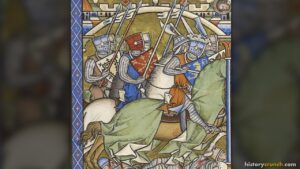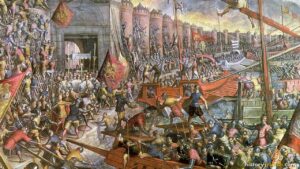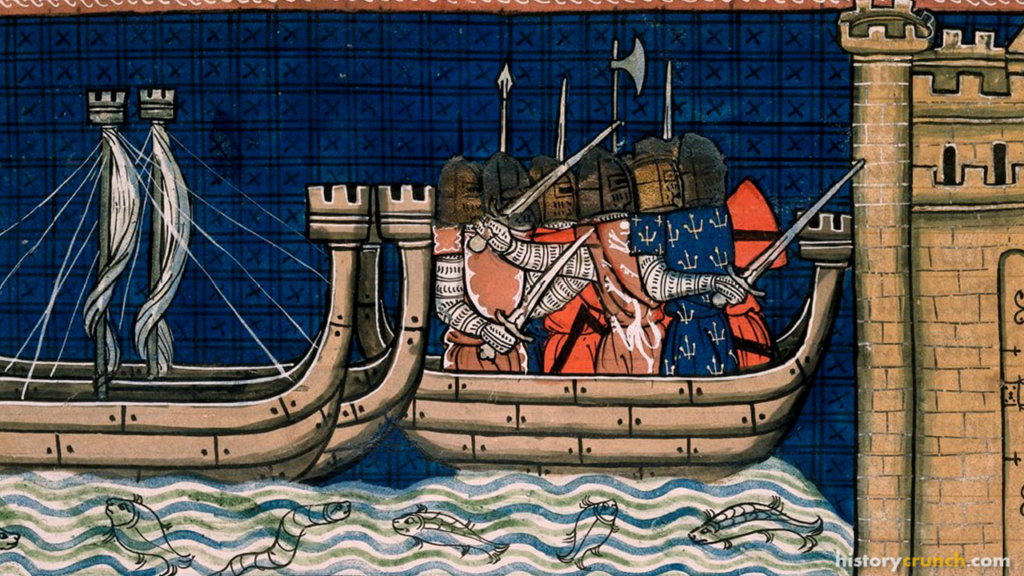
The Seventh Crusade was led by King Louis IX of France in 1248, aiming to conquer Egypt as a base to reclaim the city of Jerusalem. Despite initial success in capturing Damietta, the Seventh Crusade ended in disaster when Louis and his army were defeated and captured by Muslim forces.
WHAT WERE THE CRUSADES?
The Crusades are one of the most significant events in the history of Europe and the Middle East. They were a series of religious wars carried out by Christian crusaders from Europe during the timeframe of the Middle Ages. Beginning in 1095 CE, the Crusades saw European knights and noblemen travel to the Middle East in an attempt to capture the Holy Land away from Muslim people that had controlled the region for the previous centuries. The term crusade means ‘cross’. Therefore, the Europeans that became crusaders viewed themselves as ‘taking up the cross’. In fact, many of the crusaders wore crosses on their clothing and armor as they made their pilgrimage to the Holy Land. This article details the events of the Seventh Crusade. Click here to read more information about the other major Crusades.
SEVENTH CRUSADE – WHEN AND WHY DID IT OCCUR?
The Seventh Crusade took place from 1248 until 1254 CE and was a major event in the history of the Crusades, which was a significant event in the Middle Ages. In general, the Seventh Crusade was caused by the earlier failure of the European crusaders to capture and maintain control of the city of Jerusalem, especially in relation to the events of the Fifth Crusade and Sixth Crusade. This caused some people in Europe to want to return to the Holy Land again, which led to the events of the Seventh Crusade. More specifically, the Seventh Crusade was undertaken by King Louis IX of France, in his attempt to recapture Jerusalem from Muslim control. In fact, Louis IX was responsible for both the Seventh Crusade and the Eighth Crusade.
The Seventh Crusade was sparked by the Fall of Jerusalem to Muslim control in 1244. Earlier crusaders had gained control over the city in the Holy Land, but failed to protect it, and in 1244, Muslim raiders captured the city. With that said, most in Europe were not open to the idea of beginning a new crusade to the Holy Land. For instance, many of the European monarchs of the time were dealing with ongoing battles and conflicts amongst themselves, which meant they were not interested in devoting their time or energy to a crusade to the Holy Land. As such, the French monarch, Louis IX, was the only major European leader that undertook the Seventh Crusade.
SEVENTH CRUSADE – MAJOR EVENTS
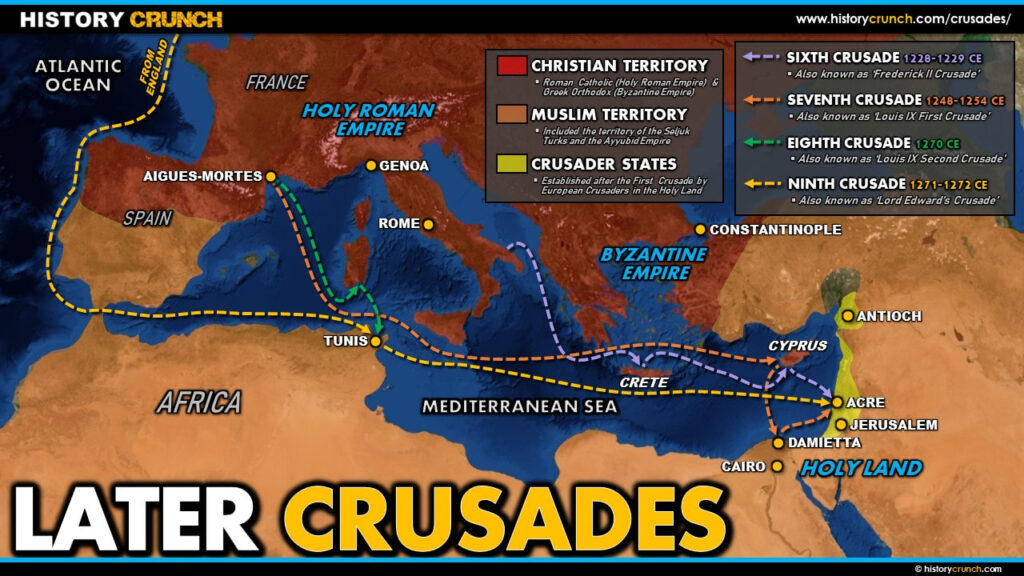
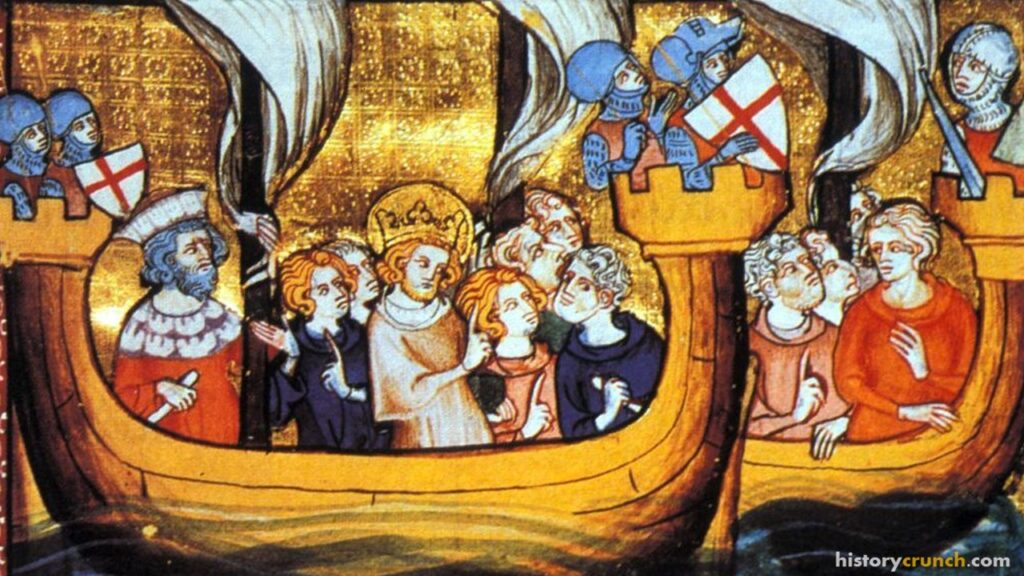
At the time of the Seventh Crusade, France was actually one of the strongest European nations. As such, Louis IX was well funded and prepared for the crusade when it began. For example, Louis IX was joined on the Seventh Crusade by many French nobles including his brothers. As well, in the years before the start of the Seventh Crusade, Louis IX and the nobles raised funds to ensure the crusade was properly funded. In all, Louis IX left France in 1248 with over 15,000 crusaders including 3,000 knights. They travelled from the south coast of France on 36 ships, and made their way to Muslim-controlled territories in the Holy Land.
Louis IX and the crusaders arrived in Egypt in 1249. At the time, Egypt was an important site of Muslim strength in the region, and it was a central goal of the crusaders to capture and weaken Egypt. More specifically, when Louis IX arrived in Egypt in 1249, he landed at the city of Damietta, which was a key Egyptian stronghold on the coast of the Mediterranean Sea. Furthermore, Damietta was significant decades earlier in the Fifth Crusade. This is because it had been the site of a significant battle between the Christian crusaders and the Muslims in 1219. In that battle form the Fifth Crusade, the European crusaders had captured the city but gave up control of it to the Muslims at the end. Louis XI, hoped to invade Egypt, through Damietta, and use it as a launching pad to attacking and capturing the city of Jerusalem.
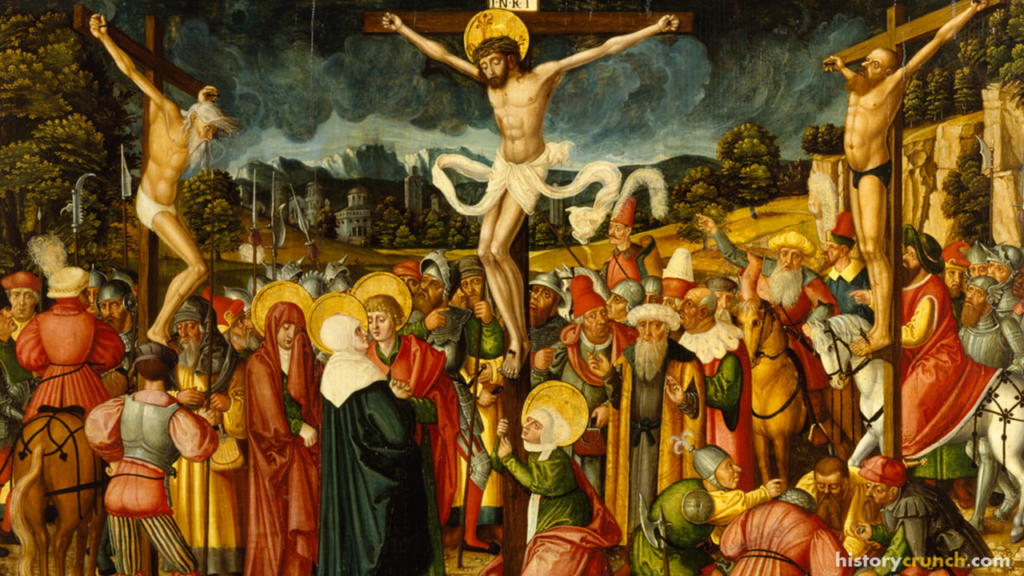
As stated above, the capture of Jerusalem was an important goal of the Seventh Crusade, as it was in earlier Crusades. In fact, the city of Jerusalem was the heart of the fighting of the Crusades. The city was centrally located in the Holy Land between the Mediterranean Sea and the Dead Sea. While the history of the city itself goes back much further, it was a significant site in the Crusades because of the importance it holds in the three main religions of the region: Christianity, Islam and Judaism. For Christians, Jerusalem was the site of Jesus Christ’s crucifixion and resurrection. As such, the city was vitally important to their understanding of the teachings and history of Jesus.
Louis IX and his forces captured Damietta in 1249 with little effort, as the Muslims fled the city to other parts of Egypt. With that said, Louis IX did not anticipate the flooding of the Nile River and found himself and his troops stuck in the city of Damietta for the next six months. Following this, Louis IX marched his soldiers towards the main Egyptian stronghold of Cairo. While he was supported by other crusaders, Louis IX and his troops were overwhelmed by the Muslim defenders and suffered heavy losses. In fact, he was forced to retreat to Damietta in March of 1250.
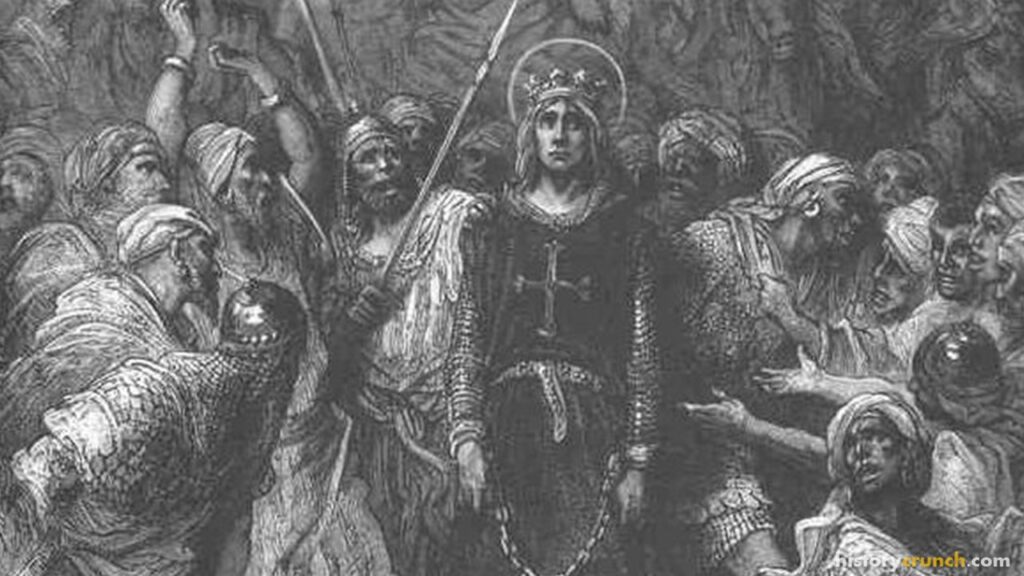
Soon after, Louis IX was captured by the Muslims army and held captive while his remaining crusader army was destroyed. The Seventh Crusade eventually ended when Louis IX was returned back to the Christians as part of a ransom payment. Furthermore, the French were forced to give up Damietta back to the Muslims. Having been freed, Louis IX fled to Acre, which was a Christian stronghold in the Holy Land. Louis IX finally returned to France in 1254.
SEVENTH CRUSADE – SIGNIFICANCE
The Seventh Crusade was a failure, as Louis IX and the French crusaders failed to capture any meaningful territory in the Holy Land, including the all-important city of Jerusalem. However, Louis IX carried out another crusade (Eighth Crusade) decades later, which historians consider to the last of the main eight Crusades.