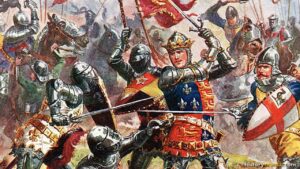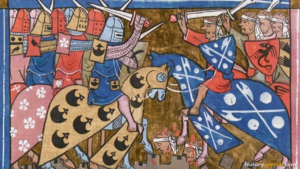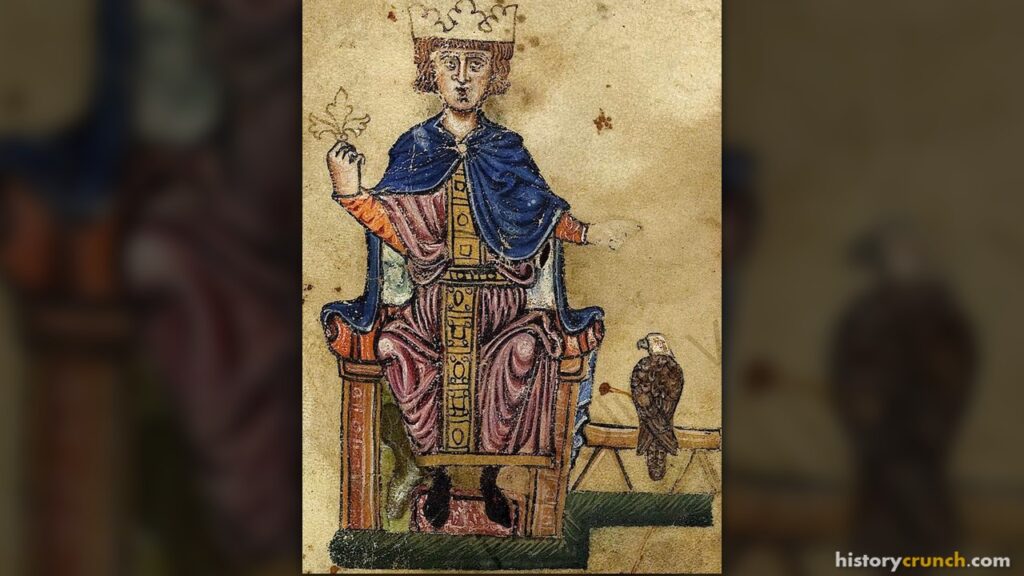
The Sixth Crusade, led by Holy Roman Emperor Frederick II in 1228 CE, was notable for achieving its goals through diplomacy rather than warfare. Frederick negotiated a treaty with Sultan al-Kamil of Egypt, peacefully regaining control of portions of the Holy Land for the Crusaders.
WHAT WERE THE CRUSADES?
The Crusades are one of the most significant events in the history of Europe and the Middle East. They were a series of religious wars carried out by Christian crusaders from Europe during the timeframe of the Middle Ages. Beginning in 1095 CE, the Crusades saw European knights and noblemen travel to the Middle East in an attempt to capture the Holy Land away from Muslim people that had controlled the region for the previous centuries. The term crusade means ‘cross’. Therefore, the Europeans that became crusaders viewed themselves as ‘taking up the cross’. In fact, many of the crusaders wore crosses on their clothing and armor as they made their pilgrimage to the Holy Land. This article details the events of the Sixth Crusade. Click here to read more information about the other major Crusades.
SIXTH CRUSADE – WHEN AND WHY DID IT OCCUR?
The Sixth Crusade took place from 1228 to 1229 CE and was a major event in the history of the Crusades. In general, the Sixth Crusade was caused by the earlier failure of the European crusaders to capture the city of Jerusalem, especially in relation to the events of the Fifth Crusade. This caused many in Europe to want to return to the Holy Land again, which led to the events of the Sixth Crusade.
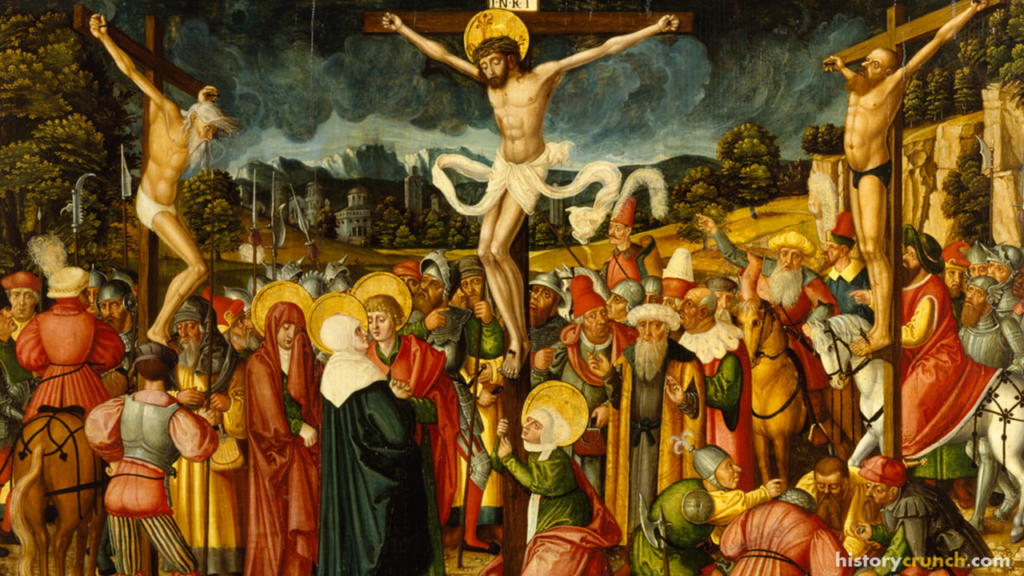
As stated above, the capture of Jerusalem was an important goal of the Sixth Crusade, as it was in earlier Crusades. In fact, the city of Jerusalem was the heart of the fighting of the Crusades. The city was centrally located in the Holy Land between the Mediterranean Sea and the Dead Sea. While the history of the city itself goes back much further, it was a significant site in the Crusades because of the importance it holds in the three main religions of the region: Christianity, Islam and Judaism. For Christians, Jerusalem was the site of Jesus Christ’s crucifixion and resurrection. As such, the city was vitally important to their understanding of the teachings and history of Jesus.
SIXTH CRUSADE – MAJOR EVENTS
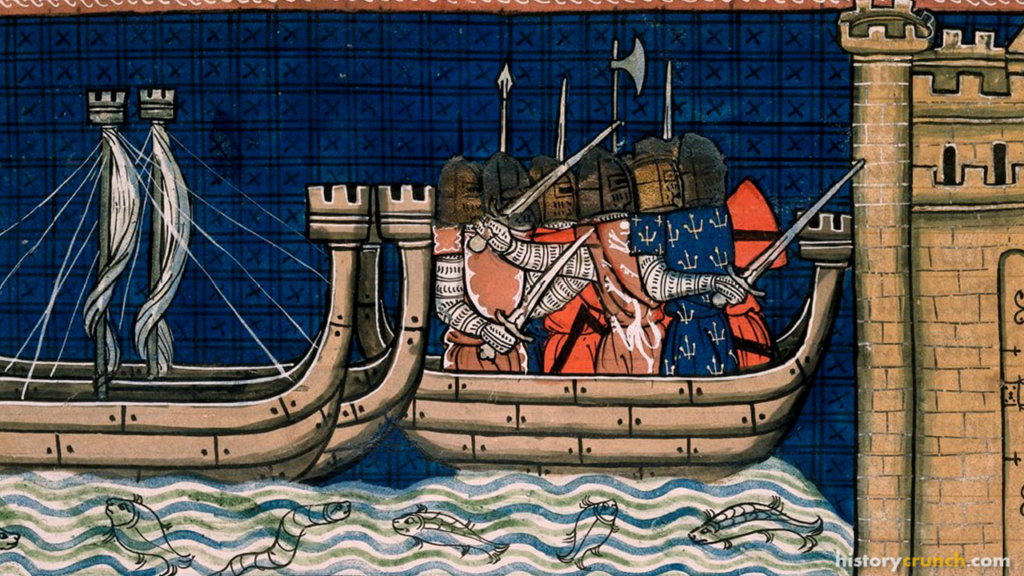
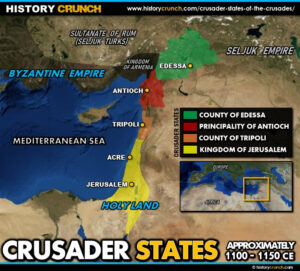
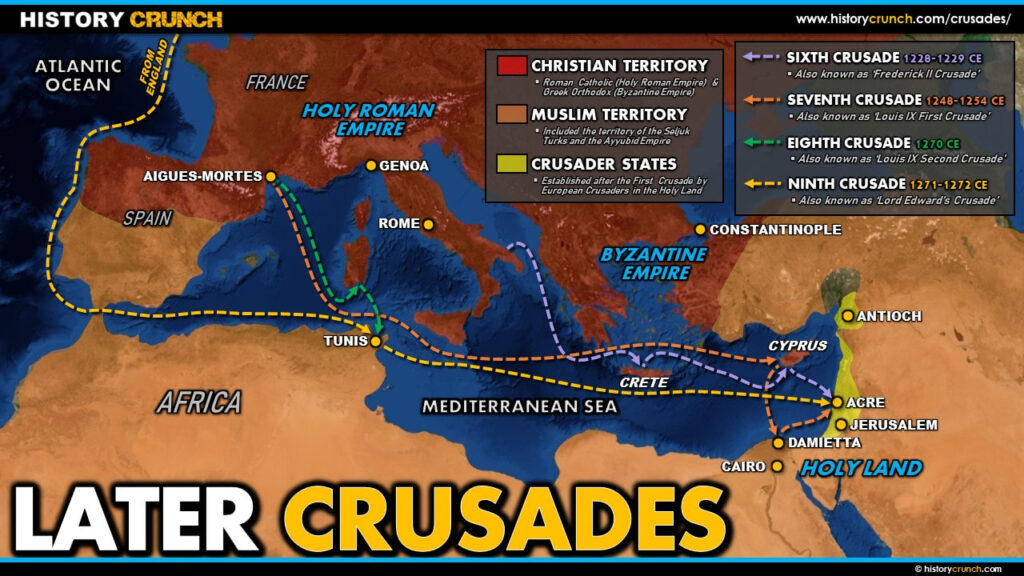
The Sixth Crusade is also commonly known as the ‘Crusade of Frederick II’ in relation to Frederick II the Holy Roman Emperor of the time. While, he helped organize the Sixth Crusade and sent many troops from his territory in Germany, he did not travel or participate in the Sixth Crusade himself. Regardless, the crusaders of the Sixth Crusade travelled by sea to Acre, which was the Christian stronghold in the Holy Land. Once there, the crusaders gained support from local rulers and decided to make their way towards Jerusalem to the south.
In reality, Frederick II lacked the forces to attack the Muslims in Jerusalem and hoped that they could negotiate a surrender of the city by a show of force alone. As such, he and his crusaders marched south along the coast. The Sultan of Egypt, Al-Kamil, which was the center of Muslim power at the time agreed and surrendered Jerusalem and some surrounding territory to Fredrick II. As a result, Frederick II marched into Jerusalem on March 17th, 1229 and symbolically took control over the city.
SIXTH CRUSADE – SIGNIFICANCE
The Sixth Crusade was a success for the Christians and showed that a crusade to the Holy Land was possible without widespread military support or the official support of the church. With that said, the Christian hold over Jerusalem was only guaranteed for ten years, which eventually led to the Seventh Crusade and the Eighth Crusade.