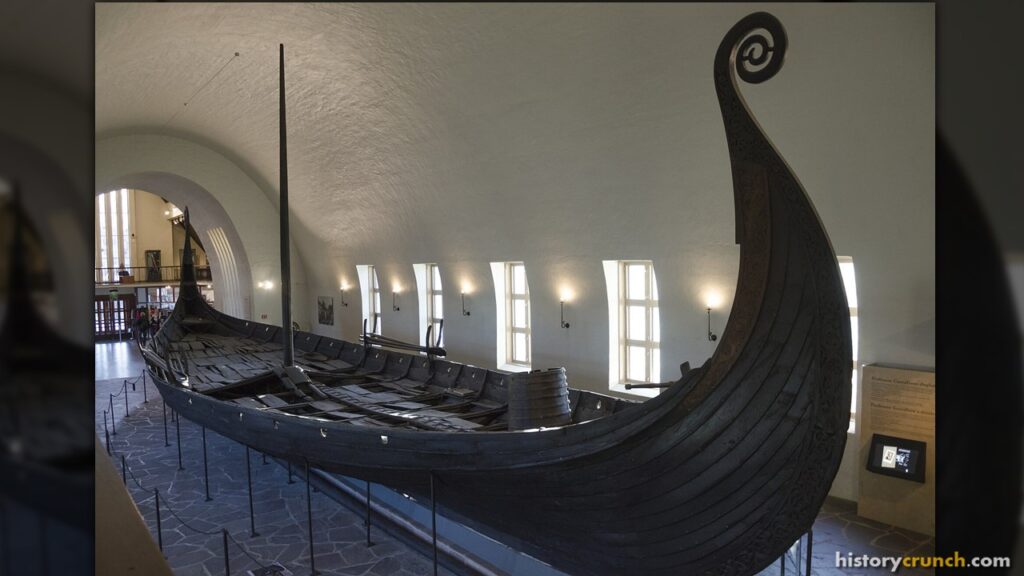
The Vikings were one of the most significant groups of people in the Middle Ages. They were a seafaringSkilled at traveling and navigating the open sea as a way of life. people from Scandinavia, which includes the modern-day countries of Norway, Sweden and Denmark, who played a major role in the history of medieval Europe through their raids, trade and exploration. While the Vikings are often remembered as fierce warriors and raiders, they were also skilled traders, explorers and settlers who had a profound impact on the development of many regions of Europe.
What Were the Middle Ages?
The Middle Ages, also known as the Medieval Period, refers to the period of European history that stretched from the 5th century to the 15th century. More specifically, historians generally place the beginning of the Middle Ages at 476 CE, with the fall of the Western Roman Empire, and its end at approximately 1500 CE, with the start of the Renaissance. Due to its length, the Middle Ages is divided into three smaller periods, including: the Early Middle Ages, the High Middle Ages and the Late Middle Ages. The Vikings were most active during the Early and High Middle Ages, with the Viking Age generally considered by historians to have lasted from approximately 793 CE to 1066 CE.
Who Were the Vikings?
The Vikings were a people from Scandinavia who shared a common language, culture and religion. They were organized into chiefdoms and small kingdoms rather than a single unified state, and different groups of Vikings came from different parts of Scandinavia. For instance, Vikings from Norway were particularly associated with raids and settlements in the British Isles and the North Atlantic, while Vikings from Denmark were closely connected to raids and settlements in England and France. Vikings from Sweden were most active in trade routes across eastern Europe and into the Byzantine Empire and the Middle East.
The Vikings practiced a polytheisticWorshipping many gods rather than a single god. religion, meaning they worshipped many gods. Their most important gods included Odin, the god of wisdom and war, Thor, the god of thunder, and Freya, the goddess of love and fertility. With that said, over the course of the Middle Ages the Vikings gradually converted to Christianity as they came into greater contact with Christian Europe. By the 11th century, most Viking kingdoms in Scandinavia had adopted Christianity and were part of the broader Christian world of medieval Europe.
 FactsthatCrunch
Viking Ships and Seafaring
One of the most important features of the Vikings in the Middle Ages was their ability as seafarers. The Vikings built some of the most advanced ships of the medieval world, known as longshipsFast, lightweight Viking vessels that could cross oceans and travel up shallow rivers.. Longships were fast, lightweight and capable of navigating both the open ocean and shallow rivers. For instance, the flat bottom of a Viking longship allowed it to be pulled up onto beaches and to travel far up rivers into the interior of the lands they visited. This gave the Vikings a significant military advantage, as they could appear suddenly from the sea or along a river and attack before defenders had time to respond.
Viking ships were also used extensively for trade and exploration. For instance, Viking traders traveled along the rivers of eastern Europe as far as the Byzantine Empire and the Muslim caliphates of the Middle East, where they traded goods such as furs, amber and slaves for silver, silk and spices. As well, Viking explorers pushed far beyond the known boundaries of the medieval world. The Norse explorer Leif Erikson is believed to have reached North America around 1000 CE, nearly 500 years before Christopher Columbus made his famous voyage in 1492 CE. As such, the seafaring ability of the Vikings was central to their role in the history of the Middle Ages.
FactsthatCrunchAround 1000 CE, Leif Erikson, son of Erik the Red who had settled Greenland around 985 CE, sailed west and reached the shores of North America. He was the first Norse explorer known to have arrived there, nearly 500 years before Christopher Columbus made his voyage in 1492 CE. Leif had established a brief settlement, and now the question was whether the Norse presence in North America would grow or fade.
Viking Raids
The Vikings first came to the attention of the rest of Europe through their raids on coastal and riverside communities. The Viking Age is traditionally considered to have begun with the raid on the monastery of Lindisfarne on the northeastern coast of England in 793 CE. This raid shocked the Christian world because monasteries were considered sacred places and had previously been largely immune from attack. The raid on Lindisfarne was followed by many more attacks on monasteries, churches and coastal towns across the British Isles, France and other parts of Europe.
Viking raids were effective for several reasons. The speed and surprise of Viking longships allowed raiders to attack without warning and escape before defenders could respond. As well, monasteries and churches were particularly attractive targets because they contained valuable treasures such as gold, silver and jeweled religious objects, while being largely undefended. Over time, Viking raids became more organized and ambitious. Rather than simply raiding and returning home, Viking groups began to overwinterTo stay through the winter months in a foreign region rather than returning home. in the regions they attacked, using fortified camps as bases from which to launch further raids the following year. This more permanent presence eventually led to Viking settlement in many parts of Europe.
FactsthatCrunchViking Settlements
As well as raiding, the Vikings were also active settlers who established permanent communities across a wide area of Europe and beyond during the Middle Ages. For instance, the Vikings settled large parts of England, establishing a region known as the DanelawA region in northern and eastern England where Danish Viking law and customs governed the people. in the north and east of the country where Danish law and customs prevailed. As well, the Vikings settled in Ireland, where they founded several important towns including Dublin, which remains the capital of Ireland today.
In France, a group of Vikings known as the Normans settled in the northwestern region of the country in the early 10th century. The French king Charles the Simple granted this territory to the Viking leader Rollo in 911 CE in exchange for his promise to stop raiding and to defend the region from further Viking attacks. This territory became known as Normandy, which means land of the Northmen. The Normans quickly adopted the French language and the Christian faith and became an important force in medieval European politics. For instance, it was the Normans, led by William, Duke of Normandy, who conquered England in 1066 CE at the Battle of Hastings, one of the most significant events in the history of the Middle Ages.
The Vikings also settled in Iceland, Greenland and briefly in North America. Iceland was settled by Norwegian Vikings in the late 9th century and developed its own distinctive culture and political institutions, including one of the earliest parliamentary assemblies in the world, known as the AlthingOne of the earliest parliamentary assemblies in the world, established in Iceland in 930 CE., which was established in 930 CE. Greenland was settled by Erik the Red around 985 CE, and his son Leif Erikson went on to explore and briefly settle in North America around 1000 CE.
FactsthatCrunchWhat were the key results of Rollo being granted Normandy in 911 CE?
Vikings and the Feudal System
The arrival of the Vikings in many parts of Europe had a significant impact on the development of the feudal system during the Middle Ages. The threat of Viking raids was one of the factors that encouraged the growth of feudalismA social system where peasants gave labor and service to powerful lords in exchange for protection. in France and England, as local lords built castles and organized military forces to defend their communities against attack. Peasants sought the protection of powerful lords in exchange for labor and service, which was one of the key features of the feudal system. As such, the Viking raids of the Early Middle Ages helped accelerate the development of the feudal social structure that would define European society throughout the rest of the Middle Ages.
As well, the settlement of Vikings in different parts of Europe contributed to the growth of trade and the development of towns and cities during the medieval period. For instance, the Viking towns founded in Ireland, including Dublin, became important centers of trade that connected the British Isles with the broader Viking trade networks of the North Atlantic. As such, the Vikings played an important role in the economic development of medieval Europe as well as in its political and military history.
FactsthatCrunchIn 911 CE, the French king Charles the Simple granted the Viking leader Rollo a territory in northwestern France in exchange for a promise to stop raiding and to defend the region from further Viking attacks.
End of the Viking Age
The Viking Age is generally considered by historians to have ended in 1066 CE. By this time, the Viking kingdoms of Scandinavia had largely converted to Christianity and were becoming integrated into the broader political and cultural world of medieval Europe. For instance, the kingdoms of Norway, Sweden and Denmark had all adopted Christianity and were organized as feudal monarchies similar to those of the rest of Europe by the 11th century. As well, the defeat of the Norwegian king Harald Hardrada at the Battle of Stamford Bridge in September of 1066 CE is often seen as the final significant military action of the Viking Age.
With that said, the legacy of the Vikings continued to shape the history of Europe long after the end of the Viking Age. For instance, the Normans, who were themselves descended from Vikings, went on to play a central role in the history of England, France, Italy and the Crusades throughout the High and Late Middle Ages. As such, the influence of the Vikings on the history of the Middle Ages extended far beyond the Viking Age itself and continued to be felt throughout the medieval period.
FactsthatCrunchThe Viking Age is usually said to have ended in 1066 CE.
Significance of the Vikings in the Middle Ages
In conclusion, the Vikings were one of the most significant and influential groups of people in the Middle Ages. Their remarkable seafaring ability, their raids and settlements across Europe and beyond and their eventual integration into the Christian civilization of medieval Europe all made them a defining force in the history of the medieval period. As such, understanding the Vikings in the Middle Ages is important for gaining a complete picture of the political, social and cultural history of medieval Europe and for understanding how many of the nations and communities of the modern world came into being.
FactsthatCrunchThe Norman conquest of England in 1066 CE showed that Viking descendants reshaped kingdoms far beyond Scandinavia, long after the Viking Age itself had closed.
The Normans began as a Viking group. The French king Charles the Simple granted their leader Rollo a territory in northwestern France in 911 CE in exchange for stopping raids and defending the region. That territory became Normandy, meaning land of the Northmen.
Within roughly 150 years, the Normans had adopted the French language and Christian faith and built enough military power to invade England. William, Duke of Normandy, led that conquest at the Battle of Hastings in 1066 CE and became king of England, permanently changing the country's language, government, and ruling class.
Norman influence did not stop in England. Norman lords also expanded into southern Italy and Sicily and played a major role in the Crusades, carrying political and military traditions that traced back to Viking settlers into multiple corners of medieval Europe.
Because the Normans rose from Viking roots yet acted as fully French and Christian rulers, they show that the Viking Age's impact ran through the entire High and Late Middle Ages, not just the era of raids and longships.
Explore Middle Ages · 476 – 1500 CE
Keep exploring Middle Ages with these History Crunch resources.
Key Vocabulary
Seafaring
Polytheistic
Longships
Overwinter
Danelaw
Althing
Feudalism
Frequently Asked Questions
When did the Viking Age begin and end?
The Viking Age lasted from about 793 CE to 1066 CE. It is traditionally said to begin with the raid on the monastery of Lindisfarne in England. The defeat of King Harald Hardrada at the Battle of Stamford Bridge in September of 1066 CE is often seen as its end.
Where did the Vikings come from?
The Vikings came from Scandinavia, which includes modern Norway, Sweden, and Denmark. They shared a common language, culture, and religion but were not a single unified state. Instead, they were organized into chiefdoms and small kingdoms led by different groups.
What were Viking longships used for?
Viking longships were fast, lightweight ships used for raiding, trade, and exploration. Their flat bottoms let them travel on the open ocean, up shallow rivers, and onto beaches. This allowed the Vikings to attack suddenly and escape before defenders could respond.
Did the Vikings reach North America?
Yes, the Norse explorer Leif Erikson is believed to have reached North America around 1000 CE. This was nearly 500 years before Christopher Columbus sailed in 1492 CE. Vikings also settled Iceland in the late 9th century and Greenland around 985 CE.
Who were the Normans?
The Normans were Vikings who settled in northwestern France in the early 10th century. In 911 CE, King Charles the Simple granted this land to the Viking leader Rollo, and it became known as Normandy. The Normans later conquered England in 1066 CE at the Battle of Hastings.
What religion did the Vikings follow?
The Vikings practiced a polytheistic religion, meaning they worshipped many gods. Their most important gods included Odin, Thor, and Freya. Over time, the Vikings converted to Christianity, and most of their kingdoms had adopted the faith by the 11th century.
Cite This Article
To cite this article as a source, use one of the formats below.
MLA: Millar, B. “Vikings in the Middle Ages: A Detailed Summary.” HistoryCrunch, 15 October 2026, https://historycrunch.com/vikings-in-the-middle-ages/.
APA: Millar, B. (2026). Vikings in the Middle Ages: A Detailed Summary. HistoryCrunch. https://historycrunch.com/vikings-in-the-middle-ages/
Chicago: Millar, B. “Vikings in the Middle Ages: A Detailed Summary.” HistoryCrunch. October 15, 2026. https://historycrunch.com/vikings-in-the-middle-ages/
Sources
- Jacques Le Goff, Medieval Civilization 400-1500.
- Barbara Rosenwein, A Short History of the Middle Ages.
- Chris Wickham, Medieval Europe.