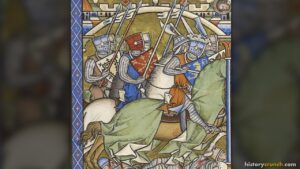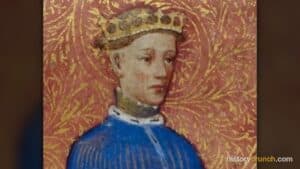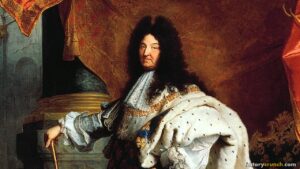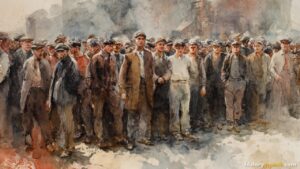
The Manor System (ManorialismA medieval system of landholding in which a feudal lord lived in and operated a country estate with farmland, woodlands, and villages.) was a key feature of society in the Middle Ages. The Middle Ages (or Medieval Period) in Europe extended from approximately 500 CE after the fall of the Roman Empire to 1500 CE with the start of the Renaissance. Throughout the timeframe of the Middle Ages, European society was primarily based on the social structure of feudalism. The Manor System in Europe was very significant to the overall Feudal System, especially in Western Europe where it is best associated. However, while feudalismA political system where kings, lords, and vassals exchanged land for military service. focused on the relationships between kings, lords, and vassals in terms of land and military service, the Manor System dealt with the everyday management of land, agriculture, and the relationship between lords and peasants.
 FactsthatCrunch
The lord saw the fees peasants paid to use the mill, bakery, and wine-press as a fair return for the protection and land he provided. He held the manor together, supplied order, and answered to higher lords or the king with wealth collected from his tenants. Collecting these fees and services was how the manor functioned and how the lord met his own obligations up the feudal chain.
The peasant had little choice but to pay, even when the harvests were poor. Fees for the mill, the bakery, and the right to graze animals on the lord's land added up on top of the labor already owed. Most serfs could not leave the manor or change their position in society, so the payments felt less like a fair exchange and more like a condition they were born into.
History
The Manor System in Western Europe during the Middle Ages emerged out of the earlier villa systemA Roman-era system of large landholdings that later developed into the Medieval Manor System. that was common in the Roman Empire. While the Roman Empire collapsed in Western Europe in the 400s CE, the practice of the villa system continued throughout the region and became known as Manorialism.
At the time, in Medieval Europe, people sought protection from powerful landowners, or lords, because of the shifting politics of Europe. The lords offered protection in exchange for labor and services from the peasant. This essentially gave rise to the Manor System in Western Europe. By the 9th century, especially under Charlemagne’s rule in the Frankish Empire, the manor system became firmly established throughout Europe, particularly in France, England, and Germany. In fact, it remained the dominant form of rural organization for centuries, and was a significant aspect of life in the Middle Ages.
Manorialism as a social concept ended as European society transformed through the major events of the Black Death, Renaissance, Enlightenment, and French Revolution. In fact, over time, as Europe recovered from invasions and trade increased, the Manor System began to weaken. The Black Death, which occurred in the 14th century, drastically reduced the population of Europe. This gave surviving peasants more bargaining power and freedom in terms of social and economic life. The rise of towns, markets, and a money-based economy eventually replaced The Manor System with a more modern system of trade and wages. For example, the Manor System was ultimately replaced by the emergence of capitalismAn economic system based on private property, free trade, and wages that replaced the Manor System. and the principles of private property and economic freedom made popular by Adam Smith in the 1700s.
FactsthatCrunchCharlemagne ruled the Frankish kingdom and expanded it to cover much of western Europe, uniting territories that are now France, Germany, and northern Italy under one ruler. He promoted education and the use of Latin across his lands, and his reign gave the Early Middle Ages a period of political order that shaped later European kingdoms and governments.
Purpose and How It Worked
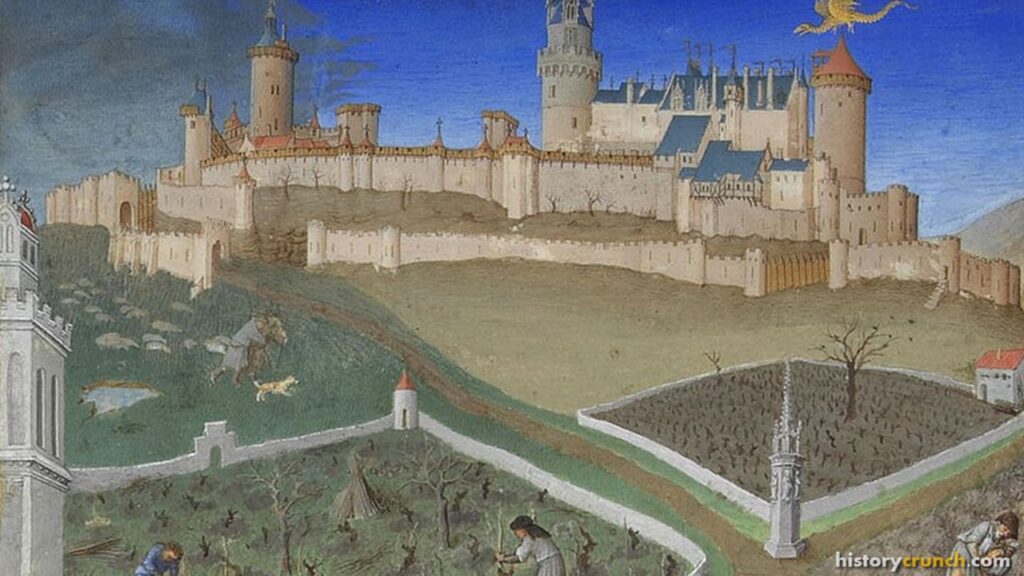
In general, Manorialism was a system of landholding common in Medieval Europe in which a feudal lord lived in and operated a country home (manor) with attached farm land, woodlands and villages. The land was for the use of the lord of the manor with surrounding homes in the farmland and villages that contained spaces for serfs (villeinAnother word for a serf, a peasant tenant bound to serve the lord of the manor.) who were tenants to the lord of the manor. The purpose of the Manor System was to organize society and to create agricultural goods. For instance, the feudal lord of the manor was responsible for providing wealth and assistance to higher lords or the monarchy, while peasants (or serfsPeasants who lived and worked on a lord’s manor land in exchange for protection and shelter.) were responsible for working on the land of the feudal lord. The feudal lord of the manor made wealth by collecting taxes and fees from the peasants on his feudal land. For example, the peasants were forced to pay fees for use of the manor’s mill, bakery and wine-press along with other related charges, such as: the right to hunt or allow livestock to feed on the manor’s lands.
As stated above, the Manor System was essentially a landholding system in which feudal lords controlled large sections of agricultural land. As such, the lands of a manor consisted of several main features, including: demesneLand kept directly by the lord of the manor for the benefit of his own household., dependentThe obligation requiring peasants to provide the lord with services or cash in exchange for the land where they lived and worked., and free peasant land. Demesne refers to the land that was kept by the lord of the manor that is used for the benefit of the household. Dependent refers to the obligation that peasants (serfs) were required to provide the lord of the manor with services or cash in exchange for the land in which they lived and worked. Finally, free peasant land referred to land that had no obligation of service but it still required payment of rent or fees.
The manor house was historically associated with medieval castles, but it could also include a much simpler structure that included a stately home made out of wood or stone. Regardless, the manor house was larger and better maintained than the housing of the serfs, which usually just amounted to small homes constructed out of wood and mud.
The Manor System varied in use and function throughout the Middle Ages and Europe. For instance, not all manors contained the elements listed above, but these were the main elements of a manor throughout much of Western Europe in the Middle Ages. As well, life for the serfs in these manors varied greatly. Serfdom is a key component of the Manor System and important to understand when learning about the Middle Ages, feudalism and life for people at the time.
Significance
As mentioned previously, the Manor System was a major component of life in the Middle Ages and had a profound impact on the lives of all people. In fact, historians have identified both advantages and disadvantages of the Manor System. On the positive side, historians argue that it provided stability and protection during a time of frequent wars and invasions. Furthermore, it allowed local economies to function even when trade networks collapsed, ensuring that people could survive through other economic means. It also established clear roles and responsibilities, which helped maintain order in society.
With that said, historians have also argued that the Manor System was also highly unequal and restrictive to most people. In fact, peasants (and serfs) had little freedom and could not improve their social status. Lords held most of the wealth and power, while peasants lived under harsh conditions and the constant need for work.
FactsthatCrunchTap each impact to read what it led to.
Explore Middle Ages · 476 – 1500 CE
Keep exploring Middle Ages with these History Crunch resources.
Key Vocabulary
Villa system
Demesne
Villein
Serfdom
Dependent
Capitalism
Frequently Asked Questions
What was the difference between the Manor System and feudalism?
The Manor System handled the daily running of land, farming, and life between lords and peasants. Feudalism was the larger political system that tied kings, lords, and vassals together through land and military service. The two worked side by side, but they answered different needs in medieval society.
Who lived on a medieval manor?
A feudal lord lived on the manor along with the peasants and serfs who worked the land. The lord stayed in the manor house, while the serfs lived in small homes built from wood and mud. Most people on a manor spent their lives farming the surrounding fields.
What was demesne land?
Demesne was the land a lord kept for the direct benefit of his own household. Peasants often had to work this land as part of their duties to the lord. The rest of the manor was split into dependent land and free peasant land, which carried fees or rent.
How did peasants pay the lord of the manor?
Peasants paid the lord through labor, cash, and fees for using manor property. They were charged to use the mill, the bakery, and the wine-press, and to hunt or graze animals. These payments made the lord wealthy and helped him support higher lords or the king.
Why did the Manor System come to an end?
The Manor System declined as towns grew and a money-based economy spread across Europe. The Black Death in the 14th century killed many people and gave surviving peasants more freedom and bargaining power. Over time, trade, wages, and early capitalism replaced the old way of life.
Cite This Article
To cite this article as a source, use one of the formats below.
MLA: Beck, Elias. “Manor System: A Detailed Summary.” HistoryCrunch, 15 September 2026, https://historycrunch.com/manor-system/.
APA: Beck, E. (2026). Manor System: A Detailed Summary. HistoryCrunch. https://historycrunch.com/manor-system/
Chicago: Beck, Elias. “Manor System: A Detailed Summary.” HistoryCrunch. September 15, 2026. https://historycrunch.com/manor-system/
Sources
- Jerry Bentley & Herbert Ziegler, Traditions & Encounters: A Global Perspective on the Past.
- J.M. Roberts & Odd Arne Westad, The Penguin History of the World.