The term ‘Luddite’ today is often used to describe someone who opposes technology or innovation. However, the original Luddites were a group of English textileCloth or fabric made by weaving or knitting, and the industry that produces it. workers in the early 19th century who became famous for destroying weaving machinery as a form of protest. This article explores who the Luddites were, why they resorted to such dramatic actions, and what impact they had during the Industrial Revolution.
 FactsthatCrunch
Today the word 'Luddite' is used to describe anyone who dislikes or refuses to use new technology. Most people assume the original Luddites simply hated machines.
The original Luddites were English textile workers who destroyed factory machines as a form of protest against losing their skilled jobs and livelihoods. Their movement, which began in Nottingham in 1811, was rooted in economic fears about wages and working conditions, not a general hatred of technology. The modern meaning of the word drifted far from that original protest.
What Led to the Actions of the Luddites in the Industrial Revolution?
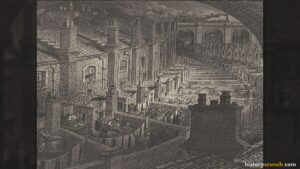
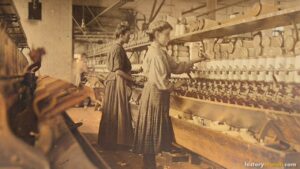
The Industrial Revolution first began in Britain in the 18th century and had a profound effect on the world. Some of the impacts of the Industrial Revolution were incredibly positive for the world, such as the numerous inventions. However, the revolution also had many negative effects for people, including aspects such as: child labor, dangerous working conditions, and horrible living conditions. As a result of many of these negative impacts, people throughout Britain began to fight back against what they perceived to be injustices. One such group that responded to the impacts of the Industrial Revolution was the Luddites.
 FactsthatCrunch
Tap each impact to read what it led to.
Who Were the Luddites?
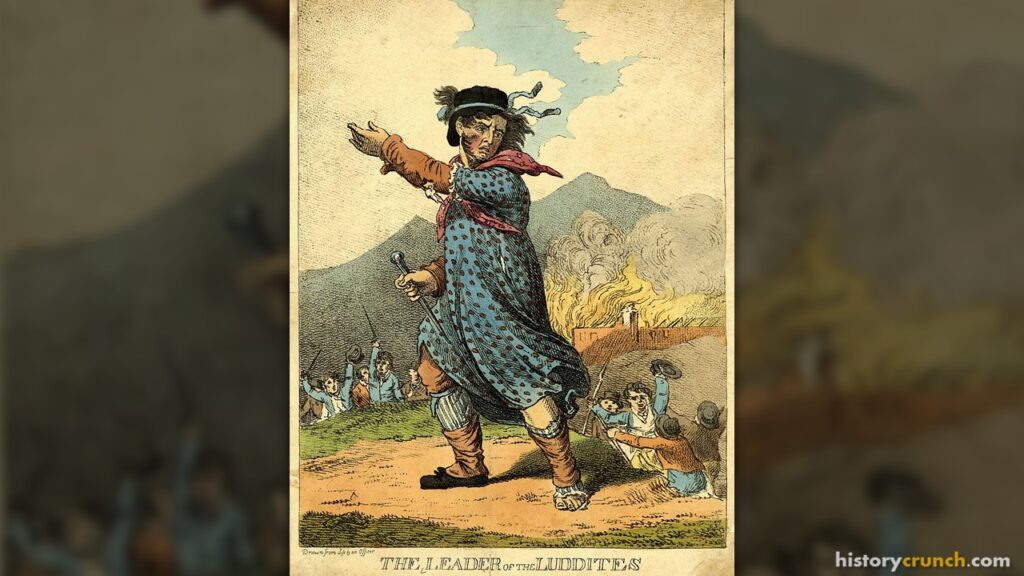
Who were the Luddites? The Luddites were industrial workers in the British textile industry who were known for their destruction of machinery in textile factories. The term ‘Luddite’ comes from the name of Ned Ludd, who was a mythical weaver during the Industrial Revolution in Britain. In 1779, he supposedly smashed two knitting machines, referred to as stocking frames, in a fit of anger. When the Luddite movement began on March 11th, 1811, in Nottingham, England, they took the name of Ned Ludd to represent their views.
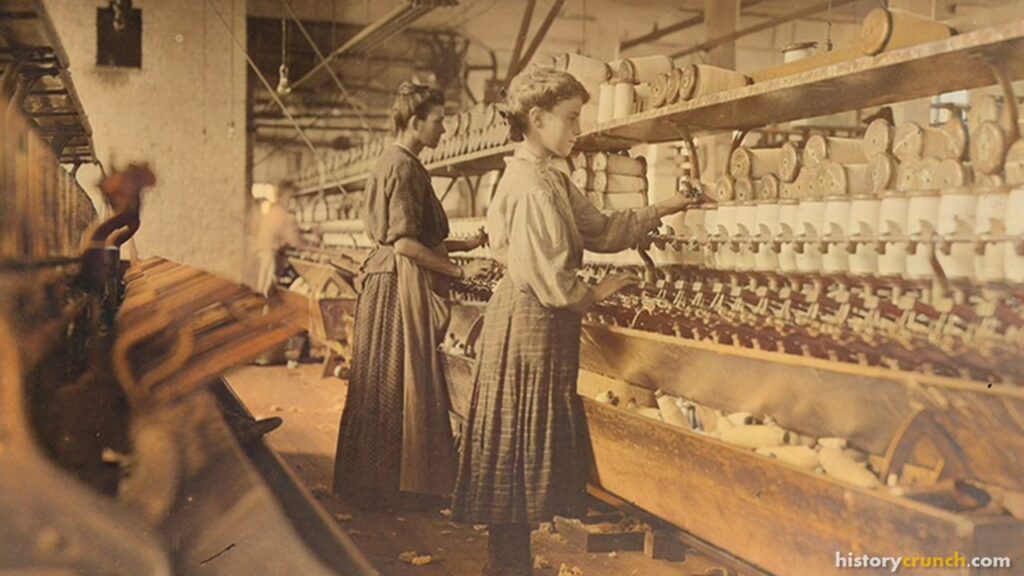
In general, the Luddites were textile workers who would break into factories and smash textile machines. They were protesting the use of the machines in the production method because the factory owners had begun to replace their skilled labor with these inexpensive machines. As a result, the Luddites felt as though they were losing their jobs and livelihoodsThe ways people earn money and support themselves and their families.. Soon, the Luddite movement spread throughout England and many other communities experienced their own protests; however, it officially came to an end in 1816.
The period from 1811 to 1816 marked the peak of Luddite activity. Groups of men would break into factories at night, destroying the machines that threatened their way of life. These actions were not random acts of vandalism but targeted strikes against specific technologies and factories.
Ned Ludd, the supposed founder the Luddites took their name from, was a real historical person who actually smashed stocking frames in 1779.
The Luddites and Socialism
While not technically an example of a socialist ideology, the Luddites emerged alongside socialism. For example, other responses to the inequalities of the Industrial Revolution included socialist ideologies, such as: utopian socialism, Marxism, and democratic socialism. The Luddites movement was similar to these ideologies in that they sought to improve the conditions of the working-class people throughout the 19th century.
In fact, the Luddite movement was deeply rooted in economic and social concerns. For instance, the most important issue was the threat to their livelihoods, as machines could replace skilled labor, leading to job losses. Also, the mechanizationReplacing human workers with machines to do the same tasks in a factory. of the textile industry drove down wages and deteriorated working conditions, further worsening the plight of the workers.
FactsthatCrunchBoth Luddites and early socialists responded to the same industrial inequalities, including low wages, lost jobs, and poor conditions. The key difference is method: Luddites struck directly at machines in a specific trade, while early socialists built theories and movements aimed at changing the overall economic structure.
Government Response to the Luddites
Throughout the time period of the Luddite movement the British government generally responded in favor of the factory owners. For example, during the early years of the movement, the British government committed thousands of British soldiers to combating the Luddites. As well, they eventually passed legislation, such as the Frame Breaking Act of 1812, which made machine breaking a capital offenseA crime punishable by death under the law.. As a result, several prominent Luddites were put on trial and executed for their roles. These actions by the government eventually helped to deter other Luddites from carrying out similar actions.
FactsthatCrunchThe Frame Breaking Act Receives Royal Assent
On March 20th, 1812, Parliament passed the Frame Breaking Act, making the destruction of stocking frames and other textile machines a crime punishable by death. The bill had been introduced to Parliament on February 14th, 1812, as the British government's direct response to Luddite attacks on machinery in Nottinghamshire and across the textile regions of England. During the second reading in the House of Lords on February 27th, 1812, the poet Lord Byron gave his maiden speech opposing the bill, arguing that desperate workers driven by the loss of their jobs deserved relief, not execution.
Legacy of the Luddite Movement
By 1816, the Luddite movement had largely been suppressedStopped by force, preventing a movement or group from continuing. through a combination of military force and legal persecution. Many Luddites were arrested, with some executed and others transportedSent as punishment to a distant colony, in this case Australia, to serve a sentence. to colonies in Australia.
The Luddites left a significant legacy, in relation to the Industrial Revolution and beyond. For example, the Luddites highlighted the need for worker rights and were part of the wider labor movement that eventually led to labor reforms. Also, the Luddites became symbols of resistance to unchecked technological progress and inspired later generations to consider the human cost of industrialization. As such, the term ‘Luddite’ today is often used to refer to someone that opposes technology or technological innovation. In fact, some of the views of the Luddite movement can still be seen in response to modern automationUsing machines or computers to do work that humans previously performed. and artificial intelligence advances.
 FactsthatCrunch
Industrial Revolution timeline · 1760 – 1840
Key Vocabulary
Textile
Livelihoods
Mechanization
Capital offense
Suppressed
Transported
Automation
Frequently Asked Questions
Who were the Luddites?
The Luddites were English textile workers who destroyed weaving machines as a form of protest. They acted in the early 19th century during the Industrial Revolution. They feared that cheap machines would replace their skilled labor and take their jobs.
Where did the name Luddite come from?
The name came from Ned Ludd, a mythical weaver said to have smashed two knitting machines in 1779. The machines he broke were called stocking frames. When the movement began in 1811, workers took his name to represent their cause.
Why did the Luddites break machines?
The Luddites broke machines because factory owners used them to replace skilled workers with cheap labor. The workers felt they were losing their jobs and their way of life. Mechanization also pushed wages down and made working conditions worse.
How did the British government respond to the Luddites?
The British government sided with the factory owners and sent thousands of soldiers to stop the Luddites. It also passed the Frame Breaking Act of 1812, which made machine breaking punishable by death. Several Luddites were tried, executed, or sent to colonies in Australia.
What does the word Luddite mean today?
Today the word Luddite describes someone who opposes technology or new inventions. The original movement was more about protecting jobs and worker rights than hating machines. Some of its concerns still appear in debates over automation and artificial intelligence.
Cite This Article
To cite this article as a source, use one of the formats below.
MLA: Beck, Elias. “Luddites: A Detailed Summary.” HistoryCrunch, 25 September 2026, https://historycrunch.com/luddites/.
APA: Beck, E. (2026). Luddites: A Detailed Summary. HistoryCrunch. https://historycrunch.com/luddites/
Chicago: Beck, Elias. “Luddites: A Detailed Summary.” HistoryCrunch. September 25, 2026. https://historycrunch.com/luddites/
Sources
- The Science Museum Group
- Robert C. Allen, The Industrial Revolution: A Very Short Introduction.
- Emma Griffin, A Short History of the British Industrial Revolution.
- Fordham Modern History Sourcebook