The Second Moroccan Crisis (which is also known as the ‘Agadir Crisis’) was an important conflict that took place from April to November in 1911 and led to increased tensions between the European powers. In fact, the major European nations (which included France, Germany and Britain) disagreed over the status of the African nation of Morocco and who should have influence over the region. France had considered the African nation of Morocco to be in its imperial ‘sphere of influenceA region where one country claims dominant power and control over political and economic affairs.’, but Germany protested. In fact, the tensions over Morocco erupted just a few years earlier with the events of the First Moroccan Crisis, which occurred from 1905 to 1906. Historians consider the First Moroccan Crisis and Second Moroccan Crisis to be significant causes of World War I, because they increased the tensions between the European powers before the outbreak of the First World War in 1914.
 FactsthatCrunch
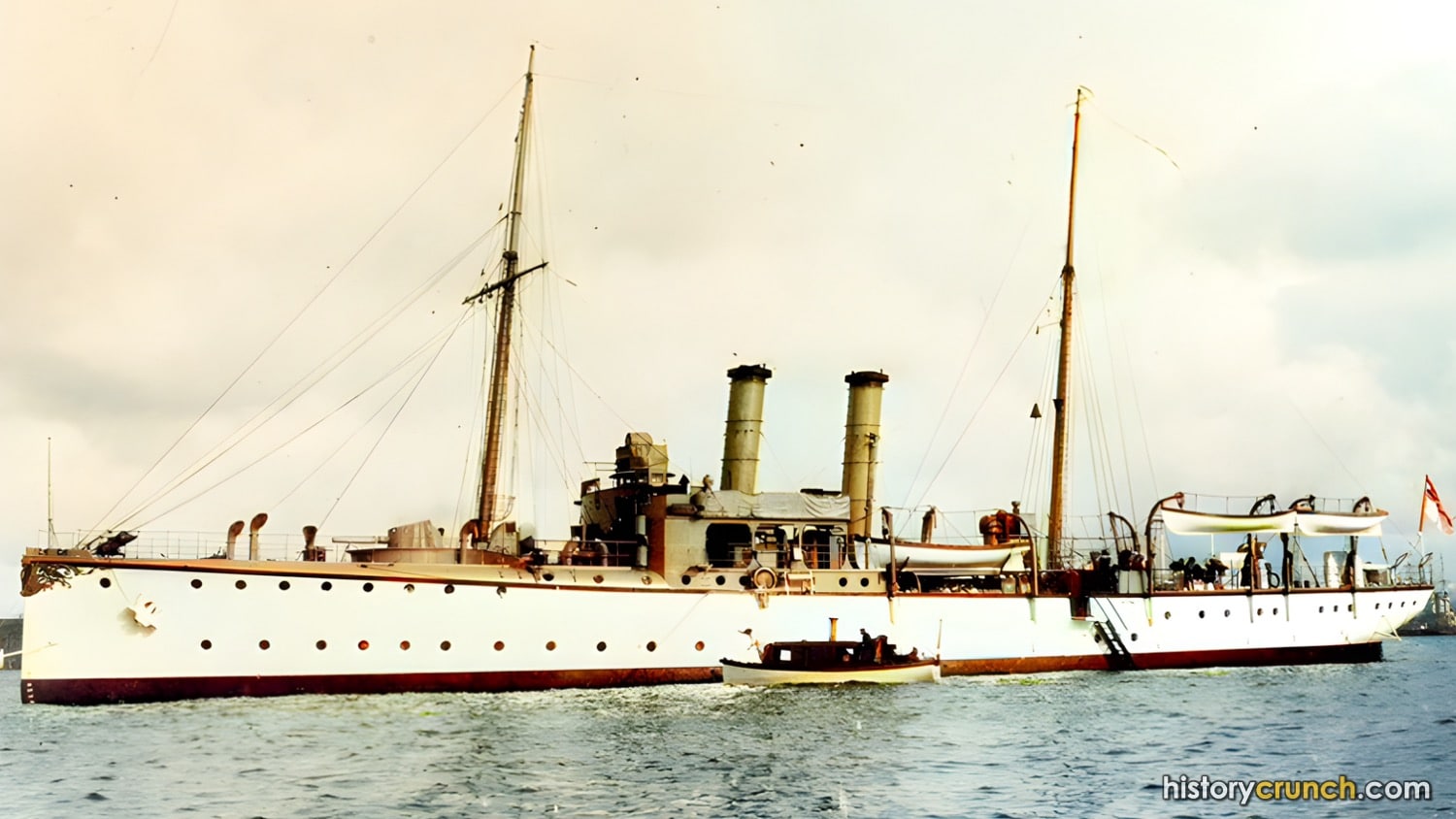
Agadir Crisis of 1911: Germany Sends the SMS Panther to Morocco
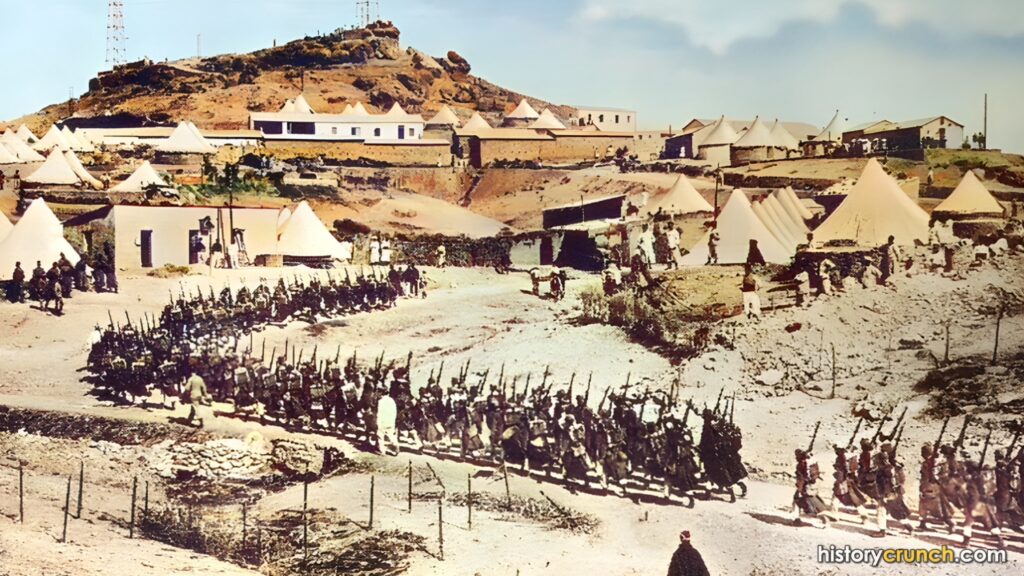
In early April 1911, rebels surrounded Morocco's Sultan Abdelhafid in his palace in the city of Fez. France, treating Morocco as part of its imperial sphere of influence, sent troops to put down the revolt. Germany objected to France's growing power in Africa and on July 1st, 1911, sent the gunboat SMS Panther to the Moroccan port of Agadir, turning a local rebellion into a major crisis between the European powers.
What Caused the Second Moroccan Crisis?
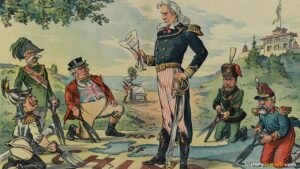
To recognize the importance of the Second Moroccan Crisis, it’s first important to understand the history and significance of European imperialism in the 19th century and early 20th century. ImperialismA process where a powerful country takes over another country or region’s political, economic, or social life. is understood as a process in which a country overtakes another country or region’s political, economic or social life. Imperialism was carried out by the powerful European nations against the rest of the world in the decades before World War I began. For example, in the 19th century European nations carried out massive campaigns of imperialism against the regions of Africa in an event known as the Scramble for Africa. The Scramble for AfricaMassive campaigns by European nations to seize territory across Africa in the 19th century. helped lead to World War I because it increased the rivalry between the European nations as they fought against each other for territory in Africa and control over different regions. The Second Moroccan Crisis (along with the earlier First Moroccan Crisis) was one of these significant times in which tensions from European imperialism created conflict between the main powers in Europe.
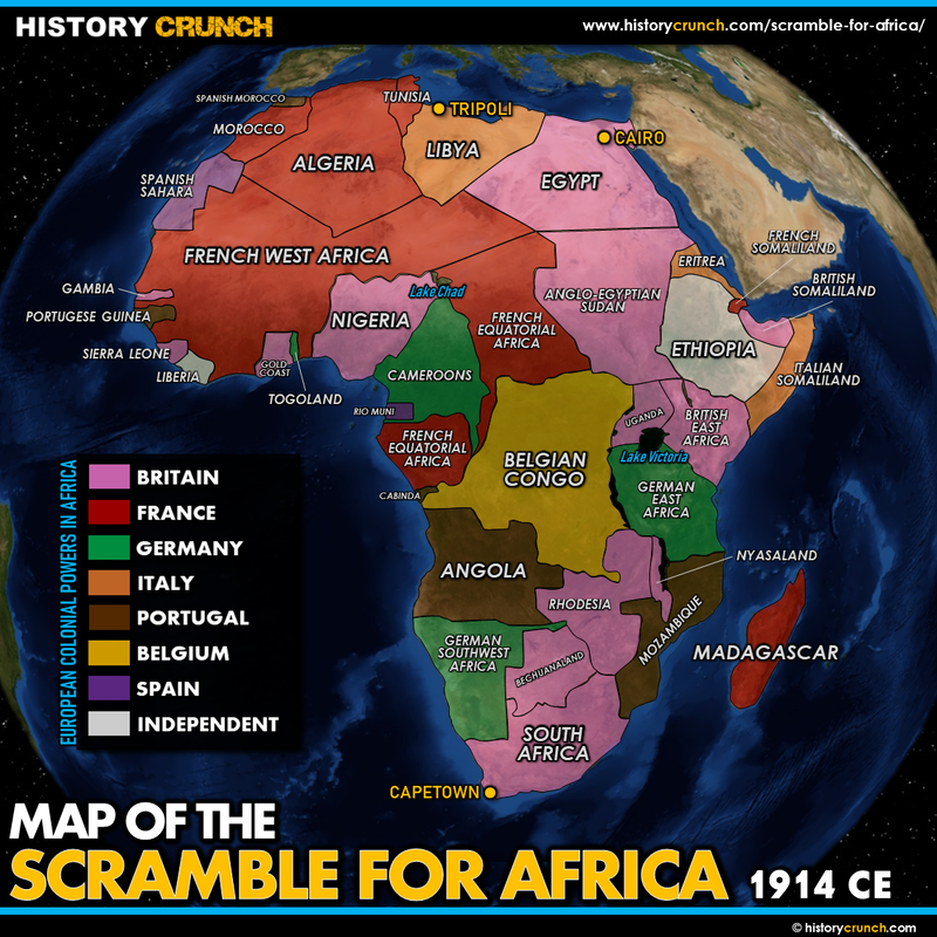
In general, European imperialism of Africa created tensions in that Germany felt left out of territory in the region. For instance, Britain and France were the two European nations that had control over the largest regions of Africa during the Scramble for Africa and this caused tension with Germany. Germany was angry that it lacked the colonies in Africa (as well as Asia) that both Britain and France had and resented their general role in Africa. For example, by 1914, Britain and France each ruled far larger colonial empires than Germany. This anger by Germany led to the First Moroccan Crisis and the Second Moroccan Crisis.
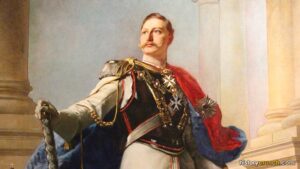
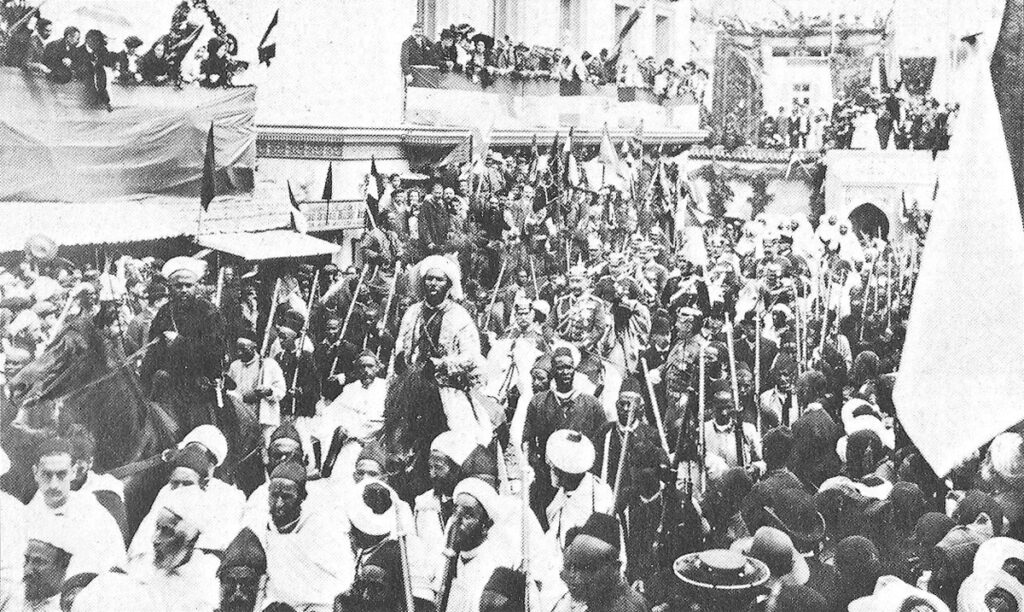
The First Moroccan Crisis (which is also known as the ‘Tangier Crisis’) took place from March 1905 until May of 1906 and led to increased tensions between the European powers of France and Germany. The event that sparked the First Moroccan Crisis was a visit to Morocco by the German Kaiser, Wilhelm II, on March 31st, 1905. The First Moroccan Crisis was eventually resolved at the Algeciras Conference, which took place from January 16th until April 7th, 1906 and was held in Algeciras, Spain. At the conference, Germany hoped to gain support from the other European nations for its role in Africa. However, the Algeciras Conference ended up being a failure for Germany, as almost all of the nations present sided with France in the dispute. In fact, only Austria-Hungary agreed with Germany’s view. Meanwhile, France had the support of the following: Britain, Italy, Russia, Spain and the United States.
 FactsthatCrunch
Major Events of the Second Moroccan Crisis
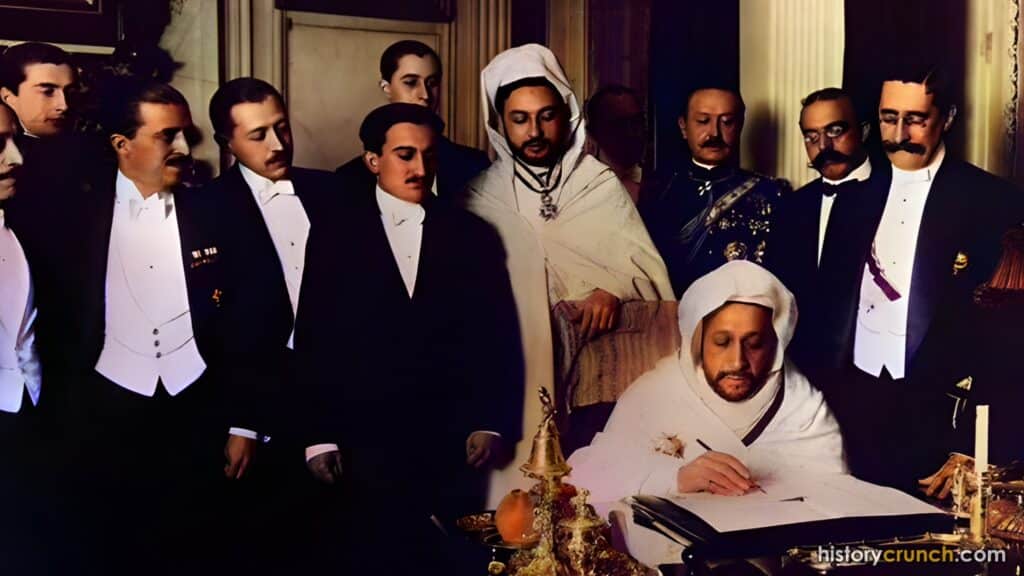
The Second Moroccan Crisis (or the ‘Agadir Crisis’) began in April of 1911 in the midst of a rebellion against the Moroccan Sultan Abdelhafid. The people of Morocco had begun to rebel against the Sultan following accusations of torture and other terrible acts carried out by his government. In fact, the rebels were so successful that they were able to surround Abdelhafid in his palace in the northern Moroccan city of Fez. Since France considered Morocco to fall under their imperialistic influence, they sent in troops to regain control of the situation. This act by France angered Germany, as it resented French success in Africa.
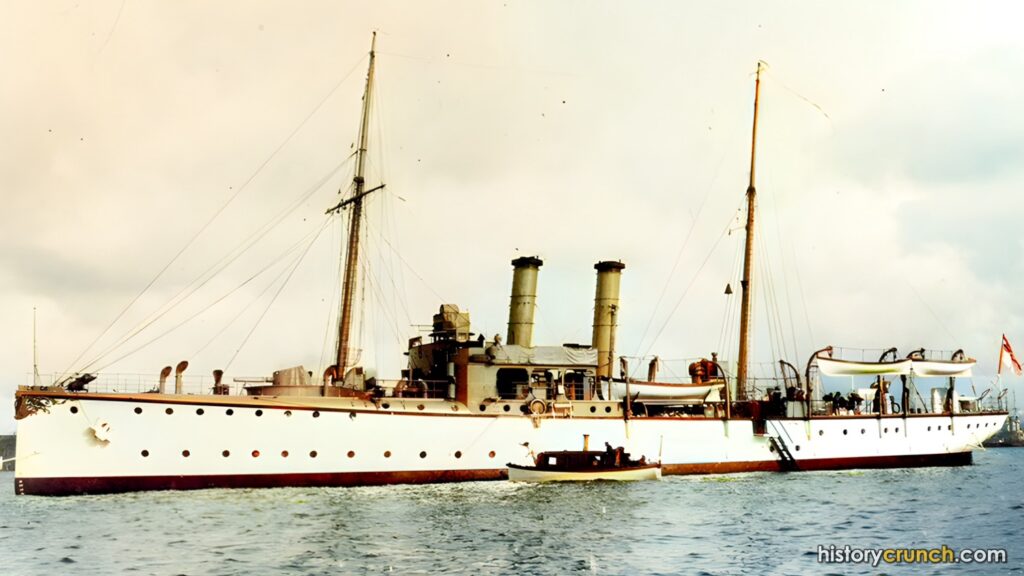
Germany responded to France’s military involvement in Morocco by sending the SMS Panther gunboatA small, armed warship used to project military power, especially in coastal or river areas. to the Moroccan coastal city of Agadir during the rebellion. Similar to the First Moroccan Crisis, German actions in Morocco led to heightened tensions between the European nations. More specifically, France and Britain were aligned with each other through the Entente CordialeA diplomatic agreement between France and Britain finalized on April 8th, 1904, linking the two nations together.. The Entente Cordiale was an agreement between France and Britain that was finalized on April 8th, 1904. It linked the two nations diplomatically and, as such, led to France and Britain facing off against Germany in the Second Moroccan Crisis. In fact, the arrival of the German gunboat in Morocco worried Britain because they had naval interests in the region and were concerned that Germany might use the opportunity to challenge this. At the time, Britain had the largest and most powerful navy in the world, but Germany was actively trying to challenge Britain for control of the seas. In fact, historians have noted that the two nations participated in a ‘naval raceA competition between Britain and Germany to build the largest and most powerful fleet of warships.’ in the years leading up to the 1914 outbreak of World War I.
By July of 1911, both France and Germany began seeking an end to the crisis. As such, Germany presented France with a set of terms that would end the Second Moroccan Crisis. In the agreement, France would take over control of Morocco as a protectorateA nation that runs its own affairs but depends on a European power for economic, political, and military support. but would be required to turn over some of its territory in the French Congo as compensation to Germany. A protectorate is a term used during the Age of European Imperialism to describe a nation that maintains control over its own affairs but is ultimately dependent on a European power for some economic, political, and militaristic assistance.
France and Germany eventually held a convention on November 4th, 1911 called the Franco-German Accord. In general, France agreed to turn over some of its territory in the Congo in exchange for German recognition of France’s status in Morocco.
FactsthatCrunchOutcomes of the Second Moroccan Crisis
In general, the Second Moroccan Crisis (along with the First Moroccan Crisis) set the stage for World War I. It heightened tensions between the European nations and further divided the continent by the alliances. For example, the Second Moroccan Crisis caused France to rely on its agreement with Britain, and eventually led to the development of the Triple Entente. In fact, Britain’s Chancellor of the Exchequer, David Lloyd George, gave a famous speech at Mansion House in London on July 21st, 1911, warning that Britain would not accept peace at the price of national humiliation. As such, this highlights the growing anger and mistrust between the European nations in the build up to World War I.
 FactsthatCrunch
Why did Britain become alarmed when Germany sent the SMS Panther to Agadir during the Second Moroccan Crisis?
World War I timeline · 1914 – 1918
Key Vocabulary
Imperialism
Scramble for Africa
Sphere of influence
Entente Cordiale
Gunboat
Protectorate
Naval race
Frequently Asked Questions
When did the Second Moroccan Crisis happen?
The Second Moroccan Crisis lasted from April until November of 1911. It grew out of a rebellion against the Moroccan Sultan, which pulled France and Germany into conflict. The crisis ended with an agreement signed on November 4th, 1911.
Why is it also called the Agadir Crisis?
It is called the Agadir Crisis because Germany sent a gunboat to the Moroccan coastal city of Agadir. The ship, named the SMS Panther, arrived to protest French military action in Morocco. Its presence raised fears in Britain, which had naval interests in the region.
What caused the Second Moroccan Crisis?
The crisis began when France sent troops into Morocco during a rebellion against Sultan Abdelhafid. France treated Morocco as part of its imperial sphere of influence, which angered Germany. Germany resented French success in Africa and responded by sending a warship to Agadir.
How did the Second Moroccan Crisis end?
The crisis ended with the Franco-German Accord signed on November 4th, 1911. France gained recognition of its control over Morocco as a protectorate. In exchange, France handed over some of its territory in the French Congo to Germany.
How did the Second Moroccan Crisis lead to World War I?
The crisis deepened the mistrust and rivalry between the major European powers. It pushed France closer to Britain and helped strengthen the Triple Entente alliance. These growing tensions and hardened alliances helped set the stage for war in 1914.
What was the difference between the First and Second Moroccan Crises?
The First Moroccan Crisis ran from 1905 to 1906 and started with a visit to Tangier by Kaiser Wilhelm II. The Second Moroccan Crisis happened in 1911 and centered on the German gunboat at Agadir. Both events raised tensions between France and Germany before the war.
Cite This Article
To cite this article as a source, use one of the formats below.
MLA: Beck, Elias. “The Second Moroccan Crisis: A Detailed Summary.” HistoryCrunch, 28 September 2026, https://historycrunch.com/second-moroccan-crisis/.
APA: Beck, E. (2026). The Second Moroccan Crisis: A Detailed Summary. HistoryCrunch. https://historycrunch.com/second-moroccan-crisis/
Chicago: Beck, Elias. “The Second Moroccan Crisis: A Detailed Summary.” HistoryCrunch. September 28, 2026. https://historycrunch.com/second-moroccan-crisis/
Sources
- John Keegan, The First World War.
- Margaret MacMillan, The War That Ended Peace.
- Fordham Modern History Sourcebook
- Imperial War Museum