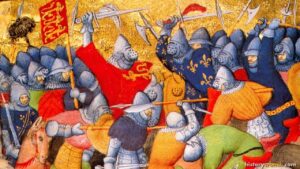
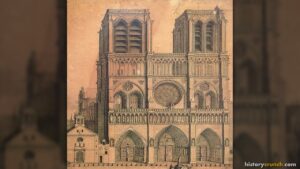
The Peasants’ Revolt of 1381 was one of the most significant events in the history of medieval England. It was a major uprising of peasants and lower-class workers who rebelled against the heavy taxation and social restrictions imposed on them by the ruling class. The Peasants’ Revolt is an important event in the history of the Middle Ages because it showed that ordinary people were willing to challenge the authority of the king and the nobility, and it had a lasting impact on the development of English society. In general, the Peasants’ Revolt was caused by a combination of factors, including the impacts of the Black Death, heavy taxation and the continued oppression of the lower classes under the feudal system.
 FactsthatCrunch
How did the Black Death, the poll tax, and feudal oppression combine to cause the Peasants' Revolt of 1381?
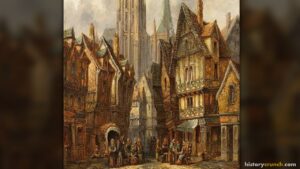
What Were the Middle Ages?
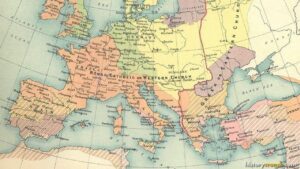
The Middle Ages, also known as the Medieval Period, refers to the period of European history that stretched from the 5th century to the 15th century. More specifically, historians generally place the beginning of the Middle Ages at 476 CE, with the fall of the Western Roman Empire, and its end at approximately 1500 CE, with the start of the Renaissance. Due to its length, the Middle Ages is divided into three smaller periods, including: the Early Middle Ages, the High Middle Ages and the Late Middle Ages. The Peasants’ Revolt took place in 1381 CE during the Late Middle Ages, which was a time of significant difficulty and change across Europe. As such, the Peasants’ Revolt is best understood in the context of the overall social and economic changes that were transforming English and European society during the final period of the Middle Ages.
Causes of the Peasants’ Revolt
There were several main causes of the Peasants’ Revolt, which combined to create widespread anger and frustration among the lower classes of English society in the years leading up to 1381 CE.
The first and most important cause was the impact of the Black Death on English society. The Black Death was the most famous pandemicA disease outbreak that spreads across a very large region, killing enormous numbers of people. in all of human history and devastated Europe in the 14th century, killing approximately half of the population of England. The massive loss of life caused by the Black Death had a profound effect on the relationship between peasants and their lords. With so many people dead, there was a severe shortage of workers across England, which gave surviving peasants much greater bargaining powerThe ability of workers to demand better wages or conditions because they are needed and cannot easily be replaced. than they had previously held under the feudal system. For instance, many peasants began to demand higher wages and better conditions from their lords, and some left their traditional lands in search of better opportunities elsewhere. As a result, many lords and the government tried to hold down wages and restrict the movement of peasants, which created enormous resentment among the lower classes.
The second main cause of the Peasants’ Revolt was heavy taxation. England at the time was engaged in the Hundred Years War with France, which was an extremely expensive conflict that required large amounts of money to fund. In order to raise the necessary funds, the government of the young King Richard II introduced a series of poll taxesFlat taxes every person above a certain age had to pay, no matter how rich or poor they were., which were flat taxes that every person above a certain age was required to pay regardless of their income or wealth. The third poll tax, introduced in 1380 CE, was particularly unpopular because it required each person to pay three times the amount of the previous poll tax. For many peasants, who were already struggling to survive, this tax was simply impossible to pay. As such, the introduction of the poll tax was the immediate trigger that sparked the outbreak of the Peasants’ Revolt.
A third cause of the Peasants’ Revolt was the ongoing oppression of the lower classes under the feudal systemA medieval social structure where peasants worked a lord’s land in exchange for the right to live on it. and serfdom. Throughout the Middle Ages, peasants and serfs were bound to the land of their local lord under the Manor System and were required to provide labor and other services in exchange for the right to live and work on the land. Many peasants felt that this system was deeply unjust and that they deserved greater freedom and rights. For instance, the teachings of radical preachers such as John Ball, who famously asked “When Adam delved and Eve span, who was then the gentleman?”, gave voice to the widespread feeling among the lower classes that the social hierarchy of feudalism was unfair and contrary to Christian principles of equality. As such, the Peasants’ Revolt was not simply a reaction to specific taxes or policies but reflected a deeper frustration with the social and economic conditions of life in the Middle Ages.
FactsthatCrunchWhen Adam delved and Eve span, who was then the gentleman? From the beginning all men by nature were created alike, and our bondage or servitude came in by the unjust oppression of naughty men. For if God would have had any bondmen from the beginning, he would have appointed who should be bond, and who free. And therefore I exhort you to consider that now the time is come, appointed to us by God, in which ye may (if ye will) cast off the yoke of bondage, and recover liberty.
Ball preached these words in the open air at Blackheath, outside London, in June of 1381 CE, speaking to thousands of rebels marching on the capital shortly after Kentish rebels had freed him from prison in Maidstone.
Main Events of the Peasants’ Revolt
The Peasants’ Revolt began in the summer of 1381 CE in the counties of Essex and Kent in southeastern England. The immediate trigger was the attempt by local tax collectors to enforce the payment of the unpaid poll tax, which led to violent clashes between the collectors and local communities. The revolt spread rapidly as word traveled through the countryside and large groups of peasants and workers began to gather under the leadership of a man named Wat Tyler, who became the most prominent leader of the uprising.
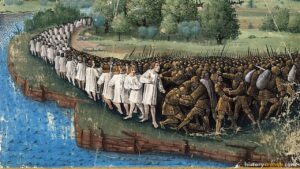
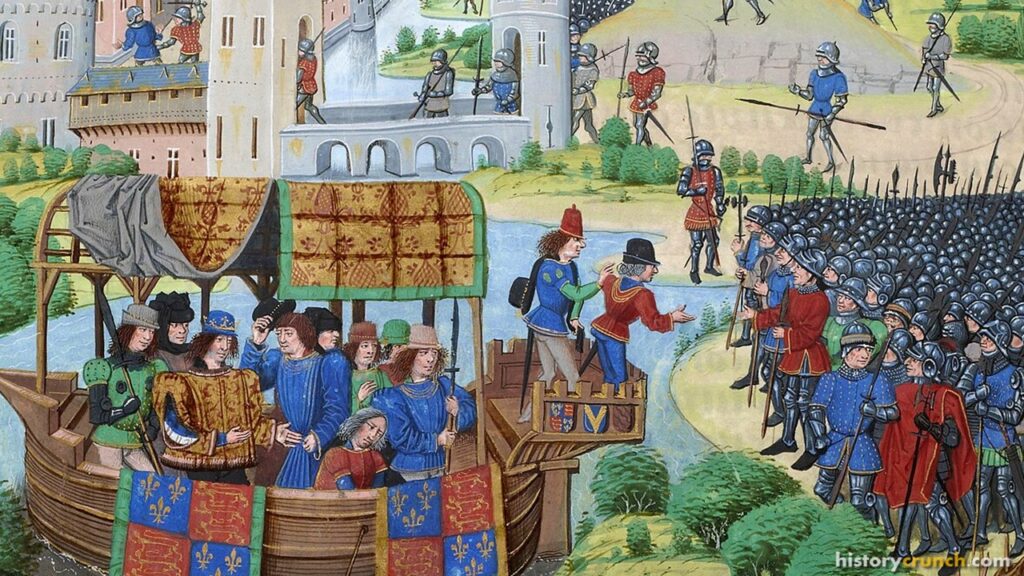
The rebels marched on London in June of 1381 CE, gathering supporters as they went. For instance, the rebels from Kent, led by Wat Tyler, and the rebels from Essex joined forces and marched toward the capital. Along the way, they attacked the homes and properties of unpopular nobles and government officials, destroyed legal documents that recorded the obligations of serfs and freed prisoners from local jails. By June 13th, 1381 CE, the rebels had entered London itself, which was an extraordinary event that shocked the ruling class of England. Once inside the city, the rebels attacked and destroyed the palace of John of Gaunt, who was the uncle of King Richard II and one of the most powerful men in England. They also attacked the Tower of London and executed several unpopular figures, including the Archbishop of Canterbury Simon Sudbury, who was also the Lord Chancellor, and the Lord High Treasurer Robert Hales, both of whom were held responsible for the hated poll tax.
King Richard II, who was only fourteen years old at the time, agreed to meet with the rebels at a location called Mile End on June 14th, 1381 CE. At this meeting, Richard agreed to several of the rebels’ demands, including the abolitionThe official ending or canceling of a law, practice, or institution by those in authority. of serfdomA condition that legally bound peasants to their lord’s land, limiting their freedom to leave or seek better work. and the right of peasants to rent land at a fixed rate. Many of the rebels accepted these promises and began to return home. However, a second meeting was arranged the following day at Smithfield, where Wat Tyler met with Richard II to present further demands. During this meeting, a confrontation broke out between Wat Tyler and the Mayor of London, William Walworth, who stabbed Tyler. Tyler was taken to a nearby hospital, where he was later killed on the orders of the city authorities. With the death of their leader, the revolt quickly collapsed.
FactsthatCrunchHow did the Peasants' Revolt of 1381 unfold from its outbreak in Essex and Kent to the fatal confrontation at Smithfield?
Aftermath of the Peasants’ Revolt
Following the death of Wat Tyler and the collapse of the revolt, King Richard II quickly withdrew the promises he had made to the rebels at Mile End. For instance, Richard famously told a group of peasants who came to him to claim the rights he had promised that “serfs you are, and serfs you shall remain.” The government then moved swiftly to punish the leaders of the revolt. Hundreds of rebels were arrested and tried, and many were executed. John Ball, the radical preacher who had helped inspire the revolt, was captured and executed in July of 1381 CE. As such, the immediate outcome of the Peasants’ Revolt was a reassertion of royal and noble authority over the lower classes of English society.
FactsthatCrunch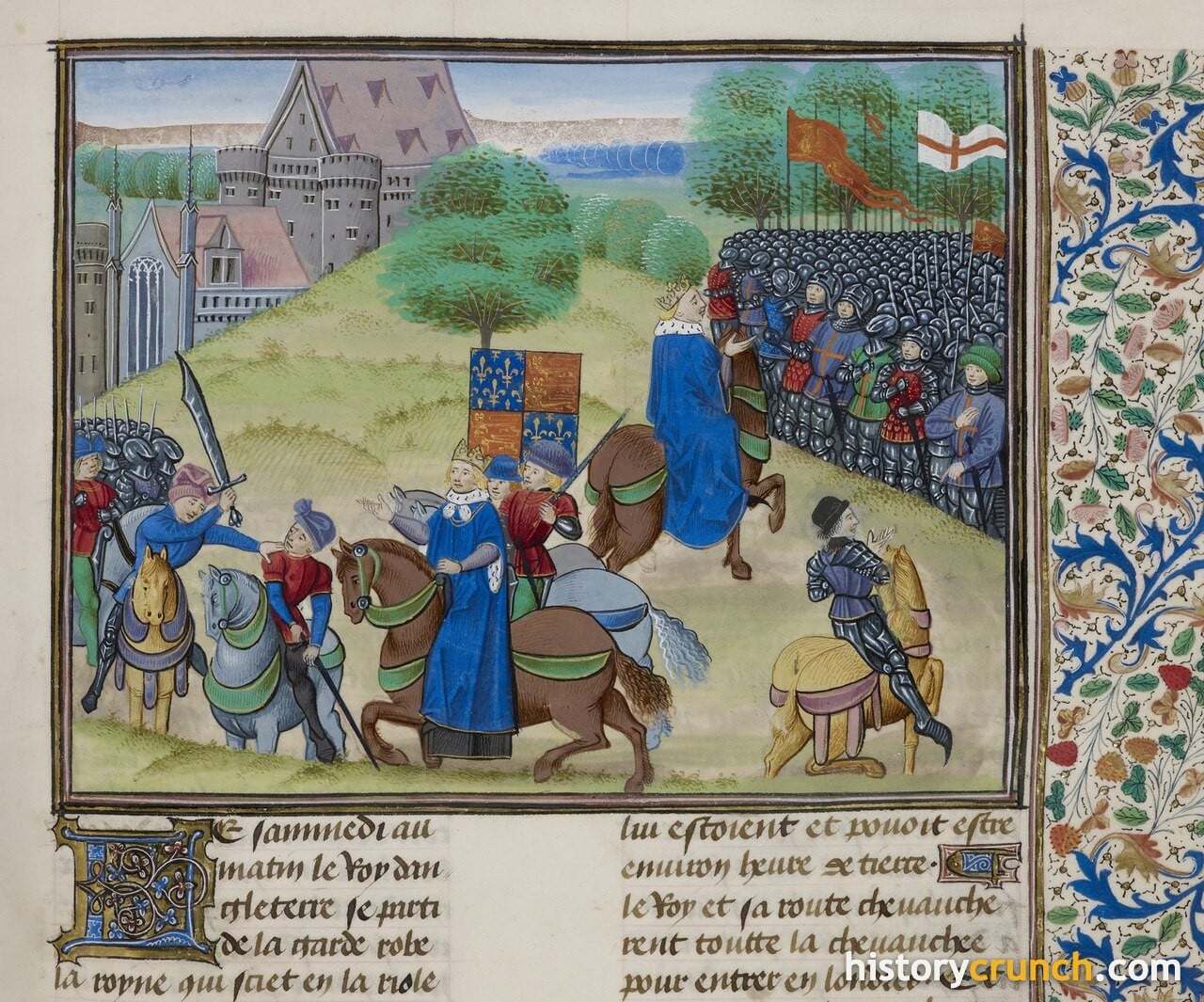
Significance of the Peasants’ Revolt
In conclusion, the Peasants’ Revolt of 1381 CE was one of the most significant events in the history of medieval England and the Middle Ages. While the revolt was ultimately suppressed and its immediate demands were not met, it had an important long-term impact on English society. For instance, after the Peasants’ Revolt the government never again attempted to introduce a poll tax, and the conditions of peasants and serfs in England gradually improved over the following decades as the feudal system continued to weaken. As such, the Peasants’ Revolt is an important event in the broader history of the decline of feudalism and the gradual development of greater rights and freedoms for ordinary people in medieval England.
FactsthatCrunchAlthough King Richard II crushed the revolt and told peasants 'serfs you are, and serfs you shall remain,' the government did not try another poll tax for centuries, and the conditions binding serfs to their lords' land continued to loosen across the following decades.
Serfs legally tied to lords' land, poll taxes levied freely, feudal system largely unchallenged
Poll taxes dropped for centuries, serfdom gradually faded, peasants slowly gained greater freedom and rights
Explore Middle Ages · 476 – 1500 CE
Keep exploring Middle Ages with these History Crunch resources.
Key Vocabulary
Poll taxes
Feudal system
Serfdom
Manor System
Bargaining power
Abolition
Pandemic
Frequently Asked Questions
What caused the Peasants’ Revolt of 1381?
The revolt was caused by heavy taxation, the effects of the Black Death, and anger at the feudal system. A new poll tax in 1380 was the immediate trigger that pushed peasants to rebel. These taxes helped pay for the costly Hundred Years War with France.
Who was Wat Tyler?
Wat Tyler was the most prominent leader of the Peasants’ Revolt. He led rebels from Kent and helped guide the march on London in June of 1381. He was stabbed by the Mayor of London, William Walworth, at Smithfield and later killed, which caused the revolt to collapse.
How did the Black Death lead to the revolt?
The Black Death killed about half of England’s population, which left a severe shortage of workers. With fewer peasants available, survivors could demand higher wages and better conditions. Lords and the government tried to hold wages down, and this created deep anger among the lower classes.
What happened when the rebels reached London?
The rebels entered London on June 13th, 1381, which shocked the ruling class. They destroyed the palace of John of Gaunt and attacked the Tower of London. They also executed the Archbishop of Canterbury, Simon Sudbury, and the Lord High Treasurer, Robert Hales, who were blamed for the poll tax.
Was the Peasants’ Revolt successful?
The revolt failed in the short term because the king withdrew his promises and punished the leaders. King Richard II canceled the pledge to end serfdom and had many rebels arrested and executed. Over time, though, the government never used a poll tax again, and peasant conditions slowly improved.
Cite This Article
To cite this article as a source, use one of the formats below.
MLA: Millar, B. “Peasants' Revolt: A Detailed Summary.” HistoryCrunch, 15 October 2026, https://historycrunch.com/peasants-revolt/.
APA: Millar, B. (2026). Peasants' Revolt: A Detailed Summary. HistoryCrunch. https://historycrunch.com/peasants-revolt/
Chicago: Millar, B. “Peasants' Revolt: A Detailed Summary.” HistoryCrunch. October 15, 2026. https://historycrunch.com/peasants-revolt/
Sources
- The Met (Heilbrunn Timeline): medieval art
- Barbara Rosenwein, A Short History of the Middle Ages.