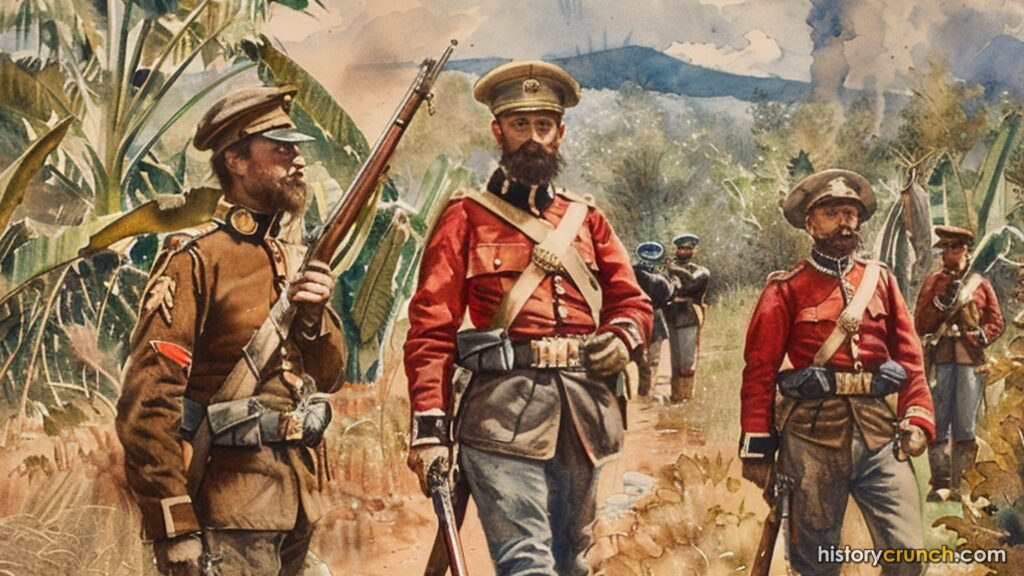
ImperialismWhen one country extends its political, economic, or cultural authority over another country or region through invasion, political control, or economic domination. was one of the main causes of World War I, which began in July of 1914, following the assassination of Austrian Archduke Franz Ferdinand. In fact, historians consider it to be one of four main long-term causes of the war, along with: militarism, alliance systems and nationalism. Imperialism was a particularly important cause of World War I. For instance, it caused European nations to compete for territory around the world, which increased tensions. These tensions caused the European nations to build up their armies and set the stage for war.
 FactsthatCrunch
By 1914, Britain and France each ruled far larger overseas empires than Germany. That imbalance fed rivalry and distrust among the European powers and helped build the tensions that led to World War I.
European Imperialism Before World War I
Imperialism is a term that relates to when one country extends its political, economic or cultural authority over another country or region. This process involves the dominant country taking over the other through direct invasion and political control or by gaining authority over the economy of the other country. Imperialism, in history, was a foreign policy practiced by many different nations but is most often associated with European countries, especially during the Age of Imperialism.
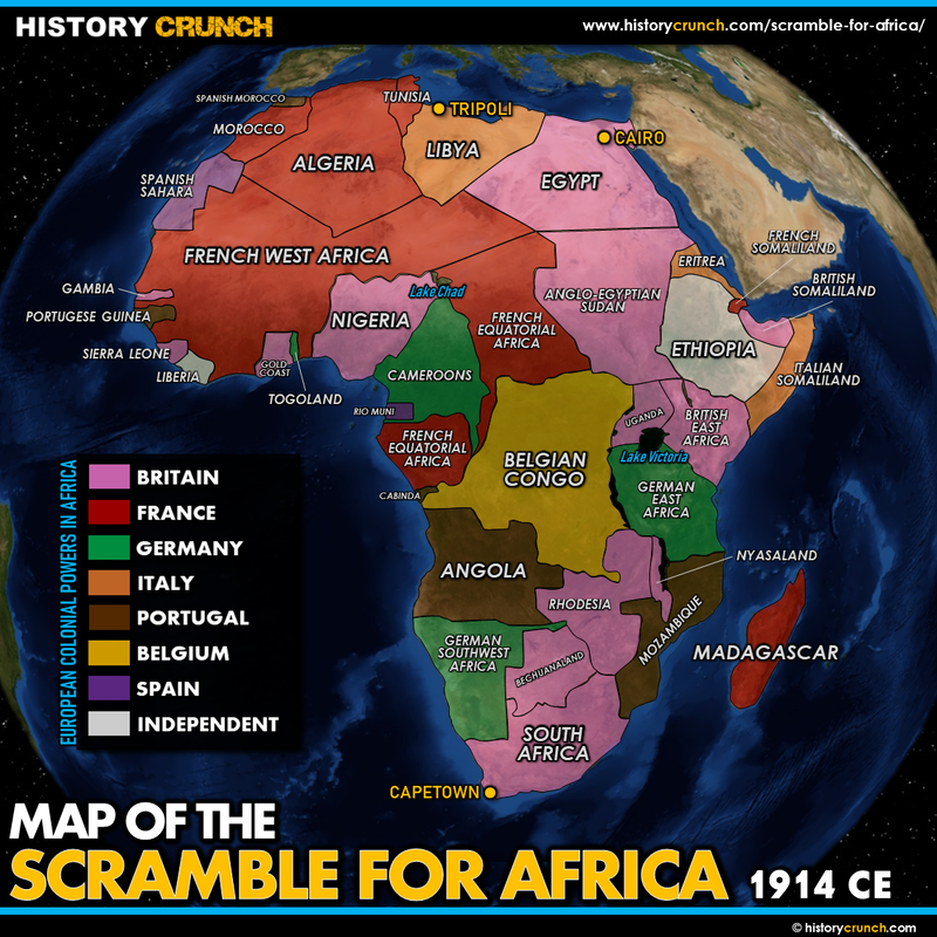
Imperialism was carried out by the powerful European nations against the rest of the world in the decades before World War I began. For example, in the 19th century European nations carried out massive campaigns of imperialism against the regions of Africa in an event known as the Scramble for Africa. The Scramble for Africa led to the start of World War I because it increased the rivalryIntense competition between nations for territory, power, or control that builds anger and distrust over time. between the European nations as they fought against each other for territory in Africa and control over different regions.
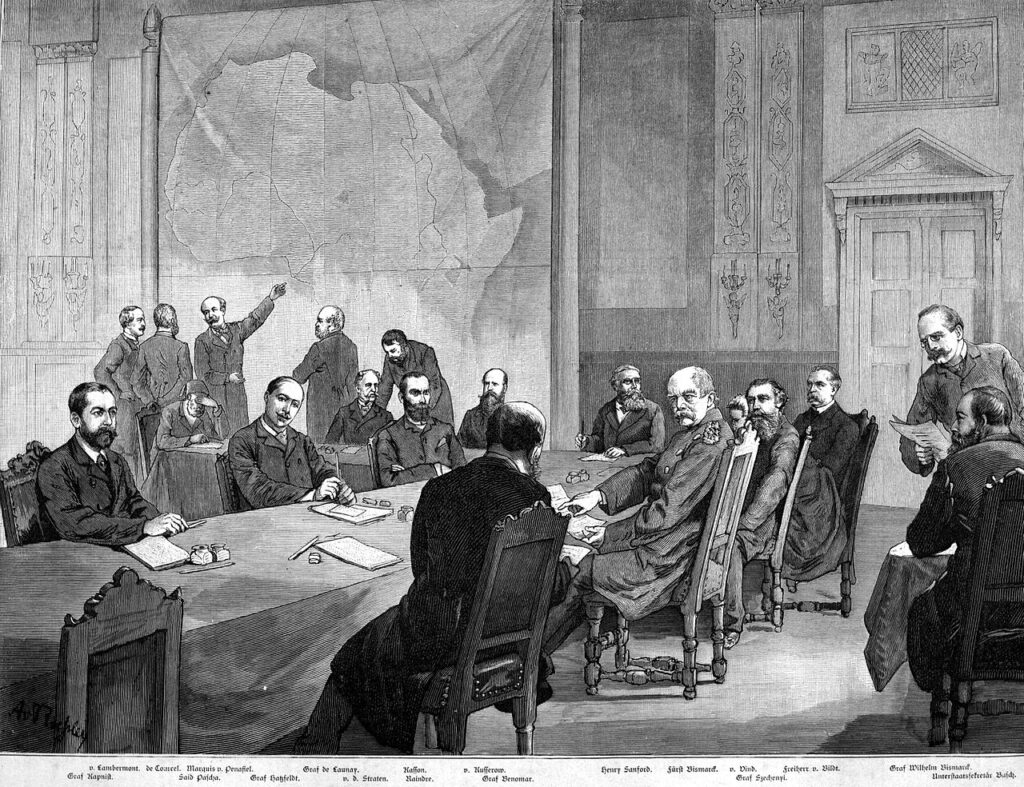
In general, European imperialism of Africa created tensions in that Germany felt left out of territory in the region. For example, in 1884, German leader Otto von Bismarck called the Berlin Conference which had the European powers meet to discuss the division of Africa into regions controlled by the European nations. The purpose of the meeting was to avoid starting a major European conflict and to lessen tensions because the Scramble for AfricaMassive campaigns by European nations in the 19th century to seize and divide territory across Africa among themselves. was leading to an intense rivalry and distrust between the Europeans powers.
The peace created at the Berlin Conference did not last as the rivalry between the European powers increased as they approached 1914. For instance, Britain and France were the two European nations that had control over the largest regions of Africa during the Scramble for Africa and this caused tension with Germany. Germany was angry that it lacked the colonies in Africa (as well as Asia) that both Britain and France had and resented their general role in Africa. For example, by 1914 Britain and France each ruled far larger overseas empires than Germany. This anger by Germany led to two significant crises. These included the First Moroccan Crisis and the Second Moroccan Crisis.
 FactsthatCrunch
Why did the Scramble for Africa cause Germany to feel angry and resentful toward Britain and France before World War I?
First Moroccan Crisis
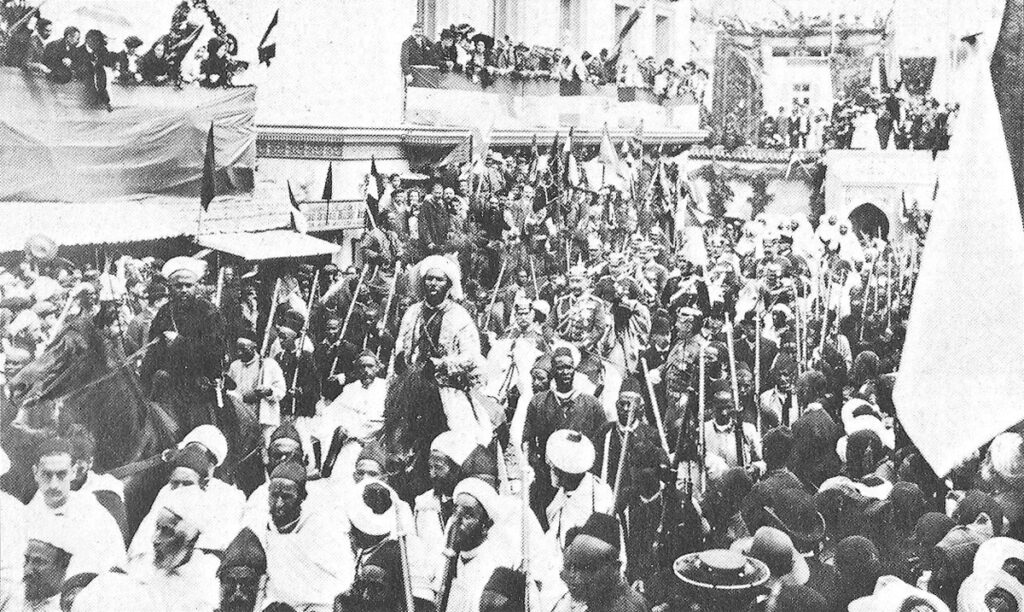
The event that sparked the First Moroccan Crisis was a visit to Morocco by the German Kaiser, Wilhelm II, on March 31st, 1905. Also known as the ‘Tangier Crisis’ it took place from March 1905 until May of 1906 and led to increased tensions between the European powers of France and Germany. In fact, the two European nations disagreed over the status of the African nation of Morocco and who should have influence over the region.
Morocco is a nation located in northwestern Africa. In the early 20th century, this region of Africa was under the influence of French imperialism. As such, France considered Morocco to be within its ‘sphere of influenceA region where one powerful nation claims the right to control or dominate political and economic affairs.’. As such, when the German Kaiser, Wilhelm II, arrived in Tangier, Morocco in 1905 it caused anger to erupt from France. This situation continued until the Algeciras Conference, which was called to settle the disagreement.
Second Moroccan Crisis
The Second Moroccan Crisis (or the ‘Agadir Crisis’) began in April of 1911 in the midst of a rebellion against the Moroccan Sultan Abdelhafid. The people of Morocco had begun to rebel against the Sultan following accusations of torture and other terrible acts carried out by his government. In fact, the rebels were so successful that they were able to surround Abdelhafid in his palace in the northern Moroccan city of Fez. Since France considered Morocco to fall under their imperialistic influence, they sent in troops to regain control of the situation. This act by France angered Germany, as they resented French success in Africa.
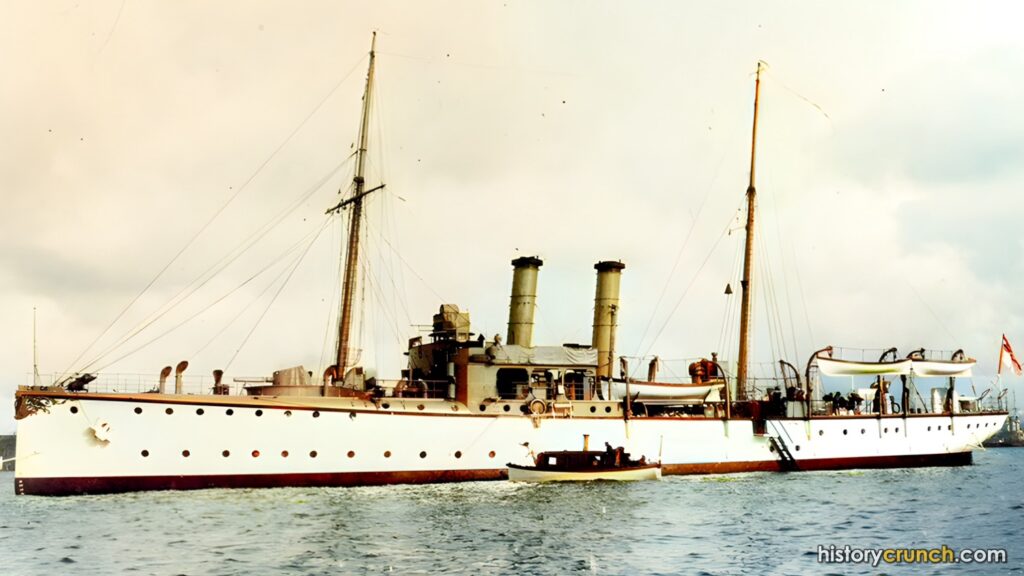
Germany responded to France’s military involvement in Morocco by sending the SMS Panther gunboat to the Moroccan coastal city of Agadir during the rebellion. Similar to the First Moroccan Crisis, German actions in Morocco led to heightened tensions between the European nations. More specifically, France and Britain were allied with each other as part of the Entente Cordiale.
By July of 1911, both France and Germany began seeking an end to the crisis. As such, Germany presented France with a set of terms that would end the Second Moroccan Crisis. In the agreement, France would take over control of Morocco as a protectorateA nation that runs its own affairs but depends on a European power for economic, political, and military support. but would be required to turn over some of its territory in the French Congo as compensationSomething given in return for a loss, such as territory traded to make up for a political concession. to Germany. A protectorate is a term used during the Age of European Imperialism to describe a nation that maintains control over its own affairs but is ultimately dependent on a European power for some economic, political, and militaristic assistance.
France and Germany eventually held a convention on November 4th of 1911 called the Franco-German Accord. In general, France agreed to turn over some of its territory in the Congo in exchange for German recognition of France’s status in Morocco.
 FactsthatCrunch
In what order did the key steps of the Second Moroccan Crisis of 1911 happen?
How Did Imperialism Cause World War I?
European imperialism had a profound impact on the outbreak of World War I. As stated above, imperialism was carried out by the powerful European nations against the rest of the world in the decades before World War I began. For example, in the 19th century European nations carried out massive campaigns of imperialism against the regions of Africa in an event known as the Scramble for Africa. The Scramble for Africa led to the start of World War I because it increased rivalry between the European nations as they fought against each other for territory in Africa and control over different regions.
For instance, Britain and France were the two European nations that had control over the largest regions of Africa during the Scramble for Africa and this caused tension with Germany. Germany was angry that it lacked the colonies in Africa that both Britain and France had and resented their general role in Africa. This anger by Germany would lead to the two Moroccan Crises that occurred before World War I. Ultimately, these tensions led to a sense of anger and distrust among the European powers that helped to set the stage for war in 1914.
Furthermore, imperialism combined with the other main causes of World War I, to set the war into motion. As stated previously, these causes included: militarism, alliances, imperialism and nationalism. However, the assassination of Franz Ferdinand was the event that ultimately sparked the outbreak of World War I.
 FactsthatCrunch
Germany had far fewer colonies than Britain and France by 1914, which built deep resentment and pushed Germany to challenge French control in Morocco twice before the war began.
By 1914, Britain and France each ruled far larger overseas empires than Germany. This imbalance fueled German frustration and pushed the European powers toward the crises that helped set the stage for World War I in July of 1914.
Key Vocabulary
Imperialism
Scramble for Africa
Sphere of influence
Protectorate
Rivalry
Compensation
Frequently Asked Questions
How did imperialism help cause World War I?
Imperialism caused European nations to compete for land and power around the world, which raised tensions. This rivalry was strongest during the Scramble for Africa, when nations fought for control of African territory. The anger and distrust that grew from this competition helped set the stage for war in 1914.
What is imperialism?
Imperialism is when one country extends its political, economic, or cultural power over another country or region. This can happen through direct invasion and control or by dominating another nation’s economy. It is most often linked to European countries during the Age of Imperialism.
Why was Germany angry about colonies before World War I?
Germany was angry because it had far fewer colonies than Britain and France. By 1914, Britain and France each ruled far larger overseas empires than Germany. This resentment led to two major disputes known as the First and Second Moroccan Crises.
What were the Moroccan Crises?
The Moroccan Crises were two disputes between France and Germany over control of Morocco in northwestern Africa. The first began in 1905 when Kaiser Wilhelm II visited Tangier and angered France. The second began in 1911 when Germany sent the gunboat SMS Panther to Agadir in response to French troops.
What was the Berlin Conference of 1884?
The Berlin Conference was a 1884 meeting called by German leader Otto von Bismarck to divide Africa among European powers. Its goal was to avoid a major European conflict by easing the rivalry caused by the Scramble for Africa. The peace it created did not last as tensions grew again before 1914.
What were the four main long-term causes of World War I?
The four main long-term causes were imperialism, militarism, alliance systems, and nationalism. Together these forces built up rivalry and distrust among the European powers over many years. The assassination of Archduke Franz Ferdinand in 1914 was the event that finally sparked the war.
Cite This Article
To cite this article as a source, use one of the formats below.
MLA: Beck, Elias. “Imperialism as a Cause of World War I: A Detailed Summary.” HistoryCrunch, 28 September 2026, https://historycrunch.com/imperialism-as-a-cause-of-world-war-i/.
APA: Beck, E. (2026). Imperialism as a Cause of World War I: A Detailed Summary. HistoryCrunch. https://historycrunch.com/imperialism-as-a-cause-of-world-war-i/
Chicago: Beck, Elias. “Imperialism as a Cause of World War I: A Detailed Summary.” HistoryCrunch. September 28, 2026. https://historycrunch.com/imperialism-as-a-cause-of-world-war-i/
Sources
- Hew Strachan, The First World War.
- Imperial War Museum