Government in the Middle Ages was very different from the systems of government that exist in the modern world. During the medieval period, most people in Europe lived under the authority of kings, lords and the Catholic Church, and had very little say in how they were governed. The dominant form of government in the Middle Ages was feudalism, which organized society around the ownership of land and the relationships of loyalty and service between kings, lords and their subjects. In general, government in the Middle Ages was defined by the power of the monarchy, the influence of the Catholic Church and the rigid social hierarchy of the feudal system.
 FactsthatCrunch
Many people believe that feudalism gave ordinary peasants and common people a say in how their kingdom was governed.
Under feudalism, peasants and serfs sat at the bottom of a rigid social hierarchy and had no role in government decisions. They worked land controlled by local lords in exchange for protection, and political power stayed entirely with the king, the nobility, and the Catholic Church. Early representative assemblies that did develop, such as the English Parliament in the 13th and 14th centuries, were dominated by the nobility and clergy, not ordinary people.
What Were the Middle Ages?
The Middle Ages, also known as the Medieval Period, refers to the period of European history that stretched from the 5th century to the 15th century. More specifically, historians generally place the beginning of the Middle Ages at 476 CE, with the fall of the Western Roman Empire, and its end at approximately 1500 CE, with the start of the Renaissance. Due to its length, the Middle Ages is divided into three smaller periods, including: the Early Middle Ages, the High Middle Ages and the Late Middle Ages. Government in the Middle Ages changed and developed significantly across all three of these periods, from the fragmented political landscape of the Early Middle Ages to the more organized and centralized monarchies that emerged by the end of the medieval period.
Feudalism and Medieval Government
The most important form of government in the Middle Ages was feudalismA system organizing medieval society around land ownership and loyalty bonds between kings, lords, knights, and peasants.. Feudalism was a system of government and land ownership that organized medieval European society around a rigid hierarchy of kings, lords, knights and peasants. Under feudalism, the king was the most powerful ruler in the kingdom and held authority over all other lords and nobles. The king granted large areas of land, known as fiefsLarge areas of land granted by a king to powerful lords and nobles in exchange for loyalty and military service., to powerful lords and nobles in exchange for their loyalty and military service. These lords in turn granted portions of their land to lesser lords and knights, who were expected to provide soldiers for the king’s armies when called upon. At the bottom of the feudal hierarchy were the peasants and serfs, who worked the land under the Manor System in exchange for protection from their local lord.
Feudalism was not a single unified system but varied significantly across different regions and time periods throughout the Middle Ages. For instance, feudalism in England was organized differently from feudalism in France or the Holy Roman Empire, and the power of the king relative to the nobility varied greatly from one kingdom to another. With that said, the basic principles of feudalism, including the grant of land in exchange for loyalty and military service, were common to most of the kingdoms of medieval Europe throughout the Middle Ages. As such, feudalism was the foundation of government in the Middle Ages and shaped the political, social and economic life of medieval European society in profound ways.
FactsthatCrunchFeudalism organized medieval European society around land ownership and loyalty, but that structure came with serious drawbacks for most people.
Role of the Monarchy
The king was the central figure in the government of most medieval European kingdoms. In theory, the king held absolute power over his kingdom and all of its people and was considered to rule by divine right, meaning that his authority came from God and could not be legitimately challenged. In practice, however, the power of medieval kings was often limited by the power of the nobility, the influence of the Catholic Church and the practical difficulties of governing large and diverse territories without the benefit of modern communications and administration.
For instance, medieval kings were heavily dependent on the support and loyalty of their most powerful nobles, who controlled large territories and armies of their own. If a king failed to maintain the loyalty of his nobles, he could face rebellion and the loss of his throne. As well, the Catholic Church held enormous influence over the political life of medieval Europe and could use the threat of excommunicationRemoval from the Catholic Church, which could strip a king of legitimacy and free his subjects from oaths of loyalty. to pressure kings and emperors into following its wishes. For instance, as discussed in the religion and Holy Roman Empire articles, Pope Gregory VII excommunicated the Holy Roman Emperor Henry IV in 1076 CE, forcing him to publicly beg for forgiveness. As such, the power of medieval kings was always balanced against the competing claims of the nobility and the Church, and the history of medieval government was in large part the story of how kings sought to extend and consolidate their authority over these rival powers.
The Catholic Church and Government
The Catholic Church was one of the most important political institutions in the Middle Ages and played a central role in the government of medieval European society. The Church held enormous influence over both the religious and political life of Europe throughout the medieval period, and the relationship between the papacy and the secular rulers of Europe was one of the most significant and often contentious aspects of medieval government.
For instance, the Church taught that all earthly authority came ultimately from God, and that kings and emperors ruled by divine rightThe belief that a king’s authority came directly from God and therefore could not be legitimately challenged. only so long as they followed the teachings and authority of the Church. This gave the Pope an enormous amount of political leverage over the secular rulers of Europe, as the threat of excommunication could undermine a king’s legitimacy and release his subjects from their oaths of loyalty. As well, the Church administered its own legal system, known as canon lawThe Catholic Church’s own legal system, covering clergy and matters like marriage, inheritance, and religious practice., which applied to all members of the clergy and to a wide range of matters affecting the general population, including marriage, inheritance and religious practice. As such, the Catholic Church functioned as a parallel system of government alongside the secular kingdoms of medieval Europe, and the relationship between these two systems of authority was one of the defining features of government in the Middle Ages.
FactsthatCrunchMagna Carta and the Limits of Royal Power
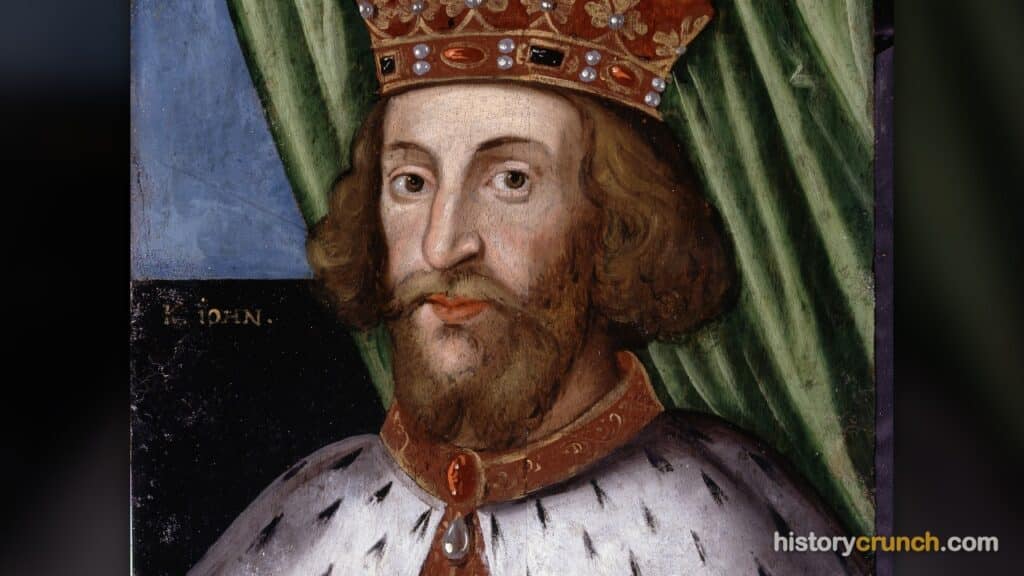
One of the most significant developments in the history of government in the Middle Ages was the signing of the Magna Carta in 1215 CE in England. The Magna CartaA 1215 CE English document establishing that even the king must follow the law and protecting rights like a fair trial., which means Great Charter in Latin, was a document that placed limits on the power of the king and established certain rights for the nobility and the Church. It was signed by King John of England under pressure from a group of powerful barons who were angry at his heavy taxation, arbitrary use of royal power and military failures in France.
The Magna Carta is considered to be one of the most important documents in the history of government and law. For instance, it established the principle that even the king was subject to the law and could not act in an arbitrary or tyrannical manner. As well, it included important protections such as the right to a fair trial and protection from unlawful imprisonment. While the Magna Carta was originally intended as a practical solution to a specific political crisis, its principles had a lasting influence on the development of constitutional government not only in England but across the world. As such, the Magna Carta is one of the most significant legacies of government in the Middle Ages and a key step in the long history of the development of democratic rights and freedoms.
FactsthatCrunchKing John spent years trying to recover Normandy and other French territories lost to Philip II of France, raising heavy taxes on English barons to pay for those campaigns. Those repeated failures and the crushing financial demands they created pushed the barons to rebel and force John to accept the limits on royal power written into the Magna Carta.
Both the fall of Normandy to Philip II and the sealing of the Magna Carta happened within the same short stretch of John's reign, making his military record in France a direct cause of the constitutional crisis in England.
Development of Parliaments
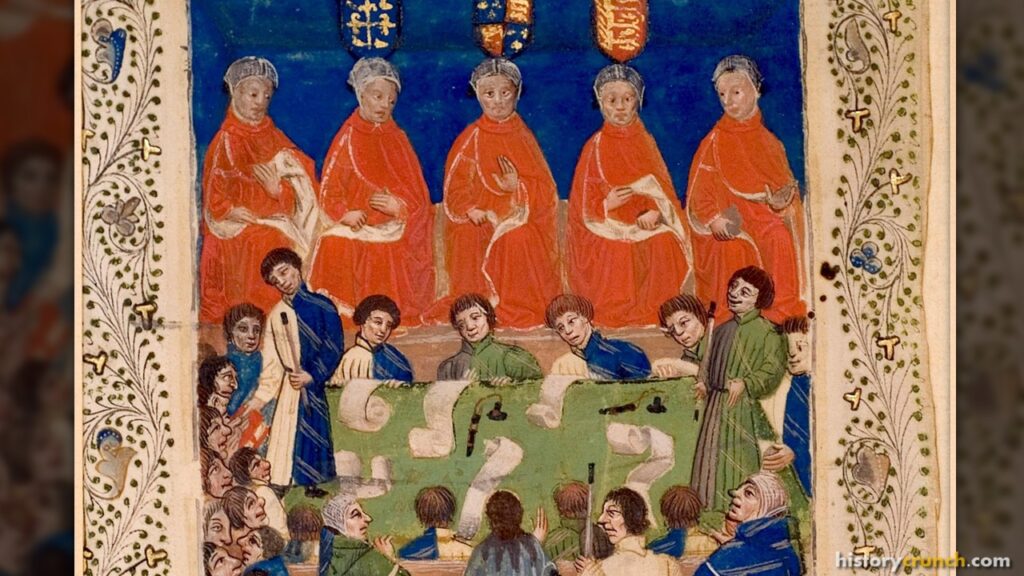
Another important development in the history of government in the Middle Ages was the gradual emergence of representative assemblies and early parliaments in several European kingdoms. These assemblies brought together representatives of the different social classes, including the nobility, the clergy and in some cases the emerging merchant class, to advise the king on matters of government and taxation. For instance, the English Parliament developed gradually during the 13th and 14th centuries and became an increasingly important part of the government of England during the Late Middle Ages. As well, similar representative assemblies developed in other parts of Europe, including the Cortes in Spain and the Estates-General in France.
These early parliaments and representative assemblies were not democratic institutions in the modern sense, as they did not represent the interests of the majority of the population and were dominated by the nobility and the clergy. With that said, they were an important step in the development of more representative forms of government and helped establish the principle that rulers should consult with their subjects on important matters of government and taxation. As such, the development of parliaments and representative assemblies during the Middle Ages was one of the most important political legacies of the medieval period and laid important groundwork for the democratic systems of government that would eventually develop in the modern world.
FactsthatCrunchThree medieval representative assemblies in England, France, and Spain each brought together nobles, clergy, and sometimes merchants to advise their kings on law and taxation.
Government in the Holy Roman Empire
The Holy Roman Empire presented a particularly distinctive form of government during the Middle Ages. Unlike most medieval kingdoms, in which a single hereditary monarch held authority over the territory, the Holy Roman Emperor was elected by a group of powerful rulers known as the Prince-ElectorsPowerful rulers within the Holy Roman Empire who voted to choose the emperor rather than passing the role by birth.. As well, the Holy Roman Empire was made up of hundreds of smaller kingdoms, duchies, principalities and city-states, each with their own rulers and laws, that were loosely united under the authority of the emperor. This made the Holy Roman Empire very different from a centralized monarchy such as France or England, where the king held more direct power over his subjects.
The complex political structure of the Holy Roman Empire meant that the emperor’s authority was always limited in practice by the power of the many different rulers within the empire. For instance, powerful princes and nobles within the Holy Roman Empire frequently resisted the authority of the emperor and sought to maintain and extend their own independence. As such, the government of the Holy Roman Empire was characterized by a constant tension between the authority of the emperor and the independence of the rulers within the empire, which made it one of the most complex and distinctive political systems of the Middle Ages.
FactsthatCrunchHow did central power held by medieval rulers shift across the Middle Ages, from fragmented empires to stronger monarchies?
Tap a point to read its detail.
Changes in Government at the End of the Middle Ages
Toward the end of the Middle Ages, the systems of government that had dominated the medieval period began to change significantly. Several major developments contributed to this transformation. For instance, the Black Death, which devastated Europe in the 14th century, caused widespread social and economic disruption that weakened many of the traditional institutions of medieval government, including the feudal system and the authority of the Catholic Church. As well, the growth of trade and the rise of the merchant class created new sources of wealth and power that existed outside the traditional feudal hierarchy, which helped undermine the political dominance of the nobility.
Furthermore, the intellectual developments of the Renaissance, which began in the city-states of the Italian peninsula in the 14th century, promoted new ideas about government, politics and the rights of individuals that challenged the traditional authority of kings, lords and the Church. For instance, Renaissance thinkers began to develop new theories of government based on reason and human experience rather than divine authority, which laid important groundwork for the political ideas of the modern world. As such, the changes in government that took place at the end of the Middle Ages were part of the broader transformation of European society that accompanied the transition from the medieval period to the modern era.
FactsthatCrunchThe Black Death devastated Europe in the 14th century, weakening feudalism and the authority of the Catholic Church
Significance of Government in the Middle Ages
In conclusion, government in the Middle Ages was defined by the power of the monarchy, the influence of the Catholic Church and the rigid social hierarchy of the feudal system. From the signing of the Magna Carta to the development of early parliaments and the complex political structures of the Holy Roman Empire, the medieval period produced a wide range of important political developments that had a lasting impact on the history of government and democracy in the modern world. As such, understanding government in the Middle Ages is important for gaining a complete picture of the political history of medieval Europe and for understanding how many of the key institutions and principles of modern government came into being.
Key Vocabulary
Feudalism
Fiefs
Divine right
Excommunication
Canon law
Prince-Electors
Magna Carta
Frequently Asked Questions
What was the main form of government in the Middle Ages?
Feudalism was the main form of government in the Middle Ages. It organized society around land ownership and bonds of loyalty between kings, lords, knights and peasants. The king granted land, called fiefs, to lords in exchange for their loyalty and military service. Peasants and serfs worked the land at the bottom of this hierarchy.
How much power did medieval kings really have?
Medieval kings claimed absolute power and ruled by divine right, meaning their authority came from God. In practice, their power was often limited by the nobility and the Catholic Church. Kings depended on powerful nobles who controlled large lands and armies of their own. A king who lost their loyalty could face rebellion and lose his throne.
Why was the Catholic Church so powerful in medieval government?
The Catholic Church taught that all earthly authority came from God, which gave it great leverage over kings. The Pope could threaten excommunication, which could release subjects from their oaths of loyalty. The Church also ran its own legal system, called canon law, covering clergy and matters like marriage and inheritance. This made it a parallel system of government beside the kingdoms of Europe.
What was the Magna Carta and why did it matter?
The Magna Carta was a document signed in England in 1215 CE that placed limits on the king’s power. King John signed it under pressure from barons angry at his heavy taxes and misuse of power. It established that even the king was subject to the law and protected rights like a fair trial. Its principles shaped the growth of constitutional government across the world.
How was the Holy Roman Empire governed differently?
The Holy Roman Emperor was elected by powerful rulers known as the Prince-Electors, not born into the role. The empire was made up of hundreds of smaller kingdoms, duchies and city-states, each with its own rulers and laws. This made it very different from centralized kingdoms like France or England. The emperor’s power was always limited by the many independent rulers within the empire.
Why did medieval government start to change at the end of the Middle Ages?
Several major events weakened medieval government in the 14th and 15th centuries. The Black Death caused social and economic disruption that strained the feudal system and the Church. The growth of trade and a rising merchant class created new wealth outside the feudal hierarchy. Renaissance thinkers also promoted ideas based on reason rather than divine authority, which challenged old forms of power.
Cite This Article
To cite this article as a source, use one of the formats below.
MLA: Millar, B. “Government in the Middle Ages: A Detailed Summary.” HistoryCrunch, 15 October 2026, https://historycrunch.com/government-in-the-middle-ages/.
APA: Millar, B. (2026). Government in the Middle Ages: A Detailed Summary. HistoryCrunch. https://historycrunch.com/government-in-the-middle-ages/
Chicago: Millar, B. “Government in the Middle Ages: A Detailed Summary.” HistoryCrunch. October 15, 2026. https://historycrunch.com/government-in-the-middle-ages/
Sources
- Jacques Le Goff, Medieval Civilization 400-1500.
- Barbara Rosenwein, A Short History of the Middle Ages.
- Chris Wickham, Medieval Europe.