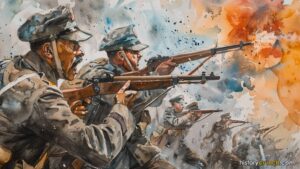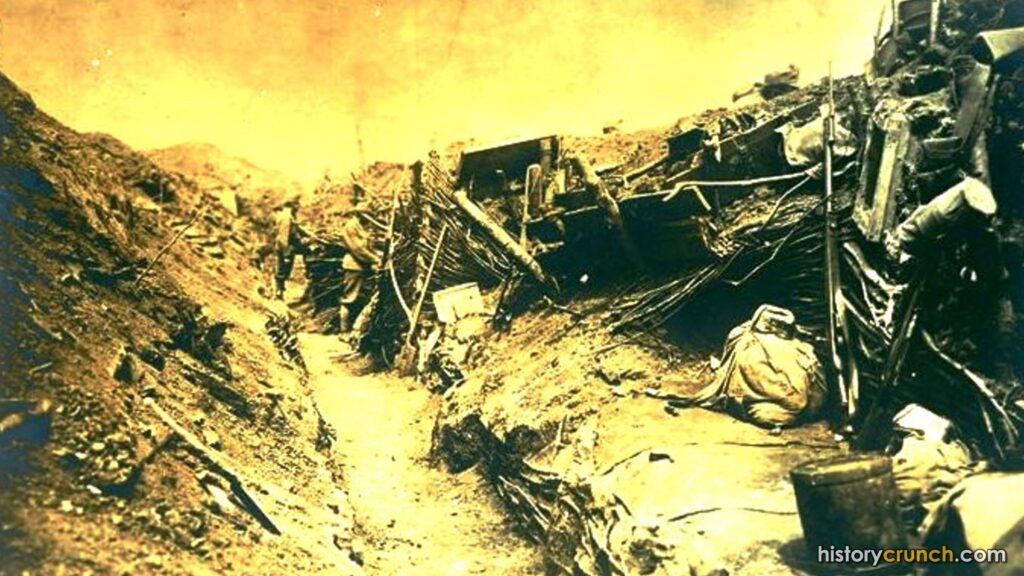
The Battle of Galicia was a major conflict in World War I between Austria-Hungary and Russia. It occurred along the Eastern Front, which was a line of fighting that took place along the eastern border of Austria-Hungary and the western border of Russia. This was an important front and saw several significant battles.

What Led to the Battle of Galicia in World War I?
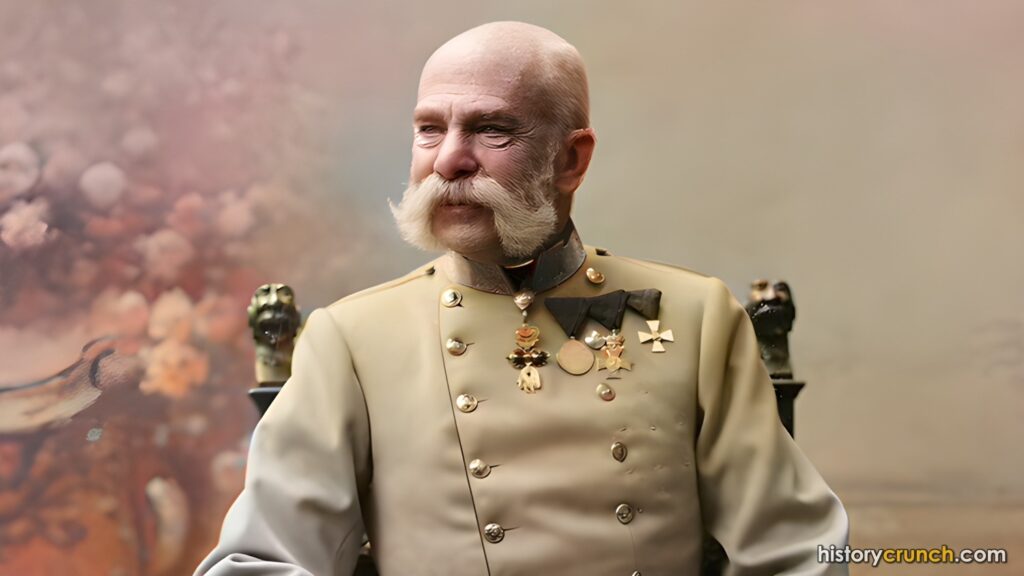
From the outset of World War I, conflict between Austria-Hungary and Russia was guaranteed. This was due to several factors, but mostly because of the relationship between Russia and Serbia. For example, after Austria-Hungary threatened Serbia with an ultimatum, Russia was the European nation that came to Serbia’s defense. As a result, several significant battles took place between the two nations, including the Battle of Galicia.
 FactsthatCrunch
What Happened During the Battle of Galicia in World War I?
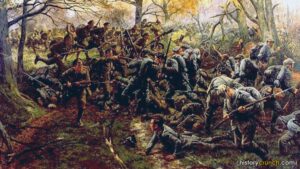
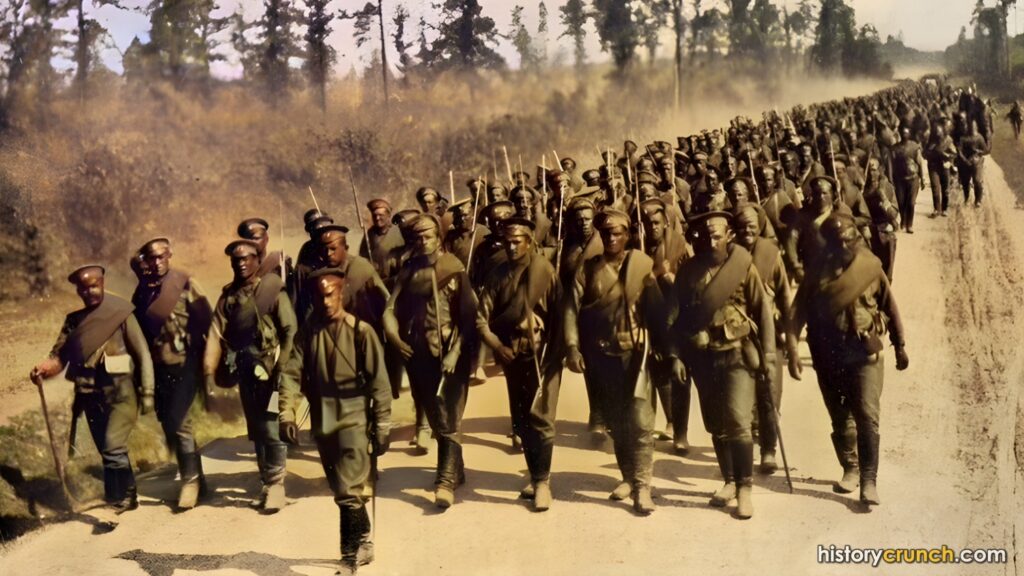
The Battle of Galicia, which is also known as the Battle of Lemberg, took place during the early weeks and months of World War I, from August 23rd until September 11th, 1914. Historians consider the Battle of Galicia to be one of the most significant battles of World War I along the Eastern FrontThe line of fighting along the eastern border of Austria-Hungary and the western border of Russia during World War I.. During the battle, the Austro-Hungarian First, Third and Fourth Armies faced off against the Russian Third, Fourth, Fifth and Eighth Armies. During the overall Battle of Galicia, these armies assaultedCarried out direct military attacks against an enemy force. and defended against one another in a series of smaller conflicts, which included: Battle of Kraśnik, Battle of Komarów, Battle of Gnila Lipa, and the Battle of Rawa. In all, the Battle of Galicia was a failure for the Austro-Hungarians and was an important Russian victory on the Eastern Front. For example, in the Battle of Rawa, which took place from September 3rd to the 11th in 1914, the Austro-Hungarian forces on the Eastern Front were forced into a retreatWhen a military force is pushed back and withdraws from its position. and pushed back. Meanwhile, Russia was able to advance its forces forward and captured significant amounts of territory around the city of Lemberg.
FactsthatCrunchRussian Troops Capture the City of Lemberg
After breaking the Austro-Hungarian armies east of the city, Russian forces marched into Lemberg on September 3rd, 1914. Lemberg (today Lviv, Ukraine) was the capital of Galicia, and its loss forced Austria-Hungary into a long retreat west.
What Was the Outcome of the Battle of Galicia in World War I?
The Battle of Galicia saw heavy losses for both sides. For instance, historians estimate that Austria-Hungary suffered as many as 450,000 casualtiesThe total number of soldiers killed, wounded, or captured during a battle. in the Battle of Galicia. This includes as many as 100,000 deaths for Austria-Hungary as well. For their part, it is estimated that Russia suffered upwards of 300,000 casualties in the battle.
FactsthatCrunchAustria-Hungary suffered as many as 450,000 total casualties at the Battle of Galicia, and historians estimate that approximately 100,000 of those casualties were deaths.
The Battle of Galicia lasted from August 23rd to September 11th, 1914, making it one of the largest clashes of the war's opening weeks on the Eastern Front. The remaining casualties beyond the 100,000 deaths included soldiers who were wounded or captured during the fighting. Russia also paid a heavy price, suffering upwards of 300,000 casualties, but the battle ended as a clear Russian victory with Austro-Hungarian forces pushed into retreat.
World War I timeline · 1914 – 1918
Key Vocabulary
Ultimatum
Eastern Front
Assaulted
Retreat
Casualties
Frequently Asked Questions
When did the Battle of Galicia take place?
The Battle of Galicia took place from August 23rd until September 11th, 1914. It happened during the opening weeks and months of World War I. The fighting occurred along the Eastern Front, near the border of Austria-Hungary and Russia.
Who fought in the Battle of Galicia?
The battle was fought between Austria-Hungary and Russia. The Austro-Hungarian First, Third, and Fourth Armies faced the Russian Third, Fourth, Fifth, and Eighth Armies. Both sides committed large forces to the fighting on the Eastern Front.
Why is the Battle of Galicia also called the Battle of Lemberg?
The battle gets its second name from the city of Lemberg, which was a key target of the fighting. Russia captured large amounts of territory around Lemberg during its advance. The city is known today as Lviv and is located in modern Ukraine.
Who won the Battle of Galicia?
Russia won the Battle of Galicia, making it an important early victory on the Eastern Front. Austro-Hungarian forces were pushed into a retreat during the fighting. The defeat was a major setback for Austria-Hungary at the start of the war.
How many casualties resulted from the Battle of Galicia?
Both sides suffered heavy losses in the battle. Austria-Hungary is estimated to have lost as many as 450,000 casualties, including about 100,000 deaths. Russia is thought to have suffered more than 300,000 casualties during the fighting.
Cite This Article
To cite this article as a source, use one of the formats below.
MLA: Beck, Elias. “Battle of Galicia in World War I: A Detailed Summary.” HistoryCrunch, 29 September 2026, https://historycrunch.com/battle-of-galicia-in-world-war-i/.
APA: Beck, E. (2026). Battle of Galicia in World War I: A Detailed Summary. HistoryCrunch. https://historycrunch.com/battle-of-galicia-in-world-war-i/
Chicago: Beck, Elias. “Battle of Galicia in World War I: A Detailed Summary.” HistoryCrunch. September 29, 2026. https://historycrunch.com/battle-of-galicia-in-world-war-i/
Sources
- Margaret MacMillan, The War That Ended Peace.
- Hew Strachan, The First World War.
- John Keegan, The First World War.
- Imperial War Museum