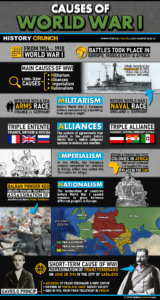
Austria-Hungary’s ultimatumA set of demands that, if not met, leads directly to conflict or war. to Serbia in July of 1914 was an incredibly significant event that played a key role in the eventual start of World War I. Both countries became tangled in a web of tensions following the assassination of Austrian Archduke Franz Ferdinand. In fact, the tensions resulted in the July Crisis of 1914, which ended with the start of World War I. Austria-Hungary’s ultimatum to Serbia was a key event of the July Crisis.
 FactsthatCrunch
Exactly one month passed between the assassination and the first declaration of war. Within another week, Germany, Russia, France, and Britain had joined the fighting.
What Led to Austria-Hungary’s Ultimatum to Serbia Before World War I?
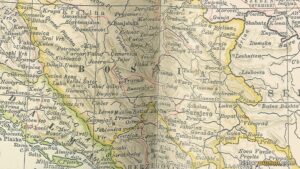
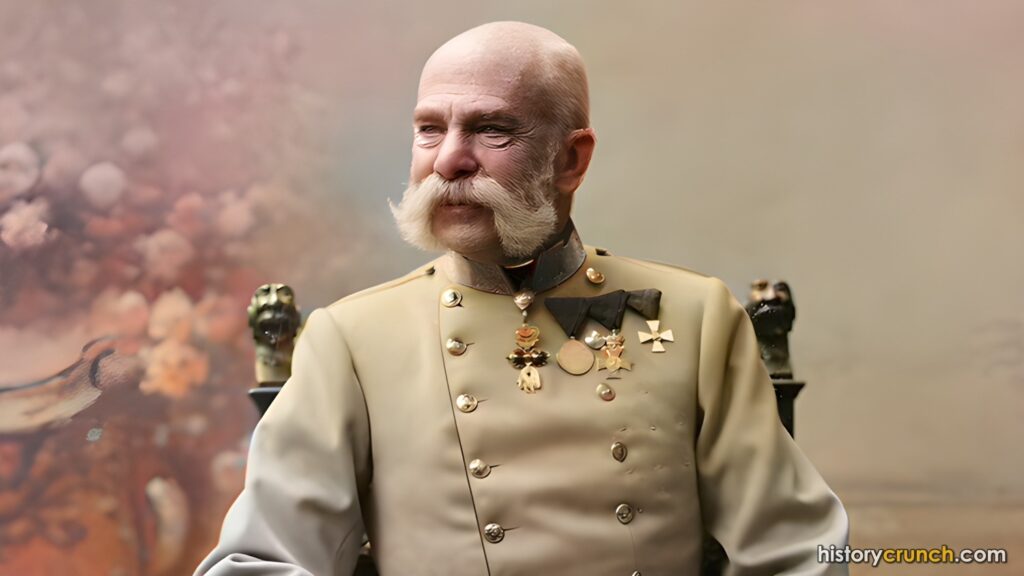
Franz Ferdinand was the Archduke of Austria-Hungary and next in line to rule over the empire. Ferdinand and his wife Sophie were assassinated on June 28th, 1914 in Sarajevo, the capital of the Austro-Hungarian provinceA region that is governed as part of a larger empire or country. of Bosnia and Herzegovina while there on a visit to inspect the military forces. The assassin was Gavrilo Princip. Just nineteen years old at the time, Princip had been armed and trained by the Black Hand, which was a Serbian nationalistSomeone who strongly promotes the power and independence of their own nation or ethnic group. organization that existed in the early part of the 20th century. The Black Hand was first created in May of 1911 by members of the Royal Serbian Army. It was a secret society that worked to promote Serbian nationalism. They were opposed to Austro-Hungarian influence in the Balkans, which was the name for the southeastern region of Europe.
Following the assassinationThe deliberate killing of an important political figure., Austrian authorities determined that the murder was carried out by Serbian nationalists and placed the blame for the killing on Serbia. In fact, rumors swirled at the time about the role of the Serbian government in the assassination. Since many of the prominent members of the Black Hand came from the Royal Serbian Army, the Austrian government wanted to investigate within Serbia to determine the role of the Serbian leadership. This situation between Austria-Hungary and Serbia is what essentially resulted in the July Crisis of 1914.
The tensions of the July Crisis heightened over the next two weeks as Austria-Hungary began preparing an ultimatum for Serbia. An ultimatum is a demand that, if not met, would cause a conflict. As a result, Austria-Hungary was preparing to give Serbia a list of demands, and if not met, then Austria-Hungary would carry out a war against Serbia. Austria-Hungary’s hope was that in providing Serbia with an ultimatum, it would give more reason for Austria-Hungary to go to war. Although Austria-Hungary had the support of Germany, it was still worried about other European powers, and wanted to give the image that it was providing Serbia with an alternative to war. On the other hand, Austrian officials knew that Serbia would never meet the demands, and war would be the likely result.
 FactsthatCrunch
What was the "blank check" Germany gave Austria-Hungary in July 1914?
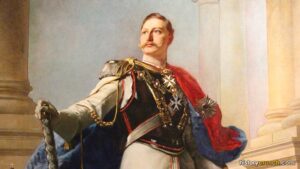
On July 5th and 6th, 1914, Kaiser Wilhelm II and his government promised Austria-Hungary full German support in any action it took against Serbia. With that promise in hand, Austria-Hungary felt free to write a harsh ultimatum, even though war with Serbia could draw in Russia.
What Were the Main Terms of the Ultimatum?
Austria-Hungary finally delivered its ultimatum to Serbia on July 23rd, 1914 and demanded an immediate response from the Serbian leadership. The main terms of the ultimatum included:
- Prevent information from being spread that speaks of Austria-Hungary or its Emperor in a negative way.
- Remove all Serbian nationalist organizations.
- Allow Austro-Hungarian representatives to enter Serbia and investigate the assassination of Franz Ferdinand.
- Remove and arrest individuals in the Serbian government that Austria-Hungary considers responsible for anti-Austria actions.
FactsthatCrunchTo take judicial proceedings against accessories to the plot of the 28th of June who are on Serbian territory; delegates of the Austro-Hungarian Government will take part in the investigation relating thereto.
Austro-Hungarian ultimatum to Serbia · Belgrade · July 23rd, 1914
This was the demand Serbia could not accept. Its reply of July 25th, 1914 agreed to most of the ultimatum, but refused to let Austro-Hungarian officials take part in an investigation inside Serbia, saying it would violate the Serbian constitution.
What Was the Outcome of Austria-Hungary’s Ultimatum to Serbia Before World War I?
Serbia was angered by the ultimatum and immediately sought assistance from Russia and its leader Tsar Nicholas II. Member nations of the Triple EntenteThe alliance between Britain, France, and Russia that existed before and during World War I. (Britain, France and Russia) all openly recognized that the terms of the ultimatum were harsh. In particular, Serbia was most insulted by the demand that Austro-Hungarian representatives be allowed to enter Serbia to investigate the assassination of Franz Ferdinand. This is because Serbia viewed itself as a sovereignHaving full, independent authority over oneself as a nation, free from outside control. nation and did not want Austria-Hungary undermining its sovereignty.
Following a few last efforts to avoid a conflict, the July Crisis reached its height on July 25th, 1914. This is because Serbia’s reply that day accepted most of the demands but refused to let Austro-Hungarian officials take part in the investigation inside Serbia, and Serbia began to prepare for a potential war. In fact, the different armies of the European powers all began to mobilizeTo prepare and organize a country’s military forces for war. following the ultimatum that was presented to Serbia. World War I officially started on July 28th, 1914 when Austria-Hungary declared war on Serbia. The other major European powers were pulled into the conflict due to the terms of the Triple Entente and the Triple Alliance.
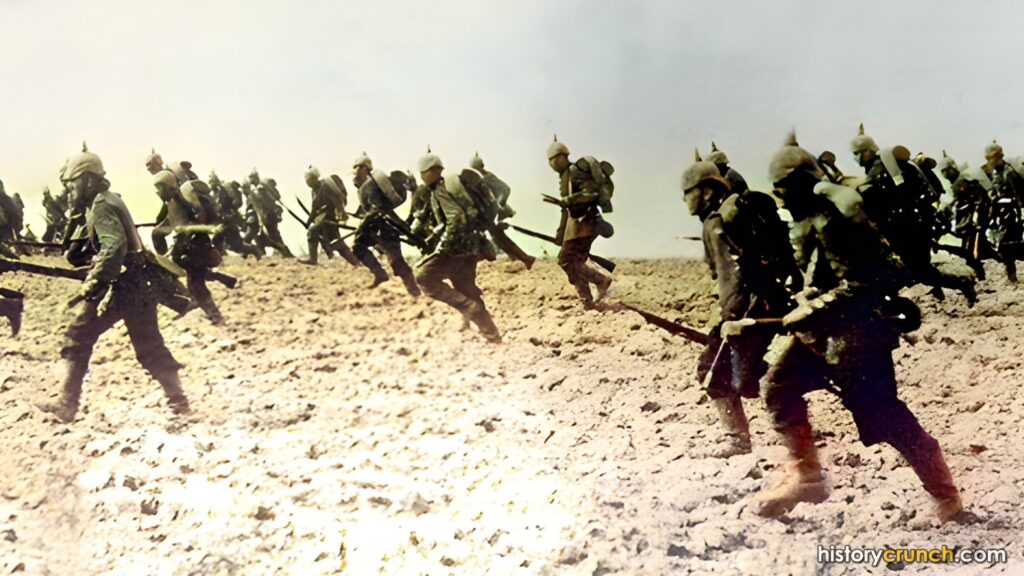
World War I timeline · 1914 – 1918
Key Vocabulary
Ultimatum
Assassination
Nationalist
Province
Sovereign
Mobilize
Triple Entente
Frequently Asked Questions
When did Austria-Hungary deliver its ultimatum to Serbia?
Austria-Hungary delivered its ultimatum to Serbia on July 23rd, 1914. It demanded an immediate response from the Serbian leadership. The demand came almost one month after the assassination of Archduke Franz Ferdinand in Sarajevo.
Why did Austria-Hungary blame Serbia for the assassination?
Austria-Hungary blamed Serbia because the assassin had been armed by the Black Hand, a Serbian nationalist group. Many leading members of the Black Hand came from the Royal Serbian Army. This link made Austrian officials suspect that Serbian leaders played a role in the killing.
What did the ultimatum demand?
The ultimatum demanded that Serbia stop negative talk about Austria-Hungary and shut down its nationalist groups. Serbia also had to arrest officials seen as anti-Austrian. The harshest demand let Austro-Hungarian agents enter Serbia to investigate the assassination themselves.
Why did Serbia reject part of the ultimatum?
Serbia’s reply on July 25th, 1914 accepted most of the demands but refused the one that let Austro-Hungarian officials investigate inside Serbia. Serbia saw that demand as an attack on its independence as a sovereign nation. It also sought help from Russia and its leader, Tsar Nicholas II.
How did the ultimatum lead to World War I?
The ultimatum pushed the July Crisis toward war when Serbia did not accept every demand. Austria-Hungary declared war on Serbia on July 28th, 1914. The alliance systems then pulled the other major powers into the fight.
What was the July Crisis of 1914?
The July Crisis was the tense five weeks between the assassination and the start of World War I. It included rising fears, secret plans, and the ultimatum to Serbia. The crisis ended when Europe’s armies began to mobilize and war broke out.
Cite This Article
To cite this article as a source, use one of the formats below.
MLA: Beck, Elias. “Austria-Hungary Delivers Ultimatum to Serbia Before World War I: A Detailed Summary.” HistoryCrunch, 29 September 2026, https://historycrunch.com/austria-hungary-delivers-ultimatum-to-serbia-before-world-war-i/.
APA: Beck, E. (2026). Austria-Hungary Delivers Ultimatum to Serbia Before World War I: A Detailed Summary. HistoryCrunch. https://historycrunch.com/austria-hungary-delivers-ultimatum-to-serbia-before-world-war-i/
Chicago: Beck, Elias. “Austria-Hungary Delivers Ultimatum to Serbia Before World War I: A Detailed Summary.” HistoryCrunch. September 29, 2026. https://historycrunch.com/austria-hungary-delivers-ultimatum-to-serbia-before-world-war-i/
Sources
- Margaret MacMillan, The War That Ended Peace.
- Fordham Modern History Sourcebook
- Hew Strachan, The First World War.
- Imperial War Museum