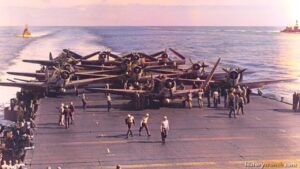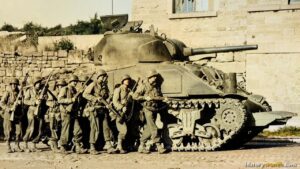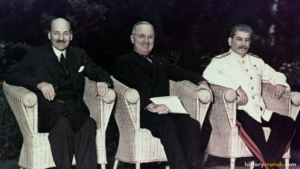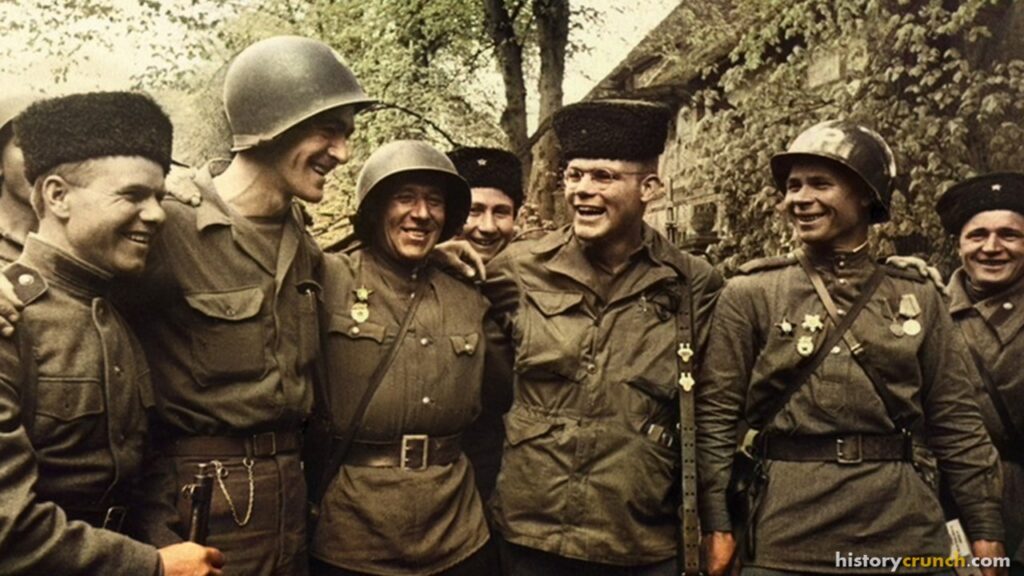
The main impacts of World War II included: enormous human casualties, the Holocaust, the rise of the Cold War, the creation of the United Nations, the changing role of women, and the beginning of the nuclear age in weaponry. World War II lasted from 1939 until 1945 and involved nations from every part of the globe. It was the deadliest and most destructive war in human history, resulting in the deaths of an estimated 70 to 85 million people and causing changes to the political, social, and economic landscape of the entire world. World War II is widely considered an example of total war, meaning the conflict affected virtually every aspect of society and not just the military. The impacts of the war were felt by soldiers on the front lines, by civilians on the home front, and by entire nations whose borders, governments, and societies were transformed by the time the fighting ended in 1945.

Impacts of World War II – Death and Destruction
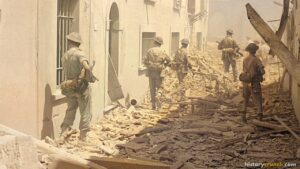
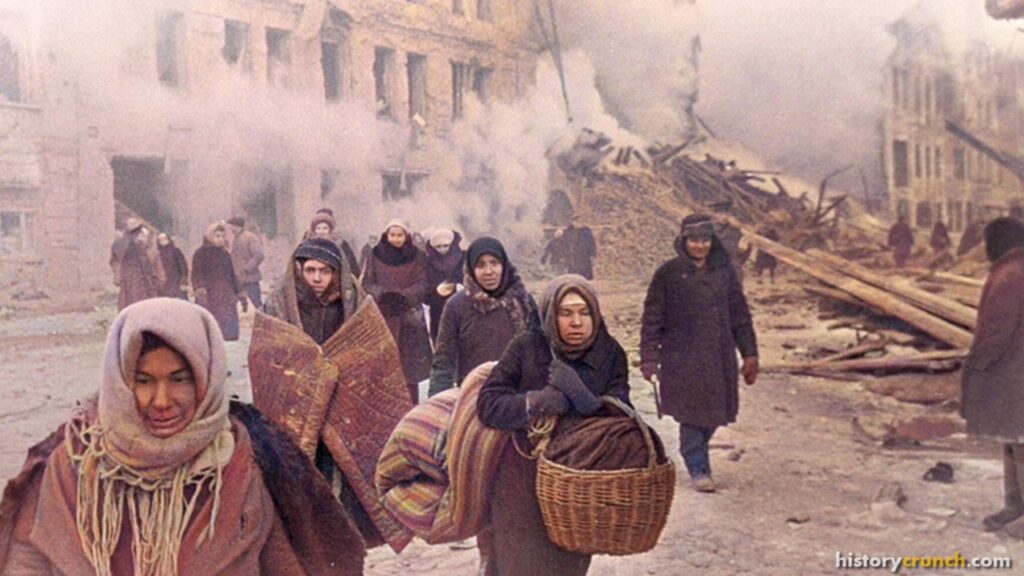
The most immediate and devastating impact of World War II was the sheer scale of human suffering and death it caused. The war resulted in the deaths of between 70 and 85 million people, making it by far the deadliest conflict in recorded history. This total included both military personnel killed in battle and civilians who died as a result of bombing, famine, disease, and deliberate acts of violence. In fact, more civilians than soldiers died during World War II, which reflected the total nature of the conflict. The Soviet Union alone suffered an estimated 27 million deaths, more than any other single nation. Nazi Germany, Japan, Poland, China, and many other countries also lost millions of people. The physical destruction caused by the war was equally staggering, with entire cities reduced to rubble by bombing campaigns and millions of homes, factories, and public buildings destroyed across Europe and Asia.
Impacts of World War II – The Holocaust
One of the most horrifying impacts of World War II was the Holocaust, in which the Nazi regime of Germany systematically murdered approximately 11 million people, including 6 million Jewish people. The HolocaustThe Nazi regime’s organized program of persecuting and murdering approximately 11 million people, including 6 million Jewish people. was carried out through a deliberate and organized program of persecution, deportation, and mass murder. Jewish people across Nazi-occupied Europe were stripped of their rights, forced into overcrowded ghettos, and eventually transported to concentration camps and death camps where they were killed. The Holocaust also claimed the lives of other groups targeted by the Nazis, including Soviet prisoners of war, disabled people, Roma people, and members of various religious groups.
The Holocaust had profound and lasting consequences for the world. The revelation of its full scale after the war shocked people around the world and led directly to the development of new international laws and institutions designed to protect human rights and prevent genocide from occurring again. It also played a central role in the establishment of the state of Israel in 1948, as the experience of the Holocaust strengthened the argument for a Jewish homeland. The Holocaust remains one of the most important and sobering events in human history and a powerful reminder of the dangers of racism and the abuse of state power.
FactsthatCrunchHow did the Nazis carry out the Holocaust, stage by stage?
Impacts of World War II – Women in the Workforce
World War II had a significant impact on the lives of women in many of the countries involved in the conflict. Before the war, very few women worked outside the home, and those who did were generally limited to roles such as teachers, secretaries, and nurses. However, when the war began and millions of men left their jobs to enlist in the military, women were needed to fill the jobs they left behind. In the United States, women entered the industrial workforce in enormous numbers for the first time, taking on jobs in factories that produced weapons, vehicles, and other materials needed for the war effort. The iconic propaganda campaign centered on the image of Rosie the Riveter became a symbol of the contribution that American women made to the war effort. The aviation industry alone saw more than 300,000 American women working in factories producing aircraft, and approximately 350,000 women also entered the Armed Services during the war. By 1945, nearly one in four married American women worked outside the home.
The experience of working in these roles during the war had lasting consequences. Having demonstrated their ability to perform jobs that had previously been considered the exclusive domain of men, many women were reluctant to return to their pre-war roles after the conflict ended. The changes brought about by the war helped lay the groundwork for the women’s rights movements that gained momentum in the decades that followed, permanently reshaping the role of women in society in many countries around the world.
How many American women worked in aircraft factories during World War II?
Impacts of World War II – Cold War
The end of World War II did not bring lasting peace to the world. Instead, it gave rise to a new period of tension and rivalry known as the Cold War, which lasted from approximately 1947 until 1991. The Cold WarA period of tension and rivalry between the United States and the Soviet Union that lasted from roughly 1947 until 1991. was a conflict between the two superpowers that emerged from World War II: the United States and the Soviet Union. The United States promoted liberal democracy and capitalism, while the Soviet Union promoted communism. Although the two countries never fought each other directly in a major military conflict, they competed fiercely for influence across the globe throughout the second half of the 20th century.
The Cold War divided much of the world into two opposing camps and shaped the politics of Europe, Asia, Africa, and Latin America for decades. Germany itself was divided into two separate countries, West Germany and East Germany, and the continent of Europe was split between the democratic West and the communist East. The Cold War also produced a dangerous nuclear arms raceA competition between the United States and the Soviet Union to build up large stockpiles of nuclear weapons., in which both the United States and the Soviet Union built up vast arsenalsA large stockpile of weapons held by a country or military power. of nuclear weapons. By the 1950s both countries possessed enough nuclear weapons to destroy each other many times over, meaning the entire world lived under the constant threat of potential nuclear destruction for decades. The Cold War is therefore one of the most significant and far-reaching impacts of World War II, shaping global politics until the collapse of the Soviet Union in 1991.
FactsthatCrunchHow did the Cold War divide Europe between West and East after World War II?
Tap a point to read its detail.
Impacts of World War II – Creation of the United Nations
One of the most important institutional impacts of World War II was the creation of the United Nations in 1945. The United Nations was established by the Allied nations in the final stages of the war as a replacement for the League of Nations, which had proven too weak and ineffective to prevent the outbreak of World War II. The goal of the United Nations was to provide a forum where countries could resolve their disputes peacefully, to prevent another global conflict from breaking out, and to protect basic human rights around the world, particularly in the wake of the Holocaust and the other atrocities committed during the war.
The United Nations has remained one of the most important international organizations in the world since its founding and continues to play a central role in global politics, humanitarian efforts, and peacekeeping operations today. Its creation was a direct response to the failures of the international community that allowed World War II to happen, and it reflected a determination among the nations of the world to build a more stable and just international order in the aftermath of the conflict.
FactsthatCrunchBefore World War II, the League of Nations was the main international organization meant to keep peace between countries. It was founded in 1920 after World War I, but it had no power to force member nations to follow its decisions. When aggressive actions by Germany, Japan, and Italy went unchecked in the 1930s, the League proved too weak to stop the slide toward another world war.
In 1945, the Allied nations created the United Nations to replace the League of Nations and fix its weaknesses. The United Nations gave member countries a permanent forum to settle disputes without fighting and established the Security Council, which holds stronger authority to act during international crises. Today the United Nations continues to run peacekeeping missions, deliver humanitarian aid, and set standards for human rights across the globe.
The shift from the League of Nations to the United Nations shows how nations tried to learn from past failures and build a stronger system for keeping the peace after World War II.
Impacts of World War II – Beginning of the Nuclear Age
The development and use of the atomic bomb during World War II ushered in what historians call the nuclear age, fundamentally changing the nature of warfare and international relations in the decades that followed. The United States developed the first atomic weapons through a secret program known as the Manhattan Project, and used them against the Japanese cities of Hiroshima and Nagasaki in August of 1945, killing an estimated 140,000 people in Hiroshima and 70,000 in Nagasaki. Japan announced its surrender on August 15th, 1945, bringing the war to an end.
The existence of nuclear weapons permanently changed the nature of conflict between major powers. For the first time in history, human beings possessed weapons capable of destroying entire cities in a single strike. This reality shaped the Cold War that followed and continues to influence global security and international relations to the present day. The development of nuclear technology also led to the creation of nuclear power as a source of energy in the decades after the war, demonstrating how the technological advances of World War II had effects far beyond the conflict itself.
Key Vocabulary
Total war
Holocaust
Genocide
Cold War
Nuclear arms race
Manhattan Project
Arsenal
Frequently Asked Questions
How many people died in World War II?
World War II killed an estimated 70 to 85 million people, making it the deadliest war in history. More civilians died than soldiers, which showed the total nature of the conflict. The Soviet Union lost the most, with roughly 27 million deaths.
What was the Holocaust?
The Holocaust was the Nazi regime’s systematic murder of about 11 million people, including 6 million Jewish people. Victims were stripped of their rights, forced into ghettos, and sent to concentration and death camps. Other groups killed included Roma people, disabled people, and Soviet prisoners of war.
How did World War II change the role of women?
World War II brought millions of women into the workforce as men left to join the military. In the United States, women took factory jobs making weapons, vehicles, and aircraft. By 1945, nearly one in four married American women worked outside the home, which helped fuel later women’s rights movements.
Why did the Cold War begin after World War II?
The Cold War grew out of the rivalry between the two superpowers that emerged from World War II, the United States and the Soviet Union. One side promoted democracy and capitalism, while the other promoted communism. This tension lasted from about 1947 until the Soviet Union collapsed in 1991.
Why was the United Nations created?
The United Nations was created in 1945 to help countries settle disputes peacefully and prevent another world war. It replaced the League of Nations, which had been too weak to stop World War II. The organization also aimed to protect human rights after the horrors of the Holocaust.
How did World War II begin the nuclear age?
The nuclear age began when the United States developed the atomic bomb through the secret Manhattan Project. The bombs were dropped on Hiroshima and Nagasaki in August of 1945, killing an estimated 210,000 people. Japan surrendered on August 15th, 1945, and nuclear weapons shaped global security for decades afterward.
Cite This Article
To cite this article as a source, use one of the formats below.
MLA: Millar, B. “Impacts of World War II: A Detailed Summary.” HistoryCrunch, 3 October 2026, https://historycrunch.com/impacts-of-world-war-ii/.
APA: Millar, B. (2026). Impacts of World War II: A Detailed Summary. HistoryCrunch. https://historycrunch.com/impacts-of-world-war-ii/
Chicago: Millar, B. “Impacts of World War II: A Detailed Summary.” HistoryCrunch. October 3, 2026. https://historycrunch.com/impacts-of-world-war-ii/
Sources
- Gerhard L. Weinberg, A World at Arms.
- Max Hastings, Inferno / All Hell Let Loose.
- Imperial War Museum
- The National WWII Museum