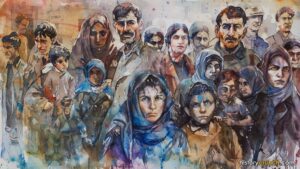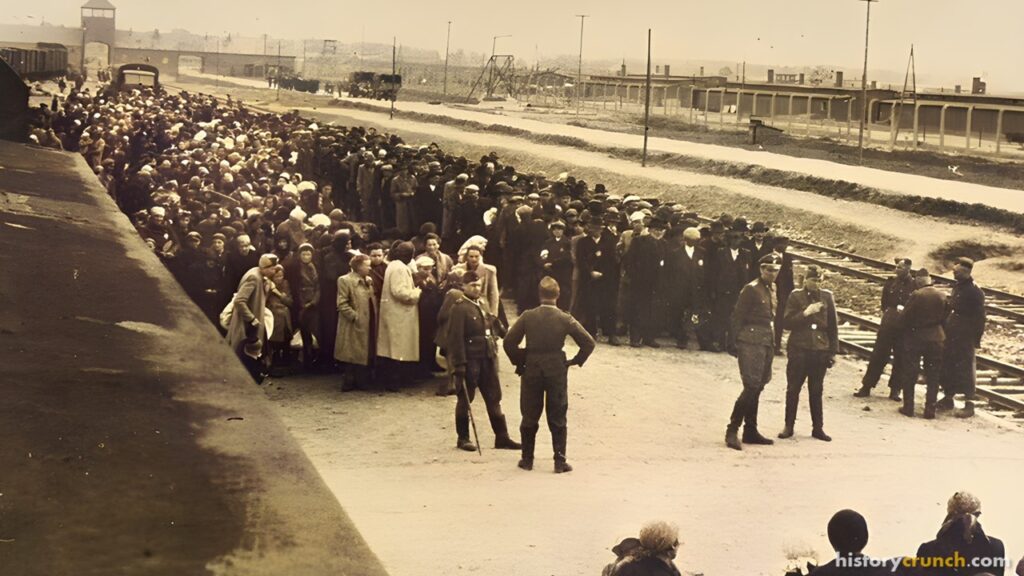
The main causes of the Holocaust were connected to several factors, such as: anti-Semitism, Social Darwinism, Eugenics, Ultranationalism, Adolf Hitler, and the Nazi Party. The terms of the Treaty of Versailles and Germany’s defeat in World War I created widespread anger among the German public. Adolf Hitler and the Nazi Party exploited this anger by promoting a racist ideology rooted in anti-Semitism and hatred.
WHAT WAS THE HOLOCAUST?
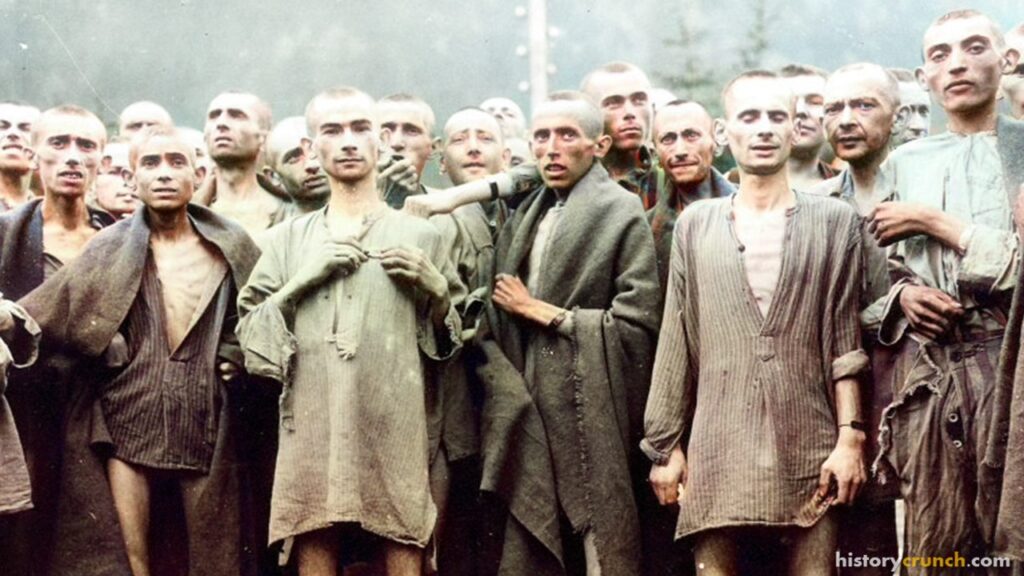
The Holocaust is one of the most important events of the 20th century and is perhaps the most significant genocide in human history. It unfolded during the reign of Adolf Hitler in Germany and the major events of World War II. The term ‘holocaust’ refers to death by fire in reference to the way that people were executed during the event. In general, it is historically important as a genocide, which is a mass killing of a group of people for ethnic, religious or racial reasons. During the Holocaust, which occurred from 1933 to 1945, over 11 million people were executed, including 6 million who were Jewish, and another 5 million who were made up of several other groups, including: disabled people, homosexuals, communists, Soviet and Polish prisoners of war, gypsies, and other religious and ethnic minorities. Historians have identified several different causes that led to the events of the Holocaust, including: anti-Semitism, Social Darwinism, Eugenics, Ultranationalism, Adolf Hitler, and the Nazi Party.
CAUSES OF THE HOLOCAUST – ANTI-SEMITISM
Anti-Semitism is best defined as a prejudice or hatred of Jewish people. Throughout history, anti-Semitism has increased during times of economic crisis. Because they were an isolated minority, who lacked their own nation-state (until 1948 with the formation of Israel), Jewish people were often blamed for society’s problems throughout Europe. Adolf Hitler and the Nazi Party of Germany did not invent anti-Semitism; rather they used it to their advantage, as it already existed for centuries. Historians refer to the Nazi-focused anti-Semitism of the 1930s and 1940s as an example of scapegoating. Scapegoating is when the problems of a nation are redirected towards a different group. It is also referred to as ‘directing popular discontent’.
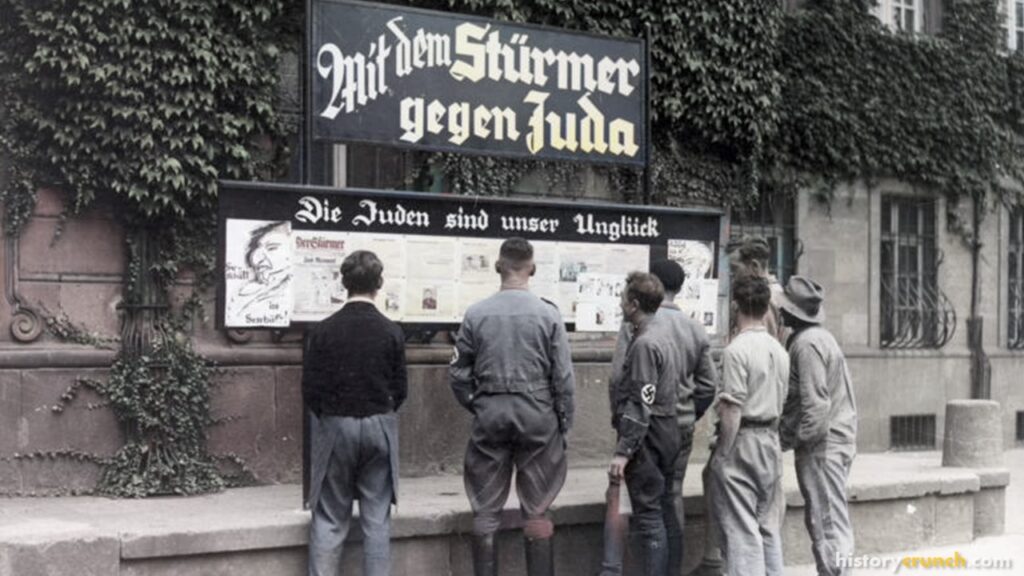
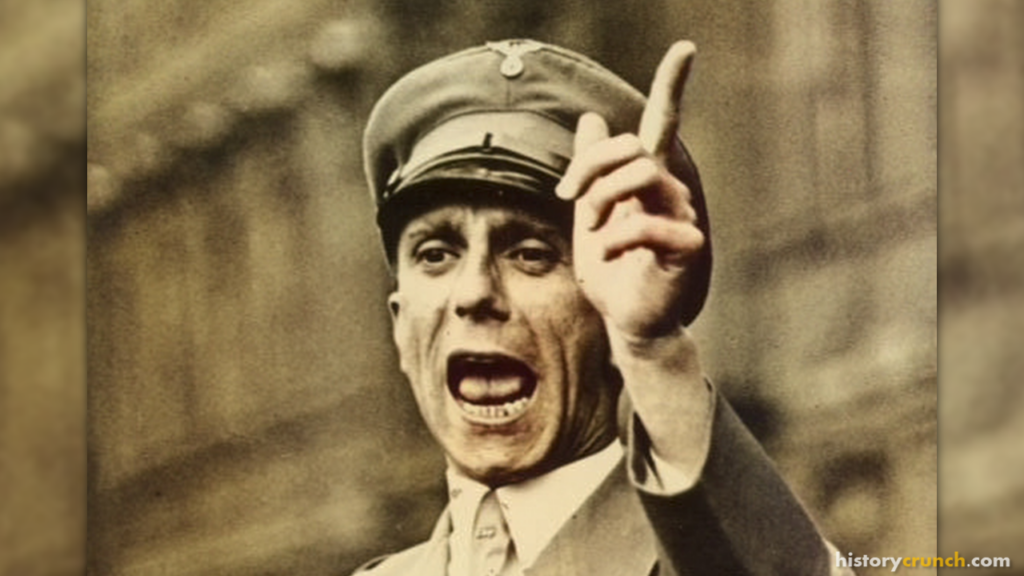
By the 1930s, Europe, and the rest of the world, were in the grips of the Great Depression, which saw unemployment increase rapidly. As well, Germany was experiencing hyperinflation (a loss of value in their currency) due to the reparation payments of the Treaty of Versailles which was forced upon Germany at the end of World War I. These two events combined to set the stage for the growth of anti-Semitism and eventually the Holocaust. Since Jewish people were historically stereotyped as controlling banks and other sources of money they became an easy and convenient target for the source of Germany’s economic problems. Hitler and other prominent Nazis, including Joseph Goebbels, blamed the Jewish people for many of Germany’s problems in speeches and rallies throughout the 1930s. The growth of anti-Semitism led to the events of the Holocaust because it legitimatized violence against Jewish people in the eyes of many Germans. As such, when the Holocaust began, hatred and prejudice against the Jewish people was already well established in German society.
CAUSES OF THE HOLOCAUST – SOCIAL DARWINISM
The next cause of the Holocaust was the theory of Social Darwinism, which was the idea that some ethnic groups or races are superior to others. Charles Darwin was the renowned British scientist who is credited with developing the theory of evolution in his famous book On the Origin of Species. While Darwin was referring to biological studies of species, others twisted his ideas and applied them to human beings. Therefore, supporters of Social Darwinism attempted to use the ideas of Charles Darwin to scientifically justify or prove racist beliefs. In terms of Nazi Germany, Social Darwinist theories were used to justify the policy of eugenics and Aryanism.
CAUSES OF THE HOLOCAUST – EUGENICS
The third cause of the Holocaust was the development of eugenics and the promotion of the idea of a master race. Eugenics is the idea that certain genetic traits should be promoted while others should be removed through selective reproduction. Eugenics developed as a theory along with the early development of genetics as a field of study, and while it was not unique to the Nazis, Germany was the country that practiced eugenics the most. Essentially, countries who practiced eugenics sought to eliminate certain human traits by preventing ‘undesirable’ people from reproducing. For Nazi Germany, the people with ‘undesirable’ genetic traits included: mentally and physically disabled people, the Jewish, the Polish, and Slavic people. For example, the first victims of the Holocaust were mentally and physically disabled German citizens who the Nazi regime considered to be a burden on society. It was the view of Nazi officials that the care for these people was too expensive and they carried genetic traits that weakened the Aryan race.
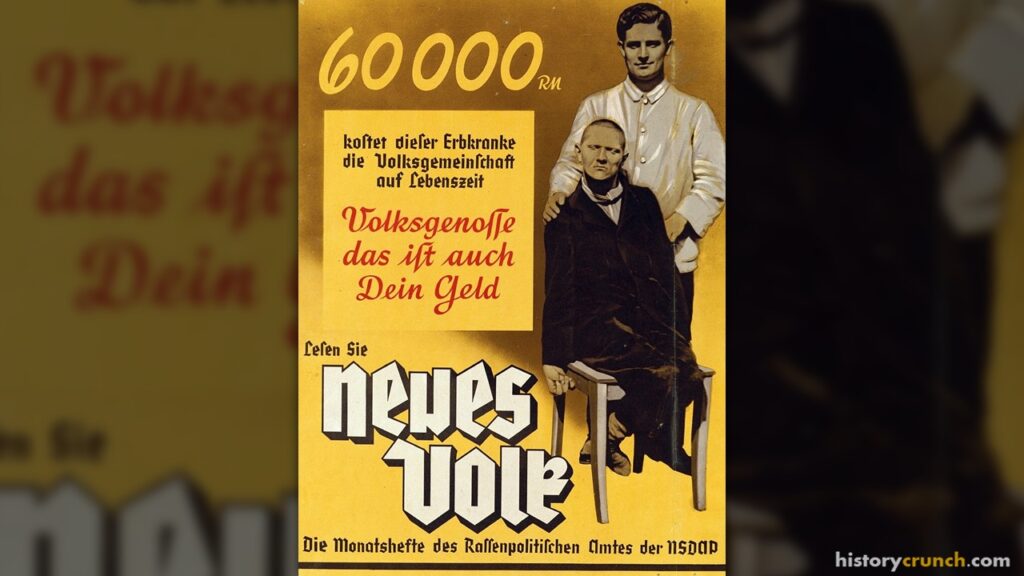
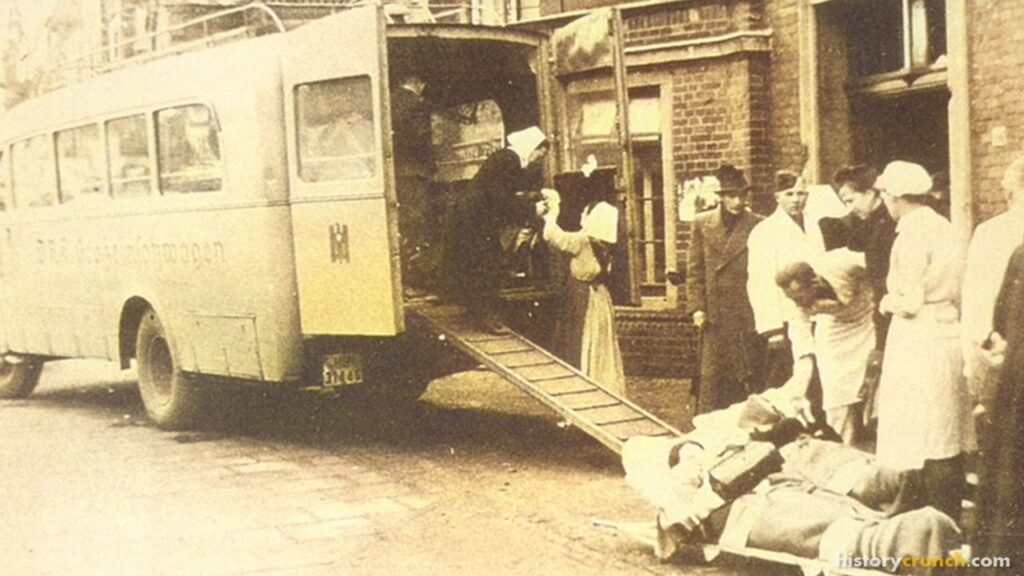
As such, the Nazis created the Euthanasia Program, which was designed to execute many of these people. Under the Euthanasia Program Nazi doctors passed judgment on a disabled person based purely on viewing the patient’s file. If 2 out of 3 of the Nazi doctors deemed so, then the patient would be euthanized, meaning they were executed. These people were executed by being gassed in the back of a truck that traveled between different mental institutions in Germany. Today, many historians view the Euthanasia Program as one of the first stages in the overall Holocaust and a clear example of Nazi eugenics policy.
CAUSES OF THE HOLOCAUST – ULTRANATIONALISM
The fourth cause of the Holocaust was the growth and spread of ultranationalism. While, nationalism is best understood as the patriotic feeling that a group of people share, Hitler instead promoted a form of nationalism that historians refer to as ultranationalism. Ultranationalism is different from nationalism in that it typically involves different nations (groups of people) using violence against each other in the name of patriotism. For example, the Nazis’ persecution of Jewish people (and other ethnic groups) was a form of ultranationalism, in that the Nazis were using violence to promote their own sense of nationalism over another’s. As such, many historians link ultranationalism with Hitler’s views on Aryanism and the creation of a master race. For Hitler, Aryans were northern Europeans who had certain genetic traits, including blonde hair and blue eyes. Hitler believed that Aryan genetic traits should be promoted and that all others should be restricted or removed from society. In order to achieve this, the Nazis practiced the theory of eugenics. Therefore, ultranationalism led to the Holocaust because it caused some Germans to express violence against people considered to be ‘undesirable’.
CAUSES OF THE HOLOCAUST – ADOLF HITLER AND THE NAZI PARTY
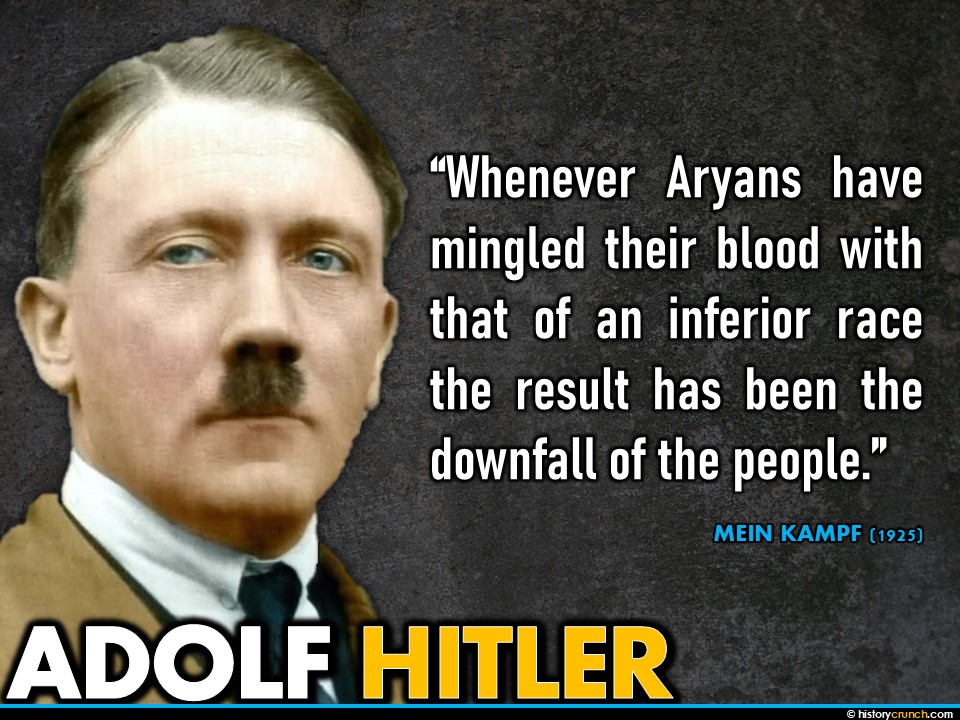
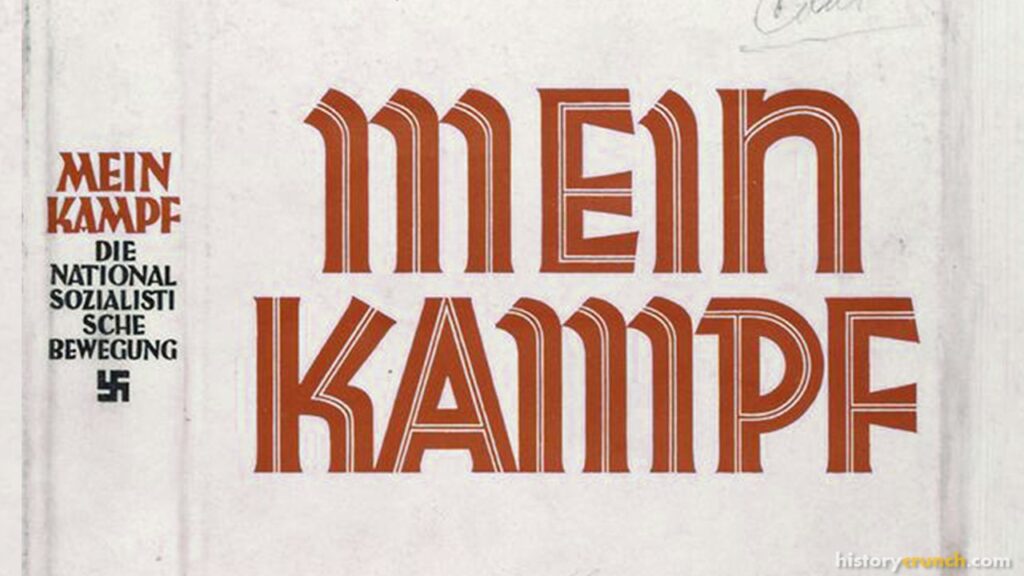
The final cause of the Holocaust was the views and ambitions of Adolf Hitler and the Nazi Party. A major component of Nazi ideology was the promotion of anti-Semitism and Aryanism which were discussed above. Adolf Hitler and other prominent Nazis justified their views through official programs such as eugenics and the Euthanasia Program. For example, Hitler’s infamous book ‘Mein Kampf’ expressed many of these beliefs and values and helped spread the views of the Nazis in the years before and during the Holocaust. First published in 1925, the autobiographical account highlighted several of Hitler’s core beliefs, including: anti-Semitism, anti-Communism, extreme German nationalism and lebensraum.
Frequently Asked Questions
When did the Holocaust take place?
The Holocaust occurred from 1933 to 1945, during the rule of Adolf Hitler in Germany. It overlapped with the major events of World War II in Europe. Over 11 million people were killed during these years, including 6 million Jewish people.
How did the Treaty of Versailles help cause the Holocaust?
The Treaty of Versailles created deep anger in Germany after its defeat in World War I. The reparation payments forced on Germany led to hyperinflation, which wrecked the value of its currency. This economic pain gave Hitler and the Nazis a chance to blame Jewish people for the country’s problems.
What is scapegoating and how did the Nazis use it?
Scapegoating is when a nation’s problems are blamed on a different group of people. The Nazis used this method to turn public anger toward Jewish people during the 1930s. It is also called directing popular discontent, and it made violence seem acceptable to many Germans.
What was the Nazi Euthanasia Program?
The Euthanasia Program was a Nazi effort to kill disabled German citizens seen as a burden on society. Nazi doctors judged patients only by reading their files, not by meeting them. Many victims were gassed in the back of trucks, and historians view this as an early stage of the Holocaust.
How did Social Darwinism connect to the Holocaust?
Social Darwinism was the false idea that some races are superior to others. Supporters twisted Charles Darwin’s work on biology and applied it to human beings. The Nazis used these ideas to justify eugenics and their belief in a so-called master race.
What is the difference between nationalism and ultranationalism?
Nationalism is the shared patriotic feeling within a group of people. Ultranationalism goes further and often involves violence against other groups in the name of patriotism. The Nazi persecution of Jewish people and other minorities was a clear example of ultranationalism.
Cite This Article
To cite this article as a source, use one of the formats below.
MLA: Beck, Elias. “Causes of the Holocaust: A Detailed Summary.” HistoryCrunch, 16 September 2026, https://historycrunch.com/causes-of-the-holocaust/.
APA: Beck, E. (2026). Causes of the Holocaust: A Detailed Summary. HistoryCrunch. https://historycrunch.com/causes-of-the-holocaust/
Chicago: Beck, Elias. “Causes of the Holocaust: A Detailed Summary.” HistoryCrunch. September 16, 2026. https://historycrunch.com/causes-of-the-holocaust/
Sources
- Gerhard L. Weinberg, A World at Arms.
- Max Hastings, Inferno / All Hell Let Loose.
- Antony Beevor, The Second World War.
- Imperial War Museum