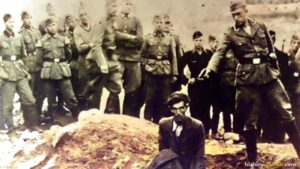
War crimes are an important topic of world history and of particular significance in the 20th and 21st centuries. The topic of war crimes is also closely linked with the concepts of ‘genocide’ and ‘crimes against humanity’ since these also generally occur alongside war crimes.
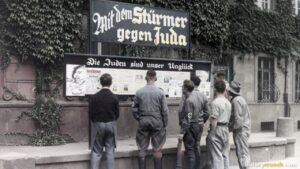
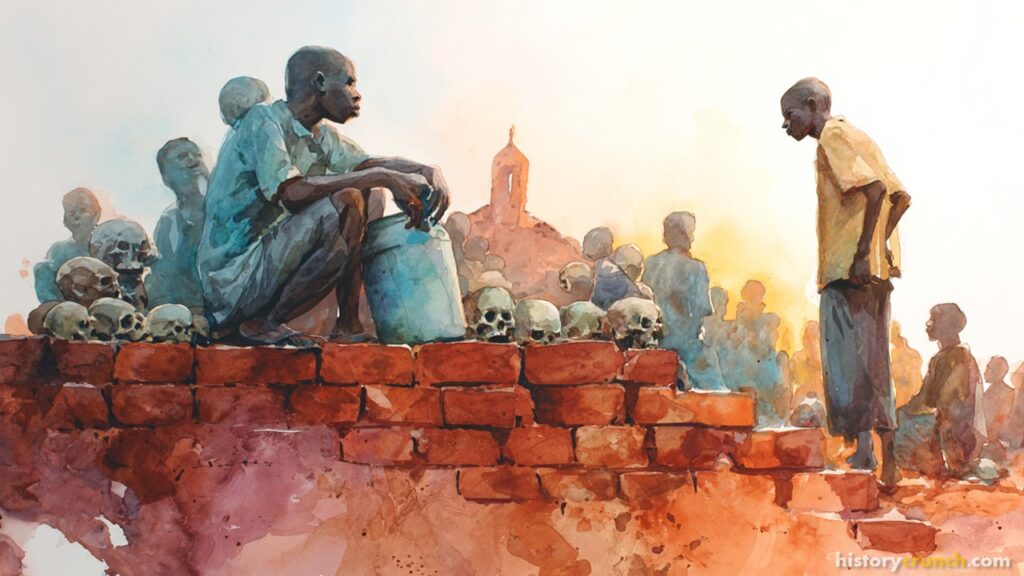
The term ‘war crimes’ is when a person or group of people commit extreme acts during a time of war that are considered to be beyond what is acceptable. For instance, there are a set of international laws that most countries have agreed to, which state what kinds of behavior and conduct is acceptable during wartime. A war crime is committed when actions are carried out that go beyond what is considered acceptable. There have been many significant examples of war crimes throughout history, such as the following conflicts from the 20th and 21st centuries: Nanking Massacre, Holocaust, Bosnian Genocide and Darfur Genocide.
WAR CRIMES – TYPES
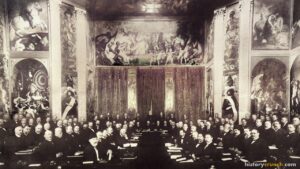
Throughout history there have been several important treaties and meetings, which led to the establishment of the idea of war crimes. For example, the Hague Conventions of 1899 and 1907 at The Hague in the Netherlands, established several ‘laws of war’. This was the first instance of formal agreements between countries about what was considered to be a war crime. Another example was the Geneva Conventions, which were a series of treaties from 1864 to 1949, that established a framework for international law. Every member country of the United Nations agreed to the terms of the Geneva Conventions at this time, and established the different types of war crimes. As such, there are several different types of acts that can be considered war crimes, including:
- Willful Killing of Innocent Civilians
- Mistreatment or Killing of Prisoners of War
- Taking Hostages
- Torture and Rape
- Use of Child Soldiers
- Destruction of Civilian Property
- Theft of Civilian Property and Goods
- Misleading or Hiding Intentions of War
WAR CRIMES – HOLDING PERPETRATORS ACCOUNTABLE
During World War II, the Allied powers met several times to discuss post-war Europe and how to bring the Nazis to justice. For example, three significant conferences were held including: the Tehran Conference in 1943 and the Yalta Conference and Potsdam Conference in 1945. In general, the leaders initially disagreed on how to carry out justice. Winston Churchill of Britain and Joseph Stalin of the Soviet Union favored summary executions, meaning the officials would be killed without a trial. Whereas, U.S. President Franklin D. Roosevelt, and later Harry S. Truman, were in favor of a formal trial to ensure the collection and presentation of evidence in order to prove guilt. Eventually, the other leaders agreed with the American approach and the nations set out to establish the system of trials. The trials were established in the German city of Nuremberg after the conclusion of World War II.
The Nuremberg Trials began on November 20th, 1945, with indictments against twenty four captured Nazis and different Nazi organizations, including: Nazi leadership, the SS, the Gestapo, and the SA. The first charge was that the Nazis participated in a conspiracy to wage war and end the peace following World War I. The second charge was that the German leadership planned and carried out wars of aggression. The third charge was for war crimes and the fourth charge was for carrying out crimes against humanity. Of the twenty four Nazis tried at the Nuremberg Trials only five were found not guilty. The other nineteen were convicted and either sentenced to prison terms, including life in prison, or given a death sentence.
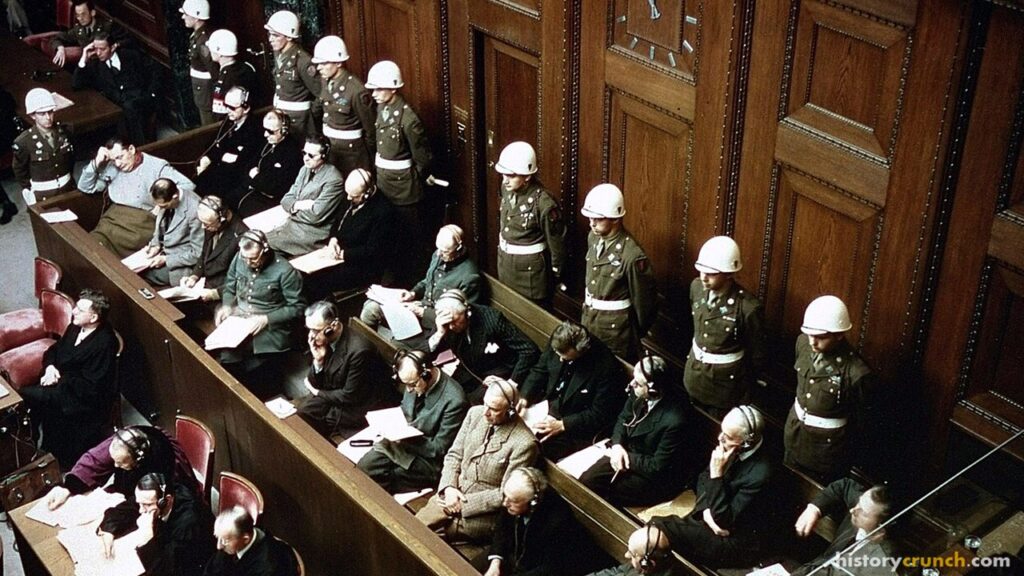
The Nuremberg Trials were significant because it was the first such ‘international’ trial and established a model for future trials. As well, the Nuremberg Trials helped establish a renewed interest in human rights issues. For instance, the United Nations was established with the goal of preventing similar future conflicts. Furthermore, the United Nations created the Universal Declaration of Human Rights in 1948 with the goal of restoring faith in basic human rights and to avoid future related war crimes, crimes against humanity and genocides.
Alongside the Nuremberg Trials also occurred the International Military Tribunal of the Far East. In August of 1945, following the atomic bombing of Hiroshima and Nagasaki, Japan formally surrendered and World War II came to an end. With the end of the war, there was a series of criminal trials carried out to hold war criminals responsible for their actions. While the most famous of these trials was the Nuremberg Trials, the International Military Tribunal of the Far East was also important. In relation to the Nanking Massacre, Japanese officials were brought before the International Military Tribunal of the Far East. For example, General Iwane Matsui who led the attack against Nanking was arrested and put on trial for his role in the massacre. In general, he denied knowing about the murders and rapes and blamed it on the actions of lower level commanders. Regardless, he was convicted and sentenced to death by hanging, along with other Japanese officials. He was executed on December 23rd, 1948 at the age of 70.
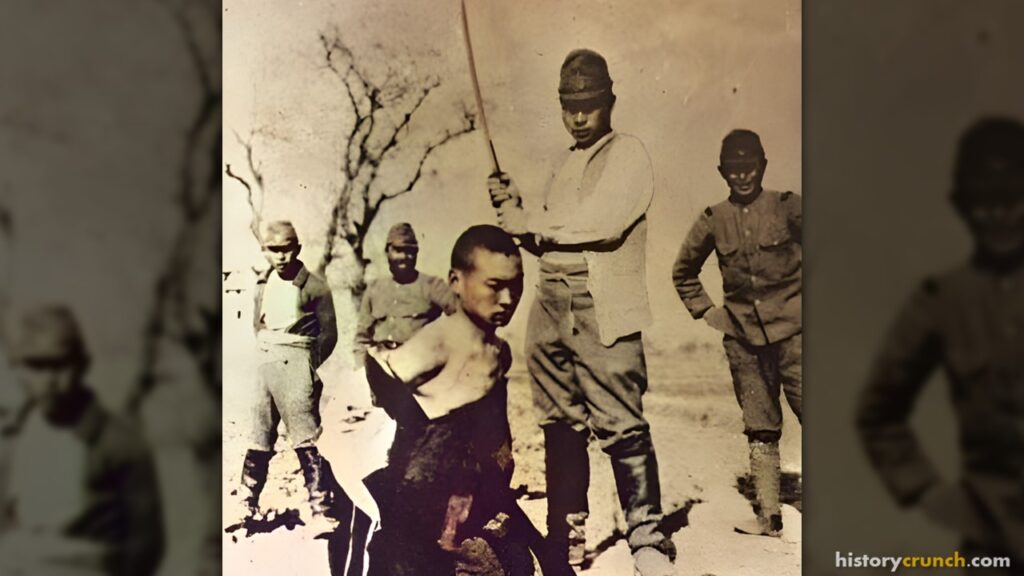
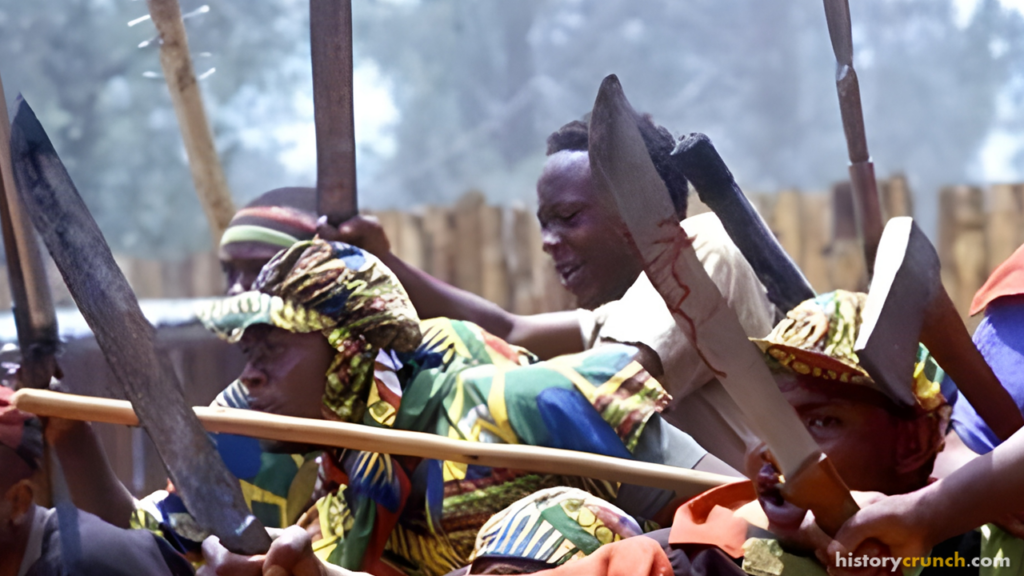
Following the Nuremberg Trials and the International Military Tribunal of the Far East, the concept of holding perpetrators of crimes against humanity accountable was again important in the late 20th century. For example, there were similar courts and tribunals held for modern genocides, such as: Cambodian Genocide, Bosnian Genocide (Former Yugoslavia), and Rwandan Genocide. For example, the International Criminal Tribunal for the Former Yugoslavia (ICTY) was established by the United Nations in May of 1993 in order to prosecute the perpetrators of the genocide. The ICTY was located in The Hague, Netherlands and was tasked with judging the following during the Bosnian War: customs of war, genocide, crimes against humanity. The maximum sentence it could impose was life imprisonment. In total, the ICTY oversaw the trials of 111 people and dissolved as an organization in December of 2017. Also, in November of 1994, the United Nations created the International Criminal Tribunal for Rwanda (ICTR). It was established as a means of holding the perpetrators of the Rwandan Genocide accountable for their actions during the massacre. The court was located in Tanzania and oversaw trials centered around genocide and crimes against humanity. In all it oversaw 50 trials which led to the convictions of 29 people deemed responsible for the genocide. The ICTR was dissolved in 2015 having completed its mandate. Furthermore, in 2001, the Cambodian government established the Khmer Rouge Tribunals for the purpose of trying leaders of the Khmer Rouge during the Cambodian Genocide. It was a national court established by the Cambodian government but supported by the United Nations with some international lawyers and judges. The full name for the tribunals was ‘Extraordinary Chambers in the Courts of Cambodia’ or ECCC.
Furthermore, the International Criminal Court (ICC) was established in 2002 in The Hague, Netherlands. In general, the ICC seeks justice in claims related to genocide, crimes against humanity and war crimes. The ICC was created at a Conference in Rome in 1998 and the treaty that was agreed upon at the time is now called the Rome Statute of the International Criminal Court. Not only did the Rome Statute create the ICC but it also laid out the framework for how the ICC was structured and its jurisdiction over the crimes listed above.
WAR CRIMES – SIGNIFICANT WAR CRIMINALS
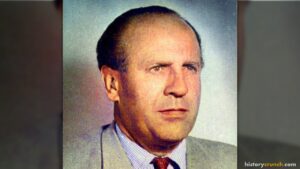
There have been many acts of war crimes throughout the 20th and 21st centuries. As such, organizations such as the International Criminal Court have worked to bring those responsible for the crimes to account. The following people are some of the most significant of these war criminals:
- Slobodan Milošević (Serbian President during the Bosnian Genocide)
- Omar al-Bashir (Sudanese Leader during the Darfur Genocide)
- Muammar Gaddafi (Libyan Leader during the Libyan Civil War)
- Hermann Goering (Nazi Commander of the Luftwaffe during World War II)
- Adolf Eichmann (SS Officer during the Holocaust)
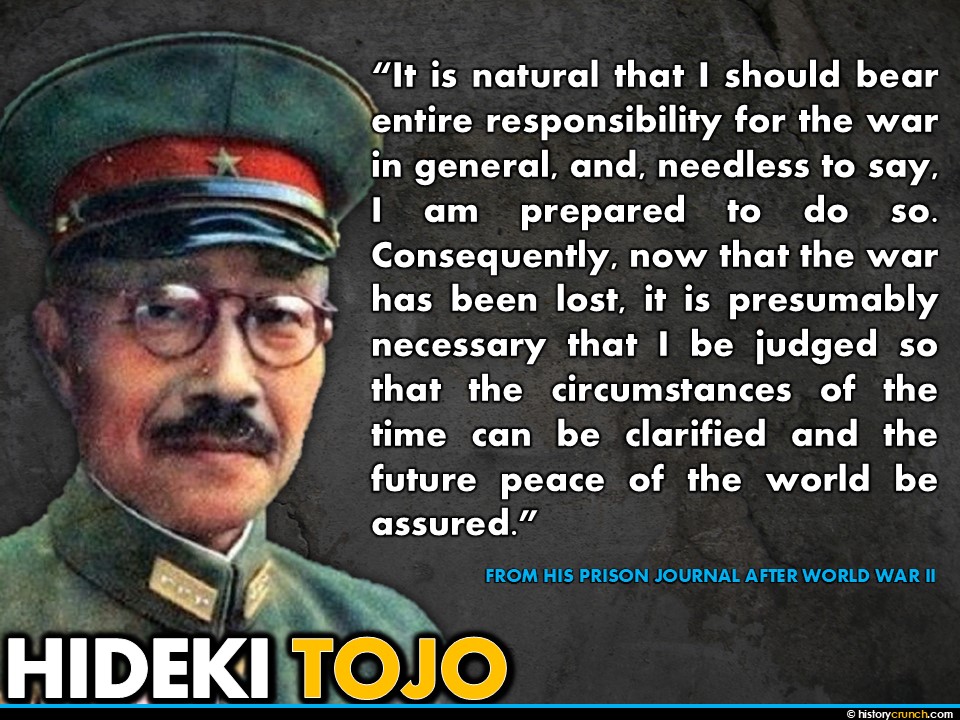
- Hideki Tojo (Japanese Military Leader during World War II)
While some of them have faced justice for their actions, many either died or avoided capture before they could be held accountable.
Frequently Asked Questions
What is the definition of a war crime?
A war crime is an extreme act during wartime that goes beyond what international law allows. Most countries have agreed to a set of rules about acceptable conduct in war. Breaking those rules, such as killing civilians or torturing prisoners, counts as a war crime. The idea is closely linked to genocide and crimes against humanity.
What are the main types of war crimes?
The main types include the willful killing of civilians, mistreating or killing prisoners of war, and taking hostages. Torture, rape, and the use of child soldiers are also war crimes. Destroying or stealing civilian property counts too. The Geneva Conventions helped define these different types of acts.
What were the Nuremberg Trials?
The Nuremberg Trials were court trials of captured Nazi leaders held after World War II. They began on November 20th, 1945, in the German city of Nuremberg. Twenty four Nazis faced charges that included war crimes and crimes against humanity. Nineteen were convicted, and the trials set a model for future international justice.
What is the International Criminal Court?
The International Criminal Court (ICC) is a permanent court that judges genocide, crimes against humanity, and war crimes. It was established in 2002 in The Hague, Netherlands. The court came from a 1998 conference in Rome, and its treaty is called the Rome Statute. That treaty also set out how the ICC is structured and what cases it can hear.
Who are some famous war criminals of modern history?
Well known war criminals include Slobodan Milošević, the Serbian president during the Bosnian Genocide. Others are Omar al-Bashir of Sudan, Muammar Gaddafi of Libya, and Nazi leaders like Hermann Goering and Adolf Eichmann. Japanese military leader Hideki Tojo also faced trial. Some of these men were held accountable, while others died or escaped capture first.
Cite This Article
To cite this article as a source, use one of the formats below.
MLA: Beck, Elias. “War Crimes: A Detailed Overview.” HistoryCrunch, 16 September 2026, https://historycrunch.com/war-crimes-overview/.
APA: Beck, E. (2026). War Crimes: A Detailed Overview. HistoryCrunch. https://historycrunch.com/war-crimes-overview/
Chicago: Beck, Elias. “War Crimes: A Detailed Overview.” HistoryCrunch. September 16, 2026. https://historycrunch.com/war-crimes-overview/
Sources
- Jerry Bentley & Herbert Ziegler, Traditions & Encounters: A Global Perspective on the Past.
- J.M. Roberts & Odd Arne Westad, The Penguin History of the World.