The Gilded AgeA period from the 1870s to about 1900 marked by rapid economic growth hiding deep poverty and corruption underneath. in the United States, spanning from the 1870s to about 1900, was a period marked by rapid economic growth, significant social changes, and profound cultural transformations. The Gilded Age gained its name from a Mark Twain novel in the 1870s. This article explores the key aspects of the Gilded Age, including economic expansion, political corruption, social inequality, and cultural shifts, to provide a detailed understanding of this important era in American history. Due to the historical timing of the Gilded Age, it is often associated with the Industrial Revolution and industrialization in the United States.
 FactsthatCrunch
Economic Expansion and Industrialization in the United States
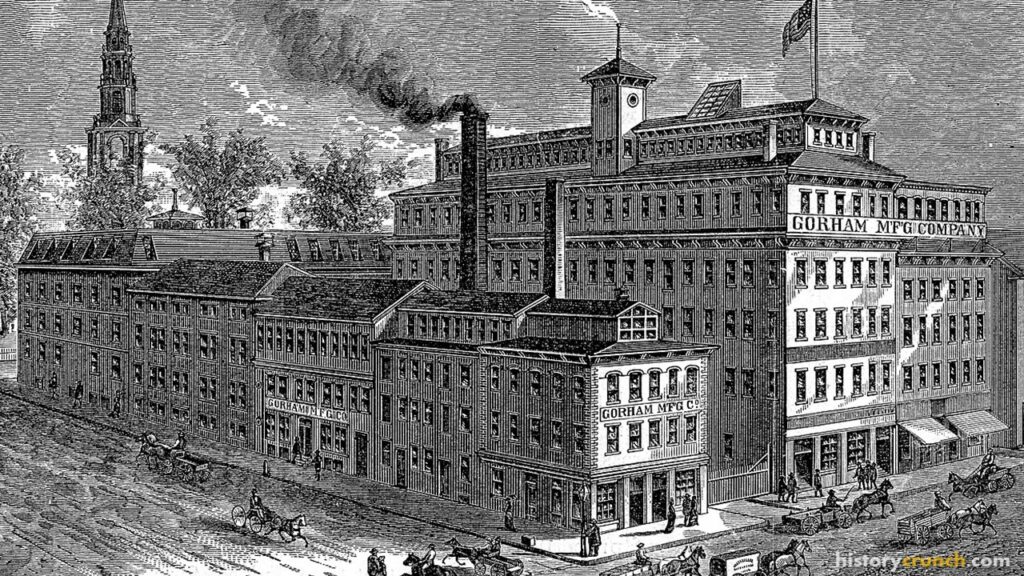
The Gilded Age witnessed unprecedented industrial growth. In fact, the rise of industries such as steel, oil, railroads, and manufacturing fueled the American economy. Innovations in steel production and the widespread use of electricity revolutionized industries, leading to increased productivity and the creation of vast industrial empires.
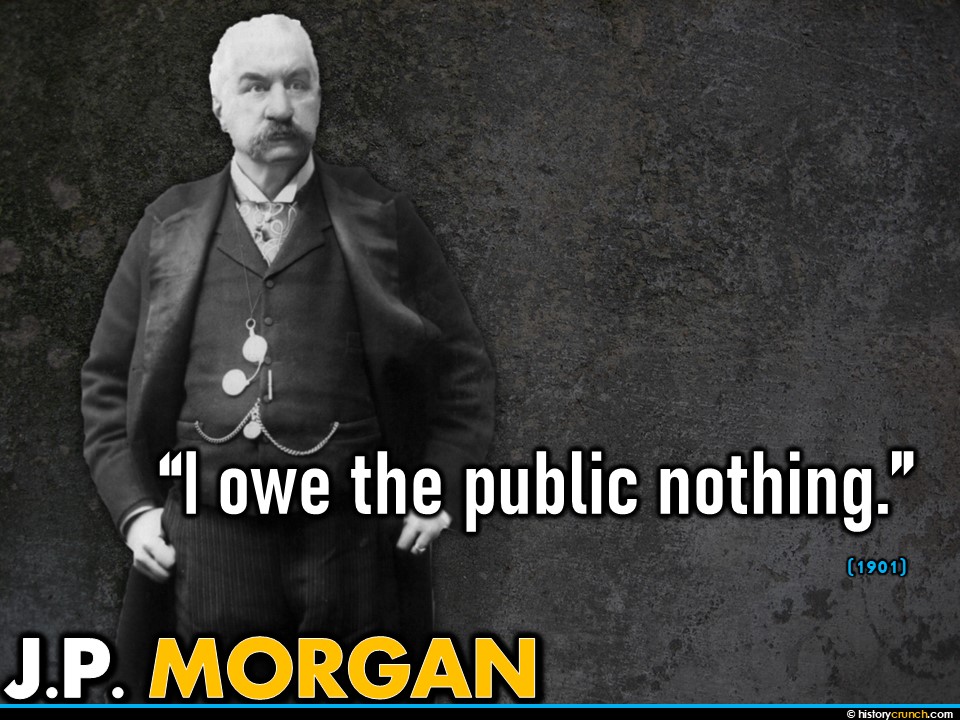
For example, prominent industrialists, often referred to as ‘captains of industry’ or ‘robber baronsPowerful industrialists who built enormous fortunes through monopolies and tactics widely criticized as harsh or unfair.’, played crucial roles in shaping the economic landscape of the time. More specifically, figures like Andrew Carnegie in steel, John D. Rockefeller in oil, Cornelius Vanderbilt in railroads, and J.P. Morgan in banking amassed immense fortunes and gained significant influence economically, socially and politically. Their business practices, which included monopoliesWhen one company gains total control over an entire industry, eliminating competition. and trusts, led to both admiration for their success and criticism for their harsh tactics. In fact, this was one of the key features of the Gilded Age in the United States.
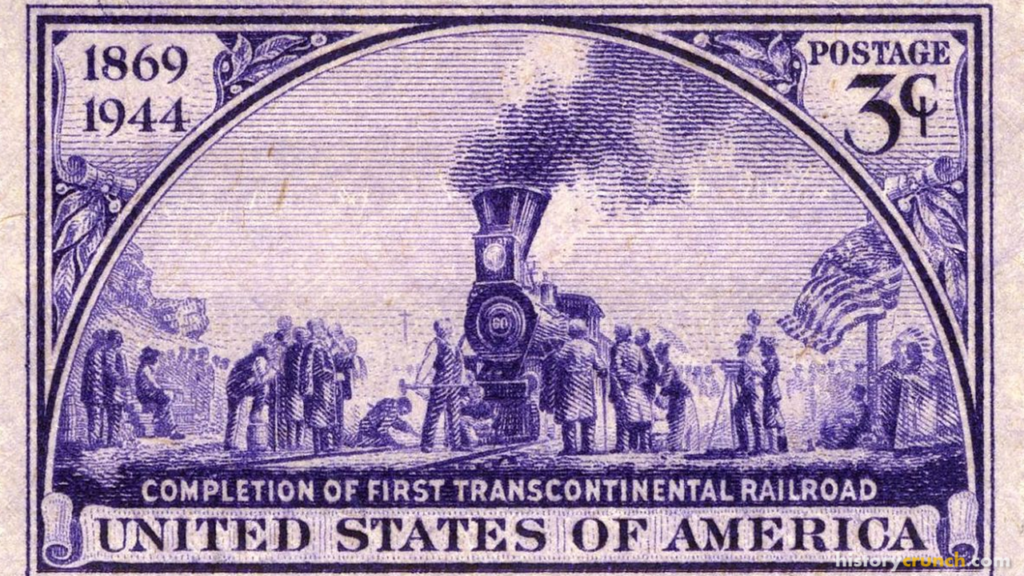
The expansion of the railroad network was a cornerstone of the Gilded Age economy. For instance, railroads connected the country, facilitating the movement of goods and people, and opening up new markets. The completion of the Transcontinental Railroad in 1869 symbolized this connectivity, and was a major milestone in American history. Railroads not only increased economic growth but also played a significant role in the westward expansion and development of the American frontier. As such, historians consider it important to the period of Westward Expansion in the United States.
Political Corruption and Reform in the Gilded Age
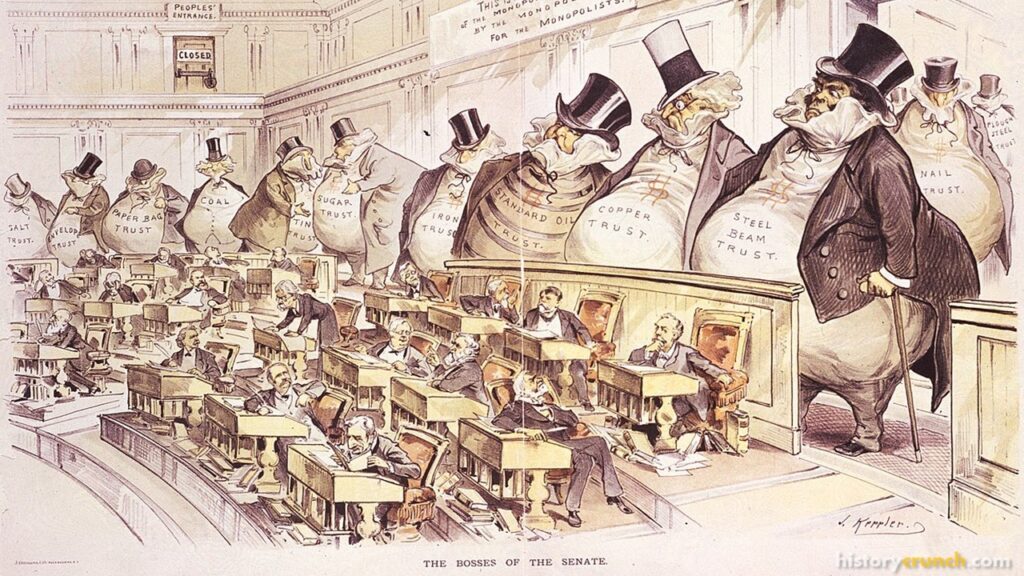
Political corruption was rampant during the Gilded Age and something historians consider important to understanding the time period. ‘Political machines’, such as Tammany Hall in New York City, controlled local and state governments through patronage and bribery. Furthermore, the ‘spoils systemThe practice of rewarding political supporters with government jobs based on loyalty rather than skill.’, in which political supporters were rewarded with government jobs, was a hallmark of the era. This practice led to inefficiency and corruption within the government. Reform efforts eventually led to the Pendleton Civil Service Reform Act of 1883, which established merit-based hiring for many federal positions and aimed to end the spoils system.
 FactsthatCrunch
The 1883 law that ended hiring federal workers as political favors came after a disappointed job seeker shot President James Garfield.
In 1881 Charles Guiteau, angry that he had not been given a government job, shot Garfield, who died months later. The public outcry pushed Congress to pass the Pendleton Civil Service Reform Act, signed by President Chester A. Arthur on January 16th, 1883. It required many federal job seekers to pass exams instead of relying on party loyalty.
Social Inequality in the Gilded Age
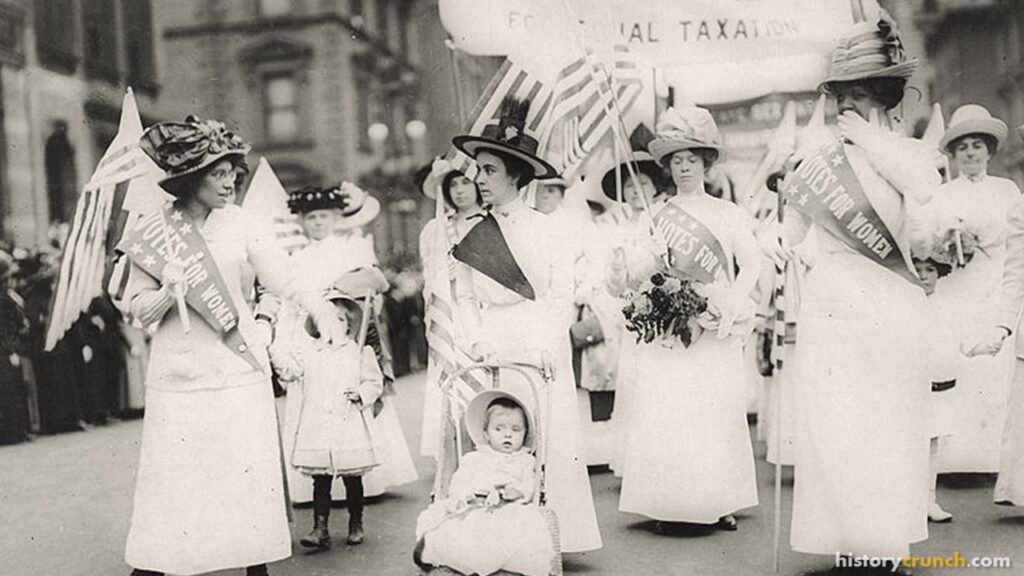
While the Gilded Age was considered to be a time of great economic growth, it was not necessarily distributed evenly through American society. For example, while industrialists and financiers amassed vast fortunes, many workers and farmers struggled with poverty. The wealth gap between the rich and the poor widened significantly, leading to social tensions and calls for reform.
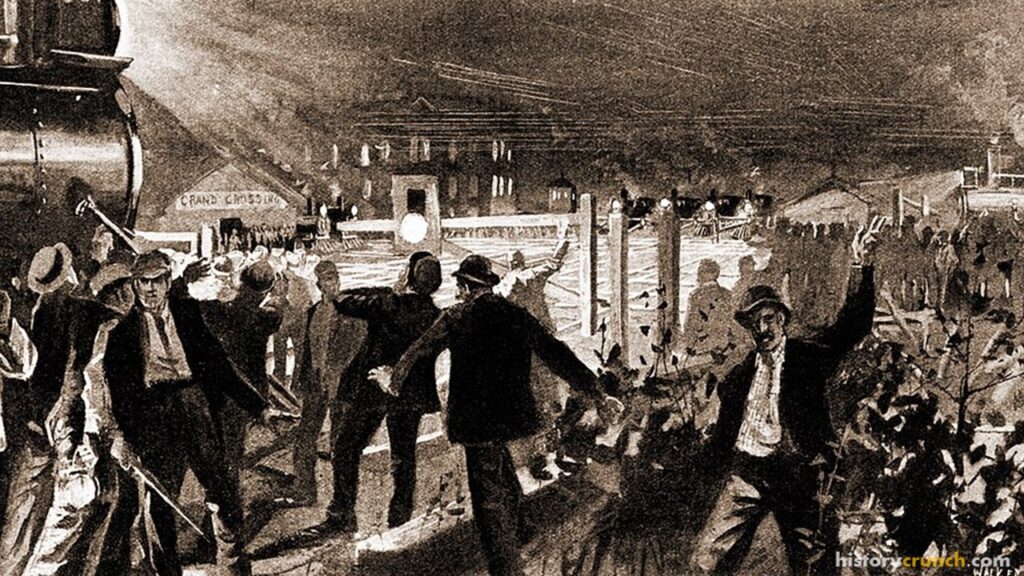
Industrial workers faced harsh conditions, including long hours, low wages, and unsafe environments. Child labor was widespread, with children working in factories, mines, and other hazardous settings. Labor unions began to form in response to these conditions, seeking to improve wages, working hours, and safety standards. More specifically, several major strikes and labor movements occurred during the Gilded Age. For instance, the Great Railroad Strike of 1877, the Haymarket Riot of 1886, and the Pullman Strike of 1894 were significant events that highlighted the struggle between labor and capital. These movements often faced violent repression from private security forces and government troops, but they also led to increased awareness of workers’ rights and the need for labor reforms.
 FactsthatCrunch
In what order did these major Gilded Age labor strikes and riots happen?
Urbanization and Immigration in the Gilded Age
The Gilded Age was a time of rapid urbanization, with cities growing at an unprecedented rate. Due to the Industrial Revolution taking place throughout a similar time period, the Gilded Age is largely defined by the shift from an agricultural society to an industrial one. Millions of immigrants and struggling farmers moved into cities looking for work in the new urbanized America. Cities like New York, Chicago, and San Francisco became bustling metropolises, characterized by both great wealth and stark poverty.
The rapid urbanization of the Gilded Age brought numerous challenges to the American cities, such as: overcrowding, inadequate housing, and poor sanitation. Furthermore, tenementA cramped, often unsanitary apartment building where many working-class and immigrant families lived in cities. buildings, where many working-class families lived, were often cramped and unsanitary, leading to public health crises. Efforts to address these issues included the development of public health initiatives, housing reforms, and the establishment of parks and recreational facilities.
As stated above, immigrants played a crucial role in the economic and cultural development of the Gilded Age. They provided much of the labor force for growing industries and contributed to the cultural diversity of American cities. However, immigrants also faced significant challenges, including discrimination, assimilation pressures, and harsh working conditions. The period saw the rise of nativistFavoring native-born citizens over immigrants, often supporting policies to restrict immigration. sentiments and restrictive immigration policies, reflecting the tensions between welcoming newcomers and protecting native-born workers’ interests.
 FactsthatCrunch
Culture and Innovations in the Gilded Age
The Gilded Age saw the emergence of a consumer culture, driven by increased production and the availability of new goods. Department stores, mail-order catalogs, and advertising became prominent features of the economy, making consumer goods more accessible to a wider population. This period also saw the beginning of brand names and mass marketing techniques.
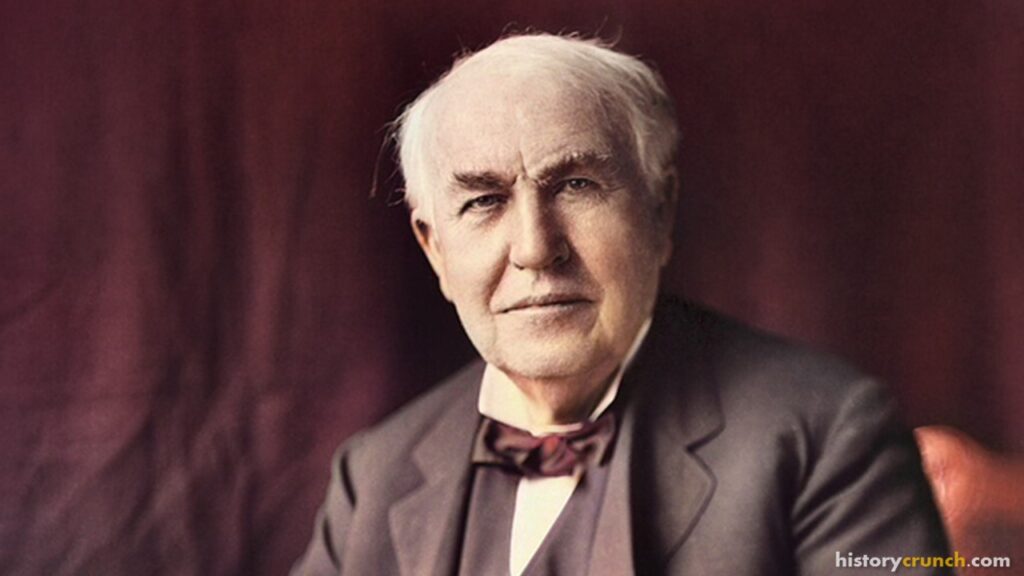
Furthermore, technological and scientific advancements during the Gilded Age transformed everyday life. Innovations such as the telephone, invented by Alexander Graham Bell, and the light bulb, developed by Thomas Edison, revolutionized communication and household lighting. The period also saw significant progress in medical science, including the development of antiseptic techniques and vaccines.
Finally, the cultural landscape of the Gilded Age was marked by a flourishing of art and literature. The realism movement in literature, exemplified by authors like Mark Twain and Henry James, sought to depict everyday life and social issues with greater accuracy and honesty. The period also saw the rise of the ‘muckrakers’, which were investigative journalists who exposed corruption and social injustices, paving the way for future reforms.
 FactsthatCrunch
Who were the muckrakers of the Gilded Age?
Muckrakers were investigative journalists who exposed corruption and social injustices during the Gilded Age and the years that followed. Writers such as Ida Tarbell, who investigated Standard Oil, and Upton Sinclair, whose 1906 novel The Jungle exposed filthy, dangerous meatpacking plants, are well-known examples. Their work helped push lawmakers toward reforms that protected workers and consumers.
Progressive Reforms in the Gilded Age
The excesses and inequalities of the Gilded Age eventually gave rise to the Progressive Movement in the early 20th century. Progressives sought to address the social, economic, and political issues that had emerged during the Gilded Age. Key figures such as Theodore Roosevelt, Woodrow Wilson, and Jane Addams advocated for reforms that aimed to reduce corruption, improve working conditions, and expand democracy.
For instance, the Progressive Movement achieved significant reforms, including the establishment of antitrustLaws designed to break up monopolies and prevent any single company from controlling an entire industry. laws to break up monopolies, the introduction of child labor laws, and the implementation of regulatory measures to ensure food and drug safety. The passage of the 16th Amendment allowed for a federal income tax, and the 17th Amendment established the direct election of senators, both of which aimed to reduce the influence of wealthy elites on politics.
 FactsthatCrunch
Which Progressive reform matched the change it made?
Legacy of the Gilded Age
The legacy of the Gilded Age and the Progressive Era is still felt today. The period laid the groundwork for modern regulatory and welfare states, emphasizing the need for government intervention to address social and economic inequalities. The reforms and movements of the time set precedents for future efforts to balance economic growth with social justice and democratic governance.
In all, the Gilded Age in the United States was a complex period characterized by rapid economic growth, significant social changes, and profound cultural shifts. While it brought unprecedented prosperity and innovation, it also exposed deep social inequalities and widespread corruption.
 FactsthatCrunch
Industrial Revolution timeline · 1760 – 1840
Key Vocabulary
Gilded Age
Robber barons
Monopolies
Spoils system
Tenement
Nativist
Muckrakers
Antitrust
Frequently Asked Questions
Why is it called the Gilded Age?
The name comes from a Mark Twain novel written in the 1870s. The word “gilded” means covered in a thin layer of gold. Twain used it to suggest that the era looked shiny and rich on the surface. Underneath, however, there was deep poverty and corruption.
When was the Gilded Age?
The Gilded Age lasted from about the 1870s to around 1900. It overlapped with the Industrial Revolution in the United States. During these years the country shifted from a farming society to an industrial one. The Progressive Era followed in the early 20th century.
Who were the robber barons?
Robber barons were powerful business leaders who built huge fortunes during the Gilded Age. Examples include Andrew Carnegie in steel, John D. Rockefeller in oil, and Cornelius Vanderbilt in railroads. Some people admired their success and called them “captains of industry.” Others criticized their monopolies and harsh treatment of workers.
What were the major labor strikes of the Gilded Age?
The biggest strikes were the Great Railroad Strike of 1877, the Haymarket Riot of 1886, and the Pullman Strike of 1894. Workers protested long hours, low pay, and unsafe conditions. These events often ended in violence from private guards and government troops. They also raised public awareness of workers’ rights.
What was the spoils system?
The spoils system was the practice of giving government jobs to political supporters. It rewarded loyalty instead of skill, which led to waste and corruption. Reformers pushed back against this practice for years. The Pendleton Civil Service Reform Act of 1883 created merit-based hiring for many federal jobs.
How did the Gilded Age lead to the Progressive Movement?
The huge gap between rich and poor pushed reformers to demand change in the early 20th century. Leaders like Theodore Roosevelt, Woodrow Wilson, and Jane Addams fought corruption and unfair conditions. Progressives won antitrust laws, child labor laws, and food and drug safety rules. The 16th and 17th Amendments also limited the power of wealthy elites.
Cite This Article
To cite this article as a source, use one of the formats below.
MLA: Woida, K.L. “Gilded Age in the United States: A Detailed Overview.” HistoryCrunch, 26 September 2026, https://historycrunch.com/gilded-age-in-the-united-states/.
APA: Woida, K. L. (2026). Gilded Age in the United States: A Detailed Overview. HistoryCrunch. https://historycrunch.com/gilded-age-in-the-united-states/
Chicago: Woida, K.L. “Gilded Age in the United States: A Detailed Overview.” HistoryCrunch. September 26, 2026. https://historycrunch.com/gilded-age-in-the-united-states/
Sources
- Emma Griffin, A Short History of the British Industrial Revolution.
- Robert C. Allen, The Industrial Revolution: A Very Short Introduction.
- Joel Mokyr, The Enlightened Economy.
- Fordham Modern History Sourcebook