Jethro Tull was an English agricultural pioneerSomeone who develops new and better ways of farming before others do. and inventor who lived during the early 18th century, best known for inventing the seed drillA machine that plants seeds in neat, evenly spaced rows at the correct depth in the soil. in 1701, a revolutionary device that efficiently sowed seeds in neat rows, significantly improving crop yields. He also developed new methods of cultivating soil, which emphasized the importance of soil aerationLoosening soil so air can get into it, helping plant roots grow more easily. and weed control, foundational principles in modern farming techniques. Tull’s innovations and writings greatly influenced agricultural practices, helping to modernize and increase the efficiency of farming during and after his time. In fact, he had a profound impact on the British Agricultural Revolution and Industrial Revolution.
 FactsthatCrunch
Jethro Tull invented the seed drill in 1701, a machine that used a rotating cylinder to place seeds into the soil at the correct depth and spacing, replacing slow and wasteful hand sowing. He later traveled to Europe to study farming practices and returned to improve his original design. His improved plough, writings on soil care, and ideas about aeration and weed control helped shape the British Agricultural Revolution and contributed to the population growth that drove the Industrial Revolution.
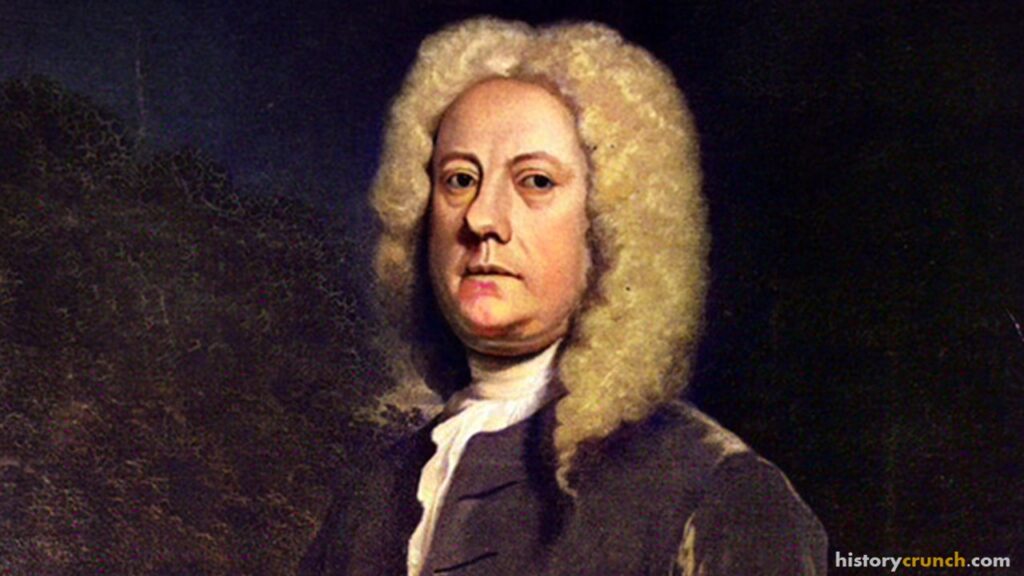
Jethro Tull – Early Life
Jethro Tull was born in Berkshire, England in 1674. His family was of high social class and education was seen to be very important so he was well educated as a child. He wanted to go into politics and in preparation studied at Oxford University. However, Tull became ill and so his career plans were put on hold. He got married in 1699 and following that he started working on his father’s farm.
FactsthatCrunchBefore he became a farmer, Jethro Tull trained as a lawyer.
After studying at Oxford, Tull trained in law in London and was called to the bar in 1699, which meant he was qualified to argue cases in court. He never worked as a lawyer. Poor health and his marriage that same year led him to his father's farm instead, where he began the experiments that made him famous.
Jethro Tull – Invention of the Seed Drill
Tull noticed that some of the traditional farming practices were very inefficient, for example how seeds were scattered by hand. So, he invented a drill with a rotating cylinderA spinning tube inside the seed drill that pushed seeds down into the ground. to drill the seeds into the soil. This made the planting process much quicker, and also limited wastageSeeds lost or wasted because they were scattered carelessly rather than placed precisely.. The crop drilling machine was not well accepted when first manufactured largely because farmers were not keen to change their ways. However, his invention of the seed drill was a major contribution to both the British Agricultural Revolution and the Industrial Revolution. For example, the seed drill allowed the planting of seeds in straight rows and helped improve agricultural productivityHow much food a farm produces relative to the effort and land used. and efficiency. This, in turn, led to an increase in the British population which was a major cause of the Industrial Revolution in Britain. Along with Charles Townshend, Jethro Tull is seen as a major figure in British history at the time.
Tull traveled to Europe where he sought more knowledge about agriculture. He traveled partly for his health and studied European farming, especially how French vineyards were hoed between rows. When he returned he improved his initial seed drilling machine which allowed crops to be planted efficiently, at the correct depth and spaced well apart so that the seeds could all grow well. Tull also developed a plough that allowed him to grow crops in the same field for successive yearsGrowing crops in the same field year after year without leaving it empty.. Although farmers were initially suspicious of Tull’s innovations and process improvements, they improved farming practices and so were eventually accepted.
 FactsthatCrunch
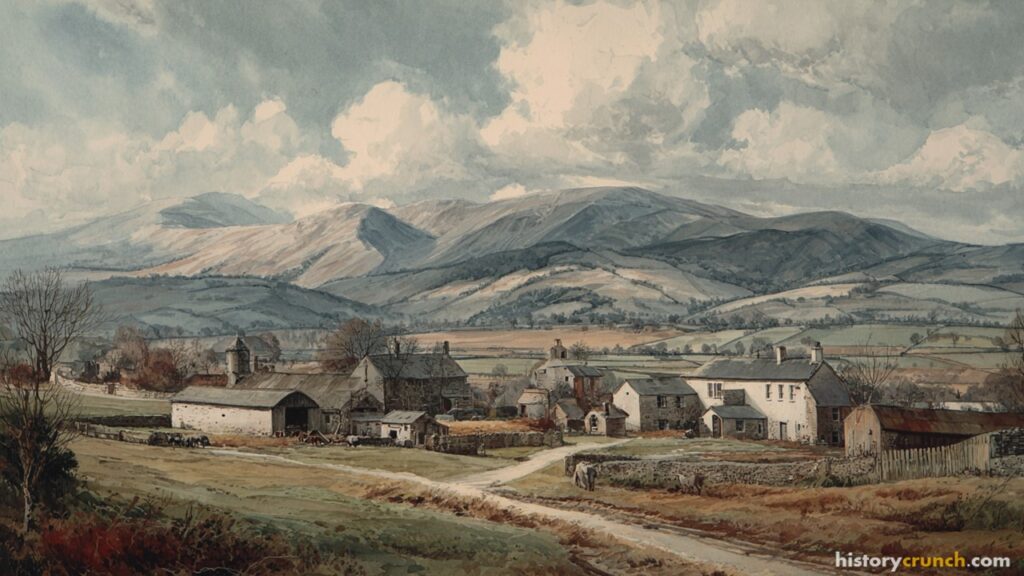
Jethro Tull's seed drill, invented in 1701, planted seeds into the soil in neat, evenly spaced rows using a mechanical system instead of scattering them by hand.
Jethro Tull – Death and Legacy
In 1731, Tull published a book about his machines and techniques which helped farmers to improve productivity. Tull and his inventions had a major influence on the agricultural revolution, and many of his processes are still used today. Tull will be remembered for helping to bring about the British Agricultural Revolution. He died on February 21st, 1741.
FactsthatCrunchTull's 1731 book spread his farming methods widely, but he wrongly believed plants fed on tiny bits of soil.
In The New Horse-Hoeing Husbandry, Tull argued that crops grew best when the soil was broken into very fine particles, because he thought roots ate those particles as food. That idea was wrong. His practical advice still worked: hoeing between rows killed weeds and loosened the soil, so farmers kept using his methods long after his theory was forgotten.
Industrial Revolution timeline · 1760 – 1840
Key Vocabulary
Agricultural pioneer
Seed drill
Rotating cylinder
Wastage
Soil aeration
Successive years
Productivity
Frequently Asked Questions
What did Jethro Tull invent?
Jethro Tull invented the seed drill in 1701, a machine that planted seeds in neat rows. The device used a rotating cylinder to place seeds into the soil at the right depth. This method was faster than sowing by hand and it wasted far fewer seeds.
How did the seed drill improve farming?
The seed drill let farmers plant seeds in straight rows at the correct depth and spacing. This raised crop yields because more seeds grew successfully. Higher food output helped support a growing British population, which was one major cause of the Industrial Revolution.
When and where was Jethro Tull born?
Jethro Tull was born in Berkshire, England, in 1674. His family had a high social standing and valued education, so he was well taught as a child. He studied at Oxford University and hoped to enter politics before illness changed his plans.
Why were farmers slow to accept Tull’s inventions?
Many farmers were suspicious of the seed drill because they did not want to change their old ways. Traditional methods, like scattering seeds by hand, had been used for generations. Over time the clear gains in productivity won farmers over, and Tull’s methods spread widely.
Why is Jethro Tull important in history?
Jethro Tull is remembered as a major figure in the British Agricultural Revolution. His seed drill, improved plough, and writings on soil care made farming more efficient. Many of his ideas about aeration, weed control, and even spacing of crops are still used in farming today.
Cite This Article
To cite this article as a source, use one of the formats below.
MLA: Beck, Elias. “Jethro Tull: A Detailed Biography.” HistoryCrunch, 26 September 2026, https://historycrunch.com/jethro-tull/.
APA: Beck, E. (2026). Jethro Tull: A Detailed Biography. HistoryCrunch. https://historycrunch.com/jethro-tull/
Chicago: Beck, Elias. “Jethro Tull: A Detailed Biography.” HistoryCrunch. September 26, 2026. https://historycrunch.com/jethro-tull/
Sources
- Robert C. Allen, The Industrial Revolution: A Very Short Introduction.
- The Science Museum Group
- Joel Mokyr, The Enlightened Economy.