Charles Townshend was an English statesmanA senior government official who plays an important role in running a country’s politics and policy. who served as the Secretary of State for a decade. Often known as ‘Turnip Townshend’, he was a pivotal figure in early 18th-century British politics and agriculture. For example, Townshend was notable for his roles in both the government and agricultural reform. His contributions to crop rotationA farming method where different crops are planted in the same field each year to keep the soil healthy. significantly advanced farming practices, earning him a lasting place in agricultural history, alongside a turbulent and influential political career.
 FactsthatCrunch
Charles Townshend – Early Life
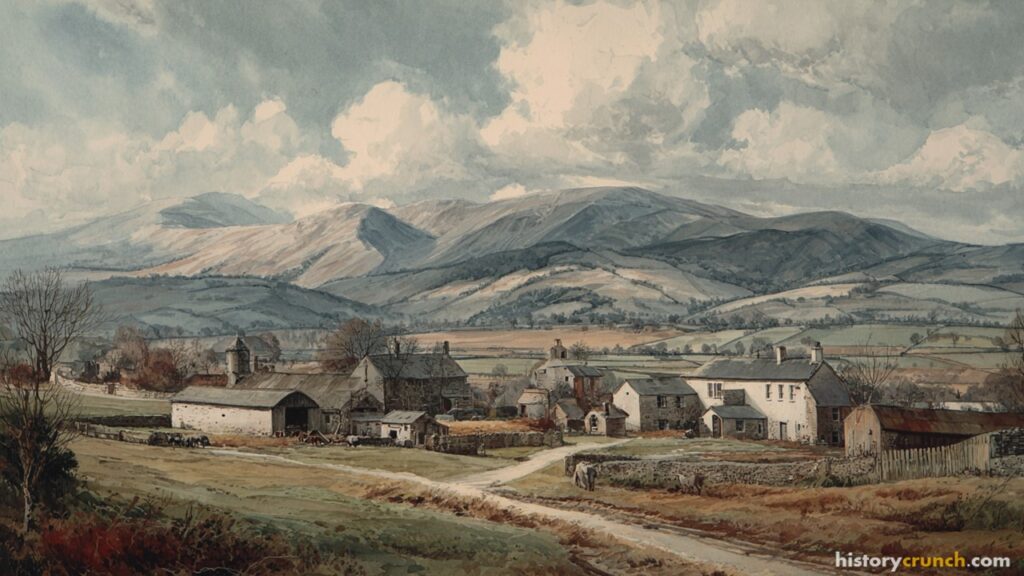
He was born on April 18th, 1674 at Raynham Hall, Norfolk, England. He is best known for his role in the British Agricultural Revolution in the years before and during the Industrial Revolution. Along with others such as Jethro Tull, he helped revolutionize food production in the country which led to a boom in the population.
 FactsthatCrunch
How did Charles Townshend become a viscount while he was still a boy?
His father died in 1687, when Charles was 13, and he inherited the family title, becoming the 2nd Viscount Townshend. He was educated at Eton and at King's College, Cambridge, and later took his seat in the House of Lords. The title came with Raynham Hall and its large farming estate in Norfolk, where he would later test his farming ideas.
Charles Townshend – Crop Rotation
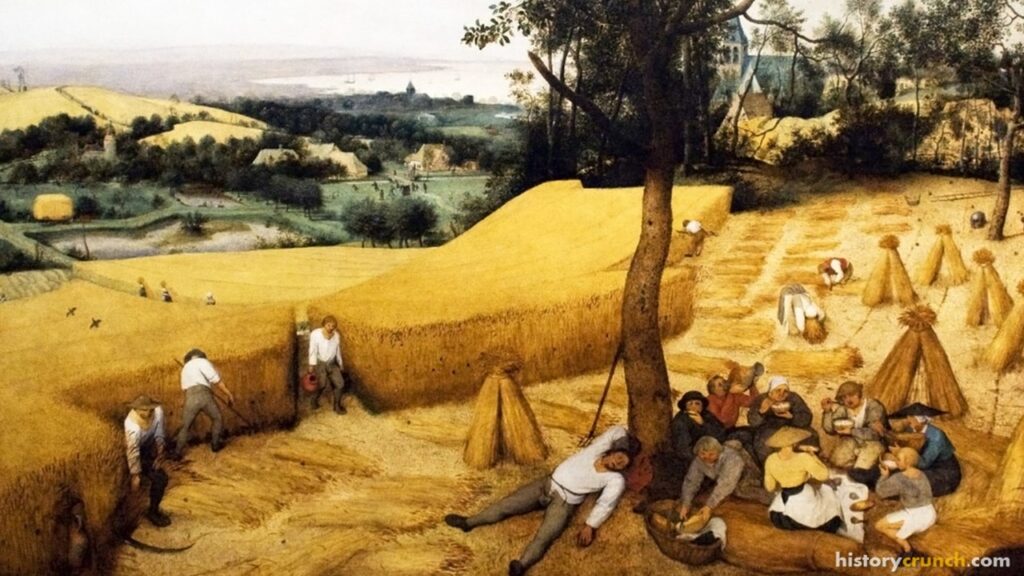
In the centuries before the start of the Agricultural RevolutionA period of major change in British farming methods that greatly increased food production., European farmers practiced a form of farming in which they planted the same crop in the same field every year. This caused them to have to not plant anything in the field every few years in order to avoid destroying the quality of the soil. However, Charles Townshend, a British statesman, identified a way to improve farming practices and thus produce more food. In the 1730s, he promoted the idea that by growing different types of crops in the fields year after year, British farmers did not have to leave a field for a growing season. For example, he argued that in one year the farmers should grow a cereal grainA grass-type plant, such as wheat or barley, grown for its edible seeds as a food staple. such as wheat or barley and in a following year they should grow a vegetable crop such as turnips. By doing so, a farmer could grow food in a field every year without diminishingReducing or weakening the quality or strength of something over time. the ability of the soil. For his discovery, he became known as ‘Turnip Townshend’. In general, this allowed British farmers to grow more food, which in turn helped lead to an increase in the population of British citizens. The increased population was important to the beginning of the Industrial RevolutionA period when European and North American societies shifted from farming-based economies to factory-based industrial production. because it created a large workforceThe total number of people available to work in factories, mines, and other industries. for the factories and mines that would be common during the time.
 FactsthatCrunch
Townshend's turnips were grown mainly to feed farm animals through the winter.
Before turnips, farmers had little winter feed, so many killed their cattle and sheep each autumn. Turnips stored well and kept the animals alive until spring. More animals meant more manure to fertilize the fields, which helped the next grain crop grow better.
Charles Townshend – Death and Legacy
He died on June 21st, 1738 at the age of 64 in Raynham Hall, Norfolk; the same place that he was born. He is remembered today as a significant statesman for England, but more importantly for his role in the British Agricultural Revolution and the innovation of crop rotation.
 FactsthatCrunch
Key Vocabulary
Statesman
Crop rotation
Cereal grain
Diminishing
Agricultural Revolution
Industrial Revolution
Workforce
Frequently Asked Questions
Why was Charles Townshend called ‘Turnip Townshend’?
He earned the nickname ‘Turnip Townshend’ because he promoted growing turnips as part of crop rotation. He argued that farmers should alternate cereal grains like wheat with vegetable crops like turnips. This idea helped him become linked forever to the turnip in farming history.
What is crop rotation and how did it help farmers?
Crop rotation means planting different crops in the same field in different years. This kept the soil healthy so farmers no longer had to leave fields empty for a season. As a result, British farmers grew more food on the same land each year.
How did Townshend’s work connect to the Industrial Revolution?
His farming improvements helped grow more food, which allowed the British population to increase. A larger population meant more workers for the factories and mines of the Industrial Revolution. In this way, better farming supported the rise of industry in Britain.
When and where did Charles Townshend live?
He was born on April 18th, 1674 at Raynham Hall in Norfolk, England. He died on June 21st, 1738 at the age of 64 in the same house where he was born. His life spanned the years leading up to the British Agricultural Revolution.
Who else was important in the British Agricultural Revolution?
Jethro Tull was another key figure who helped change farming during this period. Together with Townshend, he helped boost food production across the country. These improvements had a strong effect on populations throughout Europe.
Cite This Article
To cite this article as a source, use one of the formats below.
MLA: Beck, Elias. “Charles Townshend: A Detailed Biography.” HistoryCrunch, 26 September 2026, https://historycrunch.com/charles-townshend/.
APA: Beck, E. (2026). Charles Townshend: A Detailed Biography. HistoryCrunch. https://historycrunch.com/charles-townshend/
Chicago: Beck, Elias. “Charles Townshend: A Detailed Biography.” HistoryCrunch. September 26, 2026. https://historycrunch.com/charles-townshend/
Sources
- The Science Museum Group
- Fordham Modern History Sourcebook
- Joel Mokyr, The Enlightened Economy.