The Russian Revolution of 1917 was one of the most important events of the early 20th century, and its significance reached far beyond the borders of Russia itself. In fact, the revolution brought down the centuries-old monarchy of Russia and led to the creation of the world’s first communist state. Its effects reshaped politics, society, and economics for the entire globe, and it went on to influence major events such as World War II and the Cold War. Understanding why the revolution mattered so much helps explain much of the history that followed for the rest of the century.
The significance of the Russian Revolution refers to the lasting importance and long-term effects of the two revolutions that took place in Russia in 1917. More specifically, it involves the way the fall of the monarchy and the rise of the communist Bolsheviks changed Russia and the wider world. The term covers both the immediate results, such as the end of the Romanov dynasty, and the deeper consequences, such as the birth of the Soviet Union and the spread of communist ideas.
What Was the Russian Revolution of 1917?
The Russian Revolution of 1917 was a series of events that ended the rule of the tsars and replaced it with a communist government. A tsar was the absolute ruler, or emperor, of Russia, and at the time of the revolution the country was ruled by Tsar Nicholas II. For centuries, the Romanov dynasty had governed Russia with almost total power, but by the early 1900s many Russians had grown deeply unhappy with their rulers.
The revolution unfolded in two major phases during 1917. The first was the February Revolution, which forced Tsar Nicholas II to give up his throne and ended the rule of the Romanov family. The second was the October Revolution, also called the Bolshevik Revolution, in which a communist group known as the Bolsheviks seized control of the government. Together, these two events destroyed the old order in Russia and set the stage for enormous change.
Why Did the Russian Revolution Happen?
To understand the significance of the Russian Revolution, it is first important to understand the conditions present in Russia in the early 20th century. At the time, the country was struggling with several serious problems that each pushed it closer to revolution. These issues included anger toward the tsar and the government, economic instability, and widespread unhappiness with Russia’s role in World War I.
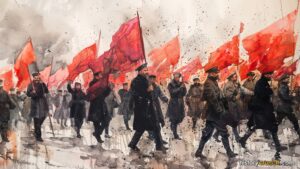
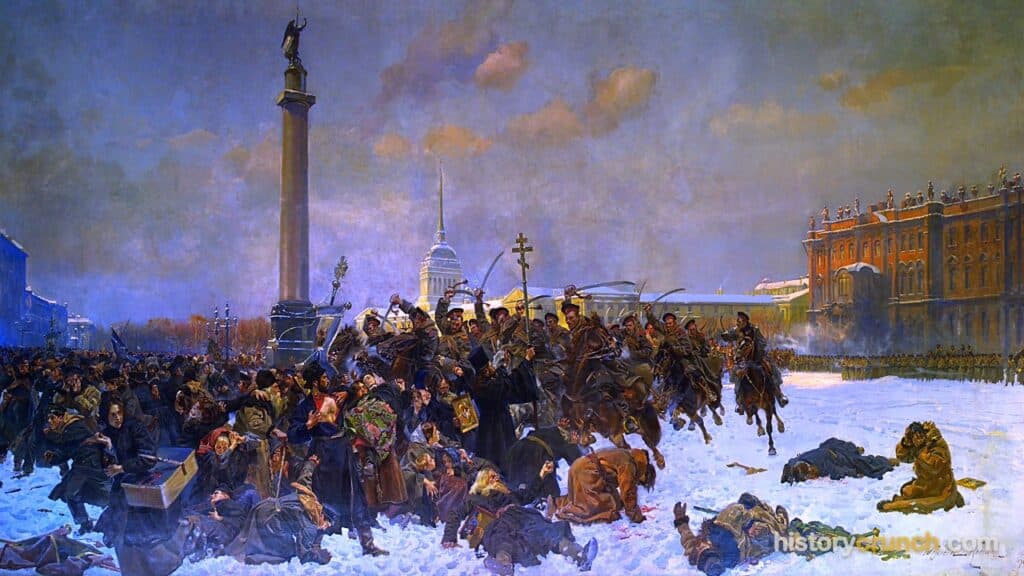
Russia’s involvement in World War I placed a huge strain on the country and its people. In fact, the war caused terrible food shortages, rising prices, and economic chaos, which turned ordinary citizens against their leaders. As conditions grew worse, workers, soldiers, and women took to the streets of the capital, Petrograd (modern-day St. Petersburg), demanding bread, peace, and an end to the rule of the tsar. In reality, the mishandling of the war by Tsar Nicholas II was one of the most direct causes of the revolution.
How Did the Revolution End the Rule of the Tsars?
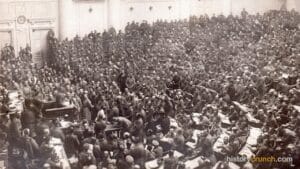
One of the most immediate and important results of the Russian Revolution was the end of the monarchy in Russia. During the February Revolution, mass protests and strikes spread across Petrograd, and the tsar quickly lost the support of both the army and the people. Faced with this mounting pressure, Nicholas II gave up his throne in March of 1917.
This event marked the end of the Romanov dynasty, which had ruled Russia for more than 300 years. In place of the tsar, a temporary government known as the Provisional Government was formed to run the country. However, this new government struggled to solve Russia’s biggest problems, including the war, food shortages, and the demand for land reform. As a result, its weakness opened the door for an even more dramatic change later that year.
How Did the Revolution Create the World’s First Communist State?
The most far-reaching significance of the Russian Revolution was the creation of the world’s first communist state. In the October Revolution of 1917, the Bolsheviks, led by Vladimir Lenin and Leon Trotsky, overthrew the Provisional Government and seized power. The high point of this event was the storming of the Winter Palace in Petrograd, where the Provisional Government met.
After taking control, the Bolsheviks began to build a new kind of government based on the ideas of communism. Communism is a political and economic system that calls for a classless society in which property and the means of production are owned in common rather than by private individuals. More specifically, the Bolsheviks followed the ideas of Marxism, aiming to place factories, land, and resources under the control of the working class, known as the proletariat. In fact, they redistributed land that had once belonged to nobles to the peasants and placed banks and industries under government control.
Russian Civil War and the Birth of the Soviet Union
The Bolshevik seizure of power did not immediately bring peace to Russia. Instead, it led to the outbreak of the Russian Civil War, a long and brutal conflict fought between the Bolshevik “Red” forces and their opponents, known as the “White” forces. The White forces were a mixed coalition that included supporters of the monarchy, conservatives, liberals, and other groups united mainly by their opposition to Bolshevik rule.
The civil war caused immense suffering, with millions of deaths and widespread famine across the country. Several foreign powers also became involved, giving the conflict an international dimension. In the end, the Bolsheviks won the war and solidified their control over Russia. This victory led directly to the establishment of the Soviet Union in 1922, a new nation built on communist principles that would eventually grow to include many separate republics.
How Did the Revolution Change World History?
The Russian Revolution had effects that reached far beyond Russia itself. For instance, it had an immediate impact on World War I, because the new Bolshevik government pulled Russia out of the fighting. In early 1918, Russia signed a peace treaty with Germany, ending its role in the war and changing the course of the conflict on the Eastern Front.
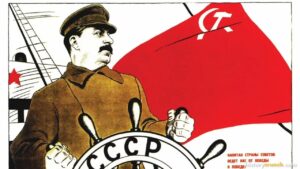
Over the longer term, the revolution inspired revolutionary movements around the world and contributed to the rise of socialism and communism as major political forces. The establishment of the Soviet Union also served as a model for other nations seeking alternatives to older forms of government. As stated above, these changes would shape global politics for decades, including the events of World War II and the tense rivalry of the Cold War.
Significance of Significance of the Russian Revolution
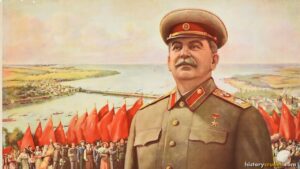
The significance of the Russian Revolution lies in the way it transformed the course of history for both Russia and the entire world. Most immediately, it ended the 300-year rule of the Romanov dynasty and destroyed the tradition of tsarist government in Russia. In its place rose the world’s first communist state, which fundamentally changed the political, social, and economic life of the country.
On a global scale, the revolution reshaped the geopolitical landscape of the 20th century. For example, the formation of the Soviet Union eventually led to the emergence of two rival superpowers during the Cold War, the United States and the Soviet Union. In reality, the revolution’s influence stretched across the entire century, inspiring new movements, ideologies, and conflicts long after 1917. For this reason, the Russian Revolution remains one of the most significant events in modern world history.
Frequently Asked Questions
Why Is the Russian Revolution So Important?
The Russian Revolution is important because it created the world’s first communist state and changed global politics for the rest of the 20th century. It ended centuries of rule by the tsars and replaced the monarchy with a completely new system of government. Its effects were felt in later events such as World War II and the Cold War, making it a turning point in world history.
What Were the Main Results of the Russian Revolution?
The main results of the Russian Revolution were the fall of the Romanov dynasty, the rise of the Bolsheviks, and the eventual creation of the Soviet Union in 1922. The revolution also led to the brutal Russian Civil War, which caused millions of deaths. In addition, it pulled Russia out of World War I and placed land, factories, and banks under government control.
Who Led the Russian Revolution?
Vladimir Lenin was the main leader of the Bolsheviks during the Russian Revolution and later became the first leader of the Soviet Union. He was helped by other important figures, most notably Leon Trotsky, who played a key role in organizing the Bolshevik forces. Lenin’s leadership guided the Bolsheviks to power during the October Revolution of 1917.
How Did the Russian Revolution Affect World War I?
The Russian Revolution led Russia to withdraw from World War I when the new Bolshevik government signed a peace treaty with Germany in early 1918. This decision ended Russia’s fighting on the Eastern Front and allowed Germany to shift its focus to the war in the west. In return, Russia gave up large areas of territory to Germany.
What Is the Difference Between the February and October Revolutions?
The February Revolution ended the rule of Tsar Nicholas II and created the temporary Provisional Government, while the October Revolution brought the communist Bolsheviks to power. The February Revolution was largely a spontaneous uprising by workers, soldiers, and citizens. The October Revolution, by contrast, was a planned takeover organized by the Bolsheviks that established communist rule in Russia.
Cite This Article
To cite this article as a source, use one of the formats below.
MLA: Millar, B. “Significance of the Russian Revolution: A Detailed Summary.” HistoryCrunch, 11 August 2026, https://historycrunch.com/significance-of-the-russian-revolution/.
APA: Millar, B. (2026). Significance of the Russian Revolution: A Detailed Summary. HistoryCrunch. https://historycrunch.com/significance-of-the-russian-revolution/
Chicago: Millar, B. “Significance of the Russian Revolution: A Detailed Summary.” HistoryCrunch. August 11, 2026. https://historycrunch.com/significance-of-the-russian-revolution/
Sources
- Wilson Center Digital Archive
- Library of Congress — Revelations from the Russian Archives
- S.A. Smith, Russia in Revolution: An Empire in Crisis 1890-1928.