PropagandaInformation designed to change people’s opinions, especially on political or economic issues. in World War I played a key role in the history of the conflict and the history of the countries involved in the war. As such, historians consider the propaganda produced in World War I to be significant in its own right.
 FactsthatCrunch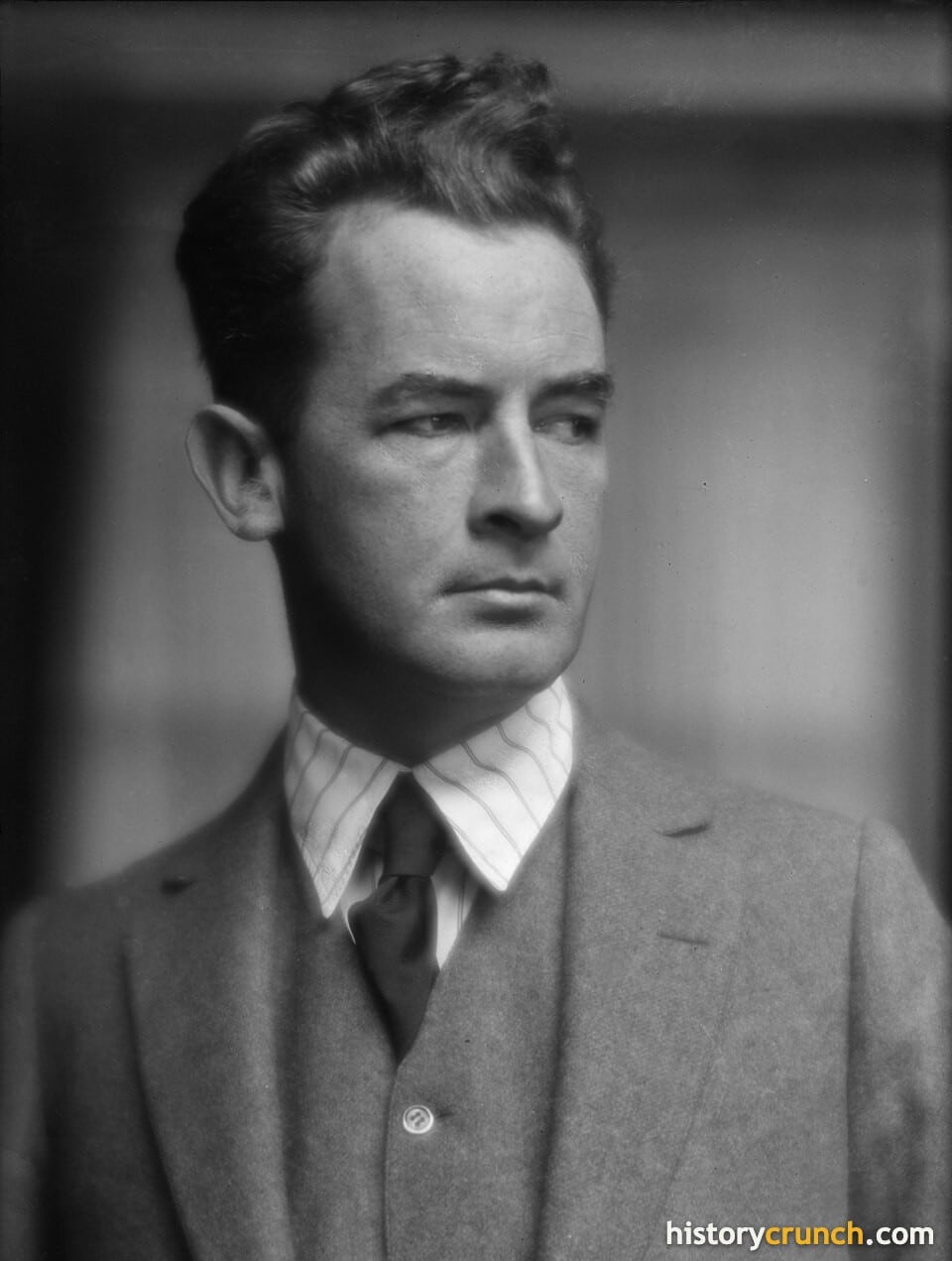
What Is Propaganda?
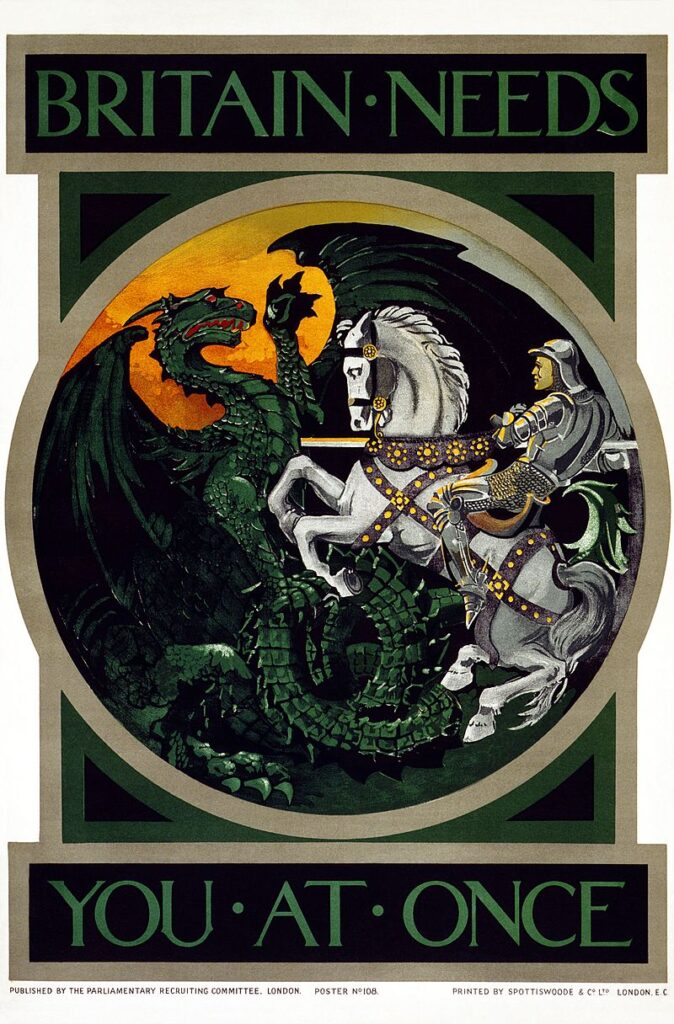
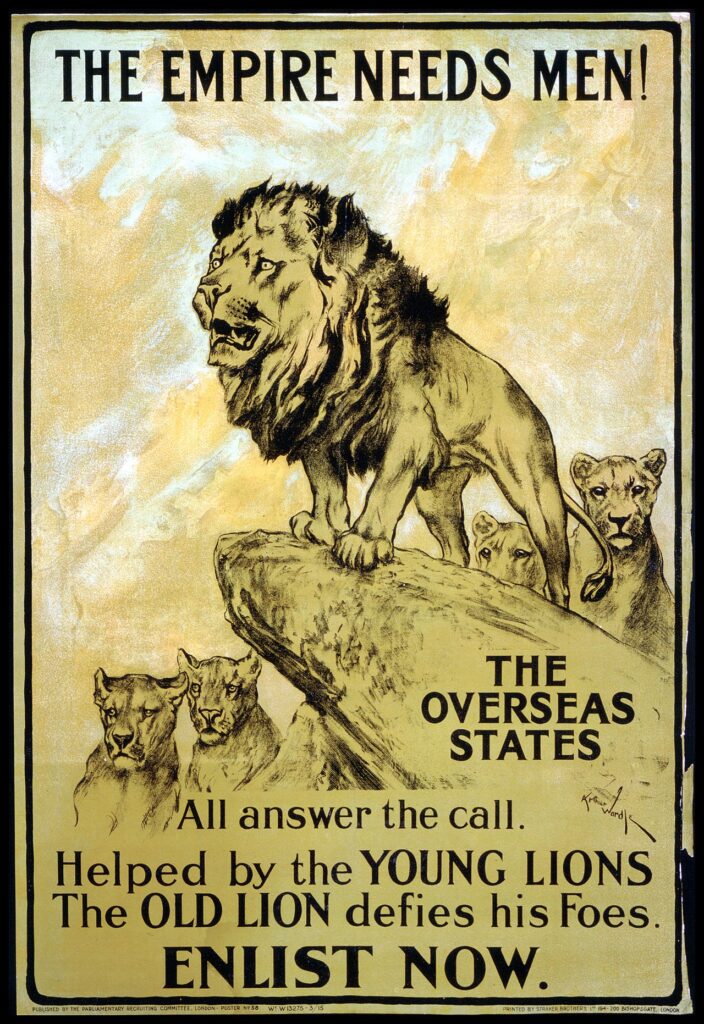
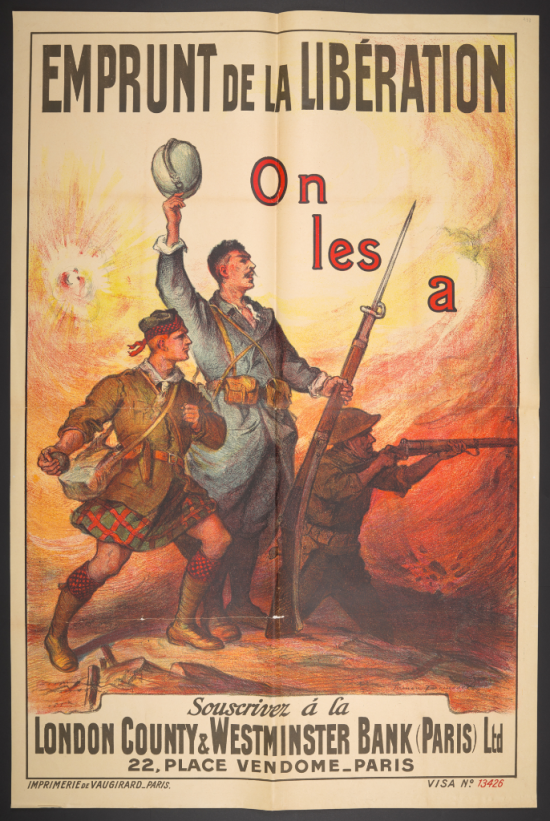
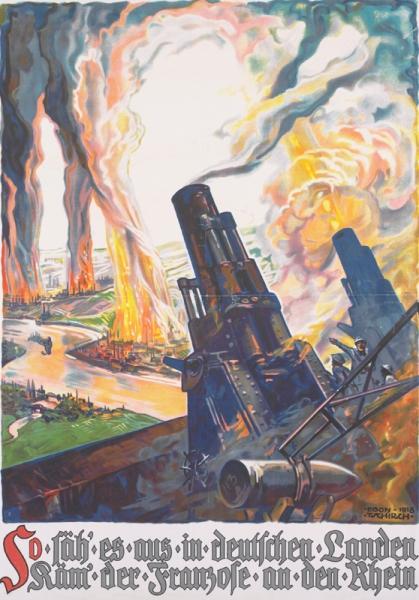
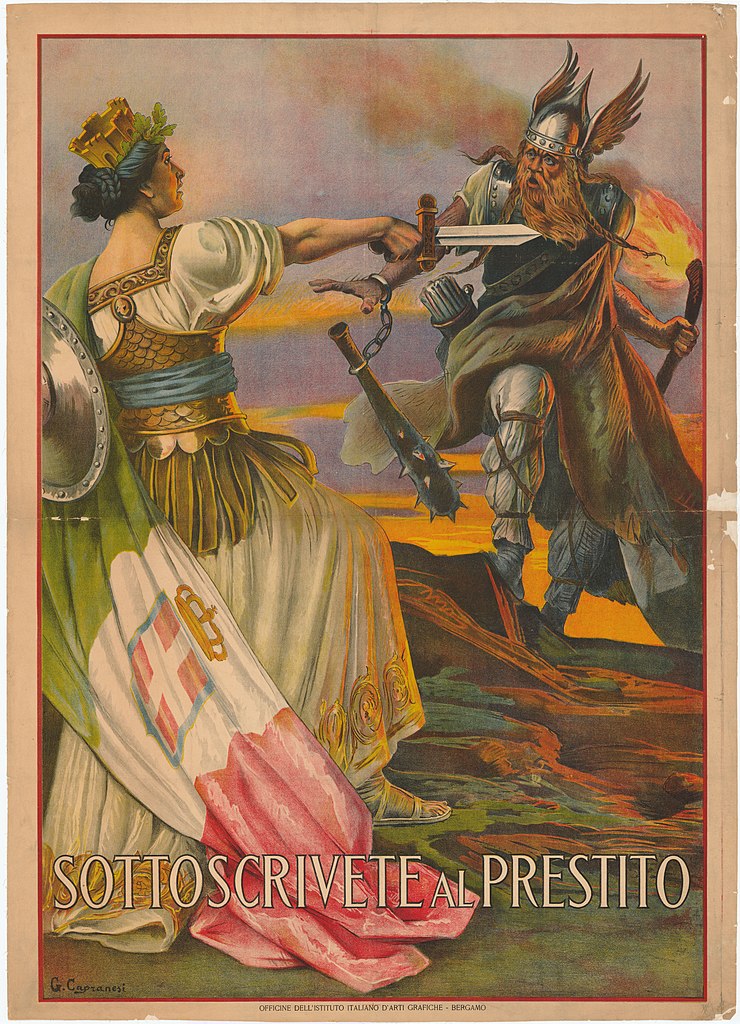
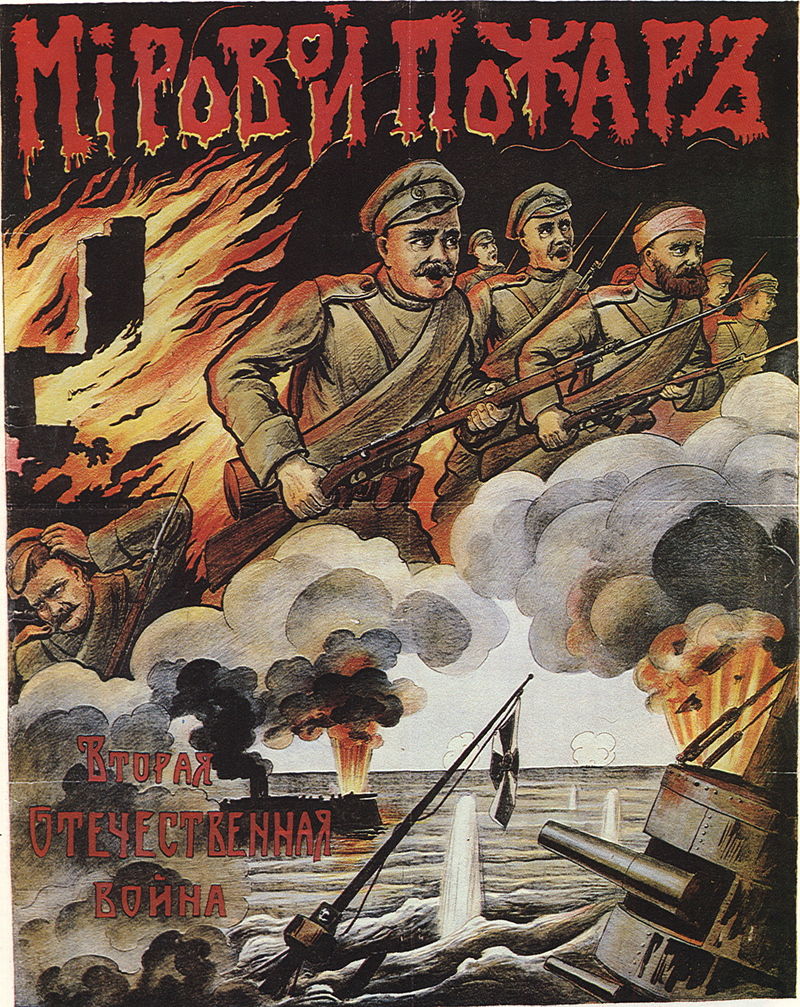
Propaganda is any information that tries to change your opinion or view on a particular topic, but is especially focused on political or economic issues. Propaganda took many forms during World War I, including: posters, pamphlets, newspapers, films, etc. During World War I, the governments of both the Allied Powers and the Central Powers used propaganda to improve their war effort and to get out messages to their citizens. For example, countries issued propaganda posters to convince men to join the armed forces, convince people to save resources for the war effort, and to convince people that the enemy was evil.
 FactsthatCrunch
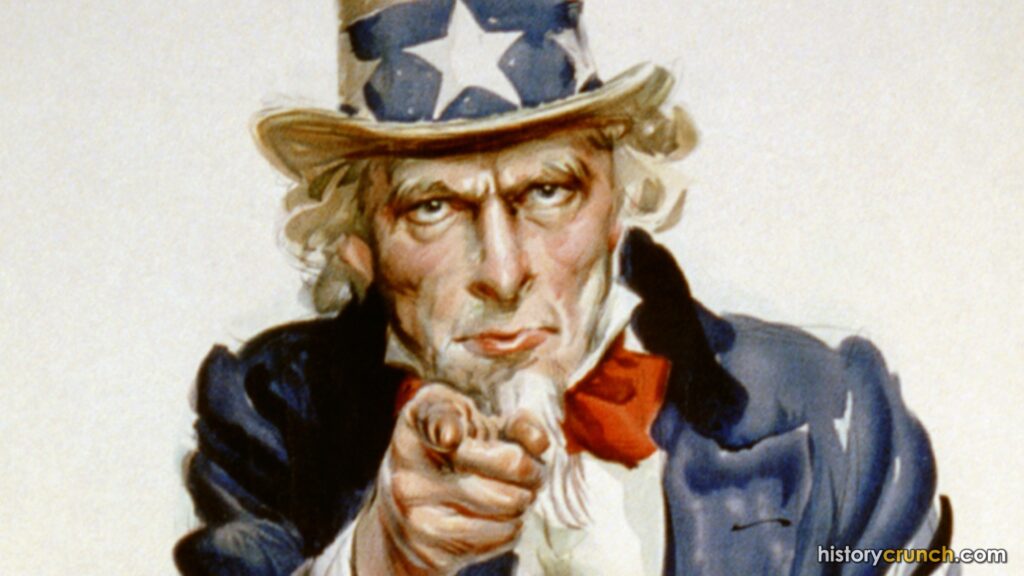
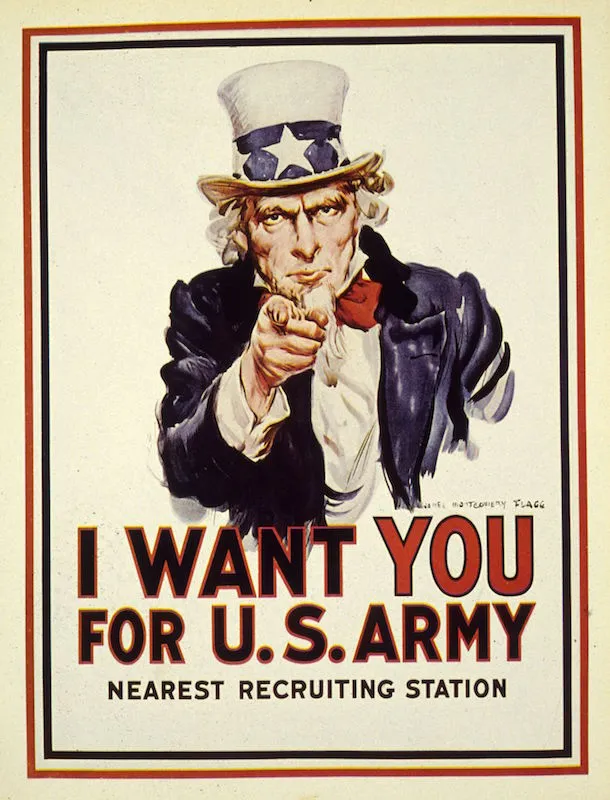
I Want YOU for U.S. Army
After the United States entered World War I in April 1917, the Army placed these words under Flagg's pointing Uncle Sam figure, first drawn for the July 6th, 1916 cover of Leslie's Weekly. The national figure speaks in the first person, addressing each viewer directly as a call to enlist.
Examples of Propaganda in World War I
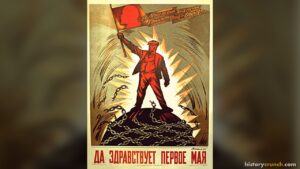
Each nation of World War I used propaganda to differing levels of success and for differing political issues. Regardless, propaganda was vitally important to the war effort for all of the nations involved and played an important role in the history of World War I. For instance, propaganda was an important aspect of the home frontThe civilian side of a nation during wartime, away from the battlefield. in World War I, and was used to influence the views of citizens on the war.
Below are examples of several different propaganda posters from World War I. You can also click on the links for the specific countries to learn about their roles in World War I, including how they applied propaganda during the war.
- Australia in World War I
- Austria-Hungary in World War I
- Britain in World War I
- Bulgaria in World War I
- Canada in World War I
- France in World War I
- Germany in World War I
- Italy in World War I
- Ottoman Empire in World War I
- Russia in World War I
- United States in World War I
 FactsthatCrunch
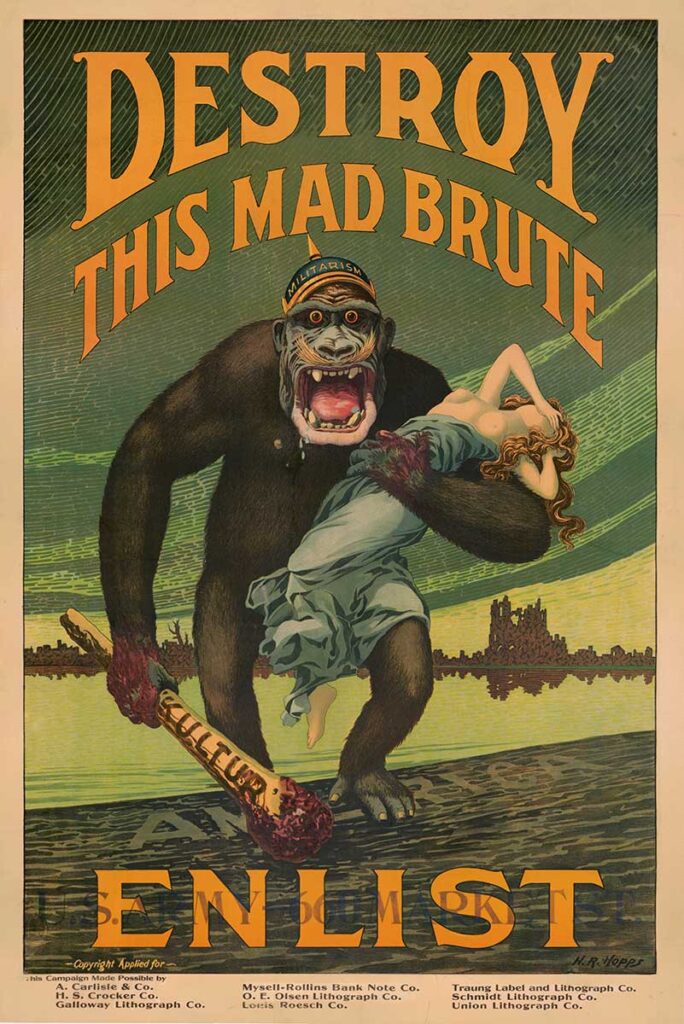
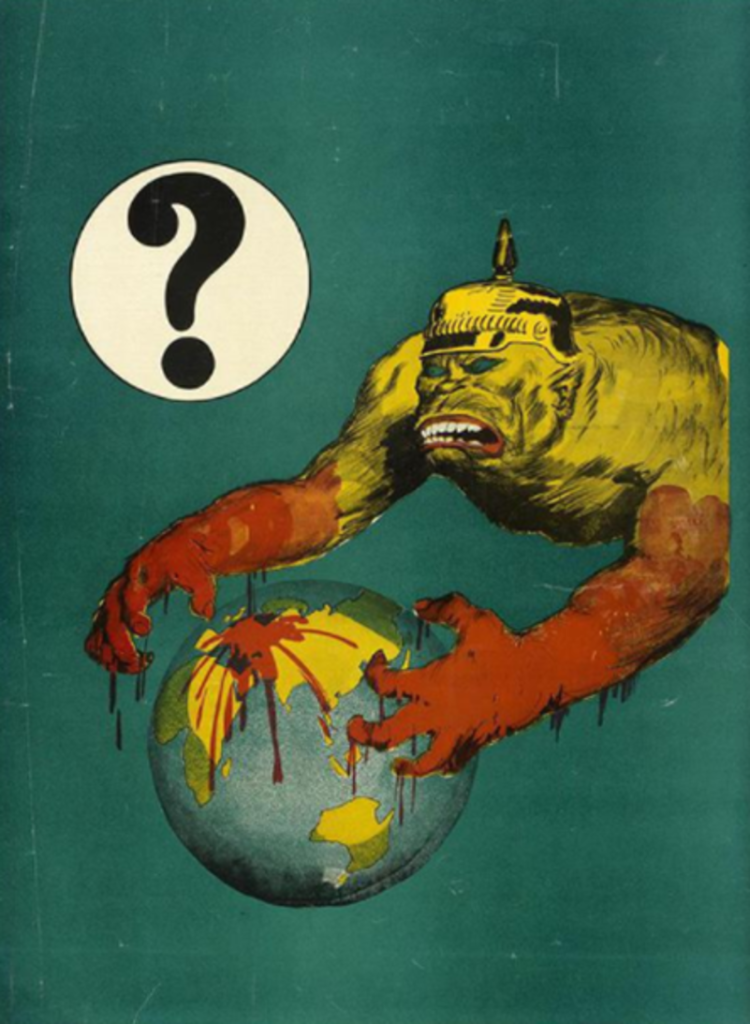
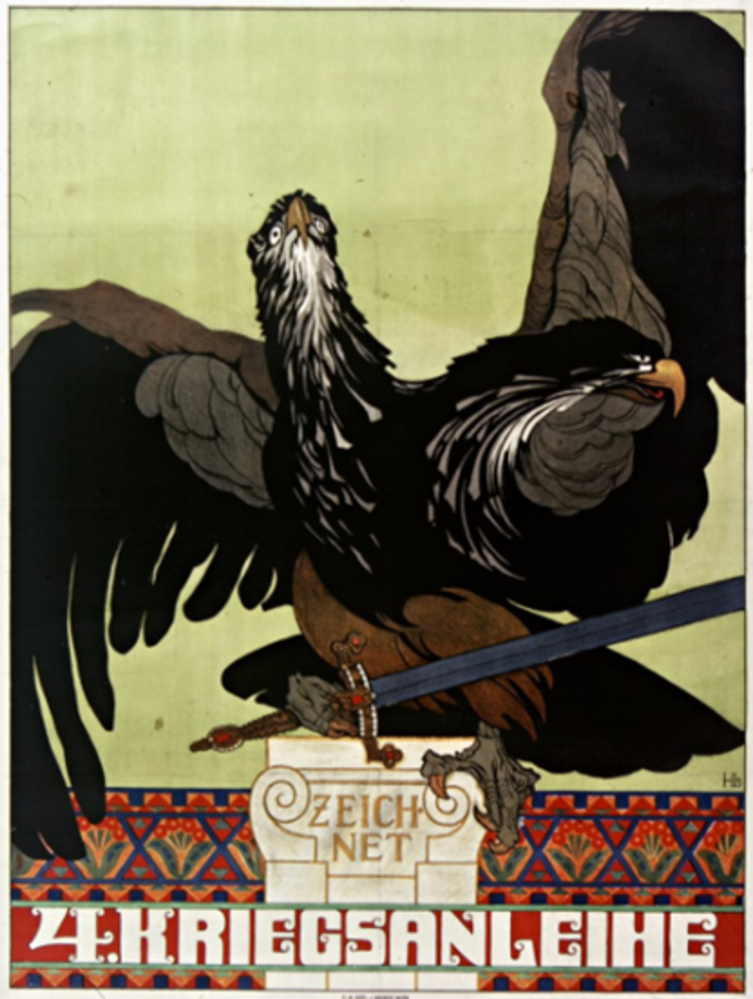
Allied and Central Powers both portrayed the opposing side as a threat, but Allied posters more often used monstrous or savage imagery to dehumanize the enemy, while Central Powers posters more often framed the war as a defensive effort to protect home territory and fund the military.
Explore World War I
Keep exploring World War I with these History Crunch resources.
Key Vocabulary
Propaganda
Allied Powers
Central Powers
Home front
Recruiting
War loans
Patriotism
Frequently Asked Questions
What is propaganda?
Propaganda is information that tries to change how people think about a topic. It often focuses on political or economic issues. During World War I, governments used it to shape public opinion and support the war effort.
Why did governments use propaganda during World War I?
Governments used propaganda to strengthen their war effort and keep citizens united behind it. It urged men to enlist, asked people to save resources, and painted the enemy as evil. Both the Allied Powers and the Central Powers relied on these messages.
What forms did World War I propaganda take?
Propaganda came in many forms, including posters, pamphlets, newspapers and films. Posters were among the most common and memorable types. They used bold images and short slogans to reach large numbers of people quickly.
Who created the famous Uncle Sam poster?
Artist James Montgomery Flagg created the iconic Uncle Sam recruiting poster in 1917. It became one of the most famous recruiting posters in United States history. The image also grew into a lasting symbol of American patriotism.
How was propaganda used on the home front?
On the home front, propaganda shaped how everyday citizens viewed the war. It encouraged people to buy war loans, save food, and support soldiers. This kept public morale high and helped nations sustain a long conflict.
How did propaganda portray the enemy?
Propaganda often showed the enemy as cruel or monstrous to build anger and fear. One American poster pictured Germany as a “mad brute.” These harsh images made people more willing to fight and support the war.
Cite This Article
To cite this article as a source, use one of the formats below.
MLA: Beck, Elias. “Propaganda in World War I: A Detailed Summary.” HistoryCrunch, 30 September 2026, https://historycrunch.com/propaganda-in-world-war-i/.
APA: Beck, E. (2026). Propaganda in World War I: A Detailed Summary. HistoryCrunch. https://historycrunch.com/propaganda-in-world-war-i/
Chicago: Beck, Elias. “Propaganda in World War I: A Detailed Summary.” HistoryCrunch. September 30, 2026. https://historycrunch.com/propaganda-in-world-war-i/
Sources
- Imperial War Museum
- John Keegan, The First World War.
- Fordham Modern History Sourcebook
- Margaret MacMillan, The War That Ended Peace.