
Grigori Rasputin was a mystic and advisor to the Romanovs of Russia, and holds a unique place in Russian history. In particular, he rose to prominence and was an influential figure in Russia in the late 19th century and early 20th century. For example, he played a significant role in the downfall of the Tsarist regime. This article explores the life, influence, and significance of Grigori Rasputin.
Early Life of Grigori Rasputin
Grigori Yefimovich Rasputin was born on January 21st, 1869 in a region of northern Russia. He came from a peasant background. For example, his father was a peasant farmer and his mother was a government courier. Historians do not know all of the exact details of this time in his life due to a lack of records and information. With that said, his early life was marked by a spiritual awakening as he embarked on a pilgrimage to various monasteries and holy sites. This gained Rasputin a reputation as a mystic and healer.
Rasputin’s Arrival in St. Petersburg
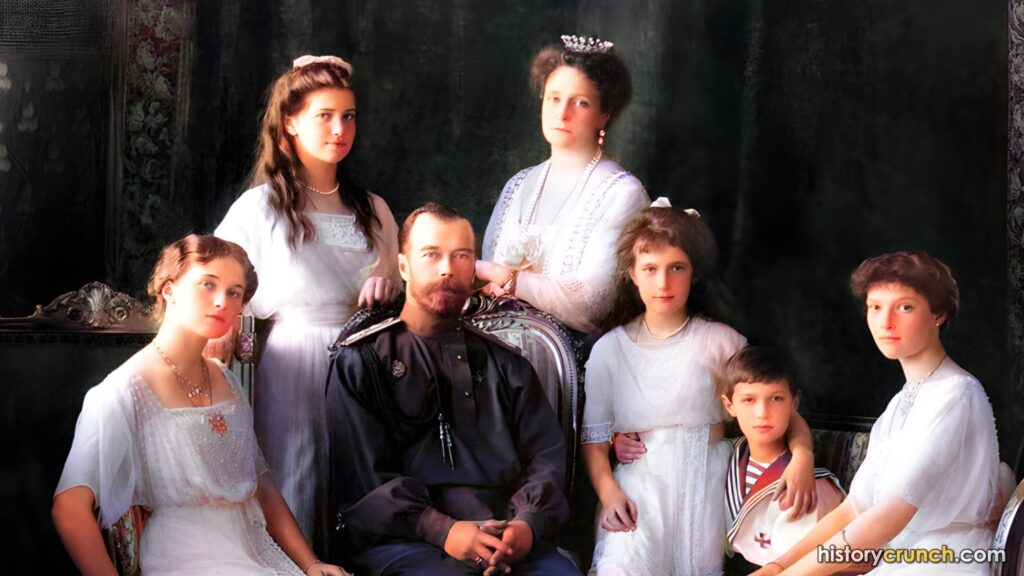
Rasputin’s mystical reputation reached the capital, Saint Petersburg, where he gained the attention of high society figures, including members of the Romanov family, which was the ruling dynasty over Russia at the time. In fact, at the time, Russia was ruled by Tsar Nicholas II. Regardless, Rasputin’s supposed ability to alleviate the suffering of the heir to the throne, Alexei, earned him favor with Tsarina Alexandra.
He traveled to Saint Petersburg in 1905 and met with local church elders. His reputation ultimately gained him a following among some of the aristocracy in Saint Petersburg, which opened new and powerful doors for him.

Rasputin’s Influence at the Romanov Court
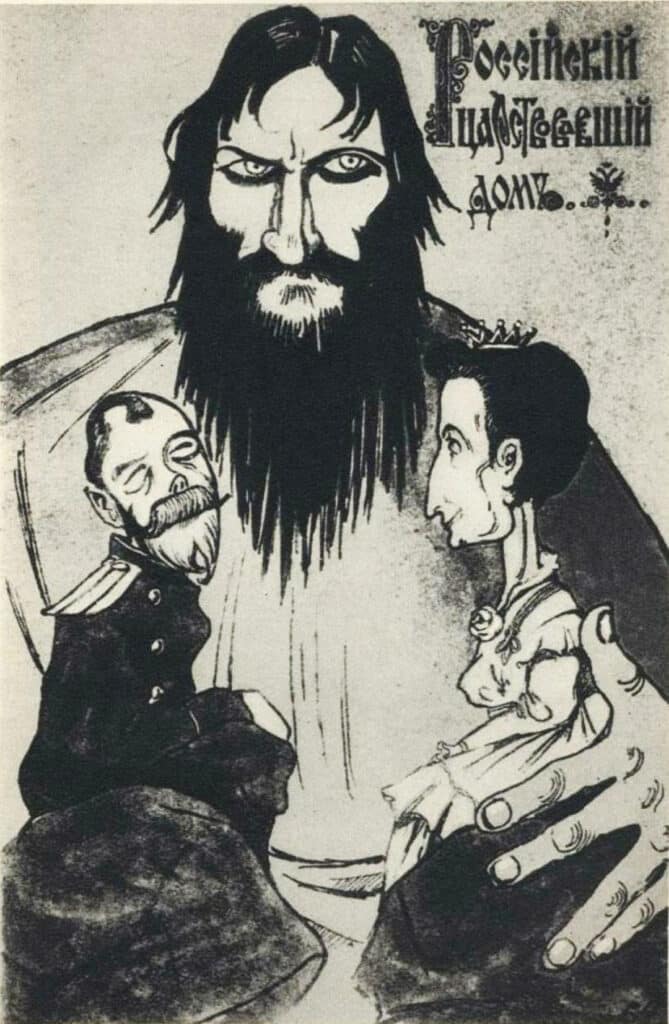
Rasputin’s influence at the Romanov court grew steadily. His ability to ease the symptoms of Alexei’s hemophilia (a bleeding disorder in which the blood does not clot properly), combined with his charismatic personality, led Tsarina Alexandra to rely heavily on his advice, often to the dismay of the nobility and political establishment. This was one of several factors, which helped contribute to the downfall of the Roman dynasty. In fact, some Russian citizens were angered by Rasputin’s influence over the royal family. As such, Rasputin became a target of criticism and suspicion among both the nobility and the greater Russian public.
Rasputin’s Political Influence and World War I
Rasputin’s influence extended beyond spiritual matters and also included political affairs. His perceived involvement in government appointments and policies, particularly during World War I, further fueled resentment and criticism. Many blamed him for the mismanagement of the war effort and the deterioration of the political situation.
This is because World War I for Russia was a disaster. Throughout World War I, Russia faced incredible losses. In fact, Russia suffered the highest losses among all of the participants of World War I. For instance, Russia supposedly suffered more than 1,800,000 military deaths in the fighting of World War I.
As such, the Russian citizens came to blame Tsar Nicholas II for the mismanagement of World War I. As such, Rasputin’s influence over political decisions at the time angered many Russians who were already angry about the devastating losses and suffering in World War I.
Assassination Attempts and Death
Rasputin survived multiple assassination attempts, including poisoning, shootings and stabbings. For example, a peasant woman attempted to assassinate Rasputin by stabbing him in the stomach on July 12th, 1914. He ultimately survived the attack and recovered which only heightened the mystique surrounding him.
Regardless, Rasputin ultimately died on December 30th, 1916, when a group of nobles succeeded in poisoning, shooting, and finally drowning him. The primary people involved in Rasputin’s assassination were Prince Felix Yusupov and Grand Duke Dmitri Pavlovich, who shared a deep anger towards Rasputin. The motives for killing Rasputin included concerns about his influence on Tsarina Alexandra, rumors of his behavior, and his perceived impact on the political decision-making of Tsar Nicholas II.
According to the accounts provided by the assassins, they served him poisoned wine and cakes, expecting the poison to be lethal. However, Rasputin appeared unaffected. Next Yusupov shot Rasputin several times, but he apparently still managed to survive. In a desperate attempt to finish the job they wrapped Rasputin in a carpet, and threw his body into the icy Neva River in Saint Petersburg.
Legacy and Significance of Rasputin
Rasputin was an incredibly significant person in the history of Russia. For instance, his influence is often considered a contributing factor to the decline of the Romanov dynasty. His controversial presence and perceived interference in state affairs fueled discontent among the Russian elite and contributed to the overall sense of instability and disillusionment that led to the February Revolution of 1917.