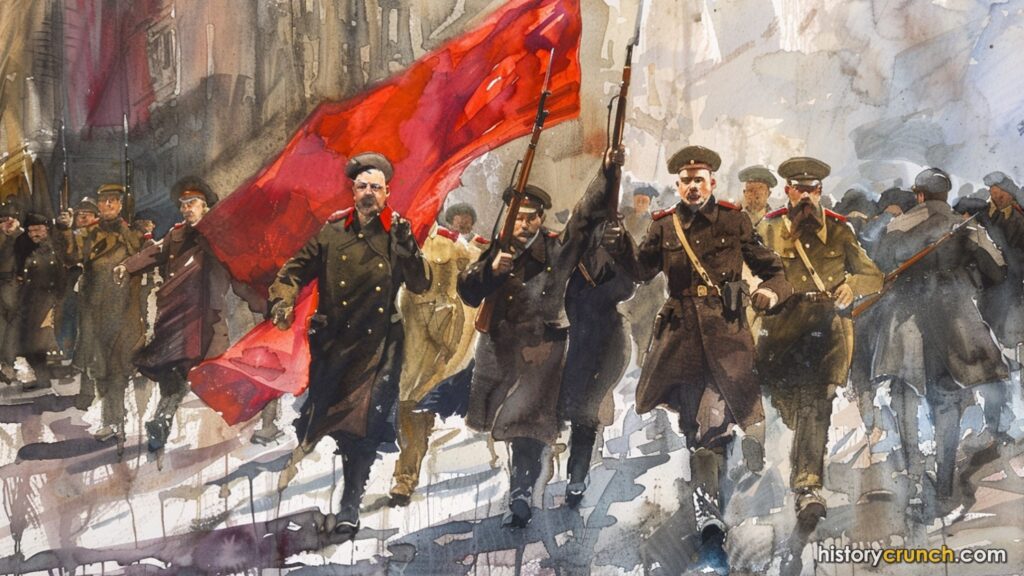
There are several significant causes for the Russian Revolution of 1917. However, to understand the significance of the Russian Revolution and its causes, it’s first important to investigate the conditions present in Russia during the early 20th century. At the time, the country was struggling with several key issues, which each contributed to the eventual outbreak of the revolution. These issues included: anger towards the Tsar and government of Russia, economic instability, and widespread discontent among the citizens towards the role of Russia in World War I.
Political Discontent as a Cause of the Russian Revolution
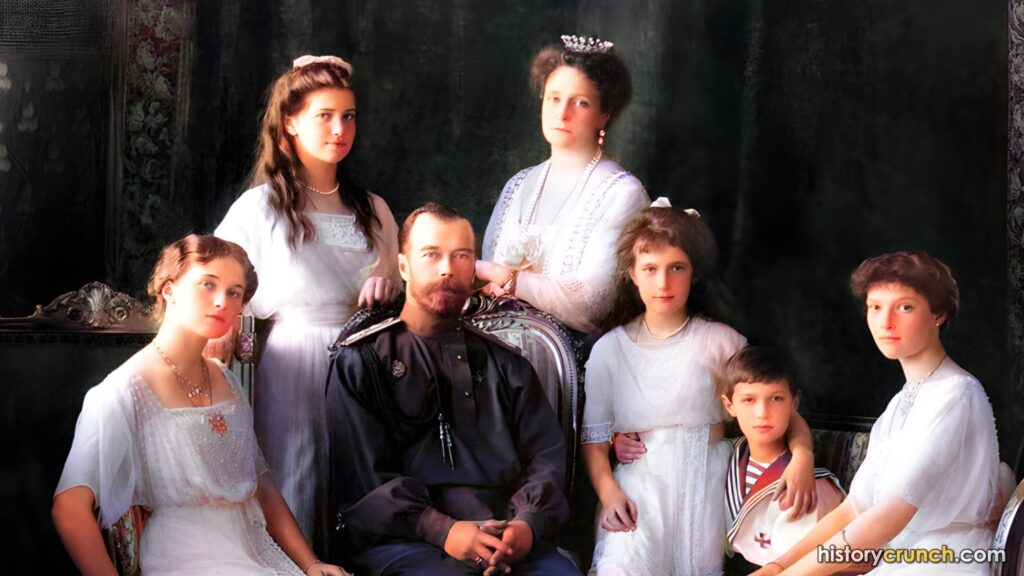
A ‘tsar’ (also sometimes spelled ‘csar’, ‘czar’ or ‘tzar’) is the title used to refer to the rulers of Russia between the 16th Century and the Russian Revolution in 1917. A Tsar is similar in function to an absolute monarch or emperor. At the time of the Russian Revolution in 1917, Russia was ruled by Tsar Nicholas II. For instance, the autocratic system of Russia essentially centralized power in the hands of the tsar.
Under his rule, the autocratic system of Russia created social inequality, as the majority of the population endured harsh conditions while a small elite enjoyed privileges. The strain of World War I made these issues worse, leading to widespread anger and frustration among the Russian citizens and ultimately led to a desire for change. Furthermore, the lack of political freedoms and the violent suppression of protests, as seen by events such as Bloody Sunday in 1905, led to anger among the Russian people. The demand for political reforms began to grow across the country throughout the early 20th century.
Economic Hardship as a Cause of the Russian Revolution
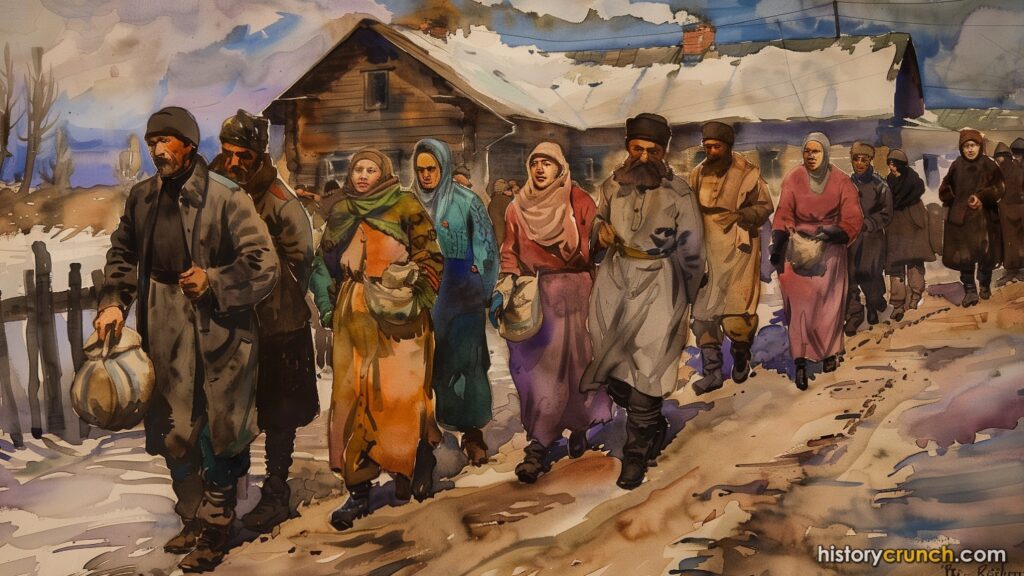
The next factor that caused the Russian Revolution of 1917 was the economic hardship faced by the majority of Russian people at the time. For instance, most of the anger expressed by Russian peasants was centered on the economic struggles and social inequalities that were entrenched in Russian society. The majority of the population, particularly the peasantry, faced dire conditions, with land (and ultimately wealth) concentrated in the hands of the aristocracy. The peasant’s demand for land reform became a rallying cry that fueled discontent across rural Russia. These calls for change gained momentum as food shortages became more common for the Russian people, thus leading to protests and strikes. All of this put immense pressure on Tsar Nicholas II and the Russian leadership.
World War I as a Cause of the Russian Revolution
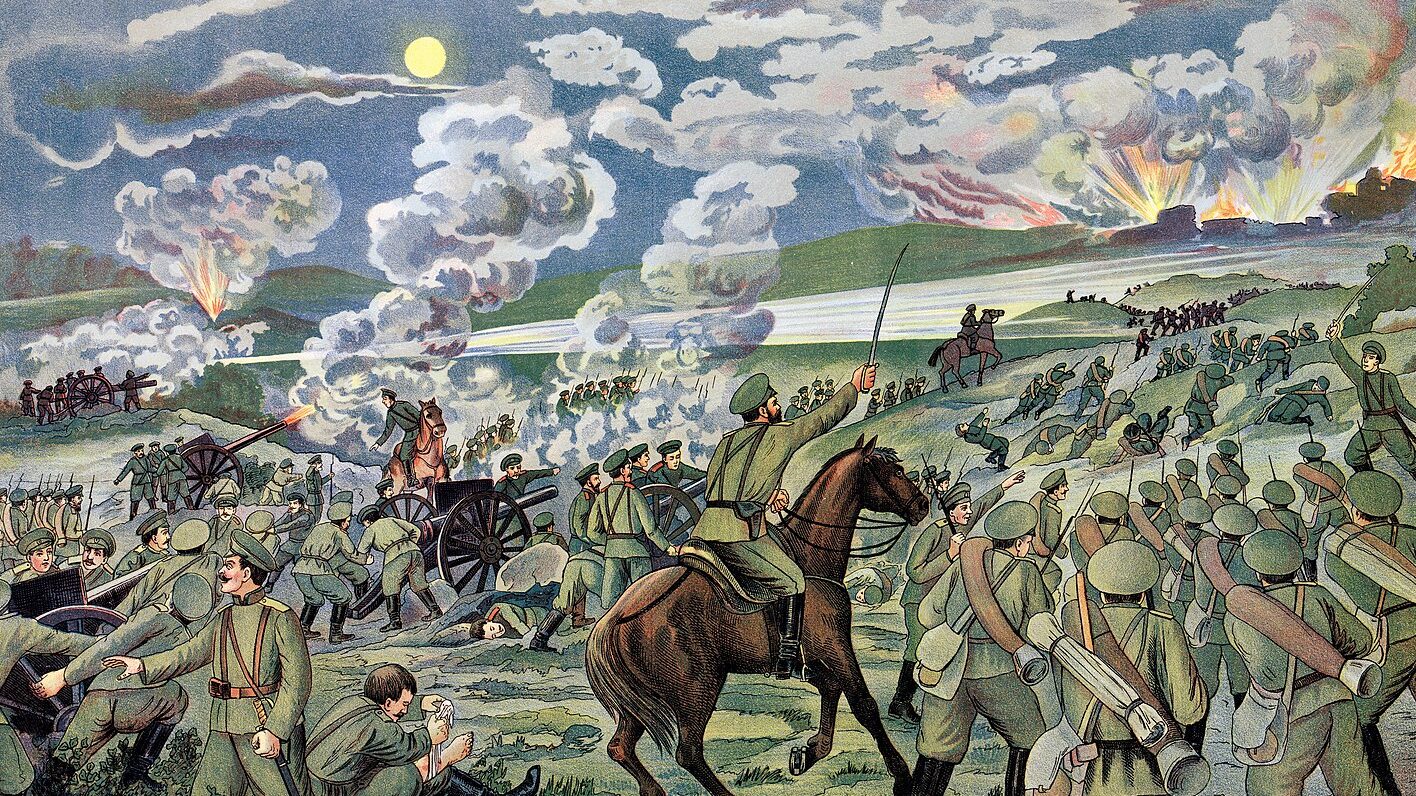
Also, the events of World War I played an important part in the outbreak of the Russian Revolution. While not necessarily a direct cause of the revolution, Russia’s participation in World War I worsened the existing problems of the country. For example, the strain that the war had on the economy, coupled with inadequate resources and military failures, led to widespread anger among the Russian population. Morale among Russian soldiers was incredibly low, as Russia suffered terrible losses during its battles with Germany in the First World War. In fact, the February Revolution of 1917 was, in part, a response to the deteriorating conditions and the loss of confidence in the tsarist regime’s ability to address the challenges posed by the conflict.
Summary of the Causes of the Russian Revolution
As such, many Russians began to lose faith in the rule of Nicholas II, during the early part of the 20th century due to several reasons, including: government corruption, economic hardships, and the devastating effects of World War I for the Russian military. All of this combined to create a climate of anger towards Tsar Nicholas II that led to the rise of new and revolutionary ideas. For example, intellectuals, inspired by socialist and Marxist ideologies, played a crucial role in criticizing the tsar and advocating for revolutionary change. The spread of revolutionary ideas, combined with the growth of socialist movements, created a positive climate for dissent against the government.